
Reviewed · LONDON WALKING TOURS
Secrets of Underground Walking Tour with London Transport Museum
Underground secrets start at Baker Street. This 5.5-hour guided walk strings together working interchanges, disused stops, and ghost-platform stories, with audio headsets so you don’t miss a word. You finish with London Transport Museum entry for independent exploring.
I love the way the guide turns station details into a clear timeline. The audio headsets make the narration easy to follow, and the stop-by-stop commentary makes places like Oxford Circus and Down Street feel like characters, not just stops.
One drawback to plan for: this is not a free-for-all into every truly closed space. Expect guided viewing and lots of walking, not full roam access.
In This Review
- Key things I’d circle before you go
- A 5.5-hour London Underground history walk that actually stays practical
- Where the tour starts: Baker Street and the Underground’s origin story
- Oxford Circus: the Victoria line design plan you can picture
- Down Street at Green Park: a station that closed in 1932
- Piccadilly Circus: two railways shaping what you see today
- Embankment: reclaimed river land and the city’s changing edge
- Westminster Tube Station: steam-era origins you can imagine
- London Transport Museum in Covent Garden: your included, independent time
- Price and value: is $32 a smart deal for this mix?
- Practical tips that make the tour smoother
- Who should book this Underground secrets tour?
- Should you book?
- FAQ
- What time does the Secrets of the Underground tour start?
- How long is the tour?
- Where do I meet the guide?
- Where does the tour end?
- Is entry to the London Transport Museum included?
- Do I need an Oyster card, Travelcard, or contactless payment for Zone 1?
- Are audio headsets provided?
- Is lunch included?
- How big is the group?
- Where is the London Transport Museum?
Key things I’d circle before you go
- Sherlock Holmes meet-up at Baker Street gets you oriented fast, before the history talk starts
- Audio headsets help a lot when you’re moving through busy stations and crossings
- Oxford Circus, Green Park, and Westminster are chosen for specific, explainable reasons—not random sights
- Behind-the-scenes peeks focus on disused stations and ghost-platform stories that you can’t see on a normal day
- London Transport Museum entry is included, so you’re not done when the walking part ends
- End near Westminster (~3:30 pm) means you’ll have time to get to Covent Garden on your own
London on foot, a few more ways
- Magical London: Harry Potter Guided Walking Tour
★ 4.7 · 22,044 reviews - London: The Original Jack the Ripper Walking Tour
★ 4.7 · 7,833 reviews - Tour for Muggles The Ultimate Harry Potter Walking Tour in London
★ 5.0 · 4,684 reviews - London Jack The Ripper Guided Walking Tour
★ 5.0 · 3,131 reviews
A 5.5-hour London Underground history walk that actually stays practical
This is a half-day walking tour built around the London Underground you already know—then it quietly shows you what most people never notice. You spend the first chunk of the afternoon moving station to station with live commentary, and you’re given personal audio headsets so the guide stays audible even when crowds get noisy.
The value is simple: you’re paying for (1) expert guidance through real transit infrastructure and (2) paid museum time afterward, all in one outing. It’s also paced for a moderate fitness level—so you’ll need good walking shoes, but you’re not doing a full-day hike.
You should know up front that the “ghost platform” theme is more about guided viewing and stories than unlimited access. In other words: you’ll get the meaning, but you’re still moving with the group.
Where the tour starts: Baker Street and the Underground’s origin story
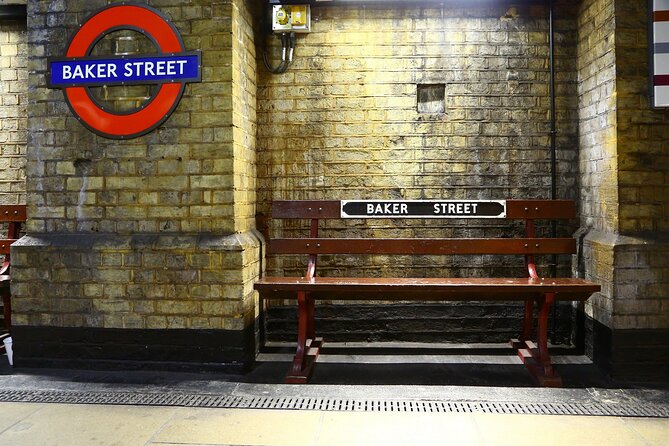
You meet at Baker Street Underground Station at 1:00 pm, outside Underground Ltd on Marylebone Road. The key detail: the tour starts by the Sherlock Holmes statue outside the station. That’s helpful because it removes guesswork—show up, line up at the statue, and you’ll find your group.
Baker Street matters for the Underground story because it connects to the Metropolitan Railway, described here as the world’s first underground railway. Even if you don’t memorize every date, you’ll understand the big idea: the Underground didn’t just appear out of nowhere. It evolved, station by station, line by line.
What I like about this opening is that the guide can point out contrasts you’ll see later. Once you hear how early underground rail worked at Baker Street, the construction dates and station decisions you hear at later stops make more sense.
Oxford Circus: the Victoria line design plan you can picture
Next is Oxford Circus Station, and the narration focuses on how the station was shaped around interchange. Construction began in 1962 on the initial Walthamstow to Victoria section, with cross-platform interchange in mind at Oxford Circus. The idea here is that transferring passengers shouldn’t have to bounce between levels—design the station so movement is fast.
Then you get a concrete milestone: the Victoria line platforms opened on 7 March 1969. The station is also tied to an extension from Warren Street to Victoria, which helps you see Oxford Circus as a connector, not just a shopping junction.
A practical note: Oxford Circus is busy. You’ll walk in a group, stop for explanation, and keep moving. That’s why the audio headsets matter—if you’re near street noise, you won’t lose the thread.
Still deciding? A handful more London outings we rated
Down Street at Green Park: a station that closed in 1932
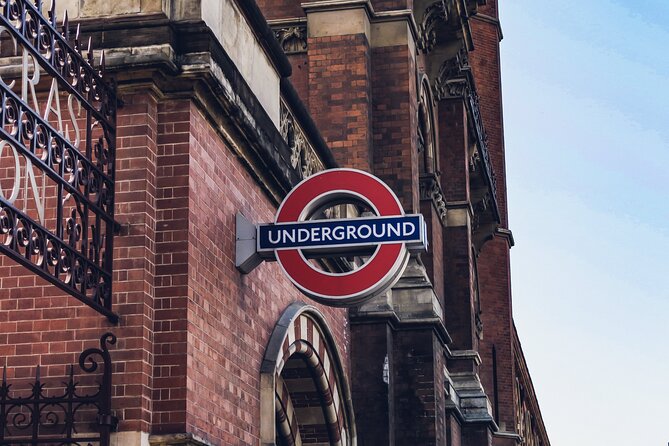
The Green Park stop is your entry into the “disused” side of London Underground life. You’ll head to the area of Down Street Station, opened in 1907 by the Great Northern, Piccadilly and Brompton Railway. Later, it was served by the Piccadilly line, and it sat between what were described as Dover Street (now Green Park) and Hyde Park Corner.
The key story moment is the closure in 1932. The explanation given is straightforward: it had lack of patronage, and it was too close to other stations, so it couldn’t justify staying open. This is the kind of station decision you can only really understand once you hear both sides—the demand and the competition.
What I think makes this stop worthwhile is that it changes how you look at London’s underground map. A lot of systems feel inevitable. Down Street shows you that stations can be practical, then obsolete, then gone.
Piccadilly Circus: two railways shaping what you see today
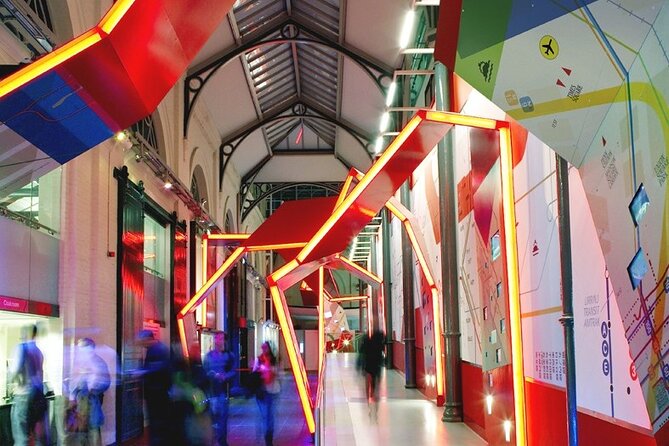
At Piccadilly Circus Station, the tour connects the station to the early rail companies behind today’s lines. The station opened on 10 March 1906, led here by the Baker Street and Waterloo Railway, which is now the Bakerloo line. Then the other half arrives: the platforms of the Great Northern, Piccadilly and Brompton Railway (now the Piccadilly line) opened later on 15 December 1906.
Even if you’ve passed through Piccadilly Circus a hundred times, this makes the interchange feel engineered rather than accidental. You’re learning that the station is basically a historical meeting point—two systems building into one flow.
This is also a good stop for your “eyes open” mindset. The guide is likely to point out what the station layout implies. Once you know the two opening dates, you can mentally sort out why certain parts feel older or arranged differently.
Embankment: reclaimed river land and the city’s changing edge
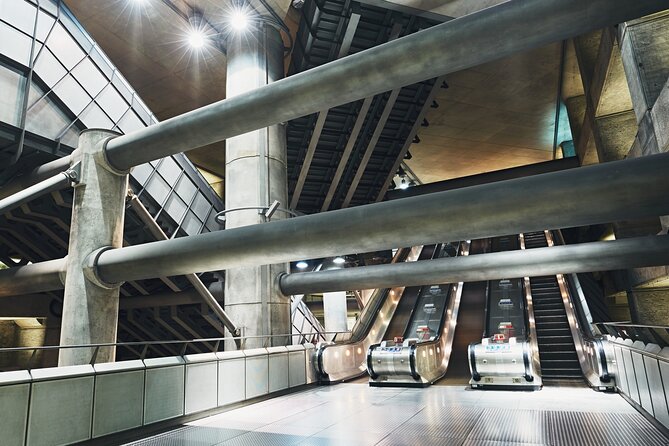
Then you go to Victoria Embankment (Embankment Station), and the narration brings the Thames into the story. Here’s the key fact you’re given: the Embankment area runs along the north bank of the River Thames and was developed in the 19th century to reclaim marshy land from the river banks.
This stop is a reminder that London Underground isn’t only about tunnels. It’s also about what the city decided to build on the surface. If you’ve ever wondered why certain areas look the way they do, this kind of detail ties transit history to city-making.
It also gives you a sense of scale. By the time you’re looking at station entrances near the river, you’re seeing the aftermath of major land changes. The walk turns into a lesson on how transportation and urban planning grow together.
Westminster Tube Station: steam-era origins you can imagine
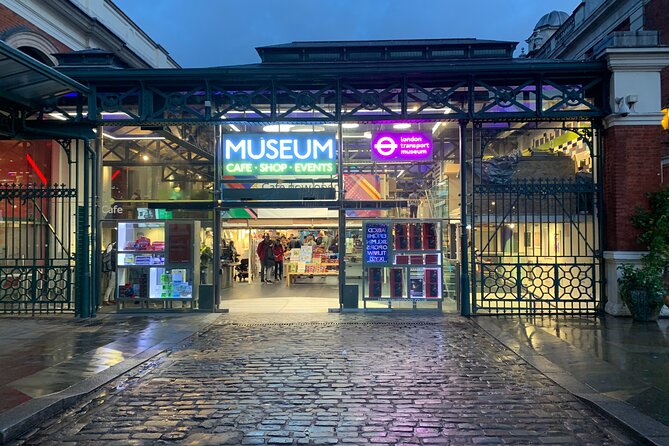
The tour finishes up the guided walk at Westminster Tube Station. Here, the stop focuses on what Westminster station used to be. It was opened as Westminster Bridge on 24 December 1868 by the steam-operated District Railway—now the District line—when that railway opened its first section from South Kensington.
Another detail worth holding onto: access originally involved a passageway from Bridge Street and a pedestrian subway under the road. That tells you how different station life was back then—less standardized, more stitched into the local street plan.
This stop is a good capstone because it contrasts the past with what you see now. You’re standing at a modern station, but you’re being given a mental picture of steam-era construction and access routes that don’t exist in the same way today.
London Transport Museum in Covent Garden: your included, independent time
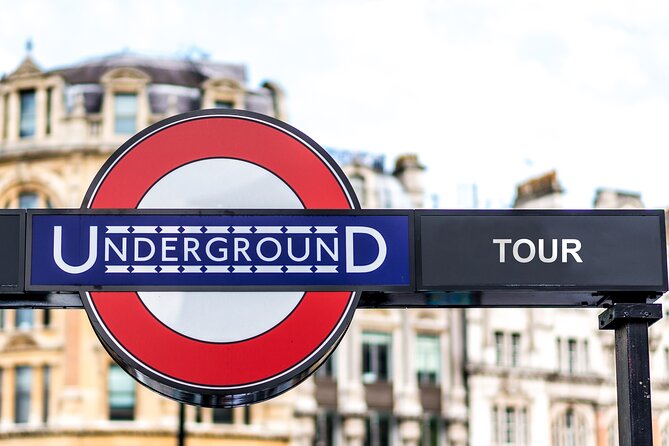
After the walking tour ends at Westminster Underground Station (around 3:30 pm), the museum becomes self-guided. Your ticket includes entry, but there is no guide for the museum portion.
The London Transport Museum is at Covent Garden Piazza, London, WC2E 7BB, with Covent Garden Underground Station as the nearest stop. The info also notes it’s walkable from several nearby stations—Leicester Square, Holborn, Charing Cross, and Embankment—with travel time listed as under roughly 4–10 minutes depending on your route.
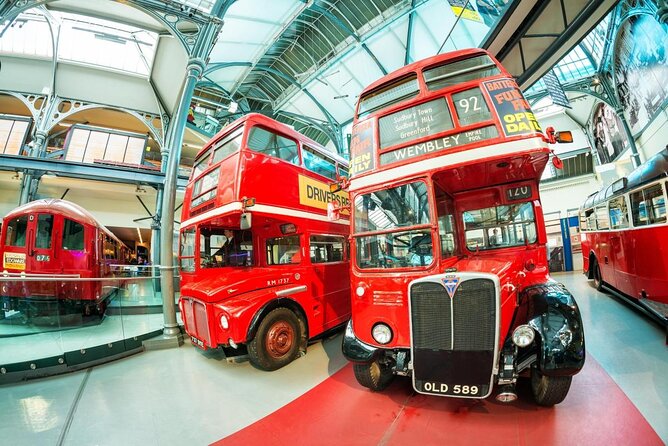
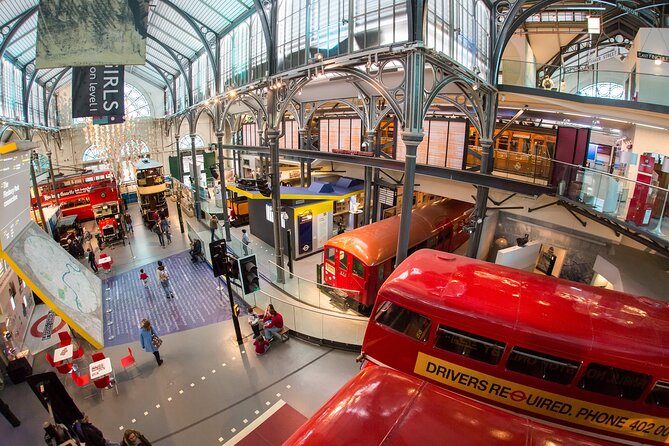
What you can expect once you arrive: the museum covers the history of London transport over about 200 years, including stories of people who traveled and worked in the city. It also includes a look at how future technologies might affect London.
My practical advice: plan your museum visit like a menu. If you’ve got limited energy after a 5.5-hour walk, choose a route that connects to what the guide told you—especially station evolution, line changes, and how the system adapted over time.
One more logistics point: lunch isn’t included. If you want a comfortable museum hour, grab a snack before you head toward Covent Garden.
Price and value: is $32 a smart deal for this mix?
At $32, this tour looks like it can be good value because you’re not only paying for a history lesson in public space. You also get entry to the London Transport Museum bundled into the same ticket, plus personal audio headsets for the guided walk.
You’ll get the most out of it if you like:
- transit history tied to specific locations
- guided explanations that reference real station features and dates
- stepping into the story world after the walk, through the museum
Where value depends on you: if you’re not very into trains, stations, or city planning, you might find the walking stops a bit “detail heavy.” For people who do enjoy how cities work, this is exactly the kind of half-day that feels time-efficient.
Practical tips that make the tour smoother
Here are the pieces that matter most day-of:
- Bring a Zone 1-ready payment option for public transport. You’ll need an Oyster card / Travelcard / contactless payment card for Zone 1 participation.
- Travel to the museum isn’t included, so you’ll need to use London transit on your own after the tour ends.
- Wear shoes built for station sidewalks and stair-level walking. The tour is designed for moderate fitness, but you are still on your feet most of the afternoon.
- Know the group size is capped at 25 travelers, which generally helps keep the guide’s commentary clear and the pace manageable.
- If you’re traveling with a time-sensitive schedule for later in the evening, remember the guided tour part is scheduled to end around 3:30 pm.
Who should book this Underground secrets tour?
I’d book it if you:
- love London details that aren’t just postcard views
- enjoy stories tied to dates, engineering changes, and how lines grew
- want a guided walk plus a museum hour without needing extra planning
I might skip it if you:
- hate crowds and long station-walk moments
- expect full access to areas that are normally closed (the focus here is guided viewing and stories)
- are mainly after general sightseeing, with minimal interest in how transit systems work
Should you book?
Yes—if you’re the type who enjoys how a city works under the surface. The blend of expert-led station storytelling and included museum entry makes it a strong half-day plan, especially when you want more than the usual “here’s what London looks like” route.
If you’re short on time or you dislike transit history, the tour may feel niche. But if station details and the Thames-and-tunnels connection sound like your thing, this is one of the better ways to spend an afternoon in London.
FAQ
What time does the Secrets of the Underground tour start?
The tour starts at 1:00 pm.
How long is the tour?
The total duration is about 5 hours 30 minutes, with the London Transport Museum portion included.
Where do I meet the guide?
Meet at Baker Street Underground Station, outside Underground Ltd, Marylebone Rd, London NW1 5LJ, UK. The tour begins at 1:00 pm by the Sherlock Holmes statue outside the station.
Where does the tour end?
The tour finishes at Westminster Underground Station, Bridge St, London SW1A 2JR, UK, at around 3:30 pm.
Is entry to the London Transport Museum included?
Yes. Entry to the London Transport Museum is included, and you can explore it independently afterward.
Do I need an Oyster card, Travelcard, or contactless payment for Zone 1?
Yes. A Zone 1 Oyster card/Travelcard/contactless payment card is required to participate, and it isn’t included.
Are audio headsets provided?
Yes. Personal audio headsets are provided for the Underground tour portion.
Is lunch included?
No lunch is included.
How big is the group?
The tour has a maximum of 25 travelers.
Where is the London Transport Museum?
It’s at Covent Garden Piazza, London, WC2E 7BB, with Covent Garden Underground Station as the nearest stop.
More Tours in London
- From London: Harry Potter Warner Bros Studio Tour
★ 4.7 · 26,588 reviews - Magical London: Harry Potter Guided Walking Tour
★ 4.7 · 22,044 reviews - London: Warner Bros. Studio Harry Potter Tour & Branded Bus
★ 4.7 · 19,194 reviews - London Big Bus Hop-On Hop-Off Tour with Optional River Cruise
★ 3.5 · 10,803 reviews - London Small Group Tour of Historical Pubs
★ 5.0 · 10,422 reviews
More Tour Reviews in London
- From London: Harry Potter Warner Bros Studio Tour
★ 4.7 · 26,588 reviews - London: Westminster to Greenwich River Thames Cruise
★ 4.5 · 22,836 reviews - Magical London: Harry Potter Guided Walking Tour
★ 4.7 · 22,044 reviews - London: Madame Tussauds London
★ 4.6 · 20,915 reviews - London: Warner Bros. Studio Harry Potter Tour & Branded Bus
★ 4.7 · 19,194 reviews
More London Walks Worth the Shoe Leather
- Magical London: Harry Potter Guided Walking Tour
★ 4.7 · 22,044 reviews - London: The Original Jack the Ripper Walking Tour
★ 4.7 · 7,833 reviews - Tour for Muggles The Ultimate Harry Potter Walking Tour in London
★ 5.0 · 4,684 reviews - London Jack The Ripper Guided Walking Tour
★ 5.0 · 3,131 reviews - London: Harry Potter Movies Walking Tour (Kids Go Free)
★ 4.7 · 3,071 reviews
Just reviewed around London






London Walking Tours, compared.
 ★ 4.7Magical London: Harry Potter Guided Walking TourFrom $2022,044 reviews
 ★ 4.7The Original Jack the Ripper Walking TourFrom $257,833 reviews
 ★ 5.0Tour for Muggles The Ultimate Harry Potter Walking Tour in LondonFrom $234,684 reviews
 ★ 5.0London Jack The Ripper Guided Walking TourFrom $03,131 reviews
 ★ 4.7Harry Potter Movies Walking Tour (Kids Go Free)From $203,071 reviews
 ★ 5.0Changing of the Guard Guided Walking Tour in LondonFrom $251,793 reviews
 ★ 4.9The Great British Rock and Roll Music Walking TourFrom $361,783 reviews
 ★ 4.8Harry Potter Walking Tour in GermanFrom $201,505 reviews
Browse the lists this tour appears in