
Reviewed · THAMES RIVER CRUISES
London Big Bus Hop-On Hop-Off Tour with Optional River Cruise
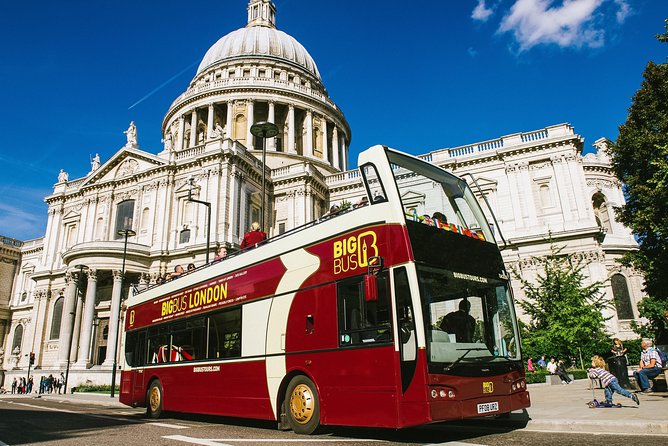
London feels big at first. This bus tour turns the chaos into a simple loop of must-see landmarks. You hop on and off across multiple areas, with recorded commentary and a plan that basically keeps you from missing the big postcard sights.
I especially like the flexibility: you can ride, then jump off for Covent Garden, Buckingham Palace views, or a stroll in Hyde Park before getting back on. I also like the convenience features that matter in real life, like onboard Wi-Fi and commentary available in 7 languages.
One thing to consider: the experience can swing based on traffic and bus frequency. On some days, you may wait longer than you’d expect between buses, which can make a tight itinerary harder.
In This Review
- Key things that make this hop-on hop-off smart
- How this bus tour helps you see more without over-planning
- Tickets, river cruise, and what you really get for the price
- Touring London in three zones: West End, the Thames, and far-west neighborhoods
- West End hits: Regent Street, Piccadilly, Haymarket, and Trafalgar Square
- Westminster and royal London: Green Park to Buckingham Palace views
- The Thames corridor: London Eye, Westminster Pier, St Paul’s, Monument, and London Bridge
- Tower-area and South Bank style sightseeing: from City-side views to Tower of London
- Kensington, Notting Hill, and the west-side reset from peak crowds
- Hop-on hop-off reality check: use the app and expect traffic
- Onboard comfort: Wi‑Fi, audio in 7 languages, and how to avoid audio confusion
- The itinerary in plain English: what to do at each major stop
- Who this tour fits best (and who should skip it)
- So, should you book it?
Key things that make this hop-on hop-off smart
- Three-route coverage across the West End, the Thames corridor, and farther west for neighborhoods like Kensington
- Optional Thames River Cruise included only with 24- and 48-hour tickets, not a 1-day pass
- Free onboard Wi‑Fi so you can check maps, tickets, and the moment-to-moment bus situation
- Recorded audio in 7 languages to keep you oriented without hunting down every fact yourself
- Evening option on longer tickets: a 2-hour non-stop panoramic tour is available with selected ticket types
More time on the river, side by side
- London: Westminster to Greenwich River Thames Cruise
★ 4.5 · 22,836 reviews - London Big Bus Hop-On Hop-Off Tour with Optional River Cruise
★ 3.5 · 10,803 reviews - London: Westminster to Tower Bridge River Thames Cruise
★ 4.5 · 6,127 reviews - London: London Eye, River Cruise, & Hop-on Hop-off Bus Tour
★ 4.4 · 5,332 reviews
How this bus tour helps you see more without over-planning

The big value here is how low-effort the sightseeing gets. You’re not trying to stitch together buses, walking segments, and timed entries on day one. Instead, you can treat the route like a moving baseline, then build your day around the stops you actually care about.
Because it’s a double-decker, you’ll get the kind of skyline views that slow city walking can’t match. And since you’re covering a lot of ground in a few hours (about 3 hours 35 minutes per full ride), you get your bearings fast—then you can return later by Tube or on foot for anything you want to linger over.
If you’re traveling with mixed interests—someone who loves monuments, someone who just wants a photo and a café—this setup tends to work. You can ride for context, hop off where you want, and skip the rest.
Tickets, river cruise, and what you really get for the price
At about $39.77 per person for the option you’re looking at, this is priced as a value sightseeing tool, not a luxury tour. The “deal” is really about bundling: bus sightseeing plus extra guided or scenic content, depending on your ticket length.
Here’s the key split you should plan around:
- A 1-day ticket does not include the River Cruise
- 24- and 48-hour tickets include a one-way Thames River Cruise
- With 48 hours, you also get 3 guided walking tours plus an evening panoramic tour (2 hours, non-stop) as part of the longer option
That means if your goal includes the Thames—London’s waterway that ties a lot of landmarks together—your best value usually comes from choosing a ticket that includes the cruise. If you only want the buses and don’t care about river views, you could save money with a shorter ticket. But if you think you’ll want both landmarks and the Thames angle, the longer pass tends to pay off.
One more practical note: your ticket validity starts when it’s activated, so don’t assume it runs from midnight or from when you buy it. If you activate later in the day, your effective sightseeing window gets shorter.
Touring London in three zones: West End, the Thames, and far-west neighborhoods
This tour works best when you think in neighborhoods, not in a strict “must-do list.” The stop spread is designed so you can create your own route on the fly.
You’ll see stops feeding these broad areas:
- West End classics: Regent Street, Piccadilly Circus, Haymarket, and Trafalgar Square
- Westminster/royal area + central landmarks: Green Park, Buckingham Palace area, Whitehall, Horse Guards Parade, Westminster Pier, and nearby riverside access
- Thames East + historic core: St Paul’s Cathedral area, the Monument to the Great Fire area, London Bridge, and Tower-of-London side stops
- Plus a farther-west expansion for Kensington/Wellington-adjacent sights (Natural History Museum area, Kensington Palace, Kensington Gardens) and links toward Notting Hill
- Some routes also reach north-central landmarks such as King’s Cross, St Pancras, and the British Museum area
The benefit of this spread is simple: you’re not stuck only in the most crowded part of London. You can float between the big-name sights and the calmer park-and-neighborhood segments.
More open-top loops around town

West End hits: Regent Street, Piccadilly, Haymarket, and Trafalgar Square

If you want the London you’ve seen in postcards, this is your section. Regent Street and Piccadilly Circus deliver the quick hits—big streets, big energy, and perfect moments for photos from up high.
Haymarket is a nice mid-point stop. It’s useful because it lets you shift from the glare of Piccadilly into the more “official” scenery around Trafalgar Square without committing to a huge walk.
Trafalgar Square is where you’ll feel the classic London gravity: fountains, column views (including Nelson’s Column), and a central meeting point that makes it easy to plan a next move. If you’re building an afternoon around a museum, or you want to pair sightseeing with a pub meal, this stop is a handy anchor.
A heads-up: on the busiest days (holidays come to mind), the open upper deck can feel more like a crowded observation platform than a relaxing ride. You might find it easier to get your best views when you can manage timing—arrive a little earlier at a stop, and consider moving between decks depending on weather and crowding.
Westminster and royal London: Green Park to Buckingham Palace views
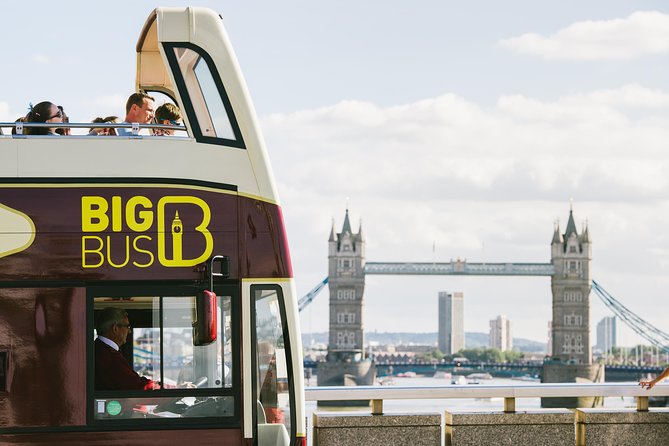
This is the part of the route that makes the tour feel like more than shopping streets. Green Park is where the scenery gets cleaner and more “palace-adjacent.” It’s also a useful starting point because it connects well to nearby Tube access if you decide to switch modes later.
From there, the stops around Whitehall and Horse Guards Parade put you near Britain’s ceremonial heart. Westminster Pier is another smart access point because it lines you up with your Thames plans. If you’re doing the river cruise, you’ll likely appreciate how the tour’s stops set you up for that next chapter without forcing a frantic scramble.
For Buckingham Palace, the main value is that you can stop, look, and then decide what happens next. You’re not locked into a single activity. You can grab photos, then jump off for nearby walking time or simply ride past again as you continue the loop.
The Thames corridor: London Eye, Westminster Pier, St Paul’s, Monument, and London Bridge
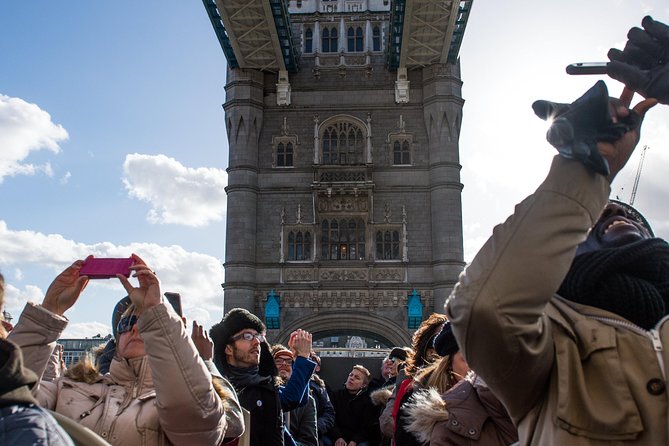
This is the sightseeing spine. You get big city landmarks in quick succession, and the river angle makes London feel connected rather than segmented.
London Eye access is a big plus here. Even if you don’t go inside, being able to pause in the vicinity helps you line up views and photos. And since it’s on a major tourist axis, it’s also a practical navigation point: it’s easier to reposition yourself from here than from some smaller stops.
St Paul’s Cathedral is one of those stops you’ll probably want to linger at. The best part of hop-on hop-off is that you can match your time to your mood. If you’re craving a quick photo, do a short hop-off. If you want a longer walk and a slower look, this stop lets you do that without breaking your day plan.
The Monument to the Great Fire area gives you a different layer of London’s story. It’s not just pretty architecture—it’s a reminder that the city has been rebuilt before, and the skyline you’re seeing has history baked into it.
Then you flow toward London Bridge and further east-side areas. This stretch is excellent if you want the feeling of London as a living city—more than just a collection of stops—because you’re moving along one of the most iconic corridors.
Tower-area and South Bank style sightseeing: from City-side views to Tower of London
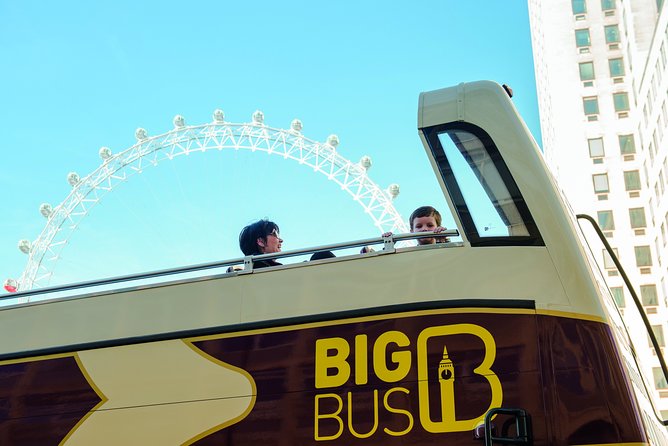
The Tower of London side is where the tour shifts from “wow, look at that” to “okay, this is real London history.” Tower-of-London stops help you reach the fortress zone without needing to plan every leg by Tube.
Near this area, the walking opportunities can be a little more intense, depending on the day and crowds. The bus is useful here because it gives you the option to hop off for views, then hop right back on to save energy.
If you’re not trying to cover everything in one day, treat this as a photo-and-orientation zone. Get your bearings, then decide later if you want to do a deep dive on specific sites.
Kensington, Notting Hill, and the west-side reset from peak crowds
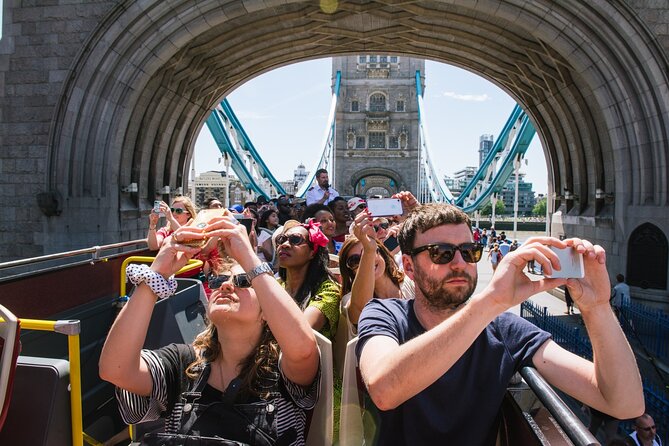
This is where you can slow down. The farther-west stops help you escape the nonstop West End pressure for a bit, while still staying inside “London tourist radar.”
You’ll see stops tied to:
- Natural History Museum area
- Kensington Palace and Kensington Gardens
- Notting Hill access points
- Links via Baker Street, Oxford Circus, and Marble Arch connections that keep the route flexible
If you like your sightseeing with a little variety—parks, grand buildings, and neighborhood streets—this segment works. It’s also a great choice if your trip includes museum time or if you want a break from the most packed commercial streets.
One practical comfort note from real-world experiences: if it’s cold or rainy, the open upper deck can become uncomfortable quickly. In those conditions, having the option to switch your viewing experience (upper deck vs lower deck) can make the day feel less miserable and more enjoyable.
Hop-on hop-off reality check: use the app and expect traffic
This is the part nobody wants to hear, but it matters. London traffic can slow buses, which can affect how quickly you get from stop to stop. Some days you’ll glide. Other days you may wait, especially between key popular stops.
Here’s the best way to reduce stress:
- Use the tour’s Live Tracking feature on the app to time your arrival at stops
- If you have reservations, build in extra buffer time
- Don’t assume every hop-off means you’ll immediately hop back on
- When conditions are rough, plan fewer major hops rather than stacking five in two hours
Also, be aware that your route may not behave exactly like a sightseeing video. Some stops can become less usable at certain times due to street conditions or changing schedules. When that happens, flexibility is your friend: walk to the next workable stop, or switch to Tube for a short segment.
Onboard comfort: Wi‑Fi, audio in 7 languages, and how to avoid audio confusion
Two onboard comforts help a lot: free Wi‑Fi and recorded commentary in 7 languages. Wi‑Fi makes it easier to verify the next stop, check directions if you’re walking a segment, and keep your plans synced with what’s happening in real time.
The audio commentary is useful because it’s part of the sightseeing while you’re moving. Instead of staring at a street sign and guessing what you’re looking at, you get context while the landmarks slide by.
That said, on very crowded days, you might notice audio issues like delay or mismatch between what you hear and what you’re seeing. If that happens, it’s not the end of the world—use the commentary as background, then rely on the landmark views and your own quick reading at stops.
The itinerary in plain English: what to do at each major stop
Here’s how I’d approach the stops so you get value without wasting time jumping around.
Green Park / Green Park Underground
Use it as an easy launch point. It’s good for getting your orientation right away, and it connects well if you later decide to switch to the Tube for a more direct route.
Hard Rock Cafe, Marble Arch, Regent Street, Piccadilly Circus, Haymarket
This zone is for the classic London streetscape. If you want photos and quick shopping-window sightseeing, hop off, walk a short loop, then return. Don’t over-plan. These stops are perfect for quick hits.
Trafalgar Square
Treat this as a central decision stop. From here, you can pivot toward royal Westminster, museums, or a meal plan with minimal stress.
Craig’s Court, Horse Guards Parade, Whitehall
This is where the ceremonial London feel shows up. Spend time if you like grandeur and government-adjacent sights; otherwise, keep it short and move on.
London Eye and Waterloo Station
Great for repositioning. If you’re doing the Thames cruise, these stops help you connect the land sightseeing with the river part. If you’re not, still use them as navigation anchors.
Covent Garden
Ideal for “hop off and wander.” It’s a top choice when you want something besides monuments—shops, people-watching, and easy café breaks.
St Paul’s Cathedral
A higher-value stop for lingering. If you only hop off a few times, let this be one of them.
Monument to the Great Fire of London
Use it if you like story-driven sightseeing. It adds meaning to the skyline rather than just showing buildings.
London Bridge, London City Hall, Tower of London, Temple area
This cluster is great for big historic sights and iconic river-crossing views. If you’re short on time, pick one major stop here and build everything else around it.
Westminster Pier, Lambeth Palace area
This is where the river planning gets practical. If your ticket includes the cruise, these access points help connect the day’s flow.
Kensington Gardens, Kensington Palace area, Natural History Museum, Notting Hill links
Choose this zone when you want parks and neighborhoods instead of nonstop landmarks. It’s also a solid use of time if your first day feels too concentrated around West End crowds.
Who this tour fits best (and who should skip it)
This tour is a great fit if you:
- Want an easy introduction to London in a day or two
- Like a mix of big sights and neighborhood wandering
- Prefer recorded commentary and self-paced hopping over a strict guided schedule
- Want onboard Wi‑Fi so you can keep your own plans moving smoothly
It’s less ideal if you:
- Have very tight time windows and hard reservations every hour
- Expect perfectly punctual buses at every stop
- Really dislike crowds, especially in peak seasons
If you’re the type who already knows London well and plans routes with the Tube confidently, you might feel like the bus is an extra layer. But if your goal is to reduce stress and get your bearings, the bus works.
So, should you book it?
I’d book it if you want a low-effort way to hit the landmarks you’ve come for, then choose where to spend real time. For best value, I’d lean toward the 24- or 48-hour option if you care about the Thames cruise, since the River Cruise is not included with a 1-day ticket.
If you do book it, go in with one mindset: use the bus for orientation and flexible sightseeing, and use the app’s Live Tracking for timing. Plan fewer hop-offs on the busiest days, and build in buffer time if you’re heading somewhere specific.
Done right, this is one of the easiest ways to feel like you’ve seen a lot of London without turning your trip into a spreadsheet.
More Tour Reviews in London
- From London: Harry Potter Warner Bros Studio Tour
★ 4.7 · 26,588 reviews - London: Westminster to Greenwich River Thames Cruise
★ 4.5 · 22,836 reviews - Magical London: Harry Potter Guided Walking Tour
★ 4.7 · 22,044 reviews - London: Madame Tussauds London
★ 4.6 · 20,915 reviews - London: Warner Bros. Studio Harry Potter Tour & Branded Bus
★ 4.7 · 19,194 reviews
More Open-Top Sightseeing
- City Sightseeing London Hop-On Hop-Off Bus & Bookable Extras
★ 4.4 · 7,374 reviews - London: Tootbus Hop-on Hop-off (Optional River Cruise)
★ 3.9 · 7,045 reviews - London: London by Night Sightseeing Open-Top Bus Tour
★ 4.5 · 5,516 reviews - London: Christmas Lights Bus Tour With Live Guide
★ 4.0 · 5,410 reviews - London: London Eye, River Cruise, & Hop-on Hop-off Bus Tour
★ 4.4 · 5,332 reviews
More Time on the Thames
- London: Westminster to Greenwich River Thames Cruise
★ 4.5 · 22,836 reviews - London: Tootbus Hop-on Hop-off (Optional River Cruise)
★ 3.9 · 7,045 reviews - London: Westminster to Tower Bridge River Thames Cruise
★ 4.5 · 6,127 reviews - London: London Eye, River Cruise, & Hop-on Hop-off Bus Tour
★ 4.4 · 5,332 reviews - High-Speed Thames River Speedboat in London
★ 5.0 · 3,971 reviews
Just reviewed around London





Thames River Cruises, compared.
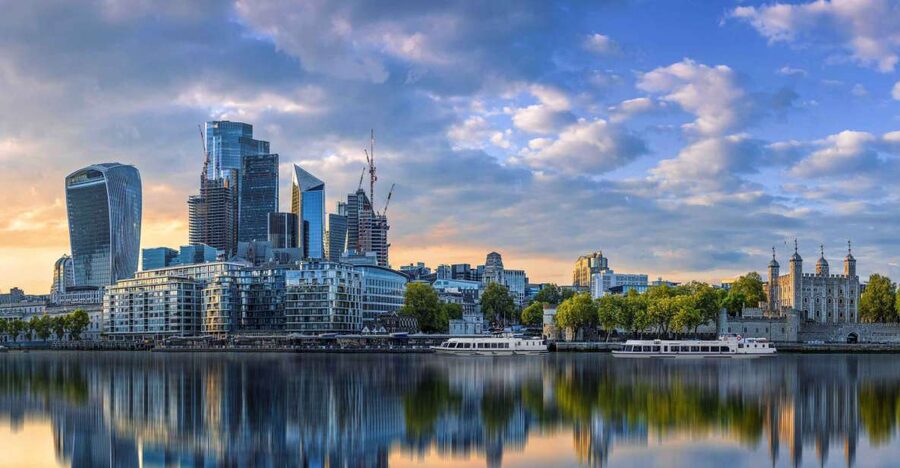 ★ 4.5Westminster to Greenwich River Thames CruiseFrom $2222,836 reviews
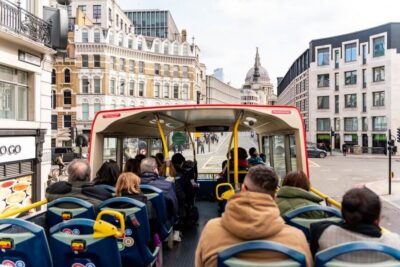 ★ 3.9Tootbus Hop-on Hop-off (Optional River Cruise)From $477,045 reviews
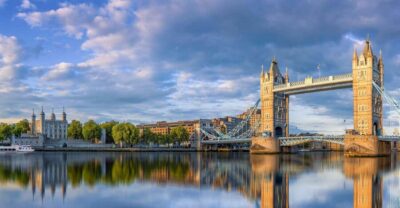 ★ 4.5Westminster to Tower Bridge River Thames CruiseFrom $186,127 reviews
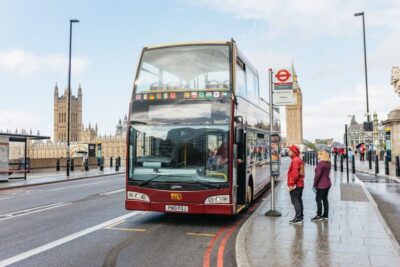 ★ 4.4London Eye, River Cruise, & Hop-on Hop-off Bus TourFrom $745,332 reviews
 ★ 5.0High-Speed Thames River Speedboat in LondonFrom $903,971 reviews
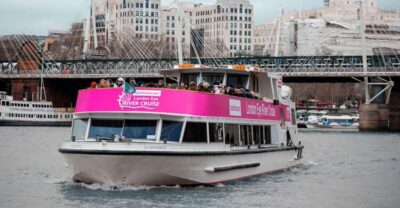 ★ 4.5Thames River Cruise with Optional London Eye TicketFrom $203,900 reviews
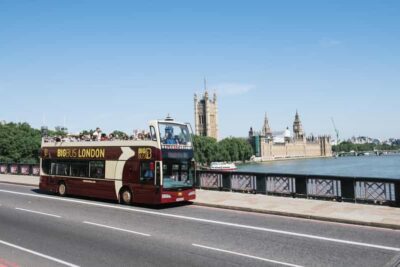 ★ 4.1Big Bus Hop-on, Hop-off with Optional River CruiseFrom $353,875 reviews
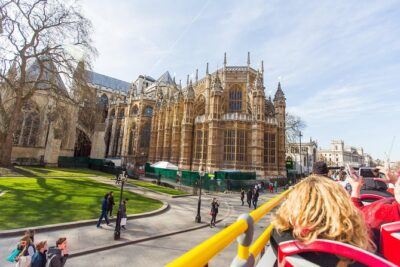 ★ 4.0London Tootbus Hop on Hop off Bus Tour and Thames River CruiseFrom $533,834 reviews
Browse the lists this tour appears in