
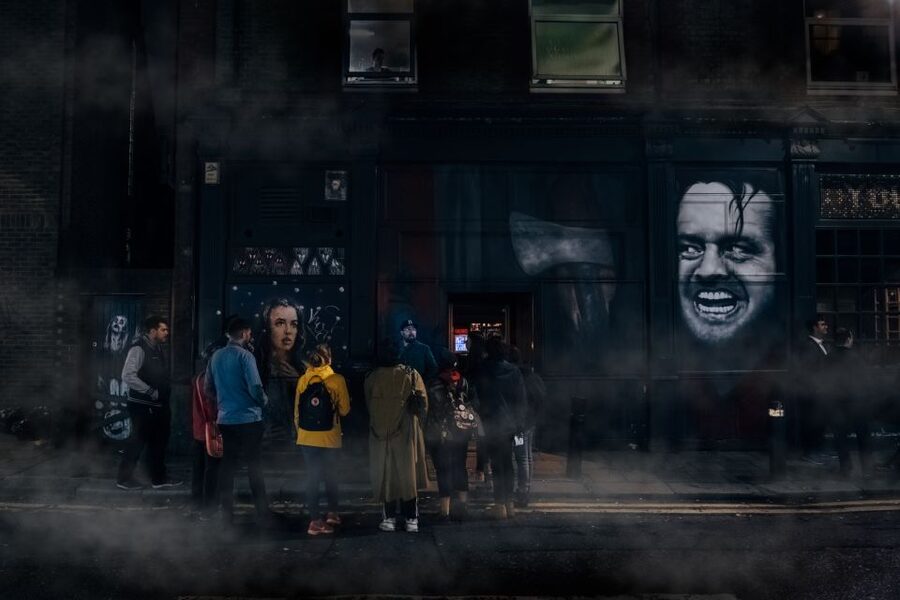
Reviewed · JACK THE RIPPER TOURS
London: The Original Jack the Ripper Walking Tour
Jack the Ripper comes alive on these Whitechapel streets.
I like how the tour feels rooted in real locations while you follow a case-style storyline from 1888 through the East End’s everyday life. I also like that guides often steer the conversation toward what we can reasonably say, not just spooky myths, and the energy stays engaging even when the subject matter turns dark. The main drawback: this is outdoors and includes graphic details and visual content, so dress for cold weather and choose this only if that tone fits you.
In about two hours, you’ll walk between market streets, churchyards, and a famous pub, with stops designed to help you build a mental map of the area. Along the way, your guide works like a “Ripperologist,” using alleged evidence and investigation details to help you weigh suspects and theories.
If you’ve only seen Jack the Ripper in books or on TV, this tour gives you something more concrete: the physical geography of Whitechapel and the 19th-century culture that shaped how the crimes were understood then—and why they still echo today.
In This Review
- Key highlights worth prioritizing
- Why Whitechapel turns Jack the Ripper into a walkable mystery
- Christ Church to Ten Bells: the 2-hour route that teaches the area
- From evidence photos to suspect theories: what the guide actually does
- Victims first: tone, graphic details, and respect on the streets
- Sherlock Holmes and Victorian London: the cultural context thread
- Price and timing: what $25 buys for two hours in London
- Should you book this Jack the Ripper walking tour?
- FAQ
- How long is the London: The Original Jack the Ripper Walking Tour?
- How much does the Jack the Ripper walking tour cost?
- Where do I meet the guide?
- What is the nearest Underground station?
- What stops will we see during the tour?
- Is the tour suitable for children?
- What languages are available for the live guide?
- Is the tour indoors or outdoors?
- Is food or drinks included?
- Can I cancel for a refund?
Key highlights worth prioritizing
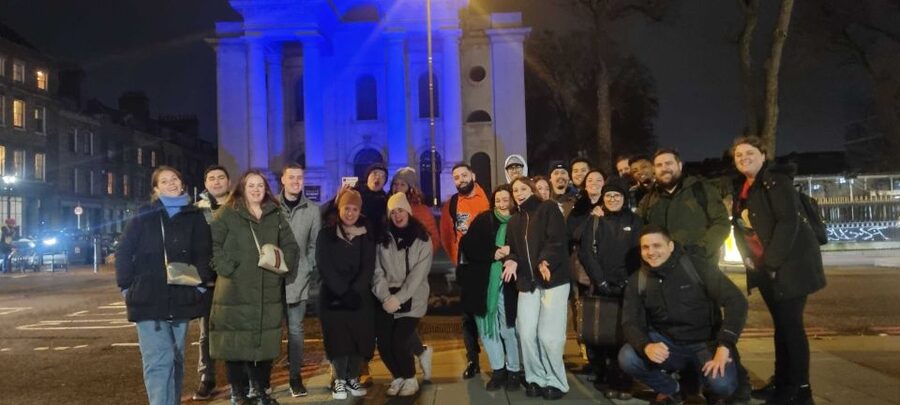
- Streets tied to the case, including market lanes and key East End landmarks
- A Ripperologist-style guide who uses evidence and theories to frame the mystery
- Victim-focused storytelling that keeps the human side in the foreground
- Spitalfields Market and Brick Lane area context, not just generic “crime facts”
- Sherlock Holmes cultural context, explained through Victorian London life
- Ten Bells Pub as the memorable end point for the walk
More of the East End after dark
- London: The Original Jack the Ripper Walking Tour
★ 4.7 · 7,833 reviews - London Jack the Ripper Guided Tour with Ripper-Vision
★ 4.5 · 4,840 reviews - London: Jack the Ripper Small Group Tour
★ 4.7 · 3,159 reviews - London Jack The Ripper Guided Walking Tour
★ 5.0 · 3,131 reviews
Why Whitechapel turns Jack the Ripper into a walkable mystery

Whitechapel is one of those London neighborhoods where stories cling to the street plan. On this tour, that matters, because the mystery is built around where events happened, not just what supposedly happened. You’re not stuck in one spot with photos on a board—you’re moving through the East End in a way that helps you understand why Whitechapel became the stage for such infamous crimes.
Two things make the experience feel especially solid. First, the route connects you to places you can picture even today: church-adjacent streets, market areas, and tight lanes that match the “neighborhood scale” of 1888. Second, the tone tends to keep a respectful focus on the victims and the pressures of daily life in an impoverished area. That human angle shows up in how guides structure their stories, including emphasis on understanding what we know versus what’s just speculation.
Now, a heads-up you’ll want to take seriously: the tour includes graphic details and visual content and is not aimed at very young kids. If you know you prefer lighter true-crime or you get uncomfortable with intense descriptions, you may want to pick a different style of London tour. If you do go, you’ll have a better time if you come mentally prepared for the subject matter.
Christ Church to Ten Bells: the 2-hour route that teaches the area
This walk is short enough to keep the pace lively, but long enough to connect the dots across several iconic Whitechapel/East End zones. It starts at St Marys Whitechapel Church Memorial area, then the guide leads you through a sequence of stops that map onto Spitalfields and the surrounding streets.
Christ Church Spitalfields is the first major anchor point you pass. Church locations matter in London history because they sit at the center of communities—religious life, local records, and the geography of daily routine. Even when you’re not going inside, you get a sense of how institutional landmarks fit into neighborhood life.
Next comes the Old Spitalfields Market area. Markets weren’t just places to shop; they were hubs where you’d see different parts of the city mixing—people moving through on work days, vendors, customers, and the rhythm of commerce. On a tour like this, stopping in the market orbit is useful because it helps you understand how information could spread fast in a dense district.
Then you pass through Mitre Square. Squares can feel “open” on foot, which is great for hearing the story clearly and resetting your bearings. It also helps the guide pace the narrative—turning corners and entering narrower streets later makes the mystery feel more like a real route you could walk yourself.
The vibe shifts into the well-known East End street life around Brick Lane and the lanes that lead you toward Petticoat Lane. These are the parts that many people associate with today’s London, but the tour uses the modern recognizability to build an 1888 mental picture: not the same shops or faces, but the same general neighborhood energy and the same reality that people lived close together.
Finally, you finish at The Ten Bells Spitalfields. Ending at a pub is more than a dramatic flourish—it gives you a natural place to pause, compare notes in your group, and look back at the route with fresh eyes. If you want to keep exploring after the tour, Ten Bells is a practical final stop.
Two practical notes that affect your experience. Since the whole tour happens outdoors, you’ll enjoy it more with comfortable shoes and weather-ready clothing. And while the route is described as wheelchair accessible and not heavy on stairs or inclines, public paths can still vary, so go in with realistic expectations for uneven sidewalks.
From evidence photos to suspect theories: what the guide actually does
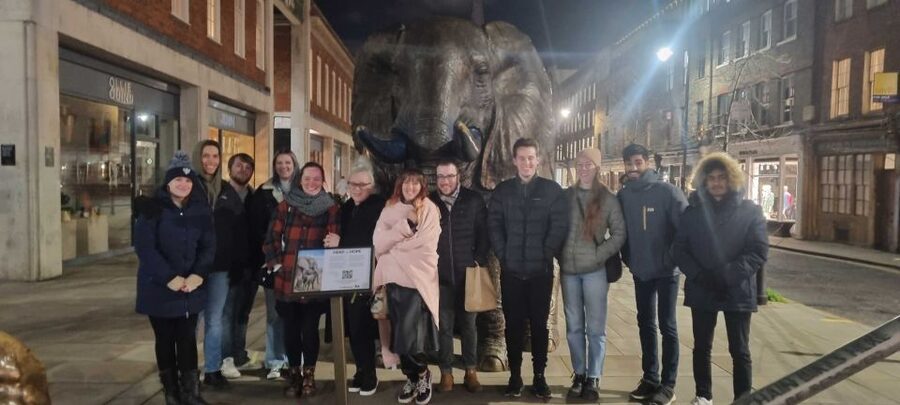
The tour’s core mechanic is the case-file style storytelling. Your guide presents alleged evidence and investigation details, then uses those pieces to help you weigh suspects and theories. This isn’t just a chronological retelling; it’s set up so you’re constantly thinking: What does this detail mean? Who might it point to? What’s still missing?
That style is why different guides get singled out in feedback. You’ll often hear praise for guides who explain things clearly from the facts and keep the group involved—people like Martin Cheng, Ivan, Nic, Anna, and Gabby are repeatedly mentioned for their storytelling and for answering questions. Some guides also keep the pace from becoming a lecture by using interaction, humor, or “question moments” that pull you into the mystery instead of watching it from the sidelines.
One detail I really like about this approach is the focus on what we do know rather than leaving you in a fog of only uncertainty. The tour can still acknowledge theories that can’t be proven, but it tends to separate the solid ground from the speculation. That balance makes the tour satisfying for true-crime fans, and it stops beginners from feeling overwhelmed.
You should also expect that the guide uses visual materials. Because the tour includes graphic content, it’s not a casual stroll through spooky sites. If you’re sensitive to those kinds of visuals or descriptions, it helps to know that going in so you can adjust your expectations.
In the middle of the mystery thread, the guide also handles the bigger “why” questions. Why Whitechapel? Why those times? Was the killer ever near capture? Where did evidence get discovered? Those are the questions the walk is designed to orbit, and the route stops are used to give context to the answers or theories.
London on foot, a few more ways

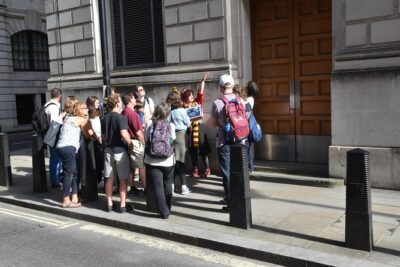
Victims first: tone, graphic details, and respect on the streets
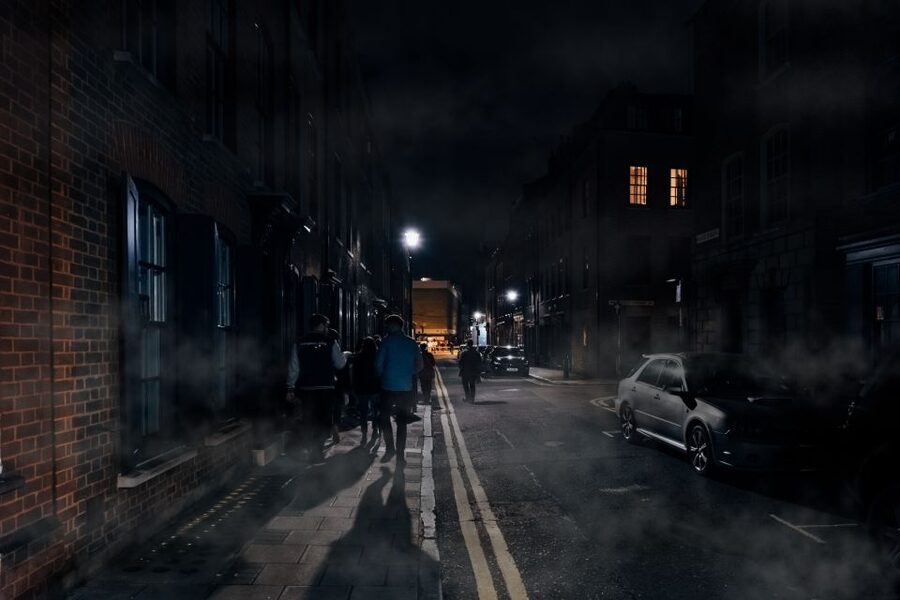
This is the part you should think about most before you book. The tour includes graphic details and visual content, and it’s not suitable for children under 12. If someone in your group is under 18, they must be accompanied by an adult. That rules-first approach matters because the tour isn’t trying to sanitize the subject.
At the same time, guides often get praised for the tone they use. Instead of treating the victims like props for entertainment, strong guides emphasize victims’ lives and the realities of Whitechapel life. That approach changes how the story lands. You’re still hearing about crimes and investigation, but the narrative is framed so you’re not just chasing shock.
If you’re deciding whether this is for you, here’s a practical way to think about it. If you want a true-crime tour that focuses on human stories and context, you’ll likely appreciate this. If your idea of a great London walking tour is purely sightseeing with minimal emotional weight, you might find the subject too heavy.
One more practical consideration: since you’re outside, your comfort affects your ability to stay attentive. Cold weather can make graphic content feel even more intense. Bring layers you’ll actually tolerate for two hours, and plan ahead for a quiet walk after—so you can decompress and process instead of rushing straight into dinner.
Sherlock Holmes and Victorian London: the cultural context thread
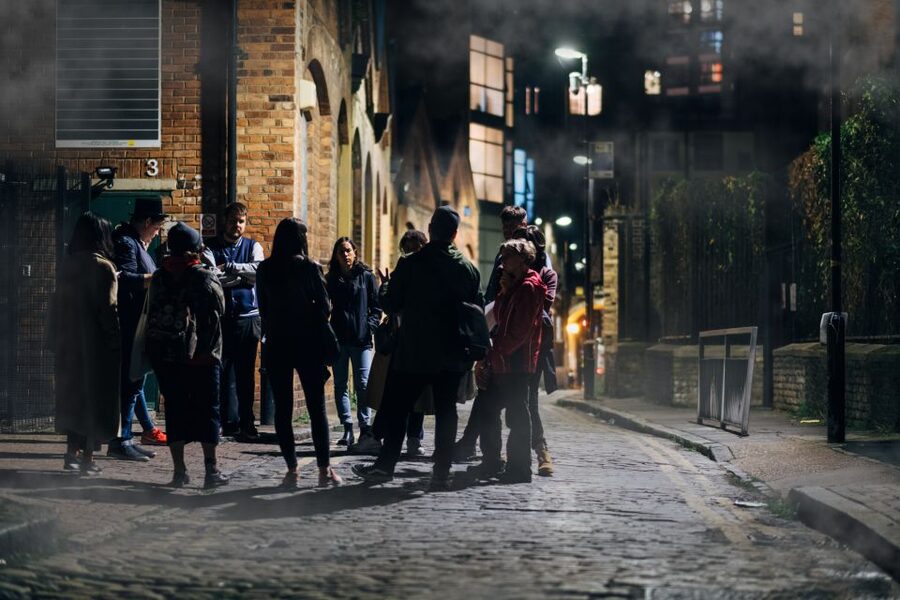
This tour doesn’t end with Jack the Ripper and move on. It ties the case to the broader Victorian world, including the inspiration and cultural context behind Sherlock Holmes. That’s a big deal because Holmes is often treated like a standalone fictional character, but this kind of historical framing helps you see how readers and audiences were primed to care about detection, evidence, and criminal stories.
You’ll get context for why public fascination grew so quickly—through newspapers, social change, and the idea that crime could be analyzed like a puzzle. The tour uses the neighborhood’s conditions and the investigation atmosphere to show how detective fiction fits into the same cultural ecosystem that turned real events into lasting legend.
I like this part for a simple reason: it makes the tour feel less like a one-note scare-fest. Even if you’ve heard Ripper facts before, the Victorian cultural angle can give you a new lens for what you’re seeing in East End streets and why popular storytelling locked onto this case.
Price and timing: what $25 buys for two hours in London
At about $25 per person for a 2-hour walking tour, the value is in the combination: expert “Ripperologist” guidance, multiple real-world stops, and a structured narrative that goes beyond the usual quick-hit facts. In practical terms, you’re paying for time, explanation, and route design—three things that make walking tours worth it, especially in London where neighborhoods can otherwise feel like blur.
What $25 does not include: there’s no food or drinks. If you’re coming straight from other plans, consider doing a quick snack before you start, or at least keep water on you. Ending at Ten Bells can make it tempting to grab a drink, but don’t assume the tour itself will take care of you.
Timing also matters. Two hours is long enough to build a coherent mystery thread, yet short enough that you can still enjoy the rest of your day or evening. If you’re doing multiple London sights, this slot works well as a standalone evening event—just be ready for the fact it’s outside and can feel chilly, especially in cooler months.
Should you book this Jack the Ripper walking tour?
Book it if you want a serious, street-based Jack the Ripper experience with real East End stops and a guide who works like a case analyst. It’s a good choice for true-crime fans and curious beginners alike, especially if you like evidence-and-theory storytelling and you’re comfortable with a darker historical topic.
Skip it if you’re bringing very young kids, you’re sensitive to graphic content, or you’re looking for a light sightseeing stroll. Also consider choosing a time when the weather won’t make two hours outdoors feel miserable.
If you go, come with comfortable shoes, dress for the weather, and give the guide your attention. The payoff is a clearer sense of Whitechapel as a lived-in place—along with a mystery you’ll think about long after you’ve finished the walk.
FAQ
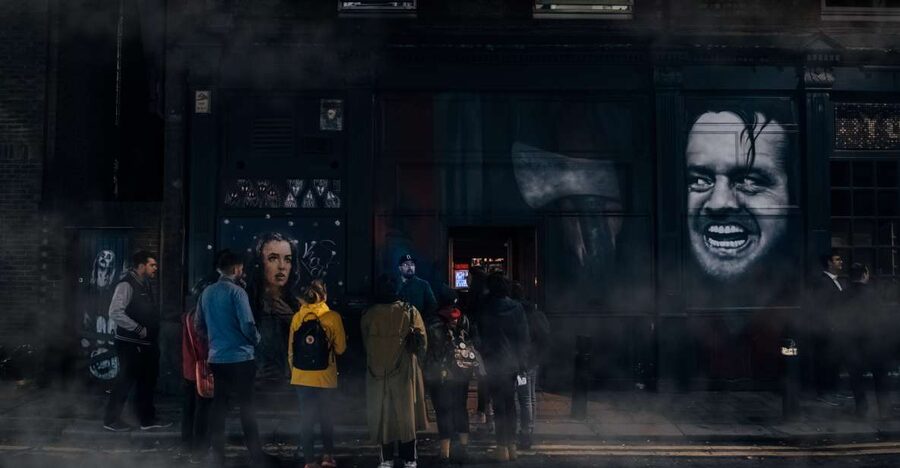
How long is the London: The Original Jack the Ripper Walking Tour?
It lasts 2 hours.
How much does the Jack the Ripper walking tour cost?
The price is $25 per person.
Where do I meet the guide?
Meet your guide at the west entrance to Altab Ali Park, by the large iron arch gate on the corner of White Church Lane and Whitechapel High Street.
What is the nearest Underground station?
Aldgate East Station is listed as the nearest Underground stop.
What stops will we see during the tour?
Stops include Brick Lane, Christ Church, Spitalfields Market, Mitre Square, Petticoat Lane, and Ten Bells Pub.
Is the tour suitable for children?
Children under 12 are not suitable. Participants under 18 must be accompanied by an adult, and the tour contains graphic details and visual content.
What languages are available for the live guide?
The live tour guide is offered in Spanish, Italian, French, English, and German.
Is the tour indoors or outdoors?
The tour takes place entirely outdoors, so you should dress for the weather.
Is food or drinks included?
No. Food and drinks are not included.
Can I cancel for a refund?
Yes. Free cancellation is available up to 24 hours in advance for a full refund.
More Tour Reviews in London
- From London: Harry Potter Warner Bros Studio Tour
★ 4.7 · 26,588 reviews - London: Westminster to Greenwich River Thames Cruise
★ 4.5 · 22,836 reviews - Magical London: Harry Potter Guided Walking Tour
★ 4.7 · 22,044 reviews - London: Madame Tussauds London
★ 4.6 · 20,915 reviews - London: Warner Bros. Studio Harry Potter Tour & Branded Bus
★ 4.7 · 19,194 reviews
More London Walks Worth the Shoe Leather
- Magical London: Harry Potter Guided Walking Tour
★ 4.7 · 22,044 reviews - Tour for Muggles The Ultimate Harry Potter Walking Tour in London
★ 5.0 · 4,684 reviews - London Jack The Ripper Guided Walking Tour
★ 5.0 · 3,131 reviews - London: Harry Potter Movies Walking Tour (Kids Go Free)
★ 4.7 · 3,071 reviews - Changing of the Guard Guided Walking Tour in London
★ 5.0 · 1,793 reviews
More Ripper Walks After Dark
- London Jack the Ripper Guided Tour with Ripper-Vision
★ 4.5 · 4,840 reviews - London: Jack the Ripper Small Group Tour
★ 4.7 · 3,159 reviews - London Jack The Ripper Guided Walking Tour
★ 5.0 · 3,131 reviews - London: Jack the Ripper Tour with Immersive Ripper Vision
★ 4.5 · 1,840 reviews - German Language : Original Jack the Ripper Tour
★ 4.6 · 1,805 reviews
Just reviewed around London





Jack the Ripper Tours, compared.
 ★ 4.5London Jack the Ripper Guided Tour with Ripper-VisionFrom $274,840 reviews
 ★ 4.7Jack the Ripper Small Group TourFrom $263,159 reviews
 ★ 5.0London Jack The Ripper Guided Walking TourFrom $03,131 reviews
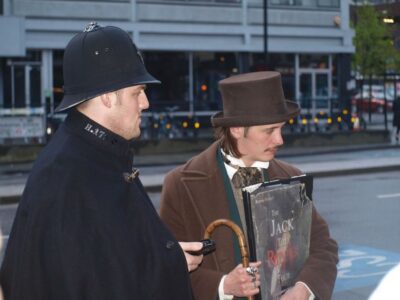 ★ 4.5Jack the Ripper Tour with Immersive Ripper VisionFrom $241,840 reviews
 ★ 4.6German Language : Original Jack the Ripper TourFrom $241,805 reviews
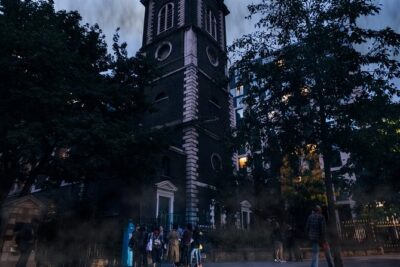 ★ 5.0Ultimate Jack the Ripper : Guided Tour of LondonFrom $271,495 reviews
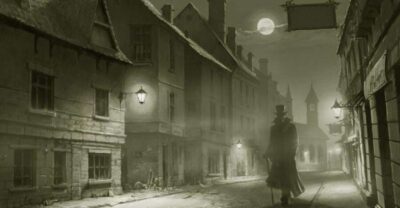 ★ 4.9Jack the Ripper Evening Walking TourFrom $331,449 reviews
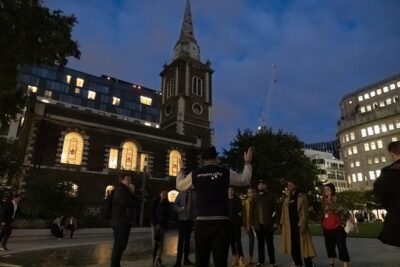 ★ 5.0The Original Jack the Ripper : Guided TourFrom $221,264 reviews
Browse the lists this tour appears in