
Reviewed · LONDON WALKING TOURS
London: Medieval Tales and Martyrs Walking Tour
Medieval London walks fast, and tells stories. This 2.5-hour route connects religion and public trials with a guide-led pace that keeps the details clear and human, led by Lauren and offered in English. It’s built for you if you want more than random sightseeing.
I like the small group size (max 15), because the walk feels more like a conversation than a line. I also like the mix of famous sights and quieter stops, and the fact that the main stops don’t require admission tickets.
One thing to consider: you finish outside St Paul’s Cathedral. If you want to go inside, you’ll need to handle your own ticket.
In This Review
- Key Highlights to Know Before You Go
- A 2.5-Hour Medieval Walk That Fits Real Schedules
- Where You Start at 26 Charterhouse Square and End by St Paul’s
- Stop 1: The Charterhouse and Why One Site Changes With the Times
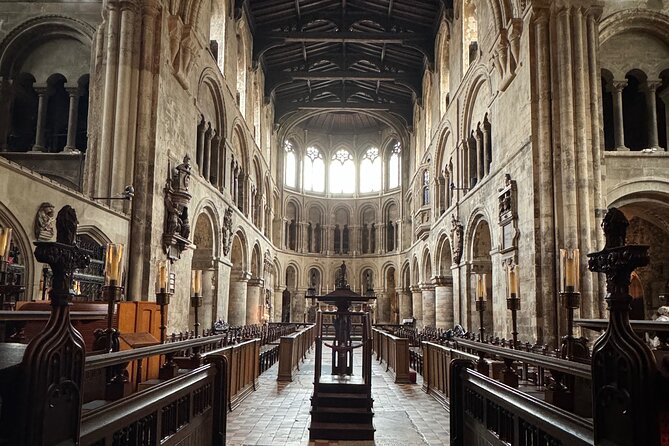
- Stop 2: St. Bartholomew the Great’s Spiritual and Cultural Ripple Effects
- Stop 3: Smithfield Market, Where Commerce and Longevity Meet
- Stop 4: St. Etheldreda’s Church and the Value of the Quiet Stops
- Stop 5: Old Bailey and the Link to Newgate Prison
- What You’re Paying $24.69 For (And Why It Can Be Good Value)
- Getting the Most Out of the Tour Route
- Practical Notes: Transit, Language, and Who This Works For
- Should You Book This Tour?
- FAQ
- How long is the London Medieval Tales and Martyrs walking tour?
- What are the main stops on the route?
- Is admission required for the stops?
- Where do I meet and where does the tour end?
- How big is the group?
- What is the cancellation policy?
Key Highlights to Know Before You Go
- Lauren leads the stories in plain, accurate language, with enough detail to satisfy real history fans.
- Max 15 people keeps questions possible and the pace relaxed.
- Five major stops in about 2.5 hours, including Charterhouse, St. Bartholomew the Great, Smithfield Market, St. Etheldreda’s Church, and Old Bailey.
- Admission isn’t required for the listed stops, so your ticket mostly pays for the guided context.
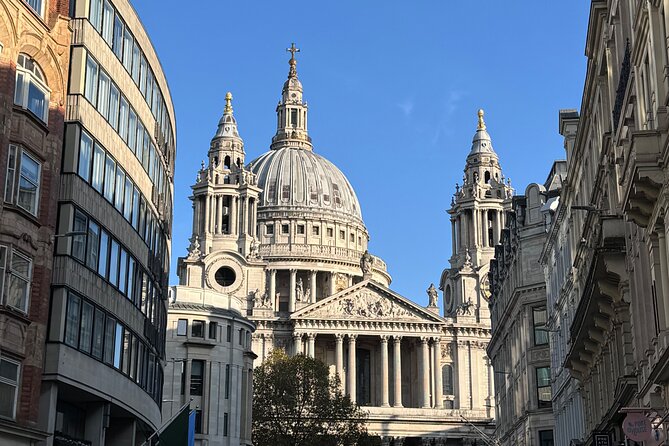
- Finish point is outside St Paul’s Cathedral, so you can decide next steps without being boxed in.
London on foot, a few more ways
- Magical London: Harry Potter Guided Walking Tour
★ 4.7 · 22,044 reviews - London: The Original Jack the Ripper Walking Tour
★ 4.7 · 7,833 reviews - Tour for Muggles The Ultimate Harry Potter Walking Tour in London
★ 5.0 · 4,684 reviews - London Jack The Ripper Guided Walking Tour
★ 5.0 · 3,131 reviews
A 2.5-Hour Medieval Walk That Fits Real Schedules
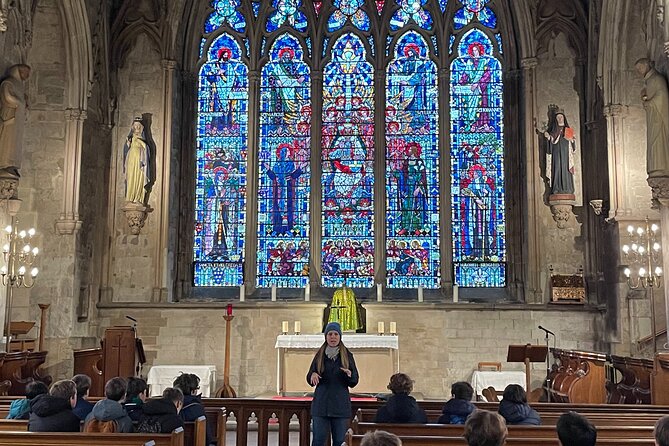
This is the kind of London walking tour you choose when you only have a couple hours but you still want a story you can remember. The route moves through religious sites and civic justice landmarks, so the “medieval” theme isn’t just costumes and spooky vibes. It’s about how London worked: where people worshipped, where they were punished, and how those places shaped the city’s growth.
At about 2 hours 30 minutes, you get a solid survey without feeling like you’re sprinting. The stop lengths are short enough to keep momentum, but long enough for the guide to explain what you’re looking at.
Where You Start at 26 Charterhouse Square and End by St Paul’s
You meet at 26 Charterhouse Square, Barbican, London EC1M 4AY. Use that exact address in your map app so you don’t end up guessing which corner is the right one.
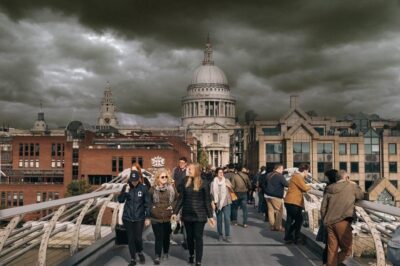
The tour ends at 98 St. Paul’s Churchyard, London EC4M 8BU, and you finish outside St Paul’s Cathedral. That ending matters because it sets you up perfectly for a post-tour decision: either move on to another area, or plan a cathedral visit right after.
Stop 1: The Charterhouse and Why One Site Changes With the Times
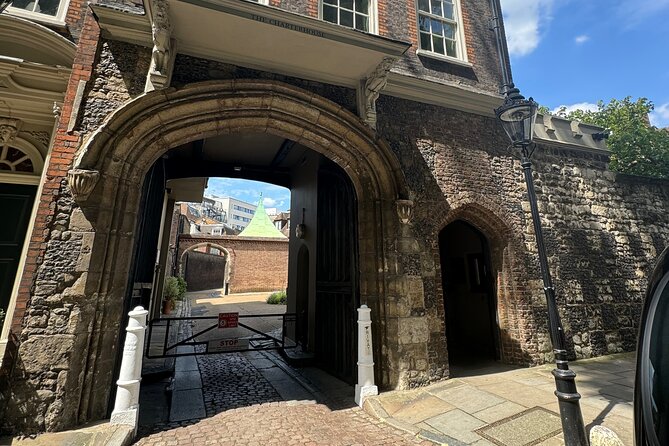
The walk begins at The Charterhouse, where you spend about 30 minutes. This is former monastery territory, so you’re looking at the kind of place where London’s religious life had real weight. What makes this stop interesting is the way the site moves through time—church-related beginnings, then changing roles as history turned the page.
This is a good first stop because it gives you context. After a quick orientation like this, the next religious landmarks land better in your head. You’re not just seeing buildings; you’re spotting patterns in how authority and faith show up in stone.
What to watch for: when the guide connects the present layout to the site’s older functions, you’ll start to “read” the space instead of just passing it.
Still deciding? A handful more London outings we rated
Stop 2: St. Bartholomew the Great’s Spiritual and Cultural Ripple Effects
Next up is Church of St. Bartholomew the Great for about 20 minutes. This one has famous status, but the tour focus is on the less obvious stories—how it played a role in London’s spiritual and cultural evolution.
If you like church architecture and the way major religious institutions influence neighborhoods, you’ll enjoy this stop. It’s also a smart pacing choice: after the monastery story at Charterhouse, St. Bartholomew the Great lets you compare a different kind of church power.
A practical tip: churches often feel quieter and cooler than the street, so slow your pace for a moment. Let the guide’s explanation land, then take a second to look around with fresh eyes.
Stop 3: Smithfield Market, Where Commerce and Longevity Meet
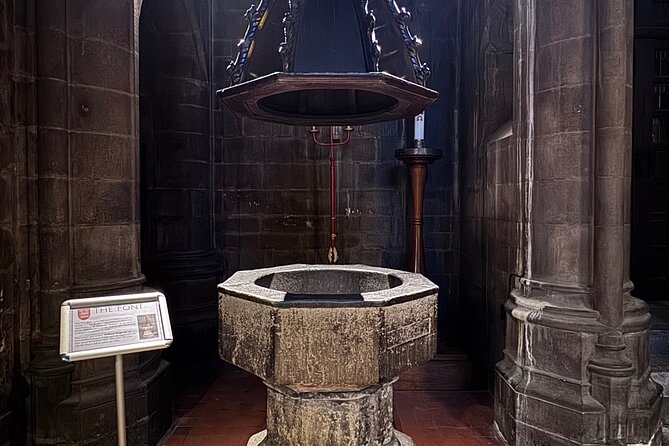
Smithfield Market is a short stop—about 5 minutes—but it’s not filler. The point here is scale and continuity: it’s described as one of the largest wholesale meat markets in Europe, with history stretching back over 800 years.
This stop is valuable because it reminds you that medieval life wasn’t only about worship and trials. Cities ran on trade, supplies, and daily logistics. Even with just a brief look, you start to understand London as a working system, not a museum set.
Don’t expect a deep, sit-down explanation here due to the short time. Instead, treat it like a quick “anchor point” in the bigger story of how the city functioned.
Stop 4: St. Etheldreda’s Church and the Value of the Quiet Stops
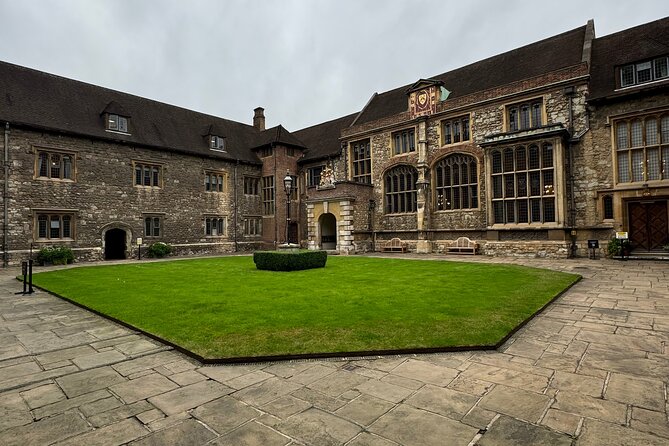
Then comes St. Etheldreda’s Church for about 20 minutes. This is the sort of place you might otherwise miss if you only chase the biggest names. The tour positions it as a church that reflects London’s staying power through times of upheaval.
I like stops like this because they change the feel of the walk. After two larger, well-known points, you get a calmer view of heritage—more intimate, more “you’re here, right now,” and often more rewarding if you enjoy smaller scale details.
This stop also helps balance the tour’s structure. The route isn’t only about grand institutions. It gives you at least one place where the story can feel more personal and less monumental.
Stop 5: Old Bailey and the Link to Newgate Prison
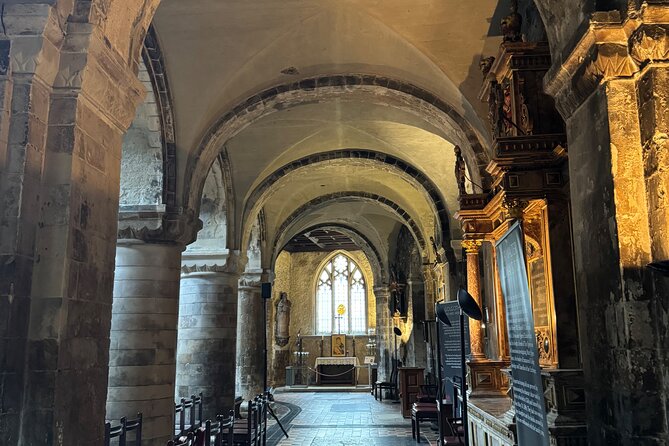
The final stop is Old Bailey, about 5 minutes. Old Bailey has been London’s primary courthouse for centuries, and the tour ties it to the nearby historic site of Newgate Prison, said to have been established in the 12th century.
Even with a short time window, this stop carries a lot of weight. It connects the medieval era to the legal system you still hear about in London’s popular history. And because the route ends near St Paul’s, it also gives the walk a full-circle feeling: religious power nearby, civic justice nearby, both shaping how the city developed.
If you like the human side of history, this is the moment to listen closely to how the guide frames punishment, authority, and public order.
What You’re Paying $24.69 For (And Why It Can Be Good Value)
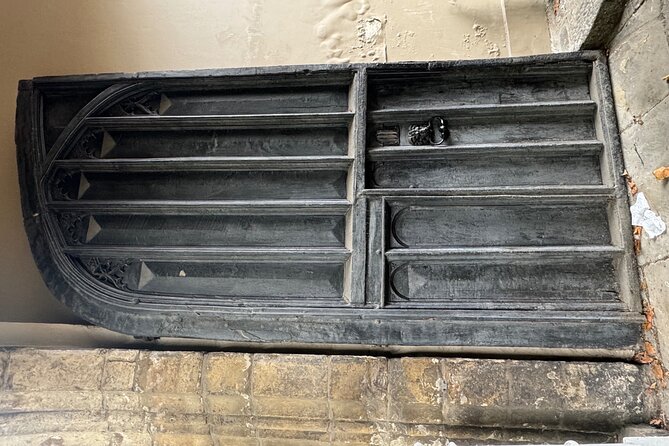
At $24.69 per person, you’re paying for a guided, story-driven route rather than a stack of entry tickets. The important value detail is that admissions for the listed stops are not required. So you’re not spending extra on each stop; the tour fee is mainly for Lauren’s guidance and the time you save figuring out what to notice.
The price also reflects the format: a small group capped at 15 people with a local guide. In London, that combination tends to be more enjoyable than big-bus-style history, because you can ask questions when the guide points something out.
Two more small points that affect value:
- You get a mobile ticket, which makes day-of planning simpler.
- The tour is offered in English, so you don’t lose time on language friction.
Getting the Most Out of the Tour Route
This is a walk built for listening. The stop durations are relatively short at the market and Old Bailey, so you’ll get the best results if you don’t treat every stop like a photo-sprint.
Here’s how I’d approach it:
- Keep your questions ready as you go, especially when Lauren explains how one institution connects to another.
- After a longer stop like Charterhouse or St. Bartholomew’s, take a brief moment to re-check your surroundings. That quick reset helps the next stories feel clearer.
- When you reach the end at St Paul’s Churchyard, decide your next move based on your energy. If you want the cathedral interior, plan for that ticket separately.
Practical Notes: Transit, Language, and Who This Works For
The tour is near public transportation, which matters because you can treat it as a flexible slice of a day. With a route like this, good access means you’re not forced into a long commute just to start the walk.
It’s also marked as generally suitable: most people can participate, and service animals are allowed. The tour is offered in English, so it’s an easy pick if you want clear explanations without translation delays.
This fits history lovers, especially anyone who likes a strong narrative connecting places. If you’re the type who enjoys religious buildings, legal landmarks, and how daily commerce lived alongside both, you’re in the right lane.
Should You Book This Tour?
If you want a single London walking tour that connects religious sites with the city’s civic justice story, I’d say this is a strong choice. The pricing is reasonable for a small-group 2.5-hour guided walk, and the fact that the main stops are admission-free helps your budget stay on track.
Book it if you:
- enjoy story-led walking tours over audio-only wandering
- like the medieval era but also want to understand what it meant for daily life
- want a capped small group experience
Skip it (or pair it with something else) if you’re only interested in entering buildings with lots of time inside. The walk is more about explanations and highlights, and St Paul’s Cathedral interior is on you to ticket separately.
FAQ
How long is the London Medieval Tales and Martyrs walking tour?
The tour lasts about 2 hours 30 minutes.
What are the main stops on the route?
The tour includes visits to The Charterhouse, Church of St. Bartholomew the Great, Smithfield Market, St. Etheldreda’s Church, and Old Bailey.
Is admission required for the stops?
Admission fees are not required for the listed stops. St Paul’s Cathedral entry is not included.
Where do I meet and where does the tour end?
You meet at 26 Charterhouse Square, Barbican, London EC1M 4AY. You end at 98 St. Paul’s Churchyard, London EC4M 8BU, outside St Paul’s Cathedral.
How big is the group?
The experience has a maximum of 15 people.
What is the cancellation policy?
You can cancel for a full refund up to 24 hours before the experience starts. If you cancel less than 24 hours before, the amount paid is not refunded.
More Tours in London
- From London: Harry Potter Warner Bros Studio Tour
★ 4.7 · 26,588 reviews - Magical London: Harry Potter Guided Walking Tour
★ 4.7 · 22,044 reviews - London: Warner Bros. Studio Harry Potter Tour & Branded Bus
★ 4.7 · 19,194 reviews - London Big Bus Hop-On Hop-Off Tour with Optional River Cruise
★ 3.5 · 10,803 reviews - London Small Group Tour of Historical Pubs
★ 5.0 · 10,422 reviews
More Tour Reviews in London
- From London: Harry Potter Warner Bros Studio Tour
★ 4.7 · 26,588 reviews - London: Westminster to Greenwich River Thames Cruise
★ 4.5 · 22,836 reviews - Magical London: Harry Potter Guided Walking Tour
★ 4.7 · 22,044 reviews - London: Madame Tussauds London
★ 4.6 · 20,915 reviews - London: Warner Bros. Studio Harry Potter Tour & Branded Bus
★ 4.7 · 19,194 reviews
More London Walks Worth the Shoe Leather
- Magical London: Harry Potter Guided Walking Tour
★ 4.7 · 22,044 reviews - London: The Original Jack the Ripper Walking Tour
★ 4.7 · 7,833 reviews - Tour for Muggles The Ultimate Harry Potter Walking Tour in London
★ 5.0 · 4,684 reviews - London Jack The Ripper Guided Walking Tour
★ 5.0 · 3,131 reviews - London: Harry Potter Movies Walking Tour (Kids Go Free)
★ 4.7 · 3,071 reviews
Just reviewed around London





London Walking Tours, compared.
 ★ 4.7Magical London: Harry Potter Guided Walking TourFrom $2022,044 reviews
 ★ 4.7The Original Jack the Ripper Walking TourFrom $257,833 reviews
 ★ 5.0Tour for Muggles The Ultimate Harry Potter Walking Tour in LondonFrom $234,684 reviews
 ★ 5.0London Jack The Ripper Guided Walking TourFrom $03,131 reviews
 ★ 4.7Harry Potter Movies Walking Tour (Kids Go Free)From $203,071 reviews
 ★ 5.0Changing of the Guard Guided Walking Tour in LondonFrom $251,793 reviews
 ★ 4.9The Great British Rock and Roll Music Walking TourFrom $361,783 reviews
 ★ 4.8Harry Potter Walking Tour in GermanFrom $201,505 reviews