

Reviewed · LONDON WALKING TOURS
Working Women of the East End Walking Tour
London’s East End has a forgotten second storyline.
This 2.5-hour Working Women of the East End walking tour uses street-level history to explain how real women shaped everyday life in Spitalfields and beyond, including the Jack the Ripper era and its chilling impact.
I love the focus on working women and their roles across class lines, not just famous figures. I also love that it ends in Spitalfields Market, a practical spot for transit and a post-walk meal.
One consideration: this is still a walking tour for about 2 hours 30 minutes, so plan on standing and walking through parts of the East End even if the route is story-driven.
In This Review
- Key takeaways before you go
- Why this East End women’s-history tour feels different
- Price and time: is $55.50 worth it?
- Meeting at Tower Hill, ending at Spitalfields Market
- The pacing game: how the walk stays manageable
- Stop 1: Spitalfields Market (E1) and the working neighborhood mindset
- What to watch for
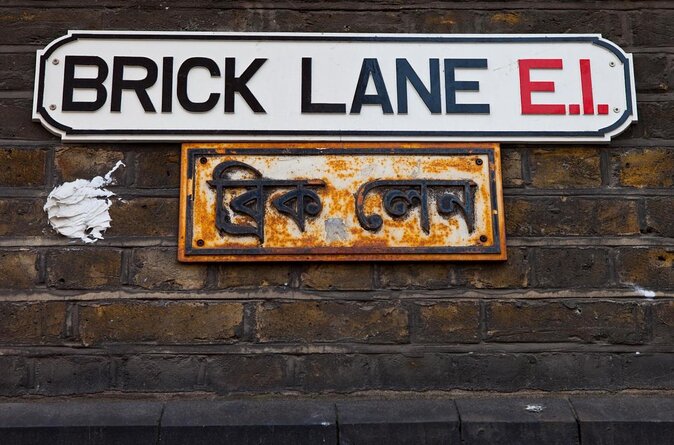
- Brick Lane: street history you can actually walk through
- A practical note
- The women of the tower: power, institutions, and everyday consequences
- Jack the Ripper context, without turning it into cheap shock
- What I’d consider before booking
- Labor history: how the tour connects work to wider change
- A stop you might not expect: wash houses and real work
- Guides make or break it: Becky and Emily’s storytelling style
- Who this walking tour suits best
- Practical details you’ll want to know
- Should you book this Working Women of the East End tour?
- FAQ
- How long is the Working Women of the East End Walking Tour?
- How much does the tour cost?
- Where does the tour start and end?
- Is the tour in English?
- How big is the group?
- What stops are included on the route?
- Is there an admission fee for stops like Spitalfields Market and Brick Lane?
- What’s included in the price?
- Is there a toilet break during the tour?
- Can I get a full refund if I cancel?
Key takeaways before you go
- A women’s-history route you don’t usually see: Tower Hill area connections, then into Spitalfields and Brick Lane.
- Labor and politics in context: the tour ties local women’s work to wider changes in the labor movement.
- The guide does the heavy lifting: you’re kept moving, but never rushed, with plenty of room for questions.
- Dark-history chapter included: Jack the Ripper is part of the storyline and is handled through local impact.
- Stops include free-entry locations like Spitalfields Market and Brick Lane.
- A real break: there’s a toilet stop built into the tour, with reports of coffee/tea time.
London on foot, a few more ways
- Magical London: Harry Potter Guided Walking Tour
★ 4.7 · 22,044 reviews - London: The Original Jack the Ripper Walking Tour
★ 4.7 · 7,833 reviews - Tour for Muggles The Ultimate Harry Potter Walking Tour in London
★ 5.0 · 4,684 reviews - London Jack The Ripper Guided Walking Tour
★ 5.0 · 3,131 reviews
Why this East End women’s-history tour feels different
London’s center gets the postcard treatment. The East End gets the shadows and the speed-walking crowds. This tour goes the other direction. It slows you down and points you at the people who made the neighborhood run—especially the women whose names rarely get printed on the big sightseeing maps.
What makes it work is the mix of angles. You’ll hear about work, class, and community power, then the guide links that to the grim reality of fear and violence in the area. It’s not history as a museum display; it’s history as a street-level argument for why these stories matter.
Price and time: is $55.50 worth it?
At $55.50 per person for around 2 hours 30 minutes, you’re mostly paying for one thing: a guide who can turn ordinary streets into a clear story. The tour includes the guide and all fees and taxes, and the listed stops you hit (like Spitalfields Market and Brick Lane) are marked as free-entry.
That means your money goes into direction and interpretation. You’re not buying museum tickets or adding a stack of entry costs. If you like tours where the guide builds context step by step—rather than running through facts at full sprint—this price tends to make sense for London.
Meeting at Tower Hill, ending at Spitalfields Market
The tour starts at Tower Hill (London EC3N 4DJ) and finishes in Spitalfields Market (65 Brushfield St, London E1 6AA). That end point is useful. Spitalfields is a practical place to reconnect with public transport, and there are plenty of food options right where you exit the last story stop.
Also, the small group size helps. The tour caps at 20 travelers, which usually means you get a more conversational feel and more chances to ask questions without yelling over everyone.
Still deciding? A handful more London outings we rated
The pacing game: how the walk stays manageable
This is a walking tour, not a sit-and-watch lecture. You should expect a steady walk, plus short stops at points tied to women’s history.
What I like about this setup is that it doesn’t treat breaks like a luxury. The tour includes a toilet break, and multiple people specifically mention a mid-tour pause that can include coffee or tea. That matters in London, because stopping to reset your legs and thoughts makes the storytelling easier to keep up with.
Stop 1: Spitalfields Market (E1) and the working neighborhood mindset
Your first major stop is Spitalfields Market (E1), described as a historic East End market. Even if you’ve seen Spitalfields on your own, this kind of guided visit changes how you read the place. Markets are not just shopping spots. In working-class neighborhoods, markets are systems—where labor, commerce, and community schedules collide.
Because the stop is marked with free admission, you’re not paying extra to experience the setting. Instead, you’re paying for what the guide helps you notice: how women’s work and daily survival fit into the rhythms of the market world around them.
What to watch for
Spitalfields can be active, and you’ll be moving between points. If you’re sensitive to crowd noise, plan to bring patience and keep your attention on the guide’s specific direction cues.
Brick Lane: street history you can actually walk through

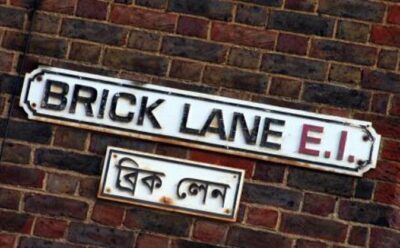
Next up is Brick Lane, a historic East End area stop that’s also marked as free admission. Brick Lane’s reputation comes from many layers—food, communities, markets—but this tour uses the street as a platform for women’s stories tied to labor, politics, and social change.
In this format, the lane becomes more than a backdrop. You’re encouraged to connect the setting to the people who worked, organized, and pushed back against unfair conditions.
A practical note
Brick Lane is one of those London streets where your surroundings can pull your eyes in ten directions at once. I’d treat the guide like your navigation tool here—follow the storyline thread first, then let the street details catch you after.
The women of the tower: power, institutions, and everyday consequences
The tour includes time to explore the women of the tower, linking local stories to power structures near the Tower Hill area. You’re not just hearing biographies. You’re learning how institutions and authority shaped daily life—especially for working women who had limited options.
This is where the tour’s theme tightens. Women’s lives in the East End weren’t separate from the machinery of the city. They were affected by law, policing, employment structures, and the social rules that decided who got protection and who didn’t.
Even the tour’s mention of Jack the Ripper fits this frame. Instead of treating it as pure sensational history, the guide pulls it into the broader picture of how fear and violence changed the lived reality for women in the neighborhood.
Jack the Ripper context, without turning it into cheap shock
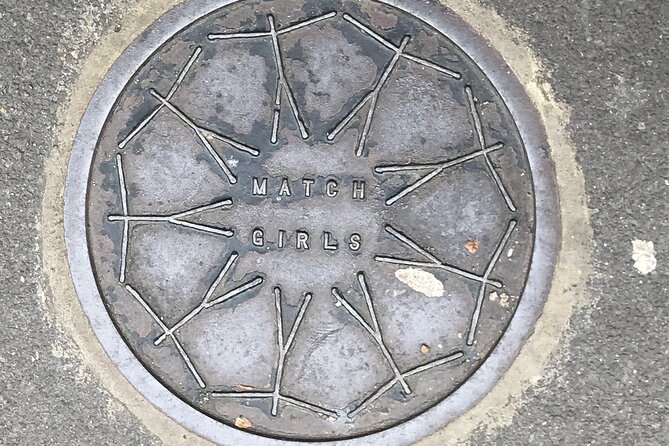
The tour highlights the horrific events caused by Jack the Ripper. Dark chapter + women’s history can go one of two ways: sensational or meaningful. The value here is that the tour uses the subject to explain local impact—how violence and fear ripple through a community and change what women must do to stay safe.
This isn’t about pretending those events are pleasant. It’s about understanding the environment women faced, then seeing how labor and social action kept moving even under pressure.
What I’d consider before booking
If graphic violence or grim historical crime is not your thing, you should know this tour doesn’t ignore it. You’re walking through real history, including the parts that make you wince. That said, the way people describe the experience suggests the guide keeps the tone grounded in context.
Labor history: how the tour connects work to wider change
One of the strongest threads in the tour is women’s contributions to the labour movement, placed into a wider context with local figures. That’s a big deal, because it stops the story at daily survival and pushes it forward into organizing, pressure, and change.
In many standard sightseeing tours, labor gets mentioned like trivia. Here, it feels central. The guide links professions and community roles to the politics of the time—especially for working women who had to bargain with economic reality every day.
If you care about social history—who had power, who didn’t, and how people tried to change systems—this is the kind of tour that makes the East End feel like a political story, not just a geographic one.
A stop you might not expect: wash houses and real work
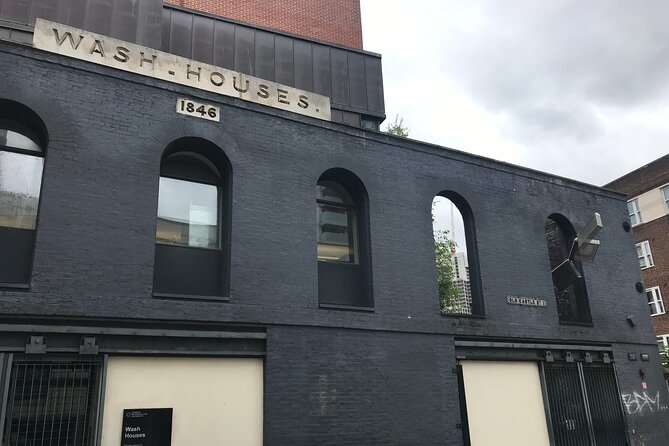
Some tour-goers highlight learning about wash houses from 1846 and even being shown the layout plan. That kind of detail is exactly why this tour can feel more memorable than the typical “and then we saw a plaque” style of walking tour.
Wash houses weren’t a charming pastime. They were infrastructure for working households, tied to jobs, wages, and the physical realities of hygiene in dense neighborhoods. Seeing a plan helps you picture the spaces women used and the conditions they faced—then connects it back to the bigger fight for decent working life.
Guides make or break it: Becky and Emily’s storytelling style
People specifically mention guides Becky and Emily, with praise focused on clear storytelling, friendly delivery, and a lot of research. What stands out in those comments is not just that the guides know facts—it’s that they structure the information so it doesn’t feel like an overload.
More than once, the tone described is that the guide brings places to life without rushing you. That matters in a topic like women’s history, where the story is both personal and political. A good guide helps you hold the complexity without losing the thread.
Who this walking tour suits best
This tour is a great fit if you:
- want women’s history in London that stays grounded in real places
- like walking tours with story and context, not just photos and dates
- enjoy the East End but are tired of hearing only one version of its past
- care about labor history, class, and local community power
It may be a less ideal fit if you prefer only light, upbeat city sightseeing. This experience does include dark material connected to Jack the Ripper, and it aims to connect that reality to women’s lives.
Practical details you’ll want to know
It’s offered in English, and you get a mobile ticket. Confirmation arrives at booking time, and the tour is near public transportation—useful for getting to Tower Hill and then out from Spitalfields Market after.
The group size limit (max 20) keeps it from turning into a herd. And the included toilet break plus reports of coffee/tea time make it easier to stay comfortable for the full 2.5 hours.
Should you book this Working Women of the East End tour?
If you like your London tours with a point of view, this one is worth your time. The price is reasonable for a guided, 2.5-hour walking experience where you’re not paying extra entry fees for the main stops, and where the guide connects local women’s work to larger social and labor changes.
I’d especially recommend it if you want something different from the usual Big Ben loop. This tour puts the spotlight on the East End women who shaped daily life, community organization, and the pressures of the city—including the frightening chapters that people often treat as detached trivia.
If that mix sounds like your kind of history, book it. It’s the sort of walk that makes you look at familiar streets and see new people standing there.
FAQ
How long is the Working Women of the East End Walking Tour?
It runs for about 2 hours 30 minutes.
How much does the tour cost?
The price is $55.50 per person.
Where does the tour start and end?
It starts at Tower Hill, London EC3N 4DJ, and ends at Spitalfields Market, 65 Brushfield St, London E1 6AA.
Is the tour in English?
Yes, the tour is offered in English.
How big is the group?
The tour has a maximum of 20 travelers.
What stops are included on the route?
The tour includes sites tied to women’s history in the East End, including Spitalfields Market (E1) and Brick Lane, plus an additional segment focused on the women of the tower.
Is there an admission fee for stops like Spitalfields Market and Brick Lane?
The listed stops include Spitalfields Market and Brick Lane, both marked as free admission.
What’s included in the price?
You get a tour guide, all fees and taxes, and a professional guide.
Is there a toilet break during the tour?
Yes, the tour includes a toilet break.
Can I get a full refund if I cancel?
Yes. Free cancellation is available up to 24 hours in advance for a full refund, as long as you cancel at least 24 hours before the start time.
More Tours in London
- From London: Harry Potter Warner Bros Studio Tour
★ 4.7 · 26,588 reviews - Magical London: Harry Potter Guided Walking Tour
★ 4.7 · 22,044 reviews - London: Warner Bros. Studio Harry Potter Tour & Branded Bus
★ 4.7 · 19,194 reviews - London Big Bus Hop-On Hop-Off Tour with Optional River Cruise
★ 3.5 · 10,803 reviews - London Small Group Tour of Historical Pubs
★ 5.0 · 10,422 reviews
More Tour Reviews in London
- From London: Harry Potter Warner Bros Studio Tour
★ 4.7 · 26,588 reviews - London: Westminster to Greenwich River Thames Cruise
★ 4.5 · 22,836 reviews - Magical London: Harry Potter Guided Walking Tour
★ 4.7 · 22,044 reviews - London: Madame Tussauds London
★ 4.6 · 20,915 reviews - London: Warner Bros. Studio Harry Potter Tour & Branded Bus
★ 4.7 · 19,194 reviews
More London Walks Worth the Shoe Leather
- Magical London: Harry Potter Guided Walking Tour
★ 4.7 · 22,044 reviews - London: The Original Jack the Ripper Walking Tour
★ 4.7 · 7,833 reviews - Tour for Muggles The Ultimate Harry Potter Walking Tour in London
★ 5.0 · 4,684 reviews - London Jack The Ripper Guided Walking Tour
★ 5.0 · 3,131 reviews - London: Harry Potter Movies Walking Tour (Kids Go Free)
★ 4.7 · 3,071 reviews
Just reviewed around London





London Walking Tours, compared.
 ★ 4.7Magical London: Harry Potter Guided Walking TourFrom $2022,044 reviews
 ★ 4.7The Original Jack the Ripper Walking TourFrom $257,833 reviews
 ★ 5.0Tour for Muggles The Ultimate Harry Potter Walking Tour in LondonFrom $234,684 reviews
 ★ 5.0London Jack The Ripper Guided Walking TourFrom $03,131 reviews
 ★ 4.7Harry Potter Movies Walking Tour (Kids Go Free)From $203,071 reviews
 ★ 5.0Changing of the Guard Guided Walking Tour in LondonFrom $251,793 reviews
 ★ 4.9The Great British Rock and Roll Music Walking TourFrom $361,783 reviews
 ★ 4.8Harry Potter Walking Tour in GermanFrom $201,505 reviews