
Reviewed · LONDON WALKING TOURS
The Old City of London – Guided Walking Tour 12 guests 2,5h
Three centuries in two and a half hours. This Old City of London walk threads the Roman wall built in 220 AD through the City’s big medieval moments, with Temple Church and the Tower of London doing the heavy lifting. I love how the guide gives you story angles that connect places, and I love the tight pacing for seeing major landmarks without turning it into a slog. One drawback to plan for: it involves a moderate walk and you can’t bring large bags or luggage.
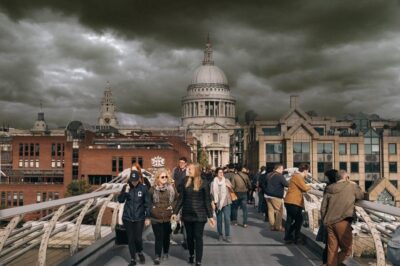
I also like that the route mixes famous sights with the kind of street-level details you only notice when someone points them out—standing viewpoints along the Thames, the sightline logic between Tower Bridge and the more recent Millennium Bridge, and the Great Fire memory you see at the Monument. The vibe is practical and human, especially when your guide is Colin, who puts the scenes in place with clear storytelling.
You should know up front that some stops are outside/photo-focused due to security rules at certain attractions. It runs in all weather, so good shoes and a rain plan matter. If you’re expecting a sit-down, museum-only tour, this is the opposite: it’s built for walking, looking, and making the City make sense fast.
In This Review
- Key highlights worth your attention
- Roman London’s wall to the medieval core: what this tour is really for
- Temple Church: Da Vinci Code energy meets Knights Templar place
- St Bride’s Church and St Paul’s Cathedral: turning streets into a story map
- St Mary-le-Bow and Guildhall: the City’s civic and spiritual signals
- Bank of England and the Monument to the Great Fire: history with a street address
- Thames stroll and bridge comparison: Tower Bridge next to the Millennium Bridge
- The Tower of London: a final landmark with guided context
- Timing and the 2.5-hour value: why the price makes sense for this format
- Who should book this guided Old City walk
- Practical tips so the tour feels easy
- Should you book the Old City of London guided walking tour?
- FAQ
- How long is the Old City of London guided walking tour?
- Where does the tour start?
- What is included in the price?
- Is food or drinks provided?
- Is the tour only in English?
- How many people are in a group?
- Is there a lot of walking?
- Can I bring luggage or large bags?
- Does the tour visit attractions from inside?
- Is the tour wheelchair-friendly?
Key highlights worth your attention
- A compact 2.5-hour route that hits Roman, medieval, and Thames landmarks without long waits
- Temple Church storytelling that ties in The Da Vinci Code themes and the Knights Templar setting
- Great Fire context at the Monument so the history isn’t just a headline
- Bridge comparison along the Thames with Tower Bridge and the Millennium Bridge in view
- The Tower of London as a must-see capstone, with guided context from nearby vantage points
- Small group feel (max 8), which helps the guide keep your questions in the mix
London on foot, a few more ways
- Magical London: Harry Potter Guided Walking Tour
★ 4.7 · 22,044 reviews - London: The Original Jack the Ripper Walking Tour
★ 4.7 · 7,833 reviews - Tour for Muggles The Ultimate Harry Potter Walking Tour in London
★ 5.0 · 4,684 reviews - London Jack The Ripper Guided Walking Tour
★ 5.0 · 3,131 reviews
Roman London’s wall to the medieval core: what this tour is really for
This walk is designed to help you see London as a timeline instead of a list. In about 2.5 hours, you move from Roman-era settlement and the fortified wall built in 220 AD—still visible in the area—into the medieval power center that shaped how the City ruled itself.
What makes it work is the way your guide links locations by function. A Roman wall wasn’t just stone; it was control. A church wasn’t just a church; it was a stage for wealth, authority, and rumor. When you get that cause-and-effect mindset, the Old City stops feeling like random postcard stops.
The group size is another big factor. With a cap of 8 people per tour, you’re not competing for attention. You can ask quick questions, and the guide can keep the flow moving without rushing you through every street.
Temple Church: Da Vinci Code energy meets Knights Templar place
Your tour starts in the Temple area (meeting points can vary, but it’s tied to Temple Station). From there, Temple Church is the first big anchor: a short walk, a photo stop, and then a guided look that leans into its famous themes.
Here’s what you’ll get out of it: Temple Church isn’t only a filming-location buzzword. It’s tied to the Knights Templar’s London presence, and the guide uses that background to make The Da Vinci Code connections feel grounded rather than gimmicky. You’ll likely notice how the church’s layout and setting create that dramatic “this matters” feeling, even if you never step inside.
One practical note: some attractions can’t be visited from the inside due to security measures. That doesn’t mean you miss the meaning—it means your best learning comes from context and what you can see from where you’re standing.
St Bride’s Church and St Paul’s Cathedral: turning streets into a story map
After Temple Church, you’ll move through the City with more quick stops that function like waypoints on a story map. St Bride’s Church is one of those short-but-useful photo-and-guided stops. You’re not there for hours. You’re there to get the guide’s perspective so the neighborhood doesn’t blur together.
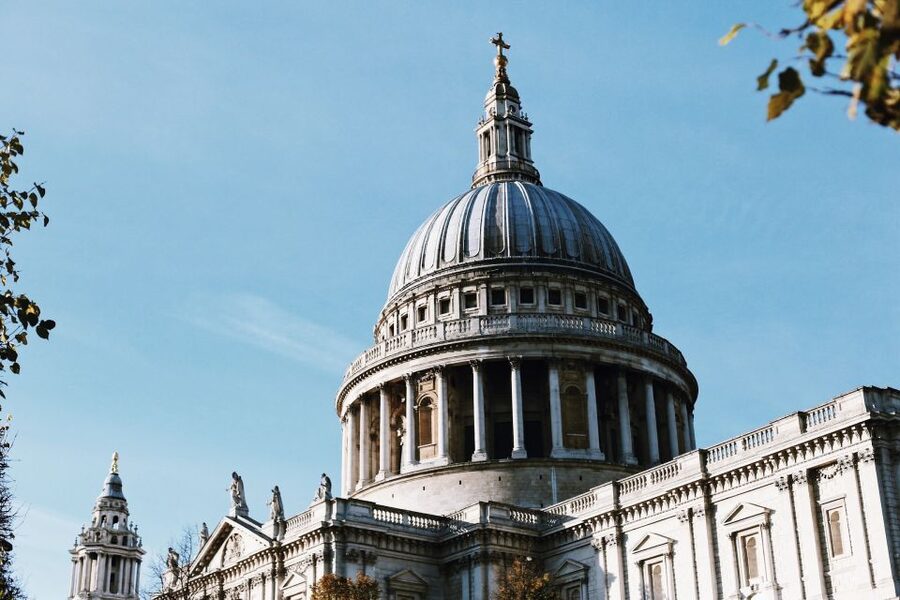
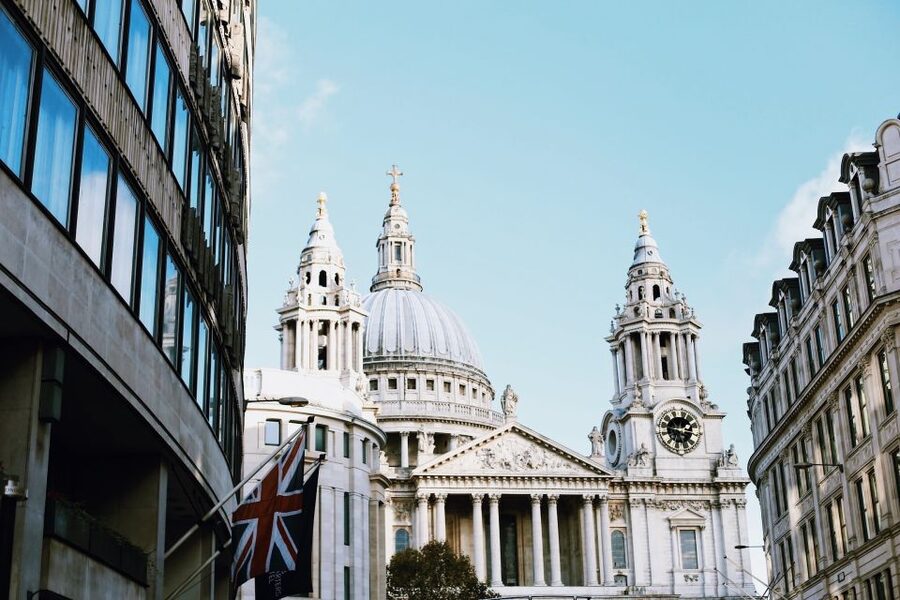
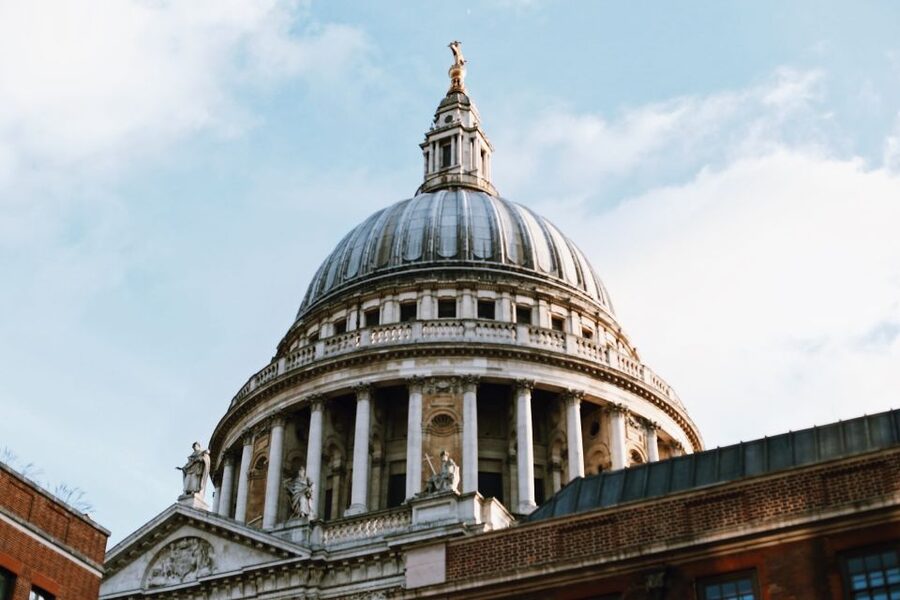
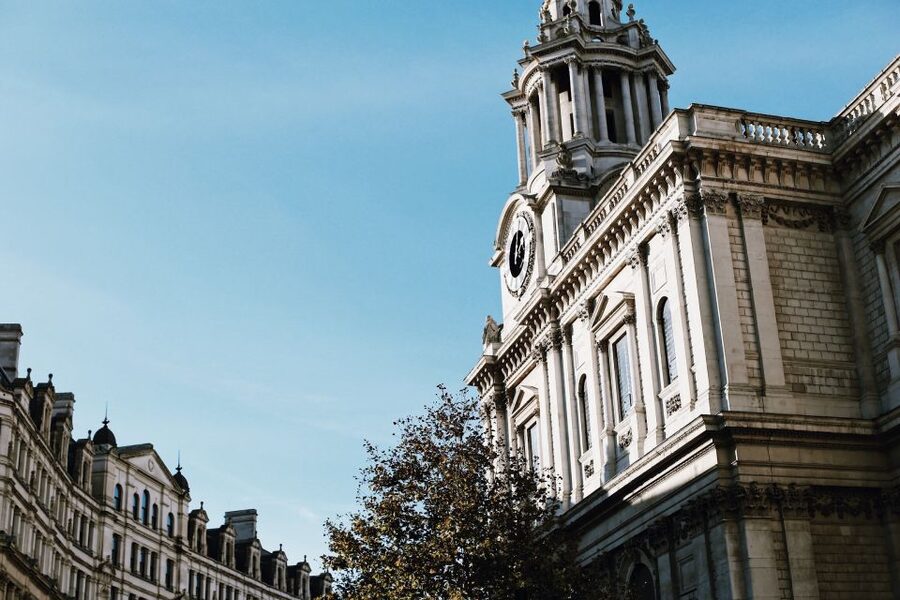
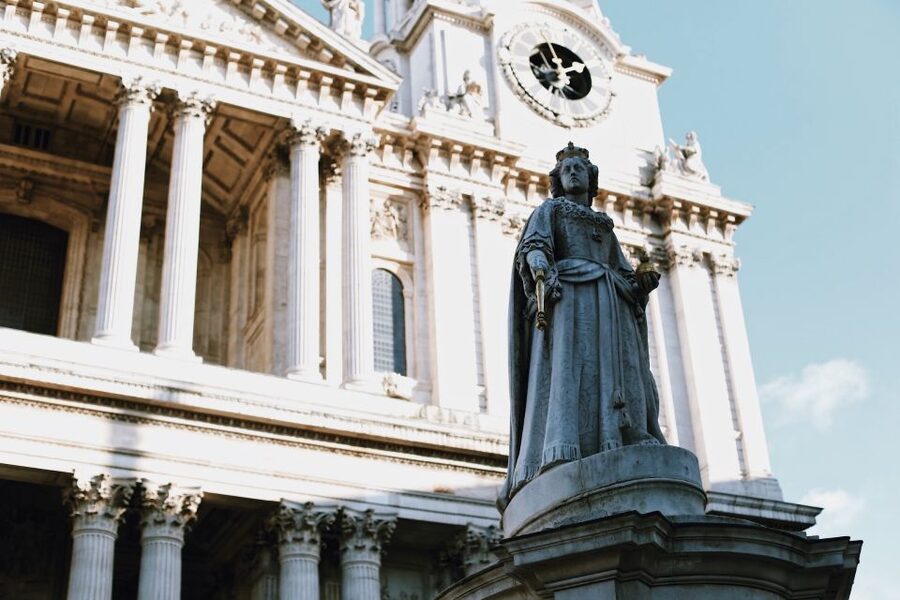
Then comes St Paul’s Cathedral, one of the domed silhouettes that makes London instantly recognizable. Expect another photo stop and guided viewing, plus time to walk and understand where you are in relation to the City.
Why this stop is valuable: St Paul’s isn’t just architecture. It’s also a public landmark with global cultural weight. The tour includes its role as the wedding hall for Charles and Princess Diana in 1981, which gives you a modern-world hook to hold onto as you shift back to older streets around it.
Also, plan for the reality of access. The tour notes that some sites can’t be entered from the inside because of security. So go into St Paul’s viewing mode rather than “I must go inside” mode. That mindset keeps expectations aligned.
Still deciding? A handful more London outings we rated
St Mary-le-Bow and Guildhall: the City’s civic and spiritual signals
Next you’ll hit St Mary-le-Bow Church, another guided stop designed to help you read the City’s layers. Churches here aren’t stuck in time. They sit in neighborhoods that evolved into commercial power centers, which is why your guide’s commentary matters.
From there, you’ll reach Guildhall, London’s seat of civic life. The tour gives you time for guided sightseeing and a walk through the surrounding area. This is where your Roman-to-medieval story begins to feel like it has institutions behind it.
Here’s the practical takeaway: if you’re trying to understand London beyond monuments, these are the locations that explain how authority worked in real life—who governed, where public decisions happened, and why the City looked the way it did as it grew.
Bank of England and the Monument to the Great Fire: history with a street address
The next shift is from “old stone and old legends” to “old events with lasting impact.” You’ll make a photo stop and guided look at the Bank of England, then continue toward the Monument to the Great Fire of London.
The Monument stop is important because it’s not just a memorial you pass by. It anchors the Great Fire in the area where you can literally stand near the memory. That helps you connect the disaster to the rebuilding mindset and why the City’s layout and structures changed over time.
Why I think this is one of the strongest parts of the tour: it turns tragedy into geography. You stop treating history like a chapter in a book and start treating it like the reason certain streets, districts, and landmarks exist where they do.
And yes, you’ll be walking—just not for miles and miles. The tour keeps the pace moderate, with multiple short segments that total about 2.5 hours.
Thames stroll and bridge comparison: Tower Bridge next to the Millennium Bridge
After the civic stops, the route moves toward the River Thames. You’ll stroll along the river and get a sense of how to plan your next move out of the City, with guided context on the bridges.
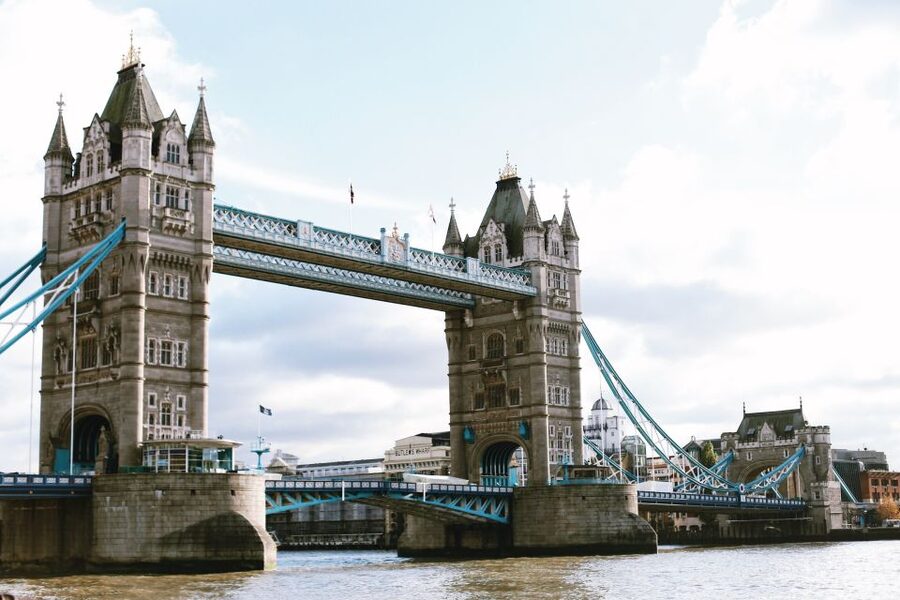
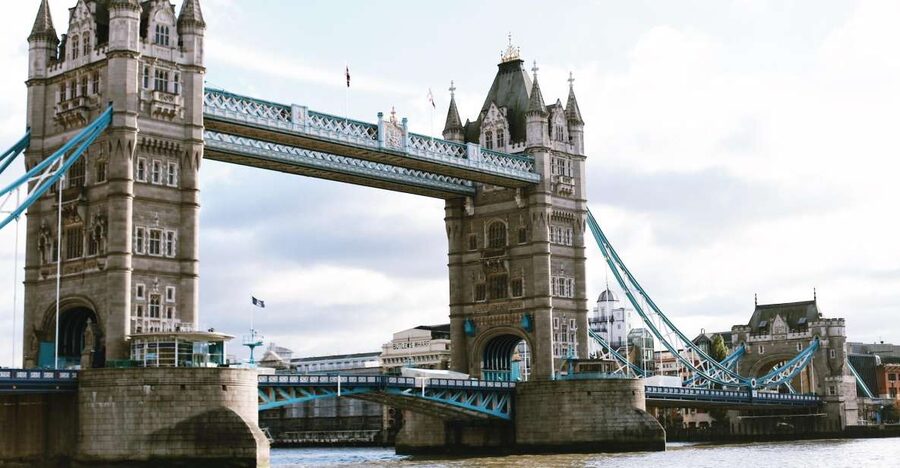
This is where the tour helps you do “real sightseeing math.” Tower Bridge is the iconic one. The Millennium Bridge is more modern, and it changes the look and feel of the river crossing. Seeing both in sequence helps you understand London’s habit of layering eras side by side, not centuries apart.
You’ll also get the guided explanation that frames these bridges as part of how the Thames shaped movement, commerce, and city connections. It’s the kind of context that makes your later photos better, because you know what you’re capturing.
Bring a bottle of water and expect the air to change near the river. Even on pleasant days, Thames winds can make weather feel different than the streets.
The Tower of London: a final landmark with guided context
The capstone is the Tower of London, reached after more short street moments where you’ll stop for photos and guided sightseeing. A couple of stops along the way are listed as brief guided breaks, which is exactly what they feel like in practice: quick orientation and then back on track.
When you arrive, the tour’s approach is straightforward. You get guided context for what the Tower represents and how it fits into the medieval power story you’ve been building since the Roman section.
Even if you don’t go inside certain attractions, the Tower works well as an exterior focal point. It’s hard to look at and not understand why it became such a symbol of authority.
At the end, you’ll be in a position to decide where to go next. The tour’s river-and-City planning thread pays off because you leave with a mental route, not just a photo collection.
Timing and the 2.5-hour value: why the price makes sense for this format
At about $61 per person for roughly 2.5 hours, you’re paying for guidance plus a focused hit list. This is not a long, expensive day with multiple transit layers. It’s a compact walking experience that’s built to reduce decision fatigue.
What makes the value better than an unstructured stroll is the “translation” your guide provides:
- You learn what to notice in each place (not just where to stand).
- You get a connected narrative from Roman fortification logic to medieval institutions and then to the Great Fire’s lasting effects.
- You get practical help planning your route onward from the City.
If your biggest goal is to get your bearings fast and see the major anchors without spending the whole day figuring out what goes where, this price sits in a reasonable range for a guided, small-group format.
Who should book this guided Old City walk
This tour is a great match if you:
- Want a guided timeline from Roman London into medieval power centers
- Like mixing recognizable landmarks with street-level explanation
- Prefer small groups and conversational pacing
- Enjoy thematic storytelling that can include Da Vinci Code references—but grounded in real place context
It’s likely less suitable if:
- You hate walking or want minimal time on your feet
- You’re hoping for a fully inside-access tour at every stop
- You need wheelchair access. The info provided notes wheelchair-friendly tours are available upon request only, but it’s also marked not suitable for wheelchair users—so you’d want to confirm directly before booking.
Practical tips so the tour feels easy
A few small things make a big difference on a walking route like this.
- Wear comfortable shoes. You’ll be doing moderate walking for the full 2.5 hours.
- Bring a bottle of water. It’s especially useful when weather shifts.
- Use an umbrella if rain shows up. The tour operates in all weather conditions.
- Pack light. Large bags and luggage aren’t allowed, and there’s no luggage/coat storage.
- Bring a valid photo ID. Passport or ID card is required.
If you’re photographing a lot, keep your phone charged early. The tour includes several photo stops, and the route is built for sightlines—especially near the river and bridges.
Should you book the Old City of London guided walking tour?
I’d book it if you want a smart, guided way to understand London’s layers in a short time. The strongest selling points are the small-group feel, Temple Church’s story-based approach, and the way the tour connects Roman fortification, medieval power, and the Great Fire to what you can actually see on the street.
Skip it only if you’re looking for a mostly indoor, low-walking experience or you need guaranteed inside access everywhere. Otherwise, this is a well-structured Old City circuit that helps you leave with a clearer mental map—and a better way to keep exploring on your own.
FAQ
How long is the Old City of London guided walking tour?
The tour lasts about 2 to 2.5 hours, with a duration listed as 2.5 hours.
Where does the tour start?
The meeting point can vary depending on the option booked, and it is tied to Temple Station.
What is included in the price?
The price includes a professional local tour guide and the guided duration (2 to 2.5 hours). Food and beverages are not included.
Is food or drinks provided?
No. Food and beverages are not included.
Is the tour only in English?
Yes. The live tour guide language is English.
How many people are in a group?
The tour information says a maximum of 8 people per tour is allowed.
Is there a lot of walking?
Yes, a moderate amount of walking is involved. Comfortable shoes are recommended.
Can I bring luggage or large bags?
No. Luggage or large bags are not allowed on the tour, and luggage/coat storage isn’t provided.
Does the tour visit attractions from inside?
Some attractions can’t be visited from the inside due to security measures. The tour still includes guided sightseeing and photo stops.
Is the tour wheelchair-friendly?
Wheelchair-friendly tours are available upon request only, but it is also marked not suitable for wheelchair users. You should confirm with the provider before booking.
More Tours in London
- From London: Harry Potter Warner Bros Studio Tour
★ 4.7 · 26,588 reviews - Magical London: Harry Potter Guided Walking Tour
★ 4.7 · 22,044 reviews - London: Warner Bros. Studio Harry Potter Tour & Branded Bus
★ 4.7 · 19,194 reviews - London Big Bus Hop-On Hop-Off Tour with Optional River Cruise
★ 3.5 · 10,803 reviews - London Small Group Tour of Historical Pubs
★ 5.0 · 10,422 reviews
More Tour Reviews in London
- From London: Harry Potter Warner Bros Studio Tour
★ 4.7 · 26,588 reviews - London: Westminster to Greenwich River Thames Cruise
★ 4.5 · 22,836 reviews - Magical London: Harry Potter Guided Walking Tour
★ 4.7 · 22,044 reviews - London: Madame Tussauds London
★ 4.6 · 20,915 reviews - London: Warner Bros. Studio Harry Potter Tour & Branded Bus
★ 4.7 · 19,194 reviews
More London Walks Worth the Shoe Leather
- Magical London: Harry Potter Guided Walking Tour
★ 4.7 · 22,044 reviews - London: The Original Jack the Ripper Walking Tour
★ 4.7 · 7,833 reviews - Tour for Muggles The Ultimate Harry Potter Walking Tour in London
★ 5.0 · 4,684 reviews - London Jack The Ripper Guided Walking Tour
★ 5.0 · 3,131 reviews - London: Harry Potter Movies Walking Tour (Kids Go Free)
★ 4.7 · 3,071 reviews
Just reviewed around London





London Walking Tours, compared.
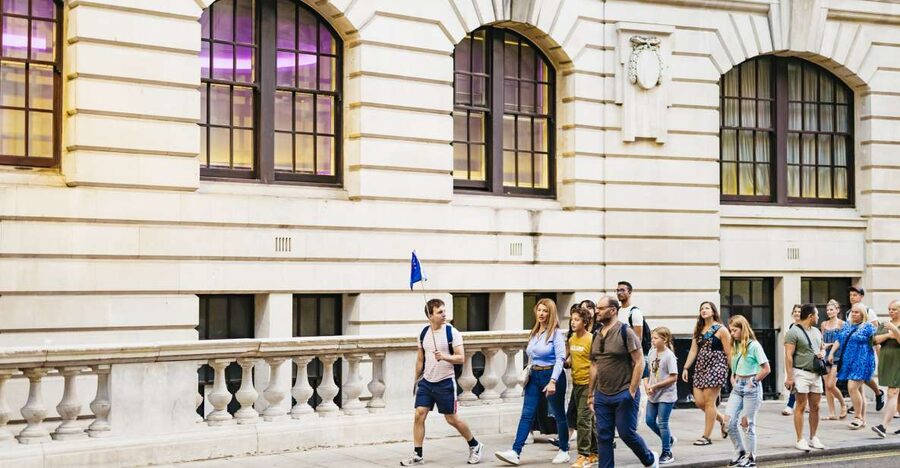 ★ 4.7Magical London: Harry Potter Guided Walking TourFrom $2022,044 reviews
 ★ 4.7The Original Jack the Ripper Walking TourFrom $257,833 reviews
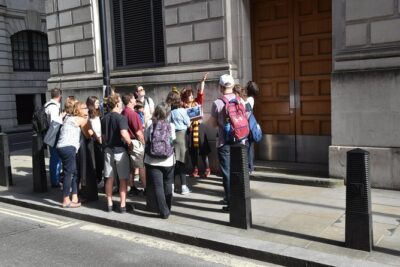 ★ 5.0Tour for Muggles The Ultimate Harry Potter Walking Tour in LondonFrom $234,684 reviews
 ★ 5.0London Jack The Ripper Guided Walking TourFrom $03,131 reviews
 ★ 4.7Harry Potter Movies Walking Tour (Kids Go Free)From $203,071 reviews
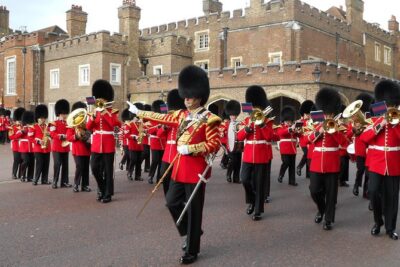 ★ 5.0Changing of the Guard Guided Walking Tour in LondonFrom $251,793 reviews
 ★ 4.9The Great British Rock and Roll Music Walking TourFrom $361,783 reviews
 ★ 4.8Harry Potter Walking Tour in GermanFrom $201,505 reviews