
Reviewed · TOURS
The Magic Circle Tour: The real life Wizards’ School!
Magic in London comes with a schedule. The Magic Circle Tour blends a real-world magician’s hangout with a guided walk through The Magic Circle’s rooms and artifacts.
I like that it’s practical and focused: you spend real time in the spaces where magic is practiced, not just outside-looking-in sightseeing. You also get a guided museum experience plus the standout helical staircase, which gives the whole place a wow-factor you can feel immediately.
One thing to keep in mind: the tour includes a lot of spoken information, so very young kids (especially 5 and under) may find the pace tougher than older children.
In This Review
- Key highlights you can plan around
- Entering the Magic Circle: what this tour really gives you
- The 1 hour 45 format: how the time is used
- Devant Room magic: the atmosphere and what to pay attention to
- The Clubroom: where the culture of magicians feels real
- The museum artifacts and memorabilia: why the collection is worth the time
- The helical staircase: the photo moment with real context
- Surprise factor: close-up magic you may see
- Guide energy and group size: small enough to feel personal
- Best for who: magic fans, families with the right age, and curious adults
- Price and value: how $40.05 adds up
- Getting there and what to do when you arrive
- Should you book the Magic Circle Tour?
- FAQ
- What is the duration of The Magic Circle Tour?
- How much does the tour cost?
- Is admission included?
- Where does the tour start?
- Is the tour offered in English?
- How many people are in a group?
- Is a mobile ticket provided?
- Are service animals allowed?
- Is it near public transportation?
- Can I cancel for a full refund?
Key highlights you can plan around
- Devant Room and Clubroom access with an expert-led walk through spaces tied to magician culture
- Museum artifacts and memorabilia that explain how the craft evolved
- The helical staircase as a visual and storytelling moment
- Surprise close-up magic can happen during the experience
- Small group size (up to 30) for a more personal feel
Not sure yet? See how a few of London's most-booked trips stack up:
- From London: Harry Potter Warner Bros Studio Tour
★ 4.7 · 26,588 reviews - London: Westminster to Greenwich River Thames Cruise
★ 4.5 · 22,836 reviews - Magical London: Harry Potter Guided Walking Tour
★ 4.7 · 22,044 reviews - London: Madame Tussauds London
★ 4.6 · 20,915 reviews
Entering the Magic Circle: what this tour really gives you
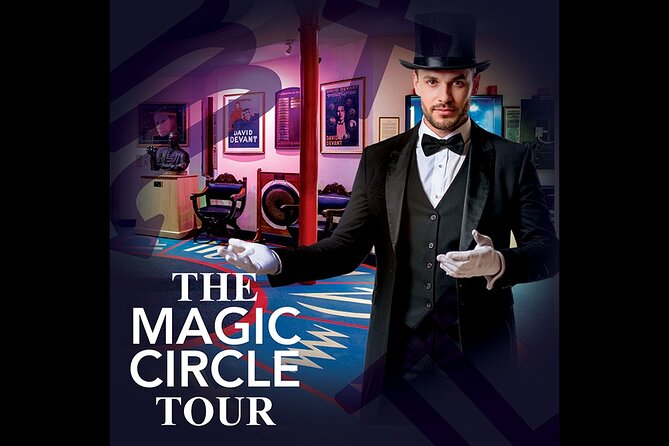
The Magic Circle is one of those places that feels like a secret even though it’s right in London. This experience brings you into the building with a guide who knows how to connect the dots between rooms, objects, and the culture of magic.
What makes the tour special is that it isn’t only about spectacle. You’re shown the context behind the showmanship: where magicians gather, how the environment supports practice and learning, and how the museum pieces help you understand the craft beyond common tricks. If you’ve ever wondered what serious magic looks like when it’s not on a stage, this is your answer.
And the building itself matters. The helical staircase isn’t just a photo stop—it’s part of the atmosphere. It helps make The Magic Circle feel like a functioning world, not a theme set.
The 1 hour 45 format: how the time is used
The tour runs for about 1 hour 45 minutes. Most of that time is spent inside, with a guided visit that includes admission to the areas you’ll explore.
Here’s how it typically feels in motion:
- You start at the Magic Circle Centre for the Magic Arts and get oriented quickly.
- You move through the key rooms with narration that ties the spaces to magic history and practice.
- You get museum time—time to actually look at artifacts and memorabilia, not just glance and move on.
- The pacing stays guided the whole way, which is great if you like structure and explanations.
This format works well because it keeps you from drifting. London can make you feel like you’re constantly deciding what to do next. Here, you’re led through a clear path, and the experience stays cohesive.
Devant Room magic: the atmosphere and what to pay attention to
The Devant Room is where the tour starts its real magic-leaning storytelling. This is the kind of space that makes you slow down, even if you don’t usually stop for architecture.
Why I think it’s a strong first stop: the guide uses the room to set expectations. You’re not only learning about magic as entertainment—you’re learning about magic as a craft with routines, traditions, and rooms designed for the work and the conversations around it.
Practical tip: if you care about seeing details, take a second before the talking gets dense. Look around once. Notice the physical setting. Then when the guide starts explaining, you’ll be able to place the story in your mind as you watch.

The Clubroom: where the culture of magicians feels real
After Devant, you move into the Clubroom. This is a highlight because it’s described as atmospheric—more than decorative. The point isn’t just to say you saw it. It’s to show you the vibe of a space where magicians meet and share mysteries.
If you’re a magic fan, this is the section that helps everything click. The Clubroom is where you can imagine the behind-the-scenes part of magic happening: discussion, experimentation, and that shared language only magicians really get.
Keep an eye out for how the guide frames the rooms. Even when you’re hearing facts, it’s the human side—how people talk, trade ideas, and practice—that gives the experience weight.
The museum artifacts and memorabilia: why the collection is worth the time
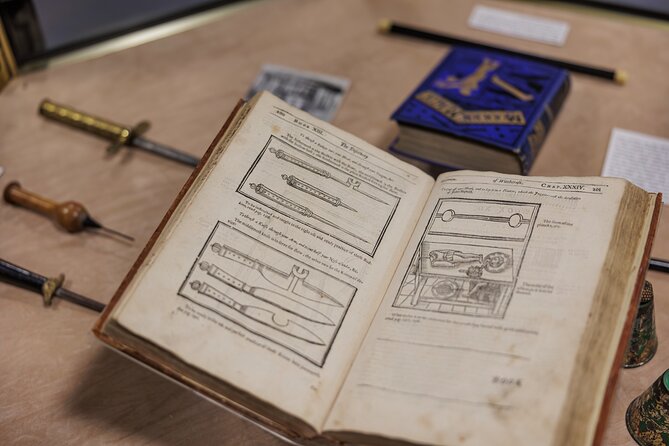
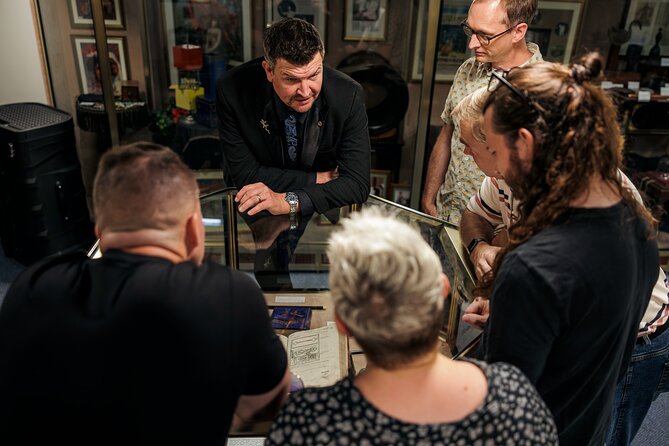
The tour includes a museum filled with magical artifacts and memorabilia. This part is what turns the experience from a quick walkthrough into something more satisfying for both magic lovers and the magic-curious.
Why it’s valuable for you:
- Artifacts help you connect the dots between modern magic and older methods.
- Memorabilia gives a sense of the community around magic—where it’s been, who supported it, and how it gained public attention.
- Seeing objects in person makes the explanations feel less abstract.
If you’re trying to decide whether this is worth it versus a generic London museum stop, this is the difference. You’re not just looking at displays; you’re watching someone translate the collection into a story you can understand quickly.
The helical staircase: the photo moment with real context
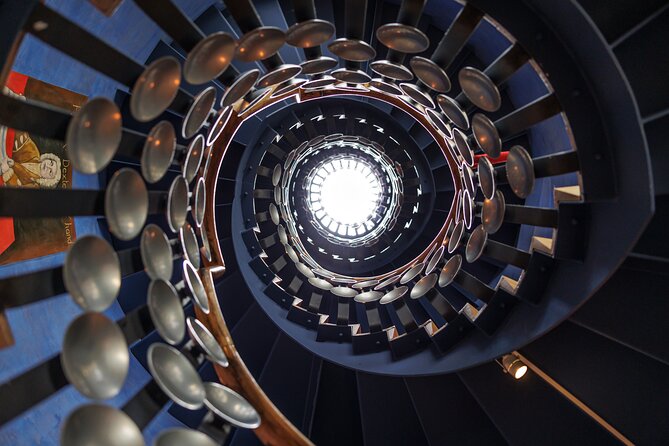
The iconic helical staircase is called out for a reason. It’s visible, memorable, and visually different from most staircases you’ll see in London.
But the best part is when the guide ties it to the space. The staircase becomes part of the building’s magic mood—turning the structure into an element of storytelling rather than a random landmark.
Practical advice: if you care about photos, be ready when the guide shifts focus. During guided tours, the group moves in a flow. If you wait too long to lift your camera, you’ll end up photographing backsides. One quick photo before or during the explanation is usually the sweet spot.
Surprise factor: close-up magic you may see
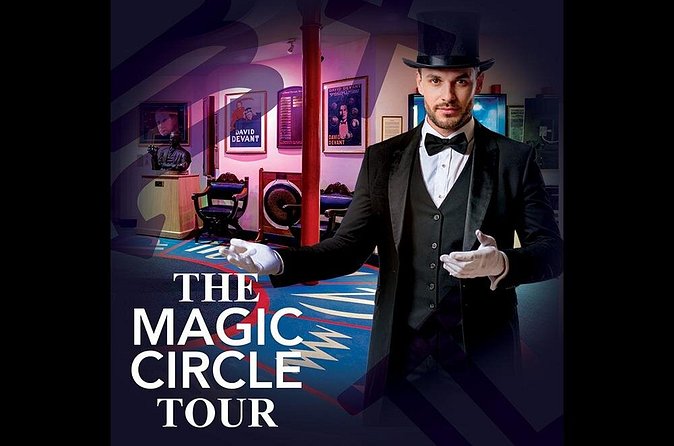
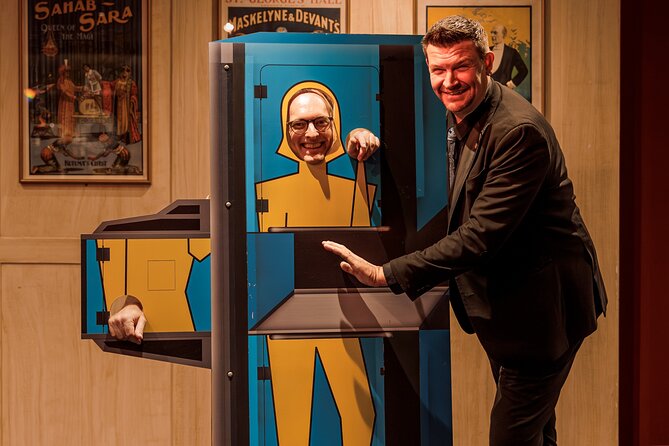
The tour can include surprises, and one example mentioned in the experience is close-up magic featuring Sid. That matters because it makes the visit feel alive. It’s not only lecture and exhibits.
Close-up magic also works well in a small room setting. It’s one thing to read about magic principles; it’s another to see how the performance changes when you’re closer to the action.
You’ll likely enjoy this most if you’re open to being a participant in the moment, even if it’s just staying alert and watching closely. If you’re the type who loves interactive experiences, this part is a big plus.
Guide energy and group size: small enough to feel personal
This tour has a maximum of 30 travelers, which is a meaningful detail. Large groups can flatten the experience—people stop listening because it feels too crowded or too fast. Here, the group size helps keep the guided flow readable and manageable.
Guide style is also a factor. One guide name you might hear leading the experience is Lee, described as enthusiastic and knowledgeable. That kind of energy tends to matter in a museum-style setting, because you’re listening for longer than you would during a quick walking tour.
One more point: the tour can be long on spoken information. That’s not bad in itself, but it changes who will enjoy it most.
Best for who: magic fans, families with the right age, and curious adults

This experience is built for people who like:
- Magic as a craft, not only as stage entertainment
- Learning through rooms, objects, and guided explanation
- A structured visit with a clear route
It’s also described as suitable for most travelers. For families, this is where you should think carefully about age.
If you’re bringing kids, aim for the group that can handle spoken content. The experience includes a lot of talk, and one caution is that it may run too long for smaller kids (5 and under). On the other hand, older kids—especially those who ask questions—tend to fit the format well.
Price and value: how $40.05 adds up
The price is $40.05 per person, and the ticket includes admission (at least for the main guided visit time). For London, that’s relatively straightforward pricing for a guided experience tied to access inside the building.
Here’s the value logic I see:
- You’re paying for guided access to the Magic Circle’s rooms and museum—not just entry.
- The time on-site is about 1 hour 45, which is long enough to feel substantial.
- Admission is included, so you’re not doing the math of extra tickets once you arrive.
Is it the cheapest activity you’ll find? No. But if you want something that feels like a real slice of magician culture—rooms, artifacts, and that helical staircase—this is one of the more direct ways to spend your time.
If you want a flexible plan, you also have free cancellation options as long as you cancel within the stated window before the start time.
Getting there and what to do when you arrive
You meet at the Magic Circle Centre for the Magic Arts, 12 Stephenson Way, London NW1 2HD. The tour notes it’s near public transportation, which helps a lot in London, where walking can feel longer than the map suggests.
Because the tour ends back at the meeting point, plan to treat this as a single-use block of time. I’d either schedule it before a nearby meal or keep your next stop close by so you’re not rushing across town after the tour.
Once you arrive, the tone is usually straightforward: check in, then your guide takes over the flow inside.
Should you book the Magic Circle Tour?
Book it if you:
- Love magic and want something that feels more grounded than a stage-only show
- Enjoy guided tours with explanation, room-by-room context, and museum-style looking
- Want a London experience that’s genuinely different from the usual landmarks
Skip or choose a different option if you:
- Need something very short and low on spoken content for very young kids
- Prefer mostly hands-on activity with little narration
For most adults and older kids who are curious about how magic culture works, this is a strong pick. The Devant Room, Clubroom, museum artifacts, and that helical staircase give you multiple layers in one visit—plus a chance for close-up surprise magic.
FAQ
What is the duration of The Magic Circle Tour?
The tour runs for approximately 1 hour 45 minutes.
How much does the tour cost?
The price is $40.05 per person.
Is admission included?
Admission ticket for the main guided visit is included.
Where does the tour start?
The tour starts at The Magic Circle Centre for the Magic Arts, 12 Stephenson Way, London NW1 2HD, UK.
Is the tour offered in English?
Yes, it is offered in English.
How many people are in a group?
The tour has a maximum of 30 travelers.
Is a mobile ticket provided?
Yes, the tour offers a mobile ticket.
Are service animals allowed?
Yes, service animals are allowed.
Is it near public transportation?
Yes, it is near public transportation.
Can I cancel for a full refund?
You can cancel for a full refund up to 24 hours before the experience starts.
More Tours in London
- From London: Harry Potter Warner Bros Studio Tour
★ 4.7 · 26,588 reviews - Magical London: Harry Potter Guided Walking Tour
★ 4.7 · 22,044 reviews - London: Warner Bros. Studio Harry Potter Tour & Branded Bus
★ 4.7 · 19,194 reviews - London Big Bus Hop-On Hop-Off Tour with Optional River Cruise
★ 3.5 · 10,803 reviews - London Small Group Tour of Historical Pubs
★ 5.0 · 10,422 reviews
More Tour Reviews in London
- From London: Harry Potter Warner Bros Studio Tour
★ 4.7 · 26,588 reviews - London: Westminster to Greenwich River Thames Cruise
★ 4.5 · 22,836 reviews - Magical London: Harry Potter Guided Walking Tour
★ 4.7 · 22,044 reviews - London: Madame Tussauds London
★ 4.6 · 20,915 reviews - London: Warner Bros. Studio Harry Potter Tour & Branded Bus
★ 4.7 · 19,194 reviews
Just reviewed around London





Tours, compared.
 ★ 4.7From London: Harry Potter Warner Bros Studio TourFrom $11726,588 reviews
 ★ 4.7Magical London: Harry Potter Guided Walking TourFrom $2022,044 reviews
 ★ 4.7Warner Bros. Studio Harry Potter Tour & Branded BusFrom $15119,194 reviews
 ★ 3.5London Big Bus Hop-On Hop-Off Tour with Optional River CruiseFrom $3910,803 reviews
 ★ 5.0London Small Group Tour of Historical PubsFrom $4010,422 reviews
 ★ 4.6Warner Bros. Studio Harry Potter Tour with TransfersFrom $1179,709 reviews
★ 4.7Warner Bros. Studio Harry Potter Tour with TransfersFrom $1169,485 reviews
 ★ 4.7The Original Jack the Ripper Walking TourFrom $257,833 reviews