
Reviewed · TOURS
Tate Britain Official Discovery Tour
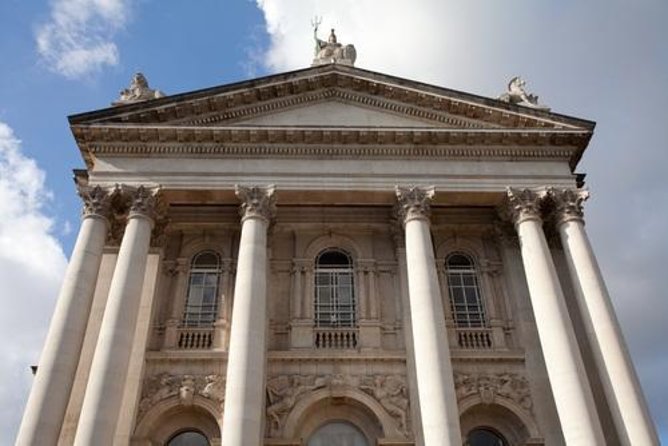
A good art museum can feel like a maze. This Tate Britain Discovery Tour turns it into a one-hour plan with a Tate guide. You’ll hit the headline works and learn the stories behind them, from Turner’s seascapes to the kind of optical play Bridget Riley mastered.
I especially like that the tour pushes past names and dates into context. You’ll hear about key movements like the Pre-Raphaelites, plus the visual clues that make famous paintings click faster than you’d manage alone.
One thing to keep in mind: it’s a tight 1-hour route. Also, while Tate Britain itself has no entrance fee, some special exhibitions may cost extra.
In This Review
- Key takeaways before you go
- Tate Britain in one hour: why this tour works
- What you’ll see: from Turner and Hockney to optical illusions
- The one-hour route: how to get value without rushing yourself
- Why context matters: movements like the Pre-Raphaelites
- The Tate Britain experience: where the guide can steer you
- Price and value: $27.77 for an hour of guided focus
- Who this Discovery Tour is best for
- Practical expectations inside Tate Britain
- Should you book the Tate Britain Official Discovery Tour?
- FAQ
- FAQ
- Where does the Tate Britain Official Discovery Tour take place?
- How long is the Tate Britain Discovery Tour?
- What does the tour cost?
- Is the admission ticket included?
- Does Tate Britain charge an entrance fee?
- How do I receive my ticket?
- Do I get confirmation after I book?
- Is the tour easy to fit in with getting around London?
- What is the usual booking timing?
- What is the cancellation policy?
- Are service animals allowed?
Key takeaways before you go
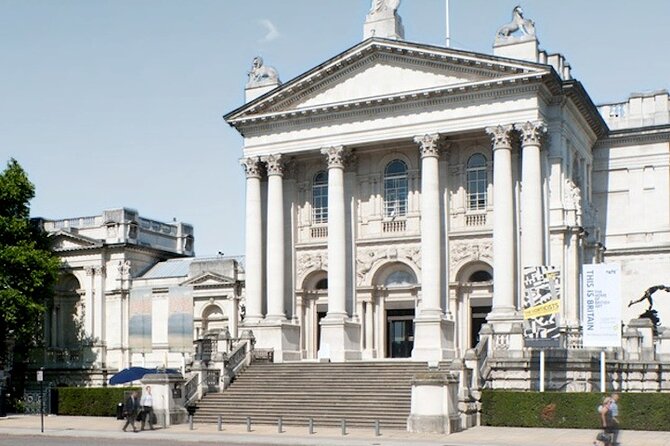
- A specialist Tate guide for a one-hour hit list of the big works
- Context for the biggest artists and movements, not just quick viewing
- Guided spotting of details you’d likely miss while moving on your own
- Strong value for London gallery time, since the tour fee includes the tour portion
- Be ready for optional extra-charge exhibitions if you want more than the standard displays
Not sure yet? See how a few of London's most-booked trips stack up:
- From London: Harry Potter Warner Bros Studio Tour
★ 4.7 · 26,588 reviews - London: Westminster to Greenwich River Thames Cruise
★ 4.5 · 22,836 reviews - Magical London: Harry Potter Guided Walking Tour
★ 4.7 · 22,044 reviews - London: Madame Tussauds London
★ 4.6 · 20,915 reviews
Tate Britain in one hour: why this tour works
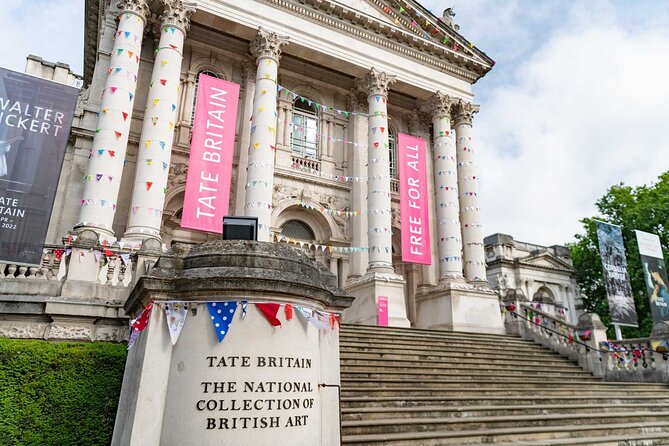
Tate Britain is the kind of museum that can swallow an entire day. You walk in thinking you’ll just “see a few rooms,” and suddenly it’s closing time and your legs are protesting. This Discovery Tour is a smarter way to start if you’re short on time or you want a guided path instead of wandering.
The big idea here is focus. In about an hour, you’re guided through the museum’s must-sees, with a guide who can explain what you’re looking at and why it matters. That matters because British art covers a huge sweep—centuries of change in style, subject, and even how artists thought about painting itself.
I also like that the tour isn’t just about modern highlights or just about older masters. The overview examples alone point to range: Turner’s seascapes, Bridget Riley’s optical illusions, and David Hockney’s bright work. That mix helps you see Tate Britain as one connected story of British art, not separate chapters you have to stitch together yourself.
What you’ll see: from Turner and Hockney to optical illusions
You can think of this tour as a quick “greatest hits” walkthrough—built around widely recognized artists and works you’ll see recommended again and again.
Turner fans usually get a lot from an organized look. Seascapes are not just pretty waves. They’re also about light, weather, and how a painting can feel like it’s moving. With a guide, you’ll be more likely to notice the choices that create that effect—so you’re not just seeing a scene, you’re reading how it’s made.
Then you have the jump to optical perception. Bridget Riley’s style is famous for making your eyes do extra work. A guided explanation can help you understand why these pieces can look different as you step closer, lean sideways, or change your focus. Even if you don’t consider yourself an “optical art” person, you’ll get tools to look again instead of shrugging and moving on.
And then there’s David Hockney, whose bright, approachable energy often works like a palate cleanser after heavier historic pieces. When a guide connects what you’re seeing to broader artistic shifts—how artists were experimenting, looking outward, or rethinking everyday life—the museum feels less random.
The one-hour route: how to get value without rushing yourself
This tour is timed to about one hour, so the biggest practical advantage is speed with direction. You’re not just paying for entry; you’re paying for a guide to decide what’s essential and help you interpret it.
In a museum this size, that’s a real value. DIY touring usually goes one of two ways:
- You get stuck in one gallery and miss other stars.
- You sprint room-to-room and don’t process what you actually saw.
A guided one-hour route tries to avoid both. The point is to see the most famous works and to understand their context—so you leave with more than photos.
You’ll also benefit from a guide pointing out details that many people overlook when they’re exploring independently. This is huge for museums. Small visual cues—composition choices, technique, or a symbolic element—often change how a work lands. If you miss them, the painting can feel flat. If you catch them, it feels alive.
Practical tip: if you want to continue after the tour, keep your energy for a second pass. A short guided start helps you decide what to return to on your own, instead of trying to “figure it out” while you’re already tired.

Why context matters: movements like the Pre-Raphaelites
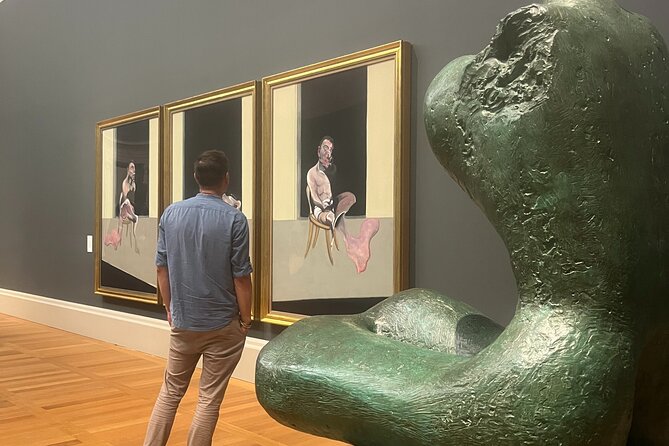
The tour description highlights learning about movements like the Pre-Raphaelites, and that’s exactly the kind of thing that makes a short museum visit feel deeper.
Here’s the thing: you can stand in front of a masterpiece and still miss the point if you don’t know the artistic conversation happening at the time. “Movement” context is basically a cheat sheet for interpretation. It tells you what the artist was reacting to, and what they were trying to do differently.
With the Pre-Raphaelites, for example, you’re often dealing with intense realism, symbolic choices, and a clear break from what came before. If you’re aware of that mindset, you’ll start noticing patterns in themes, materials, and visual storytelling.
And that same approach applies to the wider range you’ll encounter—from older work to modern optical and pop-adjacent energy. A guide helps you slow down just enough to connect style to meaning. That’s why this format works well for first-time visitors and for people who want a firm foundation before going further.
The Tate Britain experience: where the guide can steer you
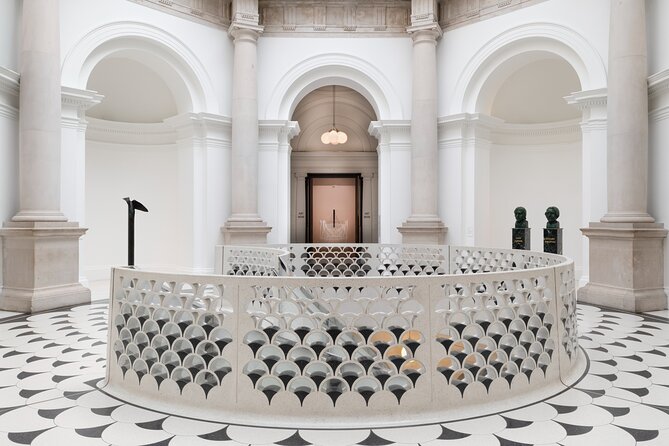
Tate Britain includes a mix of older and modern art, and that can be a good thing—or a mood swing—depending on what you feel like that day.
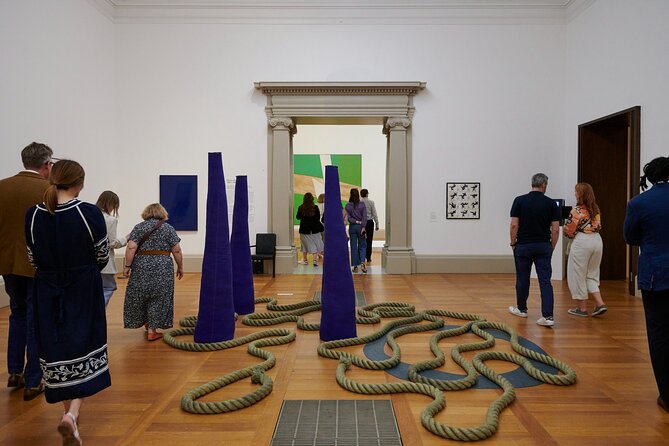
One of the most useful bits from real-world experience is that not every display hits the same for everyone. There are times when the newer, more experimental installations near the entrance can feel awkward or frustrating if you’re expecting something classic. If you run into that, you don’t have to abandon the whole museum.
A guided route helps you do two things:
1) You spend your limited time on the core works.
2) You get a framework that makes unfamiliar pieces easier to interpret.
A practical mindset helps too. If something feels off, don’t force yourself to like it. Use the guide’s direction to balance your visit. You can enjoy Turner, and you can still choose how much time you want to spend with contemporary ideas.
If you’re open to it, keep an eye out for thematic displays too. One review mentioned a show called Now You See Us: Women Artists in Britain, including Artemisia Gentileschi’s Susanna and the Elders. If a similar thematic installation is on during your visit, you’ll likely get more out of it when you’ve already learned how to look from the guide’s fast, practical explanations.
Price and value: $27.77 for an hour of guided focus
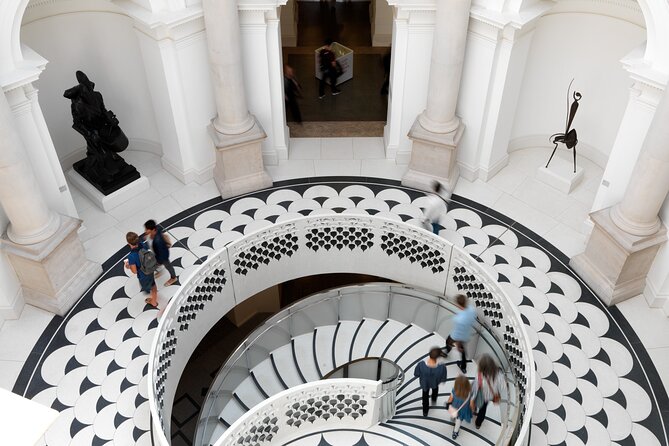
At $27.77 per person, this is not a bargain compared to a free museum walk. But it can be a very good value for what you get: an organized one-hour experience led by a Tate guide, with the discovery tour included in the price.
Here’s the key detail: Tate Britain itself has no entrance fee. That means your money is really paying for the tour guidance, not museum admission. If you’re the type of person who likes “just wander,” you can save by going unguided.
But if you want results—famous works, smarter looking, and clear context—then paying for the guide makes sense. London museums can be expensive in time and transport. A one-hour plan can help you make the most of a limited schedule, especially if you’re pairing Tate Britain with other stops nearby.
Also, tours like this are often booked ahead. On average, this one is booked about 20 days in advance. If you’re traveling in a busy season or have tight timing, it’s a good idea to lock in your slot early rather than hoping.
Who this Discovery Tour is best for
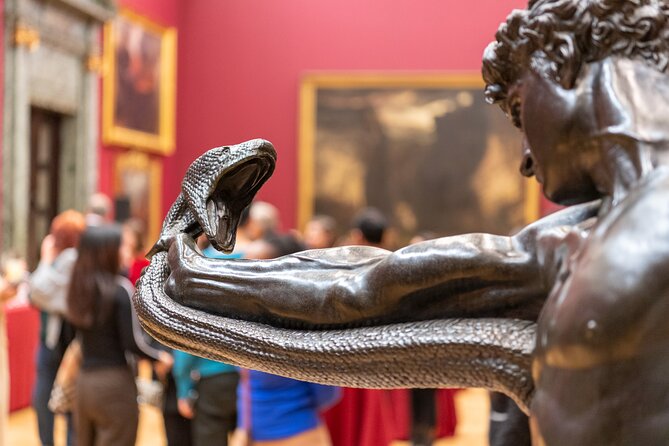
This tour fits best when you want structure more than freedom.
You’ll probably love it if:
- You’re visiting Tate Britain for the first time and want a clear “start here” route.
- You like big names but want help understanding what you’re seeing beyond the headline.
- You’re short on time and would rather spend it with a guide than map your own path.
- You enjoy art movements and want a quick bridge into how artists thought and worked.
You might want to skip this tour—or use it as a first step—if:
- You prefer slow, independent viewing with lots of quiet time.
- You plan to spend several hours in depth and want to choose exactly which rooms to linger in without a set timeline.
The good news is that a one-hour guided visit can work like an appetizer. You can use it to get oriented, then return on your own for a deeper second course.
Practical expectations inside Tate Britain
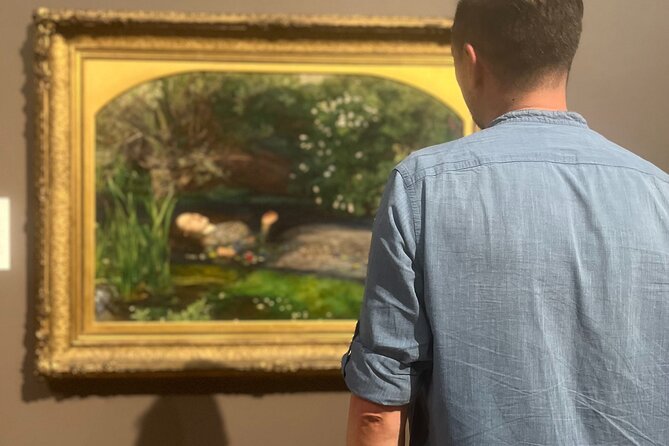
A few realities shape how your visit will feel.
First: you’re dealing with a lot of art in a short window. That means you’ll move through highlights and guided points, not see everything in full detail. The upside is that you’ll avoid decision fatigue. The guide chooses the route so you can focus on looking.
Second: the museum can include shifting exhibitions. The tour notes that Tate Britain has no entrance fee, but some exhibitions have an additional charge. So if your heart is set on a specific temporary show, plan for possible extra costs beyond the tour.
Third: you’re using a mobile ticket. That’s convenient for day-of logistics, especially if you’re bouncing between nearby stops in London.
Finally: accessibility and participation. Service animals are allowed, and most travelers can participate. If you’re unsure how your day will work, consider how a one-hour structured experience typically feels for you—fast, focused, and designed to keep moving.
Should you book the Tate Britain Official Discovery Tour?
If your goal is to see the famous works, get useful context fast, and come away with a stronger sense of how British art connects across time, then yes, book it. The value isn’t just the sight-seeing. It’s the guide’s help reading paintings and noticing details you’d easily miss during a solo walk.
I’d say this is especially smart if you’re juggling London logistics or you only have about an hour to do Tate Britain. On the other hand, if you want a long, quiet, room-by-room experience and you already feel comfortable planning a museum route, you might be happier going unguided.
FAQ
FAQ
Where does the Tate Britain Official Discovery Tour take place?
It takes place in London, England at Tate Britain.
How long is the Tate Britain Discovery Tour?
The tour lasts about 1 hour.
What does the tour cost?
The price is $27.77 per person.
Is the admission ticket included?
Yes. The discovery tour price includes the admission ticket.
Does Tate Britain charge an entrance fee?
Tate Britain has no entrance fee, but some exhibitions can have an additional charge.
How do I receive my ticket?
You’ll use a mobile ticket.
Do I get confirmation after I book?
Yes. Confirmation is received at the time of booking.
Is the tour easy to fit in with getting around London?
It’s near public transportation.
What is the usual booking timing?
On average, it’s booked about 20 days in advance.
What is the cancellation policy?
You can cancel for free up to 24 hours in advance for a full refund.
Are service animals allowed?
Yes, service animals are allowed.
More Tours in London
- From London: Harry Potter Warner Bros Studio Tour
★ 4.7 · 26,588 reviews - Magical London: Harry Potter Guided Walking Tour
★ 4.7 · 22,044 reviews - London: Warner Bros. Studio Harry Potter Tour & Branded Bus
★ 4.7 · 19,194 reviews - London Big Bus Hop-On Hop-Off Tour with Optional River Cruise
★ 3.5 · 10,803 reviews - London Small Group Tour of Historical Pubs
★ 5.0 · 10,422 reviews
More Tour Reviews in London
- From London: Harry Potter Warner Bros Studio Tour
★ 4.7 · 26,588 reviews - London: Westminster to Greenwich River Thames Cruise
★ 4.5 · 22,836 reviews - Magical London: Harry Potter Guided Walking Tour
★ 4.7 · 22,044 reviews - London: Madame Tussauds London
★ 4.6 · 20,915 reviews - London: Warner Bros. Studio Harry Potter Tour & Branded Bus
★ 4.7 · 19,194 reviews
Just reviewed around London





Tours, compared.
 ★ 4.7From London: Harry Potter Warner Bros Studio TourFrom $11726,588 reviews
 ★ 4.7Magical London: Harry Potter Guided Walking TourFrom $2022,044 reviews
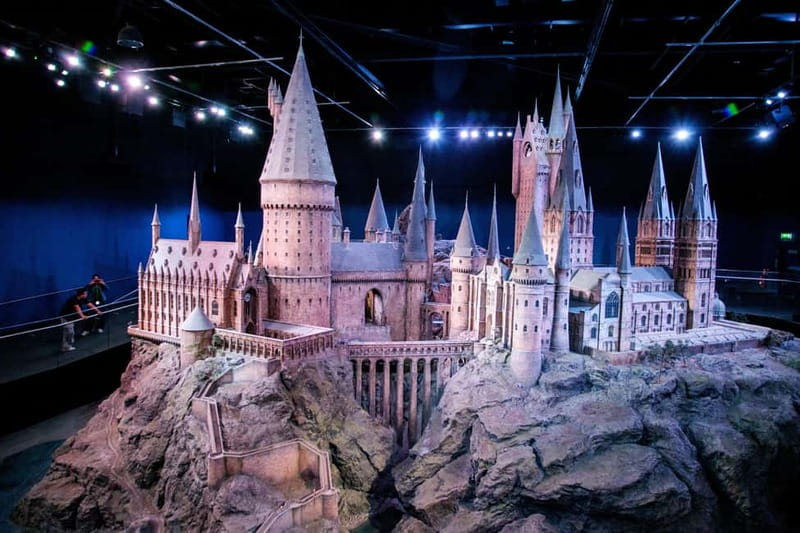 ★ 4.7Warner Bros. Studio Harry Potter Tour & Branded BusFrom $15119,194 reviews
 ★ 3.5London Big Bus Hop-On Hop-Off Tour with Optional River CruiseFrom $3910,803 reviews
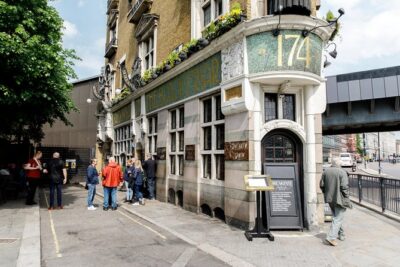 ★ 5.0London Small Group Tour of Historical PubsFrom $4010,422 reviews
 ★ 4.6Warner Bros. Studio Harry Potter Tour with TransfersFrom $1179,709 reviews
★ 4.7Warner Bros. Studio Harry Potter Tour with TransfersFrom $1169,485 reviews
 ★ 4.7The Original Jack the Ripper Walking TourFrom $257,833 reviews