
Reviewed · LONDON WALKING TOURS
Royal London: Tudors & Stuarts Walking Tour
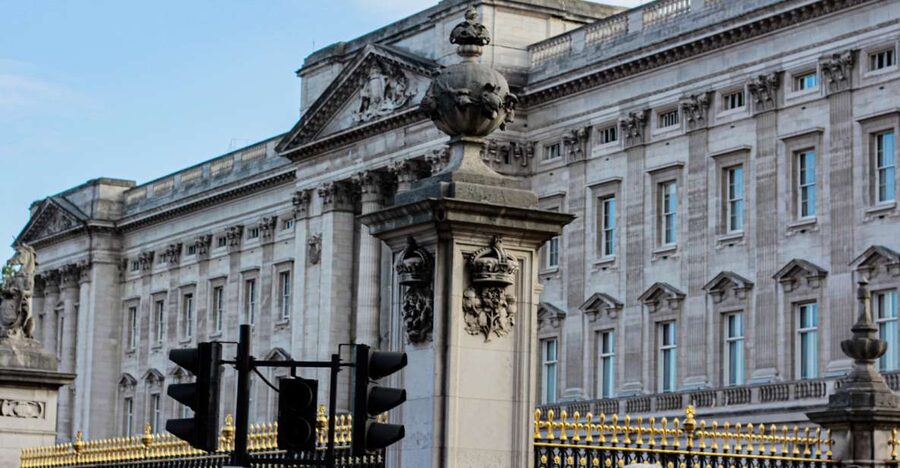
Royal gossip starts on your doorstep. This Royal London: Tudors & Stuarts Walking Tour strings together about 200+ years of monarchy stories on streets around St James’ Palace, mixing major political turning points with the human side of royal life. I like how the guide turns landmark-adjacent facts into street-level storytelling, so you’re not just memorizing dates.
I also really enjoy the pacing and the delivery. With a small group capped at 6, you get time for questions, and the tour’s guide (often Natalie) is friendly, funny, and patient when you’re new to the Tudors and Stuarts.
One thing to consider: this is a walking tour without entry tickets to the sites. You’ll see plenty from the outside and learn what happened inside, but you won’t get museum-style access included.
In This Review
- Key highlights you’ll remember
- Where your Tudor-to-Stuart story actually starts
- A 2-hour walk that still covers 200+ years
- The Henry VIII and Anne Boleyn thread: power, marriage, consequences
- A Stuart-era spotlight tied to Shakespeare
- Charles I and the tragedy of following footsteps
- Glorious Revolution explained where it mattered
- Royal weddings and the big question behind them
- When the largest royal palace once stood
- Outside views of a historic Tudor palace
- Royal secrets, nicknames, and courtroom-level drama
- Pocahontas and the residence linked to her visit
- Who this tour fits best
- Price and value: why $29 can make sense here
- Practical tips so the walk feels easy
- The best way to get more out of the tour
- Should you book Royal London: Tudors & Stuarts Walking Tour?
- FAQ
- How long is the Royal London: Tudors & Stuarts Walking Tour?
- Where do I meet the guide?
- How much does it cost?
- Is the tour wheelchair accessible?
- What’s included in the price?
- Is there entry to the landmarks included?
- What should I bring?
- Is the tour available rain or shine?
Key highlights you’ll remember
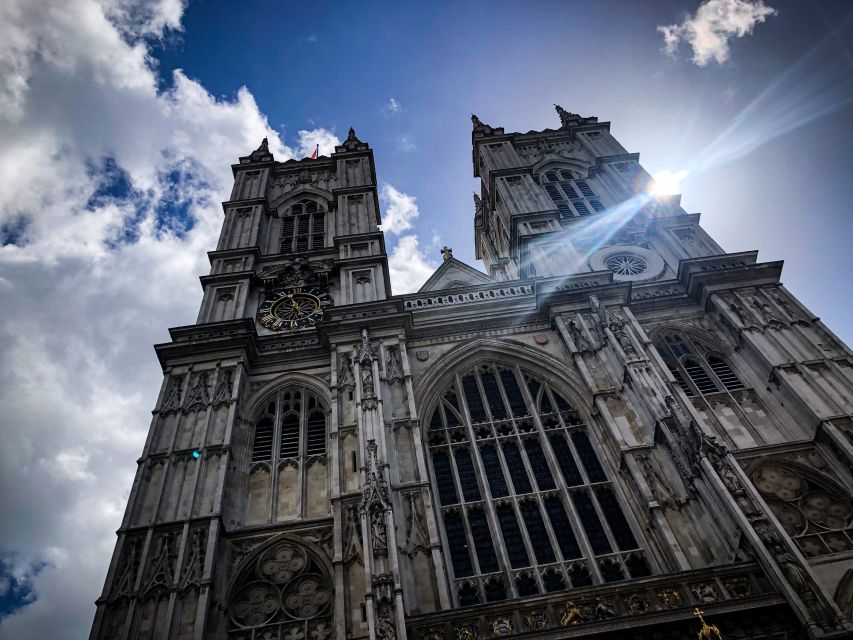
- St James’ Palace area as your launchpad, starting at the gates on St James’ Street
- Henry VIII and Anne Boleyn tied to real places you can walk past
- A Stuart-era spotlight on Shakespeare, explained in the context of court life
- Charles I’s final chapter, followed through the city’s key story points
- Royal legends and reputations, including the Royal Brothel nickname
- The Pocahontas question answered, pointing to the specific royal residence linked to her visit
London on foot, a few more ways
- Magical London: Harry Potter Guided Walking Tour
★ 4.7 · 22,044 reviews - London: The Original Jack the Ripper Walking Tour
★ 4.7 · 7,833 reviews - Tour for Muggles The Ultimate Harry Potter Walking Tour in London
★ 5.0 · 4,684 reviews - London Jack The Ripper Guided Walking Tour
★ 5.0 · 3,131 reviews
Where your Tudor-to-Stuart story actually starts
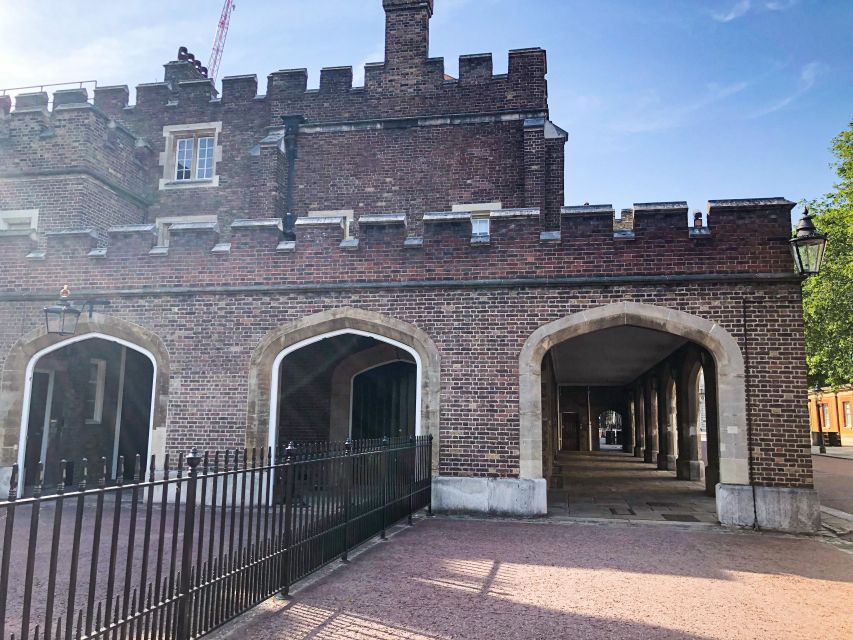
Your tour meeting point is at the gates of St James’ Palace, at the bottom of St James’ Street (Cleveland Row / Pall Mall). It’s an easy spot to find if you’re already in central London, and it’s a strong choice of starting location because the Tudors and Stuarts are tied to the royal world that orbited this area.
Expect your guide to be a quirky, short lady, and expect the first few minutes to set the rhythm. You’ll get a quick orientation to what the walk will cover, which helps you follow the timeline as the stories jump from births and marriages to executions and revolutions.
A 2-hour walk that still covers 200+ years
Two hours sounds short for royal history. But the tour is built for quick connections: the guide uses each stop to answer a specific question, then moves on before your brain overheats.
That’s why you’ll hear the tour described as linking births, weddings, deaths, and other big occasions. You’re not trying to read a history textbook on the sidewalk. You’re learning how power shifted across centuries, using the buildings and nearby landmarks as your anchors.
Small group size matters here. When there are only up to 6 people, questions don’t get rushed to the end. If you’re the type who likes to ask why a court scandal mattered, this setup makes the walk feel less like a lecture and more like a guided walk with a serious fan of the subject.
The Henry VIII and Anne Boleyn thread: power, marriage, consequences
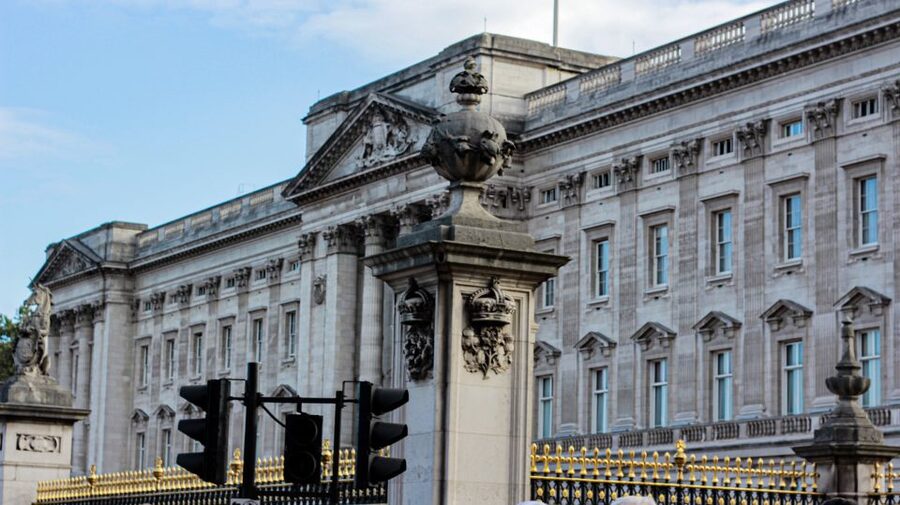
One of the strongest reasons to do this tour is that it follows the steps of Henry VIII and brings you to where his marriage to Anne Boleyn fits into the wider royal story.
What I like about this approach is that it treats the marriage as more than romance or scandal. The guide frames it as a political event with ripples that kept spreading across decades. Even if you already know the headline story, you’ll still come away with a clearer sense of how these decisions played out in royal circles.
And because you’re walking, you can visually connect the story to the city. That matters in London, where royal history sits in layers. You don’t have to imagine where things were; you’re physically in the neighborhood where they mattered.
Still deciding? A handful more London outings we rated
A Stuart-era spotlight tied to Shakespeare

The tour also points you to a Stuart-linked site connected with Shakespeare premiering his plays. This is one of those moments where London’s literary and royal worlds overlap in an easy-to-follow way.
Here’s the practical value: the guide doesn’t treat Shakespeare as a separate topic. Instead, it explains how performance and politics intersected at court. You start seeing why plays weren’t just entertainment for elites. They were part of how status, messaging, and reputation moved through society.
If you enjoy Tudor-and-Stuart period dramas, this stop usually clicks fast. It’s the kind of detail that makes the screen version feel less fictional and more grounded in real court culture.
Charles I and the tragedy of following footsteps
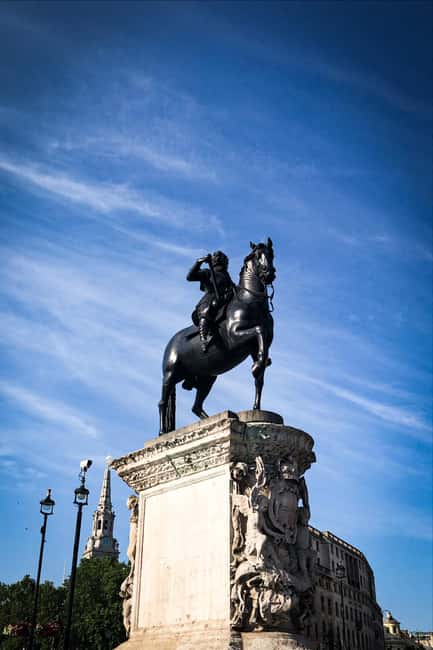
You’ll also follow the footsteps of the love-torn king who met execution. The tour frames this around Charles I, and it uses key locations in the city to connect the human tragedy with the political conditions that led to it.
What makes this section worth your time is the tone shift. The guide balances the emotional weight with the practical reality: this wasn’t just one person’s downfall. It was a turning point in how monarchy worked and who had authority.
Walking past story points like this is different from reading about it. You get a sense of route and proximity—how events unfolded in the same city that still surrounds you today.
Glorious Revolution explained where it mattered
After Charles I, the tour moves into the Glorious Revolution. This is where the narrative often helps people who feel history is too abstract.
The guide helps you understand why “revolution” wasn’t only a single day of chaos. It was the outcome of power structures shifting and royal legitimacy being renegotiated. The walking format helps because you’re anchored to specific places in central London, so the story has a geography.
You’ll also hear the tour connect this era to the larger questions of monarchy: who rules, how rule is justified, and how public actions reflect private court decisions. It’s a strong follow-on to the Charles I segment, because it shows the longer arc rather than only the dramatic ending.
Royal weddings and the big question behind them
The tour doesn’t ignore the more personal side of monarchy. You’ll learn where Queen Anne married her prince, plus you’ll hear answers to questions like who was the first royal couple to both be monarchs.
I like these moments because they remind you that royal history isn’t only about wars and laws. Marriage built alliances, shaped succession, and changed influence at court. Even when you only spend minutes at each story point, the guide keeps the focus on how a wedding can be a political event.
If you watch period dramas, you’ll recognize the emotional stakes. If you’re new to royal history, these stops are a friendly way in: love, ambition, family pressure, and politics all in the same package.
When the largest royal palace once stood
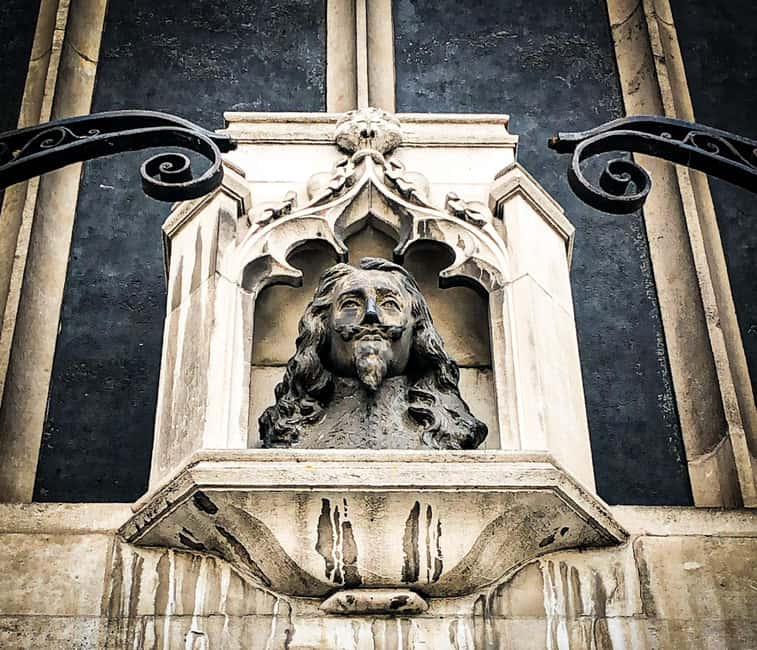
One of the tour highlights is exploring the site where the largest royal palace once stood. Even if you’re seeing a modern city scene, the guide’s job is to help you picture what used to dominate this space.
This is valuable because it changes how you read London. Instead of treating today’s streets as the main story, you start noticing how much of the current layout grew around older royal power centers.
It also makes the tour feel “real.” You’re not only hearing about a monarchy in theory. You’re seeing a location where something enormous used to shape daily life for the court and its visitors.
Outside views of a historic Tudor palace
You’ll admire the exterior of a beautiful historic Tudor palace—another highlight that keeps the walking tour grounded.
I’m glad they chose to focus on the exterior because it avoids the “ticket problem.” Not everything is easy to access on foot in London, and included entries are not part of this experience. From the outside, you can still appreciate the architectural clues the guide points out, and you learn how Tudor style reflected the confidence and control of the era.
This part is ideal if you like architecture but don’t want a full architectural course. It’s history you can look at while you walk, not history you only hear.
Royal secrets, nicknames, and courtroom-level drama
Some of the most memorable moments on the walk are the stories that sound like gossip but connect to real reputations. You’ll hear why St James’ Palace was once referred to as the Royal Brothel, plus you’ll find out about claims like a royal heir being smuggled inside a warming pan.
Here’s why this works: the guide uses these tales to explain how rumors traveled and how reputations could shape policy. You’re not meant to treat every story as literal fact without context. You’re meant to understand what the story symbolizes about court culture and public perception.
You’ll also be asked about whether there was really a palace built for the royal children. That kind of question is the heart of this tour. It turns “what did they do?” into “why did people think that?” which is often more interesting than memorizing a single date.
Pocahontas and the residence linked to her visit
Another highlight asks a specific question: what royal residence was visited by the lady we know as Pocahontas.
The value here is that the tour doesn’t keep her as a side note. It uses her story as a way to connect London’s royal sites to global attention and the way London became a stage for international encounters.
If you like learning how royal neighborhoods fit into a wider world, this is the kind of stop that makes the walk feel like more than local pageantry.
Who this tour fits best
This is a great match if you:
- Like Tudor and Stuart period dramas and want the real-world “where” behind the drama.
- Want a small-group walk with time for questions.
- Prefer practical storytelling that makes history feel connected to places.
It may be less ideal if you:
- Want full indoor access and guided museum-style entry (entries are not included).
- Need child-friendly pacing, since it’s not suitable for children under 13.
- Are expecting a step-by-step route with frequent long breaks. It’s a walk, so you should be ready for steady movement.
Price and value: why $29 can make sense here
At $29 per person for a 2-hour guided walking tour, the price works out best when you treat it as a “context tour,” not a ticketed attraction.
You’re paying for:
- A guide who ties many royal stories together into a coherent route.
- The small-group feel (up to 6 people), which gives you a better chance to ask questions.
- The convenience of having the meeting point set up for you near St James’ Palace.
Because entry fees aren’t included, you should think of this as groundwork. If you decide later that one site deserves a standalone ticket, you can use the tour to decide what’s worth your time.
For many first-time visitors, that’s where the value is. You save decision fatigue. You walk away with a better sense of what you want to see up close later.
Practical tips so the walk feels easy
This tour runs rain or shine. London weather loves to surprise people, so bring what keeps you comfortable.
I’d pack:
- Comfortable shoes (you’re walking)
- An umbrella (always useful)
- A reusable water bottle
Sunglasses are recommended too, because sunshine can appear without warning. Restrooms are in Trafalgar Square, but opening hours can change, so don’t plan on them as your only option.
Also, have a simple mindset: this walk moves fast enough to cover the story, so don’t expect long stops at each point. If you want photos, do them quickly, then get back to listening.
The best way to get more out of the tour
Go in with a couple of mental bookmarks. For example, keep track of the big themes:
- marriages as power shifts
- reputation and rumor as political forces
- revolutions as a chain of events, not a movie scene
If you ask questions while you walk—especially about how one reign connects to the next—you’ll likely enjoy the experience more. The guide’s style, including the humor and patience shown in recent tour experiences, supports that kind of interaction.
And if you’re new to the Tudors and Stuarts, it helps to think of the walk as a guided map. The facts stick better when you can point to the street corner that explains them.
Should you book Royal London: Tudors & Stuarts Walking Tour?
I think you should book it if you want a focused, affordable way to connect Tudor and Stuart stories to the real streets around St James’ Palace. The small-group size, the guide’s friendly approach (often Natalie), and the mix of big events with human details are a strong combo for first-time visitors and TV-to-history fans alike.
Skip it if you want guaranteed indoor access to royal sites or you’re traveling with younger kids. Since there are no included entries, you’ll be relying on exterior views and explanation.
If you’re on the fence, treat this as the “setup chapter” before you pick one or two places to visit in depth later.
FAQ
How long is the Royal London: Tudors & Stuarts Walking Tour?
It lasts 2 hours.
Where do I meet the guide?
Meet at the gates of St James’ Palace, at the bottom of St James’ Street (Cleveland Row / Pall Mall).
How much does it cost?
The price is $29 per person.
Is the tour wheelchair accessible?
The activity information includes wheelchair accessibility, but it also lists that it is not suitable for wheelchair users. Check with the provider before booking to be safe.
What’s included in the price?
A guided walking tour with a live English guide is included.
Is there entry to the landmarks included?
No. Entry to landmarks is not included.
What should I bring?
Bring comfortable shoes, an umbrella, and a reusable water bottle. Sunglasses are also recommended.
Is the tour available rain or shine?
Yes, it runs rain or shine.
More Tours in London
- From London: Harry Potter Warner Bros Studio Tour
★ 4.7 · 26,588 reviews - Magical London: Harry Potter Guided Walking Tour
★ 4.7 · 22,044 reviews - London: Warner Bros. Studio Harry Potter Tour & Branded Bus
★ 4.7 · 19,194 reviews - London Big Bus Hop-On Hop-Off Tour with Optional River Cruise
★ 3.5 · 10,803 reviews - London Small Group Tour of Historical Pubs
★ 5.0 · 10,422 reviews
More Tour Reviews in London
- From London: Harry Potter Warner Bros Studio Tour
★ 4.7 · 26,588 reviews - London: Westminster to Greenwich River Thames Cruise
★ 4.5 · 22,836 reviews - Magical London: Harry Potter Guided Walking Tour
★ 4.7 · 22,044 reviews - London: Madame Tussauds London
★ 4.6 · 20,915 reviews - London: Warner Bros. Studio Harry Potter Tour & Branded Bus
★ 4.7 · 19,194 reviews
More London Walks Worth the Shoe Leather
- Magical London: Harry Potter Guided Walking Tour
★ 4.7 · 22,044 reviews - London: The Original Jack the Ripper Walking Tour
★ 4.7 · 7,833 reviews - Tour for Muggles The Ultimate Harry Potter Walking Tour in London
★ 5.0 · 4,684 reviews - London Jack The Ripper Guided Walking Tour
★ 5.0 · 3,131 reviews - London: Harry Potter Movies Walking Tour (Kids Go Free)
★ 4.7 · 3,071 reviews
Just reviewed around London





London Walking Tours, compared.
 ★ 4.7Magical London: Harry Potter Guided Walking TourFrom $2022,044 reviews
 ★ 4.7The Original Jack the Ripper Walking TourFrom $257,833 reviews
 ★ 5.0Tour for Muggles The Ultimate Harry Potter Walking Tour in LondonFrom $234,684 reviews
 ★ 5.0London Jack The Ripper Guided Walking TourFrom $03,131 reviews
 ★ 4.7Harry Potter Movies Walking Tour (Kids Go Free)From $203,071 reviews
 ★ 5.0Changing of the Guard Guided Walking Tour in LondonFrom $251,793 reviews
 ★ 4.9The Great British Rock and Roll Music Walking TourFrom $361,783 reviews
 ★ 4.8Harry Potter Walking Tour in GermanFrom $201,505 reviews