
Reviewed · JACK THE RIPPER TOURS
London: Jack the Ripper Tour in French
Whitechapel has a way of getting under your skin. This Jack the Ripper tour in French takes you through the streets and alleyways tied to the 1888 panic, with a guide who explains the case with period documents and photos. It’s a focused 2.5-hour walk aimed at helping you understand why Whitechapel, why the press, and why that infamous name mattered.
I especially like that the guide is French and specifically strong on the subject, so you’re not just getting spooky storytelling. The tour also uses photographs and period documents, which makes the Victorian details feel more grounded than modern crime-drama versions of the story. Plus, with groups limited to about 15–20 people, you get real back-and-forth instead of rushing past your guide.
The main drawback: it’s in French, so if you’re not comfortable in French, you’ll miss key explanations. Also, you’ll spend time on foot through narrow lanes and alleys, so comfy shoes and warm layers matter.
In This Review
- Key highlights worth your time
- Meeting Jack the Chipper on Whitechapel High Street
- Brick Lane and the Whitechapel neighborhood story you can actually picture
- Gunthorpe Street and Artillery Passage: the alleys do the talking
- Ten Bells and Fournier Street: Victorian context, not just scares
- Evidence found, the stage name explained, and how to think like a detective
- How the 2.5-hour pacing works (and why small groups matter)
- French-language reality check: what to expect and who it suits
- Price and value: is $26 worth 2.5 hours in Whitechapel?
- Who should book this Jack the Ripper tour in French?
- Should you book?
- FAQ
- How long is the Jack the Ripper tour in French?
- What does the tour cost?
- What language is the tour conducted in?
- Where does the tour start?
- Where does the tour end?
- What locations and stops are included?
- Is food or drink included?
- Is it suitable for children?
- Is the tour accessible and are there any visitor requirements?
- Is there a cancellation or pay-later option?
Key highlights worth your time
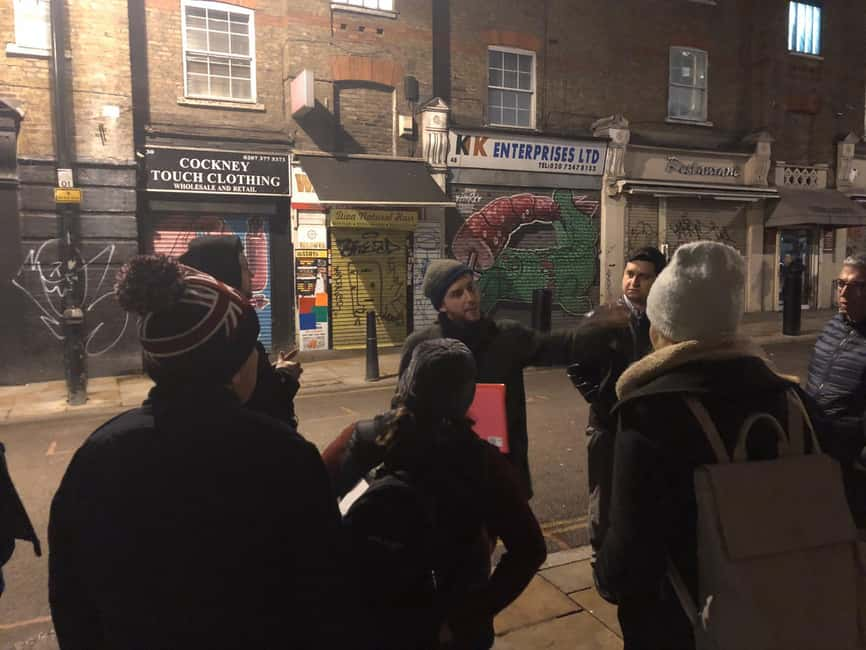
- French-language expert guide who frames the case with socio-historical context, press reaction, and police response
- Small group size (15–20) for better interaction and quicker Q&A
- Period documents and photos used during the tour to support the narrative
- Whitechapel trail hits the places you actually want: Gunthorpe Street, Brick Lane, the Ten Bells area, and Artillery Passage
- A “case file” style approach that connects streets, victims, and the mystery behind the stage name
More of the East End after dark
- London: The Original Jack the Ripper Walking Tour
★ 4.7 · 7,833 reviews - London Jack the Ripper Guided Tour with Ripper-Vision
★ 4.5 · 4,840 reviews - London: Jack the Ripper Small Group Tour
★ 4.7 · 3,159 reviews - London Jack The Ripper Guided Walking Tour
★ 5.0 · 3,131 reviews
Meeting Jack the Chipper on Whitechapel High Street
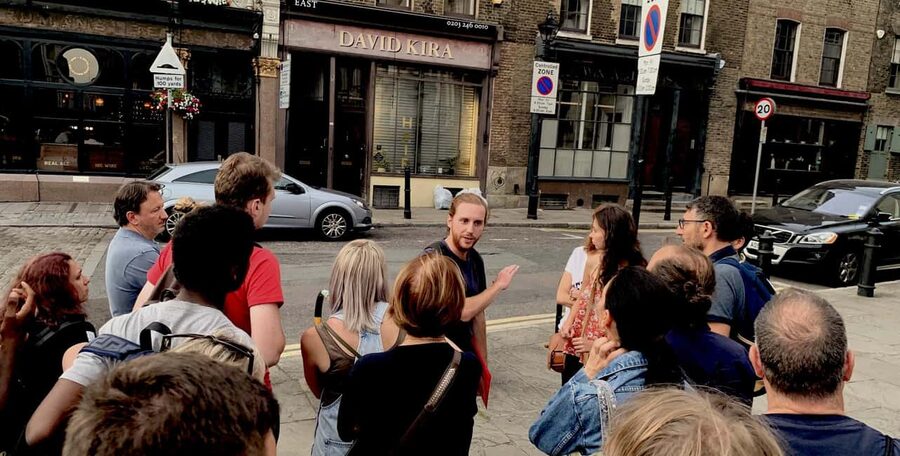
You start outside Jack The Chipper (96 Whitechapel High Street), right by Aldgate East tube station. If you’ve ever found Whitechapel a little hard to orient, this is a smart starting point because it’s clear, easy to reach by transit, and it drops you into the right neighborhood from the first minute.
There’s a short guided introduction at the beginning, and the tone stays practical: what you’re looking at, why those streets matter, and how the story fits into late-Victorian London. I like that the experience isn’t only about the murders as plot points. You’re encouraged to think about the wider environment around the case—working-class streets, daily life, and the way fear traveled through newspapers and police activity.
One good thing to plan for: you’ll be out walking at street level from the start, so dress for it. This tour asks for warm clothes and comfy shoes, not just curiosity.
Brick Lane and the Whitechapel neighborhood story you can actually picture
As you move from the starting area into the heart of Whitechapel, the tour shifts from general “Jack the Ripper vibes” to a more specific neighborhood portrait. You’re taken through a setting where both the victims and the killer were said to hang out, and that matters because it changes how you interpret the case.
Instead of treating Whitechapel like a background, the guide connects street location to social context—how neighborhoods like this worked, what pressures existed, and why the story landed so hard with the public. That’s where this tour becomes more than a walk. You begin to see the 1888 panic as something that grew out of conditions on the ground, not just one person’s actions.
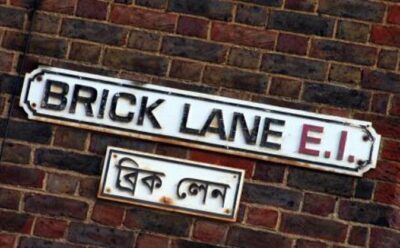
Then you hit Brick Lane, one of the best-known parts of the broader East End route. Even if you’ve seen Brick Lane on other trips, here it gets used as a “you are here” marker in the timeline. You’re not just sightseeing; you’re being asked to follow a logic: where the case happened, where people moved, and how the story spread.
Gunthorpe Street and Artillery Passage: the alleys do the talking
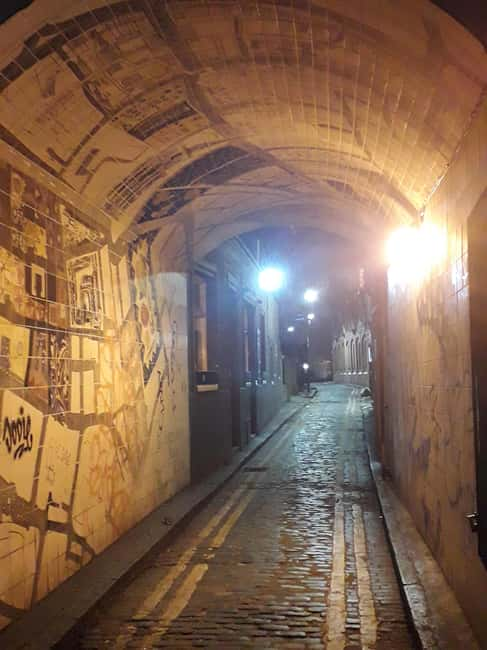
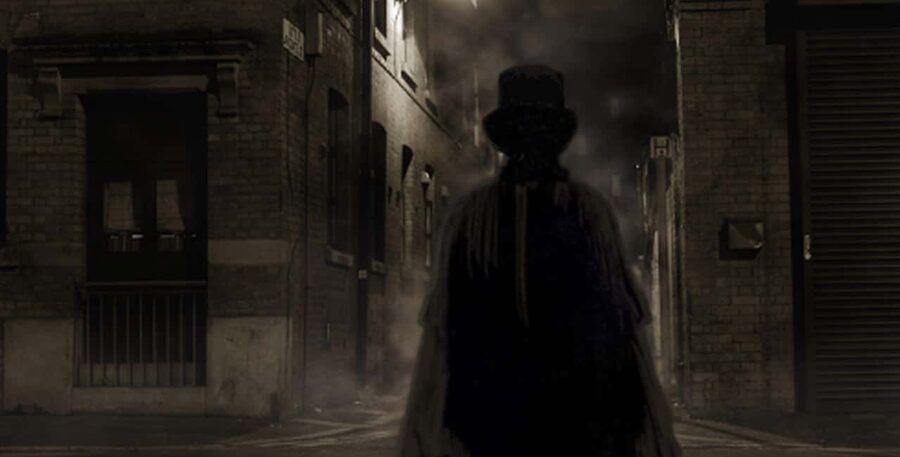
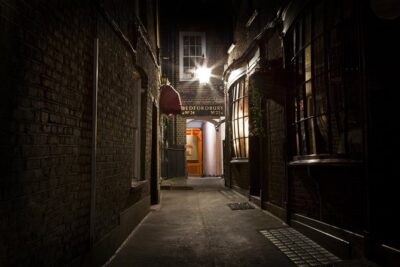
This is the part that makes the tour feel real, fast. The route includes Gunthorpe Street’s chilling alleyway, and later you also walk the Artillery Passage. Narrow lanes like these are where your brain does that automatic job of imagining what it would have been like to move through the area in 1888.
The key is that the tour doesn’t treat alleys like random spooky props. The guide uses them to help you understand how the environment shaped what witnesses saw, how the case could feel confusing, and why the story became so hard for the public to untangle. When you’re shown a street and then given context for why it’s important, the alleys stop being scenery and start being part of an investigation.
There’s a practical side, too. These areas reward slow attention, but they also punish bad footwear. If your shoes are fine for indoor walking tours but not for real streets, you’ll feel it by the time you reach the end. Bring comfortable support and plan for lots of time on foot.

Ten Bells and Fournier Street: Victorian context, not just scares
The tour also passes the Ten Bells pub, which is noted as a place frequented by at least one of the victims. Even if you don’t know the case details, that kind of specific local anchor gives the story weight. Instead of asking you to accept a distant legend, it gives you an actual stop you can stand near while the guide explains how the narrative developed.
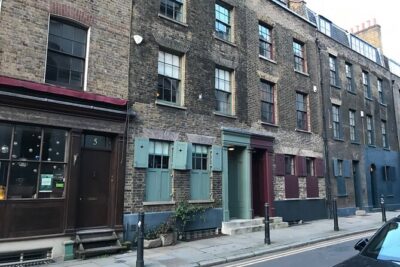
From there, you move into the Fournier Street conservation area. This is where the tour adds an extra layer: you start connecting the crime-story focus to the kind of urban layout Victorian London had. You’re learning how the socio-historical setting shaped daily life and the atmosphere of fear during the fall of 1888.
I like this approach because it prevents the tour from becoming one-note. The guide addresses questions like how the press and police reacted, and how the public interpreted events as they unfolded. That’s useful for you even if you’re only partly into true crime. It teaches you how a historical case becomes a cultural story—and why it’s still talked about today.
Evidence found, the stage name explained, and how to think like a detective
One of the most interesting parts is when the tour heads toward the entrance of a building where evidence was found. You’re not just hearing that evidence existed—you’re being shown the type of location where an investigation might point, and you’re given a sense of how information was handled.
Then the tour tackles one of the big questions at the center of the legend: where the stage name Jack the Ripper came from, and who could be behind it. The experience is framed like an investigation, with the guide guiding you through the thinking process rather than only giving a conclusion. You’ll be asked to consider the case in its own terms: the era’s communication style, the pressure on policing, and how the name itself became part of the chaos.
Also, the tour is illustrated with photographs and period documents. That’s not a small detail. When you see period materials used to support the narrative, you naturally slow down and take the timeline more seriously. It turns the experience from a spooky walk into a historical guided lesson—still eerie in tone, but more credible in structure.
How the 2.5-hour pacing works (and why small groups matter)
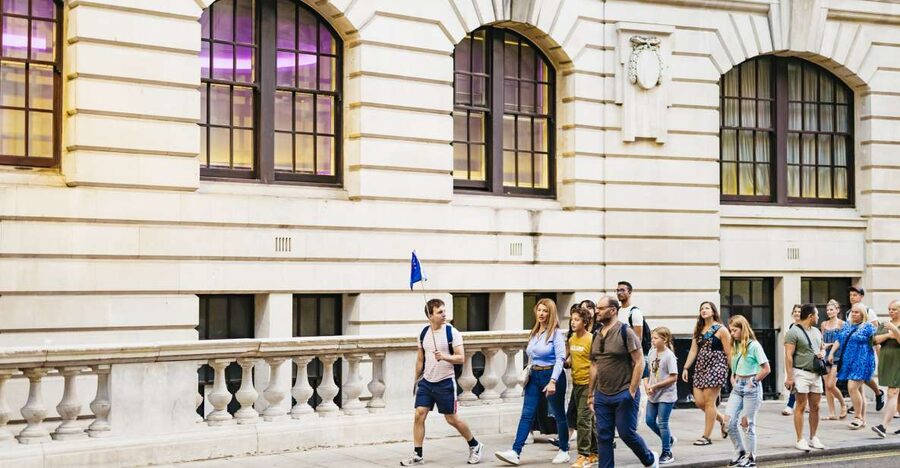
This is a 2.5-hour tour with a route that moves in short guided segments. The timing is tight enough to keep you engaged, but not so rushed that you feel yanked from one stop to another. You get multiple “listen-and-look” moments, and you’ll pause long enough for the guide to explain what you’re seeing and why it matters.
The group size limit—15–20 people—is a big deal here. In a story-heavy experience, you don’t want to be stuck in a crowd where your questions disappear. With this group size, you’re more likely to actually interact with your guide, especially because the tour leans into specific questions (victims, press reaction, police response, and the mystery behind the name).
You’ll finish near Liverpool Street subway station, with the route ending at 222 Bishopsgate, London EC2M 4QD. That ending point is practical: once you’re done, you’re near a major transit hub, so continuing your day around the city is easy.
French-language reality check: what to expect and who it suits
Let’s be clear about the language. The tour is in French, and some content may be shown in its original language. If you speak French well enough to follow explanations and ask questions, you’ll get the most out of it. If your French is basic, you might still enjoy the walk and the key visual materials, but you’ll lose the finer points behind the guide’s explanations.
Also, it’s marked as not suitable for children under 12. That makes sense given the subject matter and the tone of the walk.
Wheelchair accessibility is listed, so the route is built to be manageable for mobility needs, but you should still consider the walking portion and the alleyways. These are real streets, not a museum floor—so it’s worth thinking about your comfort with uneven surfaces and narrow lanes.
Price and value: is $26 worth 2.5 hours in Whitechapel?
At $26 per person for a 2.5-hour guided experience, the price is fairly straightforward: you’re paying for a specialist guide, a defined route, and the added value of period photos and documents. In plain terms, that breaks down to about $10 per hour, and you’re not just doing a generic “history walk.” You’re getting a case-focused narrative with interactive elements.
What makes the value feel more solid is the small group size. In tours that cost the same but run with huge groups, you usually end up watching the guide rather than interacting. Here, the 15–20 limit supports better attention and better chances to ask questions, which can make the time feel more worthwhile.
Food and drinks are not included, so you should plan to grab a snack before or after. The good news: the tour ends near Liverpool Street, where you can easily find options to suit your schedule.
Who should book this Jack the Ripper tour in French?
This tour is a strong fit if:
- You want a French-guided look at Jack the Ripper tied to Whitechapel streets
- You like your true crime stories with Victorian social context and period materials
- You prefer small groups where you can ask questions and get direct answers
- You’re comfortable walking for a couple of hours and paying attention to alleyways and street details
You might want to skip it (or at least reconsider) if:
- You don’t read or understand French well enough to follow explanations
- You’re traveling with kids under 12
- You have very limited ability to walk on streets and through narrow passages
Should you book?
If you’re into the Whitechapel setting and you want more than “scary stories,” this Jack the Ripper tour in French is a good call. The combination of a specialist guide, period photographs and documents, and a route that hits meaningful streets (Gunthorpe Street, Brick Lane, Ten Bells area, Fournier Street, and Artillery Passage) gives you a structured experience without turning it into a lecture.
Book it if you can handle the language. Bring warm layers, wear real walking shoes, and treat each stop like a clue in a timeline rather than a random photo spot. If that sounds like your kind of day, you’ll likely come away with a clearer picture of how the 1888 panic formed—and why the name Jack the Ripper still pulls people in.
FAQ
How long is the Jack the Ripper tour in French?
The tour lasts about 2.5 hours.
What does the tour cost?
It costs $26 per person.
What language is the tour conducted in?
The live guided tour is in French.
Where does the tour start?
The meeting point is outside Jack The Chipper, 96 Whitechapel High Street, near Aldgate East tube station.
Where does the tour end?
The tour ends near Liverpool Street subway station, at 222 Bishopsgate, London EC2M 4QD.
What locations and stops are included?
The route includes stops such as the neighborhood where the victims and their killer hung out, Gunthorpe Street alleyway, Brick Lane, the Fournier Street conservation area, the Ten Bells pub area, an entrance to a building where evidence was found, and the Artillery Passage alley.
Is food or drink included?
No. Food and drinks are not included.
Is it suitable for children?
No. It is not suitable for children under 12.
Is the tour accessible and are there any visitor requirements?
It is listed as wheelchair accessible. You’re also advised to bring warm clothes and comfy shoes.
Is there a cancellation or pay-later option?
Free cancellation is available up to 24 hours in advance for a full refund, and there is a reserve now & pay later option.
More Tours in London
- From London: Harry Potter Warner Bros Studio Tour
★ 4.7 · 26,588 reviews - Magical London: Harry Potter Guided Walking Tour
★ 4.7 · 22,044 reviews - London: Warner Bros. Studio Harry Potter Tour & Branded Bus
★ 4.7 · 19,194 reviews - London Big Bus Hop-On Hop-Off Tour with Optional River Cruise
★ 3.5 · 10,803 reviews - London Small Group Tour of Historical Pubs
★ 5.0 · 10,422 reviews
More Tour Reviews in London
- From London: Harry Potter Warner Bros Studio Tour
★ 4.7 · 26,588 reviews - London: Westminster to Greenwich River Thames Cruise
★ 4.5 · 22,836 reviews - Magical London: Harry Potter Guided Walking Tour
★ 4.7 · 22,044 reviews - London: Madame Tussauds London
★ 4.6 · 20,915 reviews - London: Warner Bros. Studio Harry Potter Tour & Branded Bus
★ 4.7 · 19,194 reviews
More Ripper Walks After Dark
- London: The Original Jack the Ripper Walking Tour
★ 4.7 · 7,833 reviews - London Jack the Ripper Guided Tour with Ripper-Vision
★ 4.5 · 4,840 reviews - London: Jack the Ripper Small Group Tour
★ 4.7 · 3,159 reviews - London Jack The Ripper Guided Walking Tour
★ 5.0 · 3,131 reviews - London: Jack the Ripper Tour with Immersive Ripper Vision
★ 4.5 · 1,840 reviews
Just reviewed around London





Jack the Ripper Tours, compared.
 ★ 4.7The Original Jack the Ripper Walking TourFrom $257,833 reviews
 ★ 4.5London Jack the Ripper Guided Tour with Ripper-VisionFrom $274,840 reviews
 ★ 4.7Jack the Ripper Small Group TourFrom $263,159 reviews
 ★ 5.0London Jack The Ripper Guided Walking TourFrom $03,131 reviews
 ★ 4.5Jack the Ripper Tour with Immersive Ripper VisionFrom $241,840 reviews
 ★ 4.6German Language : Original Jack the Ripper TourFrom $241,805 reviews
 ★ 5.0Ultimate Jack the Ripper : Guided Tour of LondonFrom $271,495 reviews
 ★ 4.9Jack the Ripper Evening Walking TourFrom $331,449 reviews
Browse the lists this tour appears in