
Reviewed · TOURS
London: Hidden Tube Tour of Holborn’s Secret Platforms
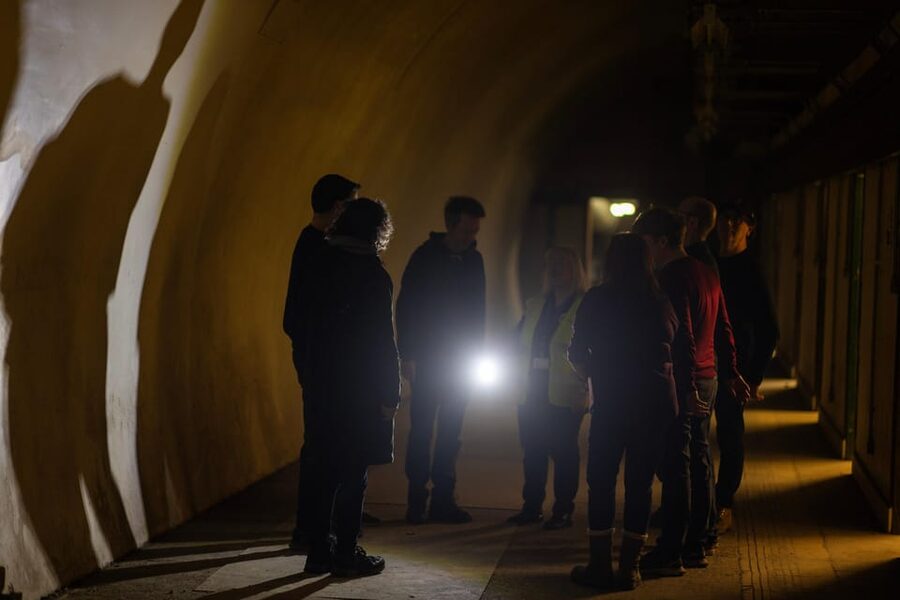
Some places in London still feel like they have a door you never noticed. This Hidden London tour takes you behind Holborn station to explore disused spaces that most people never see, including parts connected to the Aldwych branch. I love the way the tour turns a normal interchange into a story you can walk through, and I also love the physical details: vintage posters, old Edwardian design elements, and the sort of station craftsmanship you only notice at close range.
The guides bring those details to life with first-hand accounts of working life and everyday use of the station and the Aldwych branch. You’ll hear how the station started in 1906 as a set of Piccadilly line platforms, how later changes reshaped nearby stops, and how modern signalling upgrades keep the area relevant today.
One thing to consider before you book: this is a lot of walking in places with uneven ground, low lighting, and stairs, with no elevators. If you’re sensitive to tight, dark spaces, or you have limited mobility, this one may feel like more trouble than it’s worth.
In This Review
- Key things you’ll love about the Holborn secret platforms
- Holborn Station’s secret doorway: why this access feels special
- Where the 85 minutes fit in your day
- Entering the disused areas behind Holborn
- Aldwych branch platforms: the showpiece you can’t replicate on your own
- Posters, original design, and the signalling cabin details that matter
- Wartime use at the Blitz: how the station served London beyond transport
- Scientific labs, a model rail club, and the weird jobs stations end up doing
- 1930s modernisation and the British Museum station closure you won’t expect
- Today’s relevance: Holborn and the Underground signalling upgrade
- Price and value: what $60.61 buys you (and why it’s not just a spectacle)
- Who should book, and who should skip
- Should you book Hidden Tube: Holborn Secret Platforms?
- FAQ
- How long is the London: Hidden Tube Tour of Holborn’s Secret Platforms?
- Where is the meeting point for the tour?
- Is food or drink included?
- What should I wear or bring?
- Can I bring luggage or large bags?
- Is the tour suitable for people with mobility impairments?
- Is it suitable if I have claustrophobia?
- Can I cancel, and can I reserve without paying right away?
Key things you’ll love about the Holborn secret platforms
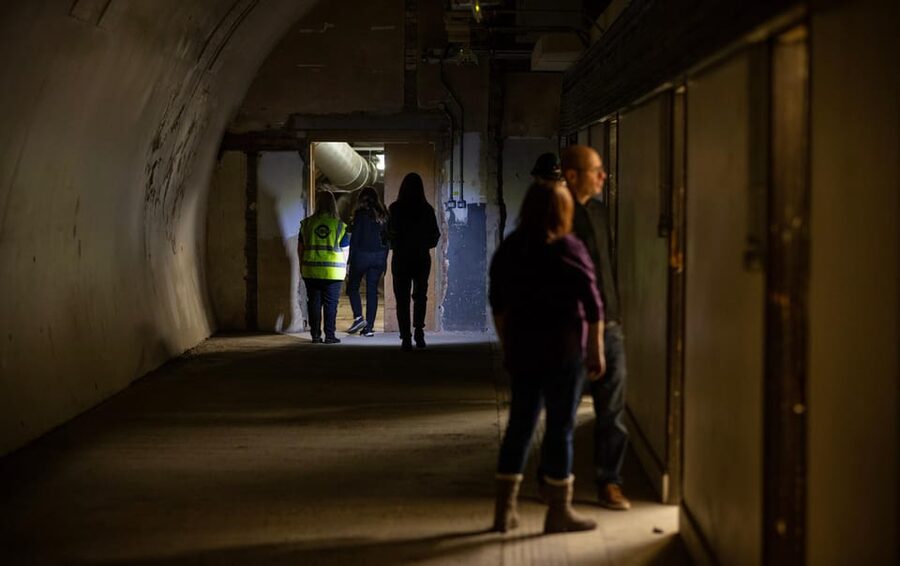
- Two Aldwych branch platforms closed for around 30 years, plus a rare look at what the public can’t access
- A surprisingly clear view of the Piccadilly line from an unexpected angle
- Original Leslie Green Edwardian design and vintage posters in disused areas
- An early 20th-century signalling cabin you get to see up close
- Real-world stories: wartime shelter during the Blitz, scientific lab use, and even a model rail club
- Link to the Underground’s future, including today’s signalling system upgrading work
Not sure yet? See how a few of London's most-booked trips stack up:
- From London: Harry Potter Warner Bros Studio Tour
★ 4.7 · 26,588 reviews - London: Westminster to Greenwich River Thames Cruise
★ 4.5 · 22,836 reviews - Magical London: Harry Potter Guided Walking Tour
★ 4.7 · 22,044 reviews - London: Madame Tussauds London
★ 4.6 · 20,915 reviews
Holborn Station’s secret doorway: why this access feels special
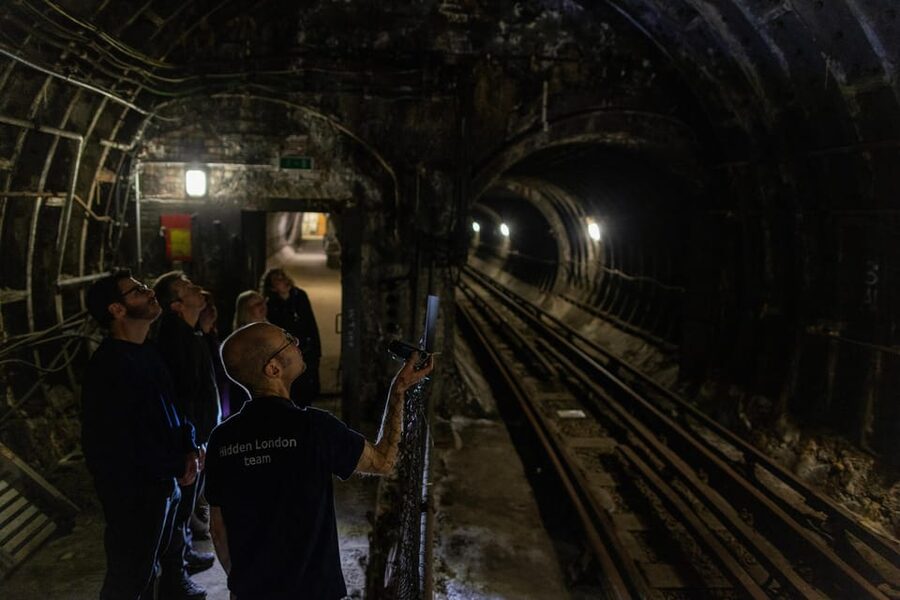
Holborn is one of those Tube hubs where you move fast and look forward. This tour slows you down on purpose. You’re not just hearing about old stations; you’re stepping into the behind-the-scenes zones that sit out of sight of daily crowds.
The setting is part of the fun. Holborn’s station complex has been around since 1906, first opened as a four-platform setup for the Piccadilly line. From there, the story branches out into the less-used Aldwych branch and the spaces that later went quiet. That mix of working station and disused rooms is exactly what makes this tour more than a photo stop.
Where the 85 minutes fit in your day
You’ll spend about 85 minutes on the guided walking tour, and it’s designed as a steady sequence rather than a stop-and-start museum loop. That matters because you’ll get the best experience by staying with the guide, letting the route build a timeline as you go.
Plan your day with comfortable pace in mind. The route includes walking on uneven ground, low-light areas, and stairs, and there are no elevators. If you prefer travel experiences that feel totally flat and easy, you’ll probably find this one more demanding than a typical city walk.
Entering the disused areas behind Holborn
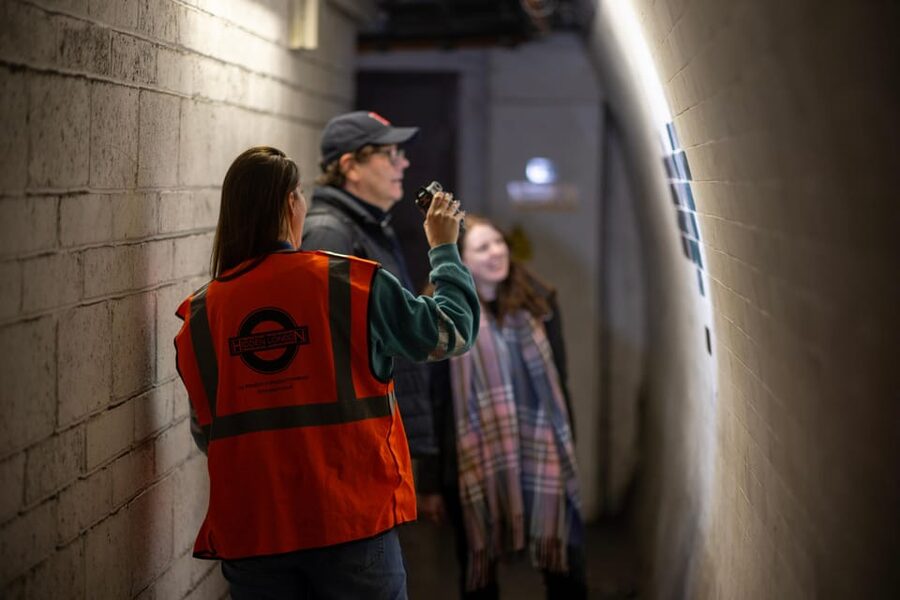
The main idea is simple: you step behind concealed doors and into disused spaces that have been closed to the public for nearly 30 years. In practice, that means the tour feels like you’re moving through the station’s older bones, with rooms and corridors that don’t match what you see on the passenger side.
As you move through, the guide ties physical features to real uses over time. You’re not just looking at walls. You’re hearing how these spaces shifted roles—sometimes in ways that feel surprising, like being adapted for work that didn’t fit the idea of a Tube platform.
You’ll also get an unexpected view of the Piccadilly line. That kind of sightline change is one of the small delights that make this feel like a genuine access tour. You’re seeing an active line, but from a perspective you wouldn’t get by staying put on platforms or concourses.

Aldwych branch platforms: the showpiece you can’t replicate on your own
The headline of the tour is the Aldwych branch experience. You’ll see two closed platforms associated with the former Aldwych branch line—platform spaces that have been out of public view for decades. Seeing them is one thing; understanding why they’re there and how they were used is what makes it stick.
This is also where the aesthetics come in. You’ll spot vintage posters and the original architectural feel from the period, including Leslie Green Edwardian design. It’s a rare chance to compare “Tube station style” in the modern world with the older look that shaped London’s early underground identity.
And the platforms are not treated as just a backdrop. The guide connects what you’re seeing to what the spaces became later, which helps you picture the station as a living workplace rather than a static relic.
Posters, original design, and the signalling cabin details that matter
A major part of the value here is that you’re not only viewing passenger-facing features. You’re getting into the technical side of station life.
One standout is the original early 20th-century signalling cabin. Even if signalling isn’t your thing, this sort of stop changes how you think about the Underground. It stops being only tracks and trains, and becomes a system managed by people using equipment and procedures that had to work day after day.
The tour also makes the vintage details feel functional. Posters aren’t just decorative here—they help frame the era when these platforms were meant to serve a particular rhythm of travel. The Leslie Green design cues give you a stronger sense of place too, like you can almost date each corner by its look.
If you like architecture and industrial design, you’ll likely enjoy how close you get to the real surfaces rather than just a curated display. It’s the kind of access where you can study how the space is built and how it would have guided people.
Wartime use at the Blitz: how the station served London beyond transport
The tour doesn’t treat the Underground as only a transport story. It’s also a London survival story.
As you hear how staff might have felt during the height of the Blitz, the spaces start to feel more human. You’re learning about how these areas served as shelter for London Transport staff in wartime. That’s a heavy theme, and the guide keeps it grounded in how station spaces could be repurposed when the city needed safety.
It’s also the kind of historical layer that’s hard to pick up just by reading about a station. The Underground becomes more than a route. It becomes infrastructure that could be reassigned, reused, and kept running even when everything around it was under pressure.
Scientific labs, a model rail club, and the weird jobs stations end up doing
One of the most memorable aspects of the tour is how often the spaces changed purpose. Over time, the disused areas were used in surprising ways, including scientific laboratories and housing a model rail club.
This is where the tour stays fun without turning into a gimmick. The guide’s job is to show you that a station is a workplace with multiple needs: testing, storage, shelter, recreation, and staffing. When a station’s layout or active use shifts, the “leftover” spaces don’t just vanish—they get adapted.
If you like experiences that connect history to everyday life, this section can land well. You can see how one built environment might serve multiple communities across different eras.
1930s modernisation and the British Museum station closure you won’t expect
The tour’s timeline sharpens around the big modernization period of the 1930s. You’ll learn how the modernization program led to changes in the surrounding network, including the closure of nearby British Museum station.
Why does that matter to you? Because it explains why old lines and old platforms can suddenly stop being part of the public story. The Underground didn’t just grow; it reshaped itself. Modernisation meant new priorities, new layouts, and fewer places serving the same job.
Hearing that while you’re standing in disused areas gives the history weight. You start understanding closures and reroutes as real decisions tied to engineering, passenger flows, and operational needs—not just random quirks of the past.
Today’s relevance: Holborn and the Underground signalling upgrade
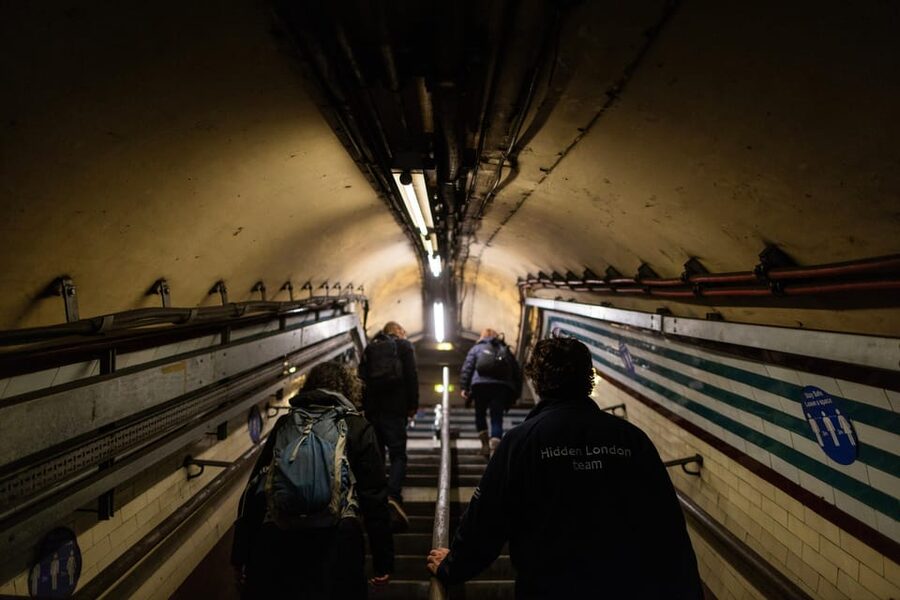
The tour ends by bringing you back to the present. You’ll hear how Holborn station still plays a key role in the future of the London Underground, linked to a larger upgrading project of the signalling system.
This is a smart touch. It prevents the tour from feeling like a walk through a dead museum. Even though you’re in spaces that were closed for decades, you’re reminded that the Underground is always being rebuilt, upgraded, and made safer and more efficient.
If you’ve ever wondered why stations can feel both old and constantly changing, this helps you connect the dots. The Underground’s story isn’t only in historical architecture—it’s also in what engineers work on right now.
Price and value: what $60.61 buys you (and why it’s not just a spectacle)
At about $60.61 per person for an 85-minute guided access experience, you should think of this as paying for two things: access and context.
Access: you’re stepping into spaces that have been nearly off-limits for decades, including closed platforms and an original signalling cabin. That’s a different category than a standard walking tour, where everything happens in public view.
Context: the guide links what you see to themes across the 20th century—war, repurposing, modernization, and today’s signalling upgrades. The historical story isn’t dumped on you as facts; it’s attached to physical places you can look at while you hear it.
So the value depends on your travel style. If you love practical “how it works” history and you want to experience London’s infrastructure up close, the price makes sense. If you’re mainly after broad sightseeing without any stairs, low-light corridors, or technical detail, you might feel like you paid for something more niche.
Who should book, and who should skip
This tour is a great fit if you:
- Like stations as living infrastructure, not just landmarks
- Enjoy architecture and industrial details like old posters and Edwardian design elements
- Want a guided story tied directly to places you can see and stand in
It’s a tougher fit if you:
- Need step-free access (the tour isn’t suitable for people with mobility impairments and there are stairs)
- Feel uneasy in tight or dim areas (it’s not suitable for people with claustrophobia)
- Have kids under 10 (not suitable for children under 10)
Also note the walking effort. Comfortable shoes matter, and you should expect uneven ground and low lighting. Bring water, but keep your food situation simple since you can’t bring food or drinks.
Should you book Hidden Tube: Holborn Secret Platforms?
I think you should book if you want something that feels truly off the standard London track. This is one of those experiences where the value comes from access plus explanation—closed platforms, an old signalling cabin, and a human story about how the Underground shifted roles over time.
Skip it if you hate stairs, dislike low-light environments, or want a laid-back walk with easy surfaces. The tour is short at 85 minutes, but it’s still active, and it’s still underground.
If your goal is memorable, specific London history you can stand inside, this is a strong choice.
FAQ
How long is the London: Hidden Tube Tour of Holborn’s Secret Platforms?
It lasts about 85 minutes.
Where is the meeting point for the tour?
The tour meets on the corner of Gate Street and Kingsway, WC2B 6AA (What3Words: ///towers.rift.forest).
Is food or drink included?
No. Food and drinks are not allowed on the tour.
What should I wear or bring?
Bring a passport or ID card, comfortable shoes, and water. Open-toed shoes aren’t allowed.
Can I bring luggage or large bags?
No. Luggage or large bags are not allowed.
Is the tour suitable for people with mobility impairments?
No. It isn’t suitable for people with mobility impairments.
Is it suitable if I have claustrophobia?
No. The tour isn’t suitable for people with claustrophobia.
Can I cancel, and can I reserve without paying right away?
Yes. You can cancel up to 24 hours in advance for a full refund. You can also reserve and pay later.
More Tours in London
- From London: Harry Potter Warner Bros Studio Tour
★ 4.7 · 26,588 reviews - Magical London: Harry Potter Guided Walking Tour
★ 4.7 · 22,044 reviews - London: Warner Bros. Studio Harry Potter Tour & Branded Bus
★ 4.7 · 19,194 reviews - London Big Bus Hop-On Hop-Off Tour with Optional River Cruise
★ 3.5 · 10,803 reviews - London Small Group Tour of Historical Pubs
★ 5.0 · 10,422 reviews
More Tour Reviews in London
- From London: Harry Potter Warner Bros Studio Tour
★ 4.7 · 26,588 reviews - London: Westminster to Greenwich River Thames Cruise
★ 4.5 · 22,836 reviews - Magical London: Harry Potter Guided Walking Tour
★ 4.7 · 22,044 reviews - London: Madame Tussauds London
★ 4.6 · 20,915 reviews - London: Warner Bros. Studio Harry Potter Tour & Branded Bus
★ 4.7 · 19,194 reviews
Just reviewed around London





Tours, compared.
 ★ 4.7From London: Harry Potter Warner Bros Studio TourFrom $11726,588 reviews
 ★ 4.7Magical London: Harry Potter Guided Walking TourFrom $2022,044 reviews
 ★ 4.7Warner Bros. Studio Harry Potter Tour & Branded BusFrom $15119,194 reviews
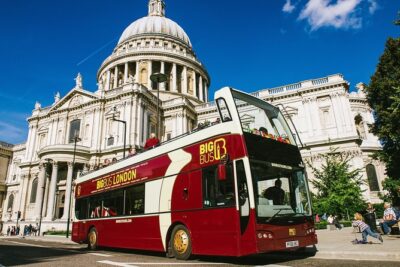 ★ 3.5London Big Bus Hop-On Hop-Off Tour with Optional River CruiseFrom $3910,803 reviews
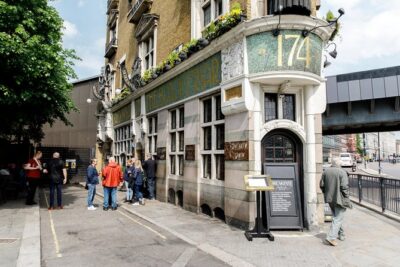 ★ 5.0London Small Group Tour of Historical PubsFrom $4010,422 reviews
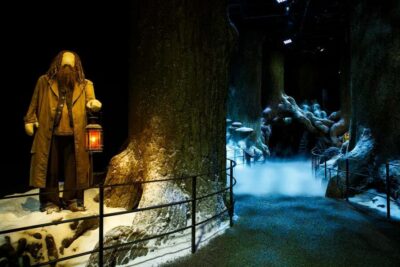 ★ 4.6Warner Bros. Studio Harry Potter Tour with TransfersFrom $1179,709 reviews
★ 4.7Warner Bros. Studio Harry Potter Tour with TransfersFrom $1169,485 reviews
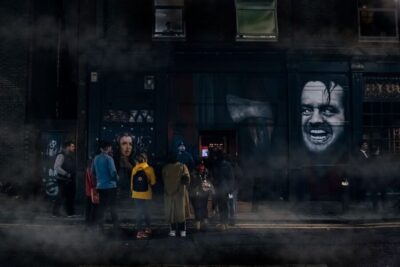 ★ 4.7The Original Jack the Ripper Walking TourFrom $257,833 reviews