
Reviewed · TOURS
London: Hidden Tube Tour – Green Park Station
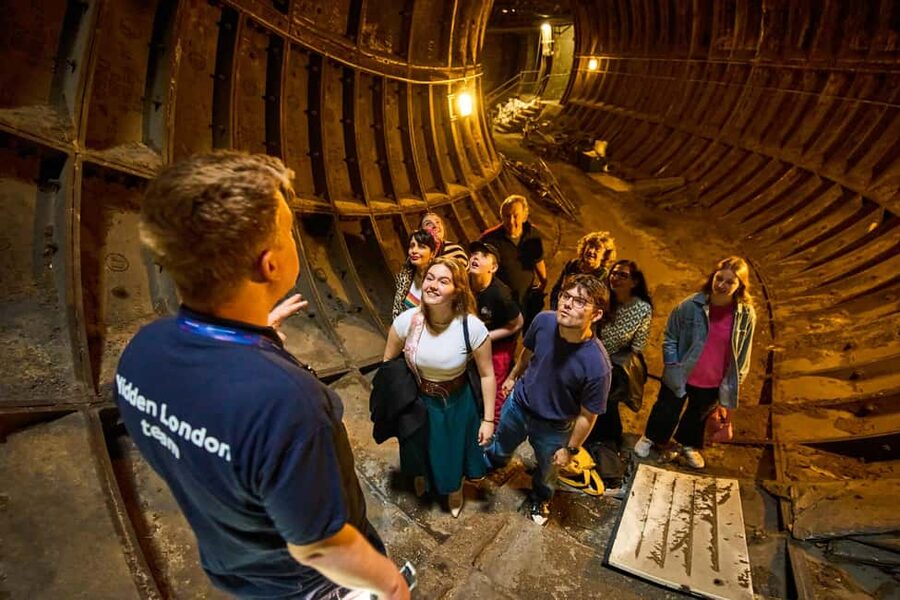
One foot in the Tube, one in history. This Hidden Tube tour takes you through Green Park Station to the forgotten world of Dover Street—a station-within-a-station built for the Great Northern, Piccadilly, and Brompton Railway.
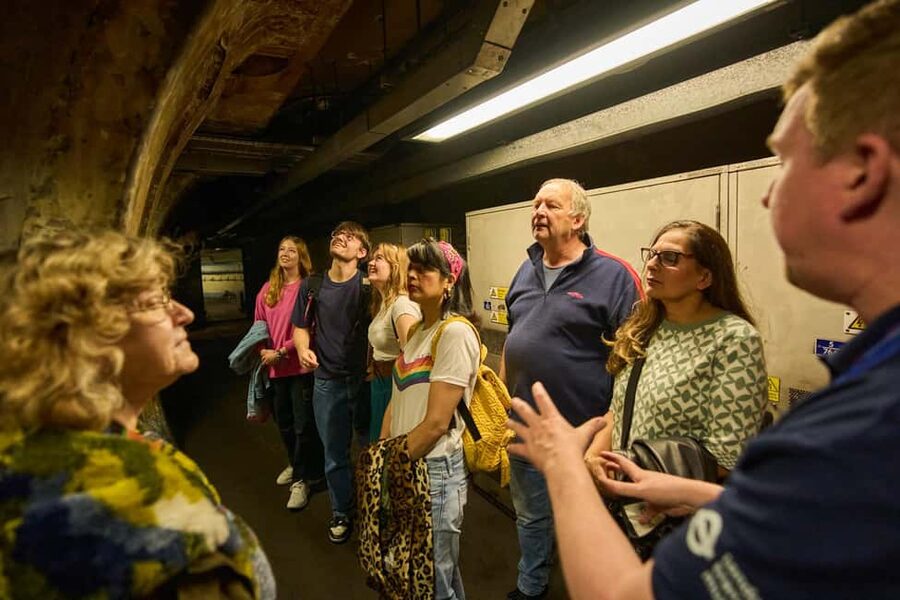
I love the way the London Transport Museum guides keep things moving and make the odd, off-limits corridors feel clear instead of confusing. On this specific tour, guides like Tommy, Colin, and Anthony are focused, energetic, and good at keeping the whole group together as you pass doorways regular commuters never use.
The main drawback is physical: expect a lot of walking and many stairs, plus low lighting, uneven ground, and areas that are described as very dirty. If you’re nervous in tight spaces or have respiratory issues, this is not the tour for you.
In This Review
- Key things to know before you go
- Where the tour starts at Green Park, and what to expect right away
- Dover Street station: the old passageways and lift landings
- Vintage signs and tiles that were last seen in the 1930s
- How Dover Street helped London during the Second World War
- Green Park’s post-war growth: Victoria and Jubilee in the 1960s and 1970s
- Ventilation tunnels behind the platforms: the engineering you usually ignore
- The secret ventilation shaft and the unusual view of Tube trains
- Price and value: is $62 for 80 minutes fair?
- Practical tips so you enjoy it, not just endure it
- Who should book this Hidden Tube Tour, and who should skip it
- Should you book this tour?
- FAQ
- How long is the Green Park Hidden Tube Tour?
- Where do I meet the tour group at Green Park station?
- What does the tour include?
- What costs and what doesn’t include in the price?
- Is photography allowed?
- Is the tour suitable for children?
- Is this tour accessible for wheelchair users or people with mobility impairments?
- Do I need to bring any ID?
Key things to know before you go
- Dover Street station inside Green Park: you’ll explore early 20th-century passageways and lift landings that were last seen by the public in the 1930s.
- Wartime London Transport stories: you’ll hear how Dover Street helped the London Transport Executive Board during air raids.
- Original signs and tiles: you’ll see vintage station details still on the walls.
- A practical peek behind the platforms: large ventilation tunnels support the Victoria and Jubilee lines’ air cooling.
- Secret ventilation shaft view: you get a normally closed-angle look down toward the Tube trains.
Not sure yet? See how a few of London's most-booked trips stack up:
- From London: Harry Potter Warner Bros Studio Tour
★ 4.7 · 26,588 reviews - London: Westminster to Greenwich River Thames Cruise
★ 4.5 · 22,836 reviews - Magical London: Harry Potter Guided Walking Tour
★ 4.7 · 22,044 reviews - London: Madame Tussauds London
★ 4.6 · 20,915 reviews
Where the tour starts at Green Park, and what to expect right away
Plan on starting with your bearings, not your comfort. The meeting point is outside the Buckingham Palace/Green Park exit at Green Park station, by the Diana Fountain. Arrive about 15 minutes early so you can settle in before the group heads underground.
From the first minutes, the tour feels like it’s designed for storytelling in motion. You aren’t just standing around in a museum room. You’re walking corridors, moving through doorways you normally would never notice, and getting context as you go. That’s a big reason this experience lands for people who like rail history but also want it to feel real.
Also, the tour is 80 minutes. That’s long enough to cover multiple underground sections, but short enough that you don’t feel stuck if you’re ready to catch your breath.
Dover Street station: the old passageways and lift landings
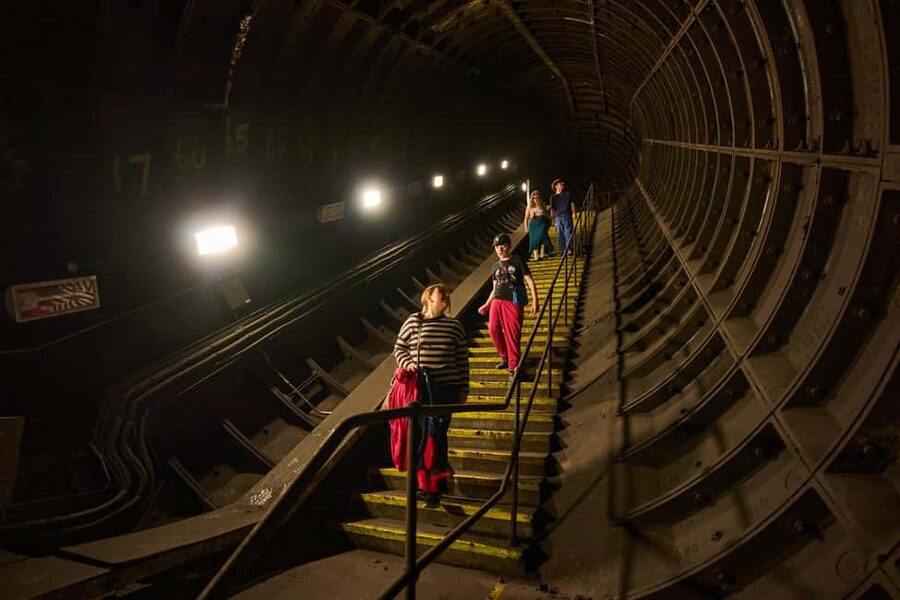
The heart of this tour is Dover Street Station, which is built to serve the Great Northern, Piccadilly, and Brompton Railway. Even if you know London Underground basics, the idea of one station living inside another is a useful reminder that the Tube is a layered machine, updated over decades.
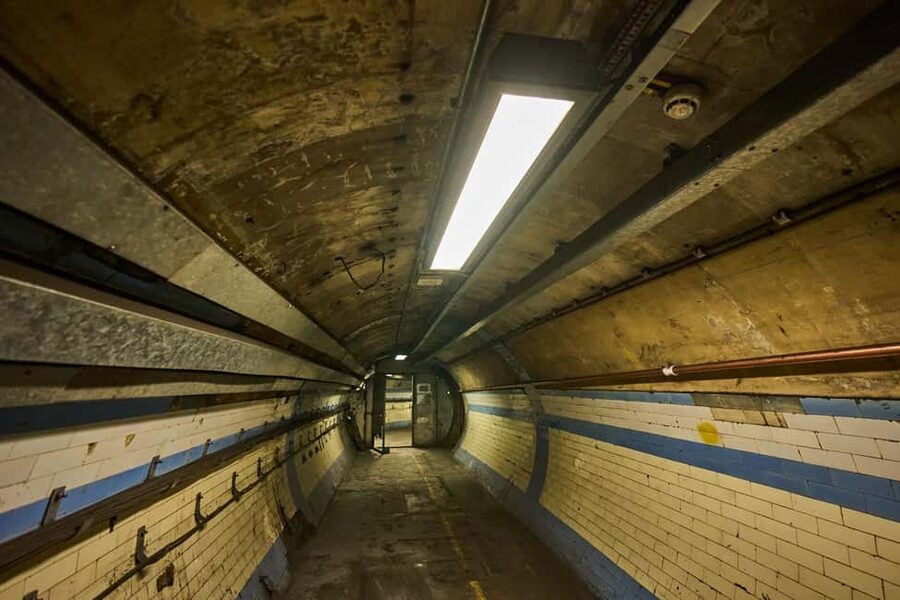
What you’ll explore here is very physical: early 20th-century passageways and the lift landings from the days when Dover Street was actively functioning. These spaces aren’t staged for Instagram. They’re the kind of corridors and landings that help you understand how people moved through the underground network when lifts and enclosed routes were part of daily life.
Practical note: this section is where uneven ground, stairs, and low lighting can show up. You’ll want comfortable shoes and a steady pace. If you tend to rush when you’re excited, slow down. The guide route works best when you can keep your balance.
Vintage signs and tiles that were last seen in the 1930s
One of my favorite parts of “hidden” tours is when you can see proof of age without a plaque telling you what to feel. Here, you get that with original vintage signs and tiles still adorning the walls. The fact that these were last seen by the traveling public in the 1930s makes the whole walk feel like time travel with grit still attached.
You’ll notice the difference between modern station design and what came before. The old details don’t just decorate the space—they help explain why Dover Street mattered. Signage and tilework were tools for movement and orientation, and seeing them in situ connects the story to how people actually navigated.
Because this is underground and in sections that are not meant for regular public flow, you should expect a less polished environment than a normal platform. The payoff is that you’re not looking at a re-created set. You’re seeing what survived.

How Dover Street helped London during the Second World War
This isn’t just a “history facts” stop. The wartime material gives the station spaces a job to do.
You’ll hear how Dover Street played a key role during the Second World War, offering shelter and a secure meeting place for the London Transport Executive Board during air raids. That detail helps you connect transportation to survival: the Tube wasn’t only a way to get around; it was part of keeping London functioning.
The story also includes Lord Ashfield, then chairman of the London Passenger Transport Board. You’ll learn that his bedroom was secretly fitted at the heart of the station. Even if you’ve read about government continuity during wartime, it’s a strange and very human detail to hear that inside an underground rail space.
One more reason this section works: you’ll be hearing these events while you’re physically inside the spaces they relate to. It’s hard to treat wartime logistics as abstract when you’re standing in the same kind of corridor where people planned and waited.
Green Park’s post-war growth: Victoria and Jubilee in the 1960s and 1970s
After the war stories, the tour shifts into how Green Park changed when London needed more capacity. You’ll learn that in the 1960s and 1970s, Green Park expanded to accommodate two post-war lines: the Victoria and Jubilee lines.
This is where I like the tour’s balance. It doesn’t stop at “this is old.” It explains the long arc: what was built for one network, how the station spaces adapted under pressure, and how the system later grew into the lines you use today.
You’ll also get a sense of what modernization looked like during the post-war economic boom, when London was updating ageing infrastructure instead of starting over from scratch. That idea is practical even for visitors: it explains why the Tube can feel like it was assembled by multiple generations at different times, each with their own priorities.
Ventilation tunnels behind the platforms: the engineering you usually ignore
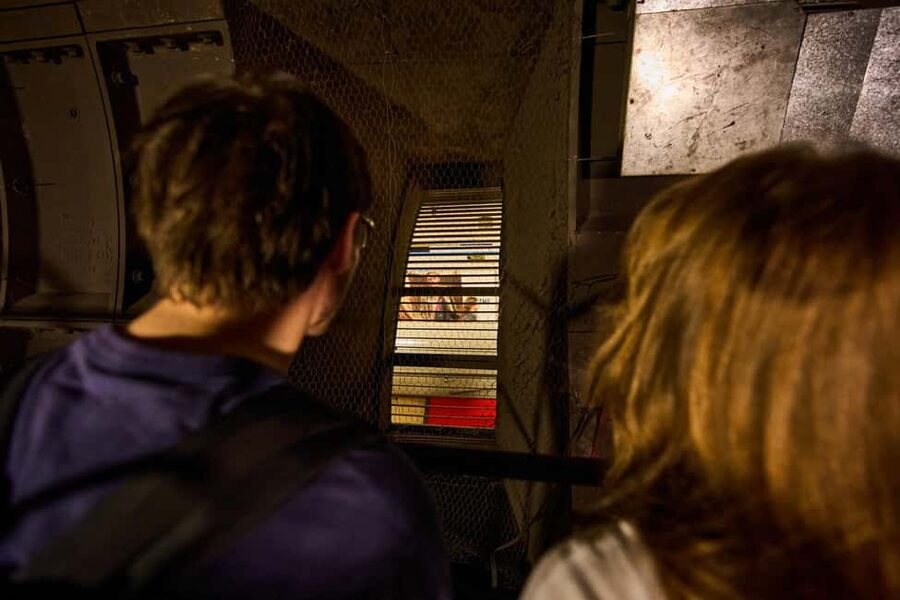
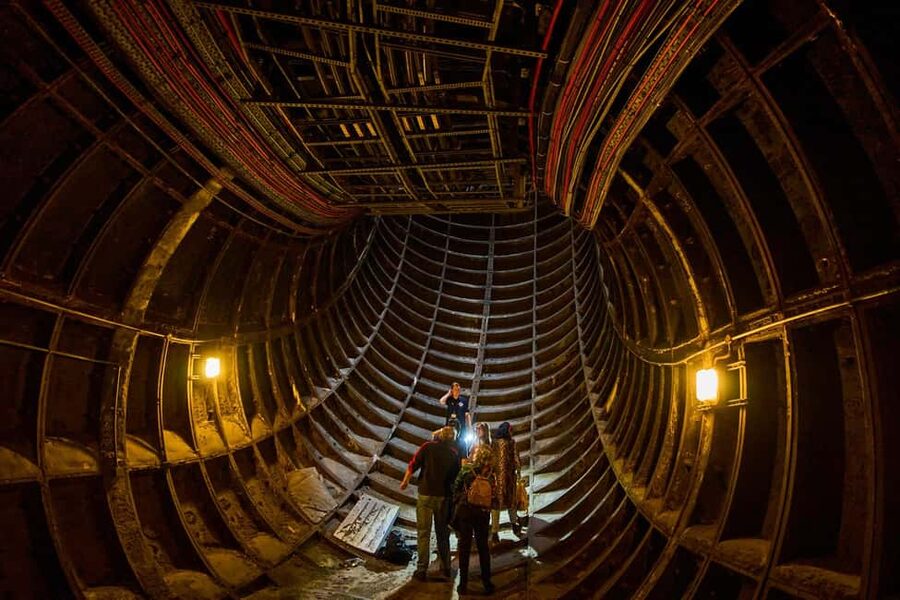
This tour has a satisfying left turn into engineering. You’ll step into large ventilation tunnels hidden behind the platforms of Green Park. The reason is practical and important: these tunnels provide essential air cooling for the Victoria and Jubilee lines.
Seeing ventilation space is a reminder that the Tube isn’t only about trains and tracks. Underground systems are about air, temperature, and comfort at scale. And on this tour, you get to view it up close rather than reading about it on a sign.
Expect it to feel like you’re getting behind the building’s “lungs.” The spaces are functional and big, and that scale is part of why the experience feels rare. You’ll also learn why the next stop exists: the secret shaft view.
The secret ventilation shaft and the unusual view of Tube trains
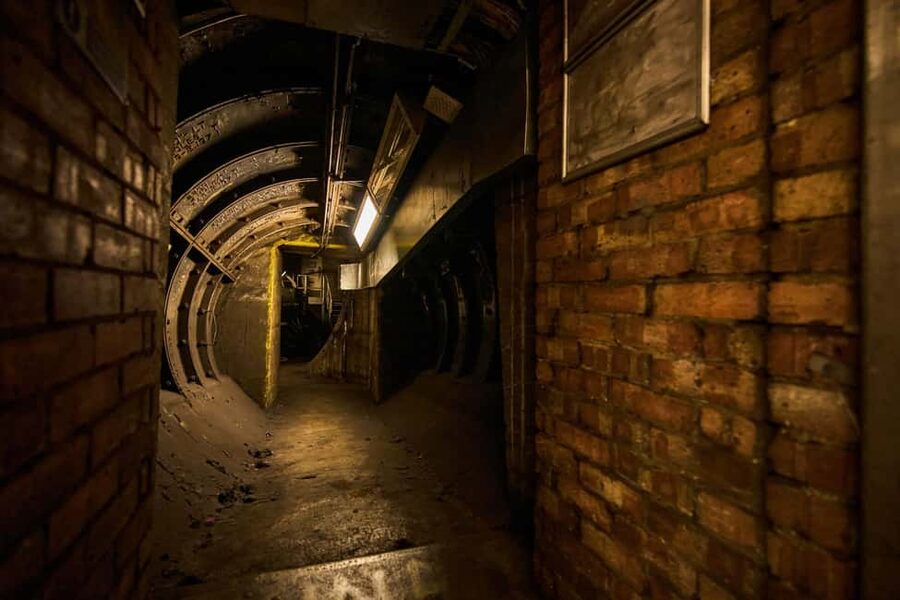
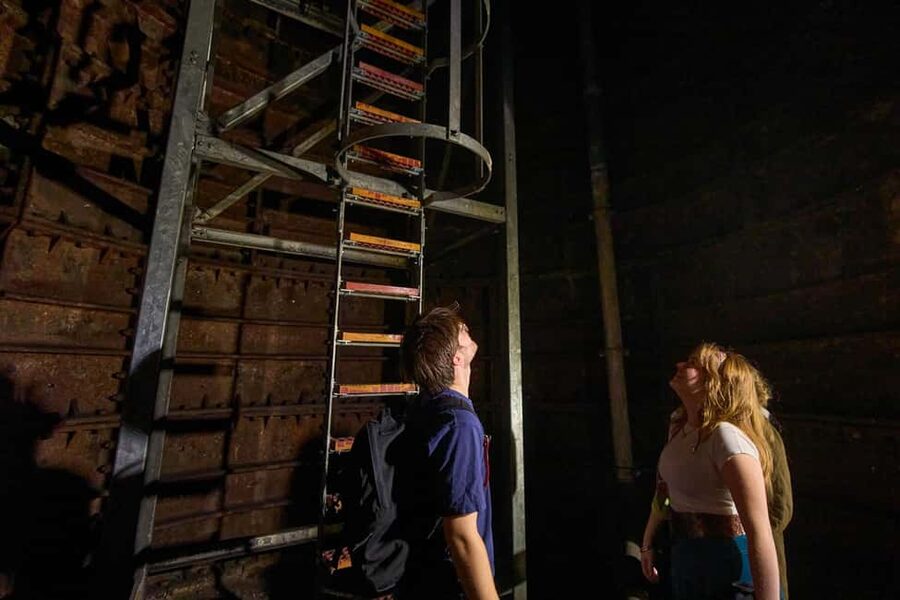
The tour culminates with a look normally closed to the public: you’ll peer down on Tube trains through a secret ventilation shaft, giving a unique perspective from where most passengers never stand.
This is the moment that clicks for people who came for atmosphere but also want a memorable visual payoff. Instead of just hearing stories about what’s underground, you see how the trains move through the system relative to the hidden infrastructure around them.
It’s also a good check on your own comfort level. By this point, you’ll know whether the low lighting and tight-feeling areas work for you. If they do, you’ll likely feel extra proud that you made it through.
Price and value: is $62 for 80 minutes fair?
At $62 per person for an 80-minute guided tour, this isn’t the cheapest thing you can do in London. But it’s also not a generic “walk and learn” experience.
You’re paying for access to spaces that are not open during normal station hours: Dover Street passageways and lift landings, vintage wall details, and ventilation tunnels plus a secret shaft view. Add the on-the-ground guiding of the London Transport Museum team (and the kind of group management that helps you navigate safely and stay together), and the price starts to make sense.
In plain terms: this is value if you like real infrastructure stories and you enjoy walking with a guide. If you want a relaxed, mostly seated experience, it likely won’t feel worth it.
Practical tips so you enjoy it, not just endure it
Here’s how to set yourself up for a smooth tour day.
Wear comfortable shoes. The tour involves a lot of walking, including uneven ground, low lighting, and stairs. There are no elevators. This is especially important if you’re traveling with sensible shoes but planned to do long walks anyway.
Bring water. It’s not about luxury; it’s about energy. Underground conditions can mean temperatures vary, and walking plus stairs can surprise you in a short time.
Avoid open-toed shoes and plan for “no big gear.” Food and drinks aren’t allowed, and luggage or large bags aren’t allowed either. If you’re carrying anything bulky, you’ll want to rethink what you bring.
On photography: photography is allowed, but flash photography is not permitted in certain areas. If you’re a flash user, plan on leaving it off.
Also, bring a passport or ID card. Children will need an ID too, and the tour has a maximum of four children aged 10–15 per adult.
Who should book this Hidden Tube Tour, and who should skip it
This tour is a strong fit if you like:
- Underground engineering and how systems keep working
- WWII-era London stories tied to physical spaces
- Rail history you can see, not just read
It’s also a good choice if you enjoy being guided through areas you’d never notice on your own. The route leans on small doorways and backstage corridors, and the guides are clearly good at shepherding the group so you’re not lost.
Skip it if any of these apply:
- You have mobility impairments or need wheelchair access
- You have claustrophobia
- You have respiratory issues
- You’re traveling with children under 10
Even if you think you can handle it, take the “lots of walking plus stairs plus dirty areas” info seriously. Underground tours can be more tiring than a normal city walk because of footing and lighting.
Should you book this tour?
If you’re the type who likes London’s hidden layers and you can handle stairs and a practical, gritty underground environment, I think this is an easy yes. The combination of Dover Street’s station-within-a-station spaces, wartime logistics, and a secret ventilation shaft view is exactly the kind of access that turns a regular Tube visit into a story you’ll remember.
If you hate enclosed spaces, can’t manage uneven ground, or want a light, comfortable outing, you’ll probably feel stressed instead of excited. In that case, choose another London experience that matches your pace and comfort level.
FAQ
How long is the Green Park Hidden Tube Tour?
The tour lasts 80 minutes.
Where do I meet the tour group at Green Park station?
Meet outside the Buckingham Palace/Green Park exit at Green Park station, by the Diana Fountain.
What does the tour include?
It includes a guided tour of Dover Street station, access to closed passageways and lift landings, wartime stories and historical insights, and views of secret ventilation shafts and corridors.
What costs and what doesn’t include in the price?
The price is per person, and transportation to and from the station and food and drinks are not included.
Is photography allowed?
Photography is allowed, but flash photography isn’t permitted in certain areas.
Is the tour suitable for children?
Children under 10 aren’t suitable. There’s a maximum of four children aged 10–15 per adult.
Is this tour accessible for wheelchair users or people with mobility impairments?
No. It is not suitable for wheelchair users and people with mobility impairments.
Do I need to bring any ID?
Yes. Bring a passport or ID card (and children also need ID).
More Tours in London
- From London: Harry Potter Warner Bros Studio Tour
★ 4.7 · 26,588 reviews - Magical London: Harry Potter Guided Walking Tour
★ 4.7 · 22,044 reviews - London: Warner Bros. Studio Harry Potter Tour & Branded Bus
★ 4.7 · 19,194 reviews - London Big Bus Hop-On Hop-Off Tour with Optional River Cruise
★ 3.5 · 10,803 reviews - London Small Group Tour of Historical Pubs
★ 5.0 · 10,422 reviews
More Tour Reviews in London
- From London: Harry Potter Warner Bros Studio Tour
★ 4.7 · 26,588 reviews - London: Westminster to Greenwich River Thames Cruise
★ 4.5 · 22,836 reviews - Magical London: Harry Potter Guided Walking Tour
★ 4.7 · 22,044 reviews - London: Madame Tussauds London
★ 4.6 · 20,915 reviews - London: Warner Bros. Studio Harry Potter Tour & Branded Bus
★ 4.7 · 19,194 reviews
Just reviewed around London





Tours, compared.
 ★ 4.7From London: Harry Potter Warner Bros Studio TourFrom $11726,588 reviews
 ★ 4.7Magical London: Harry Potter Guided Walking TourFrom $2022,044 reviews
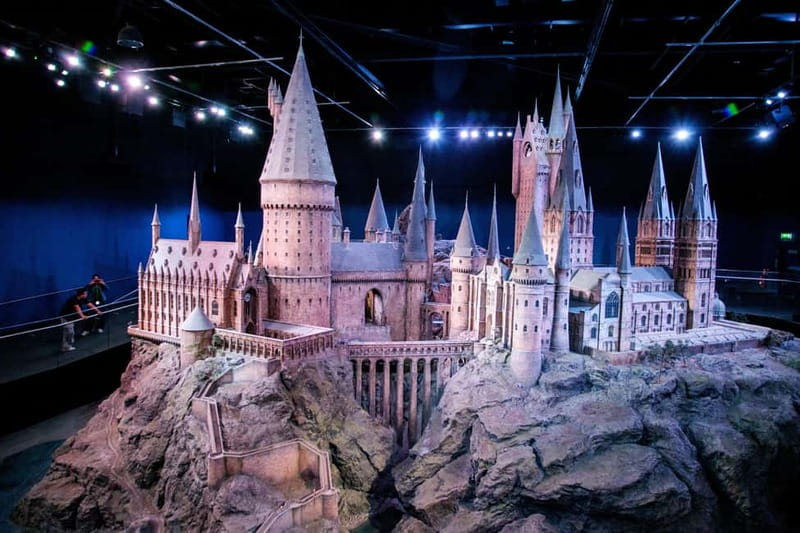 ★ 4.7Warner Bros. Studio Harry Potter Tour & Branded BusFrom $15119,194 reviews
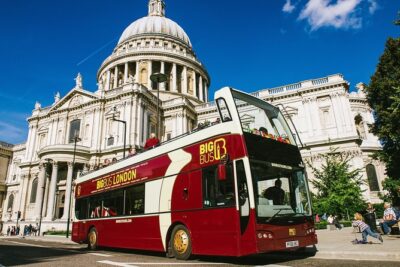 ★ 3.5London Big Bus Hop-On Hop-Off Tour with Optional River CruiseFrom $3910,803 reviews
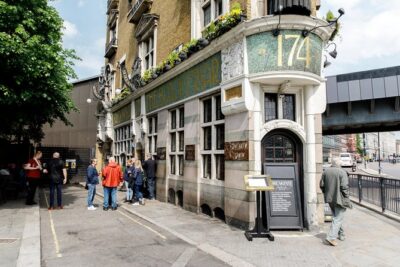 ★ 5.0London Small Group Tour of Historical PubsFrom $4010,422 reviews
 ★ 4.6Warner Bros. Studio Harry Potter Tour with TransfersFrom $1179,709 reviews
★ 4.7Warner Bros. Studio Harry Potter Tour with TransfersFrom $1169,485 reviews
 ★ 4.7The Original Jack the Ripper Walking TourFrom $257,833 reviews