
Reviewed · TOURS
London: Hidden Baker Street Tube Station Tour
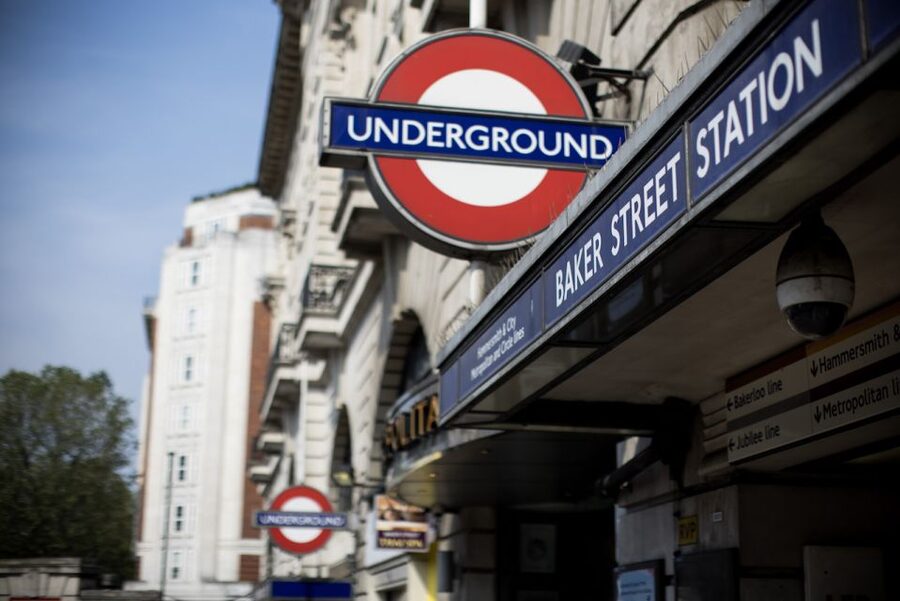
Baker Street has secrets underfoot. This Hidden London experience from the London Transport Museum takes you into parts of Baker Street Underground Station that the public usually never sees, including spaces tied to Victorian steam travel and the early Underground system. I especially like how it turns the station from a backdrop into the main character, and how the tour points you toward real, specific working spaces rather than generic sightseeing.
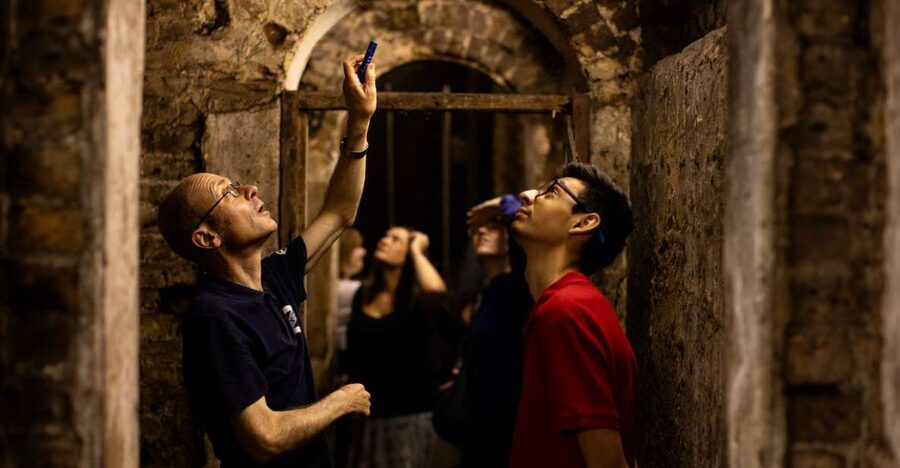
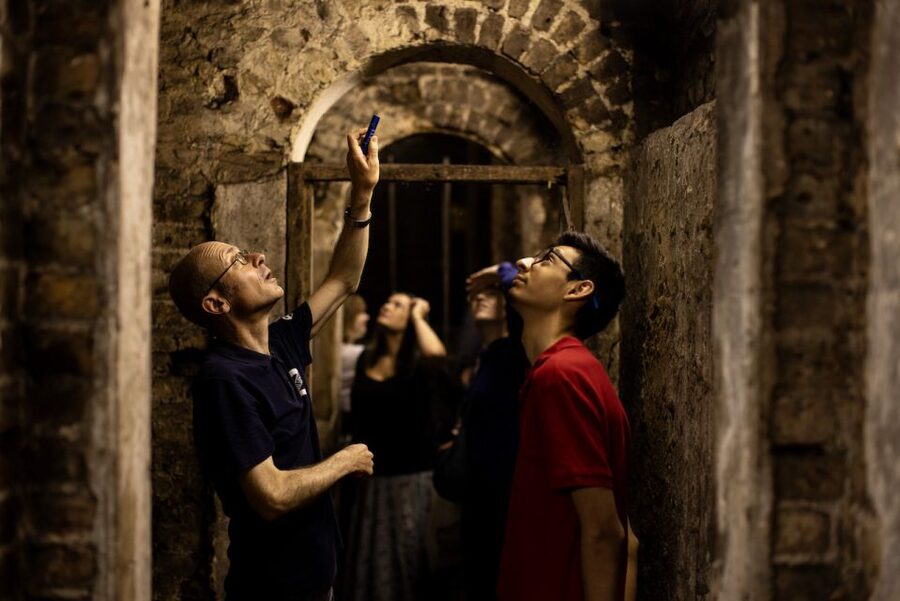
Two things I like a lot: first, you get access to closed-off areas such as old lift shafts, original platforms, and hidden corridors that were last reached by the public as far back as 1945; second, the tour gives you staff stories tied to day-to-day operations, not just dates on a board. One consideration: this is a lot of walking on uneven ground with low lighting and stairs, and there are no elevators.
In This Review
- Key points that make this tour worth your time
- Baker Street’s Underground Role, Explained Before You Go
- Meeting at Sherlock Holmes and What to Wear for Hidden Corridors
- Victorian Platforms and Early Passenger Expectations
- The Staff Rifle Range and Station Spaces Built for Work
- Baker Street as London Underground Operational Headquarters
- Old Lift Shafts and Corridors People Didn’t See for 75 Years
- How the Tour Uses Stories and Archive Material to Make History Stick
- Price and Value: What You Get for About $60
- Who This Tour Fits Best (and Who Should Rethink It)
- Should You Book This Hidden London Baker Street Tour?
- FAQ
- Where do I meet the guide?
- How long is the tour?
- How much does it cost?
- Is pickup or drop-off included?
- What should I bring?
- Are there any restrictions on what I can bring?
- Is this tour suitable for people with mobility impairments?
- Is the tour available in English?
Key points that make this tour worth your time
- Exclusive access to closed-off Baker Street Station areas that have been off-limits for decades
- Victorian steam-era origins of the world’s first underground rail network, starting in 1863
- Hidden operational headquarters spaces used as the London Underground’s working base
- Old lift shafts and corridors last seen by the public around 1945
- Real staff stories, told live from the London Transport Museum archive and collection
Not sure yet? See how a few of London's most-booked trips stack up:
- From London: Harry Potter Warner Bros Studio Tour
★ 4.7 · 26,588 reviews - London: Westminster to Greenwich River Thames Cruise
★ 4.5 · 22,836 reviews - Magical London: Harry Potter Guided Walking Tour
★ 4.7 · 22,044 reviews - London: Madame Tussauds London
★ 4.6 · 20,915 reviews
Baker Street’s Underground Role, Explained Before You Go
Baker Street Station isn’t just a convenient stop in London. It opened on January 10, 1863 as part of the Metropolitan Railway, and it helped launch a revolutionary idea: moving passengers beneath busy Victorian streets. When you hear this early context first, it changes how you see the station layout. Suddenly, corridors and platforms aren’t random features, they’re evidence of how a new kind of city transportation was engineered and operated.
What makes this especially useful is that the tour doesn’t treat history like a museum diorama. You’re walking through spaces that connect to how the Underground ran as a system, not just how it looked. That’s the big value in starting at a working station and seeing how the workspaces shaped passenger experience over time.
Meeting at Sherlock Holmes and What to Wear for Hidden Corridors
You’ll meet your guide outside Baker Street Underground Station, in front of the Sherlock Holmes statue. From there, you’re set up for an 85-minute walk focused on station back-areas.
Bring comfortable shoes and water, and plan around practical constraints:
- No open-toed shoes
- No food or drinks
- No luggage or large bags
- Passport or ID card is required
The walking matters. The tour includes uneven ground, low lighting, and stairs. There are no elevators. If you’re the type who hates tight turns or you’re not comfortable in dim spaces, you’ll want to think carefully. This isn’t a stroll where you can “wait it out” in a bright main hall.
Victorian Platforms and Early Passenger Expectations
One of the best ways to understand the Underground’s early years is to see the station’s earlier elements in context. On this tour, you get a look at closed-off parts of the station, including original platforms. That’s a rare chance to connect the modern station you use every day with the infrastructure that existed when the Underground was still new and surprising.
You’ll also hear what the very first passengers thought of underground travel in 1863. That part is more than trivia. It helps you grasp why the Underground expanded so fast once people understood it could move them under congestion. It also explains why operational design mattered early on: if you’re building a new system people are unsure about, you’d better make it function smoothly.
And because you’re touring while still inside an active London Underground setting, the contrast lands harder. You’re not imagining the past from photos. You’re looking at physical remnants and then hearing how people reacted when the concept was brand-new.

The Staff Rifle Range and Station Spaces Built for Work
A highlight here is getting into places that sound like a movie set, but are tied to how the station operated. You may pass through areas linked to the station’s staff rifle range, along with other working spaces that were part of day-to-day life and security.
What I like about this kind of stop is that it reframes the Underground. Most visitors think of trains, tickets, and schedules. This tour nudges your attention toward staff operations: the people who kept things moving, managed the station’s requirements, and supported the system’s growth as lines multiplied over time.
It’s also a chance to see how the station served more than passengers. Baker Street was part of the Underground’s operational setup, and the tour keeps that thread going so you’re not lost in disconnected curiosities.
Baker Street as London Underground Operational Headquarters
The Underground grew and expanded over the decades, and Baker Street Station played a role beyond simply boarding and exiting trains. This tour focuses on the station’s operational headquarters function, and that context makes the “hidden” rooms feel purposeful rather than just secretive.
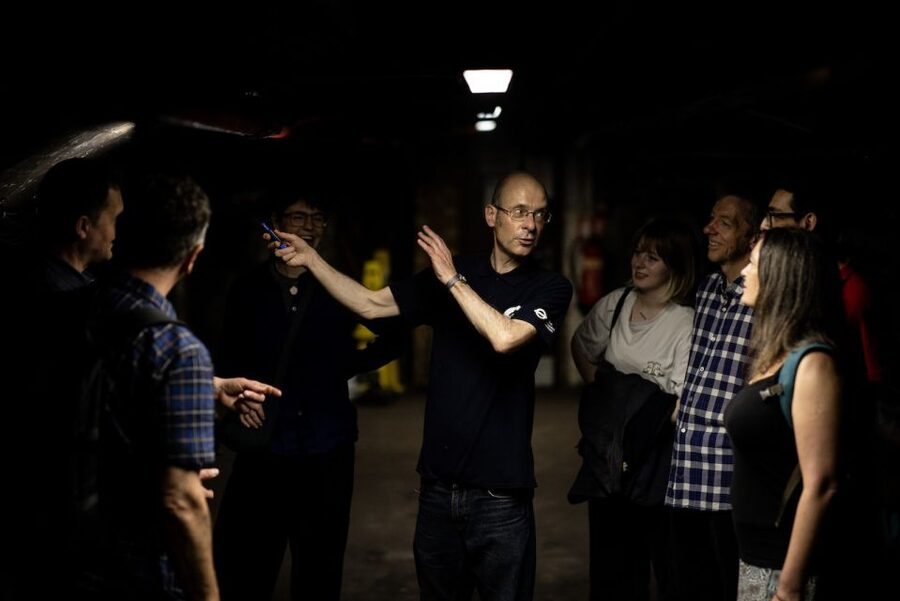
As you move through corridors and closed areas, you’ll hear stories about the staff who worked there over the years, including how the station wasn’t only a workplace but also a place where staff life had its own rhythm. In some Underground systems, operational headquarters spaces can feel abstract. Here, the tour ties them to real people and real work.
Guides such as Anthony, Sophie, and Pat are part of what brings this to life. Their delivery keeps the station history grounded. You’re not just hearing facts; you’re being guided through how those facts shaped operations.
Old Lift Shafts and Corridors People Didn’t See for 75 Years
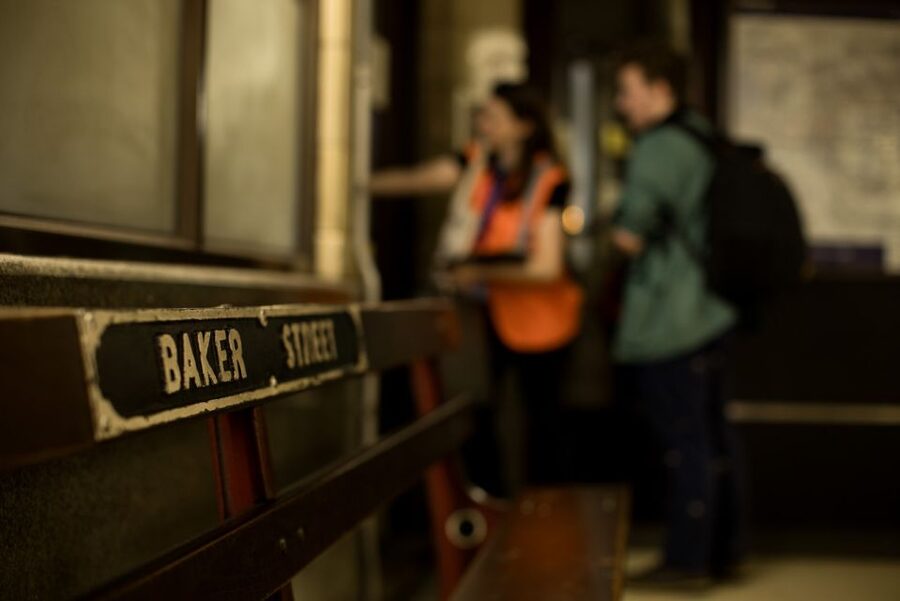
If you want the “wow” moment, this is where it usually lands: old lift shafts and hidden corridors that hadn’t been accessed by the public for around 75 years. Some areas were last reached as far back as 1945—long enough for the station to change around them while those spaces stayed out of sight.
This section is also where you’ll feel the tour’s physical reality. Low lighting and stairs mean you’ll be attentive the whole time. You’ll also likely notice how “hidden in plain sight” works in practice. Space can be right there beside a familiar route, but blocked off behind the working station logic that keeps the public path separate from staff-only infrastructure.
If you’re the kind of person who likes to understand how buildings function, you’ll enjoy how these spaces suggest earlier design choices. Lift shafts, in particular, tell a story about moving equipment and managing vertical connections in an era when accessibility assumptions were totally different from today.
How the Tour Uses Stories and Archive Material to Make History Stick
This Hidden London tour is led through live narration grounded in the London Transport Museum’s archive and collection. That matters because it keeps the stories tied to documented material rather than loose rumor.
You’ll hear about:
- the origins of the Underground network in 1863
- how it grew over the next 16 decades
- how Baker Street served both passengers and Underground staff
- what everyday work and even staff play looked like behind the scenes
And because the tour threads these points through the actual station spaces, the information lands with a sense of place. Instead of memorizing a timeline, you start seeing the Underground as a living system with shifting needs: passengers first, operations always, and behind both, staff adapting to each new era.
Price and Value: What You Get for About $60
At about $60 per person for 85 minutes, this isn’t a budget “walk and read” tour. But the pricing makes sense if you care about access and context.
You’re paying for:
- exclusive access to station areas the public does not normally see
- guided interpretation tied to specific spaces (platforms, corridors, lift shafts, and working areas)
- staff-centered storytelling connected to the museum’s holdings
If your goal is just to check off famous London sights, you could spend less elsewhere. But if you want something that feels different from the usual “surface-level” city tour—this delivers that, mainly because it’s built around places you’d never find on your own.
Also, the duration is tightly set to about 85 minutes. You’re not stuck for hours in dark corridors, and the pace is likely designed around safe group movement through stair-and-corridor sections.
Who This Tour Fits Best (and Who Should Rethink It)
This experience is best for people who like engineering, transport history, and the human side of how big systems run. It’s a great fit if you enjoy walking tours but also want more than street scenes and landmarks.
It’s not suitable for:
- children under 10
- people with mobility impairments
- people with claustrophobia
There’s also a rule for younger participants: a maximum of four children aged 10–15 per adult. That’s worth planning around if you’re traveling with a mixed group.
If you’re traveling with someone who’s sensitive to stairs, uneven ground, or dim lighting, take the accessibility limitations seriously. This is a station-under-the-station experience, and it requires comfort with tight, low-light spaces.
Should You Book This Hidden London Baker Street Tour?
You should book if you want real station access, not just stories about the Underground. The combination of exclusive Baker Street Station areas, Victorian-era origins, and staff-focused narratives is exactly what makes this feel like a “London-only” kind of experience.
You might skip it if stairs and low lighting make you uneasy, or if you’re traveling with mobility needs that require elevators. In that case, the tour format doesn’t match the environment.
If you want one practical tip for deciding: think about what you’ll enjoy most—standing in a busy public concourse, or walking through places that used to be staff routes and infrastructure. This tour is built for the second kind of curiosity.
FAQ
Where do I meet the guide?
Meet your guide outside Baker Street Underground Station, in front of the Sherlock Holmes statue.
How long is the tour?
The tour lasts about 85 minutes.
How much does it cost?
The price is listed as $60 per person.
Is pickup or drop-off included?
No, pickup and drop-off are not included.
What should I bring?
Bring comfortable shoes, water, and a passport or ID card.
Are there any restrictions on what I can bring?
Food and drinks are not allowed, and you can’t bring luggage or large bags.
Is this tour suitable for people with mobility impairments?
No. It is not suitable for people with mobility impairments.
Is the tour available in English?
Yes, the live tour guide speaks English.
More Tours in London
- From London: Harry Potter Warner Bros Studio Tour
★ 4.7 · 26,588 reviews - Magical London: Harry Potter Guided Walking Tour
★ 4.7 · 22,044 reviews - London: Warner Bros. Studio Harry Potter Tour & Branded Bus
★ 4.7 · 19,194 reviews - London Big Bus Hop-On Hop-Off Tour with Optional River Cruise
★ 3.5 · 10,803 reviews - London Small Group Tour of Historical Pubs
★ 5.0 · 10,422 reviews
More Tour Reviews in London
- From London: Harry Potter Warner Bros Studio Tour
★ 4.7 · 26,588 reviews - London: Westminster to Greenwich River Thames Cruise
★ 4.5 · 22,836 reviews - Magical London: Harry Potter Guided Walking Tour
★ 4.7 · 22,044 reviews - London: Madame Tussauds London
★ 4.6 · 20,915 reviews - London: Warner Bros. Studio Harry Potter Tour & Branded Bus
★ 4.7 · 19,194 reviews
Just reviewed around London





Tours, compared.
 ★ 4.7From London: Harry Potter Warner Bros Studio TourFrom $11726,588 reviews
 ★ 4.7Magical London: Harry Potter Guided Walking TourFrom $2022,044 reviews
 ★ 4.7Warner Bros. Studio Harry Potter Tour & Branded BusFrom $15119,194 reviews
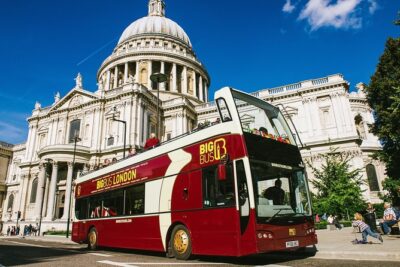 ★ 3.5London Big Bus Hop-On Hop-Off Tour with Optional River CruiseFrom $3910,803 reviews
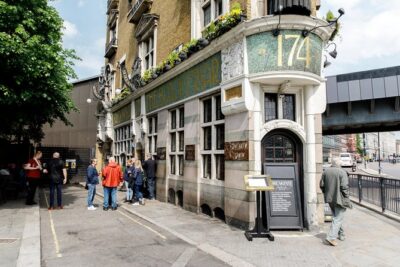 ★ 5.0London Small Group Tour of Historical PubsFrom $4010,422 reviews
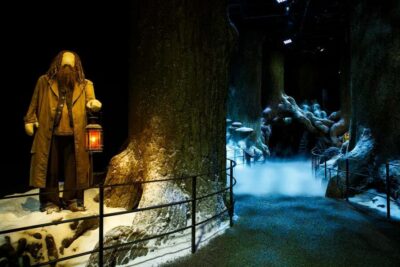 ★ 4.6Warner Bros. Studio Harry Potter Tour with TransfersFrom $1179,709 reviews
★ 4.7Warner Bros. Studio Harry Potter Tour with TransfersFrom $1169,485 reviews
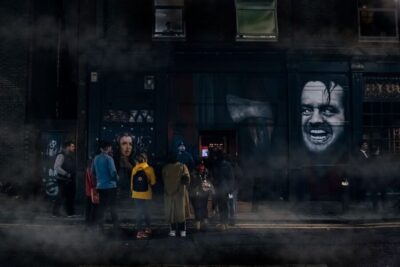 ★ 4.7The Original Jack the Ripper Walking TourFrom $257,833 reviews