
Reviewed · TOURS
London: Churchill’s Life & WW2 with Tour of War Rooms
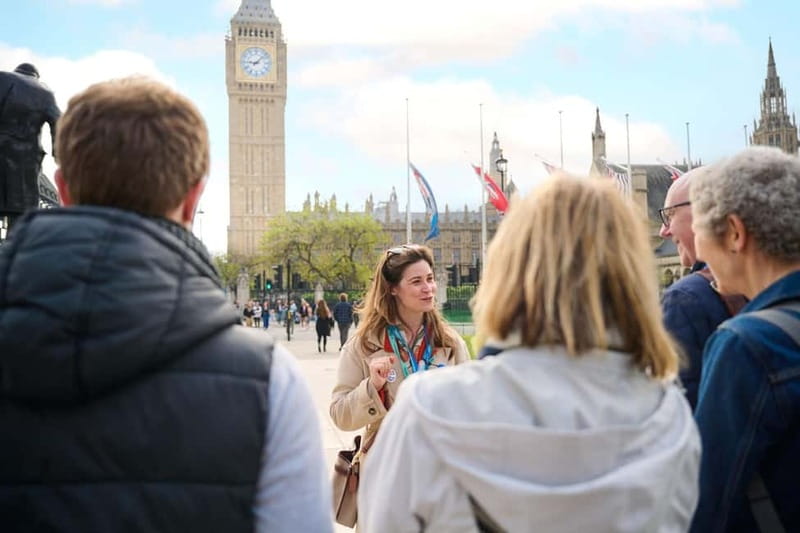
Churchill’s London feels real fast. You get a guided walk through major WWII landmarks, then head underground to the Churchill War Rooms for a reserved audio visit of where decisions were made. I like that you’re not stuck inside a museum all day, and I also like the careful pacing of a small group tour that actually links the speeches and strategy to the streets you’re standing on.
Two things I’d put at the top: the combination of surface landmarks (like Big Ben and Downing Street) with the wartime command center below, and the fact that you’ll have an expert guide along the way to turn names and dates into stories you can picture. One drawback: the War Rooms area can get crowded on weekends and school holidays, and it’s a walking tour that assumes you can keep a moderate pace.
In This Review
- Key highlights to look forward to
- Why this Churchill tour feels different from a basic walk
- Meeting at the Royal Air Force Memorial and getting your bearings
- Big Ben and Parliament Square: the Blitz viewed from street level
- Westminster Abbey exterior and Downing Street: short stops, big meanings
- Whitehall to Horse Guards Parade: honoring service and leadership
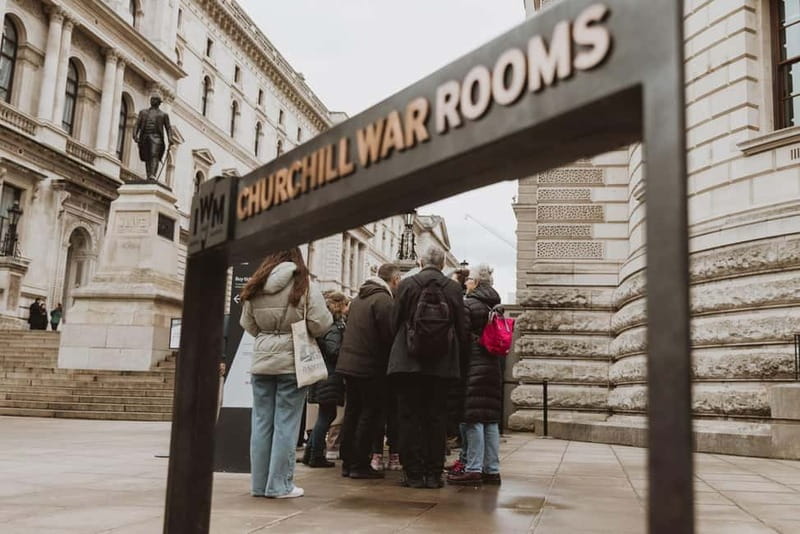
- Churchill’s War Rooms: the underground decision center
- Audio-guided time: how to use it so it doesn’t feel like homework
- The guides: when the stories actually stick
- Price and group value: what you’re paying for
- Timing, walking pace, and what to wear
- Who should book, and who should skip
- Should you book this Churchill tour?
- FAQ
- FAQ
- How long is the Churchill’s Life & WW2 tour with War Rooms?
- Where does the tour start?
- Where does the tour end?
- Is the tour guided and in English?
- Do I get tickets to the War Rooms?
- Will I have an audio guide during the War Rooms visit?
- How big is the group?
- Is the tour wheelchair friendly?
- Are baby strollers allowed?
- What should I know about crowds and security?
- What items are not allowed?
Key highlights to look forward to
- Big Ben, Parliament, and Downing Street: see the symbols while a guide explains what Churchill was doing during the Blitz
- RAF and Guards Memorial stops: pay respects at major WWII-linked sites as you walk through Whitehall
- Boudica Statue: a quick stop that connects Churchill’s speeches to older ideas of resilience
- Churchill War Rooms (audio-guided): explore the underground bunker rooms that reportedly remain unchanged since 1945
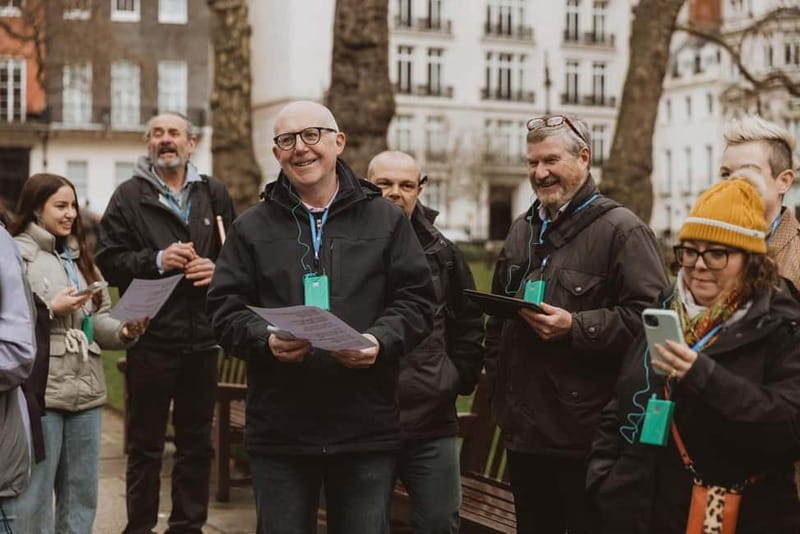
- Small group size: capped at 15, so questions and side conversations actually happen
Not sure yet? See how a few of London's most-booked trips stack up:
- From London: Harry Potter Warner Bros Studio Tour
★ 4.7 · 26,588 reviews - London: Westminster to Greenwich River Thames Cruise
★ 4.5 · 22,836 reviews - Magical London: Harry Potter Guided Walking Tour
★ 4.7 · 22,044 reviews - London: Madame Tussauds London
★ 4.6 · 20,915 reviews
Why this Churchill tour feels different from a basic walk
This isn’t just a route of famous buildings. It’s built around a WWII storyline, with London’s landmarks used like chapter headings. You’ll start with a WWII monument-focused introduction, then move along Westminster and Whitehall where Churchill’s leadership shows up in both public symbolism and behind-the-scenes strategy.
The value here is that you get two experiences in one ticket: a guided walking tour on the surface, plus pre-reserved entry to the War Rooms with audio you control. That means you can ask your guide questions while you’re outside, then slow down when you’re underground and taking it in on your own.
Meeting at the Royal Air Force Memorial and getting your bearings
You meet at the Royal Air Force Memorial. The guide holds a green Walks sign, and you’ll want to arrive about 15 minutes early so you’re not rushing through the group check-in.
This first stretch matters more than you might think. Your guide frames the whole day by tying Churchill’s public voice to the wartime mood. The tour starts in the Battle of Britain–connected area, so you’re primed for the theme that follows: speeches, morale, and decisions under pressure.
Tip: wear comfy shoes. Even if each stop is short, you’ll be on sidewalks and crossings with a steady pace for about three hours.
Big Ben and Parliament Square: the Blitz viewed from street level
Next you hit the Big Ben area, with a guided stop focused on how the clock tower survived damage and became a hope-filled symbol. It’s one of those moments where history stops feeling like trivia. You’re looking at an icon that people still treat as normal today, and the guide gives you the wartime context that explains why it carries weight.
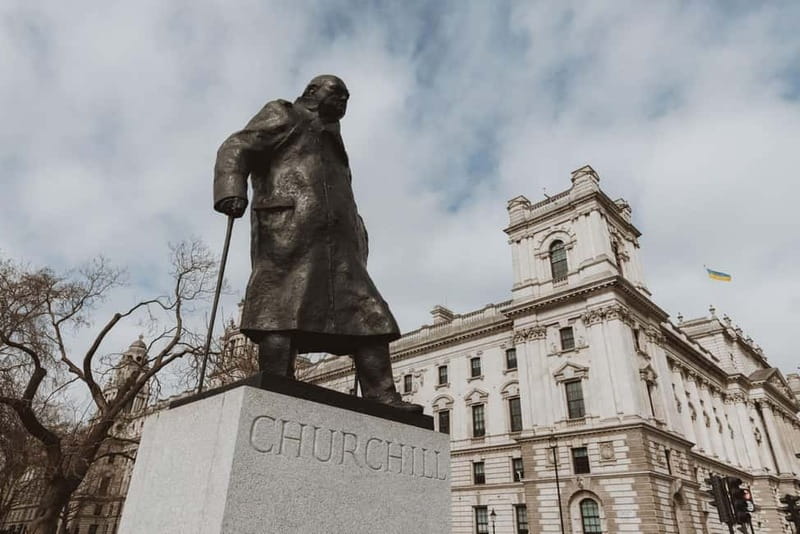
From there, you move through Parliament Square and the surrounding views: the Houses of Parliament and the Churchill Statue. This is where the tour does a smart job of linking what happened upstairs in politics with what was happening downstairs in strategy. You’ll hear stories about Churchill’s leadership style and how preserving British democracy factored into the Blitz period.
Potential drawback: the stops around Parliament can be busy. If you’re the type who likes a quiet, slow photo session, keep your expectations realistic and plan for a few tight moments.

Westminster Abbey exterior and Downing Street: short stops, big meanings
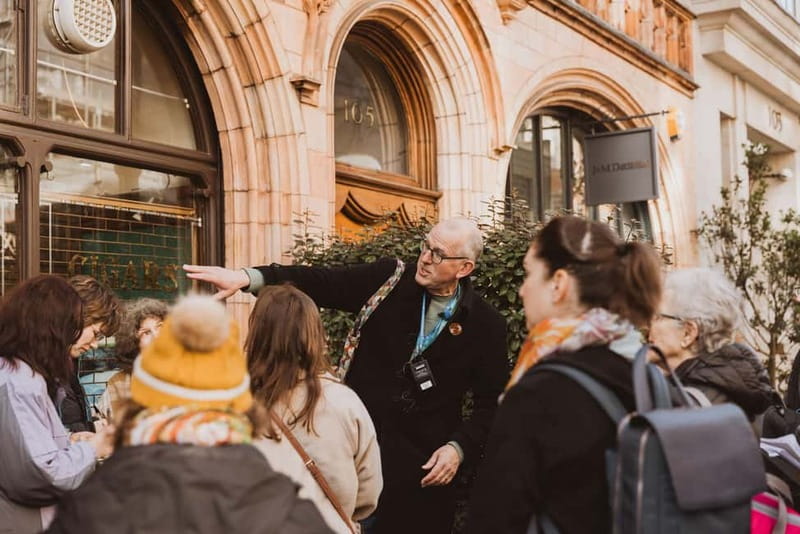
You’ll pause by Westminster Abbey for an exterior-only visit. That’s not a negative here; it’s actually a time-saver. The goal is to keep the tour moving while still giving you a sense of place—this is where British institutions are physically concentrated, so your guide can connect Churchill’s wartime decisions to the setting.
Then you reach 10 Downing Street. The tour’s focus is Churchill strategizing during the war. Even if you’re just seeing the façade from nearby, your guide’s narration makes it feel like more than a picture spot.
If you like when guides use location as a teaching tool, this segment will land well. It turns a famous address into a point in the WWII timeline.
Whitehall to Horse Guards Parade: honoring service and leadership
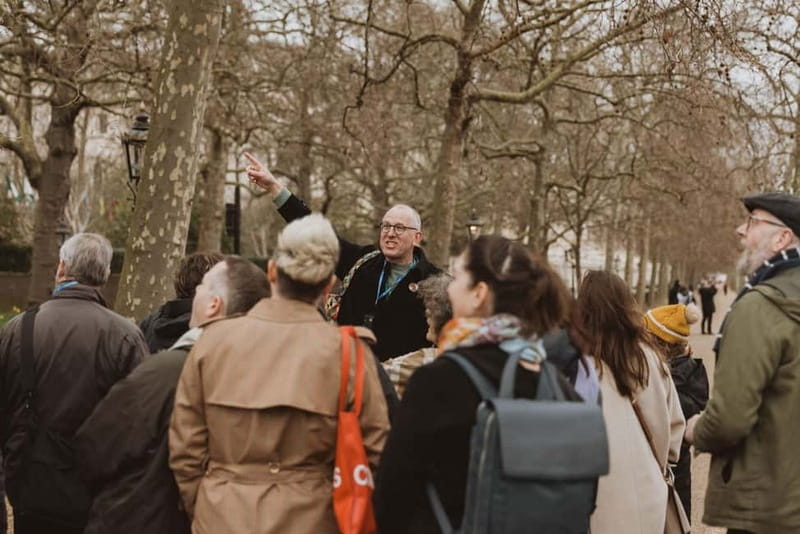
As you stroll along Whitehall, your guide points you toward war-related landmarks and keeps the story grounded. Whitehall is one of those areas where you can easily get distracted by “just another government street.” Here, you’ll be encouraged to look at it as a corridor of wartime power.
The tour also includes Horse Guards Parade at Whitehall. You get a short, guided explanation of Churchill’s connection to this historic site, which helps it make sense beyond being a place tourists pass through.
Then comes the Guards Memorial, a stop designed for respect and recognition of those who served during WWII. This is a quieter, more reflective moment in the day, and I like that the tour doesn’t treat memorials as only photo backdrops.
Practical note: the emotional tone changes here. If you tend to rush through memorial spaces, slow down for this stop. It’s one of the better “pause points” on the walk.
Churchill’s War Rooms: the underground decision center
The main event is Churchill’s War Rooms—an underground network of hidden bunkers where Churchill made crucial decisions during WWII, and which the tour describes as untouched since 1945. The fact that this place is underground changes everything. Outside, London feels like the present. Inside, the rooms reset your sense of time.
Your visit is guided by audio, not a live guide. You’ll explore Churchill’s private office, the map room, and other rooms where wartime decisions were made. That self-paced audio setup is a good match for how these spaces work: you can stand, listen, and look without having to keep pace with the group while moving deeper into the bunker.
What I like for your planning: pre-reserved tickets help remove one of the most annoying travel-day hassles—waiting in lines at the exact moment you want to be learning.
Audio-guided time: how to use it so it doesn’t feel like homework
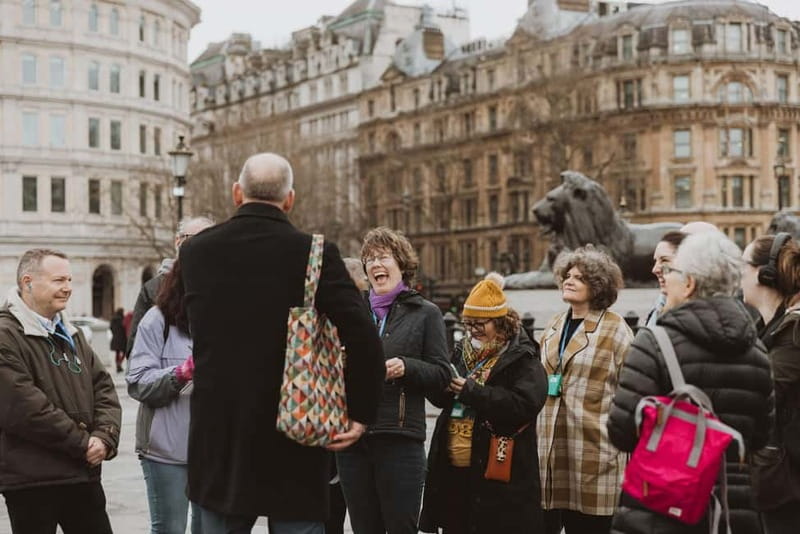
Because the War Rooms section is audio-guided, you have control. You can slow down for the rooms that catch your eye, and you can skip forward if a certain area isn’t grabbing you.
I recommend a simple approach:
- Start the audio early, so you know what you’re looking at.
- When you hear a name or a place mentioned, take a beat and scan the room for what matches.
- If the crowd pressure builds, pick one or two key rooms to linger in rather than trying to see everything at full speed.
At the weekend or during school holidays, the War Rooms can be busy. If you don’t like crowds, choose a day/time that feels calmer, and accept that you’ll spend some of the visit moving with other people. You’re still inside a historic site, and that always comes with some human traffic.
The guides: when the stories actually stick
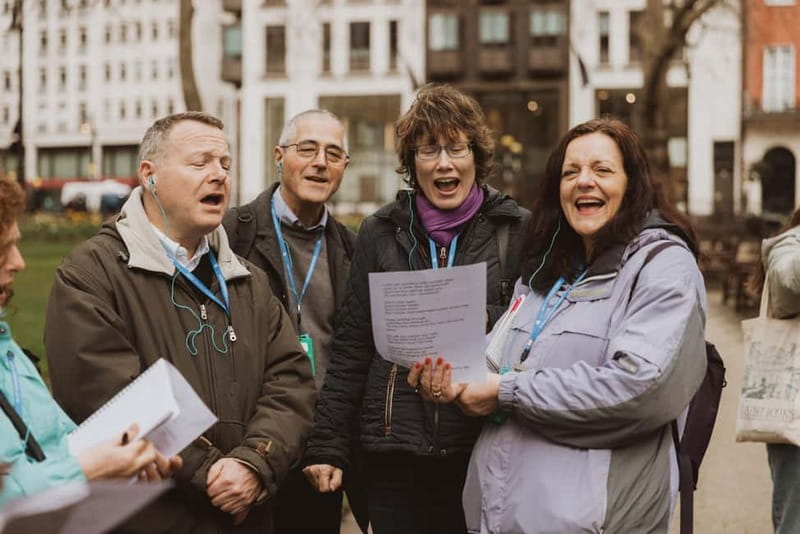
The tour is run by Walks – UK, with an English-speaking local guide and a small group cap of 15. That small size is part of why the storytelling lands. You’re not lost in a sea of people.
Guide styles matter, and you might meet different personalities on different days. Past groups have highlighted guides like Kate, praised for connecting Churchill’s personal life with his achievements. Others, like Peter, are remembered for humor while staying on-topic and answering questions throughout. And Salvadore has been noted for keeping the history lively, with an ending that feels like a clean payoff after the walk.
I can’t promise which guide you’ll get, but I can say this: the tour works best when the guide can turn “Churchill = WWII” into “Churchill = decisions, messages, and strategy,” and these guides seem to do that.
Price and group value: what you’re paying for
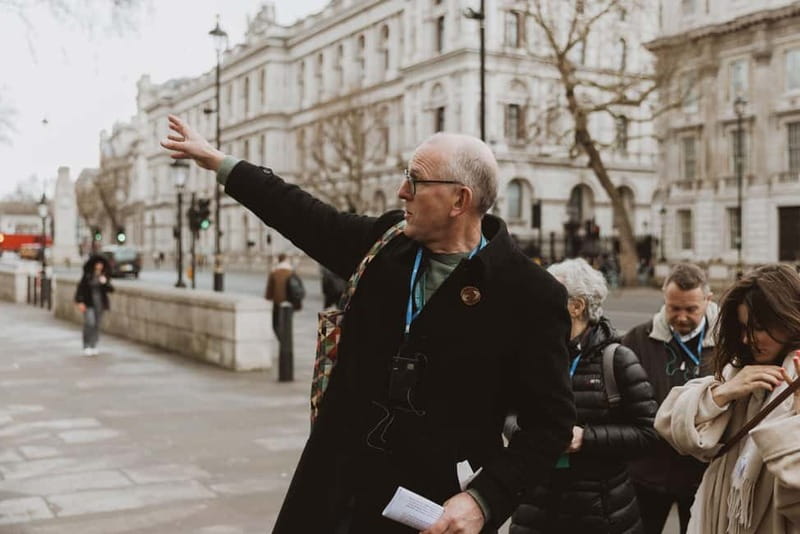
At $106.41 per person for about 3 hours, the biggest value is that your ticket to the War Rooms is effectively packaged into the experience. You’re not only paying for walking commentary—you’re paying for pre-reserved Churchill War Rooms admission plus the audio guide inside.
Also, your surface stops aren’t random. You’re guided from the RAF-linked memorial area to the Big Ben/Parliament corridor, then down into the Whitehall memorial stretch before the underground visit. For many visitors, that sequence is hard to pull off neatly on your own without turning the day into a logistics puzzle.
Is it cheaper to self-guide? Sure. But you’d trade away the connecting storyline and the streamlined War Rooms entry you get through the tour.
Timing, walking pace, and what to wear
The whole experience runs about 3 hours, with a longer chunk reserved for the War Rooms. Outside, the guided segments are shorter, but you’ll still cover enough ground to feel it by the end—especially if you take extra photos at Big Ben and Parliament Square.
The tour is described as wheelchair accessible in one place, but it also says it’s unfortunately not suitable for guests with mobility impairments and that wheelchair use isn’t suitable. That conflict is important. If you rely on a wheelchair or have limited mobility, treat this tour as a “confirm first” situation before booking.
Strollers also aren’t allowed (baby strollers are listed as not allowed). That matters if you’re traveling with children.
Security: all guests must pass through security. Plan for some waiting time even with pre-reserved tickets.
Who should book, and who should skip
This tour is a great fit if:
- You want a WWII-themed walk that ties Churchill’s public speeches to what happened in the bunker.
- You like seeing famous places with story context, not just wandering for photos.
- You’re comfortable walking at a moderate pace and spending a chunk indoors in a historic site.
You might skip it if:
- You strongly dislike crowds and are visiting during periods when the War Rooms are known to be busy.
- You need mobility accommodations that the operator warns may not work with this format.
- You’re traveling with a stroller, since baby strollers aren’t allowed.
Should you book this Churchill tour?
I’d book it if you want an efficient, story-driven way to see London through the WWII lens, and you care about getting into the Churchill War Rooms without turning your day into a ticket-and-line chase. The mix of surface stops (Big Ben, Downing Street, Whitehall) and the underground command center makes it feel like a complete arc rather than a one-note sightseeing day.
If you can handle crowds a bit and you’re ready for a moderate walking pace, this is one of the more practical ways to spend a half-day in London while still learning something that sticks.
FAQ
FAQ
How long is the Churchill’s Life & WW2 tour with War Rooms?
The tour lasts about 3 hours.
Where does the tour start?
It meets at the Royal Air Force Memorial in London. You should arrive about 15 minutes early and look for a guide holding a green Walks sign.
Where does the tour end?
It ends at Clive Steps, King Charles St, London SW1A 2AH, UK.
Is the tour guided and in English?
Yes. You’ll have a live English-speaking guide for the walking portions.
Do I get tickets to the War Rooms?
Yes. You receive pre-reserved tickets to the Churchill War Rooms, including access to the audio guide.
Will I have an audio guide during the War Rooms visit?
Yes. The Churchill War Rooms portion is audio-guided.
How big is the group?
The group size is capped at a maximum of 15 guests.
Is the tour wheelchair friendly?
Wheelchair accessibility is listed, but the important information also warns it is not suitable for guests with mobility impairments or with wheelchairs. You should check suitability before booking.
Are baby strollers allowed?
No, baby strollers are not allowed.
What should I know about crowds and security?
All guests must pass through security. The War Rooms can be busy on weekends and during school holidays, so it may be unsuitable if you don’t like crowds.
What items are not allowed?
Weapons or sharp objects are not allowed.
More Tours in London
- From London: Harry Potter Warner Bros Studio Tour
★ 4.7 · 26,588 reviews - Magical London: Harry Potter Guided Walking Tour
★ 4.7 · 22,044 reviews - London: Warner Bros. Studio Harry Potter Tour & Branded Bus
★ 4.7 · 19,194 reviews - London Big Bus Hop-On Hop-Off Tour with Optional River Cruise
★ 3.5 · 10,803 reviews - London Small Group Tour of Historical Pubs
★ 5.0 · 10,422 reviews
More Tour Reviews in London
- From London: Harry Potter Warner Bros Studio Tour
★ 4.7 · 26,588 reviews - London: Westminster to Greenwich River Thames Cruise
★ 4.5 · 22,836 reviews - Magical London: Harry Potter Guided Walking Tour
★ 4.7 · 22,044 reviews - London: Madame Tussauds London
★ 4.6 · 20,915 reviews - London: Warner Bros. Studio Harry Potter Tour & Branded Bus
★ 4.7 · 19,194 reviews
Just reviewed around London





Tours, compared.
 ★ 4.7From London: Harry Potter Warner Bros Studio TourFrom $11726,588 reviews
 ★ 4.7Magical London: Harry Potter Guided Walking TourFrom $2022,044 reviews
 ★ 4.7Warner Bros. Studio Harry Potter Tour & Branded BusFrom $15119,194 reviews
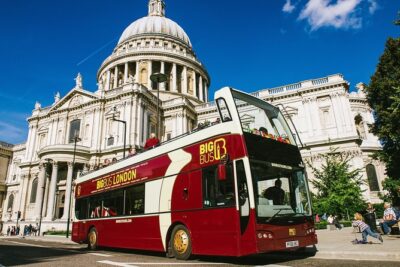 ★ 3.5London Big Bus Hop-On Hop-Off Tour with Optional River CruiseFrom $3910,803 reviews
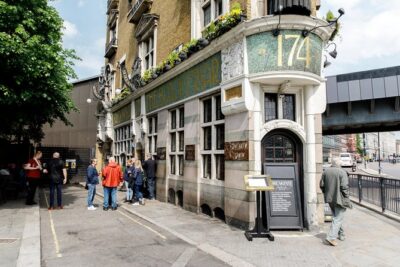 ★ 5.0London Small Group Tour of Historical PubsFrom $4010,422 reviews
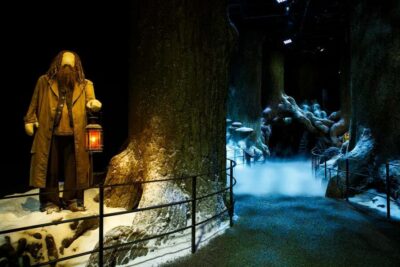 ★ 4.6Warner Bros. Studio Harry Potter Tour with TransfersFrom $1179,709 reviews
★ 4.7Warner Bros. Studio Harry Potter Tour with TransfersFrom $1169,485 reviews
 ★ 4.7The Original Jack the Ripper Walking TourFrom $257,833 reviews