
Reviewed · LONDON WALKING TOURS
London: Churchill and World War 2 Walking Tour in London
Churchill’s London tells a straight-up story of nerve. This 150-minute walking tour strings together the places where Winston Churchill worked, pushed decisions through, and asked Britain to hold firm. I like that you see both the big symbols (like Parliament and war memorials) and the human details (like where Churchill married).
Two things I particularly like: you’ll pass Downing Street and other government buildings tied to wartime leadership, and you’ll stop for respectful moments at the Cenotaph and the memorial to women who served in WWII. One drawback to plan for: this is real walking and standing time, so it may feel like a lot if you have low stamina or want minimal crowds and minimal time outdoors.
In This Review
- Key things to watch for on this Churchill & World War 2 walk
- Why this walk hits harder than a history lecture
- Starting at Embankment Station with the yellow umbrella
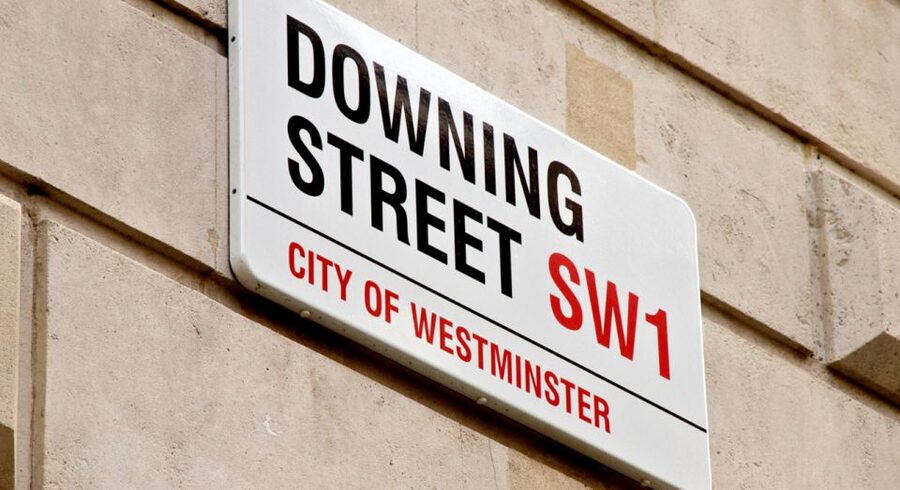
- Downing Street: where Churchill’s war leadership mattered
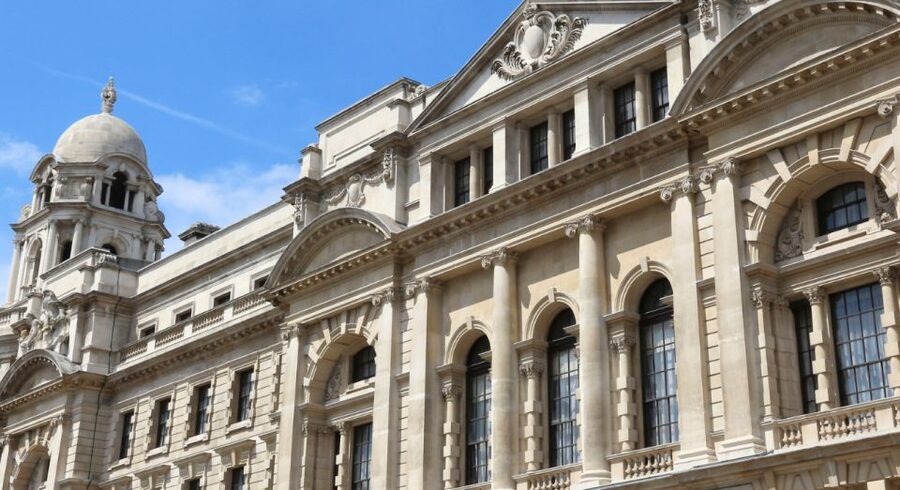
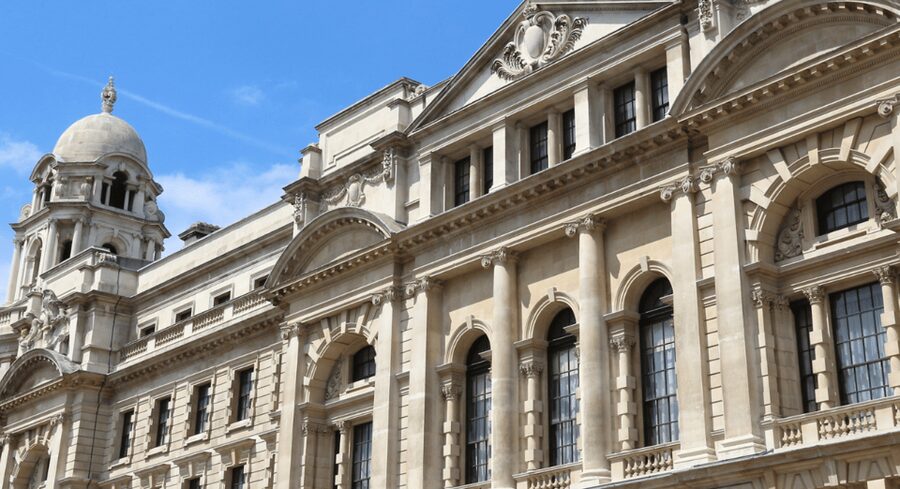
- Ministry of Defence and Cabinet Office: the war-decisions zone
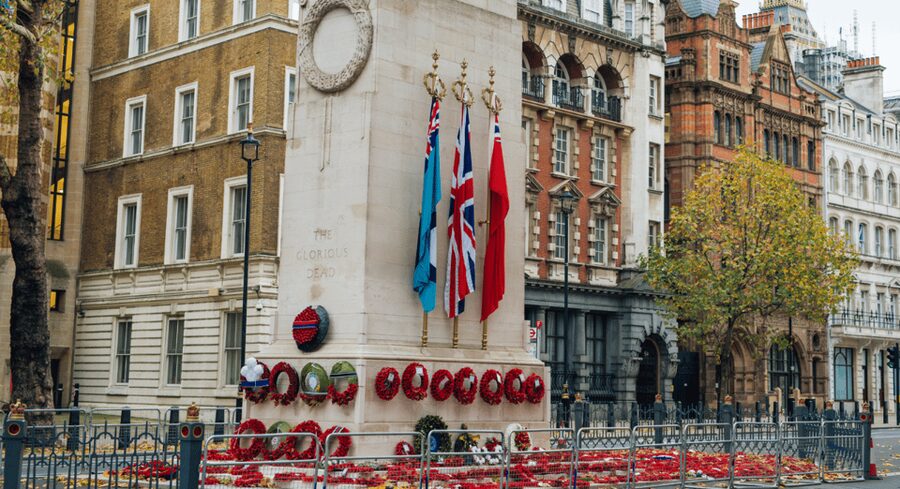
- The Cenotaph and Women of World War II: remembering the cost
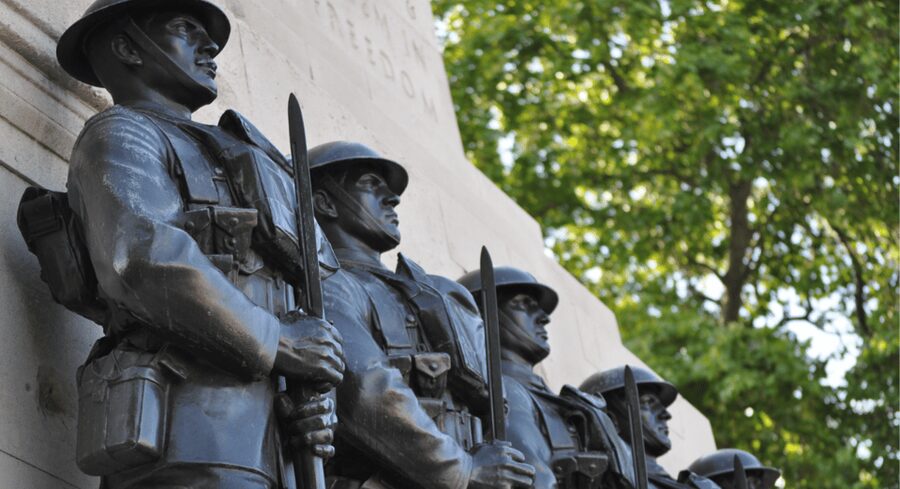
- Battle of Britain memorial: courage you can picture
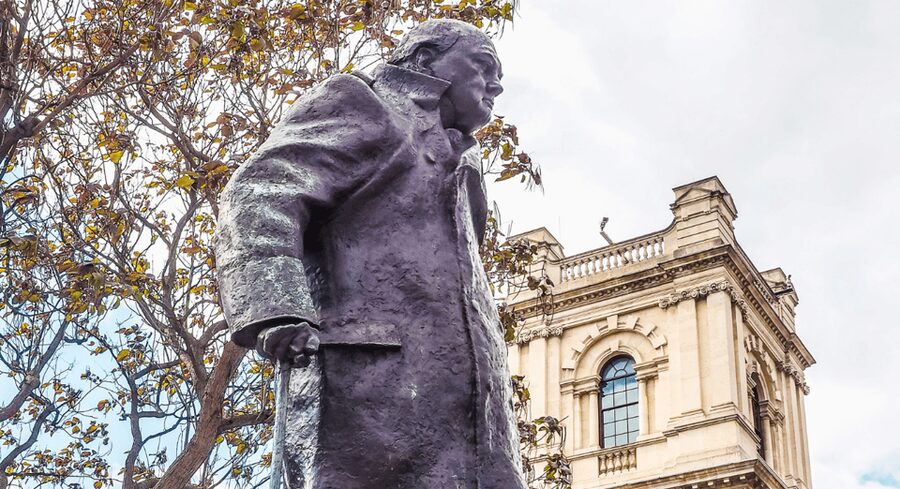
- Churchill’s statue, Houses of Parliament, and Big Ben: seeing the message in one view
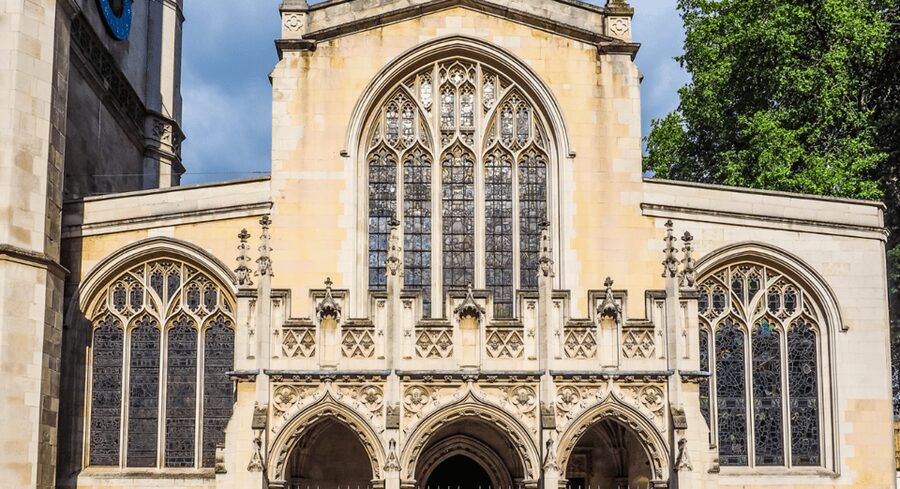
- St Margaret’s Church: the personal side of Churchill
- Churchill’s favourite pub: the London-side of Churchill
- Finishing at Churchill War Rooms (exterior only)
- Price and timing: what $18 gets you in real terms
- What kind of travelers should book this?
- Final verdict: should you book this Churchill and WWII tour?
- FAQ
- How long is the London Churchill and World War 2 walking tour?
- Where does the tour start?
- How much does it cost?
- What is included in the tour?
- Are tickets for Churchill War Rooms included?
- Is the tour suitable for wheelchair users or people with mobility impairments?
- Are luggage or large bags allowed?
- Summary
Key things to watch for on this Churchill & World War 2 walk
- Downing Street in the context of Churchill as war leader and wartime HQ
- The Cenotaph plus the Women of World War II memorial for two kinds of remembrance
- Battle of Britain memorial stop focused on bravery in the air defense story
- Churchill statue with Parliament and Big Ben viewpoints that land the message fast
- St Margaret’s Church for the personal side of Churchill, not just the politics
- End at Churchill War Rooms (exterior only), so you can decide if you want tickets later
London on foot, a few more ways
- Magical London: Harry Potter Guided Walking Tour
★ 4.7 · 22,044 reviews - London: The Original Jack the Ripper Walking Tour
★ 4.7 · 7,833 reviews - Tour for Muggles The Ultimate Harry Potter Walking Tour in London
★ 5.0 · 4,684 reviews - London Jack The Ripper Guided Walking Tour
★ 5.0 · 3,131 reviews
Why this walk hits harder than a history lecture
This isn’t a museum day where you sit and absorb labels. It’s a guided path through places that still look like power. You’ll connect names to streets and speeches to buildings you can stand in front of. That’s where it gets real.
The structure is also smart. You start with political and military decision-making—Downing Street, the Ministry of Defence, the Cabinet Office, and HM Treasury—then you shift toward public memory at the Cenotaph and the Women of World War II memorial. That contrast matters. War planning happens in rooms. The cost shows up in monuments.
And yes, you’ll also see the headline sights: the Houses of Parliament and Big Ben from the Churchill statue area. But the tour usually frames them through WWII rather than postcards. If you like your sightseeing with a purpose, you’ll get more out of it than you might expect.
Starting at Embankment Station with the yellow umbrella
You meet at Embankment Station, at the Embankment Pier Exit. Look inside the station for the signposts, then find your guide holding a yellow umbrella.
This is useful because it sets you up in a spot that makes the day feel “London-normal,” not cut-and-paste tourist-only. Also, since the tour is only 150 minutes, it helps to start on time so you’re not rushing later between stops.
One small planning note: the tour doesn’t allow luggage or large bags, so travel light if you can. Since it’s not described as wheelchair-friendly or suitable for mobility impairments, I’d treat it as a moderate walking day with plenty of stopping to look and listen.
Downing Street: where Churchill’s war leadership mattered
The first big target is 10 Downing Street. You’re not just looking at a famous door; you’re hearing how it fits into the wartime story. The key point the tour emphasizes is that Churchill used this area as his headquarters during the war. That turns the building from a symbol into a worksite.
When a guide ties Churchill to day-to-day leadership, the experience changes. You start paying attention to the surrounding power geography: the nearby institutions, the way government buildings cluster, and how that concentration of authority shaped decision-making. In other words, you’ll get why Downing Street is the center of British political life—and why it mattered so much when the stakes were existential.
If you’re hoping for inside access, don’t expect it. This is a walking tour focused on what you can see from the public realm, plus the interpretation from your guide.
Still deciding? A handful more London outings we rated
Ministry of Defence and Cabinet Office: the war-decisions zone
Next up are the Ministry of Defence and the Cabinet Office. The tour framing here is direct: these are places where key military decisions were made and where wartime planning and coordination would have been happening.
What I like about this part is how it shifts your mental model. WWII often gets reduced to battle scenes and dramatic speeches. Here, you’re reminded that the war moved through systems—planning, strategy, and bureaucracy doing the unglamorous heavy lifting.
You’ll also get a sense of how London’s administrative core functioned under pressure. Even if you’re not a policy nerd, standing near these buildings makes you picture the work behind the scenes: getting information, weighing options, and turning choices into action.
The Cenotaph and Women of World War II: remembering the cost
Then the tone changes. You’ll visit the Cenotaph, described as the country’s most important war memorial, and also see the Women of World War II memorial honoring women’s vital contributions during the conflict.
This is the part where your guide’s pacing matters. In a good tour moment, you slow down mentally. The Cenotaph isn’t about tactics or leaders you can point to with a timeline. It’s about loss and national remembrance. And the women’s memorial pushes the story beyond the usual narrow focus. It gives you a fuller picture of how the WWII effort depended on people who weren’t always in the foreground.
Practical tip: bring your emotional attention. This is not a stop you can rush with phone-snaps. If you’re the reflective type, you’ll feel the value immediately.
Battle of Britain memorial: courage you can picture
You’ll also stop at the Battle of Britain memorial. The tour focuses on the pilots who defended Britain from invasion, with stories of bravery and courage.
This is where the guide’s storytelling can really make the walk come alive. Even without going into technical detail, you can connect the memorial to the idea of air defense at a moment when London and the nation felt vulnerable. The memorial anchors that concept in a physical place, which makes it easier to remember later than generic WWII facts.
If you’re the kind of traveler who learns best through narrative, this is one of your best chances on the route.
Churchill’s statue, Houses of Parliament, and Big Ben: seeing the message in one view
One of the most photogenic stops is the Winston Churchill statue, overlooking the Houses of Parliament and Big Ben. The tour uses this perspective as more than a viewfinder moment. It’s a way of tying leadership, government, and national identity together visually.
From here, you get that “headline London” feeling, but the tour usually keeps your attention on why Churchill is positioned in this kind of public space—because Parliament and London’s institutions were part of the story, not just scenery.
If you care about photos, this is a good time to slow down. You’re looking at a classic skyline scene with a WWII lens, and it helps you remember the tour’s overall theme: resilience under threat.
St Margaret’s Church: the personal side of Churchill
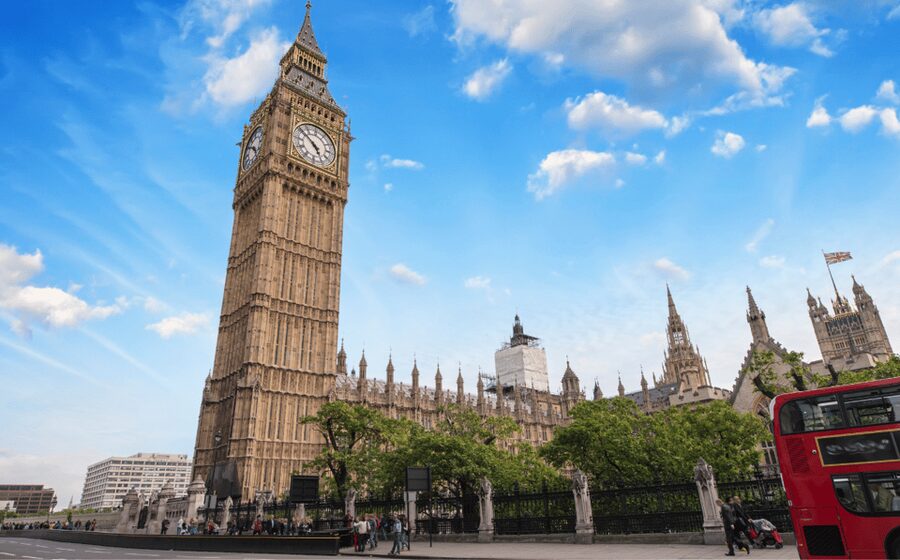
You’ll then visit St Margaret’s Church, the place where Winston Churchill married Clementine Hozier. This stop is short on the political drama and strong on personal context.
I like this because it reminds you Churchill wasn’t only a public figure. The tour’s approach turns a famous leader into a human being with relationships and life events, not only speeches and war rooms. That personal grounding makes the later Churchill-themed stops feel less like a propaganda route and more like a story about a man and his times.
If you’re the sort of traveler who loves “small places with big meaning,” this church stop is worth paying attention to.
Churchill’s favourite pub: the London-side of Churchill
Along the way you’ll pass Churchill’s favourite pub, and the tour uses it to talk about the man behind the leader and his love for London’s traditional drinking establishments.
I appreciate this stop because it gives you contrast. War London can feel like marble corridors and solemn monuments. A pub moment brings you back to everyday life in the same city—like remembering that even during serious times, people still had routines, comfort, and community.
One note: since it’s described as a stop along the route (not a ticketed interior visit), treat it as a “see and learn from outside/nearby” kind of moment rather than a guaranteed seat-and-meal situation.
Finishing at Churchill War Rooms (exterior only)
The walk finishes at the Churchill War Rooms, with exterior only included. The tour’s promise here is that you can build on what you learned during the walk at his strategic underground bunker.
This is a smart setup because it lets you decide what you want next. If you’re truly hooked, you can follow up with tickets to go inside and see more of the bunker context. If you’re more of a “walking tour first, museums later” traveler, the exterior still gives you a strong ending image and a clear direction.
Either way, you’ll leave with the tour’s big takeaway: Churchill’s leadership wasn’t abstract. It was physical, situated in rooms, buildings, and underground spaces that existed right where you’re standing.
Price and timing: what $18 gets you in real terms
At $18 per person for a 150-minute guided walk, the value mostly comes from time and interpretation, not ticket access. You’re getting a professional guide who connects a lot of major WWII-related locations into one coherent route, including Downing Street, the Ministry of Defence, HM Treasury, the Cenotaph, Women of World War II, St Margaret’s Church, and the Battle of Britain memorial—plus the Churchill statue and the War Rooms exterior.
The one thing to be clear-eyed about: Churchill War Rooms entry isn’t included. So if you’re the type who wants “inside the bunker” as the main event, you’ll likely want to plan separate tickets. Still, the walk sets you up well so that your paid time inside (if you choose it) makes sense.
Also, because the tour is time-limited, it’s best for travelers who enjoy a brisk but thoughtful pace. If you want slow, stop-everywhere freedom, you might find the schedule a bit tight.
What kind of travelers should book this?
This tour fits best if you want WWII history you can see with your own eyes. I think it’s especially good for:
- People who like guided narrative more than self-guided scrolling
- Travelers who want a mix of political power and public remembrance
- Anyone who wants Churchill beyond the headlines, including his marriage at St Margaret’s Church and his connection to London’s everyday life through the pub stop
It may not be the best fit if:
- You need wheelchair access or have mobility limitations (it’s stated as not suitable)
- You prefer a very structured, minute-by-minute script (there’s an indication the pacing can feel a bit unstructured to some people)
- You get tired easily from standing and walking in a city core
Final verdict: should you book this Churchill and WWII tour?
If you’re in London and you want a WWII-focused walk that connects leadership, decision-making, and remembrance in one loop, this is a good bet. The highlights—Downing Street, the Cenotaph, Women of World War II, and the Battle of Britain memorial—give you both the big-picture story and the more human context.
I’d book it if you’re happy to spend 2.5 hours outside, listen closely, and let a guide shape the way you see famous buildings. I’d skip or pair it differently if your top goal is interior access to the Churchill War Rooms.
FAQ
How long is the London Churchill and World War 2 walking tour?
The tour lasts 150 minutes.
Where does the tour start?
It starts at Embankment Station, at the Embankment Pier Exit.
How much does it cost?
It costs $18 per person.
What is included in the tour?
The guided walking tour includes stops and sightseeing at places such as Downing Street, the Ministry of Defence, the Cenotaph, Women of World War II memorial, HM Treasury, St Margaret’s Church, the Churchill War Rooms (exterior only), and other listed landmarks, with a professional tour guide.
Are tickets for Churchill War Rooms included?
No. Entrance tickets to the Churchill War Rooms are not included.
Is the tour suitable for wheelchair users or people with mobility impairments?
No. It is not suitable for people with mobility impairments or wheelchair users.
Are luggage or large bags allowed?
No. Luggage or large bags are not allowed.
Summary
A short, guided Churchill-and-WWII walk that blends government power sites, major memorials, and a couple of personal-life moments, ending at the War Rooms exterior with optional next steps.
More Tours in London
- From London: Harry Potter Warner Bros Studio Tour
★ 4.7 · 26,588 reviews - Magical London: Harry Potter Guided Walking Tour
★ 4.7 · 22,044 reviews - London: Warner Bros. Studio Harry Potter Tour & Branded Bus
★ 4.7 · 19,194 reviews - London Big Bus Hop-On Hop-Off Tour with Optional River Cruise
★ 3.5 · 10,803 reviews - London Small Group Tour of Historical Pubs
★ 5.0 · 10,422 reviews
More Tour Reviews in London
- From London: Harry Potter Warner Bros Studio Tour
★ 4.7 · 26,588 reviews - London: Westminster to Greenwich River Thames Cruise
★ 4.5 · 22,836 reviews - Magical London: Harry Potter Guided Walking Tour
★ 4.7 · 22,044 reviews - London: Madame Tussauds London
★ 4.6 · 20,915 reviews - London: Warner Bros. Studio Harry Potter Tour & Branded Bus
★ 4.7 · 19,194 reviews
More London Walks Worth the Shoe Leather
- Magical London: Harry Potter Guided Walking Tour
★ 4.7 · 22,044 reviews - London: The Original Jack the Ripper Walking Tour
★ 4.7 · 7,833 reviews - Tour for Muggles The Ultimate Harry Potter Walking Tour in London
★ 5.0 · 4,684 reviews - London Jack The Ripper Guided Walking Tour
★ 5.0 · 3,131 reviews - London: Harry Potter Movies Walking Tour (Kids Go Free)
★ 4.7 · 3,071 reviews
Just reviewed around London





London Walking Tours, compared.
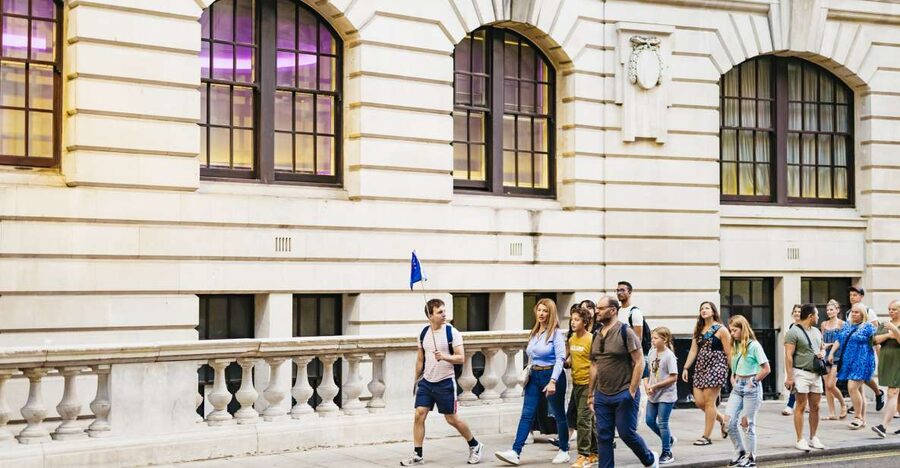 ★ 4.7Magical London: Harry Potter Guided Walking TourFrom $2022,044 reviews
 ★ 4.7The Original Jack the Ripper Walking TourFrom $257,833 reviews
 ★ 5.0Tour for Muggles The Ultimate Harry Potter Walking Tour in LondonFrom $234,684 reviews
 ★ 5.0London Jack The Ripper Guided Walking TourFrom $03,131 reviews
 ★ 4.7Harry Potter Movies Walking Tour (Kids Go Free)From $203,071 reviews
 ★ 5.0Changing of the Guard Guided Walking Tour in LondonFrom $251,793 reviews
 ★ 4.9The Great British Rock and Roll Music Walking TourFrom $361,783 reviews
 ★ 4.8Harry Potter Walking Tour in GermanFrom $201,505 reviews