
Reviewed · LONDON WALKING TOURS
London: Brutalist Architecture & History Walking Tour
Some buildings make you stop mid-stride. This 2.5-hour walk turns Central London into a living lesson on Brutalist architecture—the rough concrete style of the 60s and 70s—and why it still sparks strong opinions. I really like that it’s not just about shapes; you get a clear line from post-war rebuilding to the use of concrete and the politics around what happens to these buildings today. I also like the guide energy—Evan comes off both enthusiastic and genuinely personable, and he’s able to tune the pace to your group’s level. One possible drawback: if you’re a hardcore architecture history buff expecting zero disputed claims, keep an eye out for moments that may feel oversimplified.
If you can handle strong opinions in a single neighborhood, you’ll probably enjoy this. You’ll spend time outside iconic structures like the National Theatre and the Institute of Education, learning what they were meant to do socially—and what real-world forces pushed them into existence. Heads-up: the tour does not go inside buildings, and it’s not suitable for kids under 16 or for people with mobility impairments.
In This Review
- Key things I’d plan around
- Before you go: what this tour is really about
- Meeting point at Russell Square: a smart start for Central London
- Evan’s approach: passion, pace, and practical explanations
- Why Brutalism hit London after the war
- National Theatre: the most famous argument in concrete form
- Institute of Education: when function and ideals share the same walls
- The street-level story you might miss on your own
- Photo and timing tips that make this tour easier
- Price and value: why $47 can make sense
- Who this tour is for (and who should skip it)
- Should you book London: Brutalist Architecture & History Walking Tour?
- FAQ
- Where is the meeting point?
- How long is the London Brutalist Architecture walking tour?
- Is this mostly walking or does it include the tube?
- Are building interiors included?
- What’s included in the price?
- What should I bring?
- Is it suitable for kids or people with mobility impairments?
Key things I’d plan around

- Small group (max 6): you’re less likely to get lost in the crowd.
- Two big photo magnets: you’ll frame classic Brutalist angles of the National Theatre and the Institute of Education.
- Concrete explained as engineering, not just aesthetics: the guide connects material choices to modern building methods.
- Central London pacing: you’ll see landmarks across the core neighborhoods while staying walkable.
- Post-war forces, not just architecture talk: global events and rebuilding pressures are part of the story.
- No interiors: this is a street-level architecture tour—plan for exterior views only.
London on foot, a few more ways
- Magical London: Harry Potter Guided Walking Tour
★ 4.7 · 22,044 reviews - London: The Original Jack the Ripper Walking Tour
★ 4.7 · 7,833 reviews - Tour for Muggles The Ultimate Harry Potter Walking Tour in London
★ 5.0 · 4,684 reviews - London Jack The Ripper Guided Walking Tour
★ 5.0 · 3,131 reviews
Before you go: what this tour is really about
This isn’t a museum-style history lecture. It’s a walking tour built around one idea: Brutalism looks harsh, but it grew out of real needs, real budgets, and real political weather in Europe after WWII. You’ll be asked—out loud, by the guide, and by your own reaction—to decide whether you see rugged urban fortresses or bold public-minded design.
The style is easy to recognize and hard to ignore. That’s part of the fun. Some people feel energy from the raw surfaces and bold massing; others feel annoyed by the way concrete can read as heavy or cold. Either way, you’ll leave with better reasons for your reaction than just I like it or I don’t.
Duration matters here: at 2.5 hours, the pace is quick enough to cover key landmarks, but not so long that you’re cooked by the end. The small group also helps. With a limit of 6 participants, the guide can keep explanations clear and ask-and-answer moments from turning into a blur.
Meeting point at Russell Square: a smart start for Central London
You meet outside Russell Square Underground Station (Piccadilly Line). That’s a practical choice because it’s easy to reach, and it places you near the center of the city’s architectural “conversation.” When tours start at a major transit node, you’re more likely to arrive relaxed instead of power-walking from the other end of London.
From there, the route stays in central neighborhoods and builds toward the big photo stops. You’ll also use the tube once for a short journey, so make sure you have enough credit for Zone 1—this matters because the tour expects you to be able to hop on quickly and keep moving.
One note that affects your day: interiors of buildings are not visited. That means you’re not waiting around for security lines or tickets. But it also means you’ll want to bring the right mindset: this is about exterior form, texture, massing, and context.
Evan’s approach: passion, pace, and practical explanations
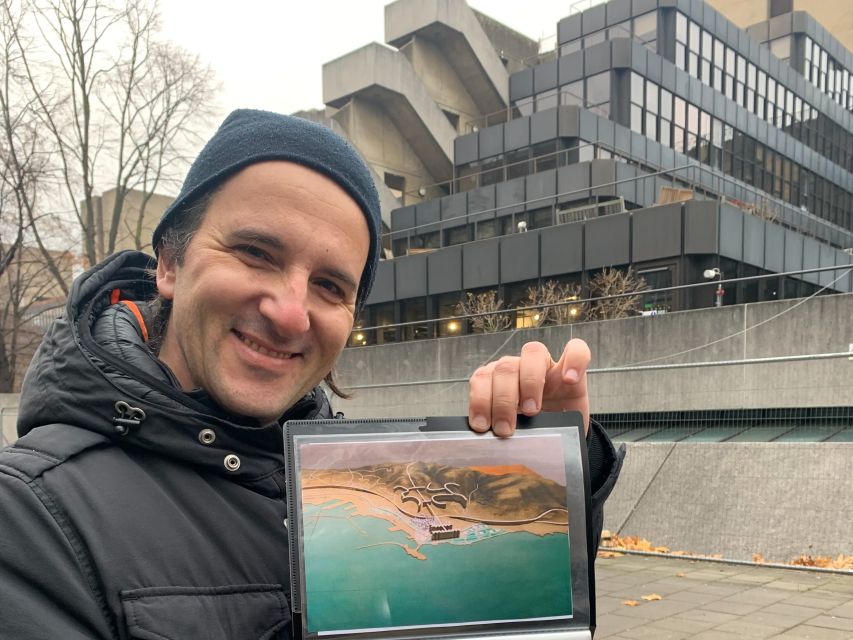
The standout in this experience is Evan. Over multiple bookings, his role keeps showing up in the same way: he’s enthusiastic, he explains clearly, and he stays personable instead of turning into a professor with slides. People also note he’s able to adapt what he says depending on who’s on the walk—so if you’re traveling with a parent, a friend who knows modernism, or someone who’s new to the topic, you’re less likely to feel talked over.
That adaptation is important in a tour like this because Brutalism is emotional. If the guide only covers dates and terminology, you’ll miss the point. When the explanation connects design choices to social and political needs, the buildings stop being just “ugly concrete” and start being “consequences made visible.”
I also like that the tone stays informal even when the content gets serious. You’re outdoors, moving, and reacting in real time—so a guide who can keep the conversation going matters as much as the facts.
A fair consideration: one booking flagged a couple of points where the claims didn’t fully match deeper architectural history. If you’re the kind of person who fact-checks everything (and I admire you for it), you may notice occasional simplifications. For most people, that won’t ruin the experience—it’s still an engaging, street-level education.
Still deciding? A handful more London outings we rated
Why Brutalism hit London after the war
Brutalism in London didn’t appear in a vacuum. The tour frames it as part of the post-war push to rebuild, modernize, and show that the future could be made with new tools and new materials. You’ll hear how global events shaped the context, and how London’s redevelopment choices were influenced by wider pressures, not just local taste.
The key theme is concrete. You’ll learn about its engineering logic—how it became a practical modern solution—and not just the look of it. That changes how you see the buildings. When you understand that the material choice connects to construction methods and structural decisions, the “roughness” starts to read as a design language rather than a mistake.
This is where the tour earns its time. It helps you connect architecture to society: who buildings were meant for, what governments hoped they’d do, and what communities thought once the buildings were delivered into real neighborhoods.
National Theatre: the most famous argument in concrete form
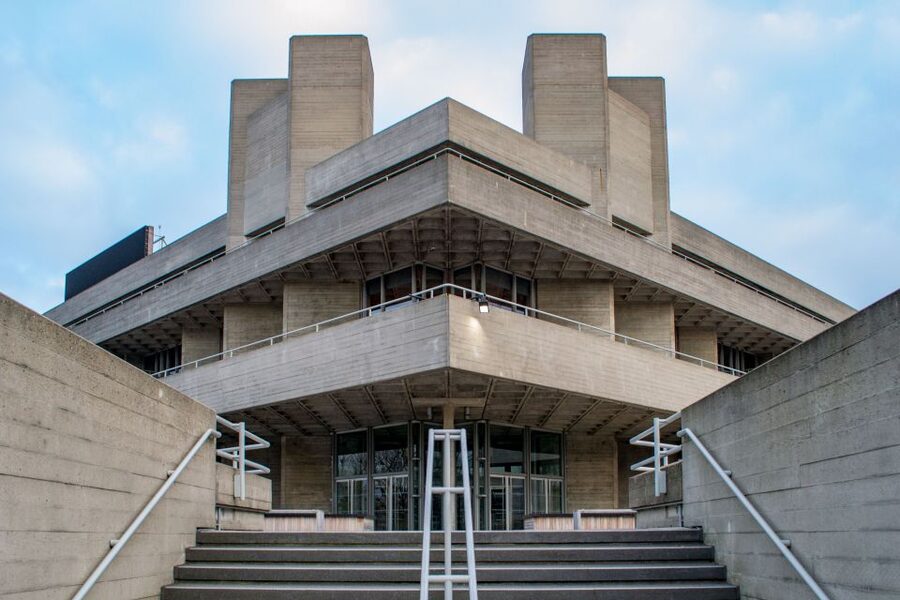
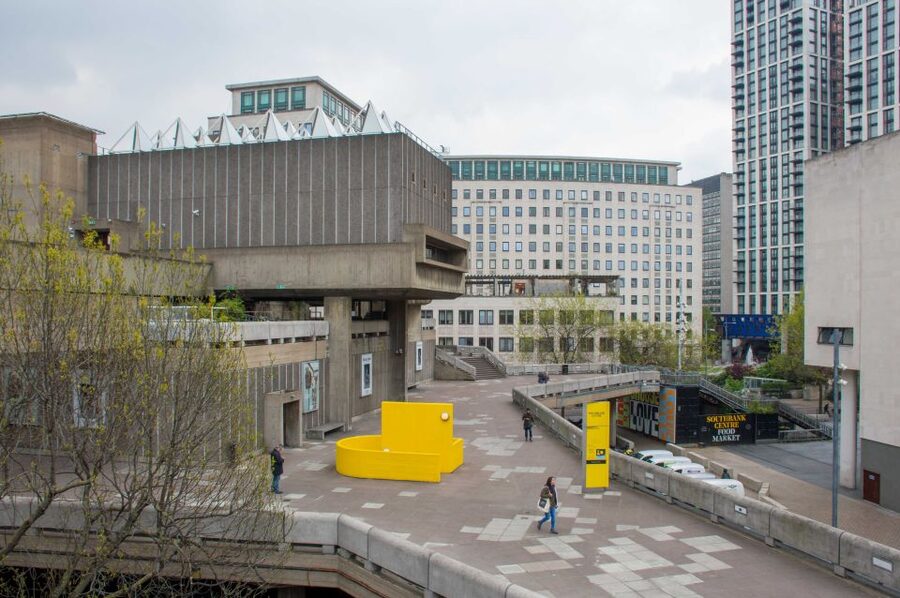
The National Theatre is one of the headline stops, and it’s easy to see why. It’s instantly recognizable, and it’s the kind of building people either praise as dramatic modernism or critique as cold and imposing. The tour uses that split reaction as a teaching tool.
You’ll learn what the building was tied to socially and culturally—why monumental modern architecture was seen as a way to project identity after the war. And you’ll also get the other half of the story: Brutalism didn’t land gently. Reception, rejection, and later recognition as worth protecting all come up in the tour’s framing.
Photo-wise, you’re in good shape. You’re outdoors with a guide who knows how to get you thinking about angles and how the form reads at street level. If you like architectural photography, you’ll probably come away with shots that show the building as both sculpture and urban machine.
Remember: you won’t go inside. That’s not a deal-breaker here, because the point is exterior massing and public presence.
Institute of Education: when function and ideals share the same walls

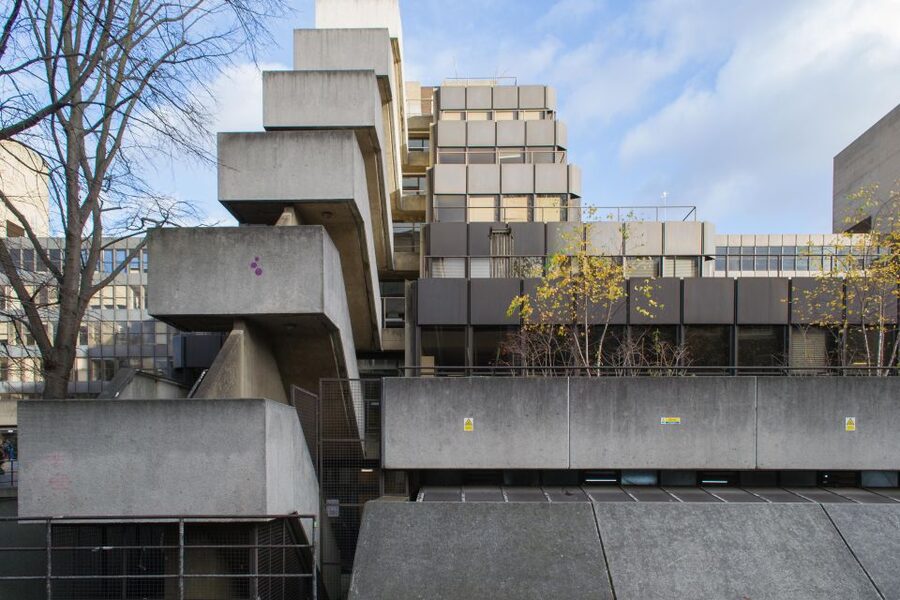
Another major landmark is the Institute of Education. If the National Theatre shows Brutalism at its dramatic, symbolic height, this stop helps show the style’s other side: education, training, and the modern belief that institutions could shape the future.
The tour connects these buildings to the post-war atmosphere—plans for rebuilding, modernization, and the push toward institutional futures. You’ll hear about modernist monumental architecture and its cultural, social, and environmental impact, which is a useful way to stop viewing Brutalism as only an aesthetic choice.
Also, you’ll start to notice a pattern: the same brutal material can read different depending on how a building is used and maintained. That’s why the tour spends time on the ongoing tensions around these structures. Local authorities, preservation societies, and residents all have stakes—so the “what now?” conversation is part of the experience, not an afterthought.
The street-level story you might miss on your own
London has famous architecture you can walk past and still feel like you didn’t really see it. This tour flips that. By the time you reach each stop, you have a framework: concrete as engineering, modernism as a post-war strategy, and Brutalism as something shaped by real events and real debates.
A big value here is the way the tour handles the subject’s emotional side. Brutalism is often treated like a joke (for the people who hate it) or a badge of taste (for the people who love it). This experience pushes you toward a third mode: understanding why these buildings were built, how they were received, and what still makes them complicated today.
And because it’s a walk with a guide who keeps things moving, you’re not stuck staring at a single façade for too long. You get multiple viewpoints, plus the connective tissue that explains what you’re looking at.
Photo and timing tips that make this tour easier
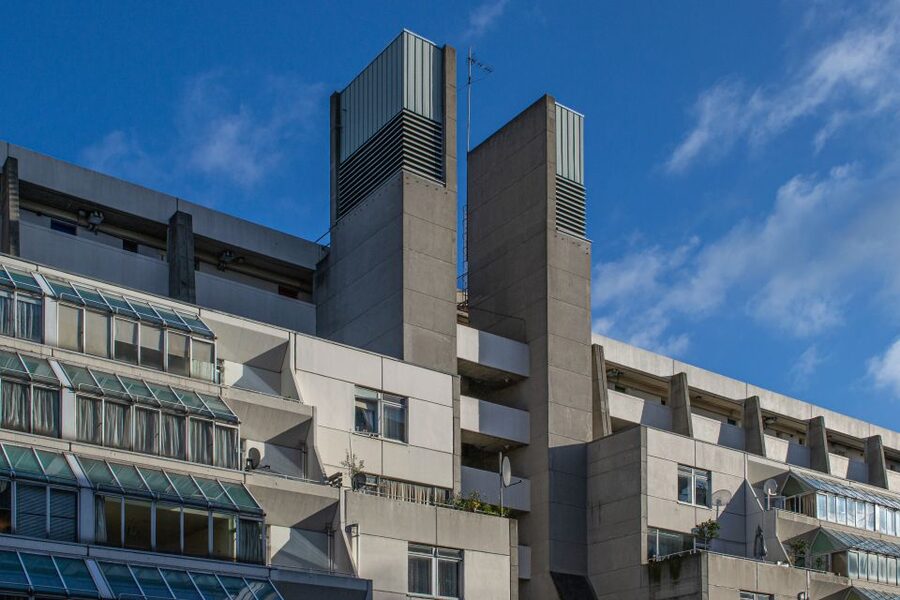
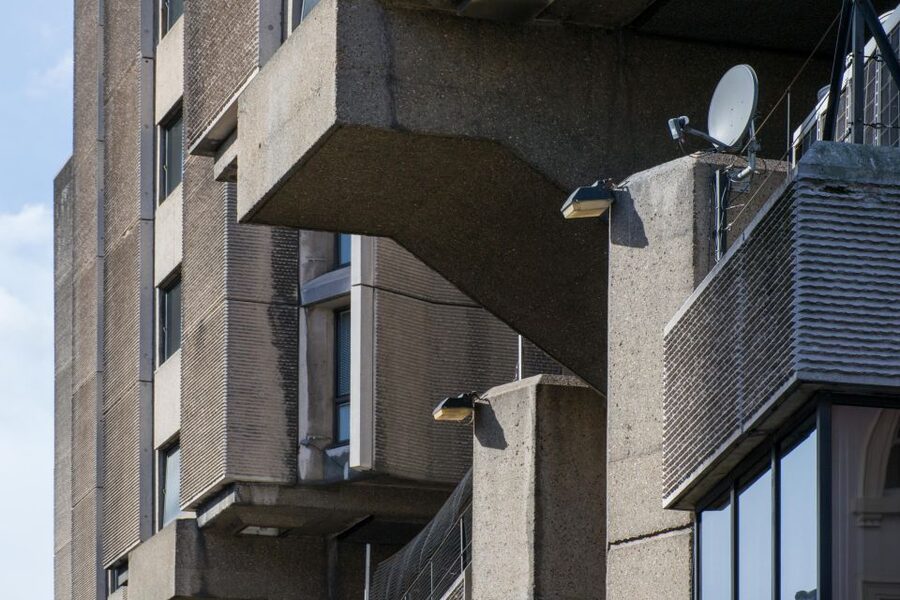
You’ll want your camera ready, but also your eyes. Brutalist buildings often reward patience: the surfaces, shadows, and geometric breaks shift as you move a few steps left or right. You’ll get your best learning when you treat photos as a reason to look closer, not just a reason to snap quickly.
Wear shoes you’re happy to walk in for 2.5 hours. Even if the tour feels brisk, you’re outdoors in Central London, and the route includes time on foot plus one tube leg. Also watch the weather. The tour may be postponed or canceled if conditions are unfavorable, so check closer to departure.
And if you’re aiming for sharp pictures: plan to stay flexible. The guide’s explanation helps you pick vantage points, but the final “best spot” can depend on street traffic, angle, and the day’s light.
Price and value: why $47 can make sense
At $47 per person for a 2.5-hour small-group walk, this lands in the practical zone for London tours. The value comes less from “how many sites” and more from how focused the storytelling is. You’re paying for a guide who can connect material, politics, and design choices into a coherent thread while keeping the walk moving.
The small group size (max 6) matters here too. In a city full of crowded tours, a limit like that can be the difference between getting a real explanation and just hearing fragments over someone else’s conversation.
Also, the rating is very high: 4.8 from 42 reviews. I don’t treat ratings as gospel, but the pattern is consistent with what you want in a niche architecture topic: an enthusiastic guide who stays human, not robotic, and who keeps the group engaged.
One more value point: the tour includes the guided walk, but doesn’t include public transportation costs. Since you only take the tube once for a short journey, the extra cost is usually manageable, as long as you plan ahead for the Zone 1 trip credit.
Who this tour is for (and who should skip it)
This works best if you enjoy architecture, urban planning, or design arguments that don’t end in a simple yes or no. You’ll probably love it most if you’re curious about why buildings look the way they do—and how history pushes design choices into place.
It’s also a good fit if you like guided context. You’ll get the social, political, and economic circumstances behind major works like the National Theatre, rather than just a set of exterior facts.
It’s not suitable for children under 16 and it isn’t for people with mobility impairments. That’s not a judgment about the tour—it’s just how the walking and street conditions work.
If you hate being outside in bad weather, remember the route can be postponed or canceled. If you love strolling but need lots of indoor breaks, you might prefer a different style of architecture tour that includes stops you can duck into.
Should you book London: Brutalist Architecture & History Walking Tour?
If you’re excited by strong-looking buildings, want a better explanation for why Brutalism exists, and you like guided walks where the guide actually connects the dots, I think this is a smart booking. Evan’s energy and adaptability come through in the experience, and the landmarks—especially the National Theatre and the Institute of Education—are worth seeing through a concrete-and-context lens.
Book it if you want a walking tour with clear themes: post-war forces, concrete engineering, and the real debate around what to do with these buildings now. Skip it if you need inside access, need child-friendly pacing, or can’t manage a walking-based route.
FAQ
Where is the meeting point?
You meet outside Russell Square Underground Station (Piccadilly Line).
How long is the London Brutalist Architecture walking tour?
The tour lasts 2.5 hours.
Is this mostly walking or does it include the tube?
It’s a walking tour, but it uses the tube once for a short journey. You should have enough credit for one trip within Zone 1.
Are building interiors included?
No. The tour is exterior only—you do not visit the interiors of buildings.
What’s included in the price?
The price includes the walking tour and a live guide.
What should I bring?
Bring a public transport ticket.
Is it suitable for kids or people with mobility impairments?
No. It’s not suitable for children under 16 and not suitable for people with mobility impairments.
More Tours in London
- From London: Harry Potter Warner Bros Studio Tour
★ 4.7 · 26,588 reviews - Magical London: Harry Potter Guided Walking Tour
★ 4.7 · 22,044 reviews - London: Warner Bros. Studio Harry Potter Tour & Branded Bus
★ 4.7 · 19,194 reviews - London Big Bus Hop-On Hop-Off Tour with Optional River Cruise
★ 3.5 · 10,803 reviews - London Small Group Tour of Historical Pubs
★ 5.0 · 10,422 reviews
More Tour Reviews in London
- From London: Harry Potter Warner Bros Studio Tour
★ 4.7 · 26,588 reviews - London: Westminster to Greenwich River Thames Cruise
★ 4.5 · 22,836 reviews - Magical London: Harry Potter Guided Walking Tour
★ 4.7 · 22,044 reviews - London: Madame Tussauds London
★ 4.6 · 20,915 reviews - London: Warner Bros. Studio Harry Potter Tour & Branded Bus
★ 4.7 · 19,194 reviews
More London Walks Worth the Shoe Leather
- Magical London: Harry Potter Guided Walking Tour
★ 4.7 · 22,044 reviews - London: The Original Jack the Ripper Walking Tour
★ 4.7 · 7,833 reviews - Tour for Muggles The Ultimate Harry Potter Walking Tour in London
★ 5.0 · 4,684 reviews - London Jack The Ripper Guided Walking Tour
★ 5.0 · 3,131 reviews - London: Harry Potter Movies Walking Tour (Kids Go Free)
★ 4.7 · 3,071 reviews
Just reviewed around London





London Walking Tours, compared.
 ★ 4.7Magical London: Harry Potter Guided Walking TourFrom $2022,044 reviews
 ★ 4.7The Original Jack the Ripper Walking TourFrom $257,833 reviews
 ★ 5.0Tour for Muggles The Ultimate Harry Potter Walking Tour in LondonFrom $234,684 reviews
 ★ 5.0London Jack The Ripper Guided Walking TourFrom $03,131 reviews
 ★ 4.7Harry Potter Movies Walking Tour (Kids Go Free)From $203,071 reviews
 ★ 5.0Changing of the Guard Guided Walking Tour in LondonFrom $251,793 reviews
 ★ 4.9The Great British Rock and Roll Music Walking TourFrom $361,783 reviews
 ★ 4.8Harry Potter Walking Tour in GermanFrom $201,505 reviews
Browse the lists this tour appears in