
Reviewed · LONDON WALKING TOURS
London Blitz Walking Tour: Explore City of London Wartime History
Bombed London, told by foot. This small-group walk connects wartime landmarks in the City of London with the human stories behind them, from St. Paul’s to the Tower. I like that the tour is paced for real conversation, and I’ve seen guides like Francis and Babs praised for making the past feel local and clear.
Second, I love the mix of famous sites and quieter survivors: Greyfriars’ garden ruins and the calm set of St Dunstan-in-the-East. One thing to consider: key stops are outside only, and admission extras aren’t included for places like St. Paul’s Cathedral and the Tower of London.
In This Review
- Key Highlights You’ll Notice Right Away
- Why the City of London Blitz Story Works on Foot
- The Pace, Group Size, and Starting Point That Make It Feel Manageable
- St Paul’s Cathedral: When a Landmark Became a Beacon
- Greyfriars Church Garden: Ruins That Quietly Remember
- Bank Tube Station on Jan 10, 1941: A Civilians-Only Kind of Horror
- St Dunstan-in-the-East: The Garden Ruins That Explain London’s Healing
- All Hallows by the Tower: Refuge, Survival, and a Rare Sense of Continuity
- Tower of London and Josef Jakobs: Espionage Adds Another Layer
- Guides Who Bring the Details Down to Human Scale
- Price and What $38.83 Buys in 90 Minutes
- What to Wear and How to Get the Most Out of the Walk
- Should You Book This London Blitz Walking Tour?
- FAQ
- How long is the London Blitz walking tour?
- What is the price per person?
- Where do I meet, and when does it start?
- How many people are in the group?
- Is the tour offered in English, and do I get a ticket?
- Are admission tickets included for St. Paul’s Cathedral and the Tower of London?
- Can I cancel and get a full refund?
Key Highlights You’ll Notice Right Away
- Small group (max 20) keeps the walk lively and lets you ask questions without feeling rushed
- St. Paul’s Cathedral is treated as a wartime symbol, not just a photo spot
- Bank Station, Jan 10, 1941 focuses on what happened to civilians sheltering underground
- Ruined churches turned memorial gardens at Greyfriars and St Dunstan-in-the-East show how London healed
- All Hallows by the Tower adds a refuge story from a church that endured the raids
- Josef Jakobs at the Tower ties the Blitz era to the spy-and-intelligence side of WWII
London on foot, a few more ways
- Magical London: Harry Potter Guided Walking Tour
★ 4.7 · 22,044 reviews - London: The Original Jack the Ripper Walking Tour
★ 4.7 · 7,833 reviews - Tour for Muggles The Ultimate Harry Potter Walking Tour in London
★ 5.0 · 4,684 reviews - London Jack The Ripper Guided Walking Tour
★ 5.0 · 3,131 reviews
Why the City of London Blitz Story Works on Foot
This tour makes WWII feel less like a headline and more like a lived-in map. In the City of London, the air-raid story isn’t just about destruction. It’s also about what people did next: protect landmarks, rescue neighbors, bury the dead, and keep going the next morning.
I like that you walk between strong contrasts. You start in the shadow of one of London’s best-known icons, then you move into smaller spaces where the war still shows—quiet stones, memorial gardens, and places people used as refuge. Even if you’ve read a bit about the Blitz, the route helps you connect the dots to specific locations.
And because it’s a short, focused walk (about 90 minutes), it’s a good fit if you want meaning without spending half a day on history.
The Pace, Group Size, and Starting Point That Make It Feel Manageable
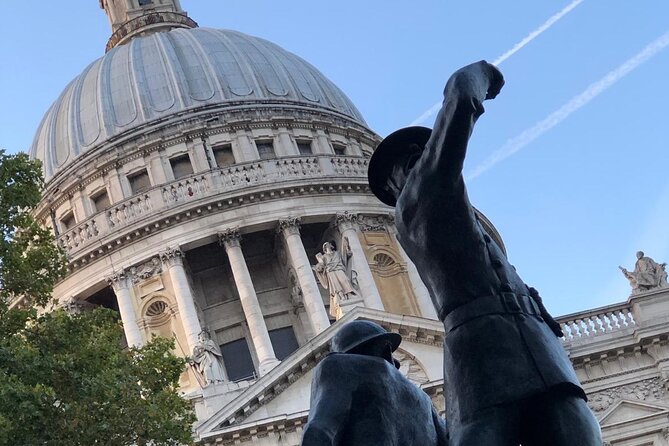
You meet at the National Firefighters Memorial in Carter Ln, Peter’s Hill (EC4V 5EY) at 9:45 am, and the tour returns to that same spot. The meeting point is central and easy to find once you use it as your anchor.
The group is capped at 20 people, which matters more than it sounds. In a tight city like this, too-large groups can turn a meaningful walk into a shuffle. Here, you’re more likely to actually hear the guide and not just follow everyone else’s pace.
You should plan for moderate walking and some time standing at sites. If your legs are fine for a busy hour and a half in the City, you’ll be comfortable. If you prefer long seated breaks, you might find the rhythm a bit steady.
St Paul’s Cathedral: When a Landmark Became a Beacon
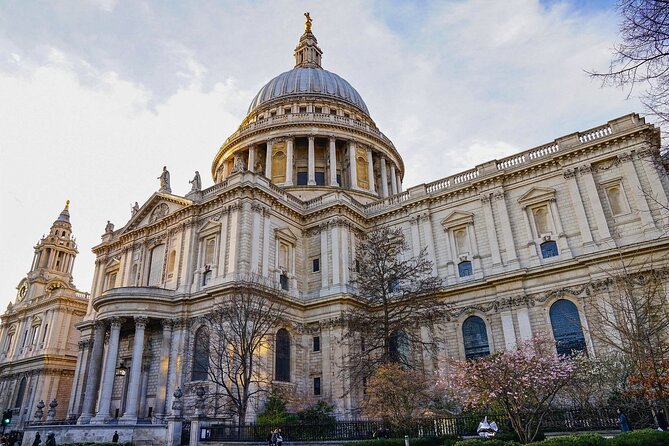
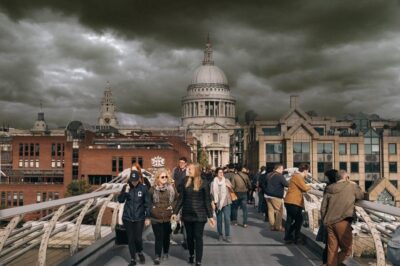
St. Paul’s Cathedral sets the tone in a big way. You’re not just looking at a famous building. You’re hearing how it became a symbol of defiance during the Blitz, even after direct hits from bombers.
What I think makes this stop work is the guide framing. St. Paul’s isn’t treated as a distant monument. You learn about the bravery of the firemen who pushed to protect it, and you understand why the cathedral’s survival mattered emotionally for Londoners. When something that large and public keeps standing, it gives people a mental reference point: we’re still here.
You’ll likely spend about 15 minutes at this stop. Admission to St. Paul’s Cathedral is not included, so if you want to go inside, you should plan for an extra step and possible extra cost. If you’re mainly there for the Blitz story tied to the building itself, the outside views and narration can be enough.
Still deciding? A handful more London outings we rated
Greyfriars Church Garden: Ruins That Quietly Remember
Next comes Christchurch Greyfriars Church Garden, where you see the ruins of a church destroyed during the Blitz. Instead of a demolition site vibe, this is a peaceful garden today, and that difference is the whole point.
This stop helps you feel the long tail of war. The explosion happened once, but the impact stayed in the landscape. The remnants are preserved as a reminder of what was lost, and the garden setting changes the mood from shock to reflection.
You’ll get around 15 minutes here, and admission is free. The practical upside: this is one of the calmer stops in the route, so it’s a nice moment to slow down, absorb what you’re hearing, and take photos that don’t feel like you’re rushing for a skyline shot.
Bank Tube Station on Jan 10, 1941: A Civilians-Only Kind of Horror
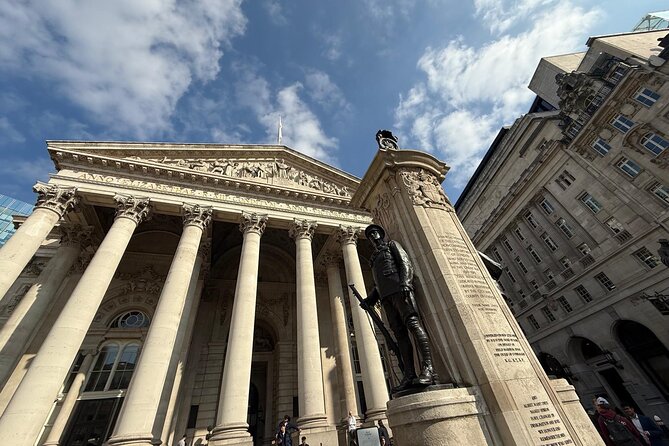
Bank Station is where the tour turns heavy. You go to the area connected to the bombing on January 10, 1941, when the station was used as an air-raid shelter and was directly hit. The story includes the fact that many civilians seeking refuge underground were killed, including workers who went down to avoid the nightly bombings.
This stop is valuable because it shifts focus from military targets to the daily reality of civilians trying to stay safe. The Blitz wasn’t just about raids happening overhead. It was also about the terrible gamble people took: where to hide, and whether that hiding place would actually hold.
This is an outdoor walking stop with no ticket needed. Still, it’s the kind of place where you’ll probably want a moment to listen carefully. The guide’s job here is crucial: connecting the event to the present-day streets so the location feels real, not abstract.
St Dunstan-in-the-East: The Garden Ruins That Explain London’s Healing
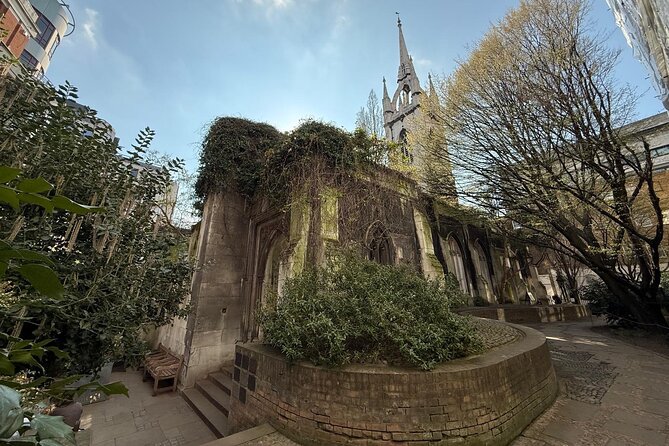
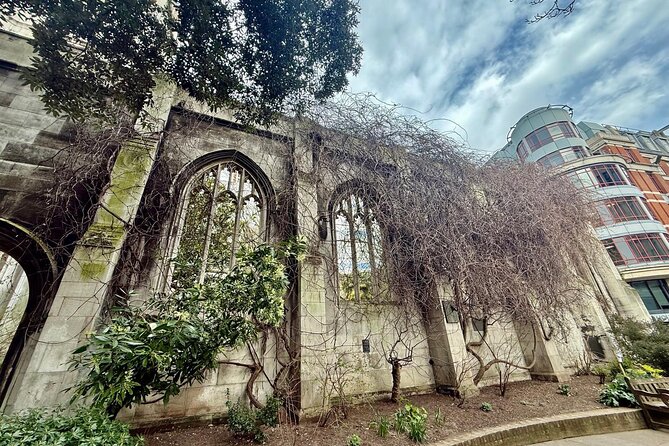
St. Dunstan-in-the-East is one of those stops where the City’s recovery story is visible without needing a speech. A church severely damaged in 1941 remains as ruins, and those ruins have been turned into a tranquil garden.
What makes this especially meaningful is how it connects rebuilding to memory. You’re not being asked to ignore destruction. You’re being shown how London let space for reflection while still moving forward.
This stop stays at about 15 minutes, and it’s free. It’s also a good contrast after the intensity at Bank. If Bank is about fear and loss, St Dunstan-in-the-East is about survival in the day-to-day sense: the City continuing to live, and communities choosing to honor what happened rather than erase it.
All Hallows by the Tower: Refuge, Survival, and a Rare Sense of Continuity
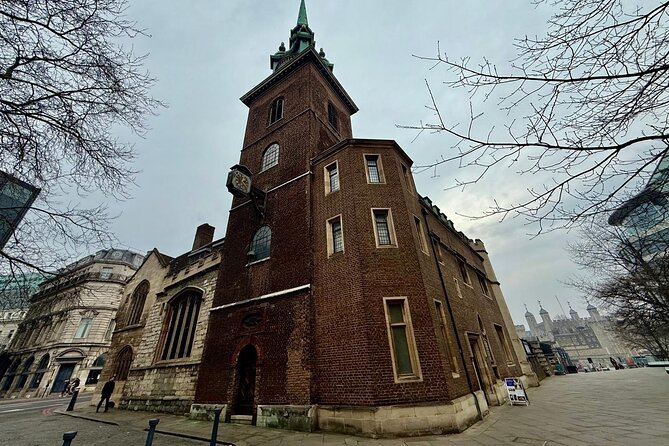
Then you reach All Hallows by the Tower, one of London’s oldest churches. You hear how it miraculously survived the Blitz, and how it served as a place of refuge during air raids.
I like that the tour uses this stop to show how people coped. “Survival” here isn’t just the building standing. It’s the idea that familiar places became shelter, and faith communities offered physical and emotional space when people were scared.
You’ll spend around 15 minutes and there’s no admission charge for this stop. Since it’s a church setting turned refuge story, it can be a good moment to reset your emotions before the final stop at the Tower.
Tower of London and Josef Jakobs: Espionage Adds Another Layer

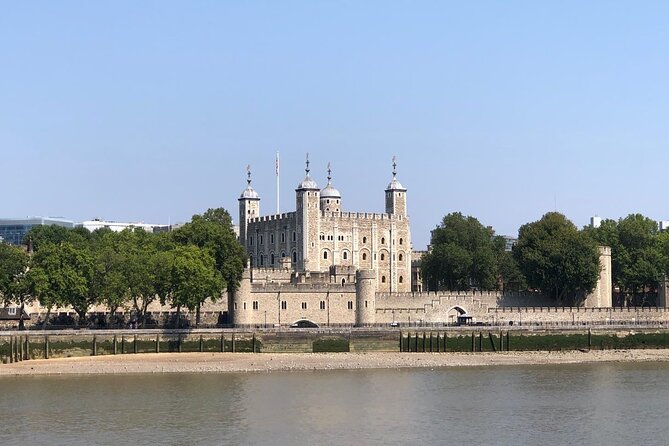
The final part brings you to the Tower of London, and the guide’s story focuses on Josef Jakobs, the last person executed at the Tower. He was a German spy who parachuted into Britain in 1941, was arrested, and executed by firing squad. His case became one of the most infamous espionage incidents of WWII.
This stop matters because it widens the Blitz lens. When you hear the word Blitz, it’s easy to think only about bombers and smoke. Here, the narrative also includes intelligence and the threat of enemy agents. The Tower becomes more than architecture; it becomes part of the wartime machinery.
Admission to the Tower is not included, so plan for extra cost if you want to enter. Even if you stay outside and focus on the story, this is a strong closer because it reframes the war as a whole system: air attacks, civilian fear, and intelligence work happening at the same time.
Guides Who Bring the Details Down to Human Scale
The tour’s biggest advantage is the way the guide storytelling lands. One guide named Francis is described as passionate and great at explaining what you’d otherwise miss, and another named Babs is noted for being engaging and really into the stories. Nathan is singled out for using a photo book to make narration feel more grounded, and for adjusting pacing so the walk fits the group.
That photo element is more useful than it sounds. In the City, the war is invisible in most places. A few good images help your brain connect current stone and street corners to what happened there.
If you like history that explains people, not just dates, this tour format tends to work well. And if your brain needs proof, the guide’s visuals can help you follow the plot.
Price and What $38.83 Buys in 90 Minutes
At $38.83 per person, you’re paying for a guided small-group walk with an English-speaking local expert. In this part of London, guided history often costs more, especially when it’s in central areas. Here, the structure is tight: about 1 hour 30 minutes, multiple stops, and a narrative that moves you through the Blitz era without making you wait around.
You’re not paying for food, and you’re not getting hotel pickup. That keeps the price focused on the experience itself. The one place where extra cost can appear is admission at select iconic stops, since St. Paul’s Cathedral and the Tower of London are not included.
If you want pure value, plan your day so you can enjoy the narration at each stop without feeling pressured to add paid tickets on top. Think of those optional admissions as a bonus for the portions you care about most.
What to Wear and How to Get the Most Out of the Walk
This is a walking tour, so dress for City weather and pavement. Even in mild months, London sidewalks can be damp and busy. Comfortable shoes matter more than looking sharp.
You’ll get the most out of it if you come ready to listen. Keep your phone handy for quick maps, but don’t turn every stop into a solo research project mid-walk. Let the guide connect the location to the story first.
And since it’s about wartime history, you might want to take a breath at the heavier points like Bank. It’s okay if your brain needs time to process. That’s part of the experience.
Should You Book This London Blitz Walking Tour?
I’d book it if you want WWII and Blitz history in a way that’s specific, local, and easy to fit into a shorter schedule. The small group size, the City of London focus, and the mix of big landmarks with quieter ruins are exactly what make it more than a generic overview.
I would double-check if you’re hoping for lots of indoor time or included admissions. St. Paul’s and the Tower have extra tickets. Most of what makes the walk powerful happens in the street view, in ruins, and in memorial spaces, so the narration does the heavy lifting.
If you’re someone who likes history explained through real places—especially places where Londoners once sought refuge—this one is a strong choice.
FAQ
How long is the London Blitz walking tour?
It runs for about 1 hour 30 minutes.
What is the price per person?
The tour costs $38.83 per person.
Where do I meet, and when does it start?
You meet at the National Firefighters Memorial on Carter Ln, Peter’s Hill (EC4V 5EY), and the start time is 9:45 am. The tour ends back at the meeting point.
How many people are in the group?
The tour has a maximum of 20 travelers.
Is the tour offered in English, and do I get a ticket?
Yes, it’s offered in English, and you receive a mobile ticket.
Are admission tickets included for St. Paul’s Cathedral and the Tower of London?
No. Admission to St. Paul’s Cathedral and the Tower of London is not included.
Can I cancel and get a full refund?
Yes. You can cancel up to 24 hours in advance for a full refund.
More Tours in London
- From London: Harry Potter Warner Bros Studio Tour
★ 4.7 · 26,588 reviews - Magical London: Harry Potter Guided Walking Tour
★ 4.7 · 22,044 reviews - London: Warner Bros. Studio Harry Potter Tour & Branded Bus
★ 4.7 · 19,194 reviews - London Big Bus Hop-On Hop-Off Tour with Optional River Cruise
★ 3.5 · 10,803 reviews - London Small Group Tour of Historical Pubs
★ 5.0 · 10,422 reviews
More Tour Reviews in London
- From London: Harry Potter Warner Bros Studio Tour
★ 4.7 · 26,588 reviews - London: Westminster to Greenwich River Thames Cruise
★ 4.5 · 22,836 reviews - Magical London: Harry Potter Guided Walking Tour
★ 4.7 · 22,044 reviews - London: Madame Tussauds London
★ 4.6 · 20,915 reviews - London: Warner Bros. Studio Harry Potter Tour & Branded Bus
★ 4.7 · 19,194 reviews
More London Walks Worth the Shoe Leather
- Magical London: Harry Potter Guided Walking Tour
★ 4.7 · 22,044 reviews - London: The Original Jack the Ripper Walking Tour
★ 4.7 · 7,833 reviews - Tour for Muggles The Ultimate Harry Potter Walking Tour in London
★ 5.0 · 4,684 reviews - London Jack The Ripper Guided Walking Tour
★ 5.0 · 3,131 reviews - London: Harry Potter Movies Walking Tour (Kids Go Free)
★ 4.7 · 3,071 reviews
Just reviewed around London





London Walking Tours, compared.
 ★ 4.7Magical London: Harry Potter Guided Walking TourFrom $2022,044 reviews
 ★ 4.7The Original Jack the Ripper Walking TourFrom $257,833 reviews
 ★ 5.0Tour for Muggles The Ultimate Harry Potter Walking Tour in LondonFrom $234,684 reviews
 ★ 5.0London Jack The Ripper Guided Walking TourFrom $03,131 reviews
 ★ 4.7Harry Potter Movies Walking Tour (Kids Go Free)From $203,071 reviews
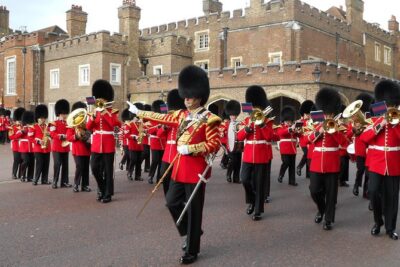 ★ 5.0Changing of the Guard Guided Walking Tour in LondonFrom $251,793 reviews
 ★ 4.9The Great British Rock and Roll Music Walking TourFrom $361,783 reviews
 ★ 4.8Harry Potter Walking Tour in GermanFrom $201,505 reviews
Browse the lists this tour appears in