
Reviewed · TOURS
London: Architecture Tour of Benjamin Franklin House
Benjamin Franklin’s London home still stands. I love that this is the only remaining house where Franklin lived in London, and I love how the building’s Grade I details shape every stop on the tour. One thing to consider: it’s a five-storey townhouse with uneven, sloping floors and stairs, so it’s not an easy walk for anyone with mobility issues.
This is a tight, hour-long guided route that connects Franklin the person to the architecture around him, from the Georgian-era kitchen to the rooms he rented for 16 years. Guides include people like volunteer Ron and Brian, and they tend to bring Franklin’s quirky side to life. If you want a low-effort way to get real context for what you’re seeing, this works well.
In This Review
- Key points I’d plan around
- Benjamin Franklin’s London Address: Why This House Matters
- Your One-Hour Plan Inside: How the Tour Flows
- Craven Street Check-In: Finding the Door and Getting Oriented Fast
- Entering from the 1730s to Today: Conservation You Can Feel
- The Georgian Kitchen Stop: Food, London, and Franklin’s Views
- Upstairs to Margaret Stevenson’s Parlour: Power, Hosting, and Relationships
- Franklin’s 16-Year Floor: Experiments, Politics, and His Personality
- Craven Street Bones and Surgeon Hewson’s Anatomy School
- Glass Armonica Room: Try Franklin’s Instrument
- Practical Notes: Rules, Stairs, Seating, and Restrooms
- Stairs and space
- What’s not allowed
- Dogs and carers
- Price and Value: Is It Worth $16?
- Who Should Book This Tour (and Who Might Skip It)
- Should You Book the Benjamin Franklin House Architecture Tour?
- FAQ
- How long is the Benjamin Franklin House Architecture Tour?
- What is included in the $16 price?
- Is the tour guided and in English?
- Where do I meet for the tour?
- Is wheelchair access available?
- Are photos allowed?
- Can children under 12 enter for free?
Key points I’d plan around
- Only remaining Franklin home in London, tied to his 16-year stay
- Grade I listed Georgian and Victorian features you can spot room by room
- Georgian kitchen moments, including Franklin’s take on London food
- Margaret Stevenson’s parlour, where Franklin hosted and discussed current affairs
- Glass Armonica Room, with a chance to try the instrument
- Craven Street Bones and surgeon Hewson’s Anatomy school add an unexpected angle
Not sure yet? See how a few of London's most-booked trips stack up:
- From London: Harry Potter Warner Bros Studio Tour
★ 4.7 · 26,588 reviews - London: Westminster to Greenwich River Thames Cruise
★ 4.5 · 22,836 reviews - Magical London: Harry Potter Guided Walking Tour
★ 4.7 · 22,044 reviews - London: Madame Tussauds London
★ 4.6 · 20,915 reviews
Benjamin Franklin’s London Address: Why This House Matters
Start with the simple hook: this townhouse is the only surviving home of Benjamin Franklin in London. He lived here for 16 years, and the tour uses that fact as the spine for everything else. Instead of treating Franklin as a statue in a schoolbook, you get him as a working, thinking guy inside a real building.
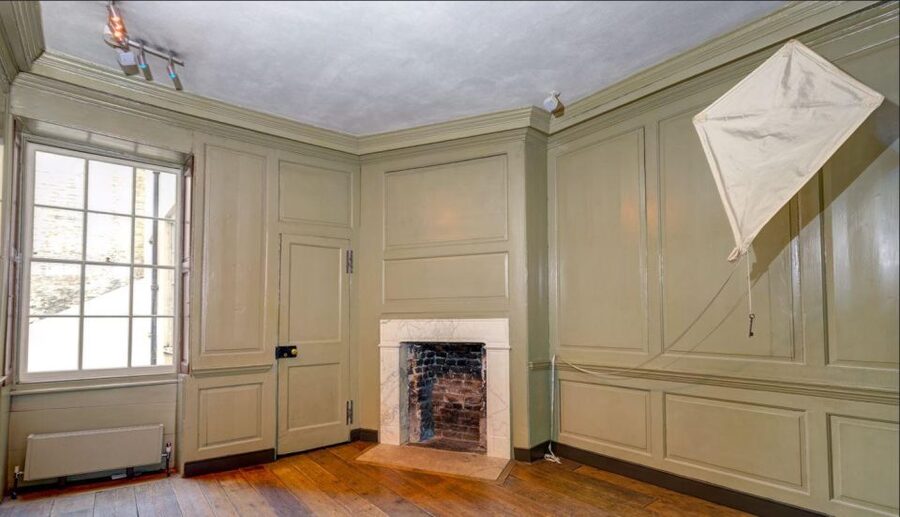
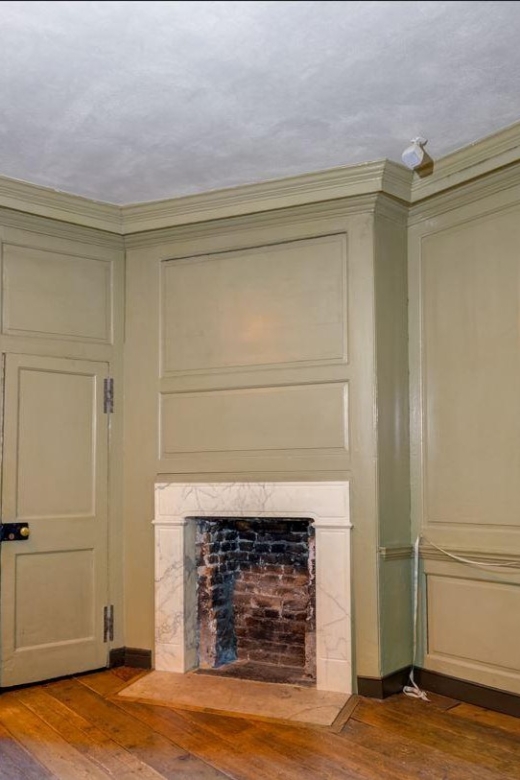
The house itself matters, too. It’s Grade I listed, which is the top level of protection for buildings of exceptional interest. That shows in the mix of Georgian and Victorian features you’ll see as you move through the rooms. And the story doesn’t freeze in the 1700s. The conservation work that restored it helped the house open to visitors in 2006, so you’re seeing both history and preservation in action.
If you’re the type who likes figuring out how buildings shape people’s lives, you’ll appreciate the way this place is laid out. Franklin’s rooms weren’t designed for modern comfort. The tour leans into that. The sloping floors, the staircase layout between each floor, and the stop-and-start movement around rooms are part of the experience, not an inconvenience the guide ignores.
Your One-Hour Plan Inside: How the Tour Flows
The tour runs about an hour, and it stays focused. You’re not stuck in a long lecture. The guide moves you through the building and stitches together two threads:
1) the architecture’s timeline, from the house period in the 1730s up through the modern conservation project
2) Franklin’s London life—why he came, who he met, and what he did while living here
You’ll also get time for questions at the end, and photos are welcome and encouraged. Just keep in mind the house rules about flash photography (more on that later).
One practical note: because it’s a five-storey townhouse and the floors and stairs can be uneven and sloping, the “one hour” is more like one hour that asks you to pay attention to your footing. I’d call this an easy pace in time, but not an easy pace physically.
Craven Street Check-In: Finding the Door and Getting Oriented Fast
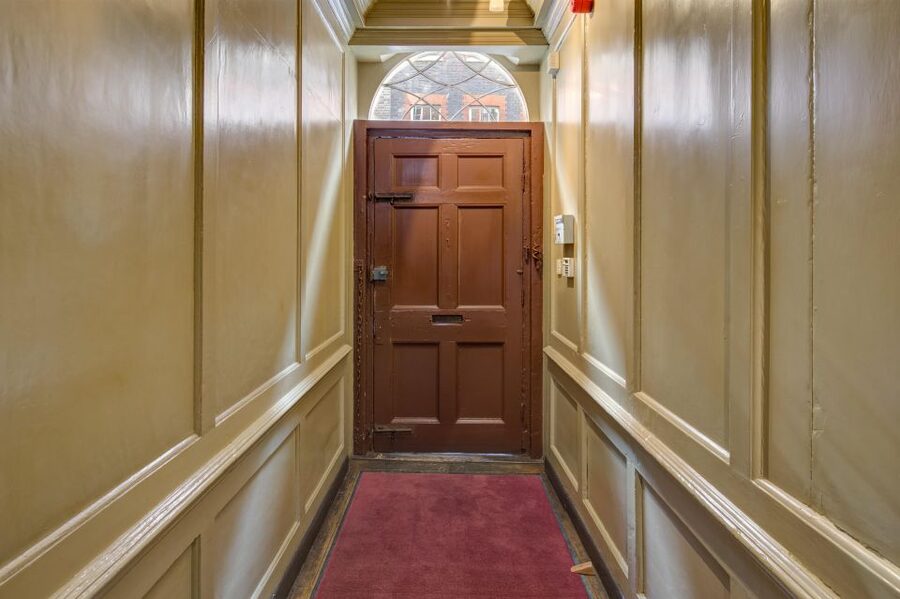
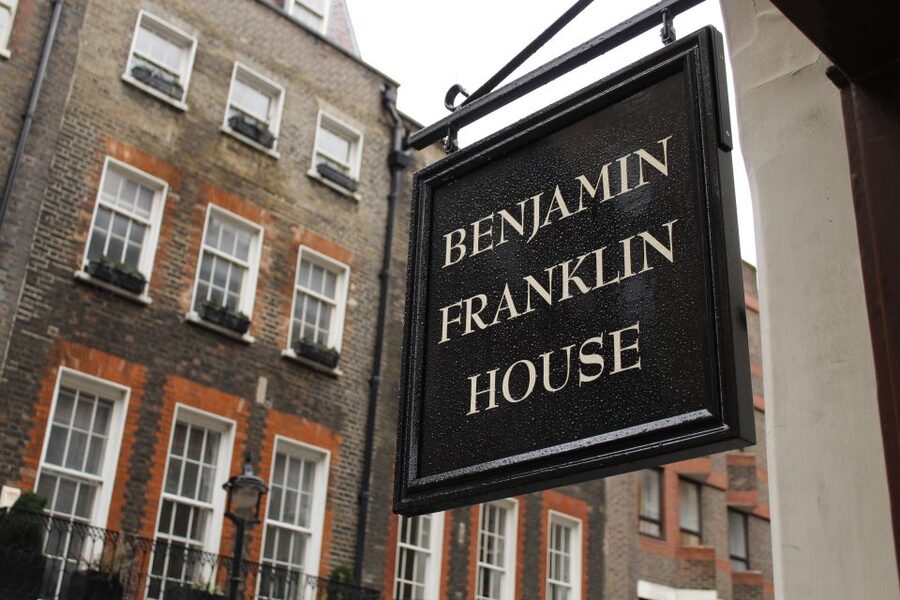
Meeting is simple and specific: you knock on the 36 Craven Street door, right below the Benjamin Franklin House sign. That’s your signal the staff are expecting you.
When you arrive, give yourself a minute to settle your bearings before the tour starts. The building’s layout is part of what makes it fun, but it’s also why the guide’s routing matters. If you’re late, you may miss the early context that helps the later rooms click into place—especially the parts tied to Franklin’s experiments and his connections in London.
Also plan for a small, tight indoor experience. This is a townhouse interior tour, not a big-hall museum circuit. So if you’re hoping for a long quiet wander, keep your expectations realistic. The value here comes from the guide walking you through what to notice.

Entering from the 1730s to Today: Conservation You Can Feel
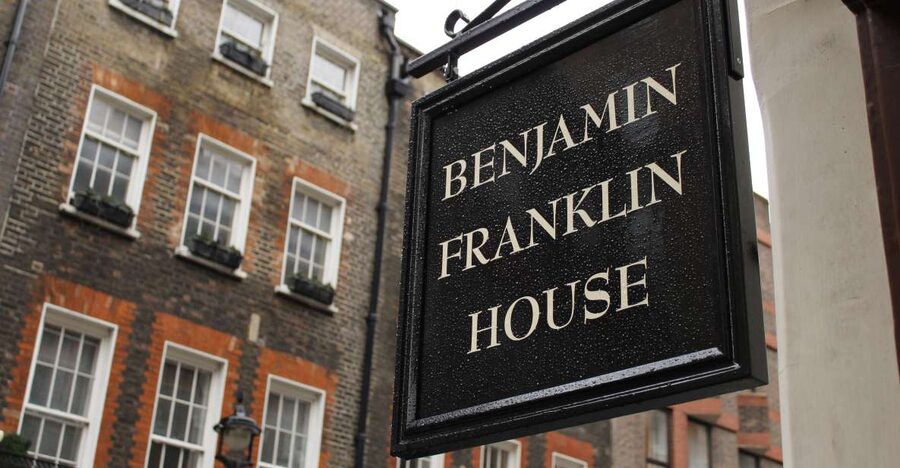
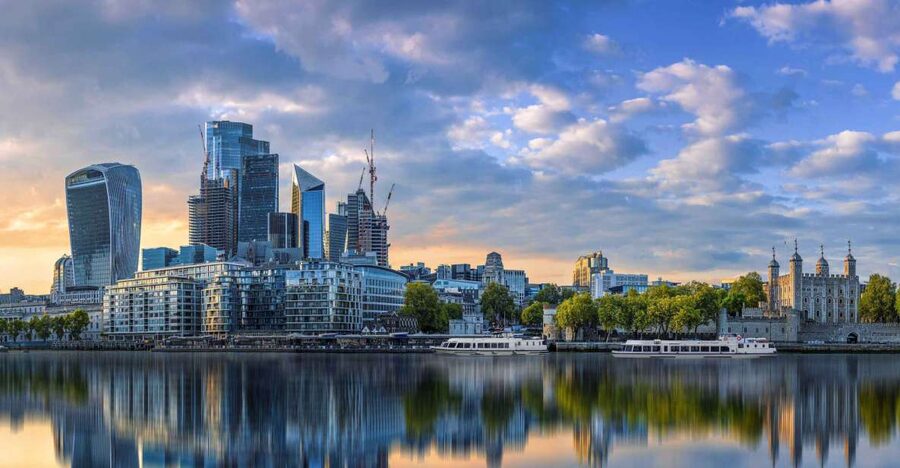
One of the smartest things about this tour is that it doesn’t pretend the building is frozen in time. It frames the house from its era in the 1730s through the present-day conservation project that made it visitor-ready in 2006.
Why this matters for you: it changes how you read what you see. You’re not only looking for old walls and old furniture ideas. You’re also paying attention to how a historic home is kept usable and safe enough for visitors while still protecting what makes it special.
As the guide moves you room to room, you’ll get architectural cues tied to Franklin’s life. That makes the building feel like a timeline you can walk through, not just a backdrop.
The Georgian Kitchen Stop: Food, London, and Franklin’s Views
You’ll spend time on the way the house functioned as a home, not just a landmark. One early highlight is the kitchen, where the guide brings in Georgian food details and Franklin’s thoughts on the London diet.
Even if you’re not a food-history person, this stop works because it’s concrete. Diet is the kind of everyday topic that reveals how people lived—and where Franklin fit into London life. And since you’re already learning the architecture, the kitchen gives you the practical side of the house: where meals were prepared, how a home fed itself, and how daily life connected to the wider world around Franklin.
If you enjoy tours that turn big names into human routines, you’ll like this.
Upstairs to Margaret Stevenson’s Parlour: Power, Hosting, and Relationships
Heading upstairs brings one of the tour’s most character-driven jumps: Margaret Stevenson, the wealthy widow from whom Franklin rented. The guide uses her parlour as a place to explore Franklin’s social world.
This is where the tour connects rooms to relationships. You’ll learn about Franklin’s relationship with the Stevenson family, and you’ll also hear about influential guests Franklin met there—people he discussed current affairs with, not just polite small talk.
What I like about this stop is that it balances two angles. You get the glamor of a high-status household. You also get the real dependency of a renter working within someone else’s home. Franklin’s London life wasn’t lived in an anonymous office. It was built around access, arrangements, and people—right here in the rooms you’re standing in.
Franklin’s 16-Year Floor: Experiments, Politics, and His Personality
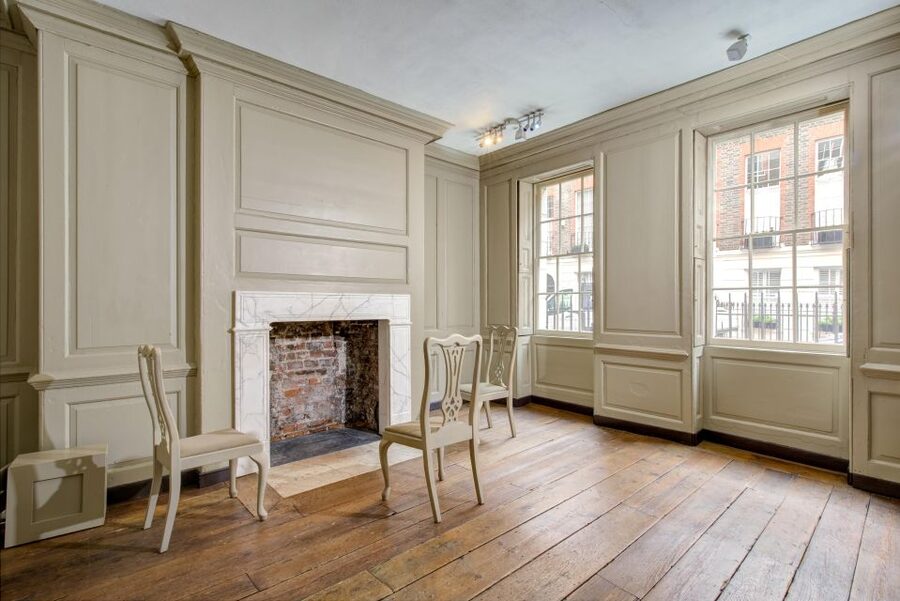
The centerpiece of the tour is Franklin’s own parlour floor, the place he rented for 16 years. The guide uses it to talk about Franklin’s experiments, his political beliefs and actions, and his eccentric personality.
This is where the building stops being only architecture and becomes a stage. Franklin’s world comes through because you’re not just hearing biography points—you’re hearing them tied to a specific room context. It’s the difference between knowing Franklin existed and understanding how a working life looked while he lived under these same ceilings.
Then the story turns sharp. Franklin left London and the Stevenson family in 1776, when he returned to America to sign the Declaration of Independence, and he never returned to London. That’s a clean narrative payoff, and it makes the earlier room details feel more urgent. You’re watching a chapter close.
Craven Street Bones and Surgeon Hewson’s Anatomy School
This is the kind of sidelight I like: it adds a surprising layer to the neighborhood story. The tour includes Craven Street Bones and links it to surgeon Hewson’s Anatomy school.
What it gives you as a visitor is texture. A famous London address isn’t only political and social; it also has ties to science, medicine, and the way knowledge circulated. Since the guide threads this material through the house environment, it helps you imagine the broader world around Franklin’s daily life—not just the people who dined at his table.
If you like tours that connect well-known figures to lesser-known systems of learning and curiosity, this stop is worth paying attention to.
Glass Armonica Room: Try Franklin’s Instrument
The tour ends in the Glass Armonica Room, and it’s interactive. Guests are invited to try their hand at playing a tune on Franklin’s instrument.
This final step is a smart way to “lock in” the experience. You go from learning to doing. Even if you don’t make music you’d record on your phone, you’ll still leave with a new sensory memory of Franklin’s creativity.
It also helps that this room is positioned as a conclusion. You’ve heard about experiments and eccentric interests earlier, so the instrument feels like a natural payoff rather than an unrelated activity.
Practical Notes: Rules, Stairs, Seating, and Restrooms
This house is historic in the truest sense: it’s not designed for modern convenience. Here are the practical realities you’ll want to plan around.
Stairs and space
Benjamin Franklin House is a five-storey townhouse. There’s a staircase between each floor, and the floors and stairs can be uneven and sloping. You’ll find handrails on all staircases, and the historic rooms have visitor seating, which helps.
But there’s no wheelchair access. Given the building layout and Grade I nature, there’s no wheelchair access and there’s no accessible restroom. Restrooms are downstairs in the basement.
If mobility is a concern, you might want to reconsider—or at least expect a lot of careful movement and take your time.
What’s not allowed
Inside the house, these restrictions apply:
- No pets, except assistance dogs
- No smoking or vaping indoors
- No drinks
- No flash photography
- No audio recording
- No alcohol and drugs
- Bare feet are not allowed
If you’re the type who likes sipping coffee during a tour, this is one place where you’ll need to wait until you’re outside.
Dogs and carers
Hearing and guide dogs are permitted in all areas. Carers are admitted free of charge, and visitors with disabilities can qualify for concessionary tickets.
Price and Value: Is It Worth $16?
At $16 per person for a one-hour guided visit that includes entry to the house, this is fairly good value—especially in London, where many “entry plus talk” experiences cost more without adding much.
You’re getting:
- entry to a Grade I listed townhouse
- a structured guided hour with architectural context tied directly to Franklin’s London life
- question time at the end
- a memorable interactive finale with the Glass Armonica
Kids under 12 enter for free, which improves the value for families who can handle the stairs. If you’re traveling as a couple or group and you want a targeted experience with strong payoff, the pricing fits that goal well.
The main cost-to-you isn’t money—it’s movement. The stairs and uneven levels mean this isn’t the best fit for everyone. If you can handle uneven indoor steps and you enjoy guided interpretation, the value feels real.
Who Should Book This Tour (and Who Might Skip It)
This tour is a great match if you:
- like architecture that tells a story, not just dates and facts
- enjoy Franklin-themed history and want the London chapter explained in context
- want an interactive ending, not only standing and listening
- like small indoor stops where the guide points out details you’d miss on your own
You might skip or choose carefully if you:
- need wheelchair access or an accessible restroom (there isn’t one)
- struggle with uneven, sloping stairs and frequent changes in level
- rely on audio recording to capture information (it’s not allowed here)
Should You Book the Benjamin Franklin House Architecture Tour?
If you want a focused, hour-long London experience that mixes Grade I architecture with Franklin’s real life—plus an interactive finale—the answer is yes, book it. You’ll walk out with a clearer sense of how a famous person lived in a specific place, during specific years, inside rooms you can still picture.
My practical advice: wear shoes that handle uneven steps, keep your phone ready for photos (but skip flash), and be ready to ask questions at the end. If you do those simple things, this tour feels like a small, efficient use of time with a strong payoff.
FAQ
How long is the Benjamin Franklin House Architecture Tour?
Tours last about one hour.
What is included in the $16 price?
The price includes entry to the house and an hour-long tour with an opportunity to ask questions at the end.
Is the tour guided and in English?
Yes. The tour includes a live English guide.
Where do I meet for the tour?
Meet at the 36 Craven Street door, and knock on it below the Benjamin Franklin House sign.
Is wheelchair access available?
No. The house has no wheelchair access, and there is no accessible restroom.
Are photos allowed?
Yes, visitors are welcome and encouraged to take photos, but flash photography is not allowed.
Can children under 12 enter for free?
Yes. Children under age 12 enter for free.
More Tours in London
- From London: Harry Potter Warner Bros Studio Tour
★ 4.7 · 26,588 reviews - Magical London: Harry Potter Guided Walking Tour
★ 4.7 · 22,044 reviews - London: Warner Bros. Studio Harry Potter Tour & Branded Bus
★ 4.7 · 19,194 reviews - London Big Bus Hop-On Hop-Off Tour with Optional River Cruise
★ 3.5 · 10,803 reviews - London Small Group Tour of Historical Pubs
★ 5.0 · 10,422 reviews
More Tour Reviews in London
- From London: Harry Potter Warner Bros Studio Tour
★ 4.7 · 26,588 reviews - London: Westminster to Greenwich River Thames Cruise
★ 4.5 · 22,836 reviews - Magical London: Harry Potter Guided Walking Tour
★ 4.7 · 22,044 reviews - London: Madame Tussauds London
★ 4.6 · 20,915 reviews - London: Warner Bros. Studio Harry Potter Tour & Branded Bus
★ 4.7 · 19,194 reviews
Just reviewed around London





Tours, compared.
 ★ 4.7From London: Harry Potter Warner Bros Studio TourFrom $11726,588 reviews
 ★ 4.7Magical London: Harry Potter Guided Walking TourFrom $2022,044 reviews
 ★ 4.7Warner Bros. Studio Harry Potter Tour & Branded BusFrom $15119,194 reviews
 ★ 3.5London Big Bus Hop-On Hop-Off Tour with Optional River CruiseFrom $3910,803 reviews
 ★ 5.0London Small Group Tour of Historical PubsFrom $4010,422 reviews
 ★ 4.6Warner Bros. Studio Harry Potter Tour with TransfersFrom $1179,709 reviews
★ 4.7Warner Bros. Studio Harry Potter Tour with TransfersFrom $1169,485 reviews
 ★ 4.7The Original Jack the Ripper Walking TourFrom $257,833 reviews