
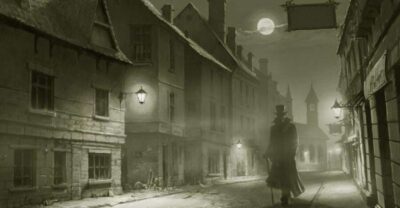
Gas-lit streets turn your stomach. This 2-hour walk through Whitechapel uses real crime-scene locations and historical evidence to sort what happened from what got sensationalized.
I really like the way the guide keeps things grounded in evidence, bringing in period materials like police reports and rare photographs. I also love the smart extra step: an interactive questionnaire that helps you figure out what kind of detective you are.
One caution: a lot of the area has changed, so there is not much original Ripper-era fabric left to point at. You’ll get more from it if you’re willing to use a bit of imagination as the guide reconstructs the scenes.
In This Review
- Key highlights you’ll feel on the walk
- Why this Jack the Ripper real-crime-scenes walk works
- Meeting in KiraKira&H and getting your bearings in 10 minutes
- Durward Street: the walk begins with context, not chaos
- Christ Church Spitalfields: a landmark that helps you picture the era
- Old Spitalfields Market: where daily life and dark headlines collide
- Aldgate East: closing the loop and feeling the aftermath
- The clue part: police reports, rare photos, and separating fact from fiction
- A simple, practical value check for $14
- Who this tour is best for (and who should consider other options)
- Quick tips before you go
- Should you book this Jack the Ripper walking tour?
- FAQ
- How long is the Jack the Ripper walking tour?
- Where does the tour start?
- What stops are included during the walk?
- What language is the guide?
- Is the tour wheelchair accessible?
- Is food or drink included?
- How much does it cost?
- Can I cancel for a refund?
Key highlights you’ll feel on the walk
- Real streets in Whitechapel and Spitalfields with a guided route you can actually follow on foot
- Police reports and rare photos used as case clues, not just props
- Fact vs fiction, with forensics and evidence as the main approach
- Hidden alleys and cobblestoned lanes that make the area feel lived-in, not museum-flat
- An interactive questionnaire that turns the tour into a light detective exercise
- Wheelchair-accessible route plus private or small-group options
More of the East End after dark
- London: The Original Jack the Ripper Walking Tour
★ 4.7 · 7,833 reviews - London Jack the Ripper Guided Tour with Ripper-Vision
★ 4.5 · 4,840 reviews - London: Jack the Ripper Small Group Tour
★ 4.7 · 3,159 reviews - London Jack The Ripper Guided Walking Tour
★ 5.0 · 3,131 reviews
Why this Jack the Ripper real-crime-scenes walk works
Jack the Ripper stories are everywhere in London. The problem is that most of them are entertainment first and evidence second. This tour is different because it forces the case back onto actual city streets and uses historical materials to keep the narrative from floating off into pure legend.
You start with the setting: Victorian London, gas-lit streets, and an East End neighborhood shaped by hardship and sharp social divides. The guide then moves you along the route with a case-file mindset—pointing out what’s supported, what’s suspected, and where the timeline gets tangled. You’ll feel the difference in how you listen. Instead of memorizing facts, you start “reading” the places.
And because it’s a live walking format, the pace stays human. You’re not stuck in a room. You’re moving through the same kind of street geometry the case lived inside—narrow lanes, turning corners, and passing landmarks that help you build a mental map fast.
Meeting in KiraKira&H and getting your bearings in 10 minutes
The tour starts at KiraKira&H (though the exact meeting point can vary depending on the option you choose). The key thing for you: arrive a few minutes early so you can get settled and start the first segment without feeling rushed.
It’s an English-language live guide experience, and it works best when the group is kept to a manageable size. The tour offers private or small groups, which matters here. Jack the Ripper history can get intense, and smaller groups generally mean you’ll be able to ask questions instead of talking over each other.
Also, check your expectations on duration. This is a tight 2 hours, so the guide is going to keep it moving—building context early, then walking you through the core stops and the case clues as you go.
Durward Street: the walk begins with context, not chaos
Your first stop is Durward Street, with about 30 minutes here. Think of this segment as your “case orientation.” The guide sets the scene: how this neighborhood functioned in everyday life and why the Ripper case spread fear so quickly.
This is also where you’ll hear the tour’s main promise—separating fact from fiction using historical evidence and forensic insight. That doesn’t mean the guide avoids emotion. It means the guide anchors it. You’ll hear stories tied to the places, but you’ll also be told what the evidence can and can’t say.
What I like about starting here is that it avoids the common mistake of jumping straight to gory details. Instead, you’re learning the street logic first. That helps later, when the tour leans into cobblestoned lanes, hidden alleys, and the idea that the suspect’s movements depended on the city’s layout.


Christ Church Spitalfields: a landmark that helps you picture the era
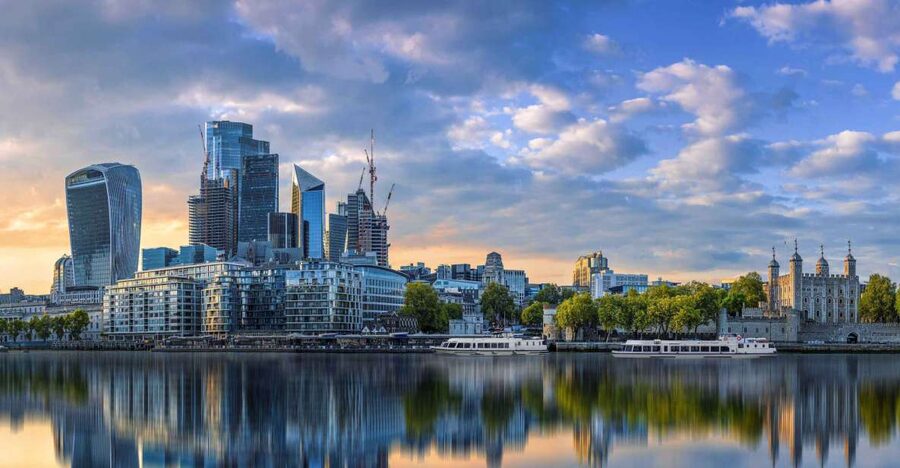
Next up: Christ Church Spitalfields for another 30 minutes. A church landmark isn’t random in a case like this. It gives you a fixed point to orient your mental map, which is especially important because the original environment of 1888 isn’t fully preserved.
Here’s what makes this stop valuable: the guide uses landmarks to connect the human story to the geography. The Ripper case is often told like it happens in a vacuum. This walk insists it happened in a real neighborhood with real routines—people working, moving, shopping, and looking out for each other.
You’ll also get a clearer sense of why “East London in 1888” felt so tense. The guide doesn’t only talk about suspects and victims. You’ll hear how the community was shocked—and how fast the case traveled beyond London.
If you’re the type who likes asking questions, this is a good moment to do it. The guide’s method—evidence first—invites follow-ups about what’s known, what’s disputed, and why certain details became part of the myth-making.
Old Spitalfields Market: where daily life and dark headlines collide
Then you move to Old Spitalfields Market for about 30 minutes. Markets are one of the best lenses for understanding a place like this. Even if the streets have changed, the function of the neighborhood—commerce, movement, crowds at certain hours—helps you imagine how information traveled.
This stop is also where the tour style clicks. You’re walking through East End streets that still feel like they belong to a working city. The guide layers the case on top: hidden alleys, cobblestoned lanes, and the atmosphere that would have surrounded everyday people who had no interest in being drawn into a serial-killer story.
You’ll learn about key sites tied to the murders in Whitechapel and Spitalfields. The value isn’t just the location names. It’s the explanation of what those locations meant in context—why the crimes shook London and how the investigation unfolded in public imagination.
If you’re worried about being able to “see the crime scenes” clearly, keep this mindset: you’re not watching a film. You’re assembling a picture. When the guide points out an area, you’re meant to build the rest with evidence and informed reconstruction.
Aldgate East: closing the loop and feeling the aftermath
Your final major stop is Aldgate East, with about 20 minutes. This is your wrap-up segment—shorter than the earlier stops—so you’ll want to stay alert and present for it.
This portion is designed to land the emotional and historical payoff: how the crimes shocked London—and the world. The guide ties together what you’ve been learning across Whitechapel and Spitalfields, bringing the narrative back to the bigger picture.
It’s also where the evidence approach matters. By the time you reach the end, you’ve already been trained in how the guide filters stories through historical documents and forensics. That means the closing isn’t just a dramatic finale. It’s the conclusion of a structured argument.
When the tour ends back at KiraKira&H, you’ll likely find yourself thinking less about lurid details and more about uncertainty—what can be said with confidence, and what remains disputed. That’s a useful takeaway, even if you’ve read a dozen Ripper books before.
The clue part: police reports, rare photos, and separating fact from fiction
The heart of this experience is the evidence-style storytelling. The tour includes time spent with rare photographs and police reports, and you’ll hear how the guide uses historical evidence and forensic insight to separate fact from fiction.
This matters more than people think. Jack the Ripper myths are sticky. They grow because they’re catchy, not because they’re accurate. Having real documents and case-like reasoning on the walk changes how the story sits in your mind.
Here’s what you can do to get the most out of this segment:
- Listen for what the guide says is supported versus what is suspected
- Watch how the guide explains timelines and movement through the streets
- Use your own questions to pressure-test the narrative
Also, the tour includes an interactive questionnaire that results in finding out what kind of detective you are. I like this because it takes the history lesson and turns it into active thinking. You’re not just hearing conclusions—you’re practicing how to weigh clues, even if the answers are playful.
A simple, practical value check for $14
At $14 per person for a 2-hour walking tour, this one stands out as budget-friendly—especially because it’s not just narration. You’re getting an English live guide, a guided route through multiple key areas, and included materials like police reports and rare photographs. You also get the interactive questionnaire component, which adds an extra layer without extending the time.
The big “value” question for me is not the price alone. It’s what you actually receive during those two hours:
- a structured route through Whitechapel and Spitalfields
- documentary-style clues
- a guide who separates evidence from rumor
- an ending activity that makes you think like a detective
One practical note: food and drink are not included. So if you tend to get hungry during walking tours, plan for a snack before you go or bring something small if that fits your comfort level.
Who this tour is best for (and who should consider other options)
This tour is a great match if you:
- like real-world settings and walking-through-history experiences
- want a guide who uses evidence and forensics, not just sensational retellings
- enjoy puzzle-like thinking and clue-based storytelling
- prefer small-group attention rather than a large, rushed herd
It may be less satisfying if you:
- expect a fully preserved set of crime locations from 1888
- want lots of remaining physical structures to look at for yourself
- need an experience that is more theatrical than investigative
That limitation isn’t a deal-breaker—it’s just the nature of London. A lot has changed, so the tour leans on reconstruction, documents, and reasoning. If you go in prepared for that, you’ll get more out of it.
Quick tips before you go
- Wear shoes you trust. You’ll be walking across street surfaces that can feel uneven.
- Bring a light layer if you’re going in cooler months. East London evenings can run damp.
- Come ready to listen closely. The evidence bits are where the tour earns its keep.
- Since no food or drink is included, plan for hydration and a pre-walk snack if you need it.
Should you book this Jack the Ripper walking tour?
If your goal is to experience the Jack the Ripper story through real streets plus evidence-based storytelling, this is an easy yes. For the price, you’re getting more than atmosphere—you’re getting police-document style clues, forensics-informed reasoning, and a small-group friendly pacing that keeps questions possible.
Book it if you enjoy detective work, historical nuance, and the feeling of walking a map in real time. Skip it only if you’re hoping for lots of surviving Ripper-era physical remnants to stare at. This tour is about assembling the case, not treating London like a perfectly preserved stage set.
FAQ
How long is the Jack the Ripper walking tour?
The tour lasts 2 hours.
Where does the tour start?
The starting location is KiraKira&H, though the meeting point may vary depending on the option you book.
What stops are included during the walk?
You’ll visit Durward Street, Christ Church Spitalfields, Old Spitalfields Market, and Aldgate East.
What language is the guide?
The tour guide is in English.
Is the tour wheelchair accessible?
Yes, it’s listed as wheelchair accessible.
Is food or drink included?
No, food and drink are not included.
How much does it cost?
The price is listed as $14 per person.
Can I cancel for a refund?
Yes. You can cancel up to 24 hours in advance for a full refund.
More Tours in London
- From London: Harry Potter Warner Bros Studio Tour
★ 4.7 · 26,588 reviews - Magical London: Harry Potter Guided Walking Tour
★ 4.7 · 22,044 reviews - London: Warner Bros. Studio Harry Potter Tour & Branded Bus
★ 4.7 · 19,194 reviews - London Big Bus Hop-On Hop-Off Tour with Optional River Cruise
★ 3.5 · 10,803 reviews - London Small Group Tour of Historical Pubs
★ 5.0 · 10,422 reviews
More Tour Reviews in London
- From London: Harry Potter Warner Bros Studio Tour
★ 4.7 · 26,588 reviews - London: Westminster to Greenwich River Thames Cruise
★ 4.5 · 22,836 reviews - Magical London: Harry Potter Guided Walking Tour
★ 4.7 · 22,044 reviews - London: Madame Tussauds London
★ 4.6 · 20,915 reviews - London: Warner Bros. Studio Harry Potter Tour & Branded Bus
★ 4.7 · 19,194 reviews
More Ripper Walks After Dark
- London: The Original Jack the Ripper Walking Tour
★ 4.7 · 7,833 reviews - London Jack the Ripper Guided Tour with Ripper-Vision
★ 4.5 · 4,840 reviews - London: Jack the Ripper Small Group Tour
★ 4.7 · 3,159 reviews - London Jack The Ripper Guided Walking Tour
★ 5.0 · 3,131 reviews - London: Jack the Ripper Tour with Immersive Ripper Vision
★ 4.5 · 1,840 reviews
Just reviewed around London





Jack the Ripper Tours, compared.
 ★ 4.7The Original Jack the Ripper Walking TourFrom $257,833 reviews
 ★ 4.5London Jack the Ripper Guided Tour with Ripper-VisionFrom $274,840 reviews
 ★ 4.7Jack the Ripper Small Group TourFrom $263,159 reviews
 ★ 5.0London Jack The Ripper Guided Walking TourFrom $03,131 reviews
 ★ 4.5Jack the Ripper Tour with Immersive Ripper VisionFrom $241,840 reviews
 ★ 4.6German Language : Original Jack the Ripper TourFrom $241,805 reviews
 ★ 5.0Ultimate Jack the Ripper : Guided Tour of LondonFrom $271,495 reviews
 ★ 4.9Jack the Ripper Evening Walking TourFrom $331,449 reviews
Browse the lists this tour appears in