
Reviewed · TOURS
Hidden Tube Tour – Piccadilly Circus: The Heart of London
London has plenty of famous Tube stops, but this one has a secret side. Under Piccadilly Circus, you’ll tour parts of the station that have been closed to the public for decades, including traces of the original Edwardian station. I also love how the guides blend engineering details with human stories, from wartime sheltering to oddball storage tales. One thing to consider: the tour involves lots of walking, stairs, uneven ground, and low lighting, so it’s not a match if you get stuck in tight spaces or need step-free access.
You meet right by Piccadilly Circus station at Exit 4 (corner of Shaftesbury Avenue and Coventry Street, next to Criterion Restaurant). From there, you follow your guide through passageways and lift shafts that have stayed out of everyday use since 1929—and you’ll come away seeing the Underground as more than trains and signage. Just remember there’s no cloakroom, no elevator, and open-toed shoes are a no.
In This Review
- Key takeaways before you go
- Why Piccadilly Circus Station Still Feels Like a Surprise
- Getting There at Exit 4 (and Starting With the Right Mindset)
- Your Guide’s Angle: Engineering Facts With Real Human Stories
- Edwardian Design Details You Can Actually Point To
- Passageways and Lift Shafts Closed Since 1929
- Disused Passenger Tunnels: The Underground That Time Forgot
- Wartime Shelter Stories Under Piccadilly Circus
- Price and Value for 75 Minutes Underground
- Who This Tour Suits Best (and Who Should Skip It)
- Practical Tips to Make It Easier on You
- Should You Book the Hidden Tube Tour at Piccadilly Circus?
- FAQ
- How long is the Hidden Tube Tour at Piccadilly Circus?
- Where do I meet for the tour?
- Is this tour accessible for people with mobility impairments?
- Is the tour suitable for claustrophobia?
- What should I bring or wear?
- Are food and drinks allowed during the tour?
- What age limits apply for children?
Key takeaways before you go
- Edwardian remains under Piccadilly Circus: see design features from the original station layout.
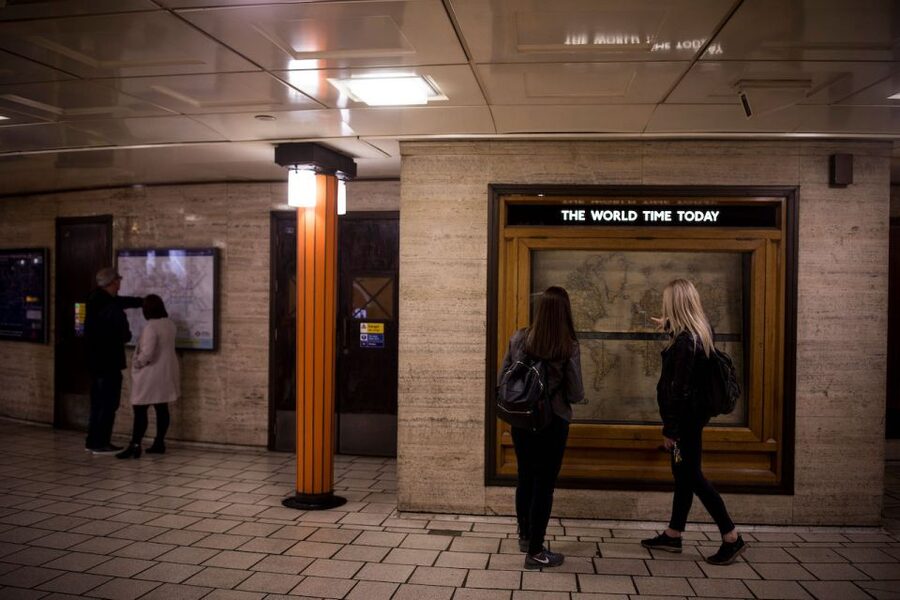
- Closed-for-decades spaces: passageways and lift shafts shut to the public since 1929.
- Wartime shelter stories: hear how the station area helped people during the war period.
- Disused tunnels: explore passenger tunnels that have been closed since 1929.
- Guides from London Transport Museum: historical experts use their archives for the tour content.
Not sure yet? See how a few of London's most-booked trips stack up:
- From London: Harry Potter Warner Bros Studio Tour
★ 4.7 · 26,588 reviews - London: Westminster to Greenwich River Thames Cruise
★ 4.5 · 22,836 reviews - Magical London: Harry Potter Guided Walking Tour
★ 4.7 · 22,044 reviews - London: Madame Tussauds London
★ 4.6 · 20,915 reviews
Why Piccadilly Circus Station Still Feels Like a Surprise
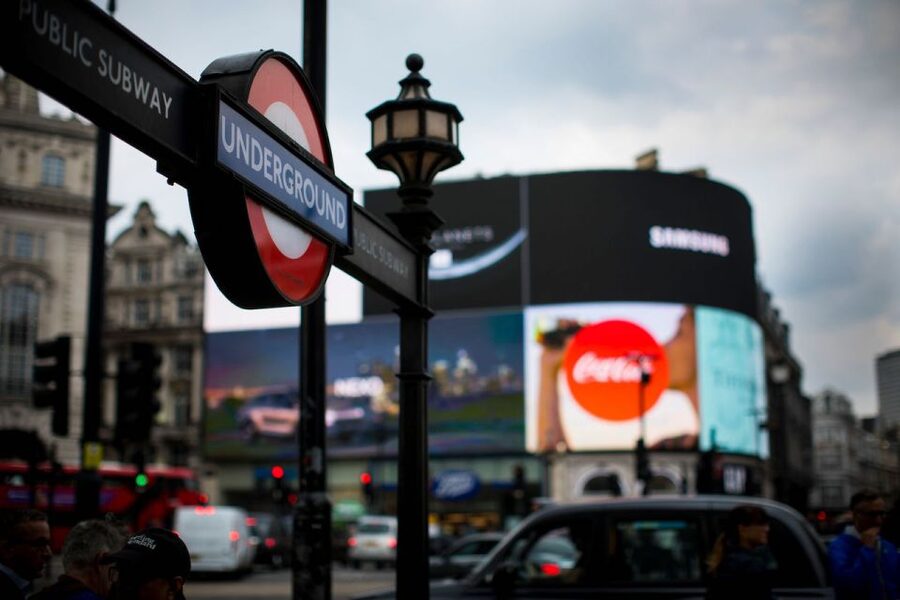
Piccadilly Circus gets all the attention above ground, with its lights and crowds. But this experience shifts you into the station’s quieter, stranger world. Piccadilly Circus station opened in 1906, connecting the Bakerloo and Piccadilly lines right under a famous landmark. Then, as passenger numbers grew, the station was extensively modernised between 1925 and 1928, turning it into an engineering showpiece under the streets.
The appeal here is simple: you don’t just walk past old architecture. You’re guided through areas that most people will never see. That means you can understand how the Underground changed over time—how Edwardian plans, later upgrades, and practical wartime use all left physical traces underground.
If you like transport systems as a living machine, not a museum piece, you’ll probably enjoy the way this tour treats the station like an evolving space that Londoners kept adapting to real needs.
Getting There at Exit 4 (and Starting With the Right Mindset)
Your meeting point is at the bottom of the stairs of Exit 4 of Piccadilly Circus Underground station, at the corner of Shaftesbury Avenue and Coventry Street, next to the Criterion Restaurant. The tour ends back at the same spot, so you’re not left figuring out where you’ll pop out.
Plan for a strong “head-down” first phase. This is not a sit-back talk. The route includes a lot of walking and stairs, plus uneven ground and low lighting. The tour also isn’t step free, and there’s no elevator. If you’re traveling with friends, make sure everyone’s on board with an active underground walk.
Practical note: bring a passport or ID card. You can also expect rules that keep the spaces manageable: no open-toed shoes, no food or drinks, and no large bags. There’s no cloakroom either, so wear comfortable clothing and keep your load light.
Your Guide’s Angle: Engineering Facts With Real Human Stories
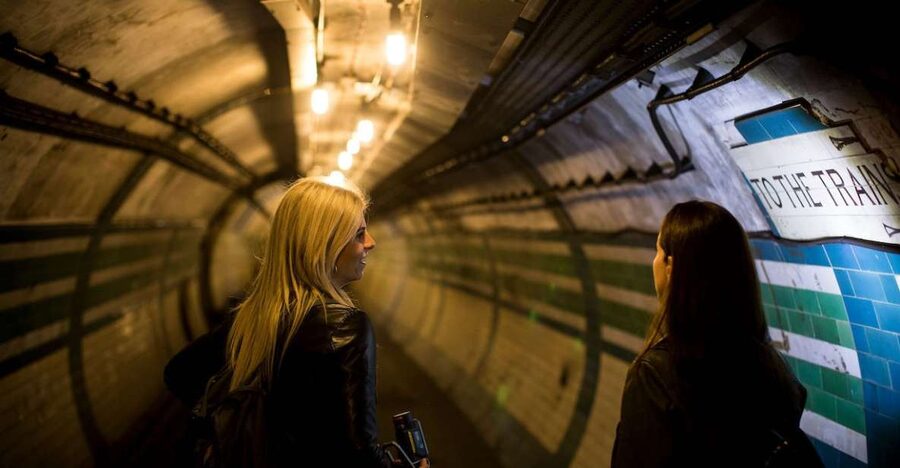
This tour is led by expert guides tied to the London Transport Museum. The content is written by historical experts from the museum and built from material in the museum’s archive and collection. That matters, because the Underground story you hear here isn’t generic trivia. It’s focused on what the station actually contains and why it’s shaped the way it is.
What I like most is the balance. Yes, you learn about structures and design features. But you also hear stories about people who used the station during wartime sheltering. You get a sense of what underground spaces meant when the city needed cover and practical refuge.
You also hear about top-secret storage of priceless artefacts. Even if some details are presented at a level meant for the tour setting (not a documentary), the effect is clear: this station wasn’t just infrastructure—it was part of how London handled tense moments.
That tone shows up in the guide style too. In the strongest moments, the guides are both informative and genuinely engaging, with a good sense of humor that keeps the underground walk from feeling like a lecture.

Edwardian Design Details You Can Actually Point To
One of the big reasons this tour works is that it focuses on physical design. Piccadilly Circus station first opened in 1906, and you’ll be shown original Edwardian design features that are usually hidden from regular station life.
When you’re underground, it’s easy to think everything you see today is modern. The tour helps you unlearn that. You’ll spot elements that reflect the station’s earliest approach, before later renovations shaped what passengers experience now.
Even if you’re not an architecture nerd, there’s still a payoff: it’s easier to understand the station’s layout and purpose when you see the original intentions and then compare them with the later changes. You can feel the logic of how people once moved through the space.
It also helps that the tour includes access behind secret doors and into areas that have remained closed to the public. That access turns the Edwardian story from something you’d read on a plaque into something you can literally see in context.
Passageways and Lift Shafts Closed Since 1929
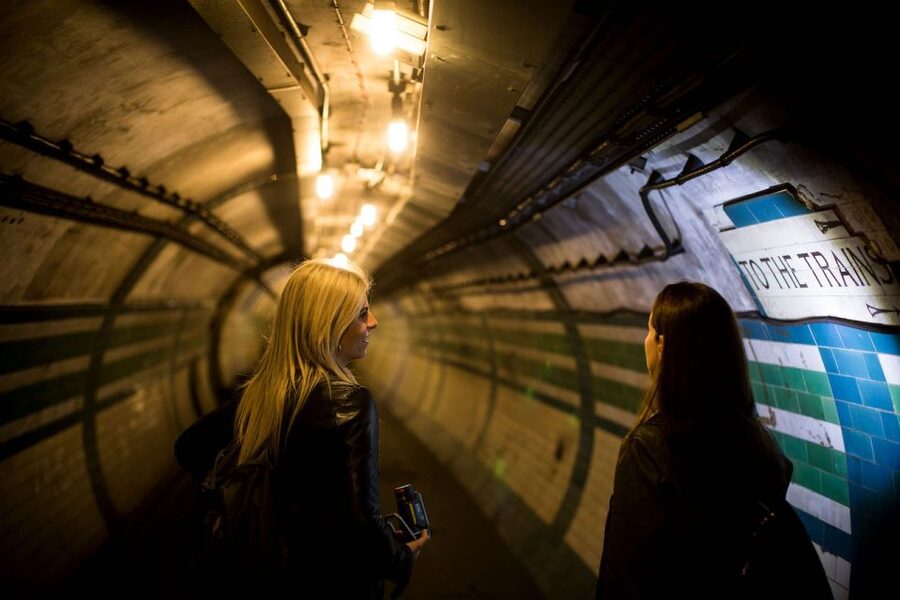
The heart of this tour is the access. You’ll step behind secret doors into passageways and lift shafts that have been closed to the travelling public since 1929. That date isn’t just trivia; it signals that these spaces were taken out of regular passenger flow long ago, and they survived in a different status than the parts you typically use.
This is also where the tour’s pace and conditions start to matter. Expect low lighting and lots of underground movement through corridors and stair connections. It’s not just walking on a flat path. The tour includes uneven ground and climbs and descents, and it’s not suitable for anyone with claustrophobia.
If you’re comfortable in underground spaces and you like to learn while moving, you’ll probably find this section energizing. You’re seeing the station as a working system that had routes for passengers, staff, and equipment—some of which were later retired.
Disused Passenger Tunnels: The Underground That Time Forgot
You’ll also explore disused passenger tunnels closed to the public since 1929. This is where the Underground suddenly feels like a different city underneath your feet.
Why it’s valuable: tunnels that aren’t used anymore make history visible. You can see how ideas about passenger movement evolved, and you get a better sense of how the station’s functions shifted over time. In a normal Tube ride, tunnels blur into motion. On this tour, the motion stops, and you notice the structure itself—space, alignment, and the way the station was once laid out.
This is also a good reality check for expectations. You’re not touring polished galleries. Some of the best moments are precisely because these areas are closed, quieter, and less “performed” than a typical museum space. You’re standing where the public didn’t go, and that difference makes the stories feel more grounded.
Just keep your comfort in mind. Since the tour isn’t suitable for people with mobility impairments and involves low lighting, you should be ready for an active, somewhat dark, stair-heavy route.
Wartime Shelter Stories Under Piccadilly Circus
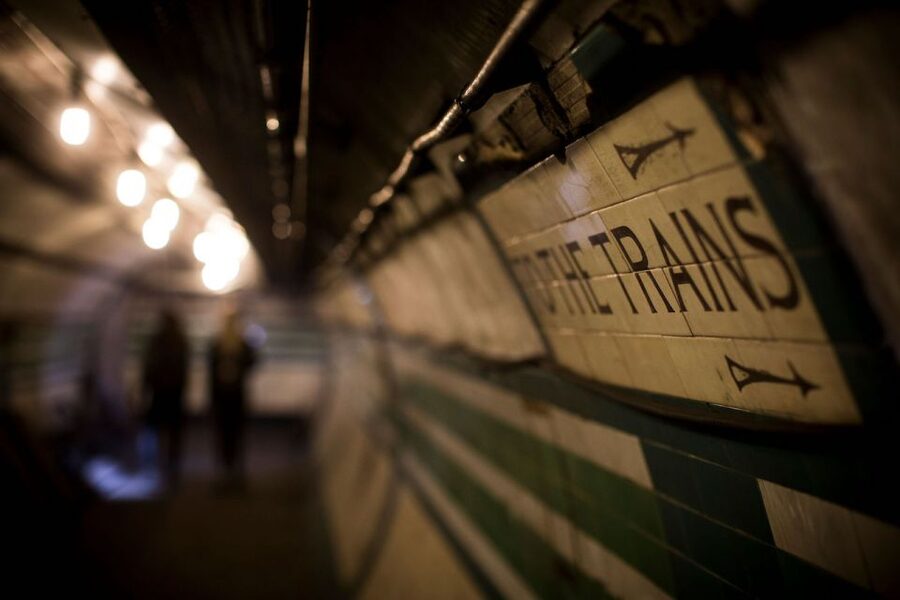
One of the most memorable parts of the tour is the wartime sheltering angle. You’ll hear fascinating stories about people who took refuge in the station during wartime. It’s a reminder that underground systems are not just for commuting. They can become emergency infrastructure when a city needs protection.
That context changes how you interpret the station. Instead of seeing it only as a transport hub, you start seeing it as a shelter option—something Londoners could rely on when conditions were dangerous.
The guide also includes top-secret storage of priceless artefacts. That part lands because it connects Underground space to the idea of secrecy and security. Even without turning it into spy-story drama, the tour frames the station as a place where practical needs, protection, and careful handling mattered.
If you enjoy stories that link physical spaces to real events, this section is likely to be one of your favorites.
Price and Value for 75 Minutes Underground
The price is listed at $60.61 per person, for a tour lasting about 75 minutes (starting times vary by availability). For London, that cost can be either a splurge or a bargain, depending on what you want.
Here’s how I think about the value: you’re paying for access to portions of Piccadilly Circus station that most people never get to see—areas closed since 1929, including disused tunnels and behind-the-scenes passageways and shafts. You’re also paying for guides who are tied to the London Transport Museum, which means the storytelling isn’t random; it’s built from museum archives and historical expertise.
If your goal is photos, you might find it less rewarding than a big sightseeing ticket. But if you want an interpretation of the Underground from the inside—engineering plus stories—this feels like good value. You’re buying time in places that are normally off-limits.
Who This Tour Suits Best (and Who Should Skip It)
This tour is best for people who like practical history, architecture details, and real place-based stories. It’s a strong match if you’re the type to notice how cities grow and adapt. Piccadilly Circus is famous above ground, but you’ll get a more interesting “under the hood” view below.
You should also feel at ease with walking. The tour involves a lot of it, plus stairs and low lighting. It isn’t step free, there’s no elevator, and it’s not suitable for guests with claustrophobia.
It’s also not suitable for children under 10. For kids aged 10–15, there’s a limit of a maximum of four children per adult. If you’re bringing family members, make sure everyone can handle the environment comfortably and follow the shoe and storage rules.
Practical Tips to Make It Easier on You
A few things will make the underground part smoother.
- Wear sturdy footwear. Open-toed shoes aren’t allowed, and you’ll be moving over uneven ground.
- Dress for low-light stair sections. If you need sunglasses, consider how they’ll feel underground.
- Keep bags minimal. There’s no cloakroom and large luggage isn’t allowed.
- Bring your passport or ID card.
- Avoid heavy food plans before you go. Food and drinks aren’t allowed on the tour.
Also, go in with the right mindset. This is a structured walk with historical narration. If you try to “rush” and beat the pace, you’ll miss the connections the guide is making between design features, closures since 1929, and wartime shelter stories.
Should You Book the Hidden Tube Tour at Piccadilly Circus?
Book this tour if you want something smarter than a standard Tube stop—an inside look at Piccadilly Circus station’s Edwardian roots, its later modernisation, and the closed spaces that show how the Underground evolved. The best reason to go is access: secret doors, disused tunnels, and passageways that have been out of public use since 1929, all explained with museum-based historical storytelling.
Skip it if you need step-free access, hate stairs, or you get uncomfortable in tight or dim underground areas. Also skip if you’re traveling with bulky gear, because there’s no cloakroom and the rules are clear.
If you’re on the right side of those limits, this is one of those rare London experiences where you feel like you’re learning the city from underneath it.
FAQ
How long is the Hidden Tube Tour at Piccadilly Circus?
The tour lasts 75 minutes.
Where do I meet for the tour?
Meet at the bottom of the stairs of Exit 4 at Piccadilly Circus Underground station, next to the Criterion Restaurant (corner of Shaftesbury Avenue and Coventry Street).
Is this tour accessible for people with mobility impairments?
No. The tour is not step free, includes stairs, and there is no elevator. It is not suitable for people with mobility impairments.
Is the tour suitable for claustrophobia?
No. The tour involves areas with low lighting and requires walking in underground spaces, and it is not suitable for guests with claustrophobia.
What should I bring or wear?
Bring a passport or ID card, and wear sturdy footwear. Open-toed shoes are not allowed.
Are food and drinks allowed during the tour?
No. Food and drinks are not allowed.
What age limits apply for children?
The tour is not suitable for children under 10. For ages 10–15, there is a limit of a maximum of four children per adult.
If you want, tell me your travel dates and whether anyone in your group has mobility or claustrophobia concerns, and I’ll help you pick a smart time slot and plan what to wear.
More Tours in London
- From London: Harry Potter Warner Bros Studio Tour
★ 4.7 · 26,588 reviews - Magical London: Harry Potter Guided Walking Tour
★ 4.7 · 22,044 reviews - London: Warner Bros. Studio Harry Potter Tour & Branded Bus
★ 4.7 · 19,194 reviews - London Big Bus Hop-On Hop-Off Tour with Optional River Cruise
★ 3.5 · 10,803 reviews - London Small Group Tour of Historical Pubs
★ 5.0 · 10,422 reviews
More Tour Reviews in London
- From London: Harry Potter Warner Bros Studio Tour
★ 4.7 · 26,588 reviews - London: Westminster to Greenwich River Thames Cruise
★ 4.5 · 22,836 reviews - Magical London: Harry Potter Guided Walking Tour
★ 4.7 · 22,044 reviews - London: Madame Tussauds London
★ 4.6 · 20,915 reviews - London: Warner Bros. Studio Harry Potter Tour & Branded Bus
★ 4.7 · 19,194 reviews
Just reviewed around London





Tours, compared.
 ★ 4.7From London: Harry Potter Warner Bros Studio TourFrom $11726,588 reviews
 ★ 4.7Magical London: Harry Potter Guided Walking TourFrom $2022,044 reviews
 ★ 4.7Warner Bros. Studio Harry Potter Tour & Branded BusFrom $15119,194 reviews
 ★ 3.5London Big Bus Hop-On Hop-Off Tour with Optional River CruiseFrom $3910,803 reviews
 ★ 5.0London Small Group Tour of Historical PubsFrom $4010,422 reviews
 ★ 4.6Warner Bros. Studio Harry Potter Tour with TransfersFrom $1179,709 reviews
★ 4.7Warner Bros. Studio Harry Potter Tour with TransfersFrom $1169,485 reviews
 ★ 4.7The Original Jack the Ripper Walking TourFrom $257,833 reviews