
Reviewed · TOURS
Hidden Tube Tour – Baker Street The World’s First Underground
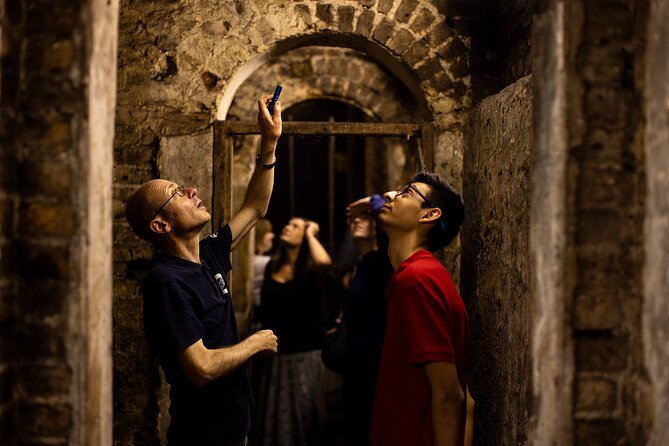
London Underground has secrets under your feet. This Hidden Tube Tour at Baker Street takes you beyond the public flow and into the story of how the world’s first underground railway began—plus you get to see original station areas that most people never notice. It’s a behind-the-walls look at how London moved underground.
I love the chance to view older station spaces and platforms from the 1800s, not just talk about them. I also like that your guide keeps the whole thing organized, so you’re not wandering around lost in a working station maze, with stops that often include photo moments and glimpses of trains. One consideration: it’s still a lot of walking with stairs, uneven ground, low lighting, and some time on live platforms with commuters, so it’s not an easy shuffle-and-skip outing.
In This Review
- Key takeaways before you go
- Why Baker Street feels like the Underground’s origin story
- Meeting at Sherlock Holmes and getting your bearings
- What you’ll actually see: platforms, passages, and hidden viewpoints
- Behind the walls: lift shafts, service tunnels, and the engineering story
- The walk matters: stairs, low light, and comfort limits
- Your guide experience: small groups, active storytelling, and real names
- Photos and the practical details that add up
- Price and value: what you’re paying for at $61.70
- Booking timing and how far ahead to plan
- Who should book this Hidden Tube Tour, and who should skip it
- Should you book the Hidden Tube Tour at Baker Street?
- FAQ
- How long is the Hidden Tube Tour at Baker Street?
- Where do I meet for the tour?
- What is the price per person?
- What should I bring and what rules apply?
- Is the tour suitable for children?
- Is the tour step-free or accessible by elevator?
- Is the tour suitable for people with claustrophobia?
Key takeaways before you go
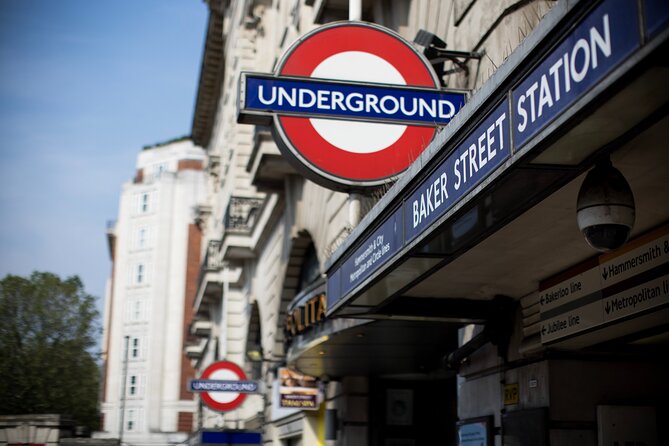
- Original 1800s-era station areas: you’ll see more than the modern ticket-hall version of Baker Street
- Off-limits back-of-house access: passages behind walls, service areas, and engineering spaces
- Lift shafts and tunnels: expect a real look at how the system was adapted over time
- Small group size: up to 16 travelers makes it easier to move and ask questions
- Chilly, low-light spaces: bring a layer, and come ready for darker corridors and uneven ground
Not sure yet? See how a few of London's most-booked trips stack up:
- From London: Harry Potter Warner Bros Studio Tour
★ 4.7 · 26,588 reviews - London: Westminster to Greenwich River Thames Cruise
★ 4.5 · 22,836 reviews - Magical London: Harry Potter Guided Walking Tour
★ 4.7 · 22,044 reviews - London: Madame Tussauds London
★ 4.6 · 20,915 reviews
Why Baker Street feels like the Underground’s origin story
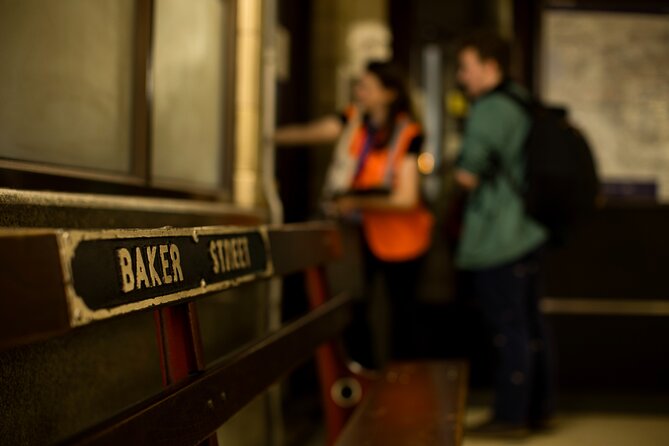
The London Underground didn’t start as a single finished monster. It grew. And at Baker Street, the tour helps you see that growth in physical form: older station components alongside later modifications that kept the system running.
You’ll start with the simple idea that this line of underground travel changed everything. Then, instead of only hearing dates, you’re shown the station features that made the concept practical—routes, access points, and the infrastructure needed to keep trains moving in a dense city.
If you’re the kind of person who thinks engineering details are fun, this tour clicks fast. You’re not just collecting facts. You’re watching how the station’s design and its underground “plumbing” shaped daily transit life.
Meeting at Sherlock Holmes and getting your bearings
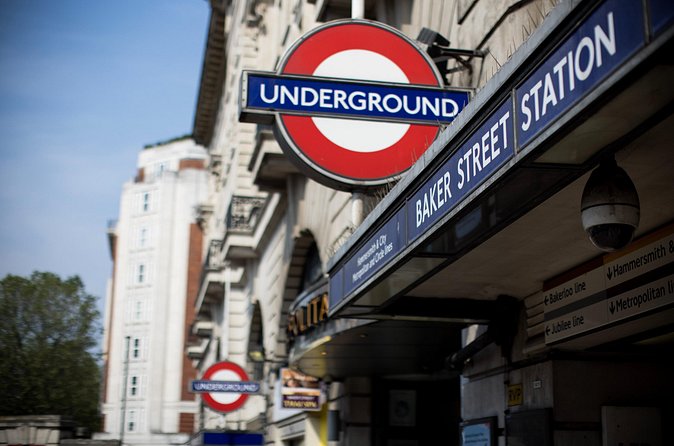
Your starting point is clear and central: the Sherlock Holmes Statue, 4 Marylebone Rd, London NW1 5LD. The tour ends back at the same meeting spot, which makes planning easy and reduces that end-of-tour stress.
You’ll want to arrive a bit early because this is a working station area and the route involves lots of walking. Also, this is one of those tours where small preparation choices matter: you’ll be in low lighting at points, and you’ll be moving through spaces that aren’t designed for casual strolling.
One practical tip: wear shoes you’ll feel confident in. Open-toed shoes aren’t allowed, and the ground can be uneven. Think comfort and stability over style.
What you’ll actually see: platforms, passages, and hidden viewpoints
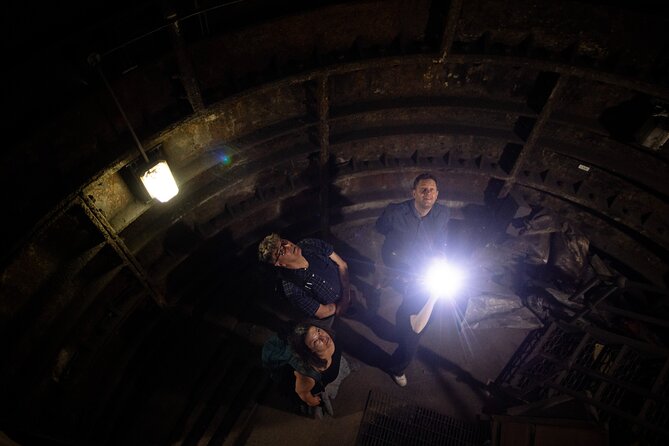
The core promise is “origins” plus “off-limits.” In practice, that means you’ll spend time in and around Baker Street station areas most visitors never get to walk through.
A big highlight is the chance to see original platform areas dating to the 1800s. Seeing these older spaces helps you understand why early underground design mattered so much. Modern stations can look generic from the platform. Older elements look purposeful, even when you’re just standing there looking at the shape of it.
You may also catch sight of trains from hidden or unexpected vantage points—photo-friendly moments that wouldn’t exist if you stayed in the usual public areas. It’s the kind of surprise that makes you rethink what a station looks like from the inside.
Finally, expect time in corridors and passages behind walls. These are the in-between spaces where the station’s day-to-day “machine” hides.

Behind the walls: lift shafts, service tunnels, and the engineering story
A lot of station tours focus on what you can already see. This one leans into what runs the station.
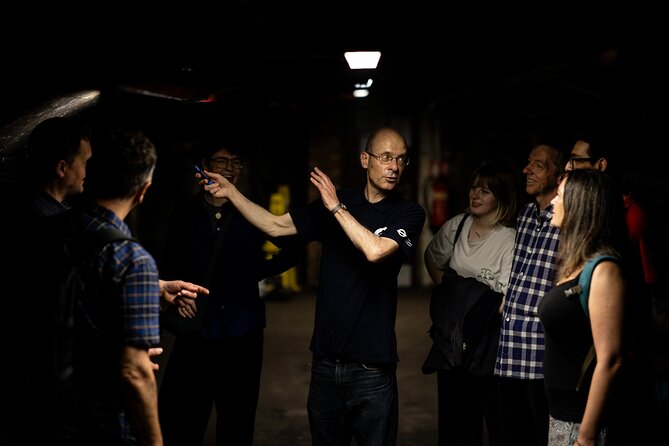
You’ll get to see areas tied to the station’s infrastructure—especially lift shafts and service tunnels. The effect is simple: once you understand where vertical movement and servicing fit into the design, the whole underground layout makes more sense.
One review note that stuck with me is how much time you spend tracing how the system developed across more than a century of operation. That doesn’t mean a lecture-only experience. It’s more like a walking explanation where the guide points out changes you can visually connect to real engineering needs.
There’s also context about the broader transport world. You might learn how transport companies shaped not only routes but also the properties they built in London and in the suburbs. That’s useful because it frames the Underground as part of a bigger shift in how people lived and traveled—not only a set of tracks.
The walk matters: stairs, low light, and comfort limits
This is a tour you should treat like a guided hike through an underground workplace, not a gentle stroll.
You’ll be on a route with uneven ground, low lighting, and stairs. There’s no elevator, so it’s not step-free. If you have mobility limits, this is the first thing to consider.
Claustrophobia is another big factor. The tour is not suitable for guests with claustrophobia, and it makes sense once you picture tight passageways and back-of-house spaces in an active station. The same reasoning applies if you don’t do well in enclosed, dim areas.
Also note the rules that keep the tour manageable in those tight spaces: no food or drinks, and you can’t bring luggage or large bags because there’s no cloakroom. If you tend to travel with a big tote, plan to travel light.
One small comfort point from the experience: the back areas can feel chilly. Bring a layer even if London feels mild outside.
Your guide experience: small groups, active storytelling, and real names
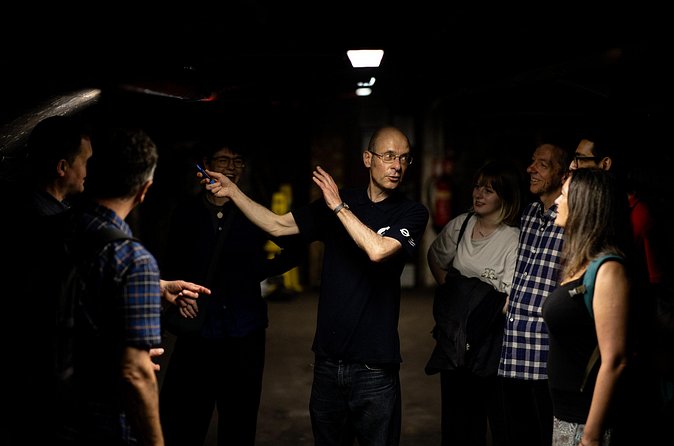
A key part of this tour’s value is the guide-led pacing. You’re not just following a route; you’re being guided through the why.
The group size tops out at 16 travelers, which matters in an underground environment. Smaller groups move more smoothly through narrow corridors and also make it easier for questions to land.
In the reviews, guides named Richard and Marilyn stand out for being fun and informative, with a tour style that feels lively rather than stiff. Another set of guides mentioned is Gillian and Marylyn, also praised for making the history click and for keeping the walk organized through Baker Street’s underground spaces.
Different guides can bring different tones, but the consistent theme is that you get context fast. You leave with a clearer mental map of how the Underground’s earliest ideas became real station infrastructure.
Photos and the practical details that add up
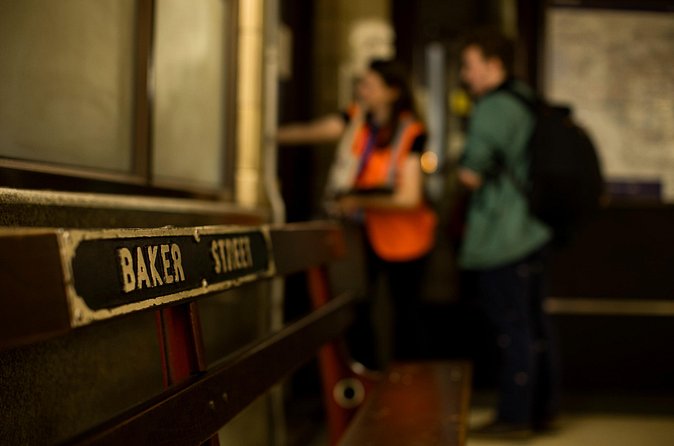
This is one of those tours where you likely end up taking more photos than you expect. There are opportunities to photograph areas off the normal visitor path, including corridors and spots where you might get a glimpse of trains from less obvious angles.
If you’re the type who likes to remember details, there’s an extra touch noted: a digital booklet sent after the tour. That’s the kind of practical souvenir that helps you connect what you saw underground to the story you heard.
One rule to keep your camera days drama-free: don’t plan to snack. No food or drinks are allowed, and the no-cloakroom setup means you won’t have a place to stash items comfortably.
So pack smart:
- bring a light layer for cooler, low-light areas
- keep your bag small enough to carry comfortably
- bring your photo ID (required for all guests)
Price and value: what you’re paying for at $61.70
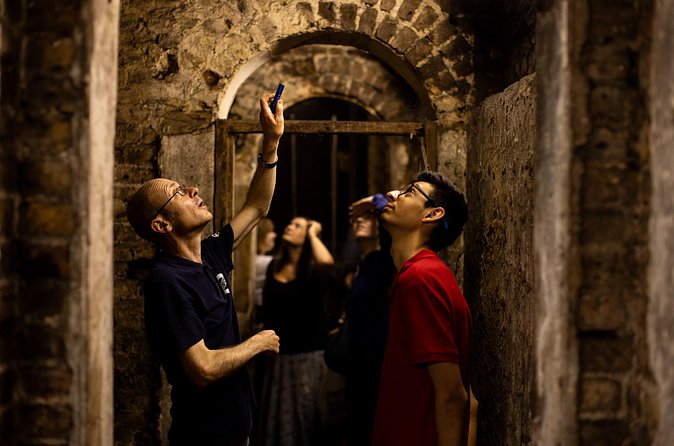
At $61.70 per person for about 85 minutes, the obvious question is: is it worth it?
Here’s how I’d judge it. You’re paying for access—real access—to working-station spaces that most people never see. That includes older station elements, service infrastructure, and corridors behind walls. If your goal is Underground history plus “show me,” this price lands more in line with a premium guided access experience than a standard museum-style walk.
Also, the small group size helps justify the cost. Moving 16 people through low-light, back-of-house station areas is not something you get with every typical tour.
You do want to calibrate expectations, though. One critical note raised is that a noticeable portion of the time can involve live platforms where you’re sharing space with commuters. So if you’re hoping for a tour that is 100% hidden corridors with zero public overlap, you might feel mixed.
Still, the most satisfying moments are exactly the ones you can’t replicate on your own: seeing older platforms and infrastructure features up close with a guide explaining what you’re looking at.
Booking timing and how far ahead to plan
This tour is commonly booked about 38 days in advance, which is a hint that demand is steady. If your dates are fixed, booking earlier is a smart move.
It’s also capped in size (max 16 travelers), so the tour has limited capacity per slot. When you see a specific tour at a specific station with restricted access, earlier planning usually pays off.
On the day, you’ll want a simple plan: public transport nearby, get to the statue meeting point on time, and don’t rely on changing footwear or retrieving extra items last minute.
Who should book this Hidden Tube Tour, and who should skip it
This is a great fit if:
- you love London Underground history with real station visuals
- you enjoy engineering and “how it works” explanations
- you want an alternative to standard sightseeing and like behind-the-scenes access
- you’re comfortable walking for about 85–90 minutes with stairs
It’s not a great fit if:
- you have claustrophobia or feel uneasy in enclosed, dim spaces
- you need step-free routes (there’s no elevator and it’s not step free)
- you don’t do well with uneven ground and stair-heavy movement
- you want a fully child-friendly, low-effort outing
For families: the tour isn’t suitable for children under 10, and there’s a limit of four children aged 10–15 per adult. If you’re traveling with kids, it’s worth considering whether they’ll handle low-light corridors and the active station setting.
Should you book the Hidden Tube Tour at Baker Street?
If you’re looking for a London Underground experience that goes past the obvious, I think this is a strong choice. The appeal is straightforward: original 1800s platform areas, access to passageways, and an engineering-focused tour through lift shafts and service tunnels—guided in a way that helps you make sense of it all.
The main reason to hesitate is physical and comfort fit. This tour involves real walking, stairs, uneven ground, and low lighting, with no elevator. If you’re unsure about comfort limits or claustrophobia, you’ll be happier choosing something more relaxed.
One more decision check: if you want total off-limits seclusion, note that time on live platforms can happen. But if you’re happy mixing rare access with a working station context, this tour can be one of the most memorable ways to understand how the Underground began.
FAQ
How long is the Hidden Tube Tour at Baker Street?
The tour is about 1 hour 25 minutes, and it includes an 85-minute guided portion at Baker Street station.
Where do I meet for the tour?
You’ll meet at the Sherlock Holmes Statue, 4 Marylebone Rd, London NW1 5LD. The tour ends back at the same meeting point.
What is the price per person?
The price is $61.70 per person.
What should I bring and what rules apply?
All guests must bring photo ID. You should also avoid bringing large bags or luggage since there is no cloakroom. No food or drinks are allowed on the tour, and open-toed shoes aren’t allowed.
Is the tour suitable for children?
The tour is not suitable for children under 10 years old. There is also a limit of four children aged 10–15 per adult.
Is the tour step-free or accessible by elevator?
No. The tour is not step free, involves stairs and walking on uneven ground, and there is no elevator.
Is the tour suitable for people with claustrophobia?
No, the tour is not suitable for guests with claustrophobia.
More Tours in London
- From London: Harry Potter Warner Bros Studio Tour
★ 4.7 · 26,588 reviews - Magical London: Harry Potter Guided Walking Tour
★ 4.7 · 22,044 reviews - London: Warner Bros. Studio Harry Potter Tour & Branded Bus
★ 4.7 · 19,194 reviews - London Big Bus Hop-On Hop-Off Tour with Optional River Cruise
★ 3.5 · 10,803 reviews - London Small Group Tour of Historical Pubs
★ 5.0 · 10,422 reviews
More Tour Reviews in London
- From London: Harry Potter Warner Bros Studio Tour
★ 4.7 · 26,588 reviews - London: Westminster to Greenwich River Thames Cruise
★ 4.5 · 22,836 reviews - Magical London: Harry Potter Guided Walking Tour
★ 4.7 · 22,044 reviews - London: Madame Tussauds London
★ 4.6 · 20,915 reviews - London: Warner Bros. Studio Harry Potter Tour & Branded Bus
★ 4.7 · 19,194 reviews
Just reviewed around London





Tours, compared.
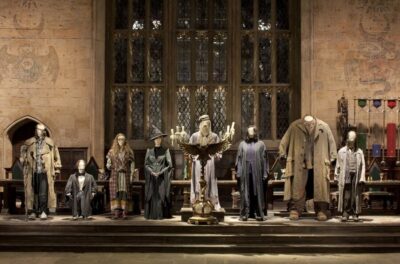 ★ 4.7From London: Harry Potter Warner Bros Studio TourFrom $11726,588 reviews
 ★ 4.7Magical London: Harry Potter Guided Walking TourFrom $2022,044 reviews
 ★ 4.7Warner Bros. Studio Harry Potter Tour & Branded BusFrom $15119,194 reviews
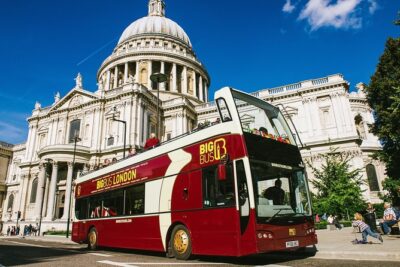 ★ 3.5London Big Bus Hop-On Hop-Off Tour with Optional River CruiseFrom $3910,803 reviews
 ★ 5.0London Small Group Tour of Historical PubsFrom $4010,422 reviews
 ★ 4.6Warner Bros. Studio Harry Potter Tour with TransfersFrom $1179,709 reviews
★ 4.7Warner Bros. Studio Harry Potter Tour with TransfersFrom $1169,485 reviews
 ★ 4.7The Original Jack the Ripper Walking TourFrom $257,833 reviews