
Reviewed · TOURS
Gangster Tour of Soho
Soho has a criminal pulse if you know where to look. This walking tour strings together street-gang stories, court intrigue, and nightlife legends across the same blocks that powered London’s 1960s and ’70s fashion and culture. You’ll move site to site with an authentic local Londoner guide and plenty of named places, not vague ghost-town vibes.
I really like that the tour connects gangsters to real addresses—from notorious venues and magistrates-court history to the exact streets tied to the Kray era. I also like the mix of crime and culture, so it isn’t just murders and arrests; you also get rock-and-roll landmarks, club scenes, and why Soho mattered beyond its criminal headlines. One drawback to consider: it’s an adult-leaning true-crime walk and it’s marked as unsuitable for under 18s, so it’s not a casual family outing.
In This Review
- Key highlights you shouldn’t miss in Soho
- What you’re really doing on the Gangster Tour of Soho
- The value is the price: free, but not casual
- Where the tour starts and ends (so you can plan your day)
- Your stop-by-stop route through Soho’s street-level legends
- London Palladium: entertainment house with gang-era gravity
- Courthouse Hotel (Great Marlborough St): when showbiz met the dock
- Carnaby Street: the gangster map starts to take shape
- 50 Carnaby St: a rotating cast of clubs over decades
- Spirit of Soho Mural: famous people in paint
- John Snow: cholera mystery on a street corner
- Walker’s Court: Raymond’s Revue Bar and the business of being seen
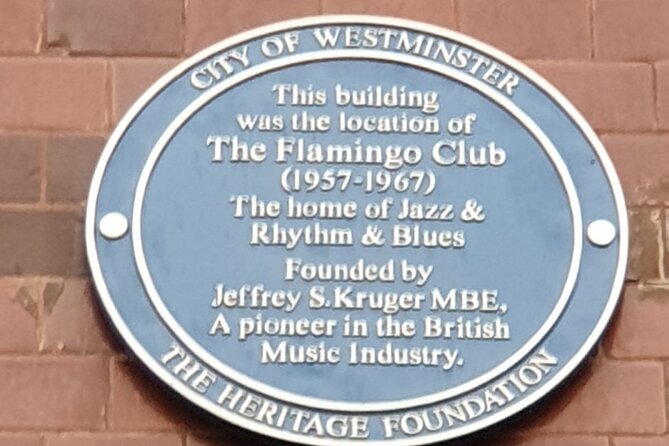
- Wardour Street: the Flamingo Club and the pop-rock pipeline
- Gerrard Street: Kray venues, hostess clubs, and the Nightclub Queen
- The French House: the Krays and Lord Boothby
- 2i’s Coffee Bar on a green plaque: the British rock-and-roll origin story
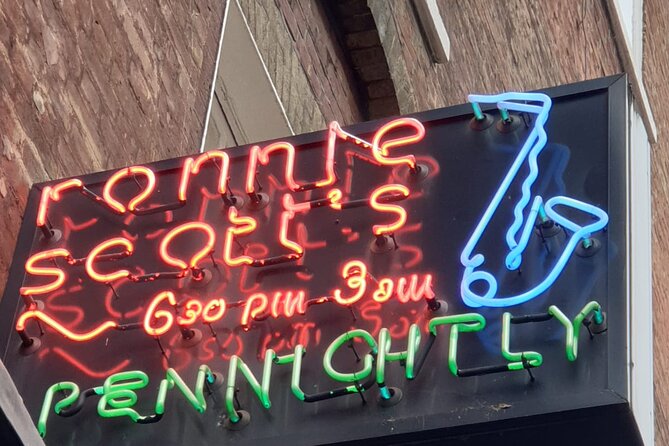
- Frith Street: Ronnie Scott’s Club seen from the sidewalk
- Greek Street: Krays, murders, and the darker side of nightclub glamour
- 58 Greek St: police corruption and the finale
- The guide factor: why a local voice makes the difference
- Weather, pacing, and who this is for
- Where to go after: keep the Soho momentum
- Should you book the Gangster Tour of Soho?
- FAQ
- How long is the Gangster Tour of Soho?
- Where do I meet, and where does the tour end?
- What ticket do I need?
- Is there a limit on group size?
- Is the tour suitable for children?
- What if the weather is bad?
Key highlights you shouldn’t miss in Soho
- London Palladium to Carnaby Street: jump from famous entertainment to the style-and-nightlife engine of Soho
- Kray twins coverage across Wardour, Gerrard, and Greek Street: street-by-street context, not one random stop
- 2i’s Coffee Bar and the rock-and-roll origin story: links Soho to British pop and discovery culture
- Public-health history at the John Snow pump replica: a calm science moment amid the street drama
- Police corruption and doorbell flats at the finale: the tour sharpens when it gets darker
Not sure yet? See how a few of London's most-booked trips stack up:
- From London: Harry Potter Warner Bros Studio Tour
★ 4.7 · 26,588 reviews - London: Westminster to Greenwich River Thames Cruise
★ 4.5 · 22,836 reviews - Magical London: Harry Potter Guided Walking Tour
★ 4.7 · 22,044 reviews - London: Madame Tussauds London
★ 4.6 · 20,915 reviews
What you’re really doing on the Gangster Tour of Soho

This is a walk through Soho’s underworld on foot, focused on the 1960s and 1970s—but built on older roots too. The idea is simple: you stand where the action happened, then the guide stitches together what that place meant at the time. It feels especially satisfying if you like true crime, police-drama storylines, or the way London’s neighborhoods can hold several eras at once.
The tour runs about 2 hours and caps at 25 people, which keeps it from turning into a loud shuffle. You also use a mobile ticket, so you’re not hunting for paper confirmations. Since it’s a walking tour, it’s best for anyone who enjoys moving through neighborhoods at an easy pace and paying attention to doors, plaques, and building corners.
The value is the price: free, but not casual
The big headline is that the tour is listed at $0.00. Even if that seems too good to be true, the structure suggests it’s designed for maximum payoff per minute: frequent short stops, lots of named locations, and context you can’t easily get from just roaming. It’s not a museum-style “stand and stare” tour. You’re out in Soho, learning what to notice.
That said, free tours still have tradeoffs. If you want deep, slow pacing or lots of time sitting down, this style of walking tour might feel fast. Most stops are brief—think 2 to 10 minutes each—so you’ll get story momentum rather than long explanations.
Where the tour starts and ends (so you can plan your day)
You start at ICE – International Currency Exchange, 241 Oxford St, London W1D 2LT. The tour ends at 58 Greek St, London W1D.
From the end point, it’s about a five-minute walk to Tottenham Court Road Station (Central/Northern/Elizabeth lines) or Leicester Square Station (Piccadilly/Northern lines). That’s handy because you can wrap the tour and still get to dinner, a show, or another neighborhood quickly.
You should also plan around crowds. Soho can be busy, and since the tour is walking and stop-and-go, you’ll want to keep a little buffer in your schedule for navigating foot traffic.

Your stop-by-stop route through Soho’s street-level legends
London Palladium: entertainment house with gang-era gravity
The tour begins outside the London Palladium, a major stage that captured attention in the 1960s and ’70s. You’ll also look at the plaque connected to Brian Epstein, the Beatles manager. This is a smart opener: it reminds you that Soho wasn’t only crime and punishment. It was also mainstream culture, money, and image-making.
Why this matters: if you understand entertainment, you start understanding the access. Nightlife and show business overlapped with vice—people, schedules, and reputations moved together.
Potential drawback: since this is an exterior theatre area, you’re dependent on street layout and passing crowds for visibility.
Courthouse Hotel (Great Marlborough St): when showbiz met the dock
Next you move to the Courthouse Hotel, near the stage-door area of the Palladium. The connection here is the building’s earlier role: it was a magistrates court on Great Marlborough St, where famous people faced trials including drug charges and other offences.
Why this matters: court history grounds the stories in institutions, not just rumor. It also helps you see how often high-profile nightlife intersected with legal trouble.
Carnaby Street: the gangster map starts to take shape
Once you enter Carnaby Street, the tour shifts into a naming-and-connecting mode. You’ll talk about gangsters with roots going back earlier than the 1960s/’70s—figures like Darby Sabini, Billy Kimber, Billy Hill, Jack Spot Comer, and the Messina Bros.
This is one of the most useful sections because it gives you a timeline feel. You start recognizing that Soho’s “gang era” didn’t pop out of nowhere; it grew.
50 Carnaby St: a rotating cast of clubs over decades
At 50 Carnaby St, the tour points out how clubs kept changing across the mid-century to the 1970s. The point isn’t just the address—it’s the pattern: venues open, close, rename, and keep feeding the next generation.
Why this matters: it helps you understand Soho as an engine. When one place fades, the street doesn’t stop—it just shifts.
Spirit of Soho Mural: famous people in paint
At the Spirit of Soho Mural, you’ll be directed to the faces and names that mark the area’s identity. The mural covers people who ranged from Casanova and Mozart to George Melly, Jeffery Bernard, Brendan Behan, and Johnnie Dankworth.
This stop is a breather between heavier stories, but it still supports the bigger theme: Soho was a magnet for artists, writers, entertainers, and characters with edges.
John Snow: cholera mystery on a street corner
Then you hit a surprising tonal change at the John Snow stop, where there’s a replica pump outside the pub named for him. The guide connects it to John Snow, described here as the first British epidemiologist who helped solve a cholera outbreak in 1854 that already killed 500 people.
Why this matters: this is the kind of stop that makes the tour feel smarter than a one-note true-crime walk. It reminds you that the neighborhood’s story includes science and public health, not just nightlife.
Walker’s Court: Raymond’s Revue Bar and the business of being seen
At Walker’s Court, the tour spotlights where Raymond’s Revue Bar stood—described as the first place in Soho where strippers could move once naked. The guide also connects Paul Raymond to men’s magazines and publishing like Men Only and Mayfair, plus the mention of an escort business and his property success, with the tour noting he was worth £650 million.
This stop is blunt, but it’s also about economics: sex industries, media industries, and property value were tightly linked.
Wardour Street: the Flamingo Club and the pop-rock pipeline
On Wardour Street, the focus turns to the Flamingo Club, where a who’s who of British and American rock and pop stars flocked in the 1960s and ’70s.
Why this matters: it ties the street-gang narrative to music culture. Soho’s nightlife wasn’t just for locals—it fed international trends too.
Gerrard Street: Kray venues, hostess clubs, and the Nightclub Queen
At Gerrard Street, you get a cluster of stories that feel like they overlap on purpose:
- The Boulogne Restaurant, described as a hostess club at the Wardour St end
- No. 15, where the Kray twins opened El Morocco after their first central London club, Esmeralder’s barn in Kensington
- Back into the 1920s, plus Kate Merricks, described as the Nightclub Queen, tied to the 43 Club at number 43
This is a high-value stop because it shows how one street can host multiple forms of power: romance/hostessing, club ownership, and organized-crime branding.
The French House: the Krays and Lord Boothby
Opposite The French House, the tour discusses the Kray twins’ relationship with Lord Boothby.
Even if you know the Krays only through books or TV, this kind of name-and-place link helps you place them in the social web around Soho. You can feel the difference between “crime myth” and “connected real-world circles.”
2i’s Coffee Bar on a green plaque: the British rock-and-roll origin story
At the green plaque for 2i’s Coffee Bar, the tour frames it as the birthplace of British Rock & Roll, run by a wrestler nicknamed Dr Death. The guide connects the venue to discovery of future stars from 1960 onwards, including Tommy Steel, Cliff Richard & the Shadows, and Screaming Lord Sutch. The stop also notes that the site is now a fish-and-chip place called Poppies.
Why this matters: you’re watching how Soho recycles itself. A place for fresh music becomes a place for a fresh lunch. The neighborhood stays current, even after the story changes.
Frith Street: Ronnie Scott’s Club seen from the sidewalk
On Frith Street, you look down toward Ronnie Scott’s Club, which is still operating. The tour notes that Ronnie Scott and his wife Cleo Laine are sadly gone.
This is a softer moment that still keeps you in the same orbit: night culture, famous names, and street-level routes that helped musicians and promoters move.
Greek Street: Krays, murders, and the darker side of nightclub glamour
At Greek Street, near the corner with Old Compton St, the tour returns to serious territory. The guide talks about:
- The Kray twins
- The murder of Jack the Hat
- The Mad Axman Frank Mitchell
- Freddie Foreman
- Ronnie Knight, noted here as Barbara Windsor’s first husband
- The murder of Alfredo Zomperelli
This stop is likely the emotional peak for a lot of people who came for crime. It helps to go in ready for unsettling names and to remember that Soho’s glitz often sat next to violence.
58 Greek St: police corruption and the finale
The last stop is 58 Greek St, where the guide brings in a topic that adds a different angle to gangster stories: police corruption in the 1960s and ’70s. Names mentioned include Bernie Silvers as the top dog, Frank Mifsud running most of the doorbell flats, and Commander Drury of Scotland Yard. The stop also ties in Jimmy Humpheries, described as a porn baron, and his wife Rusty Gaynor.
The way this finale is set up makes it feel like the tour wants you to understand the system, not just the criminals. If you like crime stories where power networks matter, this ending lands.
The guide factor: why a local voice makes the difference

This is led by an authentic local Londoner. That matters on tours like this because so many stops are about context: who was connected, why a venue mattered, how rumors traveled, and what was normal at the time. A local guide can point out street-level cues and explain how the neighborhood works now versus how it worked then.
It also helps that the group size is limited. With up to 25 people, it’s easier to hear the story without constantly replaying missed details.
Weather, pacing, and who this is for
This tour needs good weather. If it’s canceled because of poor weather, you’ll be offered a different date or a full refund. That’s typical for walking tours, but it’s worth planning around if you’re visiting in winter or during unpredictable weeks.
In terms of pacing, the short stops make the route feel efficient. It’s great if you like a steady stream of information and you want to cover a lot of Soho without feeling like you’re stuck in one spot too long.
This tour is a strong fit for:
- true crime fans and people who like police dramas
- nightlife/history lovers who want cultural context, not just violence
- anyone curious how Soho shaped British fashion and music culture in the 1960s and ’70s
It’s not a great fit if you want a family-friendly, kid-oriented outing, since it’s unsuitable for under 18s.
Where to go after: keep the Soho momentum
The tour includes time for walking around Soho with options to visit shops, restaurants, and bars after your walk. This is a nice touch because the whole point of a neighborhood tour is what you do next. Once you’ve got the street names and story links in your head, wandering becomes way more fun.
If you want a simple plan, pick one meal near the finish at Greek St. That way you’re not backtracking across central London after a focused walk.
Should you book the Gangster Tour of Soho?
Yes—if you like your London stories tied to specific addresses and you enjoy the street-level mix of crime, clubs, and pop culture. The standout value is that it’s free, yet it still feels structured: a clear route, named places, and enough context to make the era click.
Skip it if you need slow pacing, lots of seated time, or you’re traveling with kids. Also, plan for weather since it’s a proper walking experience.
If Soho is on your list anyway, this is one of those ways to turn a regular stroll into something sharper and more memorable—especially if you’re the type who likes to look at a plaque, a street corner, and think, that’s where the story happened.
FAQ
How long is the Gangster Tour of Soho?
It runs for about 2 hours.
Where do I meet, and where does the tour end?
You start at ICE – International Currency Exchange, 241 Oxford St, London W1D 2LT. You end at 58 Greek St, London W1D.
What ticket do I need?
You’ll use a mobile ticket.
Is there a limit on group size?
Yes. The tour has a maximum of 25 travelers.
Is the tour suitable for children?
No. It’s marked unsuitable for under 18s.
What if the weather is bad?
The tour requires good weather. If it’s canceled due to poor weather, you’ll be offered a different date or a full refund.
More Tours in London
- From London: Harry Potter Warner Bros Studio Tour
★ 4.7 · 26,588 reviews - Magical London: Harry Potter Guided Walking Tour
★ 4.7 · 22,044 reviews - London: Warner Bros. Studio Harry Potter Tour & Branded Bus
★ 4.7 · 19,194 reviews - London Big Bus Hop-On Hop-Off Tour with Optional River Cruise
★ 3.5 · 10,803 reviews - London Small Group Tour of Historical Pubs
★ 5.0 · 10,422 reviews
More Tour Reviews in London
- From London: Harry Potter Warner Bros Studio Tour
★ 4.7 · 26,588 reviews - London: Westminster to Greenwich River Thames Cruise
★ 4.5 · 22,836 reviews - Magical London: Harry Potter Guided Walking Tour
★ 4.7 · 22,044 reviews - London: Madame Tussauds London
★ 4.6 · 20,915 reviews - London: Warner Bros. Studio Harry Potter Tour & Branded Bus
★ 4.7 · 19,194 reviews
Just reviewed around London





Tours, compared.
 ★ 4.7From London: Harry Potter Warner Bros Studio TourFrom $11726,588 reviews
 ★ 4.7Magical London: Harry Potter Guided Walking TourFrom $2022,044 reviews
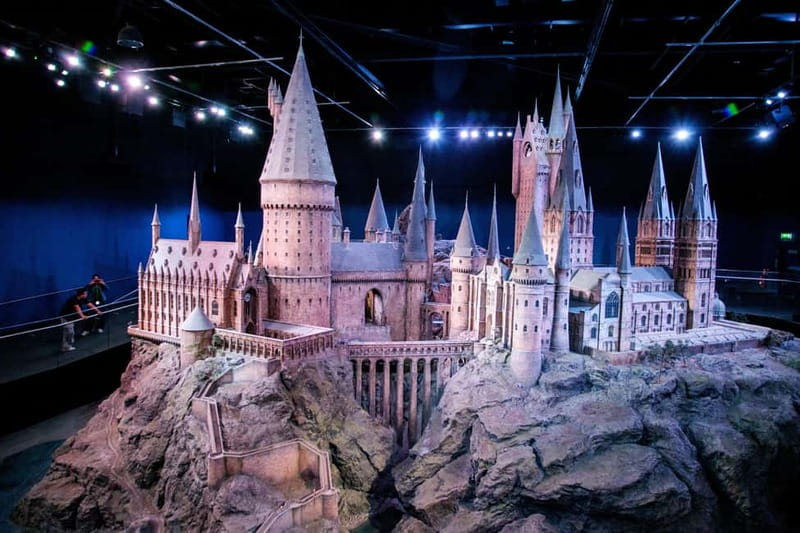 ★ 4.7Warner Bros. Studio Harry Potter Tour & Branded BusFrom $15119,194 reviews
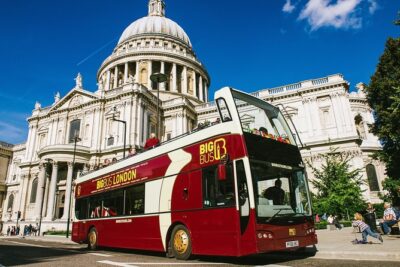 ★ 3.5London Big Bus Hop-On Hop-Off Tour with Optional River CruiseFrom $3910,803 reviews
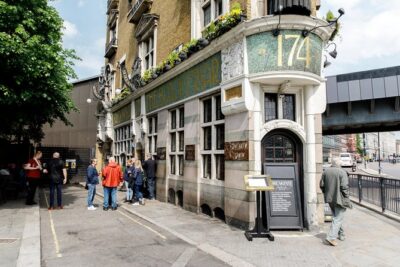 ★ 5.0London Small Group Tour of Historical PubsFrom $4010,422 reviews
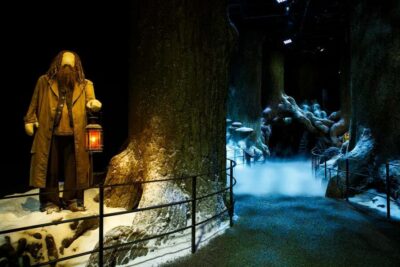 ★ 4.6Warner Bros. Studio Harry Potter Tour with TransfersFrom $1179,709 reviews
★ 4.7Warner Bros. Studio Harry Potter Tour with TransfersFrom $1169,485 reviews
 ★ 4.7The Original Jack the Ripper Walking TourFrom $257,833 reviews