
Bowie’s London hides in plain sight. This is a focused Brixton-to-Soho walk that traces David Robert Jones’ early life and career milestones, with photo-ready stops and lots of room for questions. The only real drawback: it’s about 2½ hours mostly on foot, so bring comfy shoes and be ready for weather.
I especially like that it’s guided by Grant Gutteridge, who ties Bowie’s story to the wider rock-and-pop world of the 60s and 70s. You start at Brixton Underground and finish near the London Palladium area, so you can keep your afternoon going without a bunch of extra transit.
At $34.45 per person, the value comes from the structure: a small group (up to 16), free admission at the featured stops, and a mobile ticket that makes the whole thing simple to manage.
In This Review
- Key points you’ll care about before you go
- Why this Bowie walk works: Brixton to Soho, in real time
- Starting at Brixton Underground: setting the scene for Bowie
- Stop 1 in Brixton: birth, school days, and the Bowie Memorial Mural
- The Soho shift: from first gigs to famous neighbors
- The 1970s recording story: Hunky Dory and Ziggy’s rise
- 1973: the Ziggy farewell and the TV moment
- The people behind the legend: George Underwood and the friendships that mattered
- What the photos and end point feel like in the real world
- Price and timing: is $34.45 worth it?
- Who should book this Bowie Golden Years walk
- Should you book the David Bowie Golden Years Walking Tour?
- FAQ
- How long is the David Bowie Golden Years Walking Tour?
- What time does the tour start, and where does it begin?
- Where does the tour end?
- Is the tour in English?
- Do I get a mobile ticket?
- What group size should I expect?
- What happens if weather is bad?
Key points you’ll care about before you go
- Brixton childhood trail: birth, school years, and the Bowie Memorial Mural in the neighborhood that shaped him
- Soho career timeline: from a 1964 pro gig with the King Bees to a Ziggy-era TV moment in 1973
- Small group energy: max 16 people, so questions don’t get rushed
- Grant Gutteridge’s music-scene context: connections to icons like Marc Bolan, Elton John, Jimi Hendrix, and even Tony Visconti
- Photo moments built in: camera-friendly streets, plus a chance to recreate a Ziggy Stardust-style album cover look
- Easy end point for the rest of your day: the tour wraps near the London Palladium (a handy landmark)
London on foot, a few more ways
- Magical London: Harry Potter Guided Walking Tour
★ 4.7 · 22,044 reviews - London: The Original Jack the Ripper Walking Tour
★ 4.7 · 7,833 reviews - Tour for Muggles The Ultimate Harry Potter Walking Tour in London
★ 5.0 · 4,684 reviews - London Jack The Ripper Guided Walking Tour
★ 5.0 · 3,131 reviews
Why this Bowie walk works: Brixton to Soho, in real time
David Bowie’s London story isn’t just famous addresses. It’s a chain of neighborhoods, people, and work routines. This tour is built to feel like that chain, starting in Brixton and moving into Soho, where the music-business gears really start to show.
I like the pacing because it’s not a “look, then move on” experience. The route is short enough to stay meaningful (about 2½ hours), but long enough to hit major phases: childhood and early roots in Brixton, then the working world of Soho—venues, homes, recording years, and TV history.
And because the group is capped at 16, you get actual conversation. That matters when you’re talking about Bowie, because fans often have follow-up questions: how the early years shaped the later reinventions, who influenced what, and how the scene worked in 60s and 70s London.
Starting at Brixton Underground: setting the scene for Bowie
Your afternoon begins at Brixton Underground Station, on Brixton Road. Starting on the transport line is practical: you can arrive without wrestling with London’s complicated street parking. You also get dropped into the right mindset fast—Brixton doesn’t feel like a museum. It feels like a real neighborhood with real streets.
From there, the emphasis shifts quickly to David Robert Jones’ early life. This isn’t a generic “Bowie was born in London” moment. You’re walking in the area tied to where he started—birth, school years, and the local markers that keep that origin story visible.
One smart detail: the tour strongly encourages a camera. That’s not just for sightseeing. It’s because so many stops are the kind of street-corner locations where a quick photo helps you lock the memory later.
Stop 1 in Brixton: birth, school days, and the Bowie Memorial Mural
In Brixton, the tour zeroes in on the basics that fans love because they explain the later magic. You’ll hear about where David Robert Jones was born, where he went to school, and how those formative surroundings connect to the Bowie you eventually recognize.
Then comes the Bowie Memorial Mural, the kind of place you can’t really rush. Even if you’re not a hardcore collector of memorabilia, you’ll understand why it sticks in your mind: it’s public, visible, and unmistakably tied to the person the mural commemorates.
How long is it? About 30 minutes for this section, which I like. It’s enough time to absorb the stories without dragging the rest of your day. It also keeps the tour moving so you can reach Soho while the afternoon still feels fresh.
Potential consideration: Brixton streets can be tight, and you’ll likely be stopping in small clusters for photos. If you’re someone who hates crowding, go in with patience—this is a walking tour with attention focused on specific corners.
Still deciding? A handful more London outings we rated
The Soho shift: from first gigs to famous neighbors
Soho is where Bowie’s story becomes busy. The neighborhood name alone tells you something: this is where music careers are made through contacts, rehearsals, recordings, and “who knows who.”
In Soho, the tour moves through several major timeline points, and they’re stacked in a way that helps you understand progression instead of memorizing dates. You’ll hear where Bowie played his first professional gig in 1964 with the King Bees, and then how the late 60s connect to his expanding circle.
One of the most interesting middle beats is 1967, when Bowie lived with choreographer and mime performer Lindsay Kemp. That kind of connection matters because it points to Bowie’s broader interest in performance beyond songwriting alone. You’re not just hearing about music charts; you’re seeing how “theater-world” energy fed into his art.
And then the tour touches the 1969 moment when Bowie performed Space Oddity live in front of Princess Margaret. That detail feels like a bridge between underground creativity and high-profile attention—useful context if you’ve ever wondered how Bowie’s mainstream visibility arrived without losing its edge.
The 1970s recording story: Hunky Dory and Ziggy’s rise
Once the tour hits the 1970s, the focus sharpens. This isn’t presented as a straight line of success. Instead, you get the sense of time working in layers—study, recording, collaboration, and the constant pressure of making the next thing better.
You’ll hear about where Bowie recorded Hunky Dory and The Rise and Fall of Ziggy Stardust and the Spiders from Mars during the 1970s. Even without getting lost in technical studio detail, these stops help you see why people talk about albums as turning points. They weren’t just songs. They were entire world-builds.
This is also where the tour starts to feel like a London music-scene map. Bowie’s story isn’t isolated. The guiding thread connects him to other major names people associate with the era—Marc Bolan, Elton John, Jimi Hendrix, and more. One review-style detail that’s especially fun: the guide ties Bowie’s network to real-world relationships that show up in everyday London settings, not just on stage.
If you enjoy walking while learning, this is the section that rewards attention. Watch for the alleyways and side streets. The best parts aren’t always the biggest buildings—they’re the in-between spots where someone actually worked, lived, or waited.
1973: the Ziggy farewell and the TV moment
In 1973, Bowie’s story takes a sharp turn. The tour includes where he performed his last ever show as Ziggy Stardust, described as the 1980 floor show for NBC TV’s The Midnight Special.
That stop works for two reasons. First, it anchors Ziggy’s theatrical end, so you don’t just hear about an album—you see it as an event with a deadline and a public stage. Second, it shows how Bowie’s work moved through media quickly, not just through clubs and record stores.
This is also a good time to ask questions. Because the tour is small, you can steer the conversation. If you care about how Bowie’s public persona changed, or how TV exposure shaped the era’s pop culture, this is where a lot of those discussions naturally fit.
The people behind the legend: George Underwood and the friendships that mattered
Bowie didn’t build everything alone. One of the most praised parts of the experience is how the guide links Bowie to the broader creative web, including artists and industry figures.
A standout connection is George Underwood. The tour ties the friendship thread from Stockwell Primary in Brixton through to Trident Studios in Soho. That’s the kind of detail that turns the whole day from “places I recognize” into “relationships that make sense.”
You’ll also hear about stories involving iconic contemporaries. One of the tour’s fun touchpoints is the idea that Bowie, Marc Bolan, Jimi Hendrix, and Elton John used to breakfast together and plot music careers—plus the idea of a Tin Pan Alley cafe setting. Whether you take it as a vivid anecdote or a window into how connected the scene was, it adds texture.
And on top of Bowie-specific facts, Grant Gutteridge also brings in rock-history and culture context beyond Bowie alone. That’s why people who aren’t lifelong Bowie super-fans can still enjoy the day: it’s a London music scene story as much as a Bowie story.
What the photos and end point feel like in the real world
If you bring a camera, you’ll be happy you did. This route naturally creates picture moments because you’ll be stopping at recognizable public locations plus street corners where the details matter. It’s not just scenic walking; it’s “stand here and remember this moment” walking.
There’s also a photo-style opportunity tied to Ziggy Stardust (the kind of spot where you can recreate the album-cover vibe). It’s the sort of extra that makes the tour feel like more than a lecture.
At the end, you finish near the London Palladium at 8 Argyll Street. That’s a practical win. You get a clear landmark, and you can easily line up dinner nearby, or even match the day to a show if your schedule allows. Some people also note that the ending includes a pub stop vibe, which fits the “rock-story walking tour” feel.
Price and timing: is $34.45 worth it?
$34.45 for a 2½-hour, guided, small-group walking tour is strong value—especially in London, where a lot of tours cost more and give less. The tour includes a mobile ticket and notes free admission tickets at the featured stops, so you’re not getting hit with surprise entry fees.
The timing also works. It starts at 2:00 pm. That’s ideal if you want something later in the day but still early enough to grab dinner without rushing. It’s also booked on average about 42 days in advance, which is a hint that popular dates sell out. If Bowie matters to your trip plan, don’t wait until the last week.
Practical note: the experience requires good weather. If London is doing its usual unpredictable thing, you’ll want to keep an eye on forecasts so you can dress for it.
Who should book this Bowie Golden Years walk
This tour is a great match if you:
- Are a Bowie fan and want the story tied to specific corners of London
- Like music history that connects personal life, performance, and the business side
- Enjoy small groups and asking questions while walking
- Want a fun, photo-friendly afternoon rather than a sit-down museum day
It’s also good if you’re not a lifelong Bowie collector. The guide weaves Bowie into the larger London scene—so you’re still getting an enjoyable framework for understanding how that era worked.
Should you book the David Bowie Golden Years Walking Tour?
Yes, if Bowie is on your London list and you want a route that feels purposeful. The Brixton-to-Soho direction gives you momentum, and the small-group format keeps it interactive. At $34.45, you’re paying for more than locations—you’re paying for interpretation, context, and a guide who can answer follow-up questions without turning the day into a lecture.
If you hate walking for 2½ hours, or if you know you won’t handle weather swings, then it may feel like too much pressure. But if you’re willing to dress for the day and bring a camera, this one is built for a satisfying afternoon.
FAQ
How long is the David Bowie Golden Years Walking Tour?
It runs for about 2 hours 30 minutes (approximately). The Brixton portion is listed at around 30 minutes, with the Soho portion taking about 2 hours.
What time does the tour start, and where does it begin?
The start time is 2:00 pm. You meet at Brixton Underground Station, Brixton Rd, London SW9 8HE.
Where does the tour end?
The tour ends at The London Palladium, 8 Argyll St, London W1F 7TF.
Is the tour in English?
Yes. The tour is offered in English.
Do I get a mobile ticket?
Yes. You receive a mobile ticket.
What group size should I expect?
The tour has a maximum of 16 travelers.
What happens if weather is bad?
The experience requires good weather. If it’s canceled due to poor weather, you’ll be offered a different date or a full refund.
More Tours in London
- From London: Harry Potter Warner Bros Studio Tour
★ 4.7 · 26,588 reviews - Magical London: Harry Potter Guided Walking Tour
★ 4.7 · 22,044 reviews - London: Warner Bros. Studio Harry Potter Tour & Branded Bus
★ 4.7 · 19,194 reviews - London Big Bus Hop-On Hop-Off Tour with Optional River Cruise
★ 3.5 · 10,803 reviews - London Small Group Tour of Historical Pubs
★ 5.0 · 10,422 reviews
More Tour Reviews in London
- From London: Harry Potter Warner Bros Studio Tour
★ 4.7 · 26,588 reviews - London: Westminster to Greenwich River Thames Cruise
★ 4.5 · 22,836 reviews - Magical London: Harry Potter Guided Walking Tour
★ 4.7 · 22,044 reviews - London: Madame Tussauds London
★ 4.6 · 20,915 reviews - London: Warner Bros. Studio Harry Potter Tour & Branded Bus
★ 4.7 · 19,194 reviews
More London Walks Worth the Shoe Leather
- Magical London: Harry Potter Guided Walking Tour
★ 4.7 · 22,044 reviews - London: The Original Jack the Ripper Walking Tour
★ 4.7 · 7,833 reviews - Tour for Muggles The Ultimate Harry Potter Walking Tour in London
★ 5.0 · 4,684 reviews - London Jack The Ripper Guided Walking Tour
★ 5.0 · 3,131 reviews - London: Harry Potter Movies Walking Tour (Kids Go Free)
★ 4.7 · 3,071 reviews
Just reviewed around London





London Walking Tours, compared.
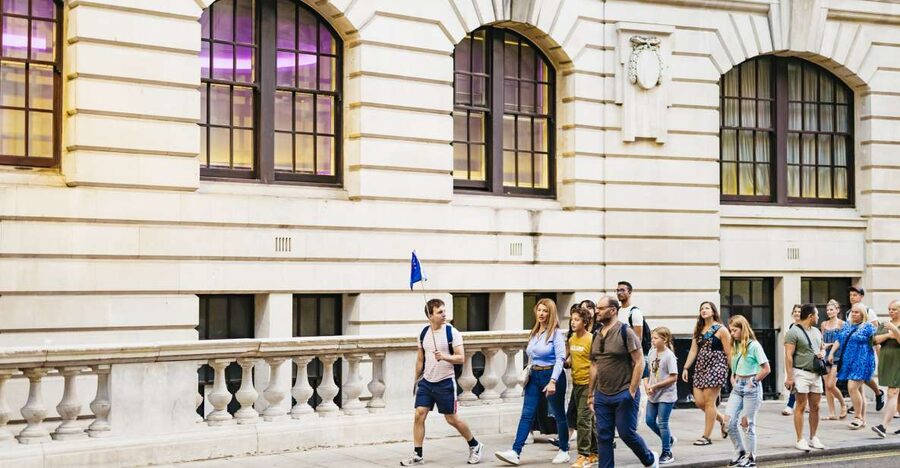 ★ 4.7Magical London: Harry Potter Guided Walking TourFrom $2022,044 reviews
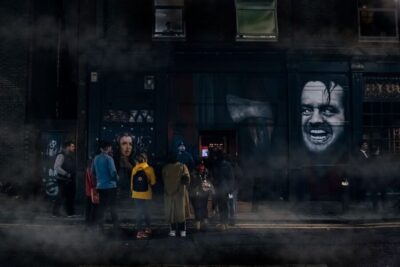 ★ 4.7The Original Jack the Ripper Walking TourFrom $257,833 reviews
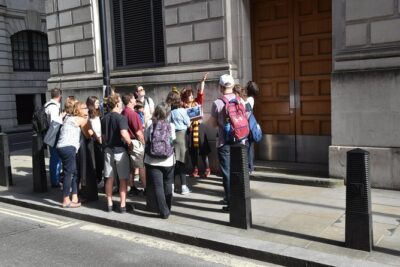 ★ 5.0Tour for Muggles The Ultimate Harry Potter Walking Tour in LondonFrom $234,684 reviews
 ★ 5.0London Jack The Ripper Guided Walking TourFrom $03,131 reviews
 ★ 4.7Harry Potter Movies Walking Tour (Kids Go Free)From $203,071 reviews
 ★ 5.0Changing of the Guard Guided Walking Tour in LondonFrom $251,793 reviews
 ★ 4.9The Great British Rock and Roll Music Walking TourFrom $361,783 reviews
 ★ 4.8Harry Potter Walking Tour in GermanFrom $201,505 reviews