

Reviewed · LONDON WALKING TOURS
City of London Historical Walking Tour
London’s City gets its own power story. I like the way this small-group walk traces the Square Mile’s shift from Celtic roots through Roman, Saxon, Viking, and Norman eras, while keeping the story human and easy to follow. I also love the focus on Magna Carta origins and how the City’s defiance helped shape England’s push toward democracy.
One thing to plan around: there’s no food served. It’s a solid 2.5 hours on foot, so come ready with water and comfortable shoes, especially if you’re starting in cool or rainy London weather.
In This Review
- Key things that make this City of London walk worth your time
- Barbie Green to the City’s boundary with Westminster
- From Celts to Romans: how the Square Mile keeps reinventing itself
- Saxons, Vikings, Normans: defying the Crown one turning point at a time
- Magna Carta origins: why this City mattered to English law
- Salters’ Hall and Guildhall: civic power you can feel in the streets
- Royal Exchange, Mansion House, and the dragon after plague and fire
- Bank of England finish: the story lands in modern financial power
- Price, pace, and who this tour is best for
- Should you book this City of London Historical Walking Tour?
- FAQ
- Where does the tour start?
- How long is the City of London Historical Walking Tour?
- What is the price per person?
- What is included in the tour?
- Is food included?
- Is the tour wheelchair accessible?
- What’s the cancellation policy?
Key things that make this City of London walk worth your time
- A story-first route through the City of London, not the usual checklist
- Big themes in a tiny area, from Celtic beginnings to Norman change
- Magna Carta tied to civic power, including the idea of a corporation birthing an empire
- London vs. the Crown, with the City’s “envy of kings” reputation in focus
- Dragon identity and how the city’s emblem gets explained after plague, fire, and revolution
London on foot, a few more ways
- Magical London: Harry Potter Guided Walking Tour
★ 4.7 · 22,044 reviews - London: The Original Jack the Ripper Walking Tour
★ 4.7 · 7,833 reviews - Tour for Muggles The Ultimate Harry Potter Walking Tour in London
★ 5.0 · 4,684 reviews - London Jack The Ripper Guided Walking Tour
★ 5.0 · 3,131 reviews
Barbie Green to the City’s boundary with Westminster
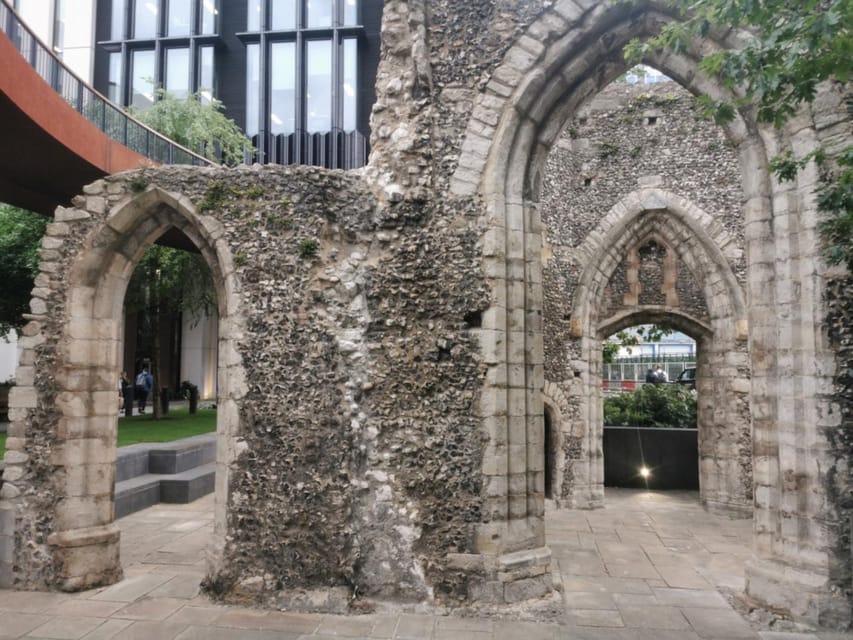
You start at Barbie Green, by the restaurant opposite the ruins. That matters, because the whole tour is built around one idea: the City of London is not “just another part” of London. It had its own identity, its own rules, and a stubborn attitude toward royal authority.
Right out of the gate, the guide frames the City’s origin story and why it became known as the envy of kings. You’ll hear how the Square Mile developed as a separate world from Westminster, with its own logic for power, rights, and governance. It’s the kind of setup that makes the rest of the walk click instead of turning into random sightseeing.
From Celts to Romans: how the Square Mile keeps reinventing itself
The tour then moves through time with a clear rhythm: short guided segments, then you’re up and walking again. You’re tracing the City’s evolution from Celtic roots into Roman influence, and you get a sense of how the same streets can carry different layers of control and culture.
What I like here is the pace. You’re not asked to memorize dates. You’re encouraged to notice change—who held power, who resisted it, and why a “small” place could keep mattering. That’s what makes the history feel alive rather than dusty.
Even if you’ve been to London before, this style helps you stop treating the City as a backdrop for commuting. You start seeing it as a place that repeatedly adapted—sometimes by negotiation, sometimes by confrontation.
Saxons, Vikings, Normans: defying the Crown one turning point at a time
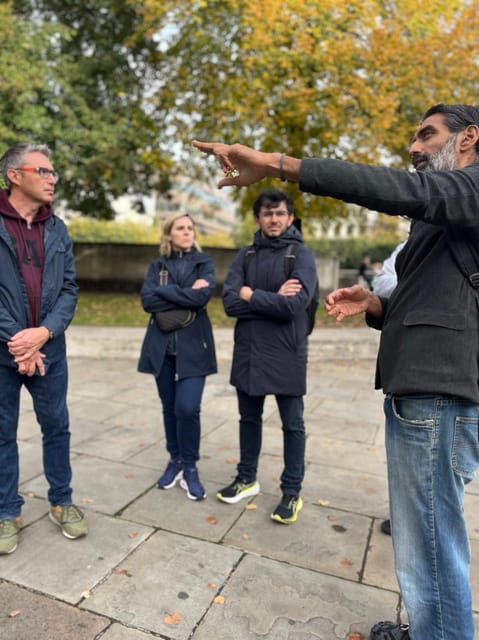
After the Roman thread, the story broadens to the Saxons, Vikings, and Normans. The tour uses these eras to explain how the City’s identity sharpened over centuries. You’ll hear about London’s reputation for defiance against monarchy and how that attitude shaped the legal and democratic direction of England.
This part is where the tour earns its keep. Instead of listing rulers, it connects larger political pressure to local stubbornness. You get the sense that the City’s independence wasn’t a cute quirk—it was a survival strategy.
And the City Mile gets bigger in your mind as you walk. The guide keeps you oriented, so you’re not just passing buildings. You’re following a timeline of influence and pushback.
Still deciding? A handful more London outings we rated
Magna Carta origins: why this City mattered to English law
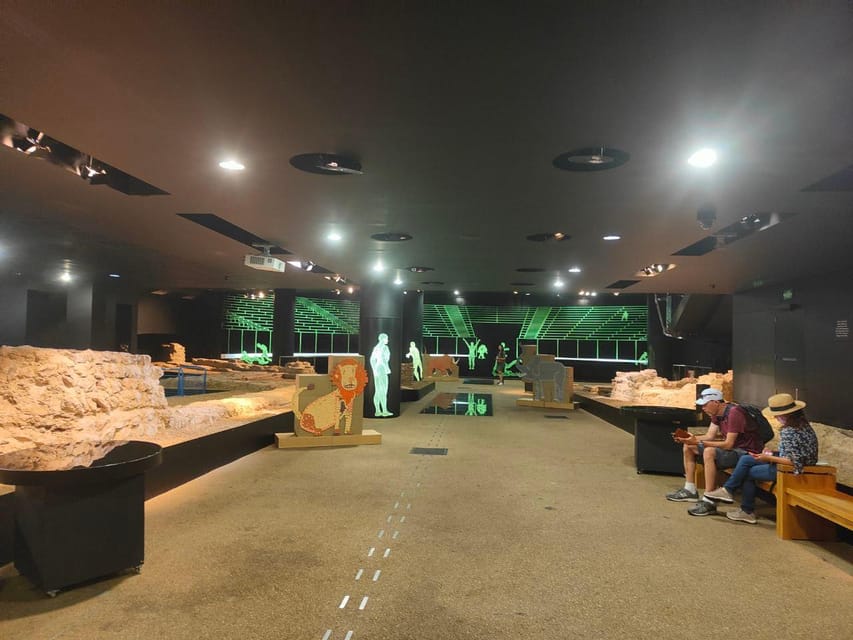
One of the tour’s main moments centers on the birthplace of the Magna Carta. This is more than a landmark moment for legal nerds. The point is how the City helped build foundations for rights and legal structure, at a time when power was often personal and unquestioned.
As you move through the square mile, the guide ties the City’s self-rule to the wider story of English democracy. You’ll also hear an eye-opening angle: the idea that a corporation was born here, and that it later drove an empire’s rise. That’s a big claim in theme form, and the tour frames it in a way that makes the City’s civic institutions feel like real engines of history.
If you’ve ever wondered why London’s government and business worlds seem tightly linked, this section gives you the backbone explanation.
Salters’ Hall and Guildhall: civic power you can feel in the streets

The route then takes you to Salters’ Hall, followed by Guildhall. These stops matter because the tour is about governance—how the City organized itself, protected its privileges, and held onto authority even when the rest of London played by royal rules.
At Salters’ Hall, you’ll get another guided stretch that keeps the focus on institutional power, not just old stones. You’ll be pulled back to themes like civic rights and how London’s legal foundations took shape through the City’s own decisions.
Then comes Guildhall, where the guide expands the story of how London’s community roles and civic structures helped keep the City independent. You’re not just learning that the City had power—you’re learning what kind of power it was: the power to set rules, protect privileges, and keep operating when politics got messy.
Royal Exchange, Mansion House, and the dragon after plague and fire
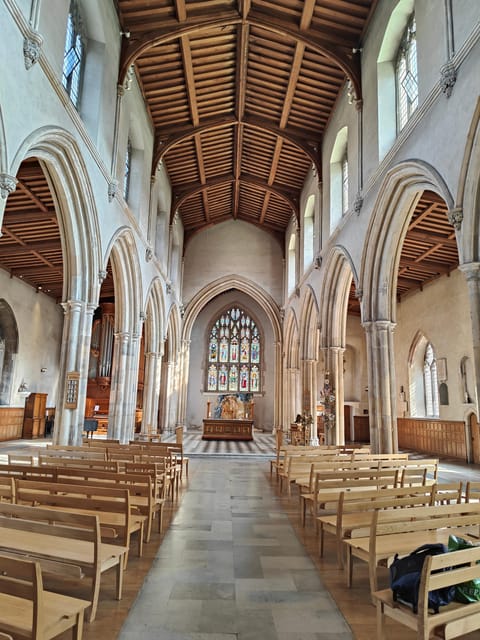
Mid-to-late in the walk, the story shifts to crisis and resilience—plague, fire, and revolution—and how the City responded. The tour closes its long timeline at the end of the turbulent 17th century, when pressure on the City’s rights was high and survival required stubborn action.
As part of that arc, you learn about the dragon emblem and why it became tied to London’s identity. The guide explains the dragon in a way that connects symbolism to politics: it’s not just a logo. It’s a sign of continuity after disruption, a visual reminder that the City held onto its sense of self.
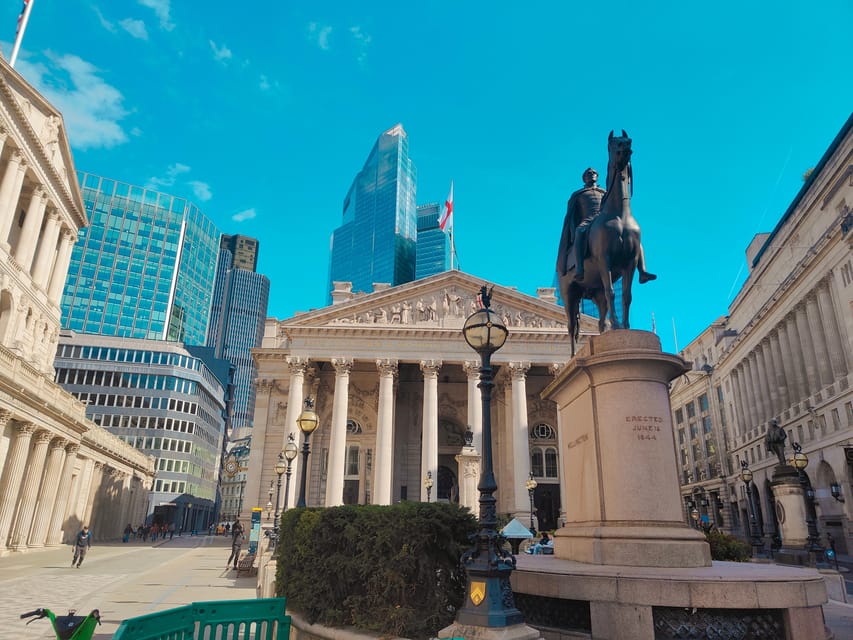
You’ll hit Royal Exchange and Mansion House during this phase, which helps the story land in something you can see today. The guide uses these stops to bring the older “rights and privileges” theme forward into the City’s long-term self-image.
Bank of England finish: the story lands in modern financial power
The tour finishes at the Bank of England. That ending choice isn’t accidental in theme terms. The walk has been about how the City’s civic and corporate engine helped shape a global influence story—so landing at a major symbol of modern finance turns the last chapter into a clear visual.
By the time you reach the finish, you’ve spent 2.5 hours seeing the Square Mile as a place that kept choosing order, rights, and institutional strength, even when disaster hit hard. It’s a satisfying close: history doesn’t stop in the past. It echoes in what the City still does.
Price, pace, and who this tour is best for
This tour costs $30 per person and runs about 2.5 hours. For that price, you’re getting a live guided walk (not a self-guided audio), a post tour PDF with an overview of locations and themes, and a group capped at 8 participants. In plain terms: you’re paying for focus and storytelling, not just access to buildings.
The small group format is a big part of the value. With a limit of eight, you’re more likely to ask questions and get answers that match what you care about—whether that’s the Magna Carta angle or the dragon emblem and civic identity thread.
A few practical notes:
- No food is served, so plan your meal before or after.
- Wear comfortable walking shoes. This is a guided walk across the City, and the story moves quickly.
- The tour is wheelchair accessible.
- Language: the live tour guide is English, with multilingual support available if you tell them your language in advance.
Also, if you want someone who tells the story like it’s happening, the guide you’ll meet (often Arjun) is known for being a strong storyteller. The tour also uses a recognizable guide presence—longish hair and beard, plus a felt green dragon on the backpack—so you won’t have to guess who to follow.
Should you book this City of London Historical Walking Tour?
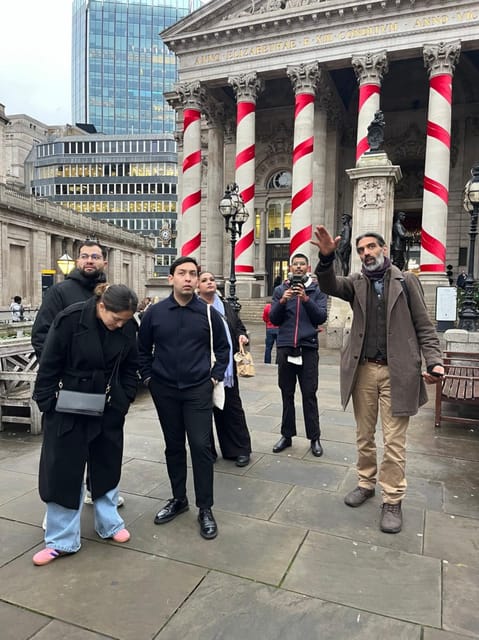
Book it if you want London history with meaning, not just famous sights. This is a good pick when you like the City’s under-the-radar corners, the “why” behind civic power, and a route that treats the Square Mile as a character with a long memory.
Skip it if your ideal London day is only major tourist landmarks in big open spaces. The tour is focused on the City’s identity—its defiance, legal foundations, symbolism, and survival. That’s the point. If that’s your kind of London, you’ll get your money’s worth.
FAQ
Where does the tour start?
The meeting point is Barbie Green restaurant, opposite the ruins.
How long is the City of London Historical Walking Tour?
It runs for 2.5 hours.
What is the price per person?
The price is $30 per person.
What is included in the tour?
You get a guide, the walking tour, and a post tour PDF overview of the tour locations and themes.
Is food included?
No. No food will be served on this tour.
Is the tour wheelchair accessible?
Yes. The tour is wheelchair accessible.
What’s the cancellation policy?
You can cancel up to 24 hours in advance for a full refund.
More Tours in London
- From London: Harry Potter Warner Bros Studio Tour
★ 4.7 · 26,588 reviews - Magical London: Harry Potter Guided Walking Tour
★ 4.7 · 22,044 reviews - London: Warner Bros. Studio Harry Potter Tour & Branded Bus
★ 4.7 · 19,194 reviews - London Big Bus Hop-On Hop-Off Tour with Optional River Cruise
★ 3.5 · 10,803 reviews - London Small Group Tour of Historical Pubs
★ 5.0 · 10,422 reviews
More Tour Reviews in London
- From London: Harry Potter Warner Bros Studio Tour
★ 4.7 · 26,588 reviews - London: Westminster to Greenwich River Thames Cruise
★ 4.5 · 22,836 reviews - Magical London: Harry Potter Guided Walking Tour
★ 4.7 · 22,044 reviews - London: Madame Tussauds London
★ 4.6 · 20,915 reviews - London: Warner Bros. Studio Harry Potter Tour & Branded Bus
★ 4.7 · 19,194 reviews
More London Walks Worth the Shoe Leather
- Magical London: Harry Potter Guided Walking Tour
★ 4.7 · 22,044 reviews - London: The Original Jack the Ripper Walking Tour
★ 4.7 · 7,833 reviews - Tour for Muggles The Ultimate Harry Potter Walking Tour in London
★ 5.0 · 4,684 reviews - London Jack The Ripper Guided Walking Tour
★ 5.0 · 3,131 reviews - London: Harry Potter Movies Walking Tour (Kids Go Free)
★ 4.7 · 3,071 reviews
Just reviewed around London





London Walking Tours, compared.
 ★ 4.7Magical London: Harry Potter Guided Walking TourFrom $2022,044 reviews
 ★ 4.7The Original Jack the Ripper Walking TourFrom $257,833 reviews
 ★ 5.0Tour for Muggles The Ultimate Harry Potter Walking Tour in LondonFrom $234,684 reviews
 ★ 5.0London Jack The Ripper Guided Walking TourFrom $03,131 reviews
 ★ 4.7Harry Potter Movies Walking Tour (Kids Go Free)From $203,071 reviews
 ★ 5.0Changing of the Guard Guided Walking Tour in LondonFrom $251,793 reviews
 ★ 4.9The Great British Rock and Roll Music Walking TourFrom $361,783 reviews
 ★ 4.8Harry Potter Walking Tour in GermanFrom $201,505 reviews
Browse the lists this tour appears in