
Reviewed · LONDON WALKING TOURS
3-Hour City of London Walking Tour
London hits different with a tight guide-led walk. This 3-hour City of London walking tour is built for maximum story and minimum wasted time, starting with a 10:00 meeting at your hotel reception and a short double-decker ride before you’re on foot in historic lanes and famous streets. I like the way it strings together the city’s big turning points through places you can actually see—St. Paul’s Cathedral area, the Strand, Fleet Street, and the London Bridge/Tower zone—without needing a thick guidebook.
My other favorite part is how the tour connects the Great Fire and the Great Plague to what London looks like today, then follows with the darker, human drama of the Tower of London. You’ll hear about St. Paul’s rebuilding after the Great Fire and national moments like the wedding of Charles, Prince of Wales, and Lady Diana Spencer, then shift to executions and prisoners like Anne Boleyn. One thing to consider: at only three hours, you’re getting the highlights and the context—not a slow, ticketed visit—so if you want museum-style time inside sites, plan on paying extra for any entries.
In This Review
- Key things that make this tour work
- Starting at your hotel: why 10:00 matters
- The double-decker ride and cobbled alleyways to the Strand
- Strand to Fleet Street: newspaper power, then and now
- St. Paul’s Cathedral: why this view mattered for over 1,400 years
- The Great Fire and Great Plague stories you’ll actually remember
- Millennium Bridge to Borough Market: Thames energy without the crowds strategy
- Golden Hinde II and Sir Francis Drake: history you can see
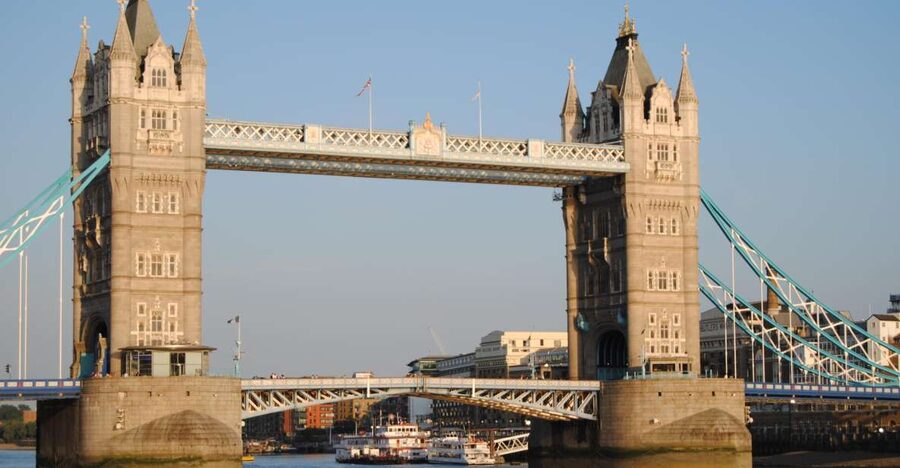
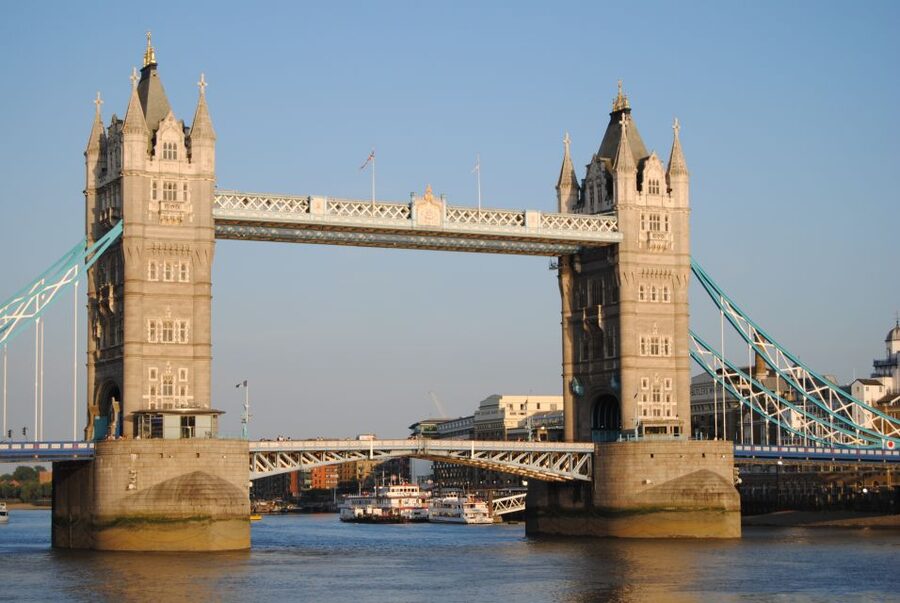
- London Bridge station stop: the Tower of London from the outside, with the inside story
- Price for up to 2: when $376 feels like a good deal
- Guide quality: Denis is a standout name to watch for
- Who this tour suits best
- Should you book this 3-hour City of London walking tour?
- FAQ
- What time does the tour start and where do we meet?
- Is this tour private?
- How long is the tour?
- What’s included in the price?
- Do I need to provide hotel details when booking?
- What languages are available?
- Where does the tour end?
Key things that make this tour work
- Hotel reception pickup at 10:00 keeps it easy for a short visit
- Strand and Fleet Street streets show you where newspapers once ruled
- St. Paul’s Cathedral facts with real context, including Great Fire rebuilding and major ceremonies
- Thames crossings and viewpoints, including the Millennium Bridge area
- Old London drama near London Bridge, with Tower of London stories and Anne Boleyn included
- Private group of up to 2 means you’re not lost in a crowd
London on foot, a few more ways
- Magical London: Harry Potter Guided Walking Tour
★ 4.7 · 22,044 reviews - London: The Original Jack the Ripper Walking Tour
★ 4.7 · 7,833 reviews - Tour for Muggles The Ultimate Harry Potter Walking Tour in London
★ 5.0 · 4,684 reviews - London Jack The Ripper Guided Walking Tour
★ 5.0 · 3,131 reviews
Starting at your hotel: why 10:00 matters
The meeting is straightforward: you meet your guide at 10:00 at your centrally located hotel reception area. For a short tour, this timing is a big deal. You avoid the awkward question of where to meet, and you get moving while the day is still fresh.
In your booking details, you’ll be asked for your name and mobile number, plus your hotel name and address (or meeting-point info if you’re not using a hotel). That’s a good sign of a tour that’s meant to run cleanly, especially in a city where walking distances can sneak up on you.
The double-decker ride and cobbled alleyways to the Strand
Before you’re fully on foot, you hop onto a double-decker bus. Even if you’re staying somewhere central, this gives you a quick sense of orientation and saves energy early on.
Then the real fun starts: cobbled alleyways and classic central streets. This is the part that makes a walking tour worth it. You don’t just read about London’s old urban fabric—you feel it underfoot as you head toward the Strand and Fleet Street.
Fleet Street is where you’ll get a strong “wait, that’s where it happened” moment. Historically, it was home to Britain’s major newspapers until the 1980s, and the tour uses that change as a jumping-off point for how London’s power structures shift over time. It’s not only about facts; it’s about seeing how a street’s purpose can change while the buildings stay.
If you hate stopping for photos every five minutes, you’ll still enjoy this section. The route is paced so you can look up, walk, and absorb stories without feeling like you’re constantly waiting on the group.
Strand to Fleet Street: newspaper power, then and now
This stretch is where you’ll get the “city as a working machine” feeling. The Strand and Fleet Street aren’t just landmarks; they’re a timeline in street form.
As you walk, your guide ties the area to how information moved and who held influence. That matters because London didn’t become important just because it had famous buildings. It became influential because ideas, news, politics, and money were concentrated here.
You’ll also get a change in mood as you leave the busiest corridors and slide into side streets. That’s often when guides can point out details you’d never notice by yourself: the way lanes funnel views, the way blocks shape pedestrian flow, and the way old streets still guide modern movement.
My practical tip: wear comfortable shoes here. Cobblestones look romantic in photos, but your feet will tell the truth after 90 minutes.
Still deciding? A handful more London outings we rated
St. Paul’s Cathedral: why this view mattered for over 1,400 years
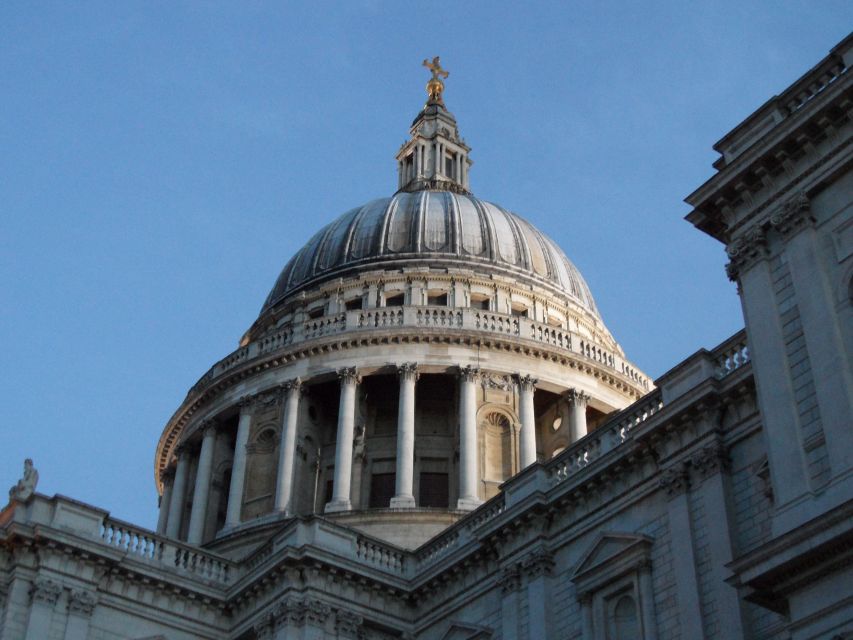
Next comes St. Paul’s Cathedral, described as the highest point in London for over 1,400 years. That one line is a key to understanding the city. If a building is visible from so many directions for centuries, it becomes a landmark for everything: commerce, ceremonies, and even public memory after disasters.
You’ll learn how St. Paul’s was rebuilt after the Great Fire of London. That rebuilding isn’t treated like trivia—it’s framed as a reshaping of the city. When London changes after a catastrophe, it doesn’t only change on paper. It changes in layout, materials, and long-term planning.
You also hear about major national events connected to the cathedral, including the wedding of Charles, Prince of Wales, and Lady Diana Spencer. It’s a helpful reminder that St. Paul’s isn’t only about fire and plague; it’s also about modern national life and ceremony.
If you’re the type who thinks a cathedral tour should be slow, this won’t be that. It’s a highlight-and-context walk. If you want to go inside and linger, you’ll need to plan separate time because museum admissions aren’t included.
The Great Fire and Great Plague stories you’ll actually remember
One reason I like this tour’s pacing is that it doesn’t treat the Great Fire and the Great Plague as separate trivia blocks. You’ll learn how both reshaped daily life and how the city carried the results forward.
The Great Plague gets framed around scale: it killed a third of London’s population. That statistic can feel heavy, but the tour uses it to explain why London’s growth and routines were so different than people expect when they picture “historic England.”
Then the route keeps moving, which helps you stay in the story. You’re not stuck in one spot trying to imagine everything. You’re walking through older areas and hearing how those crises changed the city’s future.
Millennium Bridge to Borough Market: Thames energy without the crowds strategy
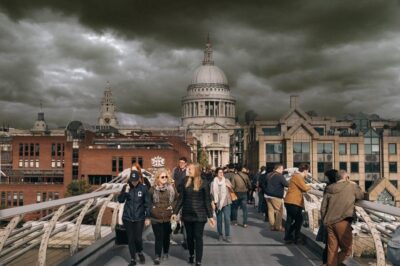
After St. Paul’s, you’ll cross the Millennium Bridge. That crossing works well in a short tour because it connects “landmarks” with “river context.” The Thames is a real organizing feature of London, and even a brief crossing can change how you understand the geography.
From there you head toward Borough Market and Southwark Cathedral. Borough Market is a classic London stop for food culture, and even if you’re not shopping, the area helps you picture how the city feeds itself. Southwark Cathedral adds another layer of meaning because it gives you a different angle on London’s religious and historic footprint than the St. Paul’s side.
Two notes to keep you happy:
- The tour doesn’t include museum admissions, so if you’re hoping to do a ticketed interior at Southwark or elsewhere, budget extra time and money.
- Market hours can vary by day. The tour route includes the market area, but it’s smart to keep expectations flexible if you arrive when some stalls are quiet.
Golden Hinde II and Sir Francis Drake: history you can see
Near the Thames, you’ll see Golden Hinde II, Sir Francis Drake’s famous galleon. This is one of those stops that can feel like a fun break from the heavy stories—until you realize it ties right back to London’s global role.
A galleon isn’t just a boat. It’s power, trade, and the long reach of England outward. Seeing a replica like Golden Hinde II helps you connect the city’s political theater to the physical reality of ships and travel.
For many people, this is where the tour becomes more memorable. You get a tangible object linked to the name you’ve heard in history classes, and the guide connects it to why London mattered beyond its streets.
London Bridge station stop: the Tower of London from the outside, with the inside story
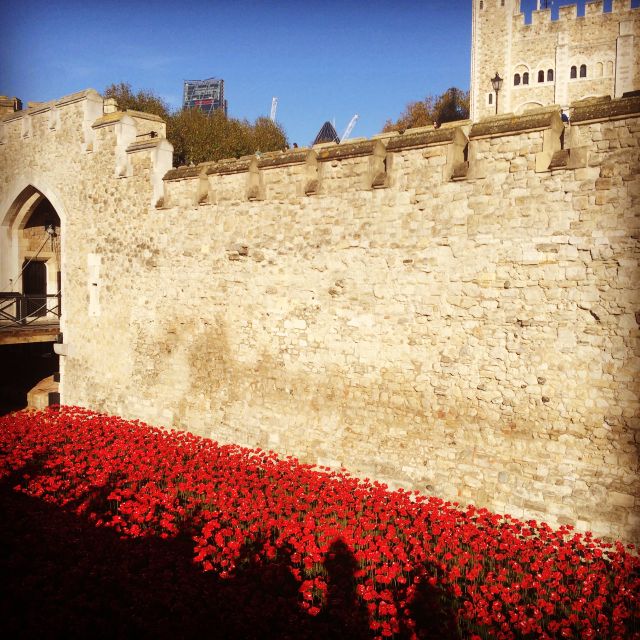
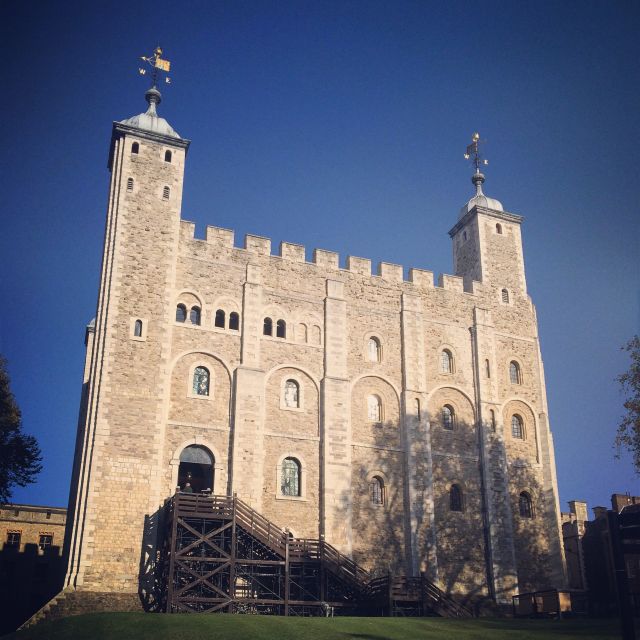
The final big story stop is near London Bridge station, where you’ll learn how the Tower of London—an 11th-century stronghold of William the Conqueror—functioned as a palace, prison, and execution site.
This part is heavy, and the tour doesn’t shy away from it. You’ll hear about prisoners including Anne Boleyn, Henry VIII’s second wife, who met her end there in 1536. If you want a human-centered version of Tudor history, this is it: the politics becomes personal.
Important: the tour ends at London Bridge station. That’s convenient, but it also means the Tower is presented through explanation and vantage points rather than a full on-site deep visit inside. If you want to walk the Tower grounds yourself for longer, you’ll likely want to plan a separate add-on.
Price for up to 2: when $376 feels like a good deal
This tour is priced at $376 per group up to 2 for a 3-hour experience, which means the cost can look steep at first glance—but it’s worth doing the math for how these tours usually work.
If you come as two people, you’re effectively splitting the private-group price. If you’re traveling solo, it’s less value because you’re paying the whole group rate.
You’re paying for:
- A private group (no one gets stuck behind slow walkers in a large crowd)
- A guide for the full 3 hours
- Hotel reception pickup at 10:00 (a real convenience in central London)
- A guided route that covers multiple key areas efficiently
One potential catch: the description includes a double-decker bus early on, but it also lists that transportation isn’t included. Before you assume bus fares are covered, I’d confirm what’s included for your specific booking.
Also note: museum admission fees aren’t included. Since you’re seeing major sites like the cathedral area and market spaces, you might still want optional entries. Budget for that if those are priorities.
Guide quality: Denis is a standout name to watch for
The overall rating is 3.7 from 7 reviews, which tells me this is a good option when things run smoothly, but you should choose carefully and set your expectations for a short, guide-led walk.
One guide name that shows up with praise is Denis. In one review, Denis is called wonderful, with extensive knowledge and interesting stories, plus a focus on making sure the group gets home safely. Another positive review notes a nice tour and good context.
There is also at least one negative experience involving unclear speaking volume and problems with directions and stopped/closed market areas. That doesn’t mean the tour is bad—London is just the kind of city where small execution issues can seriously affect a short walk. My advice: if clarity and smooth pacing are important to you, choose a departure time that fits your schedule and double-check meeting details so nothing starts messy.
Who this tour suits best
This tour fits you if:
- You want high-impact London storytelling in 3 hours
- You like walking past landmarks more than you like museum time
- You appreciate context around the Great Fire, plague, and Tower imprisonment stories
- You’re traveling with one partner and want a private up-to-2 group
It may not fit you if:
- You want lots of interior time inside major sites
- You’re sensitive to heavy topics like executions and imprisonment (the tour includes them)
- You dislike walking on cobbled streets and city sidewalks
Should you book this 3-hour City of London walking tour?
I’d book it if you’re the type who likes your history connected to real places you can see, and you want a guide to stitch the story together from St. Paul’s to London Bridge/Tower with stops through the Strand, Fleet Street, and the Thames side.
I would pause if you’re trying to get value from ticketed interiors or you’re hoping transportation and admissions are fully covered. This tour is built around guided walking and landmark context, not long museum visits.
If your plan is a focused morning or afternoon in central London, meeting at 10:00 and ending near London Bridge is a smart way to save time while still seeing the city’s big names.
FAQ
What time does the tour start and where do we meet?
The tour meets at 10:00 at your centrally located hotel reception area, and your guide meets you there.
Is this tour private?
Yes, it’s a private group, priced for up to 2 persons.
How long is the tour?
The duration is 3 hours.
What’s included in the price?
A tour guide is included. Transportation and any museum admission fees are not included.
Do I need to provide hotel details when booking?
Yes. You’ll be asked for your name and mobile phone number, plus the hotel name and address (or meeting point details if applicable).
What languages are available?
The live guide is available in Spanish, English, French, German, Italian, and Russian.
Where does the tour end?
The tour ends near London Bridge station.
More Tours in London
- From London: Harry Potter Warner Bros Studio Tour
★ 4.7 · 26,588 reviews - Magical London: Harry Potter Guided Walking Tour
★ 4.7 · 22,044 reviews - London: Warner Bros. Studio Harry Potter Tour & Branded Bus
★ 4.7 · 19,194 reviews - London Big Bus Hop-On Hop-Off Tour with Optional River Cruise
★ 3.5 · 10,803 reviews - London Small Group Tour of Historical Pubs
★ 5.0 · 10,422 reviews
More Tour Reviews in London
- From London: Harry Potter Warner Bros Studio Tour
★ 4.7 · 26,588 reviews - London: Westminster to Greenwich River Thames Cruise
★ 4.5 · 22,836 reviews - Magical London: Harry Potter Guided Walking Tour
★ 4.7 · 22,044 reviews - London: Madame Tussauds London
★ 4.6 · 20,915 reviews - London: Warner Bros. Studio Harry Potter Tour & Branded Bus
★ 4.7 · 19,194 reviews
More London Walks Worth the Shoe Leather
- Magical London: Harry Potter Guided Walking Tour
★ 4.7 · 22,044 reviews - London: The Original Jack the Ripper Walking Tour
★ 4.7 · 7,833 reviews - Tour for Muggles The Ultimate Harry Potter Walking Tour in London
★ 5.0 · 4,684 reviews - London Jack The Ripper Guided Walking Tour
★ 5.0 · 3,131 reviews - London: Harry Potter Movies Walking Tour (Kids Go Free)
★ 4.7 · 3,071 reviews
Just reviewed around London





London Walking Tours, compared.
 ★ 4.7Magical London: Harry Potter Guided Walking TourFrom $2022,044 reviews
 ★ 4.7The Original Jack the Ripper Walking TourFrom $257,833 reviews
 ★ 5.0Tour for Muggles The Ultimate Harry Potter Walking Tour in LondonFrom $234,684 reviews
 ★ 5.0London Jack The Ripper Guided Walking TourFrom $03,131 reviews
 ★ 4.7Harry Potter Movies Walking Tour (Kids Go Free)From $203,071 reviews
 ★ 5.0Changing of the Guard Guided Walking Tour in LondonFrom $251,793 reviews
 ★ 4.9The Great British Rock and Roll Music Walking TourFrom $361,783 reviews
 ★ 4.8Harry Potter Walking Tour in GermanFrom $201,505 reviews
Browse the lists this tour appears in