
Reviewed · WALKING TOURS
Winston Churchill’s London At War. A Private Walk Through Britain’s Darkest Hour
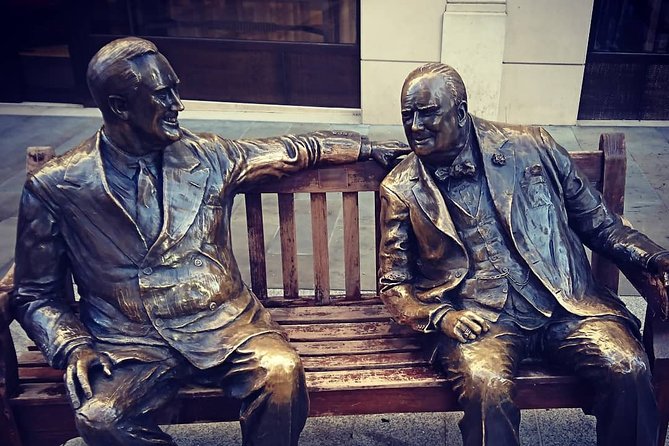
Churchill’s London reads like a thriller. This private walk strings together his homes, his wartime world, and the places where decisions got made. You’ll also get fast-track entry to the Churchill War Rooms, so you spend more time looking and less time waiting.
What I like most is the guide-led flow through real locations, including where Churchill lived before becoming Prime Minister and the wartime command spaces under Whitehall. I also love the focus on practical context, from the Blitz damage in the Westminster area to the planning atmosphere around D-Day. One thing to keep in mind: lunch isn’t included, so plan food before or after, especially since the tour runs about 3 to 4 hours.
In This Review
- Key moments you’ll actually care about
- A private Churchill walk that turns London into a war map
- Mayfair and the early Churchill thread: homes, bachelor life, and marriage beginnings
- St James: gentlemens clubs, MI5-style offices, and the cigars stop
- St James Square’s secret HQ feel: Eisenhower in Norfolk House
- Carlton House Terrace: the German Embassy and the visible threat
- Whitehall’s dense WWII concentration: Churchill’s buildings, comms, and bunkers
- Westminster Abbey area and Downing Street: Blitz damage, rooftop watching, and hard secrets
- Parliament Square and VE Day: shelters under the square and Churchill’s statue spot
- Churchill War Rooms fast-track: what you do with the 3 hours
- Price and value: what $242.71 buys you in real terms
- Who this private tour suits best
- Should you book this Churchill London War Rooms walk
- FAQ
- How long is the Winston Churchill’s London At War private walk?
- What time does the tour start?
- Where do I meet for the tour?
- Where does the tour end?
- Is the Churchill War Rooms ticket included?
- Does the tour include fast-track entry?
- How many Churchill-related places will I see?
- Is lunch included?
- Is this tour private?
- Are service animals allowed?
- FAQ
- What language is the tour offered in?
- Is there a group discount?
- Will I need to print tickets?
- Can I cancel for a full refund?
Key moments you’ll actually care about
- Private guide time: it’s only your group, so questions don’t get lost.
- 10+ Churchill-linked stops: you’ll connect his personal story to the war machine.
- Fast-track Churchill War Rooms: you skip long queues and get more museum time.
- Intelligence and espionage streets: St James links to MI5-style offices and even CIA connections.
- Whitehall’s WWII concentration: bunkers, comms centers, and Churchill-area buildings in one run.
- A War Rooms finale with time to spare: you can linger in the Churchill Museum and Map Rooms.
Still deciding? A handful more London outings we rated
- Magical London: Harry Potter Guided Walking Tour
★ 4.7 · 22,044 reviews - London: The Original Jack the Ripper Walking Tour
★ 4.7 · 7,833 reviews - Tour for Muggles The Ultimate Harry Potter Walking Tour in London
★ 5.0 · 4,684 reviews - London Jack The Ripper Guided Walking Tour
★ 5.0 · 3,131 reviews
A private Churchill walk that turns London into a war map
This isn’t a sit-and-listen tour. It’s a walking route that makes the city feel like it had a job during WWII. You start with Churchill’s early London life and work forward to the places where war decisions were shaped, protected, and carried out.
The private format matters. On a big group tour, you often end up watching the guide’s back while you skim details from a distance. Here, the guide gets you in sync with what you’re seeing: why this street matters, what the building likely did, and how the area fits into the wider story of Britain in its darkest hour.
Also, the tour is scheduled for a 10:00 am start, and it’s built for your morning. That means you keep the rest of the day free for other sights, museums, or a long pub lunch. (Churchill would approve of the planning. He was good at squeezing time.)
Mayfair and the early Churchill thread: homes, bachelor life, and marriage beginnings
You begin in Mayfair, in the sort of London neighborhood where you can still feel the weight of status and family connections. This is where Churchill first lived as a young man, and where the story of his path to wartime leadership begins to make sense.
At this stage, you’re not hunting for “war” yet. You’re getting the background that helps the later stops land harder. Churchill’s early residences set the stage for how he moved through London, built relationships, and gained the credibility that would later matter at the highest levels.
You’ll also hear about his bachelor period and his first marital home, which helps turn a name into a person with real routines, real addresses, and a real social world. That personal angle is one reason this walk works even if you’re not a hardcore WWII nerd.
A small consideration: Mayfair can feel a bit like “look at the building, move on.” The payoff comes quickly once you shift from domestic London to the wartime geography later.
St James: gentlemens clubs, MI5-style offices, and the cigars stop
Next you move into St James’s, an area that can feel like a business district on normal days but shifts gears completely when you know the WWII backdrop. It’s the kind of place where you can find private members clubs and the sort of offices that dealt in information long before computers made everything easier.
This is where the tour leans into WWII espionage. You’ll get a sense of the intelligence ecosystem around MI5 and the way London’s wartime knowledge networks influenced later ties, including connections that involve the CIA. Even if you only catch the broad strokes, the point is clear: information work was central, and St James is part of that story.
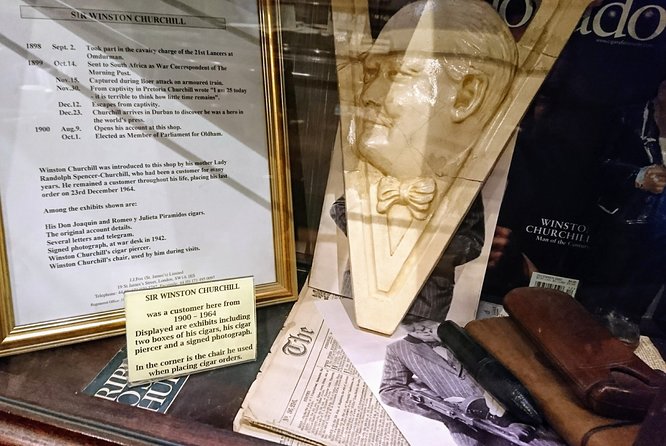
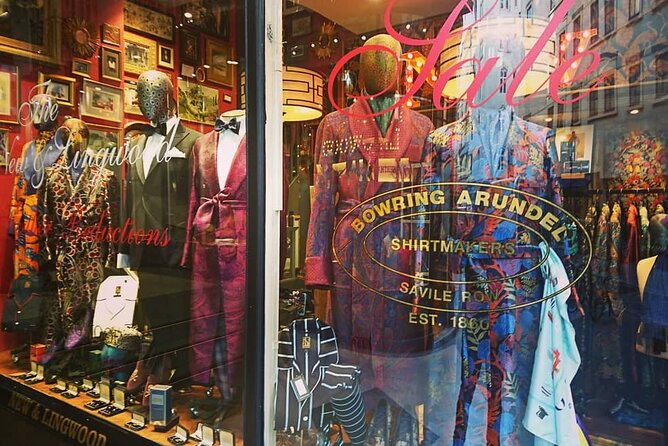
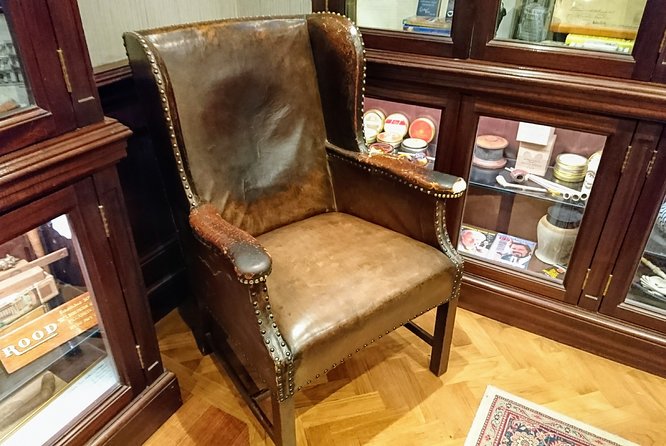
Then you hit a very human break in the form of a tobacconist stop tied to Churchill. The shop where he bought his cigars is more than a trivia moment. It’s a chance to see how a leader’s private habits and public persona lived side by side. If you’re the kind of person who likes photos with context, you can even try out his favorite chair for a picture.
Practical tip: this stop is quick, so come in with your phone ready and your camera settings set. You won’t want to be fumbling while the group is moving.
Still deciding? A handful more London outings we rated
St James Square’s secret HQ feel: Eisenhower in Norfolk House
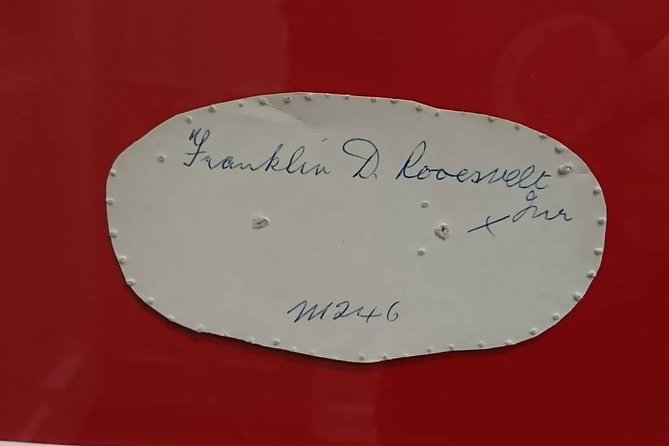
From St James, you go to St James’ Square, where you’ll hear about Norfolk House, described as a secret London HQ for Dwight Eisenhower during the lead-up to D-Day. The tone here shifts. The talk becomes more operational, like you’re walking through the air between briefing rooms.
The key idea is how the top Allied chiefs had a central meeting point in London for planning Operation Overlord. Even on a short stop, the location does some heavy lifting. You can picture maps being laid out, timelines being argued, and big decisions being made under pressure.
A quick note on expectations: this isn’t a museum stop where you get to stand in a preserved command room. It’s more of a “you are here” lesson. If you love imagining how meetings looked and sounded, you’ll enjoy it. If you only want indoor exhibits, you might wish the War Rooms had started sooner.
Carlton House Terrace: the German Embassy and the visible threat
Carlton House Terrace is where the tour draws a sharper line between Britain and the enemy’s presence in London. This location was the former German Embassy, and you’ll hear that from 1936 to 1938 it functioned as office space for Joachim von Ribbentrop.
What makes this stop stick is the detail that makes the politics feel real: SS guards stationed outside, official cars with the swastika, and the sense of power being displayed on the street. Then the guide brings it forward by noting that Ribbentrop left in 1938 and went on to become Nazi Foreign Minister.
It’s a short stop, but it’s doing important work. You’re seeing how WWII wasn’t just far away. It was in London’s geography, sitting behind doors and in plain sight along the road.
Whitehall’s dense WWII concentration: Churchill’s buildings, comms, and bunkers
Whitehall is the big turning point. This is where you shift from “Churchill in London” to “London built to run the war.” The area has an exceptionally high concentration of WWII-related buildings, and your guide connects them without turning it into a lecture.
You’ll hear about Admiralty House, including that this is an area where Churchill lived as First Lord during the early days of WWII. The stop also covers secret communications centres and bunkers, plus institutions like the Ministry of Defense and the Old War Office.
This is where a good guide makes a real difference. In the strongest version of this tour, your guide is not just reciting dates. They’re helping you connect what you’re seeing to what was happening behind the walls—how messages moved, how people protected secrets, and how buildings were shaped by urgency.
One thing to consider: Whitehall involves lots of buildings that look similar at street level, so give the guide your attention. The story is in the details they point out.
Westminster Abbey area and Downing Street: Blitz damage, rooftop watching, and hard secrets
As you move toward Westminster Abbey and the nearby Downing Street area, the mood gets darker. You’ll hear about Churchill’s dangerous nighttime visits, including stories about him going up to roofs associated with the Foreign Office to watch London being bombed during the Blitz.
Your guide also points out scarring on buildings damaged in air raids. That visual reminder does something words can’t. Instead of thinking of the Blitz as an old photo, you’re seeing the reminders in the streets where they happened.
The tour also references how this area held some of the biggest WWII secrets. Even if you don’t leave with every detail memorized, the emotional math becomes clearer: these were not safe places, and leadership meant being close to the danger.
If you’re short on time once the tour ends, you might want to spend extra minutes here afterward, because the Westminster area is easy to keep exploring on your own.
Parliament Square and VE Day: shelters under the square and Churchill’s statue spot
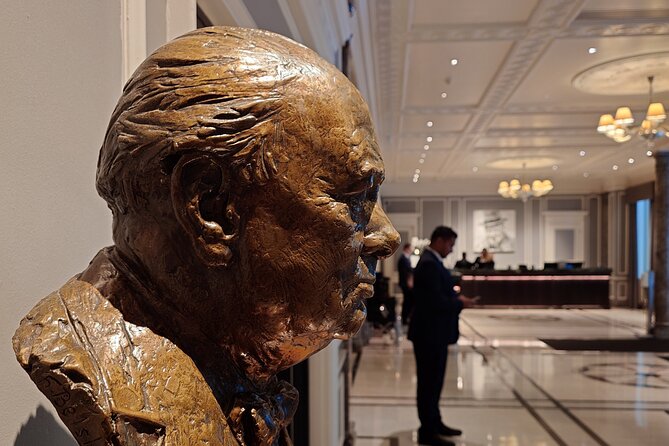
Parliament Square is famous for a reason, and the tour adds a WWII layer you may not expect. You’ll learn that large air raid shelters were located under the square during WWII. It’s one of those moments that makes you look at the ground differently.
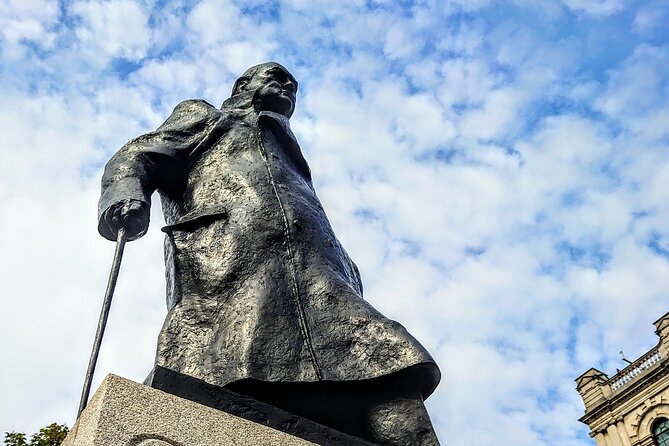
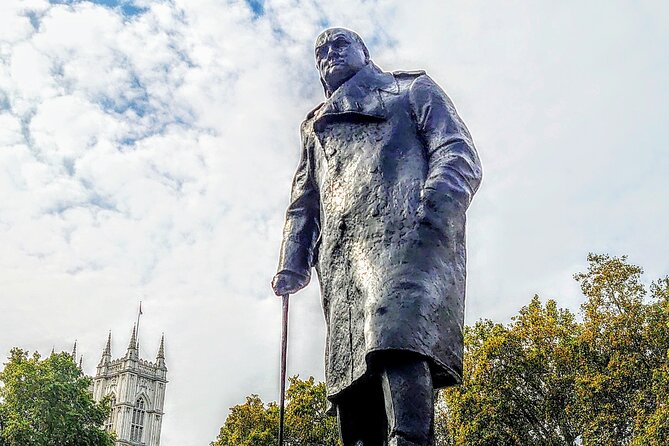
Churchill’s statue dominates the southern end, and your guide explains why it’s positioned there. It’s not just public art; it’s an argument about memory and where the city chooses to center wartime leadership.
Then you connect this place to VE Day. You’ll hear that Churchill addressed crowds from a balcony of a nearby Ministry of Health building. The practical trick here is to look up when your guide points it out, and let your imagination do the rest.
This stop is longer than some of the others, which is smart. It gives you time to absorb a major symbol of the war’s end and the physical reminders of the war’s approach.
Churchill War Rooms fast-track: what you do with the 3 hours
The finale is the Churchill War Rooms, the secret HQ under Whitehall. This is the place Churchill’s direction of the war is tied to, often summarized with from this room I shall direct the War. In other words: this is where the story stops being “London’s war scenery” and becomes “operations made in a room.”
The tour includes entrance, plus a fast-track entry option so you skip long queues. That matters because the War Rooms can eat up your time if you arrive when lines are heavy.
Once inside, you have as much time as you like for the Churchill Museum and the Map Rooms. That open-ended time is a big deal for value. If you love maps, you can spend more time there. If you want more artifacts and rooms, you can keep moving at your own pace.
Practical suggestion: go with a light plan. Don’t try to read everything. Instead, pick 3 areas you want to focus on and let the rest be extras. You’ll feel like you saw a lot without getting stuck in the archive grind.
Price and value: what $242.71 buys you in real terms
At $242.71 per person, this tour isn’t a budget stroll. But it also isn’t just “a guide walking you past buildings.”
You’re paying for three main value drivers:
- Private guide attention for a 3 to 4 hour window
- At least 10 Churchill-linked sites clustered into one morning route
- Churchill War Rooms entrance with fast-track access, plus lots of time inside
Fast-track entry is often where the money quietly pays off. Instead of losing your morning to lines, you keep it for the part that needs time: the underground rooms and their displays.
Also, morning scheduling is part of the deal. You get a focused experience before lunch time, not a tour that steals your whole day.
One tradeoff to note: lunch isn’t included. If you’re doing this, eat before you start or plan food after. With a tour ending near King Charles Street, it’s easy to keep your day moving.
Who this private tour suits best
This works especially well if you like history that feels physical—streets, buildings, and visible WWII scars. You’ll also enjoy it if you want more than general WWII talking points.
It’s a strong fit for:
- Couples or small groups who want quieter pacing and room for questions
- Visitors who want Churchill’s story connected to wartime decision-making
- People who plan to visit the War Rooms anyway and want to make the visit make more sense
It might not be ideal if you want a slow, fully indoor museum day with long exhibits. This is a walking-and-looking tour with a major indoor finish.
Should you book this Churchill London War Rooms walk
Yes, if you want your time in London to feel targeted and purposeful. The combination of 10+ Churchill-associated stops plus fast-track War Rooms access is the core reason this is worth considering.
I’d especially recommend booking if you care about context. Knowing where Churchill lived before power, where intelligence offices sat nearby, and how Whitehall’s buildings shaped wartime decisions makes the War Rooms feel less like a standalone museum and more like a working command center you can still sense.
I’d think twice only if you dislike walking in a dense central London area or if you need an included meal to keep your day comfortable. Otherwise, this is a very solid way to spend a morning in London with a guide who can connect the dots.
FAQ
How long is the Winston Churchill’s London At War private walk?
The tour lasts about 3 to 4 hours.
What time does the tour start?
The start time is 10:00 am.
Where do I meet for the tour?
You meet at 1-3 Arlington St, London SW1A 1RA, UK.
Where does the tour end?
The tour ends at Churchill War Rooms, King Charles St, London SW1A 2AQ, UK.
Is the Churchill War Rooms ticket included?
Yes. Entrance to the Churchill War Rooms is included.
Does the tour include fast-track entry?
Yes. You get fast-track access to Churchill War Rooms to help you skip queues.
How many Churchill-related places will I see?
You’ll visit at least 10 sites associated with Winston Churchill in London.
Is lunch included?
No. Lunch is not included.
Is this tour private?
Yes. It’s a private tour/activity, and only your group will participate.
Are service animals allowed?
Yes. Service animals are allowed, and the tour is near public transportation with most travelers able to participate.
FAQ
What language is the tour offered in?
The tour is offered in English.
Is there a group discount?
Yes. Group discounts are available.
Will I need to print tickets?
No. You’ll use a mobile ticket.
Can I cancel for a full refund?
You can cancel up to 24 hours in advance for a full refund. If you cancel less than 24 hours before the start time, the amount paid will not be refunded.
More Private in London
- Harry Potter Studios & Private Transfer from Central London
★ 4.5 · 6,134 reviews - The Premier Classic London: Private 4-Hour Tour in a Black Cab
★ 5.0 · 2,737 reviews - Stonehenge Inner Circle Private Tour from London with Bath Visit
★ 5.0 · 1,909 reviews - Private Tour: Black Taxi Tour of London
★ 5.0 · 1,153 reviews - Private London Arrival Transfer – Airport to Hotel / Accommodation
★ 3.5 · 1,085 reviews
More Walking Tours in London
- Magical London: Harry Potter Guided Walking Tour
★ 4.7 · 22,044 reviews - London: The Original Jack the Ripper Walking Tour
★ 4.7 · 7,833 reviews - Tour for Muggles The Ultimate Harry Potter Walking Tour in London
★ 5.0 · 4,684 reviews - London Jack The Ripper Guided Walking Tour
★ 5.0 · 3,131 reviews - London: Harry Potter Movies Walking Tour (Kids Go Free)
★ 4.7 · 3,071 reviews
More Tour Reviews in London
- From London: Harry Potter Warner Bros Studio Tour
★ 4.7 · 26,588 reviews - London: Westminster to Greenwich River Thames Cruise
★ 4.5 · 22,836 reviews - Magical London: Harry Potter Guided Walking Tour
★ 4.7 · 22,044 reviews - London: Madame Tussauds London
★ 4.6 · 20,915 reviews - London: Warner Bros. Studio Harry Potter Tour & Branded Bus
★ 4.7 · 19,194 reviews
Just reviewed around London





Walking Tours, compared.
 ★ 4.7Magical London: Harry Potter Guided Walking TourFrom $2022,044 reviews
 ★ 4.7The Original Jack the Ripper Walking TourFrom $257,833 reviews
 ★ 5.0Tour for Muggles The Ultimate Harry Potter Walking Tour in LondonFrom $234,684 reviews
 ★ 5.0London Jack The Ripper Guided Walking TourFrom $03,131 reviews
 ★ 4.7Harry Potter Movies Walking Tour (Kids Go Free)From $203,071 reviews
 ★ 5.0Changing of the Guard Guided Walking Tour in LondonFrom $251,793 reviews
 ★ 4.9The Great British Rock and Roll Music Walking TourFrom $361,783 reviews
 ★ 4.8Harry Potter Walking Tour in GermanFrom $201,505 reviews