
Reviewed · LONDON WALKING TOURS
West End and South Bank Theatre Walking Tour in London
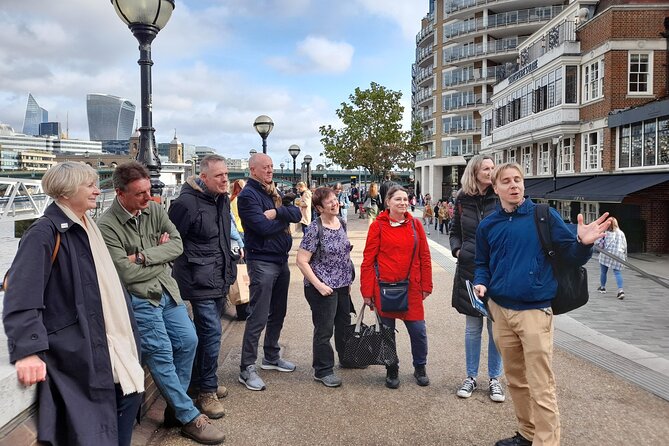
London’s theatre district is a living museum. This West End and South Bank walking tour strings together famous stages and quieter gems with a guide’s street-level storytelling. I particularly like the small-group size capped at 12, which keeps the pace human and questions actually get answered. And I love the way the commentary connects each building to the people and productions that made it matter.
One thing to plan for: this is a long, on-your-feet route—about 3 hours 30 minutes—so wear comfortable shoes and bring a rain-ready layer. You’ll also want good weather, since the tour runs with that in mind.
In This Review
- Key things to know before you go
- Meeting at Oscar Wilde, then walking the West End
- London Coliseum: the “largest in the West End” opening act
- Duke of York Theatre and Noel Coward Theatre: debuts and stage legends
- Wyndham’s Theatre, Leicester Square, and Haymarket Theatre Royal: Shakespeare, bargains, and a possible haunting
- His Majesty’s Theatre through Prince of Wales Theatre: long runs and big-name performers
- Shaftesbury Avenue corridor: a whole road built for theatre
- Lyric Theatre and Apollo Theatre: oldest surviving and early Edwardian
- Gielgud Theatre and Sondheim Theatre: names on façades, names on stages
- Palace Theatre to The Arts Theatre: from Phantom-level fame to smaller stages
- Covent Garden and Royal Opera House: markets, churches, opera, ballet
- Fortune Theatre to Drury Lane: horror longevity and London’s oldest active theatre spot
- Lyceum Theatre to National Theatre: The Lion King and the Olivier debate
- Shakespeare’s Globe: the South Bank finale and the “top-secret” clue
- Price and value: what $38.39 buys you
- Who this tour is best for (and who should skip it)
- Should you book this West End and South Bank Theatre Walking Tour?
- FAQ
- How long is the West End and South Bank Theatre Walking Tour?
- How many people are in the group?
- Is the tour in English?
- Do we get inside the theatres?
- Where does the tour start and end?
- What time does the tour begin?
- What happens if the weather is poor?
Key things to know before you go
- Small group, personal feel: capped at 12 people for a more connected experience (and less “herding”).
- A theatre-focused walk that stays on-topic: you won’t just pass buildings; you’ll learn what makes each one notable.
- Most stops are admission-free: many theatres are viewed from the outside, and the ticket cost goes mainly to the guide and route.
- You cross the river for the finale: the tour ends at Shakespeare’s Globe, tying West End life to older theatrical roots.
- Practical tip stop near Leicester Square: you get real-world advice on how to find better-value West End seats.
London on foot, a few more ways
- Magical London: Harry Potter Guided Walking Tour
★ 4.7 · 22,044 reviews - London: The Original Jack the Ripper Walking Tour
★ 4.7 · 7,833 reviews - Tour for Muggles The Ultimate Harry Potter Walking Tour in London
★ 5.0 · 4,684 reviews - London Jack The Ripper Guided Walking Tour
★ 5.0 · 3,131 reviews
Meeting at Oscar Wilde, then walking the West End
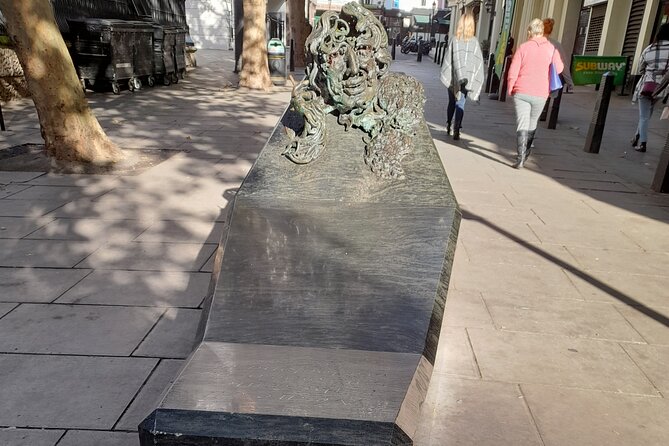
The tour starts at the Oscar Wilde Statue on Adelaide Street, near Covent Garden and easy tube/bus access. The first payoff is simple: you’re in the right area from minute one. Instead of starting in a random plaza, you begin right in the middle of London’s theatre grid—so the day feels logical, not chaotic.
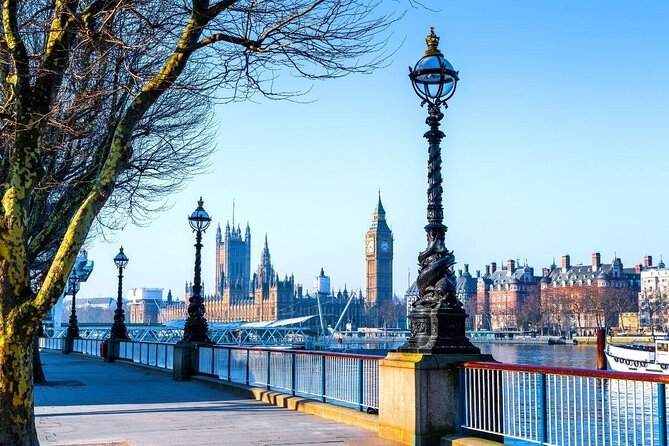
From there, you’re walking a clear route: West End theatres first, then further down toward Covent Garden and across to the South Bank landmarks like the National Theatre and Shakespeare’s Globe. The end point is at the Globe on New Globe Walk, with strong nearby transit options around London Bridge and Blackfriars.
If you’re the kind of person who likes theatre but also enjoys context—who built what, which stars debuted where, what famous productions happened in these rooms—this format works well. If you’re expecting lots of sitting and long breaks, you might feel the pace.
London Coliseum: the “largest in the West End” opening act
The first stop is the London Coliseum. This theatre is introduced with scale and history right away—an excellent way to set expectations. The guide frames it as the largest theatre in the West End, which helps you understand why this area became such a magnet for major productions.
What you’ll get here is less about trivia for trivia’s sake and more about perspective: how theatres competed, how designs reflected ambition, and why certain venues became go-to stages. Since the stop is brief, the best approach is to listen closely, look up at the exterior details, and take in the size while you can still compare it to the buildings that come next.
Duke of York Theatre and Noel Coward Theatre: debuts and stage legends
Next up, you hit the Duke of York Theatre. The focus is on debuts—the early appearances of stars who later became huge. The guide also calls out Peter Pan, giving you a production hook you can connect to the larger history of British theatre.
Then comes the Noel Coward Theatre, where you’ll hear about older productions and the theatre’s place in the long line of London stage success. One standout detail here is that it’s described as the only theatre in the West End where two significant theatre giants shared a stage. Even if you don’t know the names offhand, that kind of fact instantly makes the building feel specific, not generic.
More nights out in the stalls


Wyndham’s Theatre, Leicester Square, and Haymarket Theatre Royal: Shakespeare, bargains, and a possible haunting
At Wyndham’s Theatre, the guide points out the bust of Shakespeare on the front—presented as the only one in the West End. It’s the kind of detail you’d miss if you were simply walking past on your way to lunch.
Then you move toward Leicester Square, with a very practical angle: the guide shows you the discount ticket booth approach and explains how you can chase better-value seats without always paying full-price. Leicester Square also gets used as a jumping-off point to reference older music hall venues—historic names like The Alhambra and The Empire come up, helping you connect today’s theatre rush to yesterday’s performance world.
After that is the Haymarket Theatre Royal. This stop is built for story lovers. The guide links it to well-known actors—specifically naming Sir Ian McKellen and Dame Judi Dench—and tosses in a rumour about a haunting. Even if you don’t lean into ghost stories, it adds texture: London theatre has always had legends layered over brick and plaster.
His Majesty’s Theatre through Prince of Wales Theatre: long runs and big-name performers
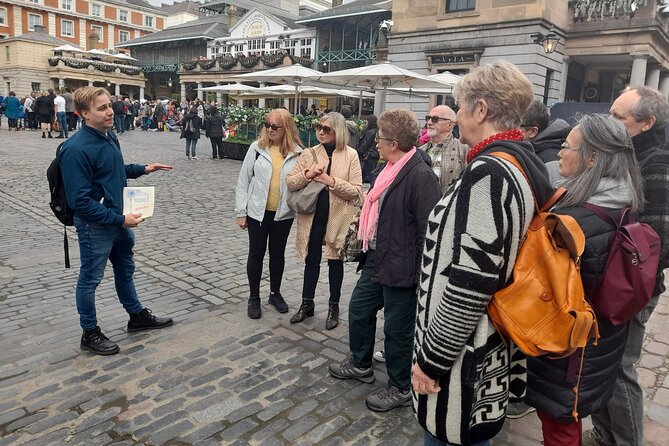
His Majesty’s Theatre is next, and the selling point is longevity. You’ll hear it described as the second oldest active theatre site in London, and the stop is also tied to the long-running musical The Phantom of the Opera (the second-longest running musical noted on the route). That matters because it gives you a timeline—this isn’t just a pretty façade; it’s a venue that has repeatedly reinvented itself.
Then the tour lands at the Harold Pinter Theatre. It’s framed as one of the oldest playhouses in the West End, opening in 1881. There’s also a star-story angle—names like Marilyn Monroe appear in the conversation, which helps you see how Hollywood talent and London theatre have been linked for generations.
Prince of Wales Theatre follows, now home to The Book of Mormon. The guide balances comedy and musical spectacle, and includes a list of famous names who have appeared there, like The Beatles, Peter Sellers, and Barbara Streisand. The lesson here is that the West End isn’t only about British productions; it’s a stage that has pulled global celebrity into London’s orbit.
Shaftesbury Avenue corridor: a whole road built for theatre
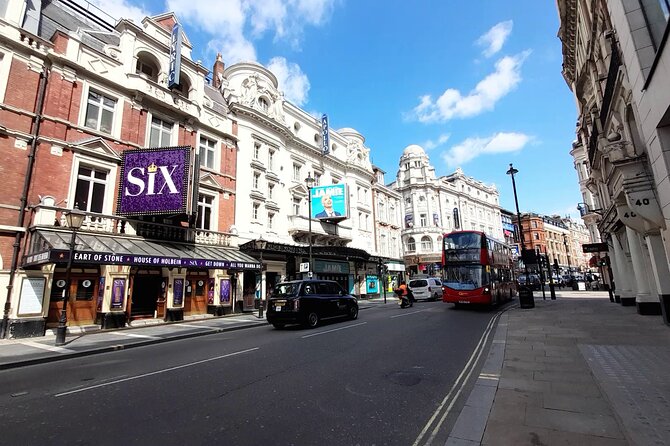
Shaftesbury Avenue is treated like the main spine of the West End—more theatres per road than anywhere else, and the guide uses it to teach you how the district “works.” You’ll hear about the road itself and named venues along the stretch, including The Lyric, Apollo, Gielgud, Sondheim, and The Palace.
If you only ever see West End shows one at a time, this is the stop that helps you understand why it’s so easy to build a theatre day here. Theatres are tightly packed, and the story lines of different eras overlap on the pavement.
Lyric Theatre and Apollo Theatre: oldest surviving and early Edwardian
At the Lyric Theatre, the key detail is that it’s the oldest surviving theatre on Shaftesbury Avenue. The guide also mentions a tragic death tied to a British comedy icon. Again, even if you don’t know the story immediately, you’re learning that theatre buildings are part of public life—and sometimes public tragedy too.
The Apollo Theatre comes next. It’s described as the first Edwardian Theatre, opening in 1901. You’ll also hear about a truly legendary production associated with it. This is one of those stops where you start to connect “design eras” with “production eras,” instead of treating everything as one big modern blur.
Gielgud Theatre and Sondheim Theatre: names on façades, names on stages
The Gielgud Theatre stop focuses on what’s happened on its stage—especially the early West End debuts of notable people, including Harry Potter himself (as noted in the tour storytelling). The result: the building feels like a launch pad.
Then you reach the Sondheim Theatre, where you’ll hear about Les Miserables and its status as the world’s longest-running musical (as presented on the route). The guide also references famous faces who debuted here in the 80s, reinforcing the idea that this whole district has been a stepping stone for major careers.
Palace Theatre to The Arts Theatre: from Phantom-level fame to smaller stages
Palace Theatre is an important practical note. It’s where Harry Potter & the Cursed Child plays, and this stop is the only one on the walk that flags admission not included (so you may need to plan for a ticket there if you want to enter). The guide also explains the origin of the phrase bring the house down, which is worth hearing even if you never go inside that day.
Then the route shifts to Ambassadors Theatre. On the outside, it can feel plain, but the guide treats it like an example of why you shouldn’t judge a theatre by its façade alone. It’s described as unremarkable on the outside but with big theatre-history names tied to debuts, including Vivien Leigh and Paul Robeson.
St. Martins Theatre follows with The Mousetrap, described as the world’s longest-running play. It’s framed like an “unlikely hit” story—which is exactly the kind of reminder I like on theatre walks. London loves classics, but it also loves the story of how a show surprises everyone and then refuses to disappear.
The Arts Theatre is the West End’s smallest theatre on this route, and it’s used to show theatre’s other side: controversy. The stop notes it once hosted the most controversial play of all time (as described on the walk). Even without going into the plot, you get the bigger point: London theatre isn’t only glamour; it’s also debate, risk, and change.
Covent Garden and Royal Opera House: markets, churches, opera, ballet
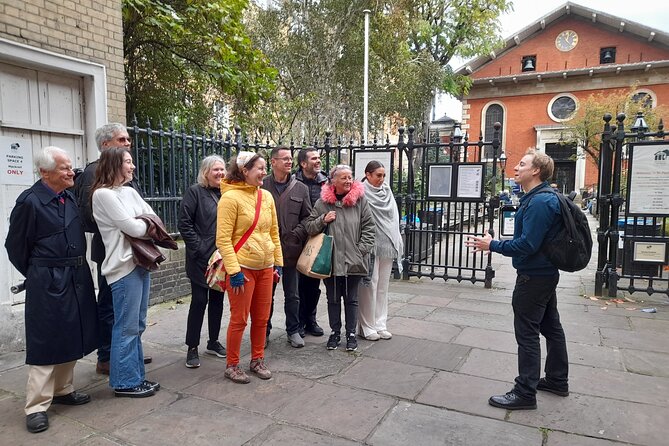
Covent Garden comes next, and the guide uses it for more than sightseeing. You’ll see the Covent Garden Market area and learn about street theatre spots. The route also calls out London’s official Actors Church in the mix, plus mentions two of the oldest theatre sites in London. This is a good moment to pause mentally and remember that theatre culture includes everything around the stage: performers, crowds, traditions, and community spaces.
After that, you reach the Royal Opera House. The guide frames it as one of the oldest theatre locations in London, estimated to date to 1732. You’re also pointed toward what’s happening now: the Royal Opera and the Royal Ballet. It’s a useful stop because it widens your thinking. If you came for plays, this reminds you the London theatre world also lives in music and dance.
Fortune Theatre to Drury Lane: horror longevity and London’s oldest active theatre spot
Fortune Theatre is focused on The Woman in Black, described as the longest-running horror play. The guide also shares spooky stories tied to the play’s decades-long run—enough to make the theatre feel like it has a living reputation, not just a schedule.
Then comes Theatre Royal Drury Lane, presented as the oldest active theatre spot in the West End. The guide leans into legends and people who made their names on its stage. If you like theatre as an ongoing chain—actor to actor, era to era—this is a strong stop because it’s all about continuity.
Lyceum Theatre to National Theatre: The Lion King and the Olivier debate
Lyceum Theatre moves you into modern blockbuster territory with The Lion King, running since 1999. The guide also steps back into Victorian dominance and names Sir Henry Irving and Dame Ellen Terry. It even points to the genesis of a famous gothic horror creation. That combination—modern spectacle plus Victorian roots—makes Lyceum feel like a bridge between “then” and “now,” not a museum.
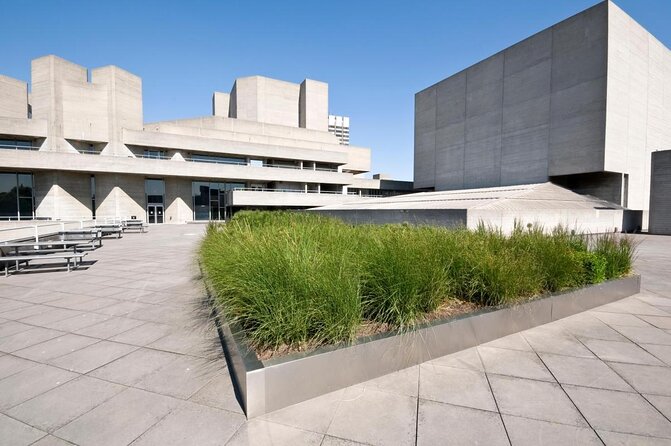
The National Theatre stop is another quick-history moment. You’ll hear about the theatre’s background and a detail about Laurence Olivier, who is said to have stated the opposite of what people often assume about the National’s founding approach (as presented on the tour). The point isn’t the argument itself—it’s that theatre institutions have always had critics and debate wrapped around them.
Shakespeare’s Globe: the South Bank finale and the “top-secret” clue
Finally, you end at Shakespeare’s Globe. The guide connects you to Bankside, where Shakespeare made his name, and points out the reconstruction of the Globe you can see today. This is a satisfying end because you’ve traveled from modern West End systems—big companies, long-running musicals—back toward the older theatrical origins of London.
The stop also includes a final note described as a top-secret theatre location. Since the tour doesn’t specify details here, treat it like a guided scavenger clue: listen carefully and follow the direction the guide gives in the moment.
Price and value: what $38.39 buys you
At about $38.39 per person for roughly 3.5 hours, you’re paying mainly for three things: the route, the sequencing, and the storytelling. Most stops are admission-free, meaning the cost isn’t built on entrance fees at every theatre. That matters because you’re not just “walking and looking”—you’re getting context for places you could otherwise ignore if you’re only sightseeing from the sidewalk.
The small-group cap at 12 also supports value. At larger tours, you often lose time to crowd control and you don’t get personalized answers. Here, the format is designed so the guide can keep momentum without turning it into a lecture you can’t ask questions about.
Who this tour is best for (and who should skip it)
You’ll probably love this tour if:
- You’re a theatre fan who likes more than plot summaries—you care about where things happened.
- You want to connect West End shows to older theatrical roots across London.
- You prefer a guided walk with a clear path and short stops that keep energy up.
You might not love it if:
- You dislike long walking days or need frequent seating breaks.
- You’re only interested in one specific theatre (like one musical) and don’t care about the rest.
- Weather matters a lot for you, since the tour expects good weather.
Should you book this West End and South Bank Theatre Walking Tour?
I’d book it if you want London theatre to feel like a story you can follow, not a list of buildings. The route hits major West End landmarks and then finishes at Shakespeare’s Globe, which gives the day real momentum. And with the 12-person maximum plus a guide who keeps the tour tightly theatre-focused, it’s built for people who enjoy facts, personalities, and “how this all connects.”
If your goal is a fast photo walk, skip it. If your goal is a day where theatre becomes understandable—why certain venues endure, how careers start, and how the district grew—then this is a smart, good-value way to do it.
FAQ
How long is the West End and South Bank Theatre Walking Tour?
The tour runs for about 3 hours 30 minutes.
How many people are in the group?
The tour is capped at a maximum of 12 travelers.
Is the tour in English?
Yes, it’s offered in English.
Do we get inside the theatres?
Many stops are presented as admission ticket free, and there’s at least one stop where admission is not included (Palace Theatre). You’ll mainly experience the theatres as part of the walking route.
Where does the tour start and end?
It starts at the Oscar Wilde Statue at 3 Adelaide St, London WC2N 4HZ, and ends at Shakespeare’s Globe at 21 New Globe Walk, London SE1 9DT.
What time does the tour begin?
The start time is 10:30 am.
What happens if the weather is poor?
The tour requires good weather. If it’s canceled due to poor weather, you’ll be offered a different date or a full refund.
More Tour Reviews in London
- From London: Harry Potter Warner Bros Studio Tour
★ 4.7 · 26,588 reviews - London: Westminster to Greenwich River Thames Cruise
★ 4.5 · 22,836 reviews - Magical London: Harry Potter Guided Walking Tour
★ 4.7 · 22,044 reviews - London: Madame Tussauds London
★ 4.6 · 20,915 reviews - London: Warner Bros. Studio Harry Potter Tour & Branded Bus
★ 4.7 · 19,194 reviews
More Shows and Live Music
- London: The Great British Rock and Roll Music Walking Tour
★ 4.9 · 1,783 reviews - The Great British Rock and Roll Walking Tour
★ 5.0 · 1,371 reviews - London West End Musical Silent Disco Walking Tour Top 1% Rated
★ 5.0 · 1,057 reviews - London Rock and Roll Music Tour
★ 4.5 · 943 reviews - London: Shakespeare’s Globe Theatre Guided Tour
★ 4.6 · 486 reviews
More London Walks Worth the Shoe Leather
- Magical London: Harry Potter Guided Walking Tour
★ 4.7 · 22,044 reviews - London: The Original Jack the Ripper Walking Tour
★ 4.7 · 7,833 reviews - Tour for Muggles The Ultimate Harry Potter Walking Tour in London
★ 5.0 · 4,684 reviews - London Jack The Ripper Guided Walking Tour
★ 5.0 · 3,131 reviews - London: Harry Potter Movies Walking Tour (Kids Go Free)
★ 4.7 · 3,071 reviews
Just reviewed around London





London Walking Tours, compared.
 ★ 4.7Magical London: Harry Potter Guided Walking TourFrom $2022,044 reviews
 ★ 4.7The Original Jack the Ripper Walking TourFrom $257,833 reviews
 ★ 5.0Tour for Muggles The Ultimate Harry Potter Walking Tour in LondonFrom $234,684 reviews
 ★ 5.0London Jack The Ripper Guided Walking TourFrom $03,131 reviews
 ★ 4.7Harry Potter Movies Walking Tour (Kids Go Free)From $203,071 reviews
 ★ 5.0Changing of the Guard Guided Walking Tour in LondonFrom $251,793 reviews
 ★ 4.9The Great British Rock and Roll Music Walking TourFrom $361,783 reviews
 ★ 4.8Harry Potter Walking Tour in GermanFrom $201,505 reviews
Browse the lists this tour appears in