
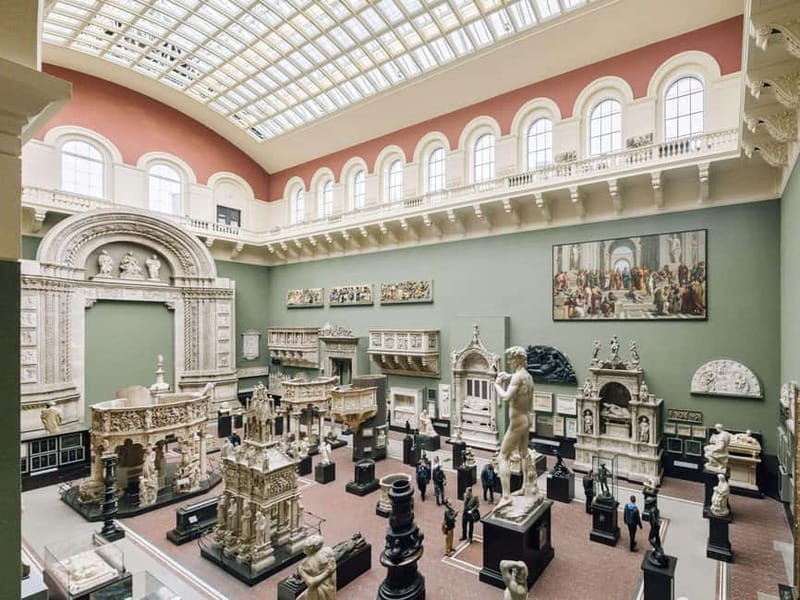
Reviewed · 3-HOUR EXPERIENCES
Victoria and Albert Museum London Private Guided Tour 3 hour
London’s design history is waiting inside the V&A. This private 3-hour tour is all about seeing the museum’s best-loved art and objects through a personal lens, with time for questions and a route that can bend to your tastes. I especially like how the focus stays on hands-on design ideas, not just names on labels, and how you get pulled in across areas like jewelry, drawings, textiles, ceramics, woodwork, and decorative arts. One caution: it isn’t suitable for visitors who are visually or hearing impaired.
Your guide helps you make sense of what you’re looking at, while you move at your own pace. If your guide is Robert Miller, you’ll likely notice the same things people highlight: being genuinely engaging, patient with different levels of art know-how, and good at picking a smart mix of highlights for a first visit. The only real drawback to plan around is that temporary exhibitions are not included, so you’ll need separate pre-booked tickets (at extra cost) if you want those.
In This Review
- Key highlights you’ll actually feel in 3 hours
- First stop: meeting the guide at the V&A’s main entrance
- A private guide turns the V&A from big to readable
- How the tour highlights jewelry, drawings, textiles, ceramics, woodwork, and more
- Jewelry and small-scale craftsmanship
- Drawings as design thinking
- Textiles and how patterns tell stories
- Ceramics: form plus surface
- Woodwork and decorative arts: the maker’s fingerprints
- What “interactive displays and installations” add
- Tailoring your route so you don’t waste time on the wrong things
- Architecture and design aren’t just background here
- Temporary exhibitions: what’s included and what you’ll need to plan
- Price, group size, and why this can be good value
- Who this tour suits best (and who should skip it)
- The real standout: how the guide makes you see more
- Should you book this V&A 3-hour private tour
- FAQ
- How long is the Victoria and Albert Museum private guided tour?
- Where do we meet the guide?
- How much does the tour cost?
- What’s included in the tour?
- Are temporary exhibitions included?
- Can the tour be tailored to my interests?
- What language is the live guide?
- Is the tour wheelchair accessible?
- Is this tour suitable for visually or hearing-impaired visitors?
Key highlights you’ll actually feel in 3 hours
- A private guide for a focused route: you’re not stuck in a slow herd.
- Design across disciplines: jewelry, drawings, textiles, ceramics, woodwork, and decorative arts, explained in plain language.
- Interactive moments: installations and interactive displays help you understand design choices, not just admire them.
- Plenty of Q&A time: ask what you want, when you want.
- Flexible pacing and customization: adjust your emphasis as you go.
- Prime first-visit strategy: curated selection of celebrated works without trying to see everything.
Still deciding? A handful more London outings we rated
- Magical London: Harry Potter Guided Walking Tour
★ 4.7 · 22,044 reviews - London: Emirates Stadium Entry Ticket and Audio Guide
★ 4.7 · 5,513 reviews - London: Christmas Lights Bus Tour With Live Guide
★ 4.0 · 5,410 reviews - Stonehenge, Windsor Castle and Bath Full Day Guided Tour
★ 4.5 · 5,346 reviews
First stop: meeting the guide at the V&A’s main entrance
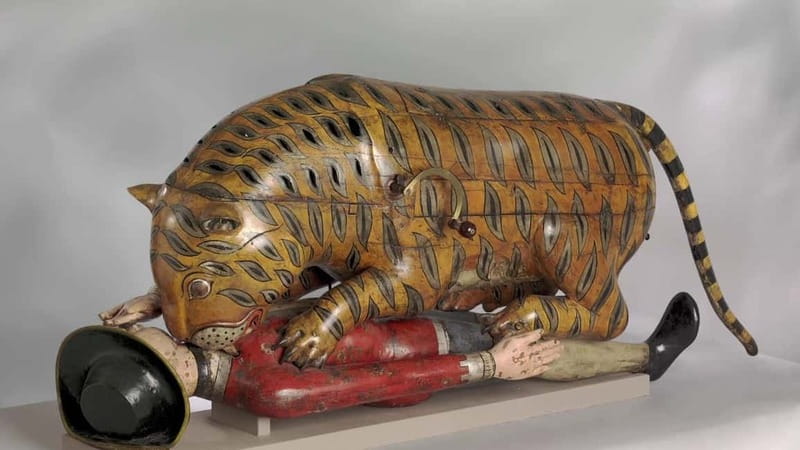
You’ll meet your guide outside the main entrance of the Victoria and Albert Museum on Cromwell Road. That matters more than it sounds. The V&A is a big, multi-building museum, and starting together helps you get oriented quickly instead of wandering in circles looking for the right room.
From the jump, this tour is built for momentum. You’re not just stepping into a gallery—you’re stepping into a guided path through art, fashion, and design. In practice, that means you’ll spend the early part of the tour getting your bearings: what kinds of objects you’ll see today, what to look for, and how your guide wants to pace the route so you get real time with the best pieces.
If you’ve been to museums where the tour feels like a race, this format is the opposite. You go at your own pace, and you can keep asking questions. That alone can change how you experience design. When you understand what you’re looking for—materials, construction, maker choices, cultural context—you start seeing the “why” in the object, not just the “what.”
A private guide turns the V&A from big to readable
Here’s the V&A’s problem on a first visit: it’s huge, and it’s brilliant everywhere. Without a plan, it’s easy to walk past masterpieces while you try to decide where to focus. With a private tour, you don’t waste the good energy of your first hours.
Your guide’s job is to connect the dots between objects that might look different at first glance, but share design thinking. In a 3-hour private visit, that’s the sweet spot. You’re not forced to swallow the entire museum. Instead, you’re given a well-chosen slice and explanations that help you actually remember what you saw later.
Your guide also helps you adjust in real time. The tour is described as bespoke and flexible, so if you care more about fashion-related design than decorative arts—or you want to focus on craft techniques—you can steer the selection. And if you’re new to museum talk, that’s fine. People specifically mention that Robert Miller didn’t make them feel out of their depth, and that he was patient while letting visitors customize the tour to their needs.
One more small but meaningful advantage: because it’s private, you can move slowly for the objects that grab you and skip the ones that don’t. You’re not trying to keep up with a group. That’s how you end up spending the “right” time with details, like how a piece was constructed, how ornament works, or how textile patterns connect to design trends.
How the tour highlights jewelry, drawings, textiles, ceramics, woodwork, and more
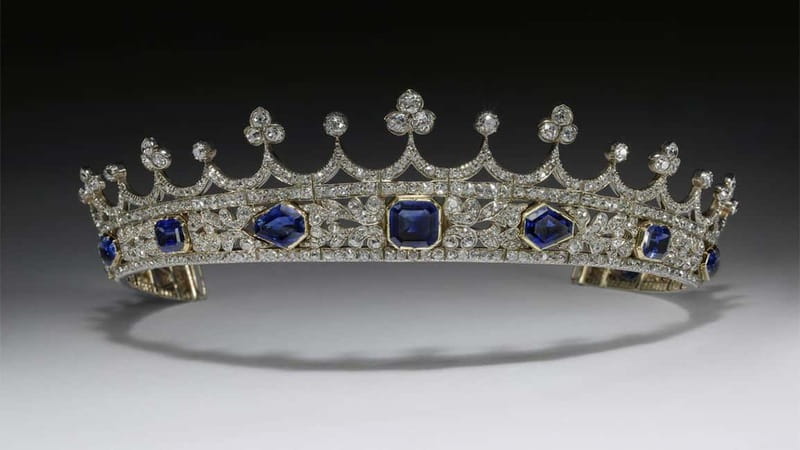
The tour’s focus is broad by design: it covers art and objects tied to craft and design, including jewelry, drawings, textiles, ceramics, woodwork, and decorative arts. The point isn’t to list categories—it’s to show how design language travels across mediums.
Still deciding? A handful more London outings we rated


Jewelry and small-scale craftsmanship
Even if jewelry is small, it takes up a lot of visual “bandwidth.” With a guide, you can slow down and notice the details your eyes usually miss—how the structure supports wear, how ornament is balanced, and how materials are used for effect. Jewelry also makes a good entry point because it’s easier to grasp quickly. You can get ideas fast, then your guide can connect those ideas to broader decorative arts.
Drawings as design thinking
Drawings are often treated as studies or sketches. Here, you’ll get help seeing them as design in its own right. Look for how line, shading, and composition communicate ideas. A private guide can also point out how drawings function as planning tools—where artists and designers work out details before final production.
Textiles and how patterns tell stories
Textiles can feel intimidating because you might not know what question to ask. With a guide-led approach, you’ll get prompted to look at pattern logic, weave structure, and the way color decisions shape the overall impact. Textiles are also one of the best ways to understand design as an everyday object that carries culture, skill, and identity.
Ceramics: form plus surface
Ceramics reward patience. You can see both shape and decoration as part of one conversation. A guide helps you spot how the object’s form affects the way decoration lands, and how technique shapes the final look. If you like design that feels tactile, this is where you start appreciating the work behind the finish.
Woodwork and decorative arts: the maker’s fingerprints
Woodwork and decorative arts bring you closer to craft. You’ll likely notice construction details and finish choices—things you might not catch if you were just walking through. In a private tour, you can pause and ask what to look for, and the guide can tailor the explanation to the object you’re standing in front of.
What “interactive displays and installations” add
The tour description also calls out interactive displays and installations that bring design to life. That’s valuable because it gives your brain a break from purely visual looking. Instead of only reading labels, you get to make connections through hands-on or experiential elements. In museums, that can be the difference between seeing and understanding.
Tailoring your route so you don’t waste time on the wrong things
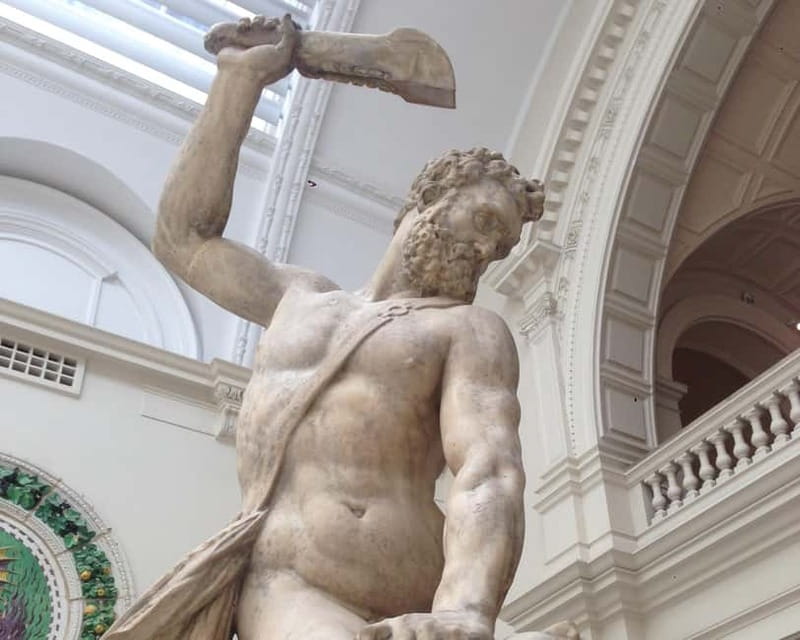
This tour is flexible, which means you can treat it like a custom design lesson. You don’t have to commit to a fixed checklist of galleries. Instead, your guide focuses on important treasures while staying open to your interests.
What I like about this setup for real life: it protects your time. If you already know you’re into textiles, you can spend more attention there. If you care more about decorative objects than fashion, your guide can adjust the balance. If you’re traveling with a friend who’s more into drawings, you can still get a route that feels satisfying for both of you.
And since you can ask questions freely, you can correct course mid-tour. For example, if something is sparking your curiosity in a way you didn’t expect, you can ask for context and see how your guide ties it to other works in the collections. That makes the 3 hours feel longer than it is.
Also, it helps to know what kind of “tour pace” you like. This one is designed for your pace, but you still need to decide what you want most: longer stops with fewer objects, or faster coverage with shorter explanations. With a private setup, you’ll usually get what you ask for.
Architecture and design aren’t just background here
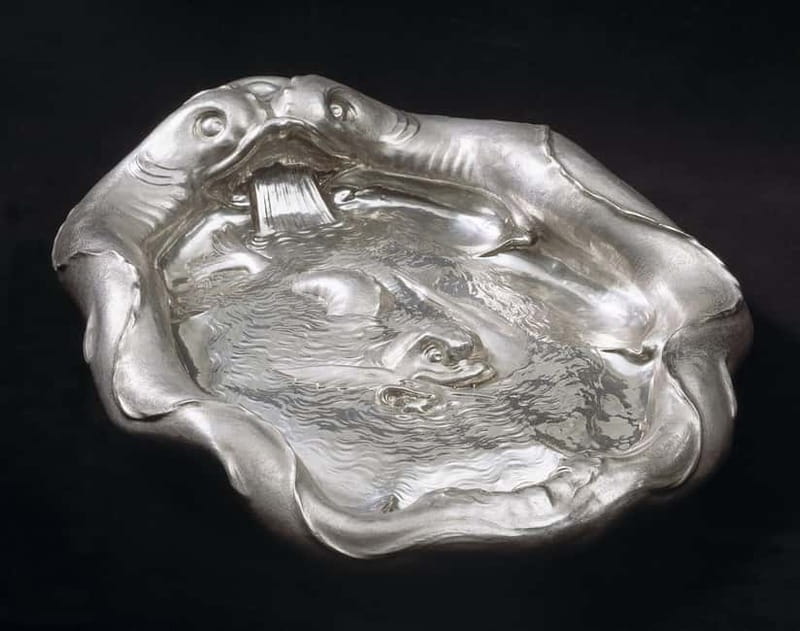
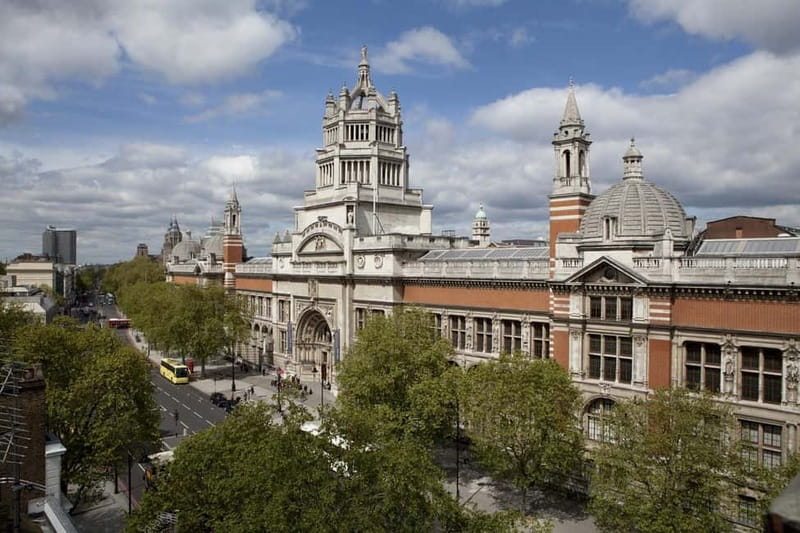
The V&A’s museum building and design are part of the experience. That’s not fluff. When you walk into a space created with taste and intention, you’re already primed to see design choices everywhere—objects, display style, and even how the museum guides your movement.
On a guided tour, architecture becomes a sort of framing device. You can notice how spaces help you approach collections, how light and layout influence what you notice first, and how the museum’s design echoes the ideas you’re seeing inside the galleries.
This matters because the V&A is known for decorative and applied arts. You get better at recognizing design when the environment encourages you to pay attention.
Temporary exhibitions: what’s included and what you’ll need to plan
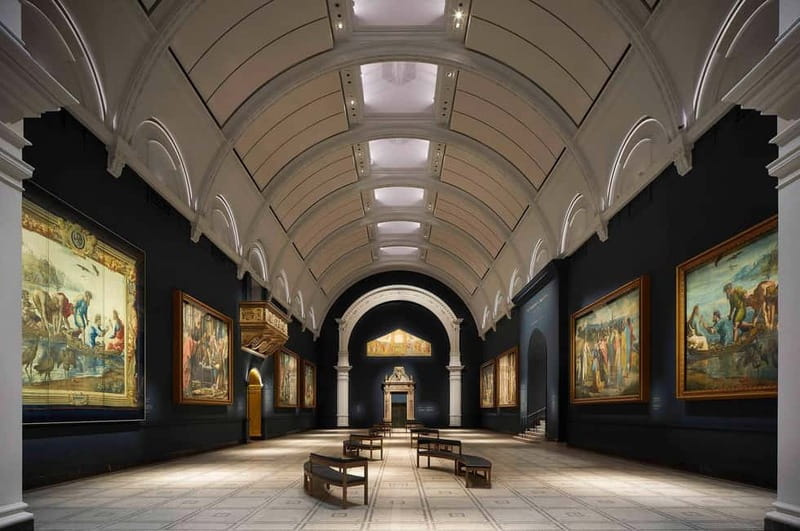
Temporary exhibitions are not included on this tour. If you’re hoping to see a specific special exhibit, you’ll need pre-booked tickets at extra cost.
So how should you think about it? Treat this private tour as your backbone. You’ll get access to the collections and celebrated works your guide highlights, plus time to ask questions and slow down for craft details. Then, if a temporary exhibition is a must for your trip, slot it separately around your guided hours.
That strategy keeps the tour from turning into a rushed “both-and” mission.
Price, group size, and why this can be good value
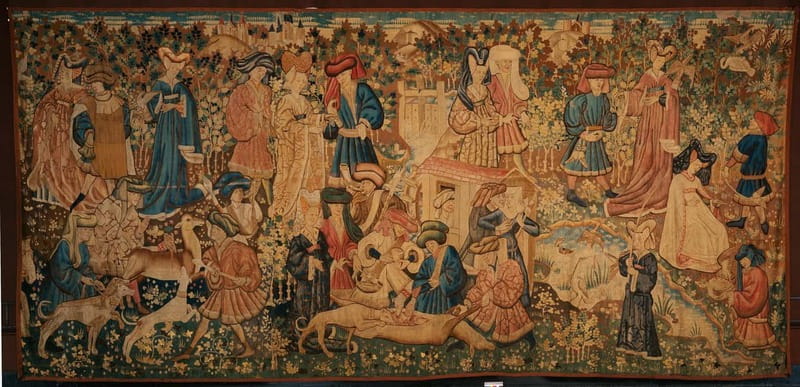
The price is $263 per group, up to 5 people, for a 3-hour private guided tour. That’s not cheap in the “solo museum ticket” sense. But you’re paying for something different: private time with a guide and flexibility to tailor the route.
Here’s the simple value math. If you fill all five spots, the cost is about $52.60 per person for 3 hours of guidance. If you have fewer than five, the per-person cost goes up, but you still benefit from a private, question-friendly experience.
This is best value when:
- you’re traveling with 2–5 people who have different interests (private tours let you balance them)
- you want a first-visit strategy to the V&A rather than random wandering
- you like stopping for details and talking through what you’re seeing
If you’re visiting solo and you mainly want a quick overview, you might find a cheaper group option works. But if you want a more human, design-focused conversation inside a major museum, this format often makes more sense than it looks at first glance.
Who this tour suits best (and who should skip it)
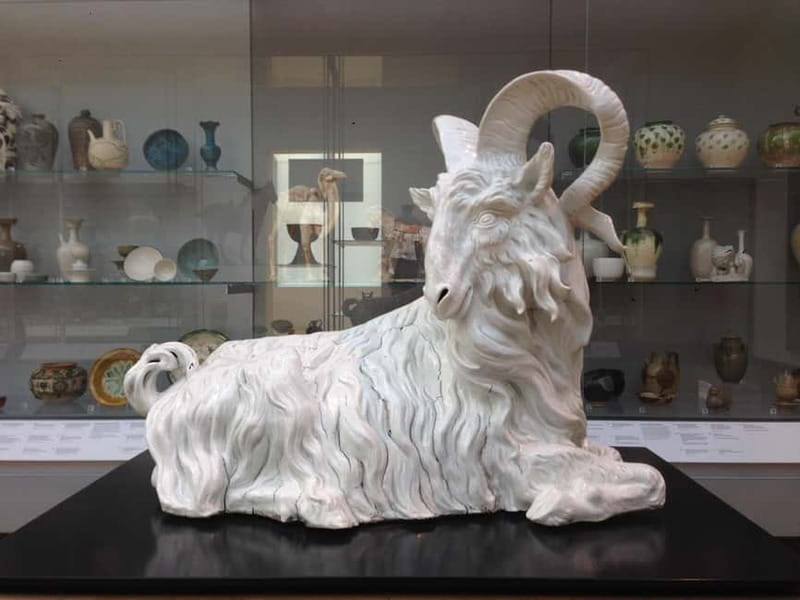
This private guided tour is best for people who like design and craft and want their visit guided by someone who can explain what you’re seeing without talking over you.
It’s also a good fit for first-time V&A visitors because the selection is aimed at important treasures and museum favorites. People mention it’s especially effective for learning a lot quickly in just 3 hours.
Two caution flags are clearly stated:
- It’s not suitable for visually impaired people
- It’s not suitable for hearing-impaired people
Wheelchair accessibility is listed as available, so if mobility access is your concern, this is a better bet than many older tours in older venues.
If you’re traveling with kids, the data here doesn’t specify ages. So you’ll want to judge it based on attention span and your comfort with a museum-focused conversation.
The real standout: how the guide makes you see more
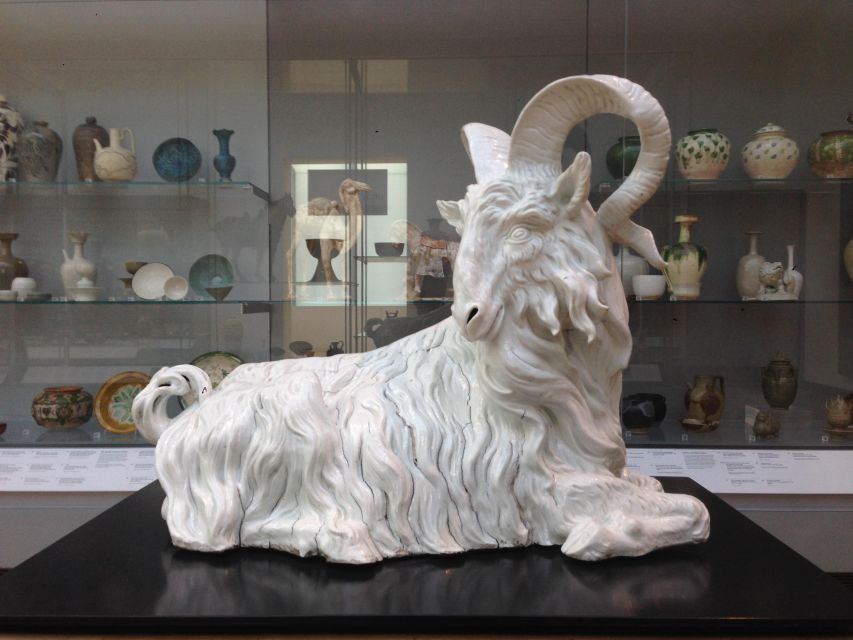
The tour experience lives or dies with the guide. And the provided guide name Robert Miller shows up repeatedly in the strongest feedback: people describe him as engaging, exceptionally informative, and personal, with a calm style that doesn’t make beginners feel behind.
Even if you don’t get Robert Miller specifically, the tour format is designed around the same idea: your guide chooses a smart selection of works and explains the thinking behind them. That’s why visitors come away wanting to return. You don’t leave feeling like you saw a list. You leave feeling like you learned how to look.
Also, the guide can help you appreciate the range of what the V&A offers. The museum covers jewelry, drawings, textiles, ceramics, woodwork, and decorative arts, plus interactive elements and installations tied to design. Without help, it’s easy to treat it as separate worlds. With help, you start seeing the common language.
Should you book this V&A 3-hour private tour
Book it if you want a focused first-visit plan and you like asking questions. This is a strong choice for couples, friends, and small groups because the price covers a private guide up to 5 people, and it’s built for flexibility.
Skip or consider another option if:
- temporary exhibitions are your main priority (you’d need separate tickets)
- you’re visiting with visual or hearing needs that aren’t supported by this tour format
If you’re excited by craft details and want to understand the design choices behind art objects, this is the kind of 3 hours that pays off later. You’ll walk out with more than photos—you’ll have a way of seeing.
FAQ
How long is the Victoria and Albert Museum private guided tour?
The tour lasts 3 hours.
Where do we meet the guide?
Meet your guide outside the main entrance of The Victoria and Albert Museum on Cromwell Road.
How much does the tour cost?
It costs $263 per group, up to 5 people.
What’s included in the tour?
You get a private guided bespoke tour focusing on important treasures in the museum collections, with flexibility to focus on your interests.
Are temporary exhibitions included?
No. Temporary exhibitions are not included and require pre-booked tickets at extra cost.
Can the tour be tailored to my interests?
Yes. The tour can be tailored to include your particular interests.
What language is the live guide?
The live tour guide is English.
Is the tour wheelchair accessible?
Yes, wheelchair accessibility is listed.
Is this tour suitable for visually or hearing-impaired visitors?
No, it is not suitable for visually impaired people or hearing-impaired people.
More Guided in London
- Magical London: Harry Potter Guided Walking Tour
★ 4.7 · 22,044 reviews - London: Emirates Stadium Entry Ticket and Audio Guide
★ 4.7 · 5,513 reviews - London: Christmas Lights Bus Tour With Live Guide
★ 4.0 · 5,410 reviews - Stonehenge, Windsor Castle and Bath Full Day Guided Tour
★ 4.5 · 5,346 reviews - London Jack the Ripper Guided Tour with Ripper-Vision
★ 4.5 · 4,840 reviews
More Tours in London
- From London: Harry Potter Warner Bros Studio Tour
★ 4.7 · 26,588 reviews - Magical London: Harry Potter Guided Walking Tour
★ 4.7 · 22,044 reviews - London: Warner Bros. Studio Harry Potter Tour & Branded Bus
★ 4.7 · 19,194 reviews - London Big Bus Hop-On Hop-Off Tour with Optional River Cruise
★ 3.5 · 10,803 reviews - London Small Group Tour of Historical Pubs
★ 5.0 · 10,422 reviews
More Tour Reviews in London
- From London: Harry Potter Warner Bros Studio Tour
★ 4.7 · 26,588 reviews - London: Westminster to Greenwich River Thames Cruise
★ 4.5 · 22,836 reviews - Magical London: Harry Potter Guided Walking Tour
★ 4.7 · 22,044 reviews - London: Madame Tussauds London
★ 4.6 · 20,915 reviews - London: Warner Bros. Studio Harry Potter Tour & Branded Bus
★ 4.7 · 19,194 reviews
Just reviewed around London





3-Hour Experiences, compared.
 ★ 5.0Westminster 3 Hour Walking Tour and Visit of Churchill War RoomsFrom $135967 reviews
 ★ 4.8Highlights of Royal London Bike Tour (3 Hours)From $56140 reviews
 ★ 4.73-Hour Sunset Bike TourFrom $4877 reviews
 ★ 4.2Harry Potter 3-Hour Private Walking TourFrom $33776 reviews
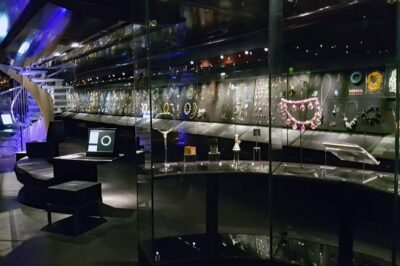 ★ 5.0Private Guided Tour of The Victoria and Albert Museum – 3 HourFrom $27074 reviews
Private 3 Hour Black Taxi Tour of LondonFrom $42863 reviews
 ★ 5.03 Hour Guided Private Walking Tour: The Best of LondonFrom $24160 reviews
 ★ 4.5Visit Kensington Palace & 3 Hour Westminster Walking TourFrom $11753 reviews
Browse the lists this tour appears in