
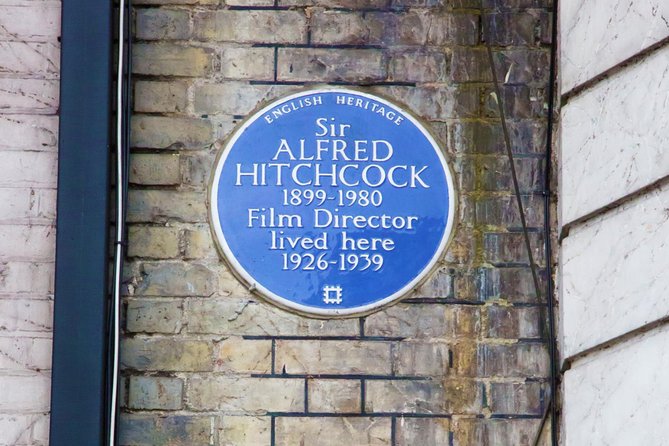
Reviewed · WALKING TOURS
The Alfred Hitchcock London Walk with Sandra Shevey
Hitchcock hid his clues in plain sight. This Alfred Hitchcock London Walk is a focused, 3-hour stroll that swaps generic photo stops for specific film locations tied to three classic movies, plus an expert guide who connects the dots. I especially liked Sandra Shevey’s film-historian perspective and the way the tour uses rare 1972 interview sound bites to make London buildings feel like part of the plot.
The main thing to consider is the price. At about $240.86 per person for roughly 3 hours, it’s a premium outing, so it’s best when you’re genuinely excited about Hitchcock, film locations, and architectural details.
In This Review
- Key highlights you’ll feel right away
- A Hitchcock walk built around buildings (not bus stops)
- Price and value: what $240.86 buys you in real life
- Where you start: Bayswater to Covent Garden, with a film-lens route
- The Covent Garden segment: three Hitchcock films in one area
- Why the 1972 interview clips change what you notice
- Henry Bumstead’s set art: film craft meets real streets
- Group size and pace: easier questions, better sightlines
- Practical tips so the walk feels easy, not tiring
- Who should book this tour (and who might skip it)
- Should you book the Alfred Hitchcock London Walk with Sandra Shevey?
- FAQ
- FAQ
- How long is the Alfred Hitchcock London Walk?
- Where does the tour start and end?
- What’s included in the tour price?
- Are food and drinks provided?
- What should I bring?
- Is this tour refundable if I cancel?
Key highlights you’ll feel right away
- Sandra Shevey’s Hitchcock access: She interviewed Alfred Hitchcock in 1972 in one of his last 1–2–1 interviews (3 hours).
- Rare 1972 audio: sound bites turn what you see outside into something closer to what Hitchcock talked about inside.
- Three film universes in one walk: The Man Who Knew Too Much (1956), Frenzy, and The Paradine Case share the spotlight.
- Architecture gets treated like a star: the tour is built around the idea that buildings are central to how Hitchcock made his films.
- Small group size (max 20): easier questions, easier pacing, fewer people blocking your view of details.
- Practical, mobile-friendly setup: mobile ticket, English language tour, and a clear start-to-finish route from Bayswater to Covent Garden.
Still deciding? A handful more London outings we rated
- Magical London: Harry Potter Guided Walking Tour
★ 4.7 · 22,044 reviews - London: The Original Jack the Ripper Walking Tour
★ 4.7 · 7,833 reviews - Tour for Muggles The Ultimate Harry Potter Walking Tour in London
★ 5.0 · 4,684 reviews - London Jack The Ripper Guided Walking Tour
★ 5.0 · 3,131 reviews
A Hitchcock walk built around buildings (not bus stops)
London has plenty of Hitchcock-themed tours. Most of them do the “here’s a famous street” routine and move on fast. This one feels different because it keeps steering you back to what Hitchcock actually used: real places, real structures, and the way streets and facades frame action.
The heart of it is Sandra Shevey, an international film historian, biographer, lecturer, and academic. She isn’t just reading trivia off a list. The tour includes sound bites from a rare 1972 3-hour interview with Hitchcock—one of his last 1–2–1 interviews. That matters because the talk isn’t secondhand, generic, or filtered through a hundred later opinions. You get a direct line to the man’s own thinking, and it shapes how the walk feels as you look up at buildings.
And you’ll notice how the tour’s structure supports that. It’s around 3 hours, it’s small (up to 20 people), and it’s paced like a walking conversation. You’re not rushing through “must-see” icons. You’re learning how to see—and that’s the kind of skill that makes a location stick long after the tour ends.
Price and value: what $240.86 buys you in real life
At $240.86 per person, this isn’t a “cheap and cheerful” walking tour. It’s a premium ticket for a reason, and you should know what you’re paying for.
Here’s the value breakdown based on what’s actually included:
- Expert guide with direct Hitchcock interview material (Sandra Shevey interviewed Hitchcock in 1972).
- Rare interview sound bites that connect specific London locations to the films.
- Locations tied to three classics, so you’re not paying for one movie and a few loose references.
- Set art courtesy of Henry Bumstead (the tour credits Oscar-winning Hitchcock designer Henry Bumstead’s set art), which gives the trip an extra film-production layer rather than staying purely street-level.
So yes, the price is high for a typical walking tour. But if you’re the type who cares about why a director uses a certain kind of building, then this price starts to make more sense. You’re buying an expert-led, film-history-focused way to walk London that leans on rare primary material—not just surface facts.
If you’re mainly in London for big sights and you want a casual 3-hour stroll with simple photos, you might find this cost harder to justify. For film buffs, though, it’s the sort of ticket that turns a city walk into something more precise.
Where you start: Bayswater to Covent Garden, with a film-lens route
The walk starts at 11:00 am at BayswaterQueensway, London W2 4RH (meeting point). It ends in Covent Garden.
That start-to-finish matters for your planning. You’re not just meeting at a random landmark and then drifting around. You have a defined route with film-linked stops, and you’ll finish where a lot of Hitchcock fans already like to spend time. Since it runs about 3 hours, you can usually fit it neatly into a day that also includes other central London activities before or after.
The tour is also described as near public transportation, which is a big deal when you’re paying a premium price. You don’t want to lose half your day fighting transit.
Two small practical notes you should take seriously:
- Wear comfy shoes. This is a walking experience with a moderate physical fitness level recommended.
- Bring bottled water and consider an umbrella. Weather changes happen fast in London, and you’ll be outside for the full route.
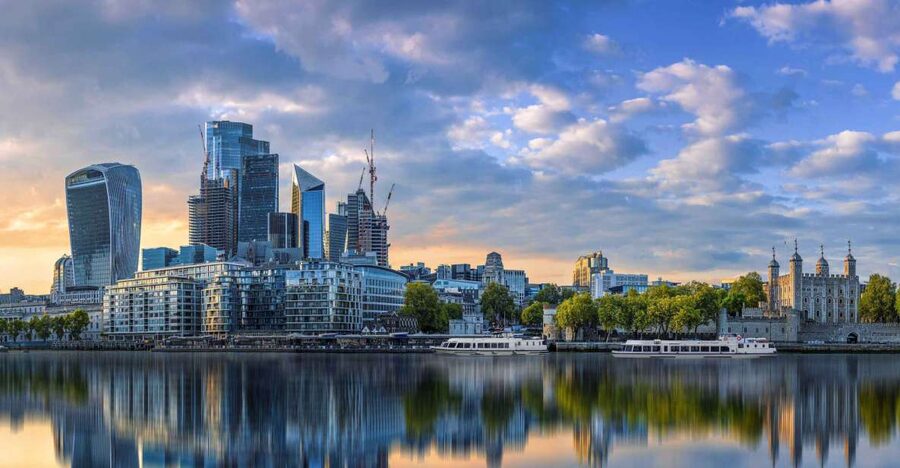

The Covent Garden segment: three Hitchcock films in one area
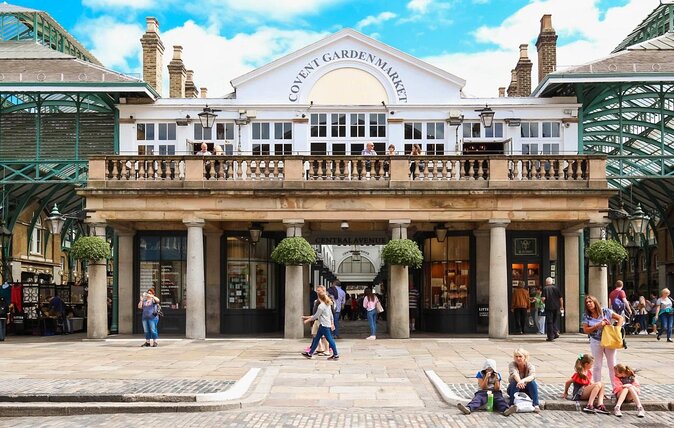
The only explicitly detailed stop is in Covent Garden, and it’s a good one. The plan uses locations connected to three classic films: The Man Who Knew Too Much (1956), Frenzy, and The Paradine Case.
You’ll spend about 30 minutes at the Covent Garden stop. That segment includes landmarks and monuments around London featured in those films, including Covent Garden Market (and other related spots in the area).
Here’s what this does for you as a viewer:
- It lets you compare styles. Hitchcock used London in different ways depending on the story—sometimes more public-facing, sometimes more tense and observational. Seeing multiple films’ locations grouped together helps you notice patterns in how places get framed.
- It saves you from hunting alone. If you’ve ever tried to map movie locations on your own, you know how messy it can get. This gives you a guided path to the areas you’d otherwise waste time searching for.
- It turns normal streets into “screen-ready” spaces. The tour leans hard into the idea that buildings matter. So instead of treating Covent Garden like shopping-and-theatre scenery, you’ll start treating it like set design built from real geography.
One drawback here: the itinerary details you receive are not presented as a long, stop-by-stop checklist in the information provided. That means if you want a very granular schedule with named stops beyond Covent Garden, you’ll want to double-check what’s confirmed at booking so you can plan confidently.
Why the 1972 interview clips change what you notice
This is the real magic ingredient. The tour isn’t only about saying, “Hitchcock filmed here.” It uses sound bites from a rare 1972 3-hour interview that Sandra Shevey recorded with Hitchcock. And there’s a specific message emphasized from that interview: Buildings are the real stars of my films.
That line is more than a nice quote. It’s basically a viewing instruction.
When you listen for that idea while walking, your attention shifts:
- You stop looking only for “recognizable” facades.
- You start noticing entrances, sightlines, corner angles, and how streets funnel movement.
- You consider how a building’s shape helps story tension—who can see who, where the camera would likely go, and how an ordinary street can feel threatening if the framing is right.
You’ll also benefit from multimedia interview footage described as part of the tour experience. In practical terms, that means you’re more likely to make a connection between what you’re seeing outside and what Hitchcock was describing during the interview. It’s a better learning loop than a guide who only talks.
And because Sandra Shevey is both a historian and a lecturer, the tour tends to feel grounded. You get interpretations, but they stay connected to sources and filmmaking context—not random guessing.
Henry Bumstead’s set art: film craft meets real streets
One quietly smart inclusion is the mention of set art courtesy of Oscar-winning Alfred Hitchcock designer Henry Bumstead.
You don’t need to know Bumstead’s entire career to benefit from this. The point is that Hitchcock’s London doesn’t only live in location scouting. It also lives in how sets and design choices shape mood, rhythm, and credibility.
So while you’re standing in places tied to The Man Who Knew Too Much (1956), Frenzy, and The Paradine Case, the tour nudges you to think like a filmmaker:
- What would you build versus what you’d film?
- How would design choices affect the way audiences feel?
- How does a real building become a stage without losing its reality?
If you’re the type who enjoys film craft—production design, not just plot—this extra layer is one of the reasons this walk feels more “serious” than many themed city walks.
Group size and pace: easier questions, better sightlines
This experience caps at 20 travelers. That small number matters more than people think.
In a bigger group, you spend time waiting your turn to hear, and you constantly adjust position when someone moves in front of you. With a group this size, you’ll typically get a better chance to actually see what the guide is pointing at—especially when the tour is about buildings and small details like street angles or architectural features.
It’s also a tour that asks you to bring your attention. The guide recommends you book ahead so she can connect, answer questions, and make sure you understand the meeting place. That’s a good sign that the experience is managed, not chaotic.
And since the tour is in English with a mobile ticket, you avoid the usual “print this, show that, wait in line” friction.
Practical tips so the walk feels easy, not tiring
Here’s how I’d prep for this type of 3-hour guided London stroll.
- Shoes: comfy and worn-in. Even if it’s only one major stop plus walking between points, you’ll want support.
- Weather: London can switch from dry to drizzly without warning. Bring an umbrella and a water bottle.
- Pace: plan for a moderate physical fitness level. If you’re unsure about long walking, consider whether you can handle a steady 3-hour outdoor route.
- Questions: since this is film-focused and small-group, don’t be shy. Ask about specific scenes or what you’re looking at—this tour is built for conversation.
- Special assistance: service animals are allowed, and it’s near public transportation, which makes day logistics easier.
Who should book this tour (and who might skip it)
This tour fits best if at least one of these sounds like you:
- You’re a Hitchcock fan who wants more than the famous titles.
- You enjoy film history and want it tied to real locations.
- You like architecture and how buildings affect mood and story.
- You want a guide who can connect what you see on the street to what Hitchcock thought about in interviews.
You might want to skip or think twice if:
- You only want broad sightseeing and don’t care about film-location detail.
- You prefer budget-friendly tours and feel $240.86 is hard to justify for a short walking experience.
- You’re expecting a fully spelled-out, minute-by-minute list of multiple named stops (the info here highlights Covent Garden as the detailed stop).
Should you book the Alfred Hitchcock London Walk with Sandra Shevey?
If you’re into Hitchcock, I think this is an easy yes—especially because of the Sandra Shevey + 1972 interview sound bites combo. That’s the kind of specific, source-driven material that turns a “theme walk” into a film-viewing experience.
The price is the only real hesitation. At $240.86 for about 3 hours, you’re paying for expertise, rare interview content, and multiple classic-film locations rather than a casual stroll.
If you’re the kind of traveler who likes to learn how to read a city—by watching buildings, lines of sight, and how stories get framed—book it. If you just want a simple “see sights” day, you’ll probably get more value elsewhere.
FAQ
FAQ
How long is the Alfred Hitchcock London Walk?
It’s listed as approximately 3 hours.
Where does the tour start and end?
It starts at BayswaterQueensway, London W2 4RH at 11:00 am and ends in Covent Garden, London.
What’s included in the tour price?
The price includes a guide (Sandra Shevey), sound bites from rare 1972 3-hour interview footage, set art courtesy of Henry Bumstead, and locations connected to three classic films.
Are food and drinks provided?
No. Food and drinks are not included.
What should I bring?
It’s advised to bring bottled water, an umbrella, and to wear comfortable shoes.
Is this tour refundable if I cancel?
No. The experience is non-refundable and cannot be changed for any reason.
More Walking Tours in London
- Magical London: Harry Potter Guided Walking Tour
★ 4.7 · 22,044 reviews - London: The Original Jack the Ripper Walking Tour
★ 4.7 · 7,833 reviews - Tour for Muggles The Ultimate Harry Potter Walking Tour in London
★ 5.0 · 4,684 reviews - London Jack The Ripper Guided Walking Tour
★ 5.0 · 3,131 reviews - London: Harry Potter Movies Walking Tour (Kids Go Free)
★ 4.7 · 3,071 reviews
More Tour Reviews in London
- From London: Harry Potter Warner Bros Studio Tour
★ 4.7 · 26,588 reviews - London: Westminster to Greenwich River Thames Cruise
★ 4.5 · 22,836 reviews - Magical London: Harry Potter Guided Walking Tour
★ 4.7 · 22,044 reviews - London: Madame Tussauds London
★ 4.6 · 20,915 reviews - London: Warner Bros. Studio Harry Potter Tour & Branded Bus
★ 4.7 · 19,194 reviews
Just reviewed around London





Walking Tours, compared.
 ★ 4.7Magical London: Harry Potter Guided Walking TourFrom $2022,044 reviews
 ★ 4.7The Original Jack the Ripper Walking TourFrom $257,833 reviews
 ★ 5.0Tour for Muggles The Ultimate Harry Potter Walking Tour in LondonFrom $234,684 reviews
 ★ 5.0London Jack The Ripper Guided Walking TourFrom $03,131 reviews
 ★ 4.7Harry Potter Movies Walking Tour (Kids Go Free)From $203,071 reviews
 ★ 5.0Changing of the Guard Guided Walking Tour in LondonFrom $251,793 reviews
 ★ 4.9The Great British Rock and Roll Music Walking TourFrom $361,783 reviews
 ★ 4.8Harry Potter Walking Tour in GermanFrom $201,505 reviews