
Reviewed · THAMES RIVER CRUISES
Thames Beachcombing
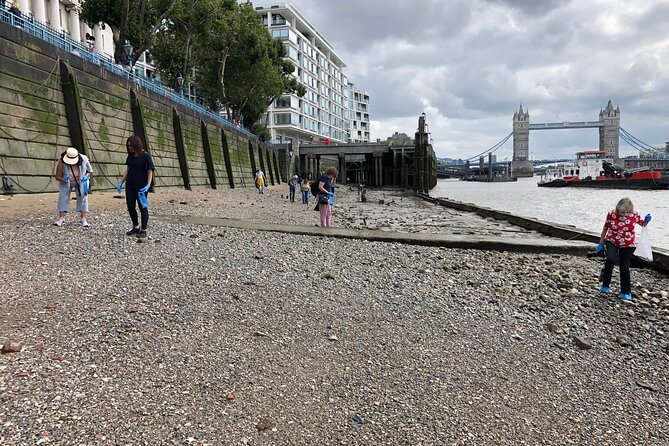
A walk along the Thames turns into real-time history hunting. This mudlarking experience takes you out on the foreshore at low tide, where you might spot centuries-old ceramics, clay pipe fragments, tiles, and other objects that wash in. I like that the guide, Robert, helps you identify what you’re holding and adds the context after you finish searching.
One of the best parts is the hands-on pace: roughly 1.5 hours to look with your eyes (no props needed), plus time at the end to sort what’s interesting from what’s not.
The one drawback to plan for is results vary. The Thames is big, and the stretch you visit changes with the season, so your haul can be great one day and more modest another.
In This Review
- Key Things to Know Before You Go Mudlarking on the Thames
- How Thames Mudlarking Works at Low Tide (And Why It Feels Different)
- The 2-Hour Flow: Briefing, 1.5 Hours of Searching, Then Find-ID Time
- Stop: London’s Changing Foreshore Stretch (And Why That Matters)
- What You Might Find (Beyond the Obvious Pottery Bits)
- Gear and Footing: Wellington Boots Are Not Optional
- Price and Value: Is $41.41 Worth a Two-Hour Hunt?
- Who This Mudlarking Tour Fits Best (And Who Might Want to Skip It)
- Meet Robert, Get Your Finds Explained, and Leave With Real Answers
- Should You Book Thames Beachcombing With Culture Seekers Tours?
- FAQ
- How long is the Thames beachcombing experience?
- What do I get included with the ticket?
- Where do we meet for mudlarking?
- What should I wear on the Thames foreshore?
- Are children allowed?
- How many people are in a group?
- What happens if the weather is bad?
- Can I get a refund if I cancel?
Key Things to Know Before You Go Mudlarking on the Thames
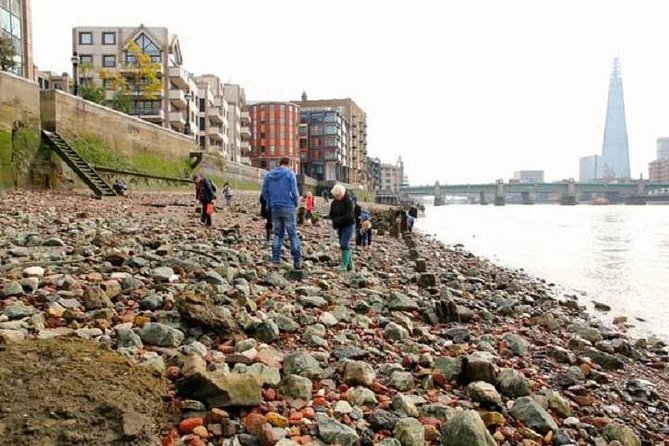
- Small-group search time on the foreshore so you can actually look, not just stand and listen
- Help with identification at the end, including historical context for your finds
- Robert’s hands-on guidance (he’s known for being friendly and clear when explaining what people find)
- You’ll be provided gloves and a bag, but you still need the right boots
- Meeting location and time shift through the year, based on the tide and the best local spot
- Weather matters since this is a good-weather activity on a stony, muddy shoreline
More time on the river, side by side
- London: Westminster to Greenwich River Thames Cruise
★ 4.5 · 22,836 reviews - London Big Bus Hop-On Hop-Off Tour with Optional River Cruise
★ 3.5 · 10,803 reviews - London: Westminster to Tower Bridge River Thames Cruise
★ 4.5 · 6,127 reviews - London: London Eye, River Cruise, & Hop-on Hop-off Bus Tour
★ 4.4 · 5,332 reviews
How Thames Mudlarking Works at Low Tide (And Why It Feels Different)

Mudlarking is beachcombing with a purpose: you walk the edge of the River Thames at low tide and look for objects left behind by water and time. You’re not digging with tools on this kind of outing. Instead, you’re scanning what’s visible on the foreshore, then comparing your discoveries with what your guide can explain.
What makes it especially fun for visitors is the mix of focus and surprise. You start with a few basics—what common finds look like—and then you get to slow down and hunt. The Thames has been moving through London for centuries, so even ordinary-looking fragments can sometimes connect to real eras of the city.
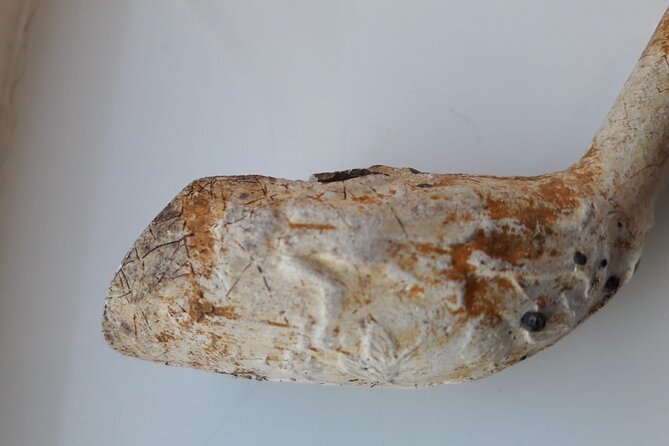
And yes, it can get weird in a good way. The shoreline can feel like a science lab crossed with a treasure hunt. One person described finding something personal to the making of an object—an imprint left during manufacture—so even when you think it’ll be random junk, you might end up holding something with a story.
The 2-Hour Flow: Briefing, 1.5 Hours of Searching, Then Find-ID Time
This is a short tour, about 2 hours total, so you won’t be tired by the end. You’ll spend about 1.5 hours actively searching the foreshore, with the rest of the time taken up by meeting, instructions, and wrap-up.
Here’s the practical rhythm you can expect:
First, you make your own way to the meeting point in London. Your guide contacts you with the location and time, and they can change throughout the year. Once you arrive, you’ll be given gloves and a plastic bag to carry whatever you pick out for identification.
Next comes the main chunk: walking and looking. You’ll be focused on objects you can spot with your eyes only—things like clay pipes, pottery fragments, tiles, and other material washed into view along the shoreline. Your guide is on hand while you search, so you’re not stuck guessing what you’re looking at.
Finally, you return for the best part if you love details: your guide helps identify what you found and provides historical context. This is where the tour turns from fun scavenger hunt into a small lesson in how London’s material past shows up on the riverbank.
Stop: London’s Changing Foreshore Stretch (And Why That Matters)
Unlike a fixed walking route, this experience visits different stretches of the Thames depending on the season. That’s important because river conditions, tide timing, and what’s exposed all change.
So instead of you planning around a named landmark, you plan around your guide’s message. You’ll get the where and when from them, and you’ll be meeting at a location in London, UK. The activity ends back at the meeting point, so you don’t need to build your own return plan.
What you should take from this: you’re not guaranteed the same type of finds every time. One guide-led session can expose a lot of small, identifiable fragments, while another might bring up fewer pieces or different types of material. That’s not a scam—just how a dynamic river works.
A smaller warning from real-world experience: if you’re coming specifically for a very high chance of major finds, manage your expectations. Mudlarking can be hit-or-miss, and one disappointment story centered on the site not producing as many varied artifacts as another stretch did. In other words: the Thames can surprise you, but it won’t always deliver a highlight reel.



What You Might Find (Beyond the Obvious Pottery Bits)
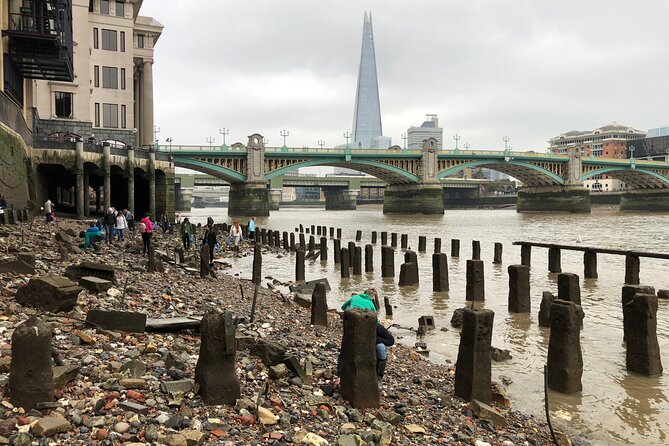
The tour focuses on items that appear on the foreshore—objects that have washed in and settled where you can see them. Based on the kinds of finds people talk about, you should be ready for a lot of ceramics and manufacturing clues.
Common categories to watch for include:
- Clay pipes (often broken, but sometimes recognizable by shape and stem parts)
- Pottery fragments and small decorative pieces
- Roof tiles and other tile-like fragments
- Tiles that can be surprisingly old (one visitor specifically mentioned tiles that pre-date the Great Fire of London)
- Other washed-up items that your guide can help sort and date
Even when the object seems small, it can still connect to a real time period. The guide’s job is to help you tell the difference between plain debris and something with a maker, purpose, or timeframe.
You’re also learning while you look. That means you’ll likely start noticing patterns—how certain materials break, what types of shapes appear more often, and what signals suggest something made by people rather than naturally worn debris.
Gear and Footing: Wellington Boots Are Not Optional
This is the kind of activity where the right footwear changes everything. The foreshore is stony and can be muddy, so you should wear wellington boots or hiking boots with good traction.
Gloves are included, and you’ll get them when you meet your guide. You’ll also be given a plastic bag to hold your finds. That’s a nice touch because it means you don’t have to pack everything just for one outing.
One more practical note: treat this as a weather-and-ground conditions activity. Your success isn’t only about tide exposure. It’s also about whether you can comfortably walk the shoreline without slipping, while keeping your attention on what you’re seeing.
If you’re traveling with kids, the activity is still workable, but they need to be prepared for mud and gear. Children under 16 must be accompanied by an adult, and while gloves are provided, one family found the gloves didn’t fit a smaller child perfectly. If you’re bringing a younger kid, consider bringing your own smaller gloves if you have them.
Price and Value: Is $41.41 Worth a Two-Hour Hunt?
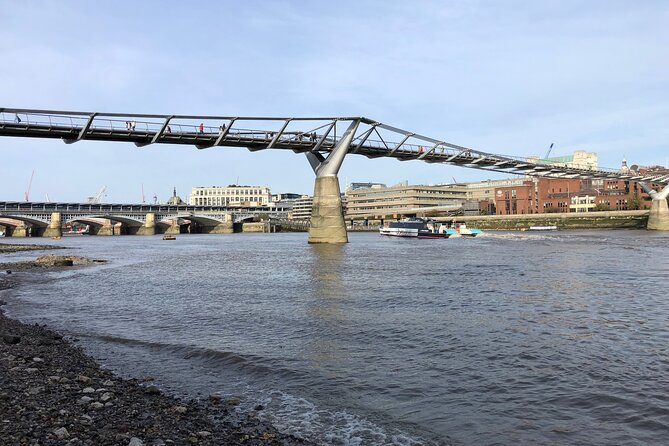
At $41.41 per person, this tour is priced like an experience that’s trying to balance two things: access and education. You’re paying for a local guide, small-group time, and the identification help at the end.
Here’s what your money covers, in practical terms:
- A local guide to explain what to look for and help while you’re searching
- Gloves and plastic bags
- A structured 2-hour session with around 1.5 hours of active searching
- Wrap-up help identifying finds and putting them in historical context
If you just walked the Thames alone, you’d still find plenty of washed-up objects, but you’d have a much harder time identifying what’s meaningful. The value here is the guide’s ability to turn random fragments into something you can actually place in context.
Also, small-group size matters. The tour is described as no more than 15 people and has a maximum cap listed higher (up to 20). In either case, the point is the same: you shouldn’t feel crowded. People repeatedly mention that there was enough space to search without stepping on each other.
If you love hands-on learning—especially learning you can do while doing something physical—this is one of the better “short and memorable” options in London.
Who This Mudlarking Tour Fits Best (And Who Might Want to Skip It)
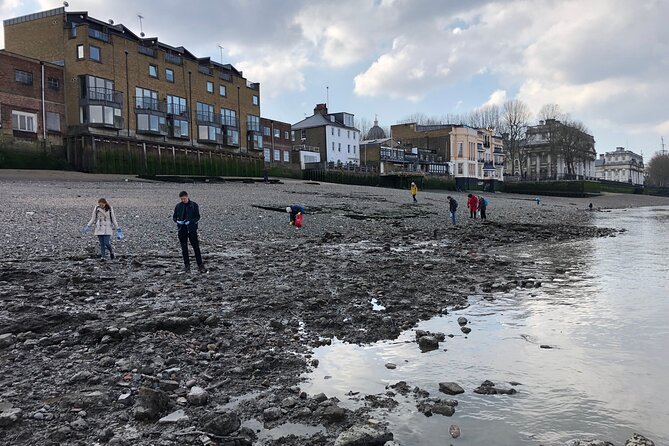
This suits you best if you want:
- A history-adjacent activity that doesn’t feel like a lecture
- A hands-on way to see London’s past material culture show up in the real world
- A small-group experience where your guide can actually help you identify what you find
It’s also great if you like the quiet focus of searching—some descriptions even sounded almost meditative. You’re walking slowly, looking closely, and breaking away from the typical big-sight schedule.
It might be less ideal if:
- You hate mud, stony ground, or getting a little dirty
- You want a guaranteed dramatic outcome (mudlarking is inherently variable)
- You’re looking for a long sightseeing day (this is short, about 2 hours)
You should have a moderate physical fitness level. It’s not a hard hike, but it does require walking along uneven river edges.
Meet Robert, Get Your Finds Explained, and Leave With Real Answers
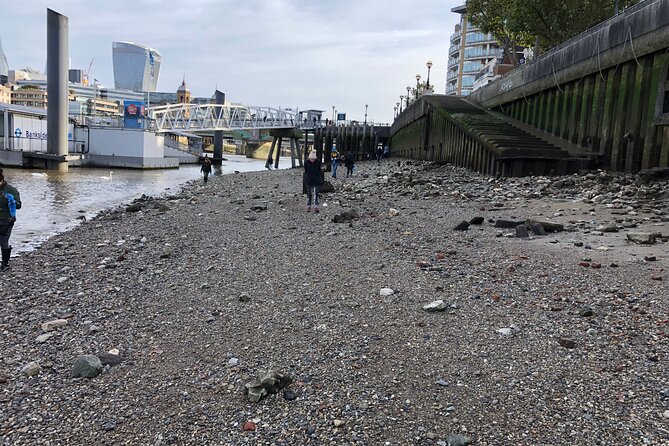
The guide is a big part of why people recommend this. Robert comes up often as approachable and very helpful when it’s time to identify items you picked up during the search.
That matters because mudlarking can create a pile of mystery objects fast. If you’re holding something that looks like pottery or tile but you’re not sure what it is, the wrap-up makes the experience feel complete. Instead of guessing, you leave knowing what the object is and why it’s historically interesting.
In practice, that also means you’ll likely enjoy the tour more even if you find fewer items. A guide who can explain what you’re looking at turns the whole outing into learning, not just hunting.
Should You Book Thames Beachcombing With Culture Seekers Tours?
I’d book it if you want a different London day: hands-on, small-group, and tied directly to the city’s past materials on the riverbank. The fact that you get both searching time and a proper identification step is a strong value play for the price.
You should pause and think first if you’re the kind of traveler who needs big predictable outcomes, or if you’re not comfortable with muddy footing. Also, remember that the river stretch changes through the year, so your results depend on the day.
If you come prepared with good boots, go in with patient curiosity, and treat it like an observational hunt, you’ll likely have one of the more unusual and satisfying experiences in London.
FAQ
How long is the Thames beachcombing experience?
The tour runs for about 2 hours total, with around 1.5 hours spent looking for washed-up objects on the foreshore.
What do I get included with the ticket?
You’ll get a local guide, plus gloves and plastic bags for carrying your finds.
Where do we meet for mudlarking?
You start in London, UK. The guide will contact you with the meeting location and time, which can change throughout the year, and you make your own way there.
What should I wear on the Thames foreshore?
Wear wellington boots or hiking boots. The shore can be stony and muddy, so you need footwear with solid traction.
Are children allowed?
Yes, but children under 16 must be accompanied by an adult.
How many people are in a group?
It’s described as a small group with no more than 15 people, and there’s a stated maximum of 20 travelers.
What happens if the weather is bad?
This activity requires good weather. If it’s canceled due to poor weather, you’ll be offered a different date or a full refund.
Can I get a refund if I cancel?
Yes. You can cancel up to 24 hours in advance for a full refund. If you cancel less than 24 hours before the start time, the amount paid won’t be refunded.
More Tour Reviews in London
- From London: Harry Potter Warner Bros Studio Tour
★ 4.7 · 26,588 reviews - London: Westminster to Greenwich River Thames Cruise
★ 4.5 · 22,836 reviews - Magical London: Harry Potter Guided Walking Tour
★ 4.7 · 22,044 reviews - London: Madame Tussauds London
★ 4.6 · 20,915 reviews - London: Warner Bros. Studio Harry Potter Tour & Branded Bus
★ 4.7 · 19,194 reviews
More Time on the Thames
- London: Westminster to Greenwich River Thames Cruise
★ 4.5 · 22,836 reviews - London Big Bus Hop-On Hop-Off Tour with Optional River Cruise
★ 3.5 · 10,803 reviews - London: Tootbus Hop-on Hop-off (Optional River Cruise)
★ 3.9 · 7,045 reviews - London: Westminster to Tower Bridge River Thames Cruise
★ 4.5 · 6,127 reviews - London: London Eye, River Cruise, & Hop-on Hop-off Bus Tour
★ 4.4 · 5,332 reviews
Just reviewed around London





Thames River Cruises, compared.
 ★ 4.5Westminster to Greenwich River Thames CruiseFrom $2222,836 reviews
 ★ 3.5London Big Bus Hop-On Hop-Off Tour with Optional River CruiseFrom $3910,803 reviews
 ★ 3.9Tootbus Hop-on Hop-off (Optional River Cruise)From $477,045 reviews
 ★ 4.5Westminster to Tower Bridge River Thames CruiseFrom $186,127 reviews
 ★ 4.4London Eye, River Cruise, & Hop-on Hop-off Bus TourFrom $745,332 reviews
 ★ 5.0High-Speed Thames River Speedboat in LondonFrom $903,971 reviews
 ★ 4.5Thames River Cruise with Optional London Eye TicketFrom $203,900 reviews
 ★ 4.1Big Bus Hop-on, Hop-off with Optional River CruiseFrom $353,875 reviews
Browse the lists this tour appears in