
Reviewed · MUSEUMS
Tate Modern Museum London Guided Tour Semi-Private 8ppl Max
Modern art gets less scary here. A semi-private Tate Modern guide walks you through the big names, but also the human stories behind them. You’ll move through a building with serious industrial DNA—a converted power plant—then come out with a clearer sense of what to look for next time you visit London.
I especially love the small-group feel, capped at 8. That’s why guides like Sasha and Becky can actually slow down, point out what matters, and keep the questions coming. I also love the way the explanations build context without doing the thinking for you—so you leave with your own opinions, not just museum facts.
One consideration: this tour isn’t available for people using a wheelchair or with walking disabilities, and you’ll need moderate mobility. Add in museum security rules (think handbag-sized bags only), and plan to move a bit through galleries.
In This Review
- Key highlights to know before you go
- Tate Modern’s power-plant setting makes the art click faster
- Semi-private in real life: what “8 people max” changes
- A tight 2-hour route built around momentum, not overwhelm
- Stop at Tate Modern: how the tour frames Mondrian, Picasso, and more
- 1960s pop art: making sense of Warhol and celebrity faces
- Duchamp’s Fountain: the “wait… what is art?” moment
- How the guide helps you ask questions without feeling lost
- Tate Modern logistics: bags, security, and quiet-room rules
- Price and value: what $107.45 buys you in London
- Who this tour suits best (and who should pick something else)
- Should you book this Tate Modern semi-private tour?
- FAQ
- How long is the Tate Modern museum guided tour?
- What group size is this semi-private tour?
- Is admission to Tate Modern included?
- Does the tour include temporary exhibitions?
- Where do I meet the guide?
- What language is the tour offered in?
- Do I need a mobile phone number?
- Is the tour wheelchair accessible?
Key highlights to know before you go
- Max 8 guests keeps the tour personal and question-friendly
- Converted power-plant building makes the museum feel like part of the art
- Modern art for novices focus helps you stop guessing and start noticing
- Big-name works range from Mondrian and Picasso to Rothko, Warhol, and Duchamp’s Fountain
- Quiet-room rules mean you’ll be briefed before entering restricted spaces
Still deciding? A handful more London outings we rated
- Magical London: Harry Potter Guided Walking Tour
★ 4.7 · 22,044 reviews - London: Emirates Stadium Entry Ticket and Audio Guide
★ 4.7 · 5,513 reviews - London: Christmas Lights Bus Tour With Live Guide
★ 4.0 · 5,410 reviews - Stonehenge, Windsor Castle and Bath Full Day Guided Tour
★ 4.5 · 5,346 reviews
Tate Modern’s power-plant setting makes the art click faster
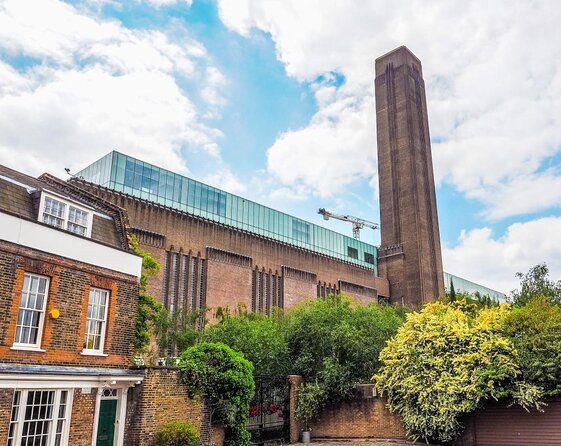
Tate Modern is one of those places where the building does half the talking. It used to be a power station, and you still feel that scale and industrial rhythm when you walk into the galleries. That matters, because modern art often lands better when the setting feels bold and a little surprising.
This tour uses that advantage. Instead of treating Tate Modern like a checklist, your guide helps you read what you’re seeing in a practical way—why certain artists made the choices they did, and what to notice when the artwork refuses to behave like a traditional painting. If you’ve ever stared at a room and thought, I’m missing something, this is designed for that moment.
And if you’re new to modern art, you’re not alone. The tour is built around giving you a starting lens, so you’re not wandering confused. You’ll get stories, but also clear prompts for looking.
Semi-private in real life: what “8 people max” changes
A smaller group isn’t just a comfort perk. It changes the whole pace. With a maximum of 8 people, your guide can notice when you’re unsure, pause when questions start bouncing around, and keep the momentum without dragging.
That’s where this tour tends to shine. The guides are used to leading people who don’t consider themselves art people, and they know how to explain modern art in plain language. People often walk in thinking they’ll be lectured at, then realize it’s more like guided conversation with real museum expertise in the room.
This setup also helps if you’re visiting with your curiosity switched on but your confidence running low. You’ll get chances to ask questions right there, while the artwork is still in front of you. That’s the best time to ask—because you can test ideas immediately.
A tight 2-hour route built around momentum, not overwhelm
The tour runs about 2 hours. That’s long enough to get context and see major highlights, but short enough that you don’t lose the plot in a maze of galleries. For a first Tate Modern visit, it’s a smart length: you’ll learn what to watch for, then you can return later with better instincts.
What’s special is how the route moves across eras and styles without turning it into a history exam. You’ll go from early modern geometric ideas to political-era work to postwar abstraction, then to pop art and conceptual art. The arc feels intentional, and it helps your brain connect the dots instead of treating each room like a brand-new subject.
Also, keep expectations aligned: temporary exhibitions are not part of this tour. You’re focusing on the museum’s main collections and the big, foundational works.
Still deciding? A handful more London outings we rated


Stop at Tate Modern: how the tour frames Mondrian, Picasso, and more
You’ll start inside Tate Modern and begin working through multiple galleries and halls with a guide steering you toward key pieces. Expect a mix that includes some of the most recognized modern names, but with explanations aimed at helping you understand the choices behind the art.
Here’s the kind of viewing you can expect as you move:
- Mondrian’s geometric patterns of color: you’ll get a way to look beyond just pretty blocks. The goal is understanding how order, structure, and reduction become part of the meaning.
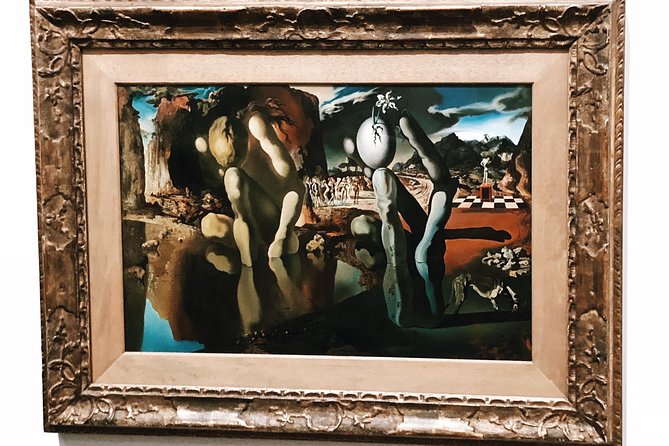
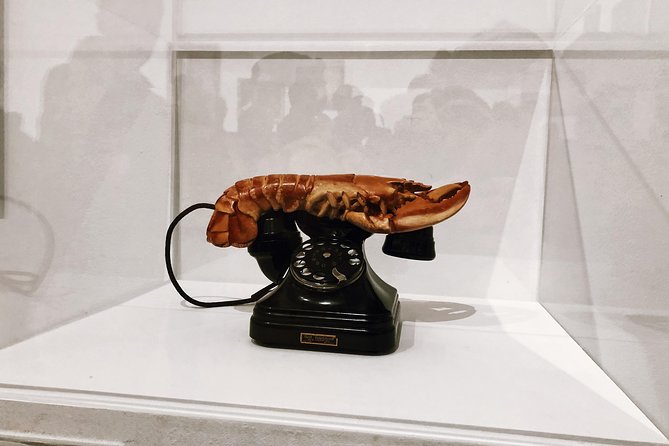
- Picasso and Dali: you’ll connect their major output to the political and emotional pressure of the Spanish Civil War. This is one of the most useful “context moments” on the schedule, because it turns distant history into something that affects art decisions.
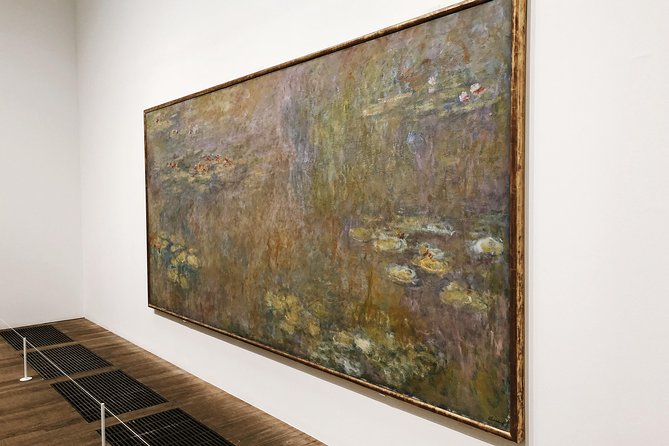
- Impressionists and Monet: you’ll be guided toward understanding what the Impressionists were chasing visually, not just copying their subjects. That makes it easier to see how later styles borrow and react.
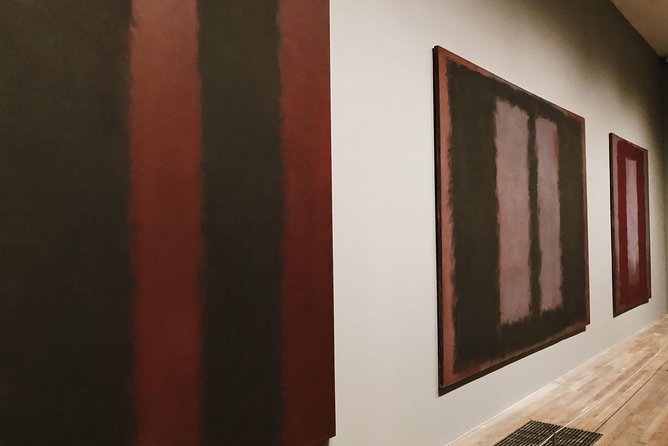
- Abstract expressionists like Mark Rothko: instead of treating abstraction as a puzzle with one correct answer, the tour nudges you toward looking for feeling, scale, and repetition of form.
By the time you get toward later works, you’ll be seeing with a toolkit, not a guess.
1960s pop art: making sense of Warhol and celebrity faces
The route steps into the 1960s when you encounter Andy Warhol’s pop art, including images associated with Marilyn Monroe and other celebrities. Pop art can feel like it’s mocking the idea of art, or celebrating it, or both at once. The guide’s job is to help you read which tension is doing the work in each piece.
This part of the tour is worth it even if you already know Warhol’s name. You’ll come away with a more precise understanding of why mass culture became such a serious artistic topic, and why celebrity images are more than just famous faces. The best outcome is that your eyes stop treating it like a joke and start treating it like a comment on media, repetition, and identity.
Duchamp’s Fountain: the “wait… what is art?” moment
Then you reach one of modern art’s famous head-scratchers: Duchamp’s Fountain. It’s the kind of work that makes people reflexively ask what they’re supposed to think. This tour doesn’t rush past that question.
Instead, you’re guided to slow down and stand with the work long enough to notice what your reaction is telling you. That pause matters. A lot of visitors leave Tate Modern feeling like they didn’t understand, when the truth is they just never gave themselves permission to sit with uncertainty for a minute.
After that, you can ask questions and talk through ideas with your guide and your small group. It’s the rare museum experience where confusion turns into curiosity—without turning into a free-for-all.
How the guide helps you ask questions without feeling lost
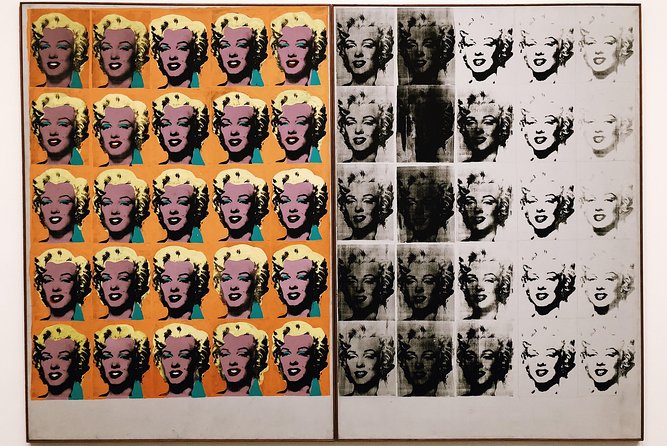
The strongest theme in the best moments of this tour is that it’s interactive in a grounded way. You’re not expected to already know how to talk about art. Your guide is there to create that bridge.
Guides like Sasha and Becky are praised for selecting a wide variety of works and for giving insight that makes you think while still staying approachable. That balance is hard to get right in a museum, especially with modern art. Too much “explaining” can make you tune out. Too little context leaves you frustrated.
Here, the approach is: give enough background so you can see patterns, then push you to form your own interpretation. You’ll also get suggestions about what to see afterward on your own, which is practical because most people don’t leave after just two hours. They leave hungry to keep looking, but with better questions.
Tate Modern logistics: bags, security, and quiet-room rules
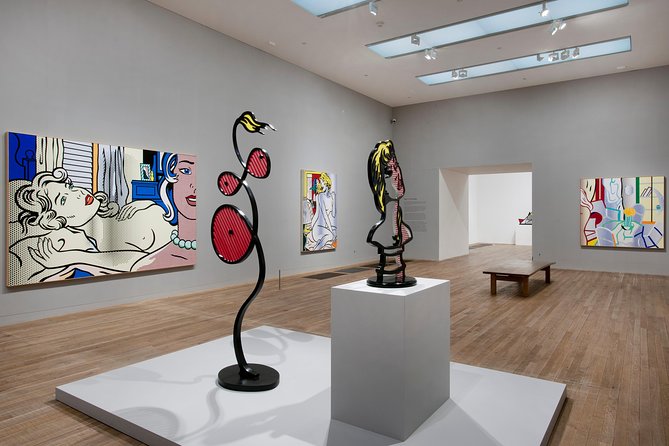
Museums can be strict, and Tate Modern is no exception. The key rule you should plan around: no large bags or suitcases inside. You’ll generally need to stick to handbags or small thin bag packs through security.
That affects comfort during your tour. If you’re carrying a big daypack, consider leaving it at your hotel or using lockers nearby if you already know you’ll have to store it. It’s not about being annoying—it’s just how the building handles security.
Also watch for rules inside specific rooms. Some areas are very quiet or have restricted right to speak, and your guide will explain the info before you enter. That means you’ll still get the story, but you’ll be guided on how to behave in that space so you don’t feel like you’re interrupting anything.
And yes, lines can form. With increased security measures across London attractions, you might encounter waits even if you’re doing a guided route.
Price and value: what $107.45 buys you in London
At $107.45 per person for around 2 hours, the price can look steep if you compare it to a self-guided museum visit. But it’s not trying to compete with solo wandering. It’s buying you expert guidance, a focused route, and a small-group setting.
Here’s what boosts the value:
- Semi-private format with up to 8 guests means you’re not lost in a crowd.
- You get a professional tour guide for the full time.
- The schedule lists admission ticket free for the Tate Modern stop, which changes the math. If entry is handled as part of the experience, you avoid the double-paying feeling.
- Your guide’s context helps you get more from every room you see, including the ones you might otherwise rush past.
One caution: temporary exhibitions are not included, so don’t assume your guided time will cover special displays beyond the standard collection route. If that’s a priority for you, plan on adding time outside the tour.
Overall, if modern art has ever felt like a wall you couldn’t scale, this kind of guided structure is often worth the money. You’re paying for clarity and momentum, not just access.
Who this tour suits best (and who should pick something else)
This is a good match if you’re:
- curious about modern art but want help learning how to look
- visiting Tate Modern for the first time and want a smart starting map
- the type who likes asking questions in real time
It’s also a great option if you’re traveling with a partner or parent who wants structure but still wants room for debate. The tour format encourages conversation, and the group size keeps it from turning into small-talk chaos.
But it’s not a fit if you use a wheelchair or have walking disabilities. The tour also expects moderate physical fitness, so plan for steady walking through galleries and time spent standing in front of works.
If you’re traveling with kids, the tour could work well when the guide is good at explaining and prompting discussion. Still, keep an eye on the pacing of a two-hour museum visit and whether your group can handle gallery time without needing frequent breaks.
Should you book this Tate Modern semi-private tour?
I’d book it if you want modern art explained in plain language, with a route through major works and enough time to ask real questions while you stand in front of them. The semi-private cap of 8, plus the guide-led focus on both context and looking, is exactly what makes this experience feel more personal than a typical museum pass.
Skip it or consider alternatives if you need wheelchair access or you’re trying to minimize time in galleries. Also think twice if you mainly want temporary exhibitions; this tour is focused on the museum’s core collections.
If your goal is to leave Tate Modern with a clearer sense of what you’re looking at—and with ideas you can test while you explore on your own afterward—this is a solid way to spend your London hours.
FAQ
How long is the Tate Modern museum guided tour?
It’s about 2 hours.
What group size is this semi-private tour?
The tour is limited to a maximum of 8 guests.
Is admission to Tate Modern included?
The tour schedule lists admission ticket as free for the Tate Modern stop.
Does the tour include temporary exhibitions?
Temporary exhibitions are not included.
Where do I meet the guide?
The tour starts at Tate Modern, Bankside, London SE1 9TG, UK. It ends back at the same meeting point.
What language is the tour offered in?
The tour is offered in English.
Do I need a mobile phone number?
Yes. You must provide a mobile phone number (including country code).
Is the tour wheelchair accessible?
No. The tour is not available for those with walking disabilities or using a wheelchair.
More Guided in London
- Magical London: Harry Potter Guided Walking Tour
★ 4.7 · 22,044 reviews - London: Emirates Stadium Entry Ticket and Audio Guide
★ 4.7 · 5,513 reviews - London: Christmas Lights Bus Tour With Live Guide
★ 4.0 · 5,410 reviews - Stonehenge, Windsor Castle and Bath Full Day Guided Tour
★ 4.5 · 5,346 reviews - London Jack the Ripper Guided Tour with Ripper-Vision
★ 4.5 · 4,840 reviews
More Tours in London
- From London: Harry Potter Warner Bros Studio Tour
★ 4.7 · 26,588 reviews - Magical London: Harry Potter Guided Walking Tour
★ 4.7 · 22,044 reviews - London: Warner Bros. Studio Harry Potter Tour & Branded Bus
★ 4.7 · 19,194 reviews - London Big Bus Hop-On Hop-Off Tour with Optional River Cruise
★ 3.5 · 10,803 reviews - London Small Group Tour of Historical Pubs
★ 5.0 · 10,422 reviews
More Tour Reviews in London
- From London: Harry Potter Warner Bros Studio Tour
★ 4.7 · 26,588 reviews - London: Westminster to Greenwich River Thames Cruise
★ 4.5 · 22,836 reviews - Magical London: Harry Potter Guided Walking Tour
★ 4.7 · 22,044 reviews - London: Madame Tussauds London
★ 4.6 · 20,915 reviews - London: Warner Bros. Studio Harry Potter Tour & Branded Bus
★ 4.7 · 19,194 reviews
Just reviewed around London





Museums, compared.
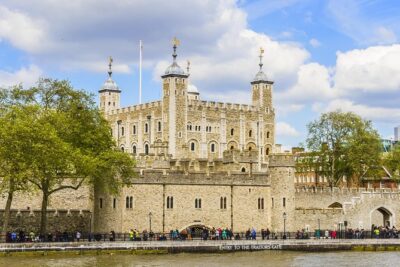 ★ 4.5Tower of London and Crown Jewels Exhibition TicketFrom $496,677 reviews
 ★ 4.8Chelsea Football Club Stadium and Museum TourFrom $434,576 reviews
 ★ 5.0Chelsea FC Stadium Tours and MuseumFrom $441,908 reviews
 ★ 4.3British Museum Guided TourFrom $231,182 reviews
 ★ 4.5Official tickets: Moco Modern & Contemporary Art MuseumFrom $361,157 reviews
 ★ 5.0British Museum London Guided Tour Semi-Private 8ppl MaxFrom $108984 reviews
 ★ 4.2Jack the Ripper Museum TicketsFrom $18894 reviews
 ★ 4.9British Museum Guided Tour with Entrance TicketsFrom $39748 reviews
Browse the lists this tour appears in