
Reviewed · THAMES RIVER CRUISES
Stand up Paddleboarding on the beautiful Thames at Richmond
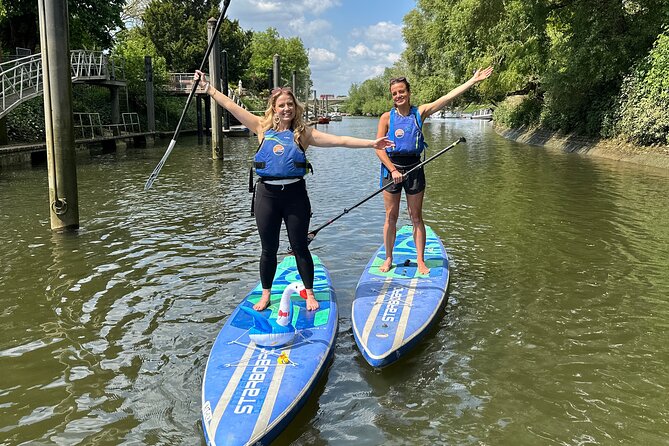
SUP on the Thames feels oddly peaceful. I love that buoyancy aids are provided and compulsory, and the small-group coaching keeps things calm and learnable with instructors like Nigel and Sarah. The main thing to think about: you’ll need the flexibility to stand up from kneeling, and you should be okay with falling a little while wearing the aid.
This is a simple, well-run intro that still feels like an outing. After a short safety briefing and riverbank practice near Richmond Bridge, you’ll paddle for about 90–105 minutes on a route chosen by the tide, either upstream toward Eel Pie Island and Teddington or downstream toward Richmond Lock, Isleworth, Kew Gardens, and Chiswick. Your instructor also takes a few snapped photos so you go home with proof you were really out there.
Logistics are straightforward. You start at Richmond Bridge Boathouses (Riverside, Richmond TW9 1TH) and end right back there, with a maximum of 6 travelers and the session in English. Bottled water isn’t included, and good weather is part of the deal.
In This Review
- Key things I’d watch for before you go
- Richmond Bridge Boathouses: the easy starting point that sets the tone
- First 15–20 minutes: safety briefing and riverbank drills
- Tide decides the route: upstream or downstream on the Thames
- Eel Pie Island, Richmond Lock, Kew Gardens: learning with real landmarks
- Coaching that actually helps you stand, turn, and keep going
- What the gear does for you (and what it doesn’t)
- Small group size: why max 6 changes the vibe
- Price and value: what $89.13 really covers
- Best for beginners, with one clear condition
- Weather matters more than you think
- Should you book this Thames SUP at Richmond?
- FAQ
- Do I need to be a proficient swimmer?
- What’s included in the session price?
- How long will I be on the water?
- Where does the activity start and end?
- How big is the group?
- What happens if the weather is poor?
Key things I’d watch for before you go
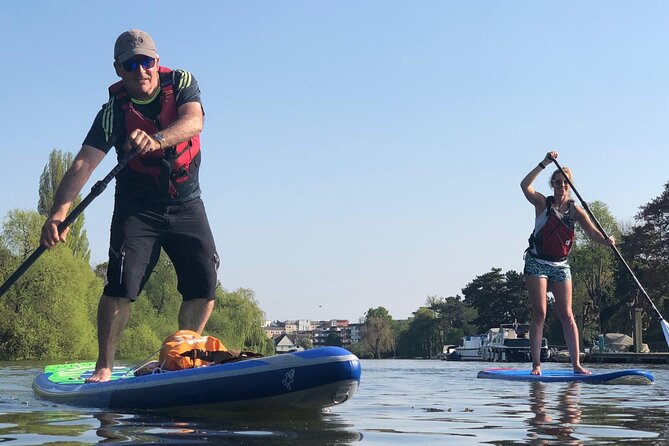
- Compulsory buoyancy aids are included, so safety is handled from the moment you’re kitted up.
- Small group size (max 6) means you get real hands-on help, not vague tips from a distance.
- 15–20 minutes of riverbank training are built into the schedule, so you aren’t learning from scratch on open water.
- A tide-driven route can send you upstream toward Eel Pie Island and Teddington or downstream past Richmond Lock and toward Kew.
- Instructor photos are part of the experience, so you don’t need to balance a phone while balancing on a board.
- Good first-timer fit, as long as you’re comfortable with falling while wearing the buoyancy aid.
More time on the river, side by side
- London: Westminster to Greenwich River Thames Cruise
★ 4.5 · 22,836 reviews - London Big Bus Hop-On Hop-Off Tour with Optional River Cruise
★ 3.5 · 10,803 reviews - London: Westminster to Tower Bridge River Thames Cruise
★ 4.5 · 6,127 reviews - London: London Eye, River Cruise, & Hop-on Hop-off Bus Tour
★ 4.4 · 5,332 reviews
Richmond Bridge Boathouses: the easy starting point that sets the tone
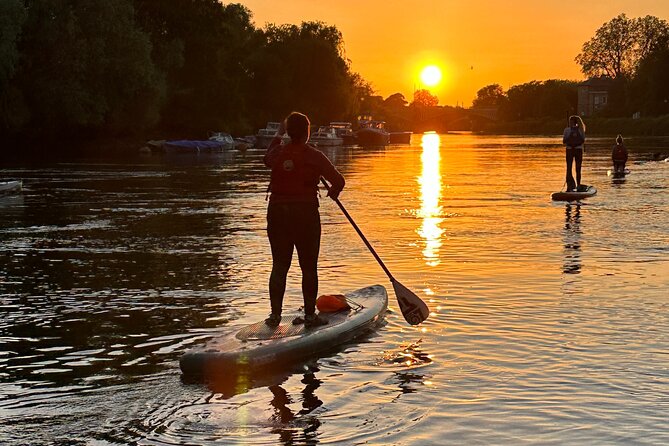
You meet at Richmond Bridge Boathouses on the riverfront in Richmond, TW9 1TH. That location matters because it keeps the whole experience simple: you’re not traveling across the city with gear in tow, and you get right into the rhythm of the Thames.
The session runs in a wide daytime window (9:00 AM to 6:00 PM during the operating dates listed). A mobile ticket is part of the setup, so you’re not stuck printing anything out. And with a maximum of 6 travelers, the group doesn’t feel like a crowded classroom. It feels like a small crew getting ready to play on the water.
Why I like this meeting setup: Richmond is a good place to learn because the river here feels active and scenic, but the start is controlled. You begin near the bridge and build skills before heading farther up or down the Thames.
First 15–20 minutes: safety briefing and riverbank drills
Before you paddle, you go through a safety briefing and land-based training on the riverbank near Richmond Bridge. Plan on 15–20 minutes for this part, depending on group size. It’s not just talk. You’ll practice the basics close to the water so you’re not guessing once you’re out.
The most reassuring detail is the buoyancy aid situation: they’re provided and compulsory. You do not need to be a proficient swimmer, but you should be comfortable with falling into the water while wearing the aid. That’s the honest baseline for stand up paddleboarding. The river may look calm, but you’re still balancing on gear, and balance means occasional tumbles.
One more practical note: there’s a physical learning component. You need enough flexibility to get up from kneeling as you learn to paddle. If you have mobility limits in hips or knees, that matters more than bravado. This session is designed as an introduction, not a trick course.
Tide decides the route: upstream or downstream on the Thames
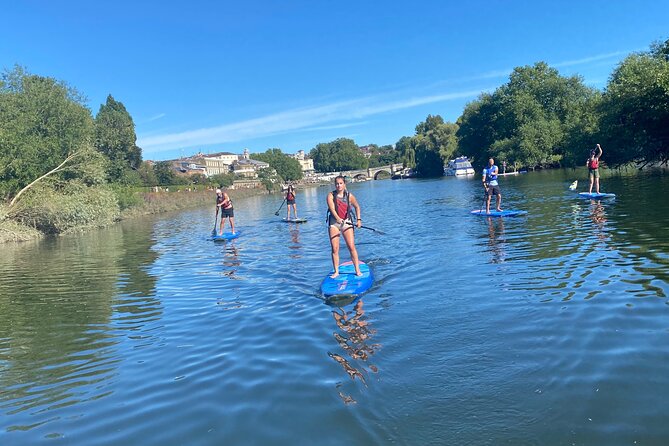
After training, you head out onto the river and return to the launch point at the end. What you paddle depends on the tide on the day.
If you go upstream, you may head toward areas like Eel Pie Island and Teddington. This side can feel like you’re working a bit more with the river’s flow, and it’s a fun choice if you want a longer stretch of scenery changing around you as you move.
If you go downstream, the route can include Richmond Lock, Isleworth, Kew Gardens, and Chiswick. Downstream options often feel more like a gentle drift with momentum from the river, which can help first-timers focus on balance and steering rather than raw effort.
Important detail: you can expect to be paddling on the water for about 90–105 minutes. The exact distance covered depends on wind and tide conditions. That’s normal on the Thames, and it’s also why the session stays flexible instead of pretending every day will match a script.

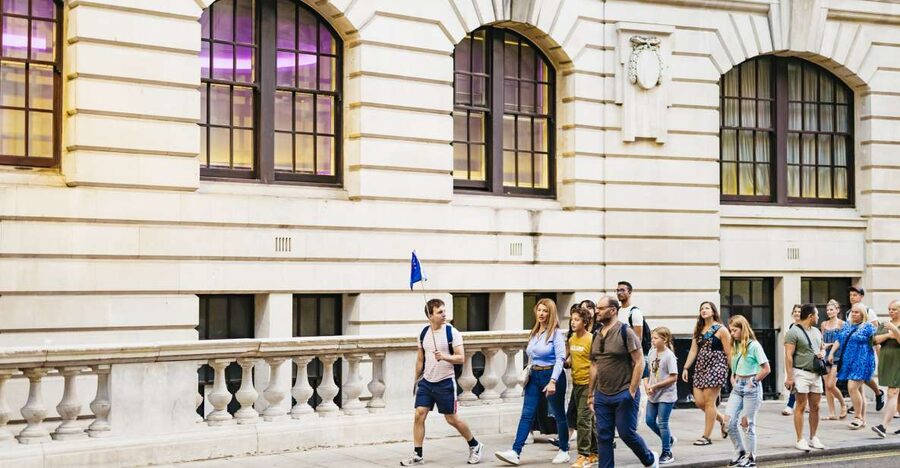

Eel Pie Island, Richmond Lock, Kew Gardens: learning with real landmarks
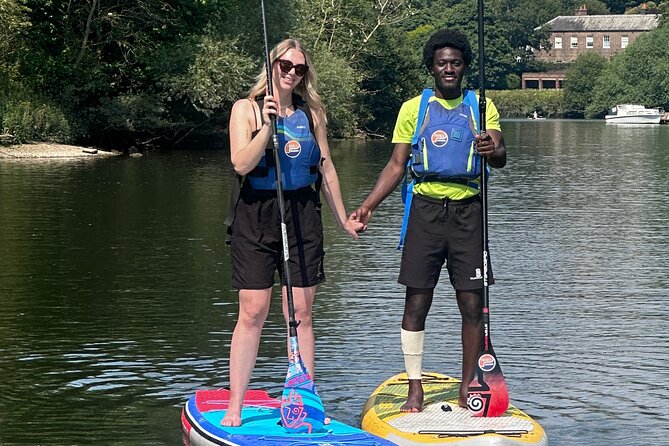
This is where Richmond becomes more than just a pretty postcode. Your route is tied to recognizable river landmarks, so you can orient yourself even if it’s your first time on this stretch of the Thames.
Upstream possibilities include Eel Pie Island and Teddington. Even if your exact path changes, the point is that you’ll be navigating a river corridor with character, not just doing laps in one tiny patch of water.
Downstream, you may pass Richmond Lock, then work your way along toward areas associated with Kew Gardens and Chiswick. These are big, familiar names for visitors, and they give you an easy way to picture where you are while you’re actually trying to paddle. That helps your brain stay calm when you’re learning.
A couple of memorable “keep your eyes open” moments from this stretch of the Thames: spotting a seal can happen, and there’s often plenty of birdlife to notice if you slow down for a second. This isn’t a wildlife guarantee, but the setting makes it plausible.
Coaching that actually helps you stand, turn, and keep going
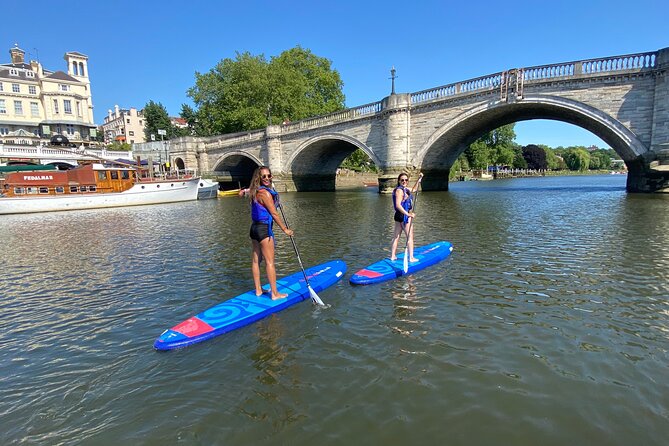
The best part of this experience for first-timers is the instruction style: small-group coaching with lots of guidance. With a maximum of 6 travelers, you’re not competing for attention. Your instructor can watch your stance, correct your paddle angle, and offer quick fixes while you’re still in learning mode.
You also get practical coaching rather than a lecture. The session includes land drills first, then you apply them on the water. That sequence matters because it reduces the fear factor. You aren’t going from zero to wobbly chaos. You’re going from a controlled practice spot to a bigger move, step by step.
You’ll also get photos. Expect your instructor to capture the experience with a few snapped photos. That’s a small thing, but it’s a real time saver: you don’t have to juggle timing and camera settings while you’re concentrating on balance.
Instructors named in recent sessions include Sarah, Nigel, Peter, Suzanne, and Sophy. The consistent theme across different guides seems to be patience and clarity, which is exactly what you want when you’re learning something physical on a moving surface.
What the gear does for you (and what it doesn’t)
You use the paddleboard and paddle provided by the operator. That’s a big value point because you’re not paying extra to rent equipment or hunting down a specialty store.
Buoyancy aids are provided and are compulsory for all sessions. That changes the whole experience from a “risk” activity into an activity you can learn in a more relaxed way. You’re still learning balance, and you still have to be okay with falling a bit, but the safety baseline is handled.
One thing not included: bottled water. If you’re doing the full 2 hours of the session and you start absorbing river air, you’ll probably appreciate having a bottle on hand before you go. (You’ll be making at least a small effort on the board, even if it feels fun and easy.)
Service animals are allowed, and the session is in English. So it’s set up to be welcoming for a range of people, as long as you meet the basic physical requirements around standing from kneeling.
Small group size: why max 6 changes the vibe
A lot of outdoor activities can feel crowded, noisy, and rushed. Here, the max of 6 travelers keeps the pace manageable.
That matters because paddleboarding is instantly physical. If the group is too big, you spend more time waiting and less time practicing. With this size, you get more frequent feedback, which helps you improve faster and feel more confident before you head farther down or up the river.
It also makes the experience easier for your instructor to read. They can spot when your stance is too stiff, when your paddle is catching the water weirdly, or when you’re compensating by tightening your body. Those little adjustments are the difference between a session that feels tiring and one that feels empowering.
Price and value: what $89.13 really covers
At $89.13 per person for roughly 2 hours, this isn’t a cheap thrill. It is, however, a pretty fair price for a guided, safety-led learning session that includes equipment and buoyancy aids.
Here’s what you’re getting for your money:
- A guided 2-hour experience that includes both riverbank training and time on the water.
- Paddleboard and paddle provided.
- Compulsory buoyancy aids provided (that’s real equipment value and real safety value).
- A small-group format with lots of guidance.
- Instructor photos, so you don’t leave with only shaky memories.
When you compare that to the cost of renting a board and figuring out technique on your own, the instruction component becomes the main value. You’re paying for someone to help you feel stable and move your paddle efficiently. For many first-timers, that’s the whole point.
If you want a “jump on a board and figure it out” experience, this might feel more structured than you expect. If you want a safe, guided introduction with confidence-building coaching, the price makes sense.
Best for beginners, with one clear condition
This paddleboarding session is designed so most people can participate, including those who do not need to be proficient swimmers. The condition is that you should be comfortable with falling into the water while wearing the buoyancy aid.
You also need a certain level of flexibility and ability to get up from standing from kneeling. If that’s tough for you, you might struggle with the learning curve.
Who tends to enjoy it most:
- First-time SUP learners who want instruction, not guesswork.
- People who like scenic, landmark-based routes on the Thames.
- Anyone who wants a guided activity that still feels like sightseeing.
Who might want to think twice:
- Anyone with significant difficulty standing from kneeling or frequent concerns about balance-related falls.
- People who expect total still-water paddling with zero wind or wave impact. The session runs with wind and tide in mind, and those forces shape the route and how the board feels.
Weather matters more than you think
This experience requires good weather. That’s not just a legal line. SUP is sensitive to wind on the river and to conditions that can affect control and comfort.
If the session is canceled due to poor weather, you’ll be offered a different date or a full refund. So you’re not locked in to one outcome. I’d still plan your schedule with a bit of flexibility in mind because London weather can be moody.
Should you book this Thames SUP at Richmond?
Book it if you want:
- A guided first-time introduction with buoyancy-aid safety.
- Small-group attention and step-by-step coaching.
- A chance to paddle a scenic Thames route where the landmarks help you orient as you learn.
Skip it or reconsider if you:
- Struggle with getting up from kneeling.
- Are strongly uncomfortable with the idea of falling while wearing the buoyancy aid.
- Expect to bring bottled water solutions and be fine without a warm-up structure. (Bottled water isn’t included, so plan for hydration.)
If you fall into the beginner-friendly sweet spot, this is the kind of London activity that feels both practical and memorable. Richmond gives you the setting, the coaching gives you the confidence, and the Thames gives you that satisfying sense of gliding through the city.
FAQ
Do I need to be a proficient swimmer?
No. You do not need to be a proficient swimmer, but you should be comfortable with falling into the water while wearing the buoyancy aid.
What’s included in the session price?
You get the paddleboard and paddle, plus buoyancy aids (provided and compulsory). Photos are also taken by your instructor with a few snapped shots.
How long will I be on the water?
You can expect to paddle on the water for about 90–105 minutes, with additional time spent on safety briefing and land-based training.
Where does the activity start and end?
The meeting point is Richmond Bridge Boathouses, Riverside, Richmond TW9 1TH. The activity ends back at the same meeting point.
How big is the group?
The maximum group size is 6 travelers.
What happens if the weather is poor?
This experience requires good weather. If it’s canceled due to poor weather, you’ll be offered a different date or a full refund.
More Tour Reviews in London
- From London: Harry Potter Warner Bros Studio Tour
★ 4.7 · 26,588 reviews - London: Westminster to Greenwich River Thames Cruise
★ 4.5 · 22,836 reviews - Magical London: Harry Potter Guided Walking Tour
★ 4.7 · 22,044 reviews - London: Madame Tussauds London
★ 4.6 · 20,915 reviews - London: Warner Bros. Studio Harry Potter Tour & Branded Bus
★ 4.7 · 19,194 reviews
More Time on the Thames
- London: Westminster to Greenwich River Thames Cruise
★ 4.5 · 22,836 reviews - London Big Bus Hop-On Hop-Off Tour with Optional River Cruise
★ 3.5 · 10,803 reviews - London: Tootbus Hop-on Hop-off (Optional River Cruise)
★ 3.9 · 7,045 reviews - London: Westminster to Tower Bridge River Thames Cruise
★ 4.5 · 6,127 reviews - London: London Eye, River Cruise, & Hop-on Hop-off Bus Tour
★ 4.4 · 5,332 reviews
Just reviewed around London





Thames River Cruises, compared.
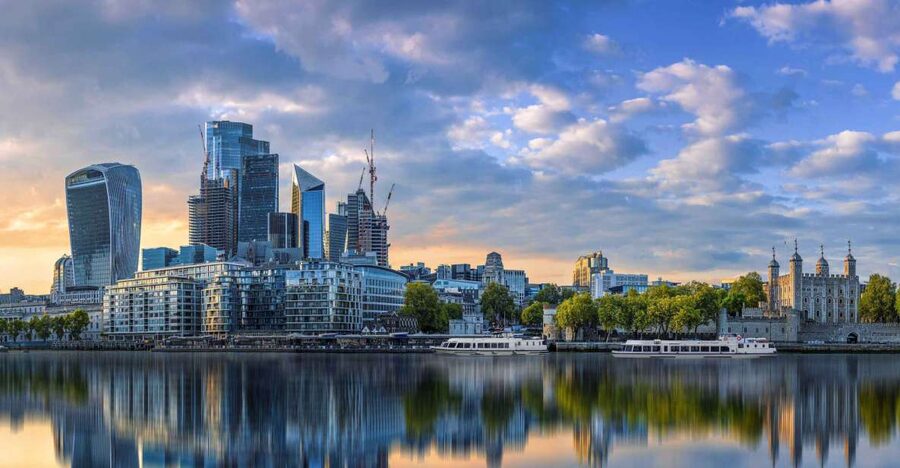 ★ 4.5Westminster to Greenwich River Thames CruiseFrom $2222,836 reviews
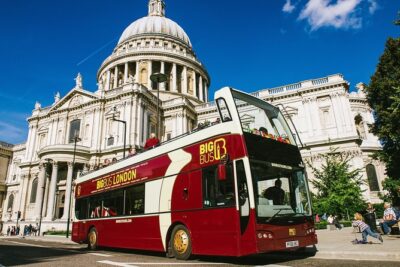 ★ 3.5London Big Bus Hop-On Hop-Off Tour with Optional River CruiseFrom $3910,803 reviews
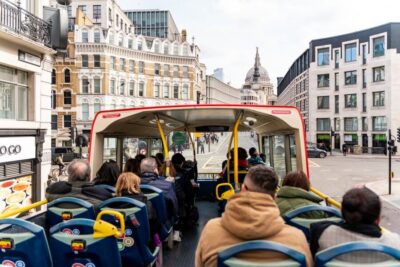 ★ 3.9Tootbus Hop-on Hop-off (Optional River Cruise)From $477,045 reviews
 ★ 4.5Westminster to Tower Bridge River Thames CruiseFrom $186,127 reviews
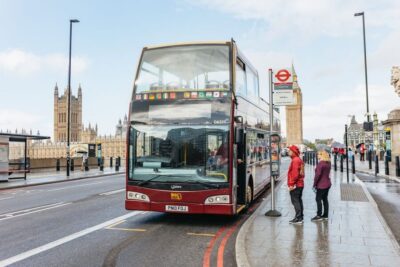 ★ 4.4London Eye, River Cruise, & Hop-on Hop-off Bus TourFrom $745,332 reviews
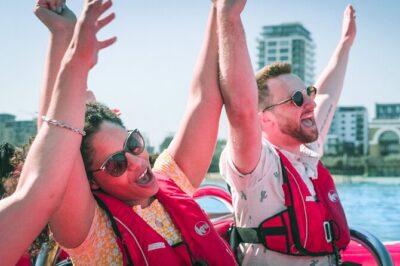 ★ 5.0High-Speed Thames River Speedboat in LondonFrom $903,971 reviews
 ★ 4.5Thames River Cruise with Optional London Eye TicketFrom $203,900 reviews
 ★ 4.1Big Bus Hop-on, Hop-off with Optional River CruiseFrom $353,875 reviews
Browse the lists this tour appears in