
Reviewed · PRIVATE
St James’ & Mayfair – Private Tour of London’s Royal & Aristocratic Villages
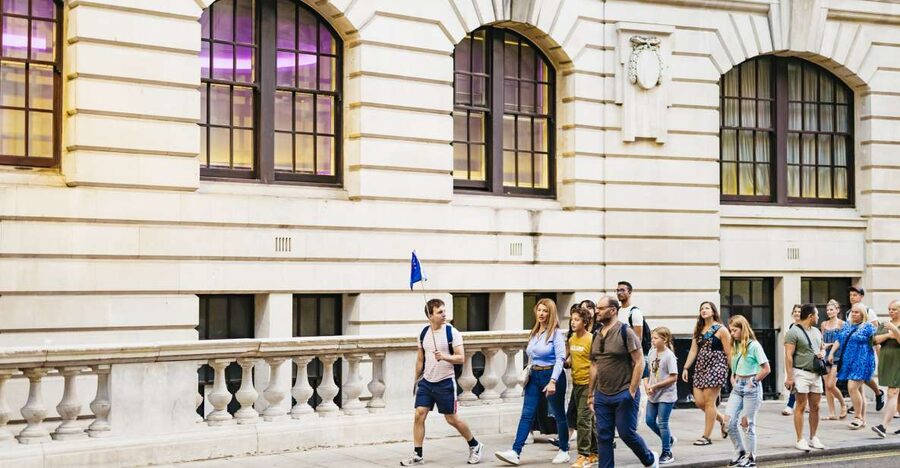
Mayfair to St James’s in one stroll. This private tour strings together royal sights, aristocratic backdrops, and seriously stylish shopping with a human pace. You’ll move about on foot, so street life, architecture, and little details actually land.
I especially like the small group feel, with room for your questions instead of shouting over crowds. I also love how the route blends famous landmarks with calmer interludes like gardens and squares, so the day feels varied, not just checklist busy. One possible drawback: it’s still a full walking tour (about 3 miles), so comfortable shoes matter.
If you want a smooth, story-led tour with a guide who keeps things lively, this one is built for you.
In This Review
- Key highlights worth planning around
- Private Mayfair and St James’s: the value of doing it slowly
- Fortnum & Mason: why this department store starts the tour with swagger
- Royal Academy of Arts: architecture with a long resume
- Burlington Arcade: the 200-year arcade that still feels alive
- Berkeley Square: a historic square with modern glamour
- Mount Street Gardens: one of Mayfair’s quiet breaks
- Shepherd Market: leafy now, once a whole different scene
- Green Park: the transition from Mayfair’s glamour to royals’ territory
- St. James’s Palace: Henry VIII’s planning problem turned into royal tradition
- Buckingham Palace and St James’s Park: balcony memories and pelican legend
- Horse Guards Parade and St James’s Square: ceremonies and carefully chosen homes
- Jermyn Street finish: turn stories into browsing
- How the guide experience shapes your day
- What you’ll actually do during 5.5 to 6 hours
- Price and logistics: when this private tour is a smart buy
- Should you book St James’ & Mayfair for a royal-and-aristocratic day?
- FAQ
- How long is the tour?
- What’s the group size?
- What does it cost?
- Is transportation included?
- Is food or drink included?
- Where does the tour start and end?
- Is the tour affected by weather?
- Is the tour in English?
Key highlights worth planning around
- Private, up to 5 people: more listening, more asking, less squeeze
- Free-entry stops: Fortnum & Mason, Burlington Arcade, Green Park, and more keep the day easy
- Royal and aristocratic contrast: Mayfair’s polished glamour to St James’s Palace and parks
- A guided pace you can adjust: you can ask for breaks or a slower rhythm mid-tour
- Meet at Le Deli Robuchon, 82 Piccadilly: a convenient launch point near central transit
Still deciding? A handful more London outings we rated
- Harry Potter Studios & Private Transfer from Central London
★ 4.5 · 6,134 reviews - The Premier Classic London: Private 4-Hour Tour in a Black Cab
★ 5.0 · 2,737 reviews - Stonehenge Inner Circle Private Tour from London with Bath Visit
★ 5.0 · 1,909 reviews - Private Tour: Black Taxi Tour of London
★ 5.0 · 1,153 reviews
Private Mayfair and St James’s: the value of doing it slowly
London’s “royal” and “aristocratic” areas can feel like two different cities. This tour keeps them connected in one line, moving north-to-south from Mayfair through St James’s. That matters because you see how the neighborhoods transition: grand addresses and high-end shopping, then ceremonial spaces and royal parks.
The pricing is for the whole group (up to 5), not per person. That’s what makes it good value if you’re traveling with friends or family and want a quieter experience. For solo travelers, it may feel pricier than a public tour, but the private format is the tradeoff you’re paying for: more direct answers, fewer distractions, and a route shaped to your pace.
The walking is manageable for most people with moderate physical fitness, but it’s still steady for 5.5 to 6 hours. You’ll cover about 3 miles, and the tour is rain or shine, so plan for weather. Bring waterproofs if the forecast looks iffy, and choose shoes you could wear all day.
Fortnum & Mason: why this department store starts the tour with swagger
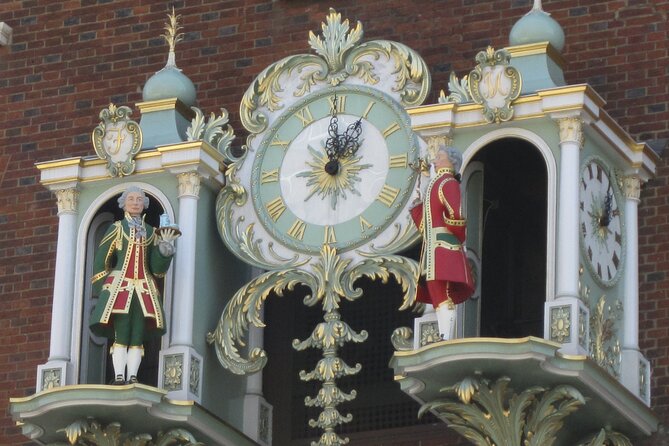
You’ll begin at Le Deli Robuchon on Piccadilly, and then the first major stop is Fortnum & Mason. This is one of London’s most polished department stores, and the fun part is that it didn’t begin as a fancy showcase. It started as a market stall, and the guide focuses on what the store invented about 300 years ago and what still matters today.
Even if you aren’t in shopping mode, the ground-floor wander works well because you can read the place like a museum. Look up for clues: the roof structures are part of the story too, and the tour’s early energy helps you understand why London locals treat the store like a destination, not just a stop.
A practical note: since you’ll want time to browse later, this first visit is more of a “taster.” If you’re the type who can’t resist buying a little something, set a budget, or you’ll start the day spending.
Royal Academy of Arts: architecture with a long resume
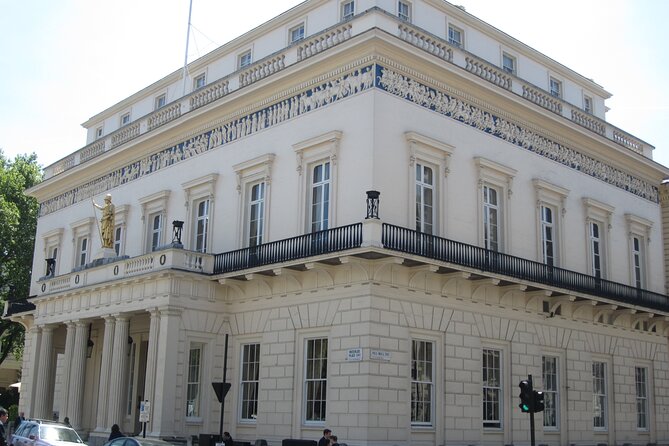
Next you’ll step into Royal Academy of Arts territory, built in the mid-1660s by the Earl of Burlington. What I like about this stop is the way the building is described as a layered project: multiple architects have worked on it over time, so it doesn’t read as a single-era postcard.
The tour also ties the building to what’s happening in modern London. The summer exhibition is called out as a staple in the city’s social calendar, which makes the stop feel current rather than frozen in history.
Because the admission is free and the stop is brief, you’re not stuck waiting around. You get the main sense of place and then move on, which keeps momentum without turning the day into a blur.

Burlington Arcade: the 200-year arcade that still feels alive
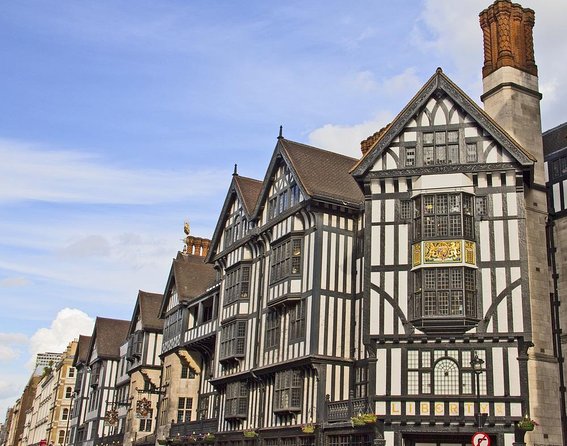
Then comes Burlington Arcade, a covered shopping passage built by George Cavendish, one of the Earls of Burlington. It celebrated its 200th anniversary, which gives you a built-in reason to look closely. These arcades work best when you notice the details: storefronts, the shape of the corridor, and the way the space channels pedestrians.
A fun specific detail here is the mention of the Beadles, who have guarded the arcade since day one. Whether you catch them on your walk or not, the point is clear: this isn’t just “shops in a hallway.” It’s a designed space with traditions that have lasted.
This stop is also a good reset moment. Window shopping is the planned mode, and you can decide how deep you want to go without it feeling like a forced purchase.
Berkeley Square: a historic square with modern glamour
From the arcade, you move toward Berkeley Square. This is the kind of place where the name alone can make you picture film scenes and period drama. The tour connects it to details like its plane trees and the fact that there’s a forgotten river flowing beneath.
The stop also nods to the square’s nightingale legend, with the gentle reminder that the birds you hear about may be more story than fact. I like that approach because it keeps you from treating everything like a trivia contest. Instead, you get the atmosphere and the context.
You’ll also hear about notable Grade I listed buildings around the edges, including one tied to Annabel’s. That’s the Mayfair vibe: old formality with contemporary celebrity.
The only drawback is that squares can vary in how crowded they feel depending on the day. If you’re aiming for quiet photos, the best plan is to keep your camera ready for early glimpses during the stop rather than expecting empty space.
Mount Street Gardens: one of Mayfair’s quiet breaks
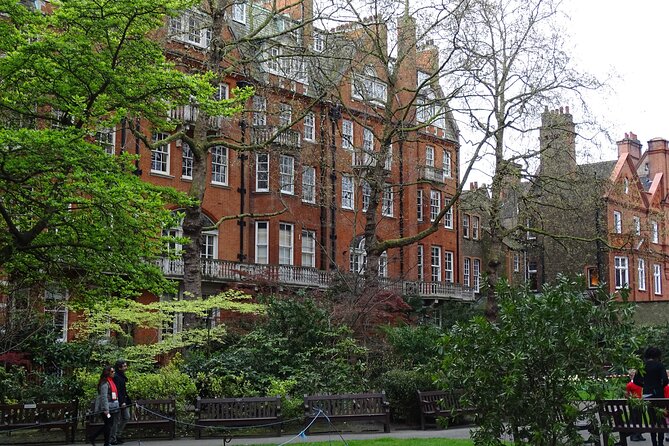
When you reach Mount Street Gardens, the whole tone changes. This is described as an oasis of peace only minutes from a busier shopping street. That “distance contrast” is exactly why short garden and square stops are so effective in London. You get a breath of air and a pause from traffic noise.
The tour mentions what lies beneath your feet and a darker secret connected to one of the buildings on the side of the gardens. That balance is smart: you can enjoy the calm without the stop becoming bland. Even a short 10-minute walk can feel like a mini-story if the guide keeps it specific.
If you’re traveling in warm months, do note that gardens are often where you’ll actually feel the day’s pace. In colder weather, keep moving and let the garden be the short mental reset it’s meant to be.
Shepherd Market: leafy now, once a whole different scene
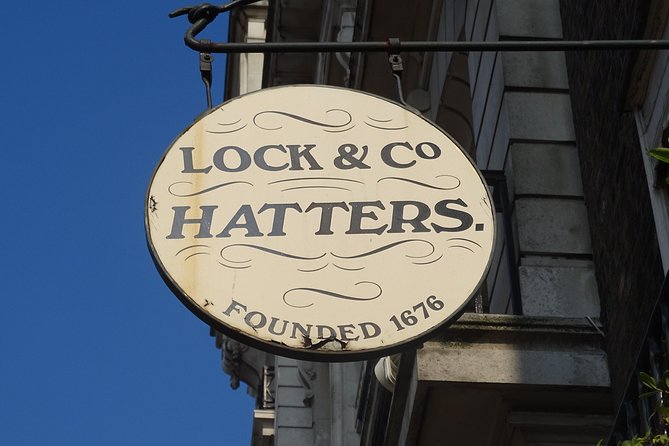
Then you head to Shepherd Market, currently a leafy retreat. The tour’s angle here is the contrast: this area used to sit at the center of Mayfair’s red light district. It’s also tied to aristocratic entertainment, with the tour promising a story about the downfall of an MP.
I like this stop because it reminds you that “glamour” districts weren’t always polished on the surface. London’s social life has always had edges. You just see them in different ways across centuries.
This stop is also a good checkpoint for your brain. After palaces and parks, you get a more human, street-level past. It helps the whole day feel balanced instead of purely ceremonial.
Green Park: the transition from Mayfair’s glamour to royals’ territory
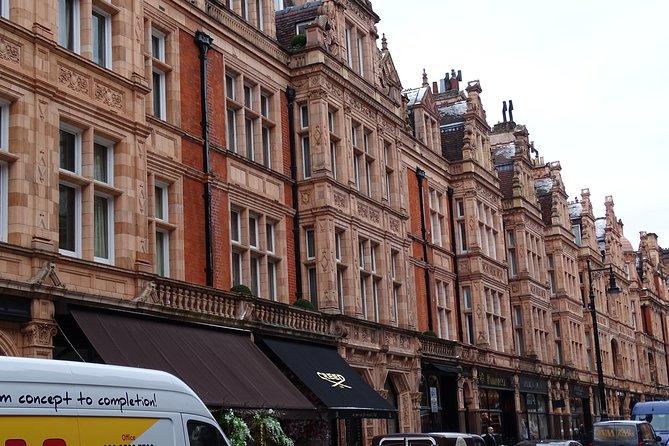
Crossing over and moving from Mayfair in the north to St James’s in the south, the tour shifts into Green Park. This is where you leave some of the aristocratic glamour behind and start focusing on royal stories.
You’ll hear a legend for how Green Park gets its name, and you’ll learn about the royal dynasties connected to this part of town. It’s a useful transition because you’re no longer just looking at buildings. You’re building a sense of how monarchy shapes the geography.
Green Park is also open-air, so it’s where weather really matters. If it’s raining, you’ll still continue, but plan to keep your outer layer ready. If it’s sunny, bring sunglasses because open park light can be bright quickly.
St. James’s Palace: Henry VIII’s planning problem turned into royal tradition
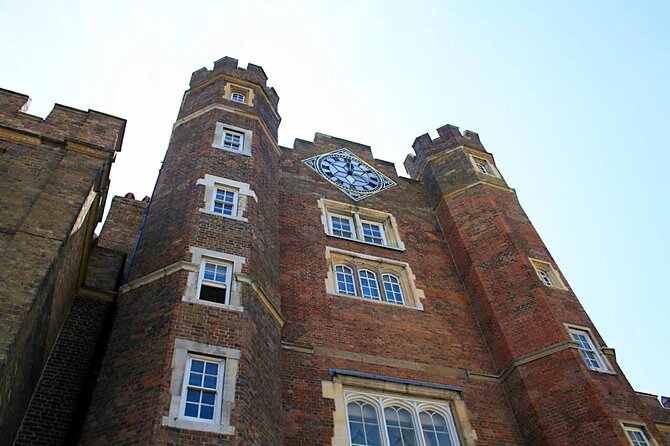
Now you arrive at St. James’s Palace, built by Henry VIII on the site of what used to be a woman’s leper hospital. The tour explains the original intent: this was meant to be a palace for Henry’s son promised to him by Anne Boleyn.
Then comes the twist that shaped the place’s story: the son became a daughter, and Henry used the palace differently, including as a hunting lodge. That kind of detail is why St James’s Palace stops work for people who don’t normally love “royal trivia.” It’s about decisions, luck, and how plans turn into long-term traditions.
There’s also a strong practical payoff if your timing matches the ceremony. If the Changing of the Guard is scheduled, you’ll get pageantry at its best.
Because this stop is time-limited, don’t expect a long lingering. Treat it as a focused “set the scene” moment, then enjoy the surroundings as you walk onward.
Buckingham Palace and St James’s Park: balcony memories and pelican legend
The tour continues to Buckingham Palace, described as the monarchy’s London base. The guide points out the shift from late Queen Elizabeth II using it on weekdays to Charles III still deciding where his London home will be. Even if you know the facts already, the framing helps you connect the palace to real present-day decisions, not just old photos.
You’ll also focus on the famous palace balcony, tied to major royal celebrations like the late Queen’s 50th, 60th, and 70th jubilees and William and Kate’s wedding celebrations. This is where you get the “London icon” experience, but with context rather than just standing in front of a wall.
Then comes St James’s Park, one of eight royal parks in the capital. The highlight here is the ornamental lake and wildlife, including pelicans. The tour shares that a pair of pelicans were gifted to Charles II in 1664 by a Russian ambassador, and that pelicans have been on the water ever since.
That story turns a park stop into something you can actually watch for. If you spot pelicans, it feels like the tour paid off. If you don’t, you still get the park’s charm and wildlife-in-a-city effect.
Horse Guards Parade and St James’s Square: ceremonies and carefully chosen homes
Next is Horse Guards Parade at Whitehall. The tour explains it was originally Henry VIII’s tiltyard for jousting, and it’s now known for ceremonial guards and events like the Changing of the Guard and Trooping of the Colour.
There’s also a specific modern note: Horse Guards Parade hosted a gigantic sandpit during the 2012 London Olympics, with the tour teasing a question about which sport it supported. That’s the sort of detail a good guide uses to connect old London to your recent memory of the city.
After that, you’ll stop at St. James’s Square, built by Henry Jermyn as a reward for loyalty to Charles II during the English Civil War. It’s a pretty square, but the tour also flags remnants of what life looked like from the 17th century onward, including the presence of Nancy Astor’s former home and a church by Sir Christopher Wren.
This stop is especially good if you like architecture but don’t want to spend the day studying guidebooks. The square gives you sightlines and scale, and you’ll come away with a stronger sense of where power lived.
Jermyn Street finish: turn stories into browsing
The walk ends with Jermyn Street, which is described as historic and sophisticated. This is a smart ending because it turns your last stop into a practical choice: keep strolling, grab a snack on your own, or do one final browse before heading out.
The tour includes details like a cheese shop that used to be a market stall and a perfumery dating back to the 1700s. The point is that London’s “luxury” can be quiet and local, not only flashy.
Your end location is Berkeley Square, but the meeting point can be flexible depending on where you’re going next after the tour. It’s a small detail, but it helps if you’ve got dinner or a show lined up.
How the guide experience shapes your day
A huge part of the quality here is the guide. You’ll be led by a local professional accredited by ITG and the University of Westminster. Your guide contact is provided after booking, and the operator emphasizes that the guide reaches out before the tour so you can share special requests.
From the review tone, the guide’s style comes through as generous and smiling, with a passion for history that turns into helpful tips, including restaurant suggestions. That’s not just pleasant personality. It changes the tour’s usefulness after you leave the last stop.
I also like that the guide prefers small groups up to five. That means you’re not just watching London; you’re participating in it. If you want slower pacing, a break mid-tour, or you’re asking a lot of questions, the tour is built to accommodate that.
What you’ll actually do during 5.5 to 6 hours
Let’s make expectations concrete. The tour lasts about 5.5 to 6 hours at a pace you set, and it covers roughly 3 miles. That’s a walkable distance, but it’s not “legs stretch for fun.” You’ll be moving between sights, with stops that are usually around 10 minutes, plus longer moments at places like St. James’s Palace and Buckingham Palace.
Also plan for the guide to keep you moving. There’s a note that between events, the distances require a certain speed. If you need frequent breaks, you can ask for them, but don’t expect a stop-and-stare sightseeing spree every few minutes.
If you want a lunch pause, it can be included for an extra cost. Food and drinks aren’t included in the base price, so you’ll want to plan your own meal or budget for that optional lunch.
Price and logistics: when this private tour is a smart buy
At $279 per group (up to 5), the math works best when you have 2 to 5 people splitting the total. If you’re a couple, it can feel comparable to what you might pay for two public tours, but you get the private format and more attention.
If you’re traveling solo, you might decide it’s a splurge worth it for the royal-story focus and the quieter pacing. But if you’re cost-sensitive, you could find cheaper options elsewhere. The differentiator here is the tight neighborhood pairing: Mayfair’s aristocratic feel plus St James’s royal core.
The meeting point is Le Deli Robuchon (82 Piccadilly) near public transportation. Start time is 10:00 am, with an option to start early at 9:20 inside Le Deli Robuchon for coffee, or 9:40 outside if you’d rather skip it.
If you’re prone to stress about where to meet, you’ll be comforted by the fact that the guide shares contact details after booking. You can also request directions from your hotel to Le Deli Robuchon if needed.
Should you book St James’ & Mayfair for a royal-and-aristocratic day?
Yes, I’d book it if you want a small-group London experience that blends famous royal spaces with elegant, story-rich streets. The short stops are ideal when you like architecture and legends, but you also want a day that stays varied instead of stuck in one area.
You might skip it if your plan is mostly museum time or if your schedule can’t handle steady walking. The tour goes rain or shine and isn’t recommended for serious medical conditions including walking difficulties or back problems.
If you’re coming for a first visit, or you already saw the biggest tourist items and want something more refined, this route is a strong choice. It’s built for getting your bearings fast, then slowing down enough to actually enjoy the details.
FAQ
How long is the tour?
The tour lasts about 5.5 to 6 hours, depending on walking pace and questions. It’s described as flexible, and a lunch stop can be added for an extra cost.
What’s the group size?
It’s a private tour with only your group participating, and it’s designed for up to 5 people.
What does it cost?
The price is $279.00 per group (up to 5).
Is transportation included?
No. Transportation to and from the start and end points of the walk is not included.
Is food or drink included?
No. Food and drinks are not included, and there’s no mention of food sampling. A lunch stop can be included for an extra cost.
Where does the tour start and end?
It starts at Le Deli Robuchon, 82 Piccadilly, London W1J 8JA. It ends at Berkeley Square, London W1J, and the exact endpoint can be flexible depending on where you’re going next.
Is the tour affected by weather?
The tour goes ahead rain or shine, so bring comfortable shoes and clothing, and consider waterproofs or an umbrella.
Is the tour in English?
Yes, it’s offered in English, and you’ll receive a mobile ticket after booking confirmation.
More Private in London
- Harry Potter Studios & Private Transfer from Central London
★ 4.5 · 6,134 reviews - The Premier Classic London: Private 4-Hour Tour in a Black Cab
★ 5.0 · 2,737 reviews - Stonehenge Inner Circle Private Tour from London with Bath Visit
★ 5.0 · 1,909 reviews - Private Tour: Black Taxi Tour of London
★ 5.0 · 1,153 reviews - Private London Arrival Transfer – Airport to Hotel / Accommodation
★ 3.5 · 1,085 reviews
More Tours in London
- From London: Harry Potter Warner Bros Studio Tour
★ 4.7 · 26,588 reviews - Magical London: Harry Potter Guided Walking Tour
★ 4.7 · 22,044 reviews - London: Warner Bros. Studio Harry Potter Tour & Branded Bus
★ 4.7 · 19,194 reviews - London Big Bus Hop-On Hop-Off Tour with Optional River Cruise
★ 3.5 · 10,803 reviews - London Small Group Tour of Historical Pubs
★ 5.0 · 10,422 reviews
More Tour Reviews in London
- From London: Harry Potter Warner Bros Studio Tour
★ 4.7 · 26,588 reviews - London: Westminster to Greenwich River Thames Cruise
★ 4.5 · 22,836 reviews - Magical London: Harry Potter Guided Walking Tour
★ 4.7 · 22,044 reviews - London: Madame Tussauds London
★ 4.6 · 20,915 reviews - London: Warner Bros. Studio Harry Potter Tour & Branded Bus
★ 4.7 · 19,194 reviews
Just reviewed around London





Private, compared.
 ★ 4.5Harry Potter Studios & Private Transfer from Central LondonFrom $2296,134 reviews
 ★ 5.0The Premier Classic London: Private 4-Hour Tour in a Black CabFrom $5532,737 reviews
 ★ 5.0Stonehenge Inner Circle Private Tour from London with Bath VisitFrom $1881,909 reviews
 ★ 5.0Private Tour: Black Taxi Tour of LondonFrom $3061,153 reviews
 ★ 3.5Private London Arrival Transfer – Airport to Hotel / AccommodationFrom $861,085 reviews
 ★ 5.0British Museum London Guided Tour Semi-Private 8ppl MaxFrom $108984 reviews
 ★ 5.0London Sightseeing Private Black Cab Tour with Hotel Pick UpFrom $441917 reviews
 ★ 4.5VIP Tower of London and Crown Jewels Tour with Private Beefeater Meet & GreetFrom $155849 reviews