
Reviewed · WORKSHOPS
Private London Street Photography Workshop
Street photos need a plan, not luck. This private London workshop puts you in prime walking routes for street scenes with hands-on coaching from Lou Smith.
What I like most is the structured way you practice (short assignments) and the chance to get your work reviewed with clear next steps. One thing to consider: it’s fully outdoor and weather changes fast in London, so you’ll want to dress for being out the whole time.
If you’re tired of taking random shots and hoping one sticks, this style of teaching helps you think before you press the shutter. You’ll also learn how to aim for images with story, not just subjects.
The workshop is private for your group, so it’s a good fit if you want focused attention without competing for time.
In This Review
- Key highlights at a glance
- How a private street workshop actually improves your photos
- Meet Lou Smith and your coaching team in plain terms
- The 4-hour route: Charing Cross Road, Chinatown, Soho, Piccadilly Circus
- Stop 1: Charing Cross Road
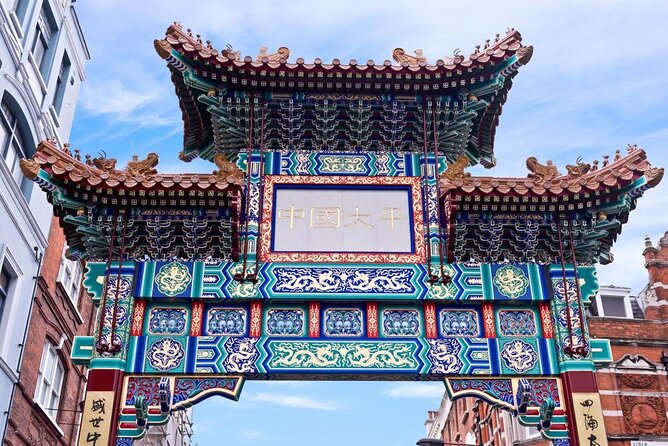
- Stop 2: Chinatown
- Stop 3: Soho
- Stop 4: Piccadilly Circus
- Short assignments that force candid street thinking
- Camera settings for street speed: focus, exposure, and framing
- Black-and-white vs color: making mood in real time
- How the environment becomes your composition tool
- Personalized photo review: what you keep and what you change
- Price and value: what $332.90 buys you in London
- Who should book this street photography workshop?
- Practical tips so you get the most from the 4 hours
- Should you book Lou Smith’s private London street photography workshop?
- FAQ
- How long is the private London street photography workshop?
- Where does the workshop start and end?
- What stops are included during the session?
- Do I need a specific camera, or can I use a smartphone?
- Is the workshop for beginners or advanced photographers?
- Are light refreshments included?
- Is free cancellation available?
Key highlights at a glance
- Private coaching with Lou Smith: Fine Art Photographer Lou leads the session and adapts to your questions and skills.
- Four classic Central London stops: From Charing Cross Road to Piccadilly Circus, you shoot street scenes across multiple neighborhoods.
- Short assignments for candid results: You practice quick prompts that train your eye to spot moments fast.
- Camera setup and focusing tips for street speed: Learn settings and focusing approaches for quick-moving subjects.
- Photo review that builds confidence: You review images and get guidance to improve what you capture.
- Works with your gear, including phones: The workshop is suitable for all digital cameras and smart phones.
Still deciding? A handful more London outings we rated
- Harry Potter Studios & Private Transfer from Central London
★ 4.5 · 6,134 reviews - The Premier Classic London: Private 4-Hour Tour in a Black Cab
★ 5.0 · 2,737 reviews - Stonehenge Inner Circle Private Tour from London with Bath Visit
★ 5.0 · 1,909 reviews - Private Tour: Black Taxi Tour of London
★ 5.0 · 1,153 reviews
How a private street workshop actually improves your photos
Street photography can feel like a gamble. You show up with a camera, point it at interesting people and places, then hope you nailed focus, exposure, and timing. This workshop is different because it gives you a process you can repeat.
You start with practical instruction, then you practice in short bursts. That matters because street shooting is fast—your good idea has to survive motion, light changes, and people moving out of frame. Lou’s approach is about making your technique strong enough that you can focus on the moment.
The other big win is the personal feedback. You’re not just learning concepts in the abstract. You review your own images and get guidance on what worked and what to try next.
There’s also a nice reality check in the way the workshop is taught. You’re encouraged to be both creative and selective—so you end up with stronger keeper photos instead of a full memory card of almost-right shots.
Meet Lou Smith and your coaching team in plain terms
Lou Smith is the Fine Art Photographer running the workshop, and she’s teaching-focused with extensive experience. She works like a coach: explanation first, then practice, then critique. That structure shows up in the way the session is described and in the feedback you can expect from her teaching style.
You’ll also have access to another professional photographer who knows a lot of different cameras. That’s useful if you’re not on the same system as everyone else, or if you’re mixing a phone with a compact or interchangeable-lens camera. You don’t need to be a camera expert before you arrive.
In the critiques, the tone is supportive and practical. The goal isn’t to tell you what’s wrong. It’s to help you see what to do differently next time so your images improve quickly.
If you like learning by doing—rather than sitting through long lectures—this format fits your style. If you hate being challenged, you might find the practice prompts a little demanding at first. But the challenge is part of why people come away with noticeably better street results.
The 4-hour route: Charing Cross Road, Chinatown, Soho, Piccadilly Circus
This is a walking-style workshop across Central London. It lasts about 4 hours and ends back at the starting point, so you don’t have to worry about getting yourself across the city after the session.
You’ll visit four stops:
Still deciding? A handful more London outings we rated

Stop 1: Charing Cross Road
Charing Cross Road is a strong starting place because it’s the kind of street where your eyes can warm up fast. You get plenty of subject variety for learning fundamentals like framing, timing, and focus.
It’s a smart first stop because you can test your settings early and adjust before you move into denser areas. You’ll likely use the camera setup you’re taught and then build confidence quickly.
Possible drawback: like many main corridors, you may find it a bit busy. That’s not a problem for learning, but it does mean you’ll need to stay alert and patient with quick moving subjects.
Stop 2: Chinatown
Chinatown adds a different street feel while staying in the same Central London rhythm. This is where you can put your “people plus environment” goal into action, because street photos get more interesting when the surroundings help tell the story.
You’ll likely focus on quick compositions that include storefront energy and foot traffic. That’s a good place to practice capturing genuine moments rather than staged scenes.
Stop 3: Soho
Soho is where street photos start to feel more narrative. The session framing emphasizes story, and Soho gives you a lot of visual material to work with—people, textures, and everyday street interactions.
This stop is also a good time to practice the workshop’s creative techniques, like switching between black-and-white and color to see how mood changes. You’ll get practice adding meaning through what you include (and what you leave out).
Stop 4: Piccadilly Circus
Piccadilly Circus is a familiar London landmark, which means it’s excellent for learning how to photograph recognizable places while still keeping the focus on real life happening around them.
Here, you can practice balancing landmarks and street subjects, so your shots don’t turn into just postcards. The goal is to make your images feel like contemporary London right now, not like a distant memory.
If you’re the type who likes planning every shot, this stop can be a good stress test. You’ll have to make choices quickly, then shoot decisively.
Short assignments that force candid street thinking
One of the most useful parts of this workshop is the assignment style practice. You get short prompts designed to push you into candid capture.
That sounds simple, but it changes how you shoot. Instead of waiting for the perfect moment, you train your brain to look for moments within the moment—like a person turning, a glance across the street, or a scene that feels like it could belong in a story.
The assignments also help you slow down in the right way. You learn to think about what image you want before pressing the shutter. That’s how you avoid the classic trap of taking a burst of shots without any real plan.
You’ll also learn to add narrative to your images as you practice. Narrative in street photography doesn’t mean turning your shot into a movie scene. It means your photo hints at context: what’s happening, who belongs, and what the street moment suggests.
The end result is what people love most: you come home with more than a handful of strong images, not just a few lucky ones.
Camera settings for street speed: focus, exposure, and framing
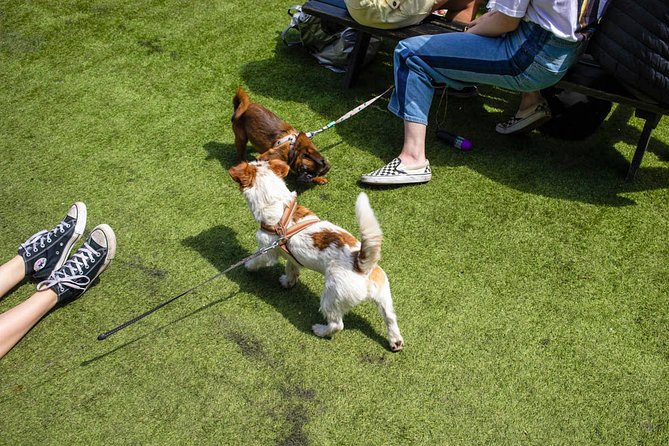
Street photography is unforgiving because light changes and people move. The workshop gives you camera guidance that’s meant for street conditions, not studio perfection.
You’ll learn how to set your camera specifically for street photography. That includes practical focusing techniques aimed at quick-moving subjects. If you’ve ever struggled with blur or missed focus while trying to capture someone walking past, this part is likely the most valuable.
One review detail that stands out is learning manual exposure control. Even if you don’t end up shooting full manual all the time, understanding how to control exposure makes your images more consistent as the light shifts along the route.
You’ll also work on framing and composition for fast subjects. Street composition isn’t about drawing art lines on a map. It’s about keeping your subject in a meaningful part of the frame while the moment keeps moving.
A consideration: if you show up with a camera setting you don’t fully understand, the workshop will feel faster. That’s not a dealbreaker, but it’s why you should arrive with a charged battery and ready-to-go camera modes.
Black-and-white vs color: making mood in real time
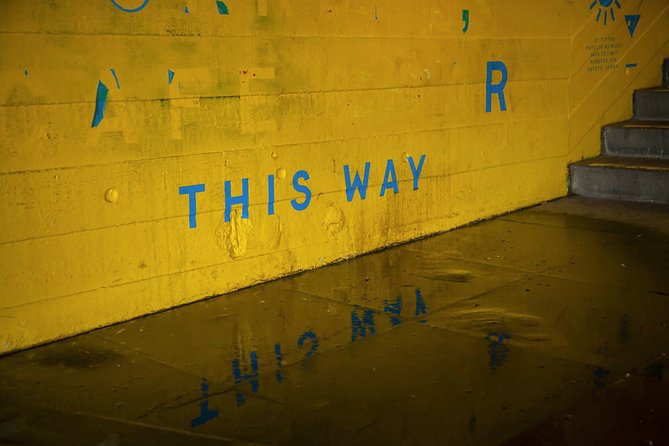
The creative techniques in this workshop are built around mood and atmosphere. You’ll explore black and white captures and also learn how to use color to create a mood that feels like London.
This isn’t just theory. The street gives you endless contrasts—shadows, signage, faces, street surfaces, and indoor-outdoor light shifts. When you learn to look at these elements through black-and-white and then through color, you start to see how the same subject can feel completely different.
You’ll also learn to integrate the environment in your photographs. That means you don’t just shoot people as cutouts. You include the street context so the photo feels grounded and real.
If you like experimenting, this part of the workshop gives you permission to test. And because you’re practicing in short assignments, it’s easier to try something new without losing the entire day.
How the environment becomes your composition tool
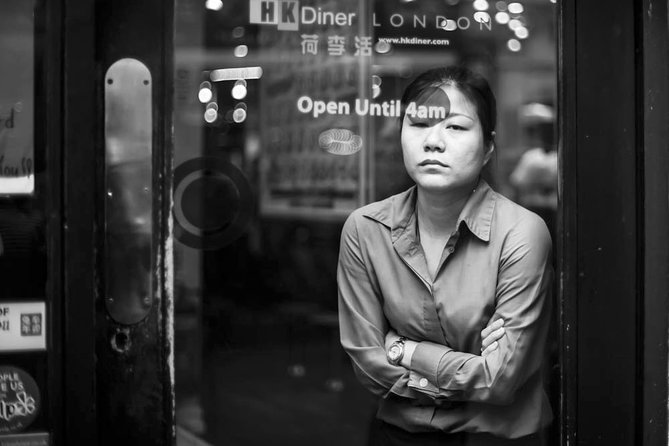
Central London street scenes can be messy. That’s the point. The workshop encourages you to use the environment instead of fighting it.
You’ll practice blending people and the cityscape so the frame tells you where you are. The focus on small cobbled backstreets, intimate shops, and bars matters because those details add texture. They also help you frame quickly when you’re moving.
In street photography, texture gives your image meaning. A plain background can make a face interesting but it often leaves the photo feeling unfinished. The environment helps complete the story.
Also, learning to work with real street corners teaches you framing under real constraints. You can’t always wait for everything to line up. You need to build shots from what’s available right then.
Personalized photo review: what you keep and what you change
A workshop isn’t finished when the walking ends. This one includes a review of your photographs and how to develop your skills.
That review is where the biggest leaps often happen. You get guidance on what your images are doing—focus success, exposure consistency, framing choices, and how your approach can improve with one or two adjustments.
Based on the feedback, many people leave with a clear before-and-after improvement. They often mention more confidence and stronger selections—choosing shots that actually match the image they were trying to create.
You’ll likely notice a big difference if you tend to shoot fast but then feel stuck editing later. The coaching helps you make better choices from the start, which saves time and improves results.
Price and value: what $332.90 buys you in London
At $332.90 per person for about four hours, this isn’t a cheap activity. But for a private street workshop with a named Fine Art Photographer, it can be fair value—especially if you’re serious about improving.
Here’s what you’re paying for, in practical terms:
- Private instruction rather than a large group experience.
- A teaching approach with short assignments that train your shooting style, not just your knowledge.
- Photo review so you get targeted next steps.
- A coaching setting where you can ask questions and adjust your technique on the fly.
Also, the availability of group discounts matters if you’re traveling with a friend or want a small group. The workshop is private for your group, so you don’t get pushed into a crowd dynamic.
If you’re just taking photos for fun and don’t want to be coached, a self-guided walk might be cheaper. But if you want a real skill boost—especially in exposure, focusing, and composition—this workshop is built for that goal.
Who should book this street photography workshop?
This workshop fits best if you:
- Want to improve street technique fast, not slowly.
- Like hands-on practice with real-world photo targets.
- Enjoy structured prompts and coaching feedback.
- Want to shoot across multiple Central London areas in one focused session.
- Are comfortable with outdoor walking and dressing for weather.
It’s suitable for all skill levels and works with different digital cameras, including smart phones. So you don’t need expensive gear to benefit.
If you’re a complete beginner, you’ll probably appreciate the clear camera setup guidance. If you already shoot street photos, you may still find value in refining focus techniques, learning new framing habits, and building more consistent results through manual exposure control concepts.
Practical tips so you get the most from the 4 hours
Bring a camera with a fully charged battery. If you have a spare battery, bring that too. Street sessions are longer than you expect when you’re practicing and moving between corners.
If you’re using a smart phone, the workshop can still work for you since it’s suitable for all types of digital cameras. Just make sure you’re ready to adjust your shooting controls if your phone allows it.
Dress for the weather. This is an outdoor activity with plenty of hands-on experience, and you’ll be standing and walking between street spots.
Also, treat the session like practice, not sightseeing. If you drift into tourist mode, you’ll miss the point of the assignments that train your candid eye.
Should you book Lou Smith’s private London street photography workshop?
I think you should book it if you want street photography results that feel more intentional and repeatable. The combination of Lou Smith’s teaching, short practice prompts, and a real photo review is the kind of structure that helps you improve quickly.
Skip it if you want a relaxed photo stroll with minimal instruction, or if you hate getting coached on your technique. Also, if you’re not comfortable being outside in variable London weather, plan for that reality.
If you’re willing to work a little and learn a repeatable method, this workshop can turn your next London walk into something more productive than just collecting pictures.
FAQ
How long is the private London street photography workshop?
It runs for about 4 hours.
Where does the workshop start and end?
It starts at Charing CrossStrand, London WC2N 5HF, UK, and ends back at the same meeting point.
What stops are included during the session?
The session includes Charing Cross Road, Chinatown, Soho, and Piccadilly Circus.
Do I need a specific camera, or can I use a smartphone?
You can bring your own camera, and it’s suitable for all types of digital cameras, including smart phones.
Is the workshop for beginners or advanced photographers?
It’s suitable for all skill levels.
Are light refreshments included?
Light refreshments are not included.
Is free cancellation available?
Yes. You can cancel for a full refund up to 24 hours before the experience’s start time.
More Photography Sessions in London
- London: Private Photoshoot with Video Clip Option
★ 4.8 · 182 reviews - Professional Photoshoot in London Photographer
★ 5.0 · 102 reviews - Private landmarks photoshoot for families and couples
★ 5.0 · 92 reviews - London: Private Landmark Tour with Professional Photographer
★ 4.7 · 91 reviews - Professional Private Photoshoot in London
★ 5.0 · 63 reviews
More Private in London
- Harry Potter Studios & Private Transfer from Central London
★ 4.5 · 6,134 reviews - The Premier Classic London: Private 4-Hour Tour in a Black Cab
★ 5.0 · 2,737 reviews - Stonehenge Inner Circle Private Tour from London with Bath Visit
★ 5.0 · 1,909 reviews - Private Tour: Black Taxi Tour of London
★ 5.0 · 1,153 reviews - Private London Arrival Transfer – Airport to Hotel / Accommodation
★ 3.5 · 1,085 reviews
More Tour Reviews in London
- From London: Harry Potter Warner Bros Studio Tour
★ 4.7 · 26,588 reviews - London: Westminster to Greenwich River Thames Cruise
★ 4.5 · 22,836 reviews - Magical London: Harry Potter Guided Walking Tour
★ 4.7 · 22,044 reviews - London: Madame Tussauds London
★ 4.6 · 20,915 reviews - London: Warner Bros. Studio Harry Potter Tour & Branded Bus
★ 4.7 · 19,194 reviews
Just reviewed around London





Workshops, compared.
 ★ 5.0Traditional English Scone Making and Tea WorkshopFrom $45702 reviews
 ★ 4.8East End Street Art Tour and Spray Painting WorkshopFrom $50297 reviews
★ 5.0London Traditional English Scone Making and Tea WorkshopFrom $48271 reviews
 ★ 4.9Half-Day Street Art Tour and WorkshopFrom $60172 reviews
 ★ 4.7Traditional Scone Making WorkshopFrom $80129 reviews
 ★ 5.0Street Art Tour and Spray Painting Workshop in LondonFrom $5398 reviews
 ★ 5.0Street Art Walking Tour and Workshop in LondonFrom $7258 reviews
3 Hour Chinese Dumpling Cooking Class for 2-6 people in LondonFrom $11744 reviews
Browse the lists this tour appears in