
Dumplings teach faster than cookbooks. In this private 3-hour class in Pan’s home kitchen, you learn from scratch how wrappers and fillings come together, plus you get the technique to fold and cook dumplings you can actually repeat at home. I also like the human touch: Pan teaches at a pace that works for your group, with real attention to what you’re doing, not just a show-and-tell.
One possible catch: this is hands-on work for the full session. If you have mobility or wrist issues, you’ll want to plan for comfy seating and ask what adjustments Pan can make before you arrive.
In This Review
- Key Highlights You’ll Care About
- A 3-Hour Dumpling Class in London That Starts With Tea
- Meeting at 122 Brunswick Quay: Easy to Find, Easy to Land
- Tea, Tools, and the Comfort of a Real Home Kitchen
- Dough, Wrappers, and the Part That Makes Dumplings Worth It
- Three Fillings You Can Actually Recreate at Home
- Folding and Cooking: The Technique That Prevents Breakups
- The Meal: Tea, Cucumber Salad, and What You Get to Take Home
- Price vs. Value: Is $117.13 Worth It?
- Small Details That Make the Class Go Smoothly
- Who This Dumpling Class Fits Best
- Should You Book This Dumpling Cooking Class?
- FAQ
- Where is the dumpling cooking class meeting point?
- What time does the class run?
- How many people are in the class?
- What’s included in the price?
- What do I need to bring?
- Are vegetarian or vegan dumplings available?
- Are alcoholic drinks included?
- Can I request organic products?
Key Highlights You’ll Care About
- Private, small-group instruction so you can ask questions while you’re rolling and folding
- Dumplings from scratch: kneading dough, rolling wrappers, and seasoning fillings yourself
- Tea at the start to slow the pace and make the class feel like a real meal
- Three fillings, one skill set (and dietary swaps when you plan ahead)
- Eat what you make plus take leftovers with containers you bring
Still deciding? A handful more London outings we rated
- Pasta Making with Unlimited Prosecco in London’s West End
★ 5.0 · 264 reviews - Indian Cooking Masterclass in London
★ 5.0 · 50 reviews
A 3-Hour Dumpling Class in London That Starts With Tea
This class is built around one simple idea: if you learn the process, you stop depending on restaurants and frozen wrappers. You’ll start with a welcoming Chinese tea break, which sounds small, but it matters. It sets a relaxed rhythm so you’re not rushing before you even touch dough.
The core payoff is that you go beyond folding instructions. You’ll handle the key steps—kneading dough, rolling wrappers, and mixing three types of fillings—so you understand what makes good dumplings hold together and taste right.
Timing is flexible too. Classes run at 10:30 AM, 2 PM, or 5 PM. If you like your cooking lesson to feel like a full meal block, the later slot can work well because you’re less likely to be thinking about dinner plans.
Meeting at 122 Brunswick Quay: Easy to Find, Easy to Land
You’ll meet at 122 Brunswick Quay, London SE16 7PT. The location is described as near public transportation, which is a big deal in London. You won’t need to solve a complicated transit puzzle just to get to the first step.
Because this is a private activity, the session is only for your group. That means you’ll get a calmer start than you would in a big shared class where people are coming and going.
Also, you’ll use a mobile ticket. If you’re the type who hates digging through emails on your phone right before a class, you’ll appreciate that everything is meant to be straightforward.
Tea, Tools, and the Comfort of a Real Home Kitchen
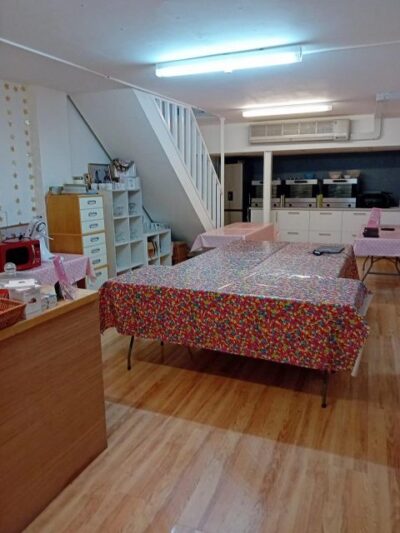
This isn’t a factory-style cooking school. It’s set up like someone is inviting you in to learn a family-style skill—Pan’s home is part of the experience.
You’ll get the ingredients and tools for the dumplings, and tea is complimentary during the whole class. In practice, that keeps the lesson from feeling like a stopwatch event. You’re not paying extra just for water or waiting for a break.
Pan’s teaching style also shows up in the details from real sessions. One guest noted that Pan helped with mobility needs by arranging a comfortable place to sit while working. Another person mentioned accommodations for a no-seafood request. That’s a sign that she doesn’t treat the class like a one-size routine.
Still deciding? A handful more London outings we rated
Dough, Wrappers, and the Part That Makes Dumplings Worth It
Most dumpling at home fails for one reason: people never quite get the wrapper right. Here’s why this class is valuable—everything that normally feels hardest is taught directly.
You begin from scratch:
- Knead the dough
- Roll out the wrappers
- Learn what to look for so your wrappers are thin enough to taste great, but sturdy enough to hold filling
You’ll also get guidance on seasoning. It’s not just “put this in.” You learn how the fillings should taste together, so the dumplings don’t end up bland or one-note.
One standout theme in the feedback: guests were genuinely surprised how much better homemade wrappers are compared with frozen options. People pointed out that homemade dough stretches thin and stays in balance with the filling, and dumplings cooked from that dough feel more elegant on the plate.
Three Fillings You Can Actually Recreate at Home
The sample menu is where you’ll see the range. Your main dumplings are Northern Chinese home-style with pork, and you’ll also make other fillings depending on what you choose or request.
Common options include:
- Pork mince (default)
- Chinese chives with pork and king prawn
- Sweetcorn with pork
- Courgettes, eggs and king prawn
- Vegan/vegetarian options and other meat swaps on request
In real sessions, many groups end up making combinations like Chinese chives with pork, pork with sweet corn, and shrimp with zucchini—so you get a feel for how vegetable-forward fillings taste compared with meat-heavy ones.
Important practical note: if you want swaps (vegan, vegetarian, no seafood, or different meats), you should plan ahead. The class description says different meat options are available if you notice in advance in writing.
You’ll learn more than filling recipes. You’ll learn how to portion and season so each batch tastes balanced, and so the dumplings don’t leak or break during cooking.
Folding and Cooking: The Technique That Prevents Breakups
This is where skills become confidence. You’ll learn how to fold dumplings properly in the authentic Chinese way, and you’ll also learn how they’re cooked.
If you’ve ever tried making dumplings at home and had wrappers tear, you know how frustrating it gets. The class approach helps because it teaches the “why” through hands-on repetition, not just a diagram.
One guest specifically called out that dumplings held up when boiled for about five minutes, and that the homemade wrappers made a noticeable difference versus premade potsticker dough. That’s the kind of detail that matters when you cook later: you’ll know what stage the dough should reach, and what consistency you’re aiming for.
You’ll also learn a basic dipping sauce with variations. Even if you’re not a sauce person, having a confident starting point means your dumplings don’t fall flat when you’re tired and hungry later.
The Meal: Tea, Cucumber Salad, and What You Get to Take Home
At the end, you can sit down and enjoy your dumplings. The class is designed so it isn’t just a cooking demo you watch with scraps of dough. You’re making enough to feel like you had a proper meal.
You’ll also get sides during the class:
- Homemade baby cucumber salad
- Kimchi optional
- Complimentary Chinese tea
- Coffee and/or tea (listed as complimentary)
If you want to “save time later,” you’ll love the leftovers part. Containers are something you should bring, because you’re expected to take food home.
That’s one of the best value signals in the whole experience: part of what you pay for is not just the lesson—it’s a dinner plan for another evening.
Price vs. Value: Is $117.13 Worth It?
At $117.13 per person for about 3 hours, you might wonder if this is expensive. Here’s the fair way to judge it.
You’re paying for:
- all ingredients and tools
- a private, in-home teaching setup
- recipe follow-up sent after class
- tea throughout
- a meal you eat on the spot
- leftovers you take home
Compare that to a restaurant meal plus a single cooking workshop with no take-home food and no from-scratch process. This class is built around “learn it, eat it, store it.” That’s why a private format makes sense: you’re not paying just for cooking. You’re paying for coaching while your hands are doing the work.
One more value point: the class is offered in English, and it’s explicitly described as a private activity for 2–6 people. For groups, that can feel like a smart way to turn a day in London into something skill-based rather than photo-based.
And yes, the description includes a 100% guarantee that you’ll be a pro by the end. Guarantees are marketing language, but the teaching style and the hands-on pace show that the real goal is confidence. The feedback from past sessions suggests most people left feeling able to reproduce dumplings at home.
Small Details That Make the Class Go Smoothly
A few practical notes can make your session better right away.
Bring:
- Containers for leftovers
- an apron if you have one
- short nails, because wrapping is easier
If you’re thinking “I’ll just wing it,” that’s how wrappers get messy and fingers get sore. A little prep saves you from self-inflicted chaos.
Also, if you have dietary needs (vegetarian, vegan, no seafood, or different meats), plan ahead. The class information says swaps are available with notice, and that organic products require advance ordering 3 days in advance and are paid for at a shopping receipt with no extra cost.
Alcohol isn’t included. If that matters to your group vibe, plan to keep it non-alcoholic during the class.
Who This Dumpling Class Fits Best
This class is a great match if you want:
- a hands-on cooking lesson with a real chef-teacher
- to learn wrappers from scratch, not just assembling filling
- a memorable experience for a couple, friends, or a small family group
It also works well for people celebrating something specific. Several sessions described birthdays and anniversaries, and the private format makes it easy to turn cooking into an event rather than a task.
If you’re coming with a beginner and an experienced cook, this is also a smart choice. Pan’s instruction style appears to give you tasks at your level and then steps in where needed—so the class doesn’t feel too hard for one person or too boring for another.
If you want something fully hands-off, this probably isn’t your best option. You’ll be rolling, filling, folding, and cooking. The payoff is big, but it’s active.
Should You Book This Dumpling Cooking Class?
If your goal is to leave London with a skill you’ll use again next week, book this class. You’re learning the process end-to-end: dough, wrappers, filling, folding, cooking, and dipping sauce. That’s more useful than another restaurant dinner where you remember the taste but not the method.
I’d especially recommend it if you value a private class in a real home setting with a teacher who can adjust to your needs. Based on feedback about Pan helping with comfort and mobility, this isn’t a rigid script.
One caution: bring your comfort needs into the conversation early. Because it’s a home-kitchen setup with active prep, you’ll get more out of the lesson if you plan for seating and working style from the start.
FAQ
Where is the dumpling cooking class meeting point?
The meeting point is 122 Brunswick Quay, London SE16 7PT, UK. The activity ends back at the meeting point.
What time does the class run?
Classes are typically offered at 10:30 AM, 2 PM, or 5 PM. You choose your preferred slot when booking.
How many people are in the class?
It’s a private class for 2–6 people, meaning only your group participates.
What’s included in the price?
The class includes ingredients and tools to make Chinese dumplings, complimentary tea during the class, and a recipe sent after the class. You also get coffee and/or tea, plus baby cucumber salad with optional kimchi as sides.
What do I need to bring?
You should bring containers to take food home. An apron is suggested if you have one, and short nails can make wrapping easier.
Are vegetarian or vegan dumplings available?
Yes. Vegan and vegetarian options are available, and other meat variations may be possible if you request in advance.
Are alcoholic drinks included?
No. Alcoholic beverages are not included.
Can I request organic products?
If you want organic products, they need to be ordered 3 days in advance. You pay on the shopping receipt with no extra cost.
More Workshops in London
- London: Traditional English Scone Making and Tea Workshop
★ 5.0 · 702 reviews - London: East End Street Art Tour and Spray Painting Workshop
★ 4.8 · 297 reviews - London Traditional English Scone Making and Tea Workshop
★ 5.0 · 271 reviews - London: Half-Day Street Art Tour and Workshop
★ 4.9 · 172 reviews - London: Traditional Scone Making Workshop
★ 4.7 · 129 reviews
More Cooking Classes in London
- Pasta Making with Unlimited Prosecco in London’s West End
★ 5.0 · 264 reviews - Indian Cooking Masterclass in London
★ 5.0 · 50 reviews
More Tour Reviews in London
- From London: Harry Potter Warner Bros Studio Tour
★ 4.7 · 26,588 reviews - London: Westminster to Greenwich River Thames Cruise
★ 4.5 · 22,836 reviews - Magical London: Harry Potter Guided Walking Tour
★ 4.7 · 22,044 reviews - London: Madame Tussauds London
★ 4.6 · 20,915 reviews - London: Warner Bros. Studio Harry Potter Tour & Branded Bus
★ 4.7 · 19,194 reviews
Just reviewed around London






Workshops, compared.
 ★ 5.0Traditional English Scone Making and Tea WorkshopFrom $45702 reviews
 ★ 4.8East End Street Art Tour and Spray Painting WorkshopFrom $50297 reviews
★ 5.0London Traditional English Scone Making and Tea WorkshopFrom $48271 reviews
★ 4.8East End Street Art Tour and Spray Painting WorkshopFrom $50297 reviews
★ 5.0London Traditional English Scone Making and Tea WorkshopFrom $48271 reviews
 ★ 4.9Half-Day Street Art Tour and WorkshopFrom $60172 reviews
 ★ 4.7Traditional Scone Making WorkshopFrom $80129 reviews
 ★ 5.0Street Art Tour and Spray Painting Workshop in LondonFrom $5398 reviews
 ★ 5.0Street Art Walking Tour and Workshop in LondonFrom $7258 reviews
 ★ 4.9Pizza Making Cookery ClassFrom $6018 reviews
Browse the lists this tour appears in