
Reviewed · STONEHENGE TOURS
Private Archaeologist Guided Tour Stonehenge, Salisbury & Avebury
A megalith day that actually makes sense. This private tour pairs a dedicated archaeologist with a driver and a packed route that most people never stitch together in one go. You get to ask questions, move at your pace, and see how the story runs across multiple sites—not just one famous rock circle.
I especially like two things: the chance to go beyond the guidebook and the fact that you’re not stuck with a bus schedule. When you’re in the right place and someone can explain what you’re seeing, the whole day clicks. One thing to consider: it’s a splurge, and Stonehenge and Salisbury entry fees aren’t included, so your final cost depends on how many people are in your group.
In This Review
- Key takeaways before you book
- Why a Private Archaeologist Changes a Stonehenge Day
- Hitting Wiltshire Early: Timing, Transport, and What 11 Hours Feels Like
- Woodhenge: Oak-Post Rings and the Ones Before Stonehenge
- Durrington Walls: The Builder’s Village You Don’t See on Most Tours
- Stonehenge: How to Visit Without Turning Your Brain Off
- Salisbury Cathedral and Magna Carta: From Stones to Rights
- Alton Barnes White Horse: A Short Stop That Helps You Read Wiltshire
- Silbury Hill: Europe’s Tallest Prehistoric Mound
- West Kennet Long Barrow: A 5,500-Year-Old Tomb Visit
- Avebury Stone Circle: World Heritage and a Different Feel Than Stonehenge
- What You Get for the Price (and Where Costs Add Up)
- Should You Book This Private Archaeologist Tour?
- FAQ
- What sites are included on this private tour?
- How long is the tour?
- What time does the tour start?
- Is pickup offered?
- Is this a private tour?
- Are entrance fees included?
- How big is the group?
- Are there any seasonal limits for West Kennet Long Barrow?
- How much walking is involved?
Key takeaways before you book
- Private archaeologist Q&A: ask as many questions as you want and get on-the-spot context.
- Luxury vehicle + separate driver: you ride in comfort while your guide focuses on you.
- A full megalith circuit: Woodhenge, Durrington Walls, Stonehenge, Silbury Hill, West Kennet long barrow, Avebury.
- Some stops are free: several major sites have free admission on this itinerary, while Stonehenge and Salisbury charge entry.
- One long day from London: about 11 hours total, with moderate walking and uneven ground in places.
- Guide assignment can vary: one past booking noted a different named guide than expected, with a different level of detail.
Other runs out to the stones
- Stonehenge, Windsor Castle, and Bath from London
★ 4.5 · 18,662 reviews - Stonehenge, Windsor Castle and Bath with Pub Lunch in Lacock
★ 4.5 · 7,402 reviews - London: Full-Day Windsor, Stonehenge, and Oxford Tour
★ 4.4 · 5,368 reviews - Stonehenge, Windsor Castle and Bath Full Day Guided Tour
★ 4.5 · 5,346 reviews
Why a Private Archaeologist Changes a Stonehenge Day
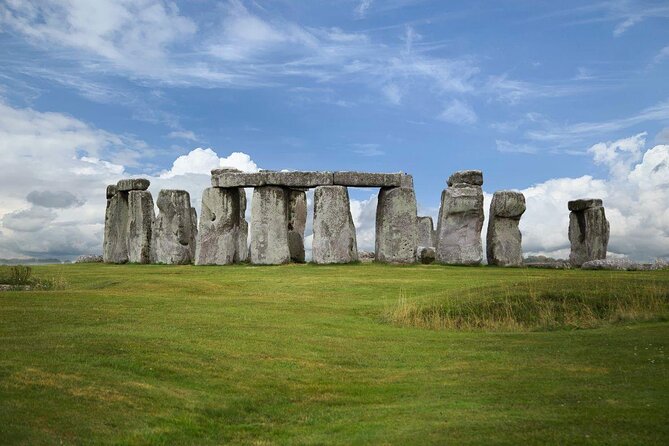
Stonehenge is one of those places where everyone arrives with questions. The trick is that the best answers usually depend on where you’re standing, what direction you’re looking, and what details you can actually notice in the moment. With a private archaeologist, you don’t just read facts—you connect them to the site right in front of you.
I also like how the day builds. Instead of treating Stonehenge like a lone attraction, you move through related sites—some with wooden posts, some with giant earthworks, some with tombs—so the “what am I looking at?” question turns into “how might this have worked?” That shift is what makes the experience feel worth the money.
There is one practical reality: private tours depend on the guide you’re assigned. In one cited experience, the guide named Dr. Shepherd wasn’t the person leading, and the guest felt the explanations weren’t as detailed as expected. That doesn’t mean you’ll have the same outcome, but it does mean it’s smart to ask how your archaeologist plans to work with questions and pacing when you confirm.
Hitting Wiltshire Early: Timing, Transport, and What 11 Hours Feels Like
This tour starts at 7:30 am and runs about 11 hours, which is exactly what you want for two reasons. First, you get daylight for better walking conditions and clearer views. Second, you avoid feeling rushed as crowds build around the most famous stops.
You travel in an air-conditioned luxury vehicle (Mercedes E–Class, V–Class, or Sprinter) with a separate professional driver. That sounds fancy, but it’s also practical: your archaeologist can stay focused on you instead of negotiating traffic, roundabouts, and parking.
Keep expectations grounded, too. There’s a moderate amount of walking and uneven surfaces at some locations. You also don’t want large luggage in the car because the luggage compartment is limited. If your group has a mix of comfortable walkers and less-steady folks, plan on wearing supportive shoes and taking it slow at the stone and earthwork sites.
Woodhenge: Oak-Post Rings and the Ones Before Stonehenge
Woodhenge is the kind of place that helps you understand Stonehenge better. It’s a Late Neolithic monument made of six concentric rings of wooden posts, with 168 posts total. The fact that these were wooden rather than stone changes the whole vibe: it hints at earlier building traditions and at how ceremonial space could be designed without what we now call “the iconic look.”
On this itinerary, you spend about 20 minutes at Woodhenge after the 1 hour 30 minute drive from London. That’s not a long time, so this is where your archaeologist’s approach matters most. You’ll want to use the short window to notice layout and symmetry, and then ask the questions that turn those shapes into meaning—how alignments might have worked, why oak was used, and why the posts were arranged the way they were.
Because admission is listed as free here, it’s also a low-cost way to train your eye before you hit the pay-to-enter giants later in the day.
Still deciding? A handful more London outings we rated



Durrington Walls: The Builder’s Village You Don’t See on Most Tours
Durrington Walls is often described as Stonehenge’s builder-world, and the layout supports that idea. You’re visiting a large circular earthwork over 500 meters in diameter, with two timber circles inside. The “timber circle” concept helps you connect the dots between wooden-ring traditions and later monumental stone construction.
You’ll get about 20 minutes here, following a short 10 minute drive from Durrington Walls to Stonehenge. With such a tight stop, you’ll likely spend your time absorbing scale: this isn’t just a small ruin—it’s a huge designed space in the open air. If your archaeologist is strong, they’ll help you picture what ceremonies might have looked like and why a ceremonial center could draw people from a wider region.
Admission is also listed as free, which makes this an efficient stop. The value is less about lingering and more about learning to recognize how different “henge” forms can serve related social and ritual functions.
Stonehenge: How to Visit Without Turning Your Brain Off
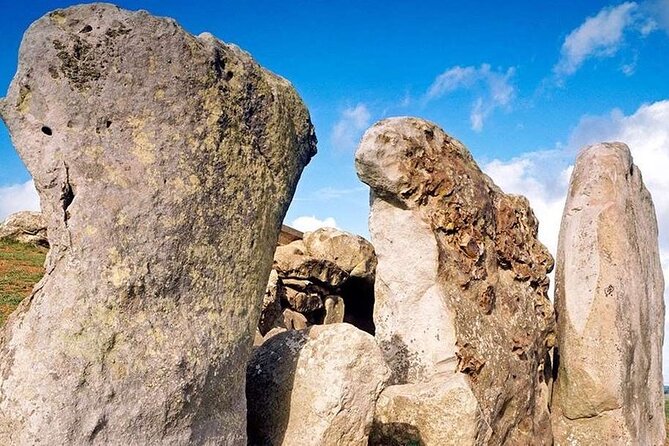
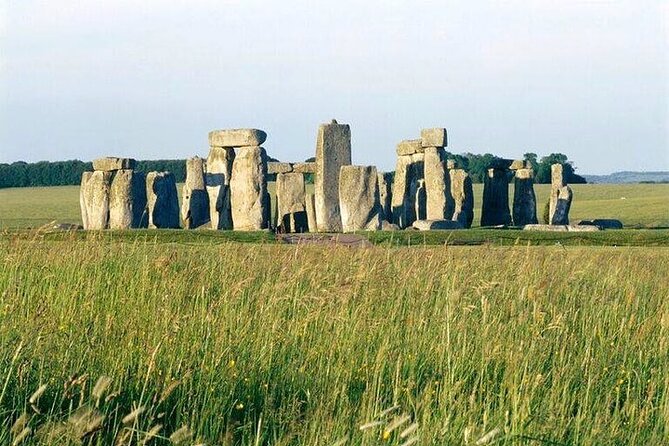
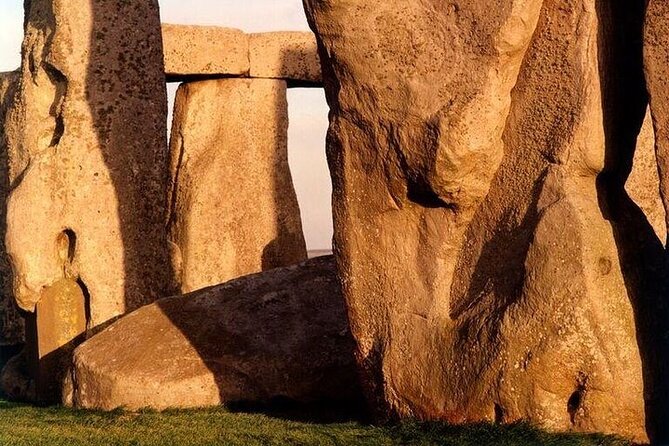
Stonehenge is famous for a reason, but the real win here is learning how it worked as a destination for people who traveled far. This tour’s framing makes a big point: evidence suggests Neolithic and Bronze Age people may have journeyed—sometimes over long stretches of time—to reach places like this. The monument isn’t just impressive because it’s old. It’s powerful because it was something people actively walked toward.
You’ll spend about 2 hours at Stonehenge. That time matters. If you only have an hour, you’ll miss the chance to move around with intention. With two hours, you can do the practical loop: get oriented, take in the geometry, then circle back for details with your archaeologist’s help.
Stonehenge entry is not included and is listed as £12.70 per person. If you’re budgeting, this is the main add-on. I’d treat it as part of your “pay for context” spend: the guide makes your visit more than a photo stop.
Also note a naming detail that shows why questions matter: there’s no single, final answer to what Stonehenge is. Your archaeologist will likely present theories and what the evidence can or can’t say, then help you judge which parts feel consistent with the site’s design and setting.
Salisbury Cathedral and Magna Carta: From Stones to Rights
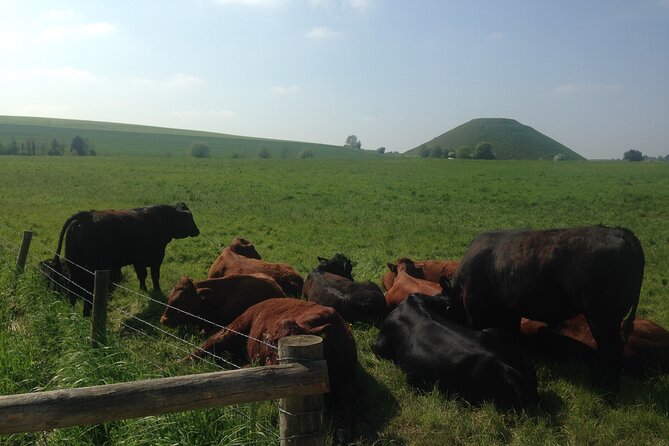
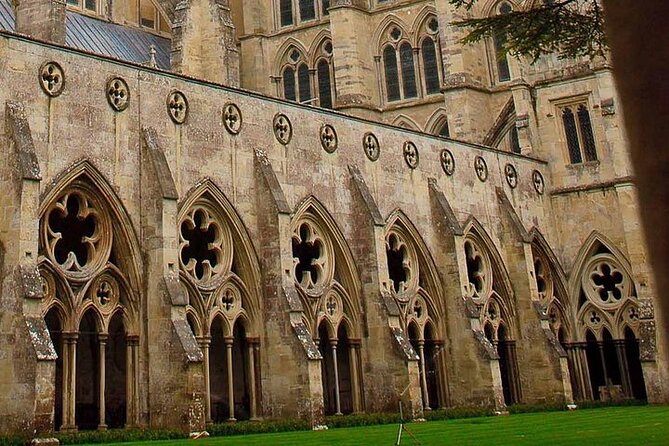
After the megalith focus, Salisbury Cathedral and Magna Carta bring you straight into written power. This is a smart shift because it widens the meaning of “heritage” from prehistoric construction to how later societies structured law and authority.
You drive about 30 minutes from Stonehenge to Salisbury, then spend around 2 hours exploring Salisbury town and the cathedral. Admission for Salisbury Cathedral is not included, listed as £5.50 per person.
Here’s what to expect if you want this stop to feel like more than a sightseeing break. Your guide should connect Magna Carta to the bigger story of interpretation over time—how people read it, how it was used, and why it still affects culture, laws, and rights today. Even if you’re not a legal-history person, asking a few guided questions can turn the cathedral visit into a human story about power, limits, and change.
Alton Barnes White Horse: A Short Stop That Helps You Read Wiltshire
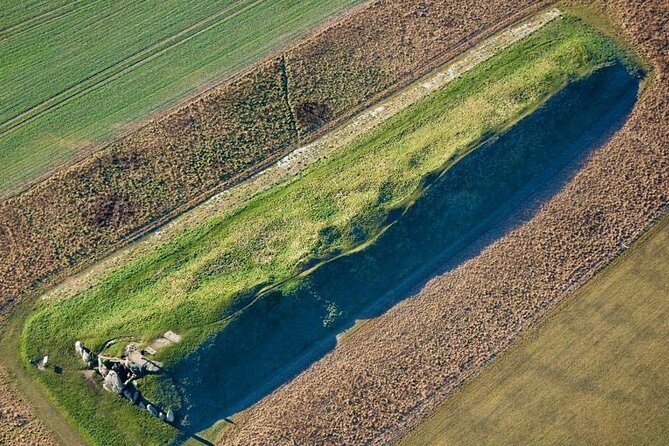
Alton Barnes is known for the white horse engraving on Milk Hill. This is a different kind of monument: not prehistoric megaliths, but a landscape carving created to be seen from a distance. The itinerary gives you a brief pause, with admission listed as free.
Because your time here is limited, think of this as a palate cleanser. It reminds you that the Wiltshire region keeps producing big “symbol” gestures—some ancient, some more modern—and people still shape how they want to be remembered.
If you want to make the most of it, ask your guide what kind of place the horse occupies in local memory and how modern monuments tend to reuse the idea of visibility and scale.
Silbury Hill: Europe’s Tallest Prehistoric Mound
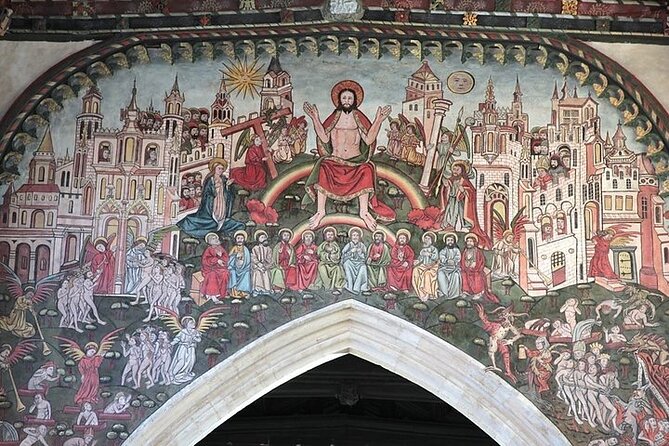
Silbury Hill is the kind of site that makes you stop talking and start staring. It’s described as the largest man-made tumuli in Prehistoric Europe, and it’s also noted as the tallest prehistoric artificial hill in Europe. Here’s the scale in plain numbers: it rises 37 meters (130 feet) high with a base diameter around 160 meters (520 feet).
The construction method is part of the awe. Instead of building with modern materials, the mound was made from chalk and clay and packed using a technique described as terrazzo or pounded earth. Water mixed into dry chalk and clay, then it was pounded into place with beams or stone hammers. That’s a detail you can actually use while you’re there: it turns Silbury Hill from a “wow, big” site into a “how on earth did they manage that?” site.
On this itinerary, you spend about 1 hour drive to West Kennet and Silbury Hill—the timing is a little condensed in the provided outline—then you get a free admission visit. Expect the experience to be less about indoor information and more about letting your brain absorb the dimensions.
West Kennet Long Barrow: A 5,500-Year-Old Tomb Visit
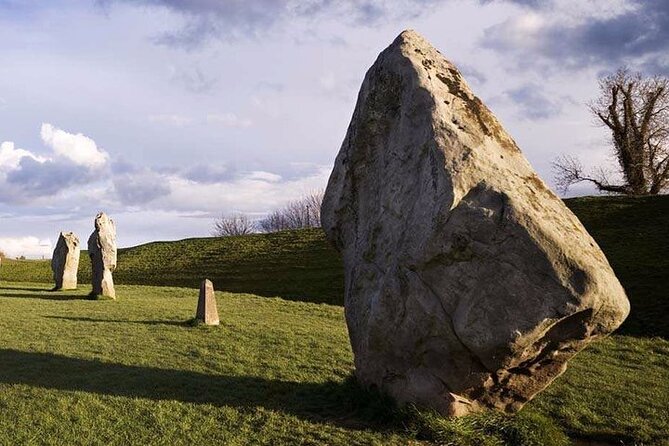
West Kennet Long Barrow is one of the most emotionally direct stops. This is a Neolithic tomb with a burial chamber, an attached passageway, and side chambers. It’s roofed with large slabs of stone, and the entrance is flanked by massive upright stones.
The age is given as around 3750 BC, and it’s described as one of the largest and best-preserved examples of its type. The itinerary notes it’s open to the public now, and that it’s been subject to archaeological excavations in recent years.
Timing here is tight but solid: you drive about 5 minutes to Avebury after the West Kennet stop, and the visit duration listed is 45 minutes, with admission shown as free. One important seasonal note: visits happen between March 1 and October 31.
This stop is where your private archaeologist can make your questions count. Ask about how long barrows functioned as burial and memory spaces, and what the architecture suggests about ritual movement—how people entered, where they gathered, and how the space shaped behavior.
Avebury Stone Circle: World Heritage and a Different Feel Than Stonehenge
If Stonehenge is the headline, Avebury is the reason people keep thinking about the megalith era after the tour ends. Avebury is a World Heritage Site and is described as the world’s largest stone circle, with a medieval village inside the stone circle.
You’ll visit the outer circle, plus two smaller circles (northern and southern) and the avenue. Stones here are suggested to date between 2600 and 2400 BC. The itinerary also notes possible astronomical uses or ritual ceremonies, which is exactly the kind of topic where a real guide earns their fee.
You’ll spend about 2 hours at Avebury, then finish the day with a drink at the Red Lion pub. You drive about 1 hour 45 minutes back to London after the stop, which helps explain why this is a late-day highlight: it’s more than a “last stop,” it’s the place to exhale.
Admission is listed as free, so this is another big-value win on the itinerary. And the vibe is different in a way that’s hard to fake. Avebury can feel less like a fenced-off monument and more like a living, nearby space where the stones shape the village’s identity.
What You Get for the Price (and Where Costs Add Up)
The headline price is $1,782.05 per group, up to 6 people. That’s not cheap, but for a private, archaeologist-led day with a dedicated driver and a luxury vehicle, it can make sense if you’re filling the seats.
Here’s the simple math based on the max group size: if you get the full six people, that’s about $297 per person before any entrance fees. If you have fewer people, the per-person cost rises quickly. So this tour is best when you can split cost among friends or family.
Two entrance fees can add to the total:
- Stonehenge: £12.70 per person (not included)
- Salisbury Cathedral: £5.50 per person (not included)
Most other listed sites are free on this itinerary (Woodhenge, Durrington Walls, Alton Barnes White Horse, Silbury Hill, West Kennet long barrow, and Avebury). Parking fees are also included, which matters because some of these places can be a hassle to manage without a vehicle plan.
The value isn’t only in seeing more stops. It’s in the question-and-answer time at multiple megalithic sites, plus the shift to Magna Carta for a broader sense of how humans built meaning across time.
Should You Book This Private Archaeologist Tour?
Book it if you want more than a checklist. This route is packed with related prehistory sites, then it pivots to Salisbury and Magna Carta in a way that helps your brain connect eras. You’ll enjoy the day most if you like asking why things were built and how evidence informs—or doesn’t inform—answers.
Skip it or at least reset expectations if you’re mainly chasing “best photos, fastest stop.” Several visits are timed fairly tightly, and there’s moderate walking on uneven ground. Also, if you’re paying a premium, you’ll want to confirm who your archaeologist is and what level of detail you’ll receive.
If you can assemble a full group of up to six and you care about interpretation as much as scenery, this is the kind of private day trip that can feel genuinely worth the splurge.
FAQ
What sites are included on this private tour?
The tour includes Woodhenge, Durrington Walls, Stonehenge, Salisbury Cathedral and Magna Carta, Alton Barnes White Horse (Milk Hill), Silbury Hill, West Kennet Long Barrow, and Avebury Stone Circle.
How long is the tour?
It runs for about 11 hours (approx.).
What time does the tour start?
The start time is 7:30 am.
Is pickup offered?
Yes, pickup is offered.
Is this a private tour?
Yes. Only your group will participate.
Are entrance fees included?
Stonehenge entry (£12.70 per person) and Salisbury Cathedral entry (£5.50 per person) are not included. Other listed stops show admission as free.
How big is the group?
The price is per group up to 6 people.
Are there any seasonal limits for West Kennet Long Barrow?
Yes. Visits to West Kennet long barrow occur between March 1 and October 31.
How much walking is involved?
There is a moderate amount of walking and some uneven surfaces.
More Tours in London
- From London: Harry Potter Warner Bros Studio Tour
★ 4.7 · 26,588 reviews - Magical London: Harry Potter Guided Walking Tour
★ 4.7 · 22,044 reviews - London: Warner Bros. Studio Harry Potter Tour & Branded Bus
★ 4.7 · 19,194 reviews - London Big Bus Hop-On Hop-Off Tour with Optional River Cruise
★ 3.5 · 10,803 reviews - London Small Group Tour of Historical Pubs
★ 5.0 · 10,422 reviews
More Tour Reviews in London
- From London: Harry Potter Warner Bros Studio Tour
★ 4.7 · 26,588 reviews - London: Westminster to Greenwich River Thames Cruise
★ 4.5 · 22,836 reviews - Magical London: Harry Potter Guided Walking Tour
★ 4.7 · 22,044 reviews - London: Madame Tussauds London
★ 4.6 · 20,915 reviews - London: Warner Bros. Studio Harry Potter Tour & Branded Bus
★ 4.7 · 19,194 reviews
More Days at Stonehenge
- Stonehenge, Windsor Castle, and Bath from London
★ 4.5 · 18,662 reviews - Stonehenge, Windsor Castle and Bath with Pub Lunch in Lacock
★ 4.5 · 7,402 reviews - London: Full-Day Windsor, Stonehenge, and Oxford Tour
★ 4.4 · 5,368 reviews - Stonehenge, Windsor Castle and Bath Full Day Guided Tour
★ 4.5 · 5,346 reviews - Windsor Castle, Stonehenge, and Oxford Day Trip from London
★ 4.5 · 5,292 reviews
Just reviewed around London





Stonehenge Tours, compared.
 ★ 4.5Stonehenge, Windsor Castle, and Bath from LondonFrom $11118,662 reviews
 ★ 4.5Stonehenge, Windsor Castle and Bath with Pub Lunch in LacockFrom $1237,402 reviews
 ★ 4.4Full-Day Windsor, Stonehenge, and Oxford TourFrom $1205,368 reviews
 ★ 4.5Stonehenge, Windsor Castle and Bath Full Day Guided TourFrom $1235,346 reviews
 ★ 4.5Windsor Castle, Stonehenge, and Oxford Day Trip from LondonFrom $1235,292 reviews
 ★ 4.5Windsor, Stonehenge, Bath, and Roman Baths Day TripFrom $1205,131 reviews
 ★ 4.5Stonehenge and Bath Tour from LondonFrom $994,295 reviews
 ★ 4.4Windsor Castle, Stonehenge & Bath Full-Day TourFrom $1083,112 reviews
Browse the lists this tour appears in