
Reviewed · EVENING EXPERIENCES
Night Photography Tour in London
London at night can look magical—and still be tricky to photograph. This 2.5-hour London night photography tour uses a pro photographer guide to help you turn city lights into sharp, well-composed images. I especially loved the patient coaching (David was great with both camera and iPhone learning) and the way the tour builds practical shots around the Thames reflections. One thing to plan for: you’ll need a tripod, or you’ll have to hire one for £30 for the tour.
This tour is set up for real-world shooting, not just sightseeing. You’ll cover major landmarks along the river—London Eye, Big Ben area as you move through, St Paul’s Cathedral, and Tower Bridge—while getting guidance for low light and long exposure. I also like that it’s a private group (up to 5), so you’re not stuck watching someone else’s settings from across the street.
If you’re hoping for a purely casual photo walk, this might feel a bit structured. But if you want better night shots, faster progress, and a guide who explains what to change, you’ll get your money’s worth.
In This Review
- Key Things I’d Watch For Before You Book
- What You’re Really Buying on a London Night Photo Tour
- Before You Go: Tripod Rules and Smart Gear Choices
- Starting at Caffè Nero by Westminster Station: Fast Setup, Real Coaching
- London Eye at Night: Getting Reflections and Composition Right
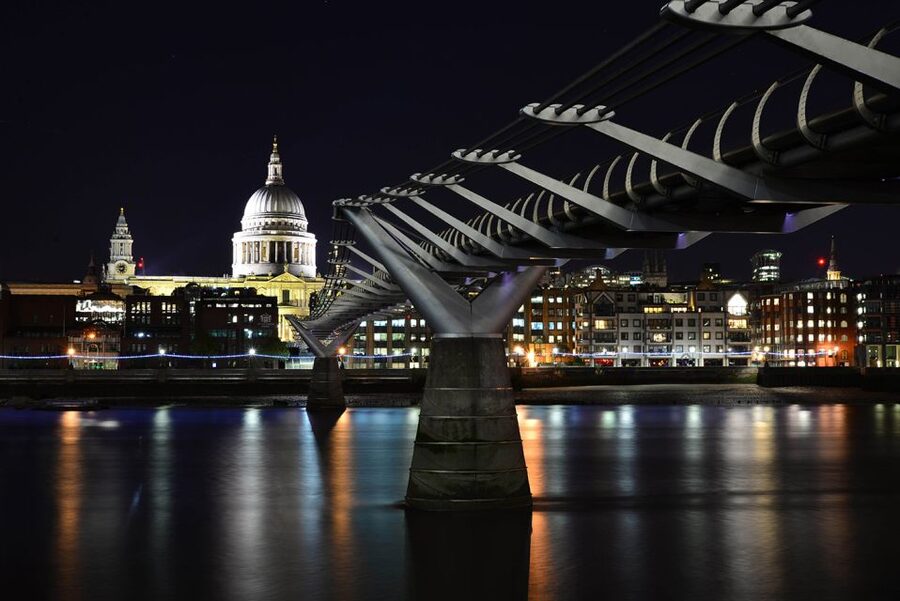
- St Paul’s Cathedral: Contrast Control and Sharper Night Detail
- Crossing the Thames: Why the Walk Improves Your Photos
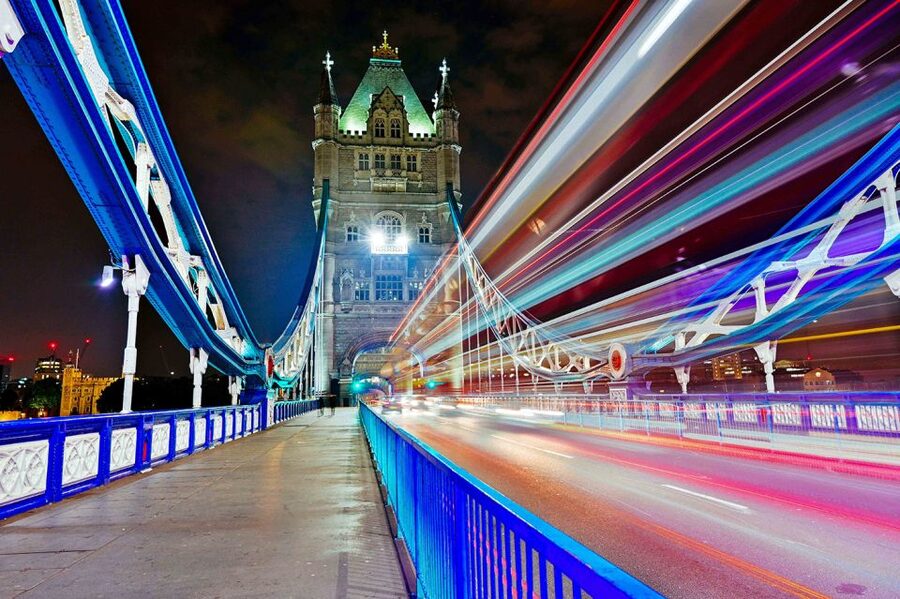
- Tower Bridge as the Finale: Making Your Best Shot Stick
- The Coaching Style: What Makes It Feel Worth It
- How Much Value Is $282.87 Per Group (Up to 5)?
- Who This Night Photography Tour in London Fits Best
- Should You Book This London Night Photo Tour?
- FAQ
- How long is the Night Photography Tour in London?
- Where do we meet for the tour?
- Where does the tour end?
- Do I need a tripod?
- Can I use a smartphone instead of a camera?
- Which landmarks are included in the tour?
- How big is the group?
- Is the tour wheelchair accessible?
- Do you get any learning material after the tour?
- Is free cancellation or pay later available?
Key Things I’d Watch For Before You Book
- A pro guide who teaches, not just points
- Night-focused stops: London Eye, St Paul’s, Tower Bridge
- Thames walking routes for reflections and angles
- Tripod required, with a £30 hire option
- Works with DSLRs, mirrorless, and smartphones
- You get an e-guidebook after the tour
Still deciding? A handful more London outings we rated
- London: London by Night Sightseeing Open-Top Bus Tour
★ 4.5 · 5,516 reviews - London: River Thames Evening Cruise with Bubbly and Canapés
★ 4.4 · 2,493 reviews - London by Night Bus Tour with Christmas Lights and Live Guide
★ 4.5 · 2,040 reviews - London: Jack the Ripper Evening Walking Tour
★ 4.9 · 1,449 reviews
What You’re Really Buying on a London Night Photo Tour
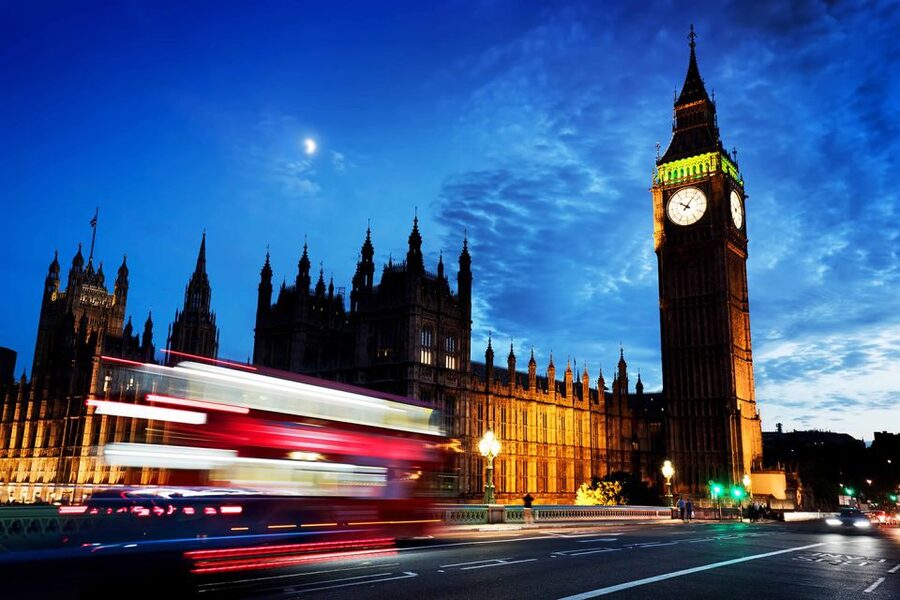
A night photography tour in London sounds simple: stand somewhere pretty, take pictures, go home. This one is better because it’s built around how night photography actually works. Low light kills detail. Bright lights blow out highlights. Long exposures can turn motion into blur or make streaks look intentional. Your guide helps you make those choices instead of guessing.
The value here is the mix of locations and instruction. You’re not just collecting Instagram views. You’re learning how to shoot at night with your own gear—DSLR, mirrorless, or smartphone—while the river provides a steady supply of reflection, contrast, and light sources. And because it’s a private group up to five, you can get coaching that fits your skill level instead of general tips meant for everyone.
From the guide experience shared in feedback, one name pops up: David. The standout theme is how patient he is and how he helps people learn both dedicated cameras and phones. That matters, because night settings are confusing fast—especially when you’re trying to remember what changed between shot one and shot ten.
Before You Go: Tripod Rules and Smart Gear Choices
Here’s the practical truth of night photography in London: handheld shots can work, but a tripod makes everything easier. This tour explicitly requires a tripod. If you don’t have one, you can hire the tour tripod for £30 for the duration of the tour.
So what should you do?
- If you already own a tripod, bring it even if it’s a basic model. Stability is the difference between sharp buildings and blurry light trails.
- If you don’t own one, hiring is the easiest way to avoid wasting time improvising. The tour is only 2.5 hours, so efficiency matters.
- If you’re shooting with a smartphone, you’ll still benefit from stability. Even if your phone has night modes, long exposure tips and timing advice can improve results.
The tour also works across camera types. That’s good news if you’re traveling with mixed gear or you just want to use your phone. Your guide’s advice is meant to be flexible: low-light technique and long exposure concepts apply to both.
Finally, plan for a night where you’re standing, repositioning, and photographing. Comfy shoes matter more than you think. You’ll also be walking and crossing the Thames as part of the experience.
Starting at Caffè Nero by Westminster Station: Fast Setup, Real Coaching
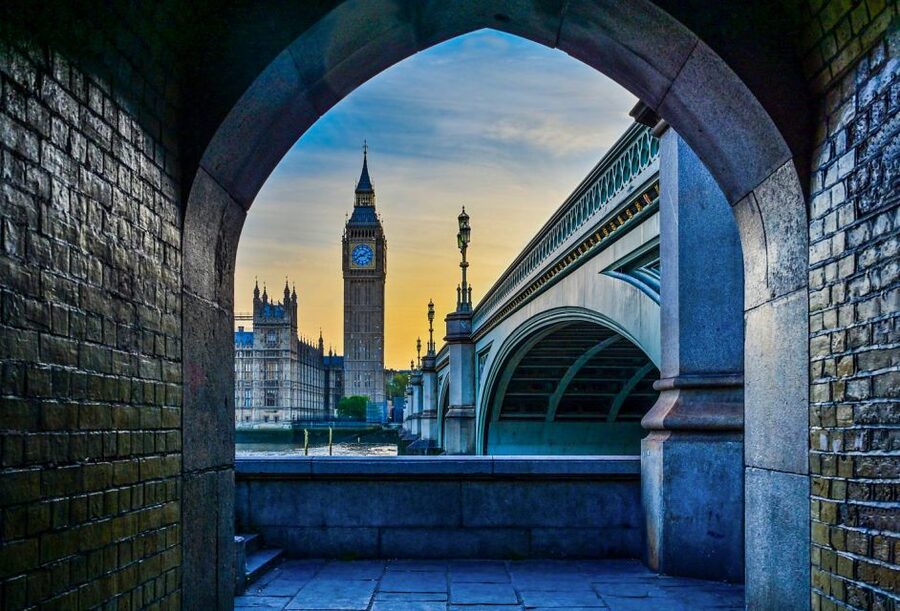
You’ll meet outside Caffe Nero at Westminster station. This starting point is useful because it puts you near the action without making the first minutes feel like a commute.
In the early phase, you should expect the guide to orient you to what you’re going to shoot next. That’s where you’ll learn how to approach night light: where to place your camera, how to think about exposure, and how to avoid common mistakes like blown-out highlights around the brightest structures.
Because the tour is a private group, you can usually ask questions early and get answers before you’re locked into a shot. If you’re nervous about your gear, this is the time to say so. Feedback specifically highlights how guides stay patient and supportive while people learn, including iPhone users.
Still deciding? A handful more London outings we rated

London Eye at Night: Getting Reflections and Composition Right
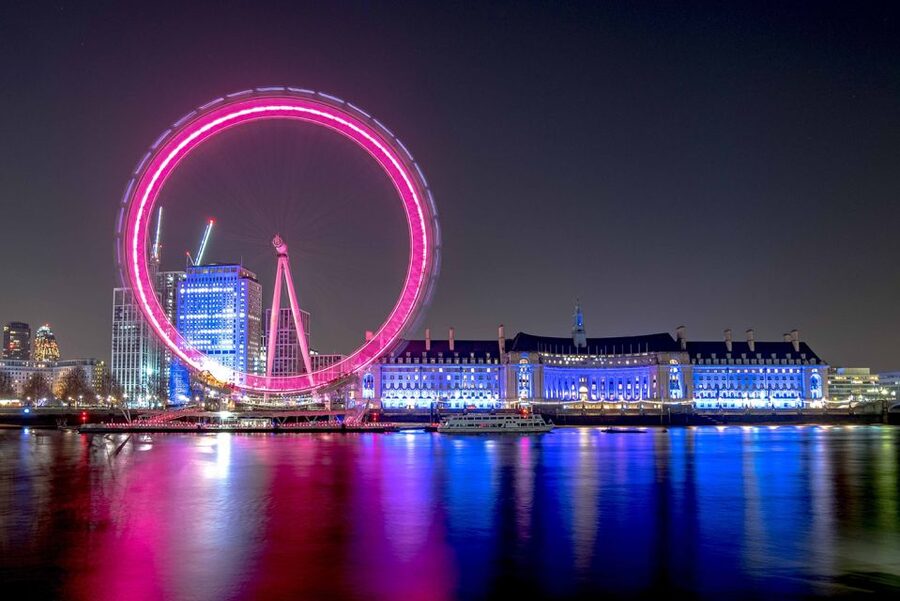
The first major photo stop is at the London Eye, with about 45 minutes for photos, sightseeing, and class. This stop is great for learning because the Eye gives you strong light sources plus a world of reflections in the river.
What you should focus on here:
- Reflections on the Thames: the water gives you a second subject to compose with. Your guide will help you align the bright structures with the reflection so the image looks intentional, not accidental.
- Framing and perspective: the London Eye is tall and detailed. You’ll learn how to build compositions that include enough of the surroundings to feel like London, but not so much that your main subject gets lost.
- Low-light exposure choices: the guide will coach you on shooting in dark conditions and using longer exposures to capture light trails or smooth the water, depending on what looks best.
You might also notice movement—like the flow of city traffic and buses—adding energy to the scene. The tour descriptions mention double-decker buses as part of what you’ll see and photograph. In night photography, moving subjects can either ruin sharpness or become part of the story. The coaching helps you decide which.
St Paul’s Cathedral: Contrast Control and Sharper Night Detail
Next up is St Paul’s Cathedral, again with about 45 minutes for photos and sightseeing. St Paul’s is an excellent teaching stop because it’s bright, detailed, and layered, which makes exposure tricky in a way that feels very real.
This is where you learn practical night fixes:
- How to handle high contrast: you want detail in the building but not a washed-out glow around the brightest points.
- How to steady long exposure shots: even if your camera is capable, shaky technique ruins the whole frame. A tripod plus correct setup (and your guide watching what you’re doing) makes a visible difference.
- How to adjust your approach based on your camera or phone: you’ll get advice for the device you brought, whether you’re controlling shutter and aperture on a camera or working through smartphone settings.
If you’ve ever taken one blurry night shot and then assumed night photography isn’t for you, St Paul’s often changes that. The lighting is dramatic, but it’s also structured enough that good technique shows quickly.
Crossing the Thames: Why the Walk Improves Your Photos
One of the most useful parts of this tour is that it isn’t just one spot after another. You’ll walk across the Thames and explore both the north and south banks. That means different angles, different compositions, and different reflection behavior.
This matters more than it sounds:
- On one bank, the river reflection may line up neatly under a landmark.
- Switch sides and the same structure can look flatter, taller, or more dramatic in your frame.
- The light changes as you move, and your guide can steer you toward the best “repeatable” view for a strong shot.
So while you’re sightseeing, you’re also learning how photographers think: not just what you photograph, but where you stand to make the scene work.
And yes, night London brings constant motion—street traffic, buses, and changing brightness. Your guide’s coaching helps you use that motion rather than fight it blindly.
Tower Bridge as the Finale: Making Your Best Shot Stick
The tour’s final photo stop is Tower Bridge, with about 45 minutes for photos and sightseeing. Tower Bridge is the classic night subject for a reason: bright structure, strong shape, and a river that loves reflections.
This is also where the coaching starts to click. By now, you’ve usually learned enough to make adjustments without getting overwhelmed:
- If your images are too bright, you’ll know what to change.
- If highlights are exploding, you’ll learn how to rein them in.
- If your exposures are too long or too short for what you’re seeing, your guide helps you choose a better timing approach.
The ending point is set for Tower Bridge. At the same time, the overall activity notes say it ends back at the meeting point. Translation: you should expect a close finish in the Tower Bridge area and then a return walk or meetup depending on the exact group flow. Either way, you’re not wandering off alone with zero direction.
The Coaching Style: What Makes It Feel Worth It
A night photo tour is only as good as its teaching. This one is built around your skill level and your device. You get expert advice for both low light shooting and long exposure, with help tailored to what you’re trying to do.
The most praised aspect in the feedback is how patient the guide is. David is called out specifically for being helpful while people learn their camera and also while learning an iPhone. That’s a big deal, because the fear factor is real. Night modes, manual settings, and stabilization tips can feel like a lot.
Here’s what I think makes the difference:
- You’re not stuck copying one person’s settings. You get guidance that fits your gear.
- You learn by doing at multiple landmarks, not just one.
- The tour encourages questions early and helps you correct mistakes on the spot.
And because you’re getting an e-guidebook after the tour, the learning doesn’t vanish the next morning. It’s a practical way to review what you changed and why those images improved.
How Much Value Is $282.87 Per Group (Up to 5)?
Price is always the stress point, so here’s how I’d frame it.
You pay $282.87 per group up to 5 people for 2.5 hours with a pro photographer guide, plus instruction for low light and long exposure, plus an e-guidebook afterward. That setup is valuable if:
- You’re going with a small group and splitting the cost.
- You want instruction, not just access to great viewpoints.
- You care about getting results quickly because night photography is a steep learning curve.
Is it “cheap” by solo-tour standards? No. But it’s also not a casual wandering experience. You’re paying for a guided process that helps you use your own camera or smartphone more effectively at night—exactly where most people struggle.
Tripod hire can add cost if you don’t bring one, but it also saves you from buying something you might use only once. And if you already own a tripod, your main expense is the tour itself, which makes the value stronger.
Who This Night Photography Tour in London Fits Best
This tour is a good fit if:
- You want to improve night photos fast, even if you’re a beginner.
- You’re traveling with a phone-only shooter or a mixed camera group and need instruction that works for both.
- You like structured stops at major London landmarks rather than guessing where to stand.
It’s especially good for you if you’ve tried night photos before and ended up with: blurred buildings, blown-out light, or reflections that don’t look intentional. The guide’s low-light and long exposure coaching is designed to fix those exact problems.
If you prefer a fully solo, free-form photo walk with no instruction, you might find the teaching portion a little structured. But if you’re the type who wants to learn settings and get feedback while shooting, this is right in the sweet spot.
Also, it’s listed as wheelchair accessible, which is a helpful factor for mobility planning in London at night.
Should You Book This London Night Photo Tour?
Book it if you want a guided path to better night photos at real landmarks, with a patient pro who can explain both camera and smartphone settings. The combination of Thames reflections, multiple photo stops, and hands-on coaching is what makes the tour feel like more than a sightseeing loop.
Skip it (or at least reconsider) if you don’t want to use a tripod and you’re expecting a casual stroll. Night photography without stabilization is possible, but this specific tour is built around tripod-based technique.
If you’re on the fence, my advice is simple: check your gear plan first. If you can bring or hire a tripod, you’re set up for success. Then show up ready to ask questions and test changes shot by shot.
FAQ
How long is the Night Photography Tour in London?
It runs for about 2.5 hours.
Where do we meet for the tour?
You meet outside Caffe Nero, Westminster station.
Where does the tour end?
The itinerary says the tour ends at Tower Bridge, while the activity info also notes it ends back at the meeting point. Confirm the exact final drop-off timing with the provider when you book.
Do I need a tripod?
Yes. A tripod is required. If you don’t have one, you can hire one for the tour for £30.
Can I use a smartphone instead of a camera?
Yes. The tour is suitable for DSLRs, mirrorless cameras, and smartphones, and the guide provides advice for using your device.
Which landmarks are included in the tour?
You’ll photograph stops at the London Eye, St Paul’s Cathedral, and Tower Bridge, plus you’ll walk across the Thames and cover the river banks.
How big is the group?
This is a private group experience, priced for a group up to 5.
Is the tour wheelchair accessible?
Yes, it’s listed as wheelchair accessible.
Do you get any learning material after the tour?
Yes. You’ll receive an e-guidebook after the tour to keep learning.
Is free cancellation or pay later available?
Yes. There’s free cancellation up to 24 hours in advance for a full refund, and you can use reserve now & pay later so you can book without paying today.
More Evening Experiences in London
- London: London by Night Sightseeing Open-Top Bus Tour
★ 4.5 · 5,516 reviews - London: River Thames Evening Cruise with Bubbly and Canapés
★ 4.4 · 2,493 reviews - London by Night Bus Tour with Christmas Lights and Live Guide
★ 4.5 · 2,040 reviews - London: Jack the Ripper Evening Walking Tour
★ 4.9 · 1,449 reviews - London by Night Sightseeing Tour – Open Top Bus
★ 4.5 · 1,060 reviews
More Tours in London
- From London: Harry Potter Warner Bros Studio Tour
★ 4.7 · 26,588 reviews - Magical London: Harry Potter Guided Walking Tour
★ 4.7 · 22,044 reviews - London: Warner Bros. Studio Harry Potter Tour & Branded Bus
★ 4.7 · 19,194 reviews - London Big Bus Hop-On Hop-Off Tour with Optional River Cruise
★ 3.5 · 10,803 reviews - London Small Group Tour of Historical Pubs
★ 5.0 · 10,422 reviews
More Tour Reviews in London
- From London: Harry Potter Warner Bros Studio Tour
★ 4.7 · 26,588 reviews - London: Westminster to Greenwich River Thames Cruise
★ 4.5 · 22,836 reviews - Magical London: Harry Potter Guided Walking Tour
★ 4.7 · 22,044 reviews - London: Madame Tussauds London
★ 4.6 · 20,915 reviews - London: Warner Bros. Studio Harry Potter Tour & Branded Bus
★ 4.7 · 19,194 reviews
Just reviewed around London





Evening Experiences, compared.
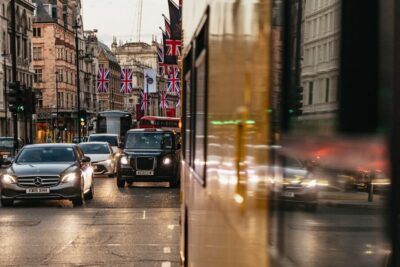 ★ 4.5London by Night Sightseeing Open-Top Bus TourFrom $295,516 reviews
 ★ 4.4River Thames Evening Cruise with Bubbly and CanapésFrom $372,493 reviews
 ★ 4.5London by Night Bus Tour with Christmas Lights and Live GuideFrom $412,040 reviews
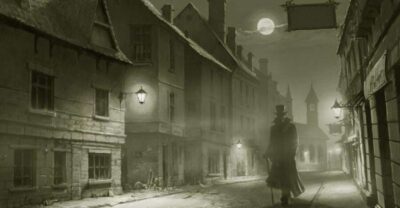 ★ 4.9Jack the Ripper Evening Walking TourFrom $331,449 reviews
 ★ 4.5London by Night Sightseeing Tour – Open Top BusFrom $401,060 reviews
 ★ 4.5London by Night Sightseeing Open Top Bus Tour with Live GuideFrom $40977 reviews
 ★ 4.0River Thames Evening Cruise with Sparkling wine and CanapésFrom $45569 reviews
 ★ 4.0Tootbus London by Night Bus TourFrom $37302 reviews
Browse the lists this tour appears in