
Reviewed · MUSEUMS
National Gallery with Art Historian Guided Tour in London
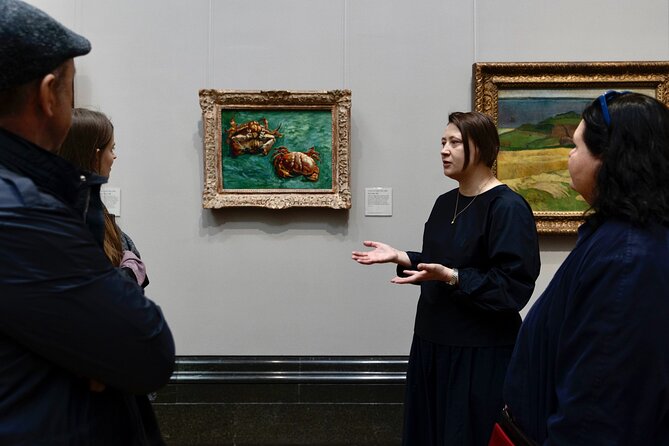
Two hours, endless art. This National Gallery small-group tour uses an art historian to connect painters from Monet to Michelangelo, with the added buzz of the gallery’s 200th anniversary and a recent rehang of the collection.
I love the expert-led pace and clear framing. You won’t just get a list of names; you get the “why” behind the paintings, and how artists learned from their predecessors.
One drawback to keep in mind: timing can be fragile. There was a case of a guide cancelling an hour before start due to train trouble, so if your day is tight, have a Plan B for a quick self-guided highlights loop.
In This Review
- Key things that make this tour worth your time
- National Gallery in one afternoon: why this tour works
- What an art historian actually gives you (and what you don’t need)
- The 2-hour path: how your visit flows inside the gallery
- Modern shift explained: how Monet-type painting changed the rules
- Old Masters influence: the “before” that makes the “after” make sense
- The gallery’s jewels: where you pause and really see
- Women artists in the collection: a small number of works with big context
- Photography, pacing, and making it feel personal
- Price and value: paying for clarity, not just entry
- Practical details that help your day run smoother
- Who should book this National Gallery historian tour?
- Should you book this National Gallery art historian tour?
- FAQ
- How long is the National Gallery art historian guided tour?
- How much does the tour cost?
- What language is the tour offered in?
- What’s the group size limit?
- Where does the tour start?
- Does the tour include admission to the National Gallery’s permanent collection?
- Are photography and flash allowed?
- What does the tour not include?
- FAQ
- Can I cancel for a full refund?
- When do I need to cancel by for a refund?
- What happens if I cancel less than 24 hours before start?
- When will I receive confirmation after booking?
Key things that make this tour worth your time
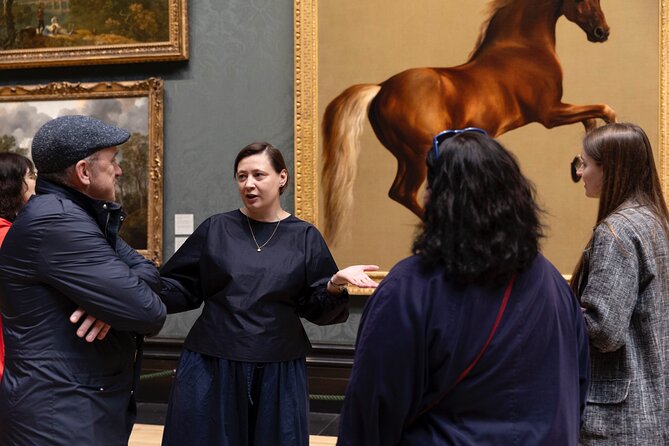
- A tight 2-hour hit that helps you understand the collection fast, without museum-fatigue
- Art history through relationships: Old Masters feeding the future, then the future reacting back
- Small group size (max 10), which makes it easier to ask questions and get unstuck
- Monet, Degas, Renoir, Cézanne and friends plus the links to Turner, Rembrandt, and Caravaggio
- A “why rehang matters” approach, since the gallery has just rehung much of its collection
- Photography allowed (no flash), so you can capture a few key works for later memory
Still deciding? A handful more London outings we rated
- Magical London: Harry Potter Guided Walking Tour
★ 4.7 · 22,044 reviews - London: Emirates Stadium Entry Ticket and Audio Guide
★ 4.7 · 5,513 reviews - London: Christmas Lights Bus Tour With Live Guide
★ 4.0 · 5,410 reviews - Stonehenge, Windsor Castle and Bath Full Day Guided Tour
★ 4.5 · 5,346 reviews
National Gallery in one afternoon: why this tour works
The National Gallery is one of those London museums where you can easily lose an hour just trying to decide where to go next. This guided format keeps you from drifting. You get a plan, a storyline, and a handful of anchor works that make the rest of the galleries click.
The big advantage here is time. At about 2 hours, you can get a feel for the National Gallery’s main threads: how painting styles changed, how artists borrowed techniques from earlier periods, and why certain works became turning points. If you only have one afternoon in central London, this is a smart way to spend it.
And because the gallery recently rehung its collection and added hundreds of paintings to display for its anniversary, the building feels “new” even if you’ve seen it before. That rehang matters for you: the museum’s layout can change what you notice first, what connects to what, and how quickly you can follow the art-historical story.
What an art historian actually gives you (and what you don’t need)
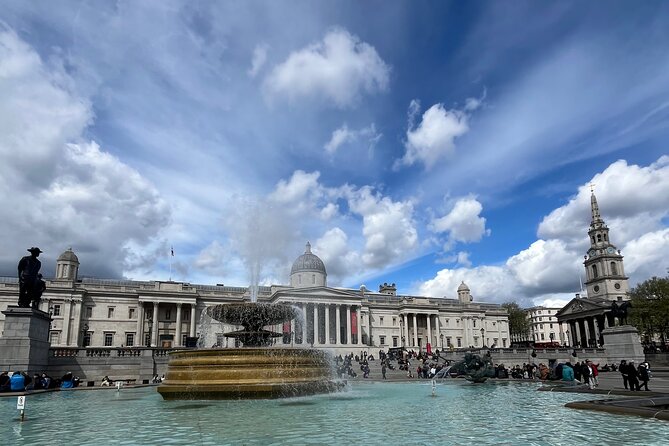
The best museum guides don’t just explain what you’re seeing. They help you see it differently. That’s what I look for in an art historian-led tour: the guide turns the room into context.
You don’t need a background in art history. The tour is designed for all ages and all levels, and the whole point is questions and conversation. That means you can walk in with zero prep and still leave feeling like you understand the “language” of the gallery.
In the reviews, the guide Julia is singled out for meaningful, human explanations tied to time, values, and feelings. That’s the difference between memorizing titles and actually learning how to look: you start noticing mood, light, and technique, and you can connect it back to what was happening in art at the time.
The 2-hour path: how your visit flows inside the gallery
Your tour starts at the National Gallery meeting point at Trafalgar Square. From there, you head into the museum for a focused route centered on masterpieces from multiple eras.
Since this is a guided highlights experience, you’re not trying to see every wall. Instead, you’re building a mental map:
- what “traditional” looked like at its most influential
- what changed as artists reacted against it
- which earlier artists paved the way
- and how later painters took those lessons and made them their own
Even though the itinerary lists a single stop, the experience is still structured. Think of it as a guided walk through a chain of ideas, not just a checklist. You’ll pause at key moments to admire major works and to connect them to bigger trends.
You’ll also have the freedom to ask questions along the way, which is a big deal in a museum that can otherwise feel like information overload. With a maximum of 10 in the group, it’s easier for the guide to respond and for you to stay engaged.
Still deciding? A handful more London outings we rated
Modern shift explained: how Monet-type painting changed the rules
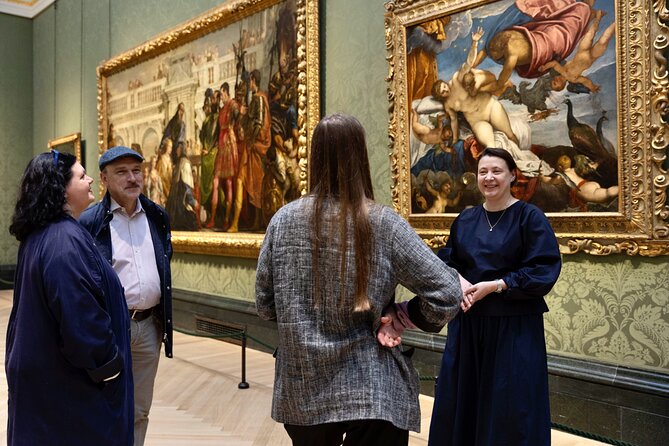
One of the main storylines you’ll hear is about a dramatic shift away from traditional styles. This is where the tour gets especially fun, because it frames the famous Impressionist names as part of an ongoing argument about how painting should work.
Expect to see the painters that represent that turn:
- Claude Monet
- Auguste Renoir
- Edgar Degas
- Berthe Morisot
- Camille Pissarro
- Alfred Sisley
- Paul Cézanne
The tour highlights how controversial this new approach could be at the time. That’s useful, because it stops you from treating Impressionism like it’s automatically “obvious” today. You get the sense that these artists were pushing back on what people expected art to do.
But the guide also brings in the part that many casual museum visits miss: these modern artists didn’t just reinvent everything out of nowhere. They were looking back at earlier brilliance—studying technique, composition, and subject matter choices—and then transforming what they learned into something new.
Old Masters influence: the “before” that makes the “after” make sense
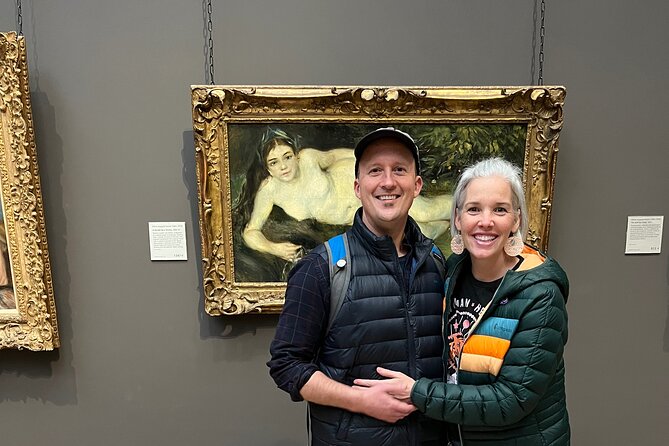
If Impressionism is the “later” half of the story, the National Gallery’s collection lets you understand the “earlier” half too. This tour connects the dots between generations of painters, so you don’t see history as disconnected eras.
You’ll hear about influence from heavyweight names like:
- J.M.W. Turner
- Rembrandt
- Caravaggio
- and other Old Masters
This matters for your experience because it gives you a lens to compare styles. You start asking better questions while you look: How does the older approach to light or drama show up later? When do artists borrow composition and then change the emotional effect?
It’s not just trivia. It changes what you pay attention to. Instead of scanning for famous faces, you pay closer attention to the structure of the painting and the craft underneath.
Also, the tour puts extra emphasis on the importance of 17th-century Dutch art. That theme helps you understand why certain techniques and visual priorities became influential far beyond their original period.
The gallery’s jewels: where you pause and really see
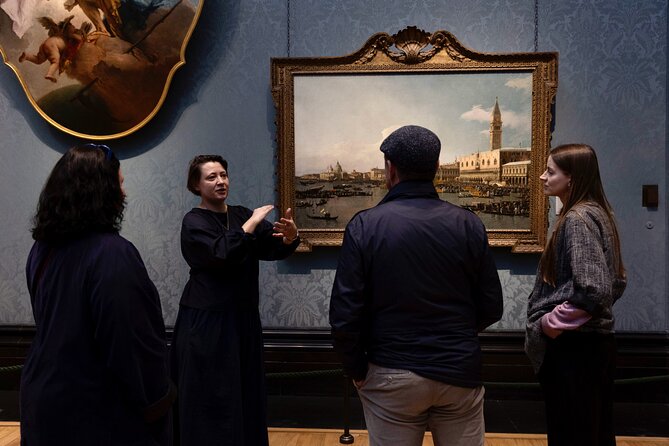
In a museum as large as the National Gallery, the biggest risk is skimming. This tour protects you from that by stopping to admire standout works you’re likely to remember later.
The guide’s stops include major “jewels,” named examples such as:
- Holbein
- Michelangelo
- Canaletto
- Moroni
Why do these pauses matter? Because each of these artists represents a different kind of excellence—different approaches to realism, storytelling, human presence, or architecture and city life. When you compare them with what you saw earlier in the tour, you start seeing patterns in how artists achieved impact.
And because this tour is only about two hours, the guide chooses where to spend attention. That selection is exactly what you’re paying for: not more art, but better understanding of a few key works so the rest of the museum isn’t just a blur.
Women artists in the collection: a small number of works with big context
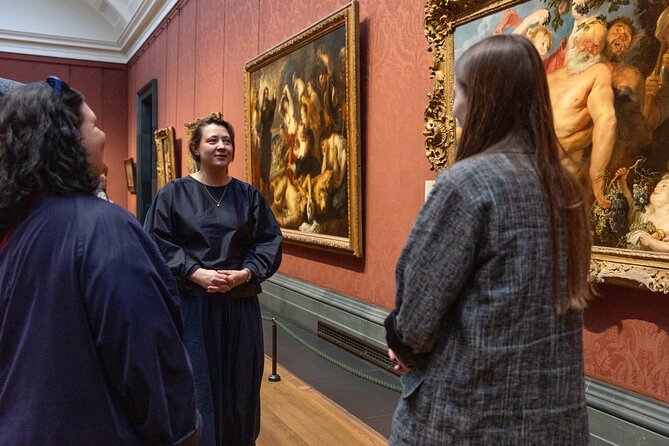
This part of the tour is handled thoughtfully. The National Gallery has only four pieces currently on display by women artists (as referenced in the tour info), and the guide uses that reality to talk about the history of women painters.
That’s valuable even if you’re not a serious art-history nerd. It gives you a reality check about representation and about which voices institutions preserved. It also gives you something to look for: when women artists were present, what kinds of subjects and styles were possible, and how those constraints shaped what you’re seeing.
If you’ve ever felt museums quietly assume that “art history” is mostly one story, this is where you get a sharper lens.
Photography, pacing, and making it feel personal
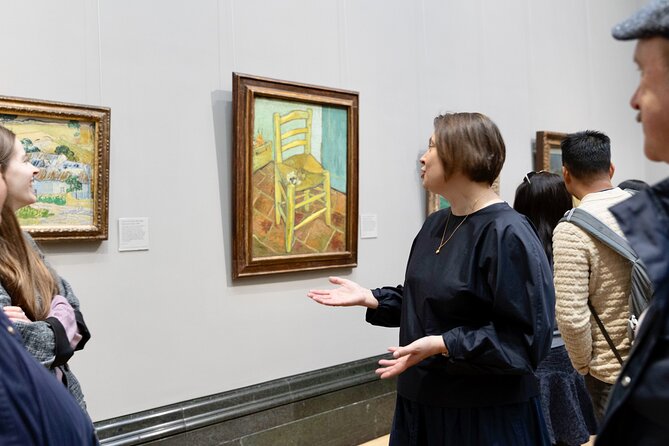
Photography is permitted during the visit, with no flash. That’s a practical win. You can take a few images of paintings you want to remember, then later match the details to what the guide explained.
Pacing is also part of the value. The tour is designed to cover a lot without turning you into a sprinting spectator. You’ll still be walking and standing inside galleries, so you’ll want a moderate fitness level. But it’s not an endurance event.
With a group capped at 10, the experience stays more intimate. You can ask questions without shouting over a crowd, and the guide can adjust on the fly if you’re curious about something specific.
One more practical tip: wear shoes you can stand in for a bit. Central London days often include lots of walking, and this museum tour tends to be as much about your body comfort as about your mind.
Price and value: paying for clarity, not just entry
At $125.01 per person for about two hours, the price isn’t low. But here’s the balance: you’re paying for an expert guide, not just access to the building.
The tour includes free admission to the National Gallery’s permanent collection. That’s key value. Many museum experiences charge you twice: first for entry, then again for the guided component. Here, the permanent collection admission is covered, and your money goes directly toward interpretation.
Temporary exhibitions are not included, so you’re not paying for everything under the sun. You’re paying for a targeted guided experience focused on the permanent collection works and the art-historical connections between them.
It’s also booked on average about 30 days in advance, which tells you something about demand. If you’re traveling during a busy season, it’s worth grabbing a slot earlier rather than hoping something opens up at the last minute.
For me, this is the best way to justify the cost: you’re buying a shortcut to understanding. In a museum this big, that shortcut can save you time, frustration, and wasted wandering.
Practical details that help your day run smoother
This is a mobile-ticket experience, and the tour ends back at the meeting point near Trafalgar Square. That makes it easy to keep your afternoon plan intact.
Because refreshments aren’t included, plan for a snack either before or after. The museum is in a very walkable area, so it’s not hard to grab something nearby, but don’t rely on the tour to solve your hunger.
Also, temporary exhibitions need separate paid tickets, so if you care about special shows, you’ll want to check what’s on before you go. The guided experience is focused on the permanent collection, where the “story of painting” is easier to follow in a short time.
And remember the one timing risk mentioned earlier. If you have a strict itinerary on the same day, build in some flexibility. Even a small schedule slip can feel big when you’re relying on a timed start.
Who should book this National Gallery historian tour?
Book this if you want:
- a guided overview that helps you understand how the collection hangs together
- a short, focused experience rather than a full museum day
- art-history context explained in plain, human language
- a chance to ask questions, especially in a small group
It’s especially good for first-timers who feel overwhelmed by the National Gallery’s size. It’s also a nice refresh for people who have visited before but never really understood the relationships between periods and styles.
If you’re the type who wants to spend hours reading labels and going deep into every wing, you might still enjoy it, but you’ll likely want to add extra unguided time after the tour. Think of this as your foundation layer, not the whole meal.
Should you book this National Gallery art historian tour?
I’d recommend it if you have about two hours and you care about learning how to look. The combination of a focused route, a small group, and an art historian-led storyline makes the National Gallery feel manageable and memorable.
Skip it only if you’re hoping for a full, self-paced tour of the whole museum in one shot, or if you mainly want temporary exhibitions. Also, if your schedule is brittle, keep a backup plan in mind, since guide timing can be affected by real-world transport issues.
Overall, this is a smart value when you want clarity fast: you’ll leave with names, yes, but more importantly you’ll leave with a way to connect them—Old Masters to Impressionists, and the reasons those shifts mattered.
FAQ
How long is the National Gallery art historian guided tour?
It lasts about 2 hours.
How much does the tour cost?
The price is $125.01 per person.
What language is the tour offered in?
The tour is offered in English.
What’s the group size limit?
The tour has a maximum of 10 travelers.
Where does the tour start?
It starts at the National Gallery, Trafalgar Square, London WC2N 5DN, UK.
Does the tour include admission to the National Gallery’s permanent collection?
Yes. The tour includes free admission to the gallery’s permanent collection.
Are photography and flash allowed?
Photography is permitted, but without the use of flash.
What does the tour not include?
It does not include tickets to paid temporary exhibitions, the cloakroom fee, or refreshments.
FAQ
Can I cancel for a full refund?
Yes, you can cancel up to 24 hours in advance for a full refund.
When do I need to cancel by for a refund?
For a full refund, you must cancel at least 24 hours before the experience starts.
What happens if I cancel less than 24 hours before start?
If you cancel less than 24 hours before the experience starts, the amount you paid will not be refunded.
When will I receive confirmation after booking?
Confirmation is received within 48 hours of booking, subject to availability.
More Guided in London
- Magical London: Harry Potter Guided Walking Tour
★ 4.7 · 22,044 reviews - London: Emirates Stadium Entry Ticket and Audio Guide
★ 4.7 · 5,513 reviews - London: Christmas Lights Bus Tour With Live Guide
★ 4.0 · 5,410 reviews - Stonehenge, Windsor Castle and Bath Full Day Guided Tour
★ 4.5 · 5,346 reviews - London Jack the Ripper Guided Tour with Ripper-Vision
★ 4.5 · 4,840 reviews
More Tours in London
- From London: Harry Potter Warner Bros Studio Tour
★ 4.7 · 26,588 reviews - Magical London: Harry Potter Guided Walking Tour
★ 4.7 · 22,044 reviews - London: Warner Bros. Studio Harry Potter Tour & Branded Bus
★ 4.7 · 19,194 reviews - London Big Bus Hop-On Hop-Off Tour with Optional River Cruise
★ 3.5 · 10,803 reviews - London Small Group Tour of Historical Pubs
★ 5.0 · 10,422 reviews
More Tour Reviews in London
- From London: Harry Potter Warner Bros Studio Tour
★ 4.7 · 26,588 reviews - London: Westminster to Greenwich River Thames Cruise
★ 4.5 · 22,836 reviews - Magical London: Harry Potter Guided Walking Tour
★ 4.7 · 22,044 reviews - London: Madame Tussauds London
★ 4.6 · 20,915 reviews - London: Warner Bros. Studio Harry Potter Tour & Branded Bus
★ 4.7 · 19,194 reviews
Just reviewed around London





Museums, compared.
 ★ 4.5Tower of London and Crown Jewels Exhibition TicketFrom $496,677 reviews
 ★ 4.8Chelsea Football Club Stadium and Museum TourFrom $434,576 reviews
 ★ 5.0Chelsea FC Stadium Tours and MuseumFrom $441,908 reviews
 ★ 4.3British Museum Guided TourFrom $231,182 reviews
 ★ 4.5Official tickets: Moco Modern & Contemporary Art MuseumFrom $361,157 reviews
 ★ 5.0British Museum London Guided Tour Semi-Private 8ppl MaxFrom $108984 reviews
 ★ 4.2Jack the Ripper Museum TicketsFrom $18894 reviews
 ★ 4.9British Museum Guided Tour with Entrance TicketsFrom $39748 reviews
Browse the lists this tour appears in