
Reviewed · LONDON GHOST TOURS
London’s Ghosts & Gruesome Past Nighttime Walking Tour
London at night turns history into fear. This 2-hour tour links Farringdon-area landmarks with plague sites, grave-robbery lore, and the Underground haunting people whisper about. I especially like the mind-the-gap moment tied to a station ghost, and the fact that the Old Bailey stop focuses on England’s most prolific serial killer—not Jack the Ripper.
You also get a proper storyteller-led pace, with a guide who brings scholar-level context to the gory details. A guide named Matt is specifically praised for being both entertaining and passionate, which matters on tours like this where the facts are heavy and the mood is half the point.
One consideration: if you’re chasing mostly classic floating-ghost scares, this route spends a lot of time on hospitals, executions, and the medical trade behind the macabre stories—so be ready for the gruesome-history side.
In This Review
- Key highlights I’d put on your radar
- Entering London’s Dark Side from Farringdon
- The Price for $49: What You’re Actually Buying
- Nighttime Tone: How Scary Is It, Really?
- Stop 1: Smithfield Market and the Long Shadow of Executions
- Charterhouse Square: Plagues, Doctors, and What Changed
- St Bartholomew the Great: 900 Years of the Living and the Dead
- Sir William Wallace Memorial: When War Becomes Memory
- Holy Sepulchre Church: The Business Behind Grave-Robbing
- St Bartholomew’s Hospital: Medicine, Tools, and Why You’re Lucky Today
- Old Bailey: The Serial Killer Story That Isn’t Jack the Ripper
- Finishing Near St Paul’s (and the Meeting-Point Question)
- Guides and Storytelling: Why the Experience Flies by
- Who Should Book This Night Walk?
- Who Might Want a Different Tour
- Quick Practical Tips for a 2-Hour Night Tour
- Should You Book London’s Ghosts & Gruesome Past Nighttime Walking Tour?
- FAQ
- How long is the London’s Ghosts & Gruesome Past Nighttime Walking Tour?
- How much does the tour cost?
- Where do I meet the guide?
- When does the tour start?
- What language is the tour guide?
- What stops and sites are included?
- Where does the tour end?
- Is the tour wheelchair accessible?
- What’s included in the ticket?
- Can I cancel for a refund?
- Can I reserve now and pay later?
Key highlights I’d put on your radar
- Mind-the-gap at Farringdon and the Underground ghost story
- Smithfield Market, tied to centuries of public executions
- Charterhouse Square and plague-era consequences
- 900-year-old St Bartholomew the Great with long-buried founder tales
- Holy Sepulchre Church and the grim business behind grave removal
- Old Bailey’s serial-killer story that’s not Jack the Ripper
Braver still? More haunts and ghost walks
- Ghost, Ghouls and Gallows Tour : Guided Tour with Boat Ride
★ 4.5 · 3,212 reviews - London: Comedy Horror Ghost Tour on a Bus
★ 4.4 · 2,084 reviews - London: Ghost Walk and River Thames Boat Ride
★ 4.5 · 1,251 reviews - Ghost Bus Tour of London
★ 4.0 · 961 reviews
Entering London’s Dark Side from Farringdon
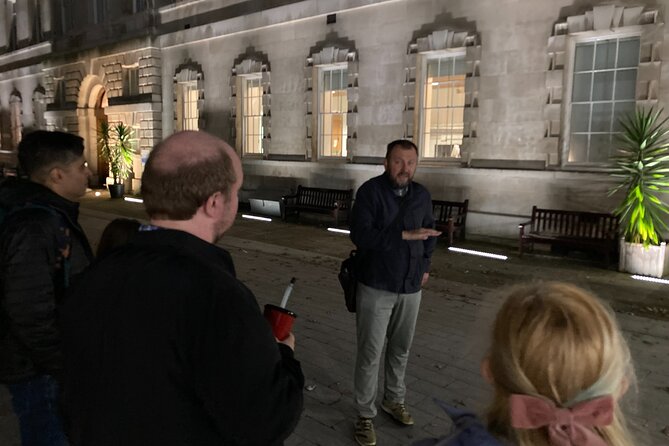
This tour starts in the Farringdon area, meeting you outside Farringdon Underground Station between the new and old station entrances. It’s a smart start point: you’re in the center of London’s modern transit web, and you can feel the contrast right away between today’s commuters and the older city beneath their feet.
From the first minutes, the tone is clear. This isn’t “walk and read spooky facts” tourism. It’s a guided nighttime story that connects landmarks to people’s real fears—death, disease, punishment, and the trade that grew around them. You’ll hear why some Londoners were drawn to sensational, horrific medical ideas, plus the kinds of crimes and punishments that shaped the streets you’ll walk.
If you’re the type who likes your history grounded in specific places, you’ll enjoy how the tour keeps returning you to visible locations you can stand in front of. That choice makes the horror feel less like a movie and more like an urban legend with roots.
The Price for $49: What You’re Actually Buying
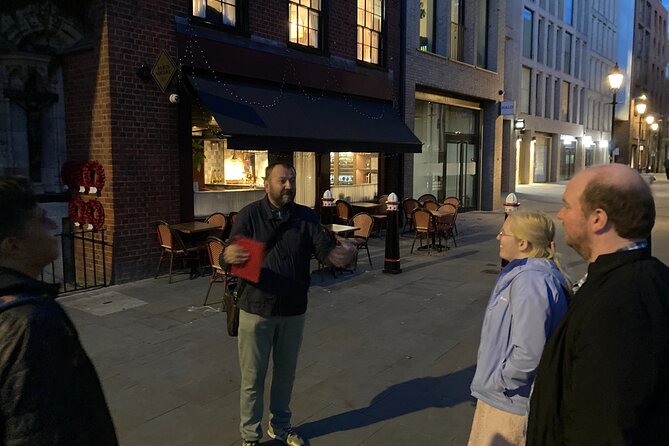
At $49 per person for about 2 hours, the value comes less from “how many sites” and more from how the guide strings them together. You’re paying for a certified professional who can hold attention in the dark, keep the flow clear, and explain why these stories stuck in London.
With a short, two-hour format, you’ll get an efficient hit of major landmarks: market execution ground, plague-influenced burial areas, centuries-old churches, and a legendary courthouse. If you’ve ever tried to do macabre history on your own at night, you know the difference: a good guide gives you the thread—otherwise it’s just dark streets and random plaques.
Nighttime Tone: How Scary Is It, Really?
This tour is “gruesome past” more than “ghost theme park.” You’ll hear about grave-robbery, medical practices, plague impacts, and executions. You’ll also get supernatural lore, including the ghost said to haunt the Underground network.
So here’s the practical way to think about it: you’ll get chills from the stories, but the route is built on real historical institutions—hospitals, churches, and courts. That means the emotional impact comes from what society did to people, not just from jump-scare theatrics.
If you can handle dark storytelling and are okay with some graphic-sounding subject matter, it’s a great fit. If you want the lightest, funniest “spooky stroll” possible, you may find the subject matter heavier than you expected.
London on foot, a few more ways




Stop 1: Smithfield Market and the Long Shadow of Executions
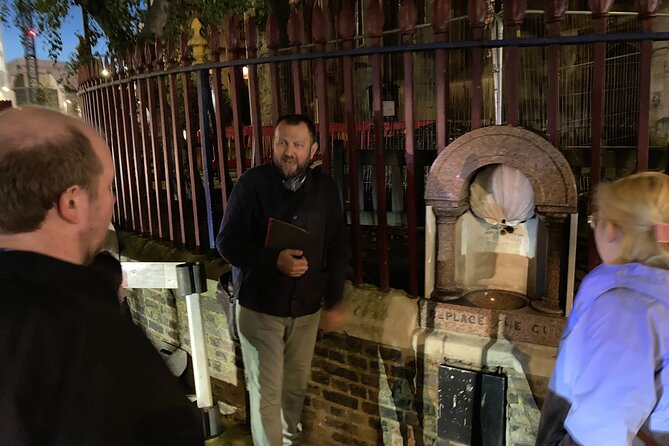
Smithfield Market is where the tour hits you with the idea that punishment wasn’t hidden away. This was a place for public executions for centuries, tied to torture and lethal sentences that people could watch.
Why this stop matters: when you’re standing in a location that once served as a stage for state violence, the rest of London’s history stops feeling abstract. It becomes street-level—built into the city’s bones. Even if you’ve heard generic “executions happened here” lines before, the guided framing helps you connect the dots between punishment, rumor, and public fear.
Practical note: markets and city-center areas can be active depending on the time of night. It’s still a nighttime walking tour, but you’ll want to keep an eye out for normal foot traffic while you listen.
Charterhouse Square: Plagues, Doctors, and What Changed

Next comes Charterhouse Square, described as a peaceful pocket in the middle of a busy city—perfect for contrast. Here the tour unpacks how plagues changed London, how deadly they were, and what doctors tried to do. It also covers what happened to survivors.
This is one of the tour’s smartest choices. Plague history can be dry when you’re reading it alone. With a storyteller guiding the arc, the subject becomes personal: the city’s health crisis turns into a social and practical transformation.
And it sets up the later stops well. Once you understand how disease shaped fear, you’re more ready for the grim hospital stories—where medicine and body-handling weren’t always about healing in the way we expect today.
St Bartholomew the Great: 900 Years of the Living and the Dead
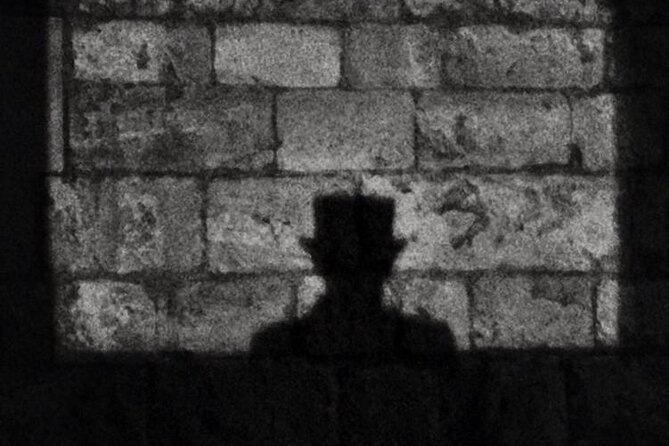
St Bartholomew the Great is the kind of place where time feels physical. For 900 years it served the people, both alive and dead, and you’ll hear burial-related stories connected to the church’s founder.
Standing among tombstones while you get the guided context changes your listening. Instead of “cool old building,” you start thinking about continuity—how one institution became a long-term fixture in London’s system for caring for bodies, remembering names, and managing death.
This stop also works well for photo breaks, since you get interesting angles between the stone, the greenery, and the surrounding urban texture. It’s one of those moments where the tour slows just enough for the setting to do some of the work.
Sir William Wallace Memorial: When War Becomes Memory
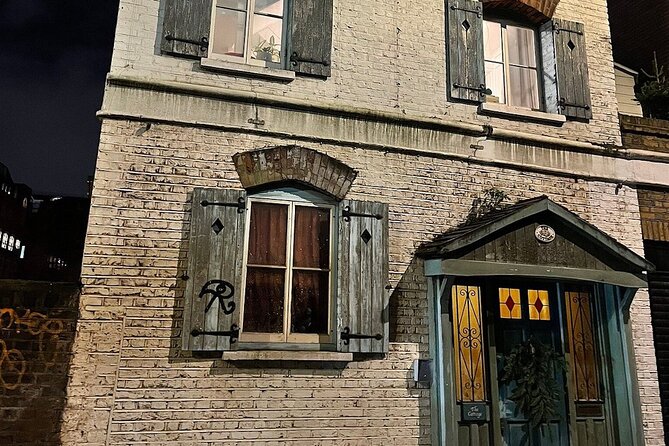
At the Sir William Wallace Memorial, you get a shift in focus—back to the England and Scotland conflict. The tour highlights a Scottish freedom fighter’s special place in memory and connects him to the kind of political violence that shaped national stories.
Even if you aren’t a history buff, this stop helps your understanding of London’s “gruesome past” theme. It’s not only about serial crimes and medical rumors. It’s also about how conflict turns people into symbols—and how those symbols survive in the places linked to them.
If you like your macabre history to include political context, this stop is a good bridge from execution grounds to courtroom drama later in the route.
Holy Sepulchre Church: The Business Behind Grave-Robbing
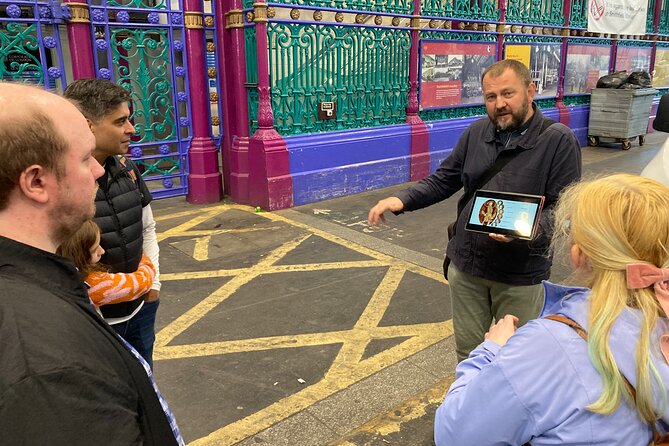
Holy Sepulchre Church is a key stop for the tour’s central spooky-macabre idea: bodies weren’t just lost to tragedy. In the past, taking bodies from graves could be a way to make a living.
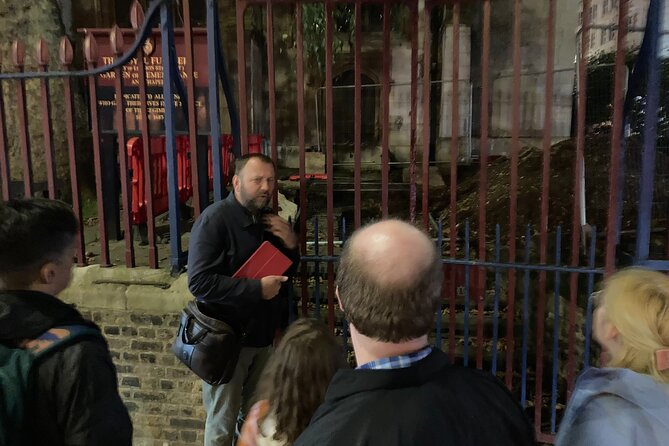
The tour points to empty pits in the churchyard as a reminder of when people earned money by removing dead bodies and selling them. It then connects back to what you learn about the hospital and the pub—basically, it guides you through the logic of supply and demand around bodies.
This is where the tour can feel most unsettling, because the story isn’t only about fear. It’s about the economics of death. If you want your night walk to be more than creepy storytelling, this stop delivers that deeper “how did it work?” angle.
St Bartholomew’s Hospital: Medicine, Tools, and Why You’re Lucky Today
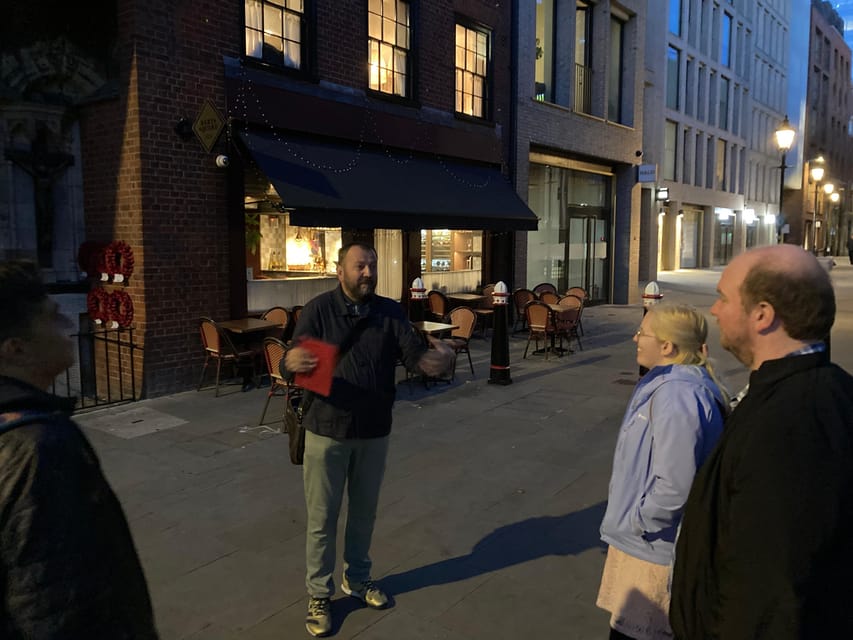
You’ll also stop at St Bartholomew’s Hospital, and the tour’s framing is clear: you’ll be grateful for modern healthcare after hearing what methods, tools, and means doctors used in earlier times.
You’ll get the kind of details that make you think twice about how people tried to treat illness. The tour emphasizes what people had to drink, eat, or smear on themselves in hopes of getting better. It’s not just shock value—it’s a window into limited medical knowledge and the desperation behind early medical efforts.
If you’re the type who likes connecting medical history to why communities believed certain things, you’ll get a lot here. If you’re squeamish, just know the tone is geared toward the hard side of medical lore.
Old Bailey: The Serial Killer Story That Isn’t Jack the Ripper
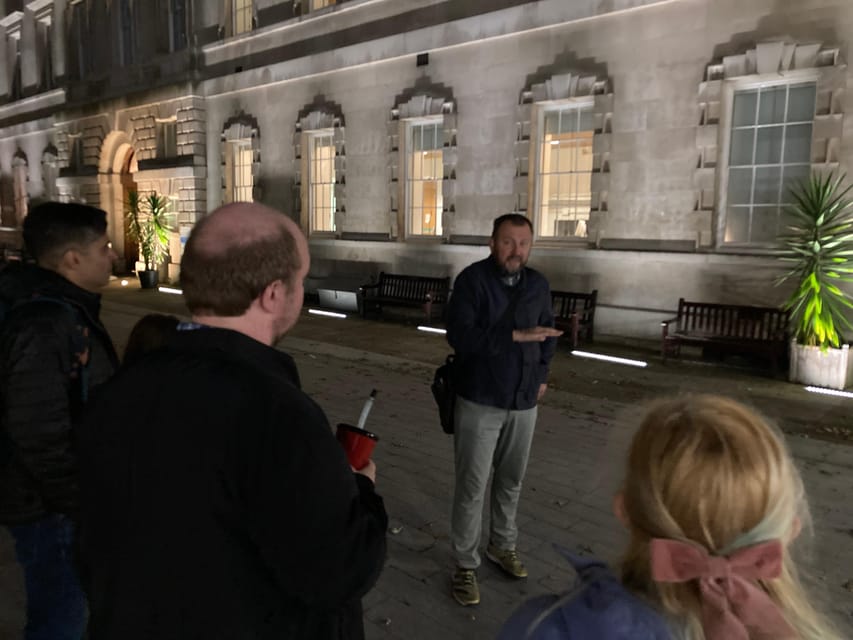
The final major stop is the Old Bailey, London’s famous courthouse. The tour saves the darkest headline for the end—introducing the story of England’s most prolific serial killer, and making it clear that it’s not Jack the Ripper.
This matters because it flips a common assumption. Many people arrive thinking the only serial-killer story worth hearing will point toward Jack the Ripper. Here, you get pushed into a different narrative: the sort of case where you’re forced to consider how society handled repeated violence, investigation, and public dread.
Even beyond the killer story itself, the courthouse setting adds weight. A court is where rumors become records. It’s where punishment becomes procedure. Listening here turns the earlier stops into a bigger picture: fear moved through London like a system.
Finishing Near St Paul’s (and the Meeting-Point Question)
The tour route lists a finish near St. Paul’s Cathedral, which makes for a satisfying ending with the grand view and a clear landmark to orient you. At the same time, the activity notes also say the tour ends back at the meeting point.
To stay sane, do this: check your exact confirmation details. If the finish truly is near St Paul’s, great—you’ll have a ready-made central spot to continue your night. If it returns to the meeting area, at least you’ll know you can easily plan public transport back.
Guides and Storytelling: Why the Experience Flies by
This is one of those tours where the guide’s delivery can make or break it. The tour is led by a professional storyteller and scholar, and the experience is designed for an English-speaking guide who can maintain the tone across multiple heavy topics.
A guide named Matt comes up repeatedly in the way people describe the experience: informative, entertaining, and clearly passionate about the topic. On a walking tour like this, that combination matters because the facts are dark and the pacing needs to be tight so it stays engaging rather than exhausting.
If you’re worried you’ll tune out, aim to show up a few minutes early and get settled with the group before the first story starts. Being attentive from the start makes the later courtroom and grave-robbery stories land harder—in a good way.
Who Should Book This Night Walk?
I think this is ideal if you:
- love London history but want it in a nighttime, story-led format
- enjoy darker topics like hospitals, executions, and crime history
- want specific places you can stand in front of, not just general facts
It’s also a solid choice if you’ve already done a standard “London highlights” tour and want something more off the main route. The mix of Tube-area lore, ancient churches, and major institutions gives you variety without turning it into a scattered list.
Who Might Want a Different Tour
Skip it (or consider your comfort level) if you:
- want mostly ghosts and atmospheric scares with minimal medical or execution history
- prefer family-friendly spooky content
- don’t enjoy stories that lean into gruesome subject matter
Quick Practical Tips for a 2-Hour Night Tour
- Wear shoes you trust. You’ll be walking and stopping in street-level areas.
- Dress for cool night air. Even if London feels mild, nighttime can turn chilly fast.
- Bring your phone for photos, but keep the screen brightness low so you don’t fight the dark when the guide is talking.
- If you want the most from the story, don’t multi-task while you’re moving between stops. The explanation connects the locations.
Should You Book London’s Ghosts & Gruesome Past Nighttime Walking Tour?
If you want a guided, story-driven look at London’s underworld—where hospitals, plague fear, grave-robbery, and the Old Bailey all connect into one dark narrative—this is a strong pick. The $49 price works out well for a tight two-hour format packed with major locations, and the guide-led storytelling is clearly a core part of what people love.
I’d especially recommend it if you like the idea of hearing a famous city’s darker side told with real specificity—starting with Farringdon and ending near St Paul’s, with plenty of built-in photo moments along the way.
FAQ
How long is the London’s Ghosts & Gruesome Past Nighttime Walking Tour?
It lasts 2 hours.
How much does the tour cost?
The price is $49.00 per person.
Where do I meet the guide?
Meet your guide outside Farringdon Underground Station, in front of the main station entrance/exit between the new and old stations.
When does the tour start?
Starting times vary, so you’ll need to check availability to see the specific start time options.
What language is the tour guide?
The live tour guide speaks English.
What stops and sites are included?
The tour includes Smithfield Market, Charterhouse Square, St Bartholomew the Great Church, Sir William Wallace Memorial, Holy Sepulchre Church, and the Old Bailey, plus the Farringdon Station area.
Where does the tour end?
The activity ends back at the meeting point, though the route also lists a finish at St. Paul’s Cathedral. Check your confirmation for the exact end point.
Is the tour wheelchair accessible?
Yes, it is wheelchair accessible.
What’s included in the ticket?
Included are a professional, certified guide and an escort through the dark and spooky streets of London.
Can I cancel for a refund?
Yes. Free cancellation is available up to 24 hours in advance for a full refund.
Can I reserve now and pay later?
Yes, you can reserve now & pay later.
More Tour Reviews in London
- From London: Harry Potter Warner Bros Studio Tour
★ 4.7 · 26,588 reviews - London: Westminster to Greenwich River Thames Cruise
★ 4.5 · 22,836 reviews - Magical London: Harry Potter Guided Walking Tour
★ 4.7 · 22,044 reviews - London: Madame Tussauds London
★ 4.6 · 20,915 reviews - London: Warner Bros. Studio Harry Potter Tour & Branded Bus
★ 4.7 · 19,194 reviews
More London Walks Worth the Shoe Leather
- Magical London: Harry Potter Guided Walking Tour
★ 4.7 · 22,044 reviews - London: The Original Jack the Ripper Walking Tour
★ 4.7 · 7,833 reviews - Tour for Muggles The Ultimate Harry Potter Walking Tour in London
★ 5.0 · 4,684 reviews - London Jack The Ripper Guided Walking Tour
★ 5.0 · 3,131 reviews - London: Harry Potter Movies Walking Tour (Kids Go Free)
★ 4.7 · 3,071 reviews
More Ghosts and Ghouls
- Ghost, Ghouls and Gallows Tour : Guided Tour with Boat Ride
★ 4.5 · 3,212 reviews - London: Comedy Horror Ghost Tour on a Bus
★ 4.4 · 2,084 reviews - London: Ghost Walk and River Thames Boat Ride
★ 4.5 · 1,251 reviews - Ghost Bus Tour of London
★ 4.0 · 961 reviews - Ghastly Ghost Walking Tour in London
★ 5.0 · 878 reviews
Just reviewed around London





London Ghost Tours, compared.
 ★ 4.5Ghost, Ghouls and Gallows Tour : Guided Tour with Boat RideFrom $293,212 reviews
 ★ 4.4Comedy Horror Ghost Tour on a BusFrom $372,084 reviews
 ★ 4.5Ghost Walk and River Thames Boat RideFrom $261,251 reviews
 ★ 4.0Ghost Bus Tour of LondonFrom $38961 reviews
 ★ 5.0Ghastly Ghost Walking Tour in LondonFrom $34878 reviews
 ★ 4.9Ghastly Ghosts 2-Hour Walking TourFrom $33794 reviews
 ★ 3.5The Original Jack the Ripper Coach Tour of Haunted LondonFrom $82419 reviews
 ★ 3.7Ghosts and Legends of Mayfair Walking Tour – LondonFrom $55153 reviews
Browse the lists this tour appears in