

Reviewed · WESTMINSTER TOURS
London: Westminster WW2 Tour & Churchill’s War Rooms Ticket
Underground London changes how you picture the Blitz. I love how this tour makes the war feel local, not abstract—starting with a Westminster walk tied to real decision-makers and real streets. I also love the time capsule quality of Churchill’s War Rooms, preserved as it was when the lights went off in 1945. One thing to consider: the walking is real (and it is not wheelchair-friendly), so plan for lots of steps and some time on busy sidewalks.
You’ll meet your guide near Westminster Station and get headsets so you can actually hear the commentary at each stop, even when traffic and crowds kick up. Guides like Paul, Michael, Maggie, and Dave come through in the feedback again and again—funny when they can be, serious when it matters, and quick to steer the group back on track. Inside the War Rooms, the guide steps away and you browse at your own pace with an audio guide, which is great for control—just remember the spaces can feel cramped.
At about 2.5 hours for roughly $59 per person, you’re paying for a package: a guided Westminster WWII orientation plus reserved War Rooms entry and an audio set once you’re underground. If you’re a Churchill fan, or you want to understand how London’s government actually functioned under bombing, this is a strong use of time.
In This Review
- Key Things You’ll Remember From This Tour
- Westminster Under Fire: How the Walk Frames Everything
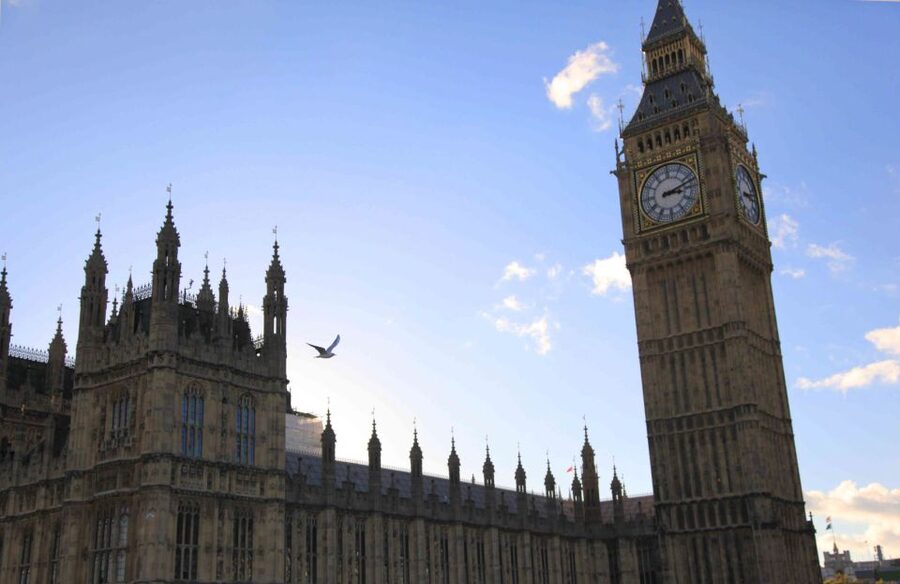
- Westminster Stops That Hit Hard: Big Ben, Parliament, Abbey, and Downing Street
- Where the Walking Tour Ends: The Cenotaph Moment
- Churchill’s War Rooms: Touring a Bunker That Still Feels Active
- The Rooms That Explain the War: Maps, Signals, Telephone Rooms, and Kitchen Life
- Churchill’s Voice in the Rooms: Speeches, Personal Life, and the Roosevelt Link
- Group Experience and Headsets: What Helps You Hear the Story
- Time, Pace, and Physical Reality: Comfort Shoes Matter
- Cost and Value: What $59 Buys You in One Shot
- Should You Book This Westminster WW2 Tour and Churchill’s War Rooms Visit?
- FAQ
- Where does the tour meet?
- What is the meeting point if I arrive by tube?
- Is Westminster Abbey included inside?
- How much time do I spend at Churchill’s War Rooms?
- Do I get an audio guide inside the War Rooms?
- Are strollers allowed?
- Is the tour suitable for wheelchair users or limited mobility?
Key Things You’ll Remember From This Tour
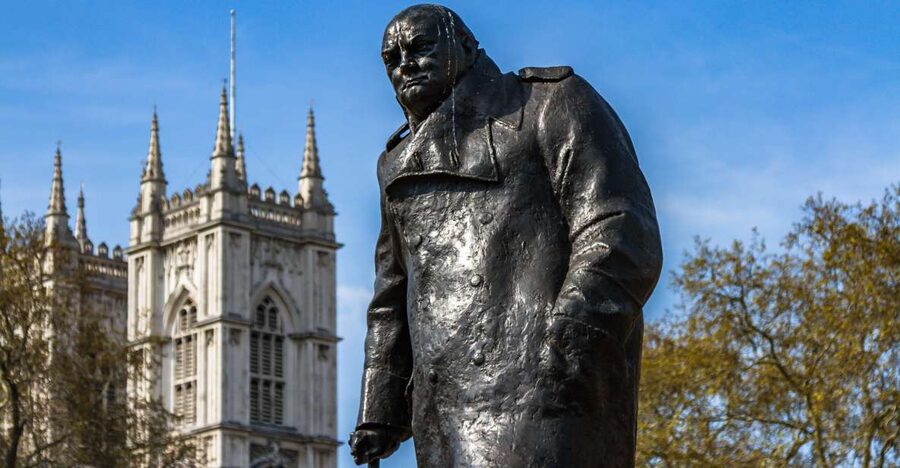
- A Westminster walking route built around WWII pressure points, including stops tied to 10 Downing Street and Parliament’s wartime setting
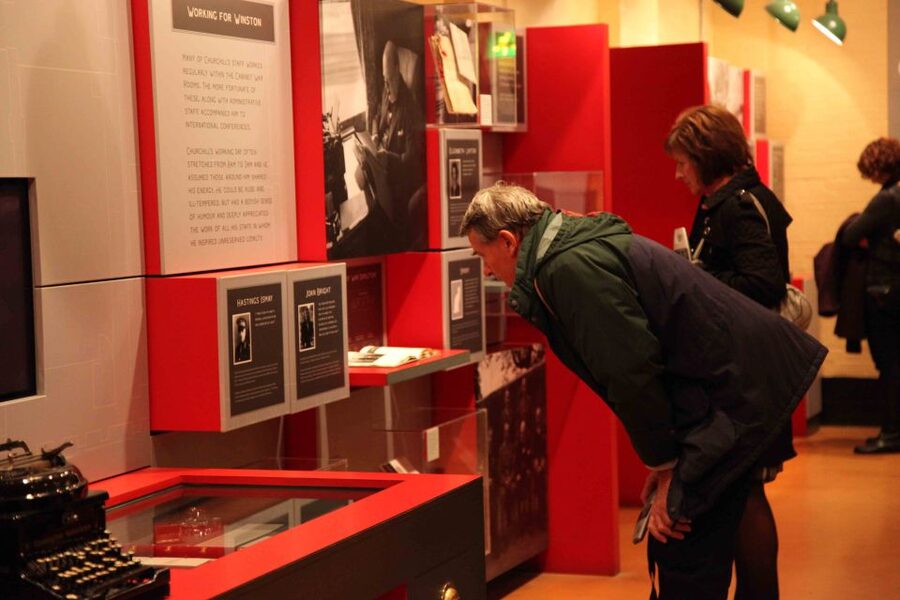
- Churchill’s War Rooms preserved like a 1945 blackout, with original room details and interpretive cues
- Audio highlights you can trigger yourself, including authentic Churchill speeches and room-by-room explanations
- Transatlantic Telephone Room stories, linking Churchill’s team to President Roosevelt’s influence during the war
- Practical headsets during the walk, so you don’t miss the guide when the street gets loud
Big Ben and the Abbey: a few more routes
- London: Westminster to Greenwich River Thames Cruise
★ 4.5 · 22,836 reviews - London: Westminster to Tower Bridge River Thames Cruise
★ 4.5 · 6,127 reviews - London: Westminster Abbey, Big Ben & Buckingham Guided Tour
★ 4.8 · 3,240 reviews - Westminster to Greenwich Sightseeing Thames Cruise in London
★ 4.5 · 2,969 reviews
Westminster Under Fire: How the Walk Frames Everything
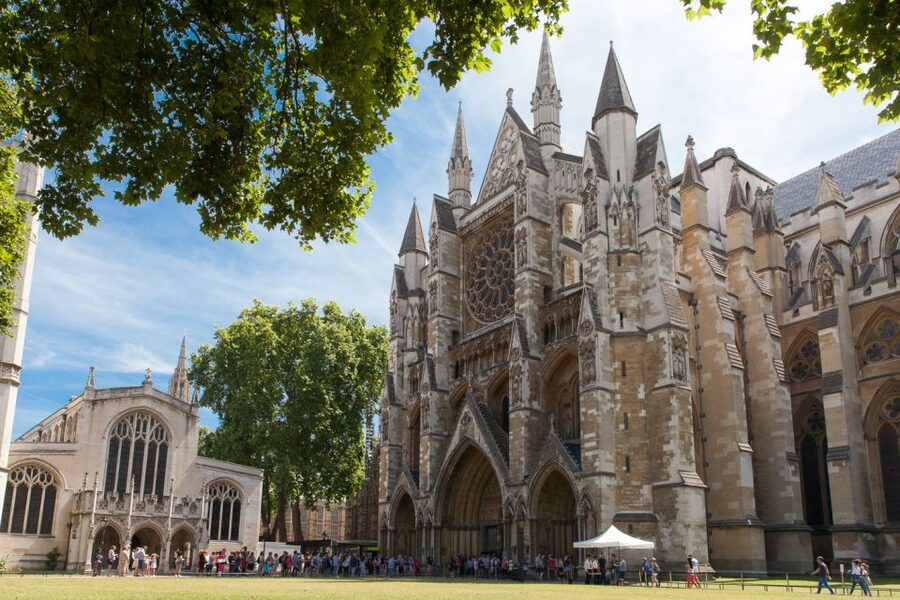
This tour works because it starts above ground, where the war was visible. Westminster wasn’t just a fancy part of London—it was government. And government means targets.
You begin with a short guided orientation in the Westminster area, then you move stop-by-stop through major landmarks that made wartime headlines. The message you get from the walk is clear: London’s political center wasn’t sealed off from danger. It was right in the middle of it, with the surrounding district absorbing bombing, panic, and constant coordination.
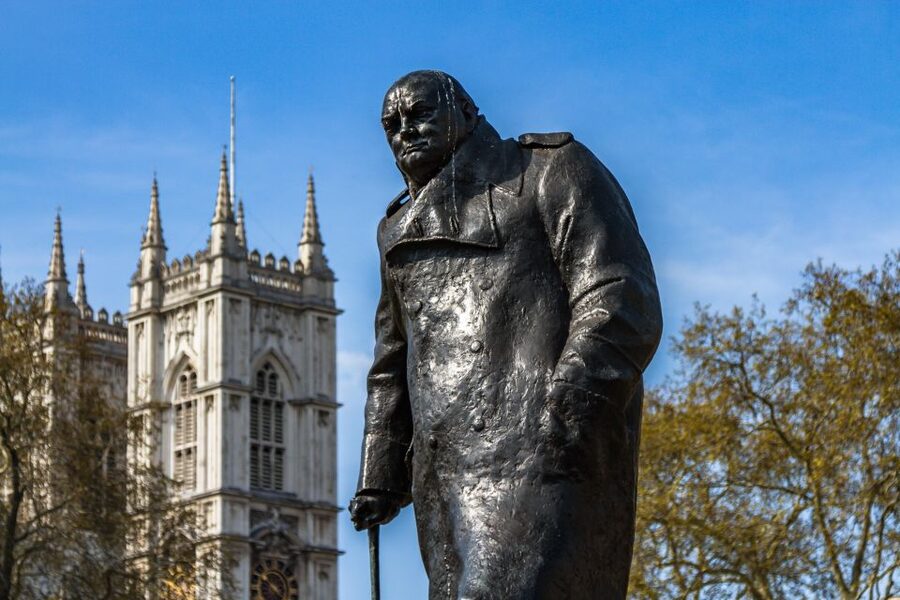
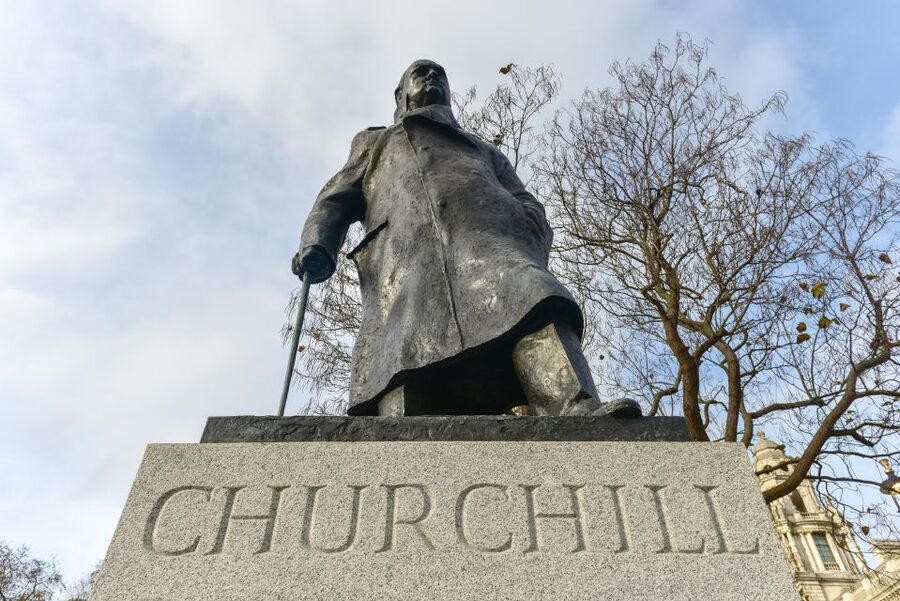
As you go, your guide explains how Westminster also hosted governments and monarchs in exile—leaders displaced as Germany pushed across Europe. That context matters, because it shows London wasn’t only defending itself; it was also managing the wider wartime political chessboard. One stop focuses on the Women of World War II monument, another on Churchill’s presence in public memory, and the route ends at the Cenotaph, the UK’s major national war memorial.
If you like history that connects to street corners and power centers, this framing is exactly why the War Rooms visit lands harder afterward.
Westminster Stops That Hit Hard: Big Ben, Parliament, Abbey, and Downing Street
The walking portion is built around quick photo stops and tight explanations, which is smart in a city where time disappears fast.
Here’s what you can expect as you move through the sights:
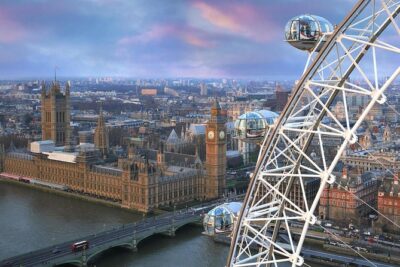
- Big Ben photo stop: You get a chance to register the scale of the place, not just the tower itself. The guide’s job is to connect what you see now with how people experienced it during the blitz.
- Houses of Parliament photo stop: The focus is political gravity—how Parliament and the surrounding government machinery mattered when the stakes were existential.
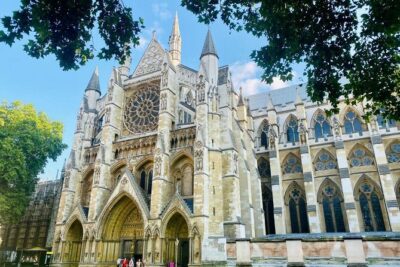
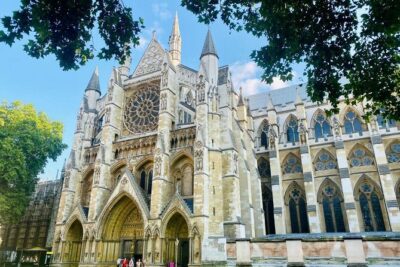
- Westminster Abbey photo stop: You’re not going inside on this tour, but you do get the setting. Even outside, the Abbey helps anchor the idea that this neighborhood carries centuries of national meaning.
- 10 Downing Street photo stop + the Churchill link: The most valuable part here is the narration. Churchill’s relationship with the Prime Minister’s office is central to why the War Rooms exist in the first place. In the War Rooms visit later, you’ll also see the original door to 10 Downing Street that he used after becoming prime minister—so the walk sets that up perfectly.
A small timing note that helps you plan your expectations: these are mostly photo stops, not long museum-style waits. That keeps the group moving toward the underground, where the experience really changes gears.
Where the Walking Tour Ends: The Cenotaph Moment
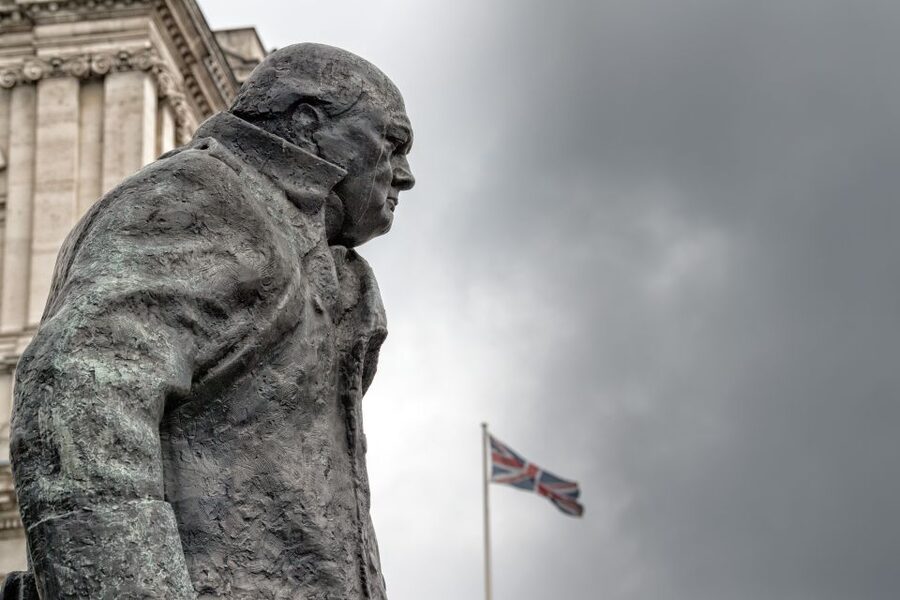
The route’s emotional finish is the Cenotaph, a memorial that still acts like a focal point for national remembrance. Even if you’ve seen it in passing before, getting there as part of a WWII story changes how it feels.
I like that this tour doesn’t just jump from landmark to bunker. It slows down long enough for you to connect the dots: this was a war that cost lives across the whole country, not only inside government offices.
If you’re going in on a sunny day, this is also where you can usually get a breather before heading underground. If it’s wet, you’ll be glad the walking portion is relatively efficient and headset-guided.
Still deciding? A handful more London outings we rated

Churchill’s War Rooms: Touring a Bunker That Still Feels Active
Then you go underground—into a maze of rooms that served as operational control during WWII. This is the real payoff.
You’ll visit the Churchill Museum area first, then move into the War Rooms itself. Your tour includes an audio guide, and the guide won’t be with you inside. That sounds like a drawback to some people, but I think it’s a smart format: you’re free to linger over the rooms that pull you in, and you can pause to read at your own pace.
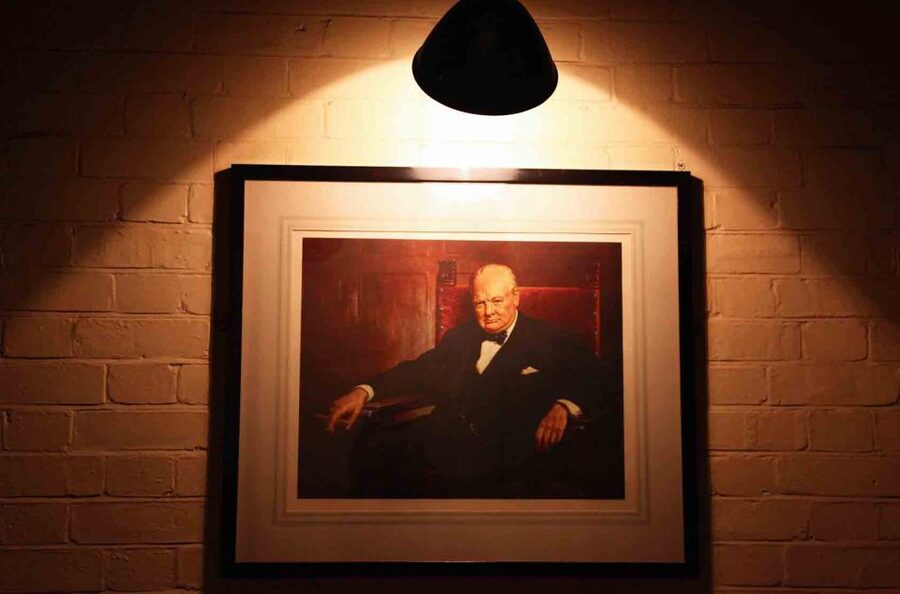
The standout detail is preservation. The War Rooms were kept exactly as they were on the day the lights were switched off in 1945, including signs showing the weather outside. That kind of staging doesn’t just look old—it creates the feeling that time stopped and someone forgot to erase the moment.
As you move deeper, you’ll see how life continued underground, mixing life-and-death strategy with ordinary needs. This is where the rooms stop being a concept and become a working space.
The Rooms That Explain the War: Maps, Signals, Telephone Rooms, and Kitchen Life
The War Rooms aren’t only about speeches and big decisions. They’re about systems.
You’ll learn how Churchill’s team used the underground layout to plan and monitor wartime operations, including the work that went into deciphering enemy communications and tracking army movements. The audio guide points out how planning happened in rooms full of maps, charts, and constant information flow.
One particularly memorable thread is the Transatlantic Telephone Room, tied to Churchill’s special relationship with President Roosevelt. The room is presented as a place for top-secret conversation and coordination. If you care about the human side of strategy—how leaders spoke, not just what they decided—this section gives you a tangible setting for the diplomacy.
Then the tour shifts to the everyday stuff that makes the whole experience more real: you’ll see details about Churchill’s kitchen and how personal life and operational needs blended below ground. You’ll also hear about the surprising topic of sun lamps used to support vitamin D levels, because even when you’re in a protected bunker, your body still needs the basics.
And one of the most haunting elements is the note that many families of workers couldn’t even know what their loved ones did down there. That’s not just a war story—it’s a reminder that secrecy wasn’t only for enemies. It shaped normal life too.
Churchill’s Voice in the Rooms: Speeches, Personal Life, and the Roosevelt Link
If you’re coming for Churchill, the War Rooms deliver more than plaques.
The audio guide includes authentic Churchill wartime speeches, and hearing those voices while you’re surrounded by the rooms where decisions were made creates a strong cause-and-effect feeling. It’s one thing to read about speeches in a book; it’s another to hear them while standing in the exact machinery of wartime communication and planning.
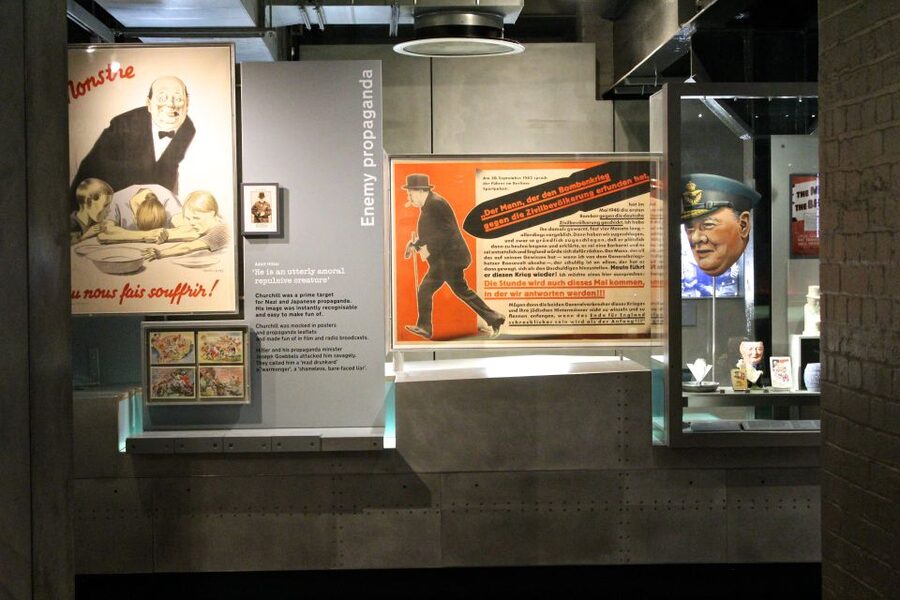
The museum and audio also cover Churchill’s legacy across both public and private life. You’ll hear stories about his relationship with his wife, plus the larger picture of his leadership and influence. I found it useful that the tour doesn’t treat Churchill like a statue. It treats him like a person operating under pressure, with real constraints and real tradeoffs.
The Roosevelt thread is also handled in a grounded way: it’s not just name-dropping. It ties back to rooms and tools that supported coordination across the Atlantic.
Group Experience and Headsets: What Helps You Hear the Story
The Westminster walk includes headsets, and this is a big deal in central London. Busy streets chew up sound. Headsets keep the guide’s commentary clear and reduce the need to crane your neck toward someone in front of you.
In the feedback, guides such as Paul, Michael, Maggie, and Dave are often praised for mixing humor with clean explanations, which makes the WWII context stick. You also get small course corrections during the walk—your guide helps keep the group together and gets everyone to the War Rooms smoothly.
One practical consideration: in very few cases, people reported minor headset audio troubleshooting mid-experience. It seems like a technical glitch more than a pattern, but it’s worth knowing. When you’re handed equipment, take 30 seconds to confirm you can hear clearly.
Time, Pace, and Physical Reality: Comfort Shoes Matter
This is a 2.5-hour experience, with about 1 hour for the walking tour and around 1.5 hours for the War Rooms and museum time.
You should assume you’ll be standing and walking most of the time. You’ll want comfortable shoes, because Westminster’s sidewalks are uneven in places, and the area around the station is busy. Also, the tour does not allow baby strollers, and it is not suitable for mobility impairments or wheelchair users, so plan alternative options if accessibility is a concern for you.
Weather is another real factor. The walk is outdoors, and London can switch moods quickly. If you’re going during hot spells, expect that the guide may adjust where you listen and stop so the group can stay comfortable.
Cost and Value: What $59 Buys You in One Shot
At about $59 per person, you’re paying for more than museum entry. You’re buying three things together:
- A guided Westminster context walk that prepares you for what you’ll see underground
- Reserved entry and audio support for Churchill’s War Rooms
- A tour structure that keeps you from wandering in the dark—literally and figuratively—once you reach the bunker
I like bundled experiences when they reduce decision fatigue. Here, you’re not choosing between a walking tour and the War Rooms. You’re getting the story in sequence: street-level Westminster first, underground operations second.
That value tends to matter most if you don’t want to spend time researching where to go and what to pay attention to. If you’re the type who likes context, you’ll feel like you got your money’s worth fast.
Should You Book This Westminster WW2 Tour and Churchill’s War Rooms Visit?
Book it if you want a WWII experience that’s both practical and emotional. You’ll get the Westminster setting, the political stakes, and then the bunker reality—plus authentic Churchill audio in the rooms where strategy was carried out. It’s especially worth it if Churchill and the Roosevelt connection are your thing, or if you want to understand how London’s government kept functioning under bombardment.
Skip it (or think twice) if you need a fully accessible route, or if you prefer relaxed, minimal-walking museum browsing. The core experience is walking first and then underground exploration, so it’s best for people who can handle a concentrated half-day.
Provider note: This tour is run by City Wonders Ltd. UK.
FAQ
Where does the tour meet?
Meet your guide outside Westminster Station.
What is the meeting point if I arrive by tube?
Follow signs for Exit 2 Victoria Embankment, take the stairs to street level, and meet at the top of the stairs behind the statue of Boadicea on a chariot.
Is Westminster Abbey included inside?
No. Westminster Abbey is a photo stop, not a visit.
How much time do I spend at Churchill’s War Rooms?
About 1.5 hours, and it’s self-guided once you enter, with an audio guide.
Do I get an audio guide inside the War Rooms?
Yes. The War Rooms visit includes an audio guide.
Are strollers allowed?
No, baby strollers are not allowed.
Is the tour suitable for wheelchair users or limited mobility?
No. It is not suitable for people with mobility impairments or wheelchair users.
More Tours in London
- From London: Harry Potter Warner Bros Studio Tour
★ 4.7 · 26,588 reviews - Magical London: Harry Potter Guided Walking Tour
★ 4.7 · 22,044 reviews - London: Warner Bros. Studio Harry Potter Tour & Branded Bus
★ 4.7 · 19,194 reviews - London Big Bus Hop-On Hop-Off Tour with Optional River Cruise
★ 3.5 · 10,803 reviews - London Small Group Tour of Historical Pubs
★ 5.0 · 10,422 reviews
More Tour Reviews in London
- From London: Harry Potter Warner Bros Studio Tour
★ 4.7 · 26,588 reviews - London: Westminster to Greenwich River Thames Cruise
★ 4.5 · 22,836 reviews - Magical London: Harry Potter Guided Walking Tour
★ 4.7 · 22,044 reviews - London: Madame Tussauds London
★ 4.6 · 20,915 reviews - London: Warner Bros. Studio Harry Potter Tour & Branded Bus
★ 4.7 · 19,194 reviews
Around Westminster, Keep Going
- London: Westminster to Greenwich River Thames Cruise
★ 4.5 · 22,836 reviews - London: Westminster to Tower Bridge River Thames Cruise
★ 4.5 · 6,127 reviews - London: Westminster Abbey, Big Ben & Buckingham Guided Tour
★ 4.8 · 3,240 reviews - Westminster to Greenwich Sightseeing Thames Cruise in London
★ 4.5 · 2,969 reviews - London’s Palaces & Parliament Tour (See Over 20+ London Top Sights)
★ 5.0 · 1,609 reviews
Just reviewed around London





Westminster Tours, compared.
 ★ 4.5Westminster to Greenwich River Thames CruiseFrom $2222,836 reviews
 ★ 4.5Westminster to Tower Bridge River Thames CruiseFrom $186,127 reviews
 ★ 4.8Westminster Abbey, Big Ben & Buckingham Guided TourFrom $553,240 reviews
 ★ 4.5Westminster to Greenwich Sightseeing Thames Cruise in LondonFrom $222,969 reviews
 ★ 5.0London’s Palaces & Parliament Tour (See Over 20+ London Top Sights)From $301,609 reviews
 ★ 5.0Westminster Guided Walking Tour with Abbey EntryFrom $1221,282 reviews
 ★ 4.5Walking Tour of London Westminster Abbey, Big Ben, BuckinghamFrom $951,213 reviews
 ★ 5.0Westminster 3 Hour Walking Tour and Visit of Churchill War RoomsFrom $135967 reviews
Browse the lists this tour appears in