
Reviewed · MUSEUMS
London: Tours of National Portrait Gallery
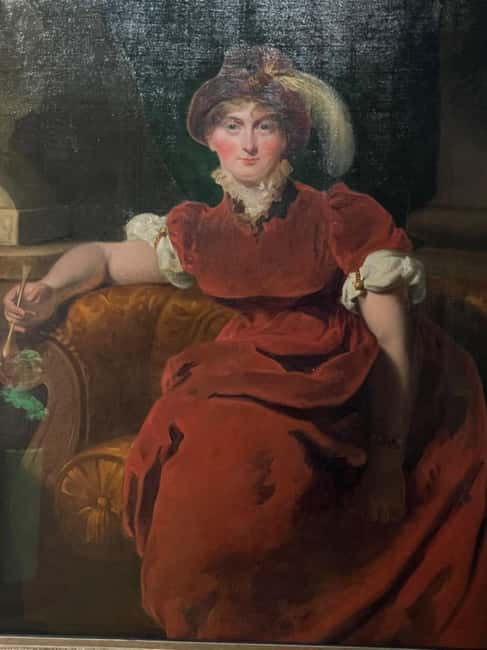
Portraits tell the truth about power. This guided visit to the National Portrait Gallery uses 10 iconic paintings to walk you through 500 years of British history, from Tudor court drama to the fight for votes for women, all with Marie guiding the conversation. It’s history you can see, not just read.
What I like most is how the tour keeps the people in the spotlight. You’re not only absorbing dates and reigns; you’re hearing the personal stuff too—betrayal, imprisonment, child marriages, and even beheadings—so the portraits feel human. The other standout is the option featuring women who changed history, spotlighting fighters, spies, queens, and innovators. One consideration: 90 minutes is a tight schedule, so if you want long, quiet time with just one artwork, you may feel slightly rushed.
In This Review
- Key Things to Know Before You Go
- Why 10 Portraits Feel Like a Time Machine
- Meeting on Ross Place: Henry Irving and the Busts
- The Tudor-to-Suffragette Story Arc in 90 Minutes
- Marie’s Storytelling: Humor, Clarity, and Real People
- Option 2: Women Who Changed History (Fighters, Spies, Queens)
- Price and Value: Paying $24 for Ten Portrait Stories
- Best For Who? And When to Go
- Should You Book This National Portrait Gallery Portrait Tour?
- FAQ
- How long is the London National Portrait Gallery tour?
- Where do I meet the guide?
- Does the tour include entry to the National Portrait Gallery?
- What does the tour cover?
- Is there a women-focused option?
- Is the tour indoors?
- What language is the guide?
- Is the tour wheelchair accessible?
- What should I wear or bring?
- Is it a good rainy-day plan?
Key Things to Know Before You Go
- Marie’s portrait picks matter: you’ll hear stories that connect the subject’s life to what you see on the canvas.
- 10 portraits, 500 years: the tour’s timeline runs from Tudors to suffragettes, with major turning points along the way.
- Human stories, not just monarchs: you’ll get achievements plus the hard personal adversity behind them.
- Women-only Option 2: if you choose it, the focus stays on women such as fighters, spies, queens, and innovators.
- Indoors and weather-proof: it’s designed for cold or wet days since you’re touring inside.
- Meet by Henry Irving’s statue and busts: you’ll have a clear indoor meeting point right after security.
Still deciding? A handful more London outings we rated
- Tower of London and Crown Jewels Exhibition Ticket
★ 4.5 · 6,677 reviews - London: Chelsea Football Club Stadium and Museum Tour
★ 4.8 · 4,576 reviews - Chelsea FC Stadium Tours and Museum
★ 5.0 · 1,908 reviews - London: British Museum Guided Tour
★ 4.3 · 1,182 reviews
Why 10 Portraits Feel Like a Time Machine
The National Portrait Gallery can look intimidating at first. It’s big, and there’s a lot to see. This tour avoids that problem by giving you a guided path through 10 carefully chosen portraits that, together, sketch a sweeping story of British life and power.
The tour’s time span is the hook: it covers about 500 years. You start with the Tudor era, including the brutal legend of a king who beheaded two of his wives, and you move forward to the beginning of the twentieth century with the fight for votes led by the suffragettes. In between, the focus shifts across categories you don’t always get in a quick museum visit—tyrannical monarchs, inventors, revolutionaries, and social-justice fighters.
Here’s the real value for you: instead of treating history like a timeline, the tour treats it like a chain of choices and consequences. Portraits are perfect for that. The face, costume, and pose are all part of the message, and your guide connects those visual details to what happened in the person’s life.
And yes, it’s still an art experience. You’re meant to admire each portrait up close while someone explains what makes that person matter.
Meeting on Ross Place: Henry Irving and the Busts
Logistics here are simple, but they’re specific—so you’ll want to arrive a few minutes early.
You meet at the main entrance on Ross Place, with the statue of Henry Irving outside. Then you go inside and meet on the left after security. The good news: you won’t be wandering in circles. You’ll see a series of busts on plinths in front of you, and your meeting point is in front of those busts.
This matters more than it sounds. In museums, delays can quietly spiral. A clear indoor meeting spot keeps the whole thing calm and organized, and that’s exactly what you want for a 90-minute experience.
The Tudor-to-Suffragette Story Arc in 90 Minutes
The tour runs about one hour and thirty minutes, indoors, so it’s a smart pick when London weather is being London weather—cold, rainy, or windy. The pace is designed for momentum: you’ll move from portrait to portrait while your guide tells the stories behind them.
Even though the exact portraits aren’t listed in the details you’re given, the story arc is very clear. I love that it doesn’t stay stuck in one theme. It keeps switching lenses:
- Tudor power and its consequences: You begin with the court side of history, where status can mean survival—or death. The tone is direct, including the shocking realities of beheadings and dynastic cruelty.
- Ambition, invention, and upheaval: As you move forward, the focus expands beyond rulers. You get inventors and revolutionaries in the mix, which helps you see how change didn’t come only from thrones.
- Social justice and the cost of fighting: The tour includes people who challenged unfair systems. You’ll hear about adversity like imprisonment and betrayal—because activism and reform often come with a personal price.
- The suffragettes and the fight for votes: The ending lands at the start of the twentieth century, where the struggle for women’s voting rights takes center stage.
What’s especially useful for you is that the tour covers the public and private sides of major historical figures. You’ll hear about achievements, but you’ll also hear about the personal lives behind the paint—child marriages, betrayals, imprisonment, and executions. That blend is what makes the portraits more than decoration.
One more thing: this is described as an art tour where the subjects take center stage. In plain terms, you’ll spend your time looking at faces, symbols, and expression—not trying to figure out what to read from a wall text alone.

Marie’s Storytelling: Humor, Clarity, and Real People
A great portrait guide doesn’t just describe what you see. She helps you understand why the subject is being portrayed this way, and how that portrayal connects to the person’s story.
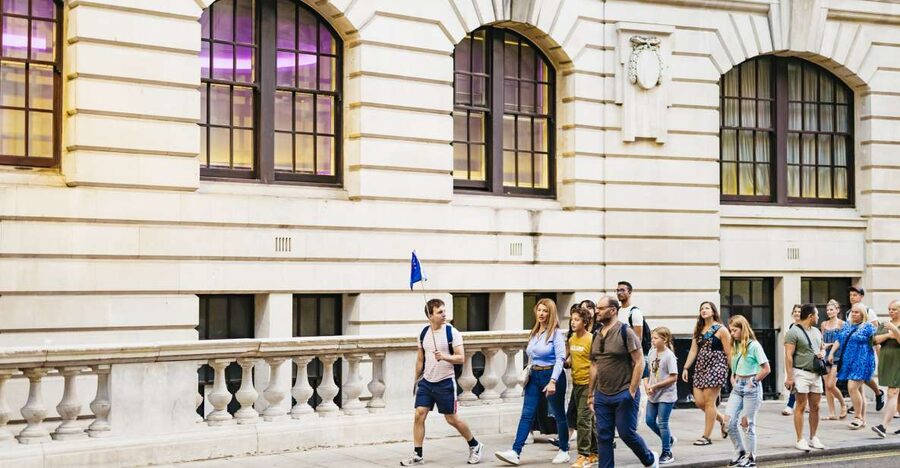
In this case, the guide is Marie. Multiple comments highlight her as professional, knowledgeable, and easy to follow, with a good sense of humour. That combination matters. Museums can be quiet and formal. A guide with humour keeps you listening, and it also helps the heavier topics—imprisonment, betrayal, executions—stay understandable rather than grim.
One review point that I think will help you decide: the tour is built so that after you finish, you walk away feeling like the 90 minutes were well spent. That’s often not true with museum “highlights” tours, where you feel like you blinked and missed everything. Here, the structure is tight: 10 portraits means you’re not racing through a blur of rooms.
Another helpful detail: Marie’s approach includes support and respect for older guests. One review specifically mentioned that she treated a 77-year-old guest with great respect and helped them, which is a good sign if you prefer a guide who reads the room and adjusts.
If you’re the type of person who enjoys hearing how history shaped people’s daily lives—not just political outcomes—this tour is a strong match.
Option 2: Women Who Changed History (Fighters, Spies, Queens)
If you like your history with a sharper focus, choose the women-focused version, labeled Option 2.
Instead of the full mixed timeline, Option 2 spotlights women as the driving force of the story—fighters, spies, queens, and innovators. The tour still follows the portrait format, with the same idea that the person in the painting is the main character, but it filters the cast.
This is valuable because it changes what you notice. In a traditional overview tour, women often appear as footnotes to male rulers or male movements. Here, the selection is designed so that women are not background; they’re the subject.
And since the tour stories include tough realities—like child marriages, imprisonment, betrayal, and beheadings—you shouldn’t expect this option to be soft or strictly inspirational. It’s inspirational, yes, but it also acknowledges what it cost to change things.
If you’re wondering which option to choose, ask yourself this: do you want a full 500-year sweep across power, invention, and reform? Then the main tour fits. Want a focused tour where the women take center stage throughout? Then Option 2 is the better fit.
Price and Value: Paying $24 for Ten Portrait Stories
At $24 per person, this tour is priced like a solid guided experience rather than a budget add-on. The biggest reason it feels like value is what you don’t pay separately: there is no entry fee to the National Portrait Gallery included with the tour.
So your money is mostly going toward the guide and the curated set of portraits. For a museum setting, that can be a bargain if you’re the type of visitor who likes a human explanation—especially when the guide is talking through 10 portraits instead of just pointing and moving on.
Timing also supports the value. You get 1.5 hours indoors, which can be easier to fit into a London day than longer museum tours. It’s long enough to build a story, but short enough that you don’t feel stuck when your energy runs out.
Group options can also make a difference. It’s described as private or small groups available, so you have a better chance at asking questions or receiving more personal attention than you would with a huge coach tour.
Best For Who? And When to Go
This tour suits you if you:
- Want an art-and-history mashup, where portraits are the central object
- Like story-driven explanations of major historical figures, including personal stakes
- Prefer a structured route in a museum with lots of distractions
- Need an indoor option for rain or cold
- Are interested in women’s roles in shaping history, especially through Option 2
It may not be perfect if you:
- Want to linger for a long time at a small number of artworks
- Don’t like tours that move efficiently between multiple stops (10 portraits is the plan)
One more tip from a practical angle: there’s mention of an evening tour being calmer, with the gallery feeling more chilled and less crowded. If you can choose your time slot, an evening option can make the guide’s storytelling feel even more relaxed.
Should You Book This National Portrait Gallery Portrait Tour?
I’d book it if you want a guided museum visit that makes the people in the paintings feel real—and you’re happy with a fast but thoughtful 90-minute structure. The combination of Marie’s portrait storytelling, the clear timeline from Tudor power to suffragettes, and the option to focus on women who changed history gives you choices without turning the day into a messy plan.
If you’re deciding between the mixed tour and Option 2, pick based on what you want to learn most. The main tour gives you the big sweep. Option 2 lets you see the women at the center of the story, where they belong.
FAQ
How long is the London National Portrait Gallery tour?
It lasts about 1.5 hours.
Where do I meet the guide?
Meet at the main entrance on Ross Place, by the statue of Henry Irving outside. Go inside and meet on the left after security, in front of the busts on plinths.
Does the tour include entry to the National Portrait Gallery?
Yes. There is no entry fee to the National Portrait Gallery with the tour.
What does the tour cover?
It covers stories behind 10 iconic portraits and includes about 500 years of British history, ending with the fight for votes for women by the suffragettes.
Is there a women-focused option?
Yes. Option 2 is a special tour featuring great women who changed history, including fighters, spies, queens, and innovators.
Is the tour indoors?
Yes, the tour takes place indoors, which makes it suitable for cold or wet weather.
What language is the guide?
The live tour guide speaks English.
Is the tour wheelchair accessible?
Yes, it is wheelchair accessible.
What should I wear or bring?
Wear comfortable shoes.
Is it a good rainy-day plan?
Yes. Since it’s indoors, it works well on cold or wet days.
More Museums in London
- Tower of London and Crown Jewels Exhibition Ticket
★ 4.5 · 6,677 reviews - London: Chelsea Football Club Stadium and Museum Tour
★ 4.8 · 4,576 reviews - Chelsea FC Stadium Tours and Museum
★ 5.0 · 1,908 reviews - London: British Museum Guided Tour
★ 4.3 · 1,182 reviews - Official tickets: Moco Modern & Contemporary Art Museum
★ 4.5 · 1,157 reviews
More Tours in London
- From London: Harry Potter Warner Bros Studio Tour
★ 4.7 · 26,588 reviews - Magical London: Harry Potter Guided Walking Tour
★ 4.7 · 22,044 reviews - London: Warner Bros. Studio Harry Potter Tour & Branded Bus
★ 4.7 · 19,194 reviews - London Big Bus Hop-On Hop-Off Tour with Optional River Cruise
★ 3.5 · 10,803 reviews - London Small Group Tour of Historical Pubs
★ 5.0 · 10,422 reviews
More Tour Reviews in London
- From London: Harry Potter Warner Bros Studio Tour
★ 4.7 · 26,588 reviews - London: Westminster to Greenwich River Thames Cruise
★ 4.5 · 22,836 reviews - Magical London: Harry Potter Guided Walking Tour
★ 4.7 · 22,044 reviews - London: Madame Tussauds London
★ 4.6 · 20,915 reviews - London: Warner Bros. Studio Harry Potter Tour & Branded Bus
★ 4.7 · 19,194 reviews
Just reviewed around London





Museums, compared.
 ★ 4.5Tower of London and Crown Jewels Exhibition TicketFrom $496,677 reviews
 ★ 4.8Chelsea Football Club Stadium and Museum TourFrom $434,576 reviews
 ★ 5.0Chelsea FC Stadium Tours and MuseumFrom $441,908 reviews
 ★ 4.3British Museum Guided TourFrom $231,182 reviews
 ★ 4.5Official tickets: Moco Modern & Contemporary Art MuseumFrom $361,157 reviews
 ★ 5.0British Museum London Guided Tour Semi-Private 8ppl MaxFrom $108984 reviews
 ★ 4.2Jack the Ripper Museum TicketsFrom $18894 reviews
 ★ 4.9British Museum Guided Tour with Entrance TicketsFrom $39748 reviews
Browse the lists this tour appears in