
Reviewed · GUIDED
London: The Lost Tunnels of Euston Station Guided Tour
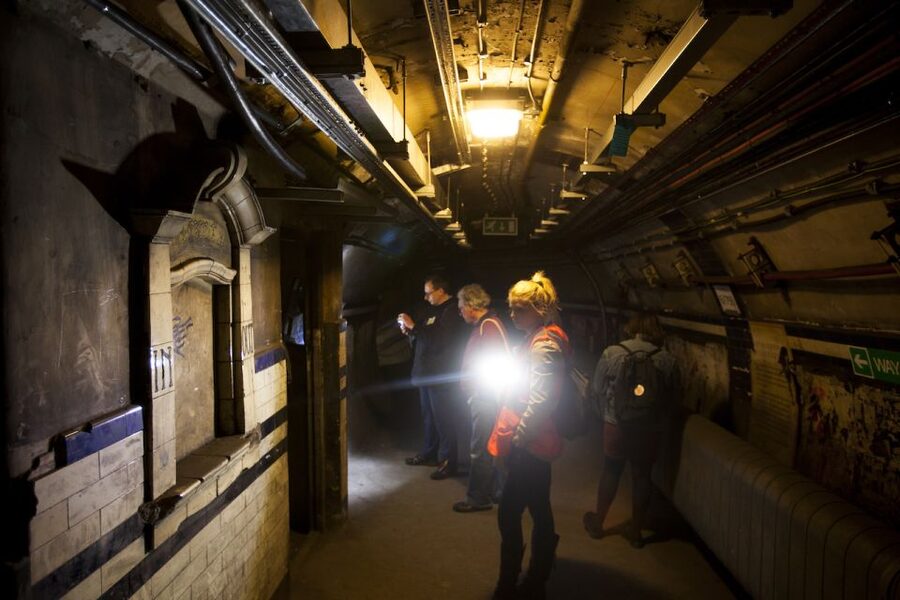
You feel like you’re stepping off the normal London map. This 75-minute walk through Euston Underground’s disused tunnels turns the station inside-out, with dusty passageways, vintage posters, and a view most people never get. I especially like the expert guide storytelling plus the photo moments built into the route, including that secret-looking spot where you can look down toward the Victoria Line. One heads-up: it’s low-lit, includes stairs and uneven ground, and there are no toilets on the tour.
What makes it work is that you’re not just looking at old spaces. You’re hearing why certain areas closed, what Rail and Tube changes are meant to fix, and what Euston is becoming as High Speed 2 (HS2) pushes the station toward a new future. The guides I saw in this series include Scott and Anthony, and both were friendly, with enough time for pictures while still keeping the group moving.
If you’re claustrophobic or you need step-free access, this is probably the wrong kind of London adventure. The tour is not suitable for people with mobility impairments, and it’s also not suitable for people with claustrophobia.
In This Review
- Key points worth knowing before you go
- Finding the south-exit start at Euston Square (don’t wing it)
- What the 75 minutes feels like underground at Euston
- The disused tunnels: where old infrastructure becomes a story
- Vintage posters hidden for over 50 years (and why that detail sticks)
- Leslie Green surroundings: seeing the station before the future bulldozes it
- HS2 at Euston: why a high-speed future depends on underground plumbing
- The secret ventilation shaft view of Victoria Line trains
- Price and value: is $60.61 worth 75 minutes underground?
- Who should book, and who should skip it
- Practical tips that make the tour better
- Should you book the London Lost Tunnels of Euston Station?
- FAQ
- Where is the meeting point for the Euston tunnels tour?
- How long is the guided tour?
- What is included in the price?
- Is the tour suitable for children?
- Are toilets available during the tour?
- Is the tour accessible for people with mobility impairments or claustrophobia?
Key points worth knowing before you go
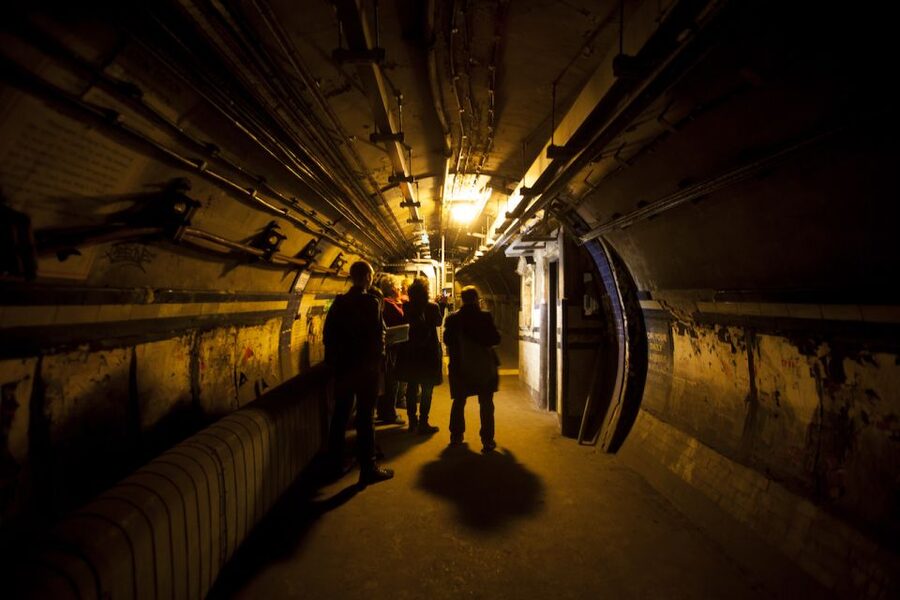
- Disused Euston Underground passageways you can only reach with a guide
- Vintage advertising posters hidden for decades, now brought back into view
- HS2 context: how High Speed 2 will reshape Euston as a Midlands terminus
- A rare peek from a ventilation shaft looking down on Victoria Line trains
- Small-group energy can make photo time feel unhurried
Still deciding? A handful more London outings we rated
- Magical London: Harry Potter Guided Walking Tour
★ 4.7 · 22,044 reviews - London: Emirates Stadium Entry Ticket and Audio Guide
★ 4.7 · 5,513 reviews - London: Christmas Lights Bus Tour With Live Guide
★ 4.0 · 5,410 reviews - Stonehenge, Windsor Castle and Bath Full Day Guided Tour
★ 4.5 · 5,346 reviews
Finding the south-exit start at Euston Square (don’t wing it)
The tour begins at the south exit of Euston Square station, NW1 2BF, right on the corner of Gower Street and Gower Place. The tour listing gives a helpful way to navigate: what3words baked.bend.worry. There’s more than one entrance at Euston Square, so I’d aim to arrive early and line up at the correct glass façade entrance on the hospital side of Euston Road.
Bring comfortable shoes. You’re not doing a quick stroll on flat pavement; you’ll be walking through low lighting and uneven ground, then switching between stairs and corridors. This is exactly the kind of tour where good footwear matters more than what you’re wearing on top.
Also, plan your timing around the fact there are no toilets along the way. That sounds minor until you’re standing in a stair-heavy underworld and realize you can’t duck out.
What the 75 minutes feels like underground at Euston
You’ll spend about 75 minutes moving through a mix of underground corridors and disused areas, which means the experience has a “walk, stop, listen, look” rhythm. Your guide leads you like a walking history lesson, but with real physical landmarks: passageways, old station elements, and hidden viewpoints.
The lighting is part of the point. Expect low lighting as you go, plus dusty and dark stretches where you’ll want your eyes to adjust. If you’re sensitive to cramped spaces, treat this as a serious warning: the tour is explicitly not suitable for claustrophobia.
The pace is guided, not race-walk. In short tours like this, the best ones keep the group together while still giving you time to look closely. The guides Scott and Anthony were praised for friendly explanations and for giving time for pictures, so if photography matters to you, this is the kind of tour where it shouldn’t feel like you’re being rushed past everything.
The disused tunnels: where old infrastructure becomes a story
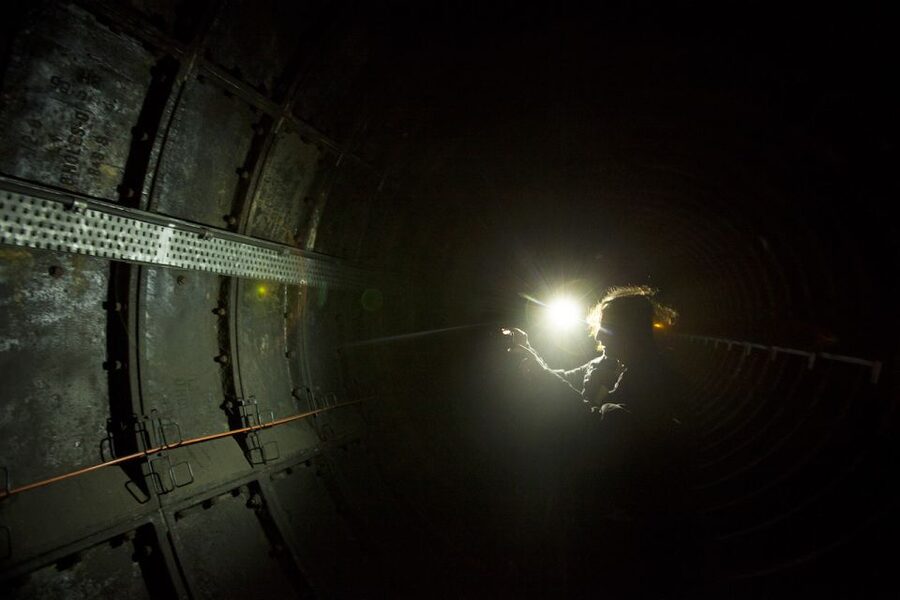
The main event is the labyrinth of disused tunnels under Euston. It’s easy to walk past a modern Tube station and assume everything you see is recent. This tour reframes that idea fast: you’re shown a second London, one built for earlier decades of how people moved, waited, and traveled.
As you move through the passages, you start noticing how station design isn’t just about trains. It’s ventilation, circulation routes for staff and passengers, maintenance access, and the many small systems that keep service running. That’s why the experience feels more meaningful than simply seeing old brick and signage: you begin to understand the station as an organism with hidden parts.
You’ll also hear about why these spaces are closed today and what’s been done to improve Tube service. That kind of “why it changed” context matters, because it connects what you see underground to how London’s network functions now.


Vintage posters hidden for over 50 years (and why that detail sticks)
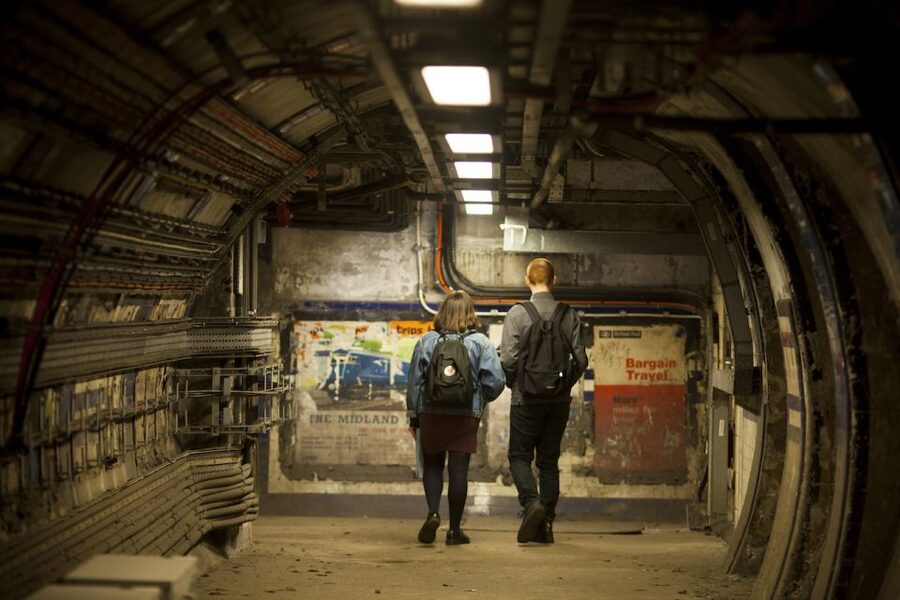
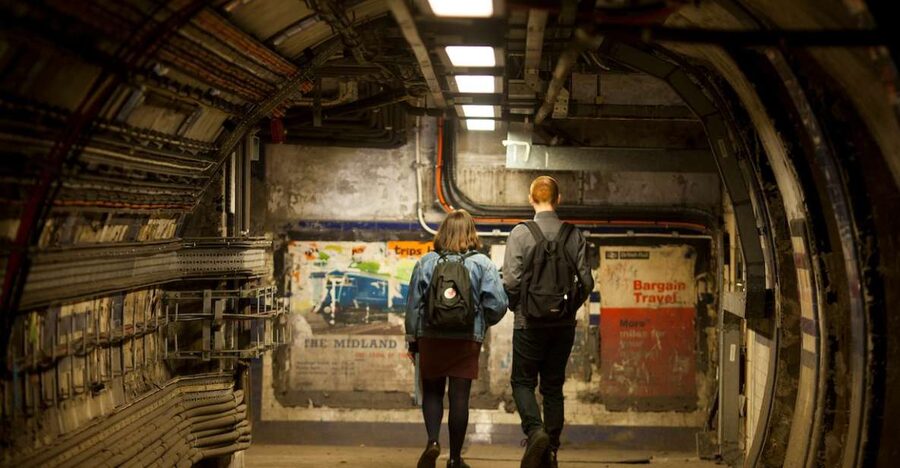
One of the best moments comes when the guide points out remnants of vintage advertising posters that were concealed for over 50 years. It’s a small detail in description, but it lands big in person. Old posters are more than décor; they’re snapshots of what the station wanted you to buy, notice, or believe at the time.
I like this kind of stop because it makes you slow down. You’re not just walking through darkness; you’re hunting for shapes, colors, and text in places where those things shouldn’t still be there. And when a guide frames what you’re looking at, the posters turn into evidence of daily life and public messaging—how the station marketed travel and entertainment, long before today’s digital ads.
If you care about urban design and media history, this is one of the stops that most directly connects Euston to broader London culture.
Leslie Green surroundings: seeing the station before the future bulldozes it
The tour includes a chance to see the iconic Leslie Green station and surrounding elements before changes take over. Leslie Green is closely associated with early London Underground station architecture, and the guide’s point here is practical: some physical parts of Euston are connected to how the network grew, and you only get a clear look at them because the tour leads you to the right angles and viewpoints.
This is also where the experience starts to feel urgent. High-traffic stations get renovated constantly, but Euston’s updates are especially high-stakes because of HS2. In other words, you’re not just touring history—you’re witnessing a living station that keeps evolving.
If you’re the type who likes to photograph architectural details, this is a good place to be ready. Guides are praised for giving time to take pictures, which helps you capture the “look” rather than only the “sighting.”
HS2 at Euston: why a high-speed future depends on underground plumbing
A big theme of the tour is Euston’s upcoming transformation with the arrival of High Speed 2 (HS2), where Euston is set to function as the London terminus for the new high-speed line to the Midlands. You’ll hear how those plans connect to the station’s underground network and why the existing Tube and Network Rail systems have to be managed carefully while upgrades roll out.
This part is valuable because it makes the station feel like a system, not a building. HS2 doesn’t just add a train line. It changes passenger flow, operational planning, and the way the station’s spaces fit together. When your guide explains how the disused areas relate to earlier operations, you start seeing the logic behind today’s layout—and why certain spaces matter more than others during construction and service updates.
I like that the tour keeps the HS2 talk grounded in what you can actually see. It would be easy for this to become abstract, but the tour is always tying back to physical spaces beneath your feet.
The secret ventilation shaft view of Victoria Line trains
The tour’s most “how is this even here?” moment is the stop at a secret ventilation shaft, where you can look down at Victoria Line trains. You’re not just hearing about the Tube—you’re getting a visual connection between what runs above and the hidden systems that support it.
From a viewer’s perspective, it’s a great payoff. Most of the tour is underground corridors and dusty passageways. The ventilation shaft breaks that pattern by giving you a rare vertical perspective. Even if you know the Victoria Line already, the view makes it feel different: like you’re seeing the service from a maintenance or infrastructure angle rather than as a passenger.
This is also where the photo opportunities can be strongest. If your camera or phone has trouble with low light, consider settings ahead of time and keep your stance steady when you look down.
Price and value: is $60.61 worth 75 minutes underground?
At $60.61 per person for about 75 minutes, the price isn’t cheap, but it’s not random either. You’re paying for three things that are hard to replicate on your own: guided access to disused tunnel spaces, historical interpretation from London Transport Museum–linked experts, and a viewpoint (the ventilation shaft) you simply can’t reach like a regular tourist.
The tour provider is the London Transport Museum, and the experience is written by historical experts from the Museum using material from their archive and collection. That matters for value because it changes the tone from spooky-walk-adventure to informed exploration. You’re not just following someone through darkness; you’re learning what you’re seeing and why it exists.
If you love transport history, architecture, and station design, the cost starts to feel fair. If your idea of fun is more parks and museums than underground stairs, you might feel it’s pricier than the payoff. But for the right mindset, this is one of those “only in London” experiences where access is the product.
Who should book, and who should skip it
This tour fits best if you:
- enjoy transport history and architectural details
- want a guided walk that shows how Tube systems work beyond the platform
- like unusual photo angles, especially underground structure and signage remnants
Skip it if you:
- need step-free access, because it’s not suitable for people with mobility impairments
- are claustrophobic, since the tour involves low lighting and enclosed underground areas
- have trouble with stairs or uneven ground, because the tour includes walking up and down stairs and uneven surfaces
- want a tour with breaks or indoor comfort, because there are no toilets
It’s also not suitable for children under 10. There’s a ratio limit: a maximum of four children aged 10–15 per adult. If you’re traveling with a mixed-age group, that matters for planning.
Practical tips that make the tour better
A few small choices will improve your experience immediately:
Wear comfortable shoes with grip. You’ll be moving through uneven ground and stairs, and low lighting can make footing feel trickier than it looks.
Dress for the underground. Even if it’s warm outside, underground spaces can feel cooler and less breathable. Bring a light layer if you tend to get cold.
Leave food and extra bulk behind. Food and drinks aren’t allowed, and you can’t bring luggage or large bags. If you’re carrying shopping bags, keep them minimal or plan for what you’ll stash during the tour.
And if you’re focused on photos, keep your phone or camera ready. The guides are known for being friendly and giving time to take pictures without the tour turning into a slow crawl.
Should you book the London Lost Tunnels of Euston Station?
I’d book this if you want something that feels truly different from the usual London sightseeing circuit. The combination of disused tunnels, vintage posters hidden for decades, an explanation of HS2’s impact, and that vertical peek down a ventilation shaft at Victoria Line trains makes it feel like a specific, rare London experience rather than a generic ghost-walk.
I’d skip it if you hate stairs, struggle with low-light spaces, or deal with claustrophobia. Also, since there are no toilets, make sure you’re comfortable with the “single 75-minute session” format.
If you fall into the first group, it’s a smart use of time. You’ll leave with a clearer sense of how Euston works—and why its underground story is still changing.
FAQ
Where is the meeting point for the Euston tunnels tour?
Meet your guide at the south exit of Euston Square station (NW1 2BF), on the corner of Gower Street and Gower Place.
How long is the guided tour?
The tour lasts about 75 minutes.
What is included in the price?
You get the Euston Tube station tour plus a live English-speaking guide.
Is the tour suitable for children?
It is not suitable for children under 10. For ages 10–15, there is a maximum of four children per adult.
Are toilets available during the tour?
No, there are no toilets.
Is the tour accessible for people with mobility impairments or claustrophobia?
No. It is not suitable for people with mobility impairments and it is not suitable for people with claustrophobia.
More Guided in London
- Magical London: Harry Potter Guided Walking Tour
★ 4.7 · 22,044 reviews - London: Emirates Stadium Entry Ticket and Audio Guide
★ 4.7 · 5,513 reviews - London: Christmas Lights Bus Tour With Live Guide
★ 4.0 · 5,410 reviews - Stonehenge, Windsor Castle and Bath Full Day Guided Tour
★ 4.5 · 5,346 reviews - London Jack the Ripper Guided Tour with Ripper-Vision
★ 4.5 · 4,840 reviews
More Tours in London
- From London: Harry Potter Warner Bros Studio Tour
★ 4.7 · 26,588 reviews - Magical London: Harry Potter Guided Walking Tour
★ 4.7 · 22,044 reviews - London: Warner Bros. Studio Harry Potter Tour & Branded Bus
★ 4.7 · 19,194 reviews - London Big Bus Hop-On Hop-Off Tour with Optional River Cruise
★ 3.5 · 10,803 reviews - London Small Group Tour of Historical Pubs
★ 5.0 · 10,422 reviews
More Tour Reviews in London
- From London: Harry Potter Warner Bros Studio Tour
★ 4.7 · 26,588 reviews - London: Westminster to Greenwich River Thames Cruise
★ 4.5 · 22,836 reviews - Magical London: Harry Potter Guided Walking Tour
★ 4.7 · 22,044 reviews - London: Madame Tussauds London
★ 4.6 · 20,915 reviews - London: Warner Bros. Studio Harry Potter Tour & Branded Bus
★ 4.7 · 19,194 reviews
Just reviewed around London





Guided, compared.
 ★ 4.7Magical London: Harry Potter Guided Walking TourFrom $2022,044 reviews
 ★ 4.7Emirates Stadium Entry Ticket and Audio GuideFrom $475,513 reviews
 ★ 4.0Christmas Lights Bus Tour With Live GuideFrom $335,410 reviews
 ★ 4.5Stonehenge, Windsor Castle and Bath Full Day Guided TourFrom $1235,346 reviews
 ★ 4.5London Jack the Ripper Guided Tour with Ripper-VisionFrom $274,840 reviews
 ★ 5.0Original Harry Potter Locations Tour – Guided Tour of LondonFrom $164,117 reviews
 ★ 4.7From London: Cotswolds and Oxford Guided Day-TripFrom $1063,720 reviews
 ★ 4.7Wembley Stadium Guided TourFrom $333,629 reviews