
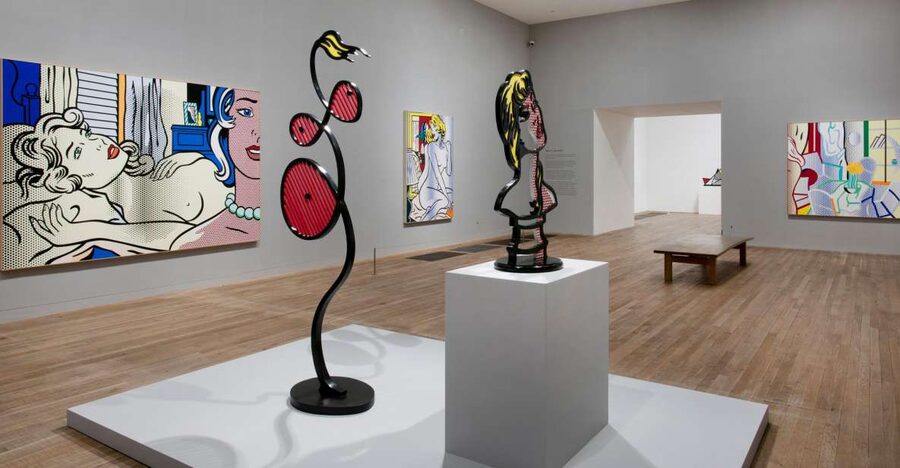
Reviewed · MUSEUMS
London Tate Modern Museum – Guided Tour 8 guests 2,5h
Modern art finally makes sense.
I love how a professional art historian guide turns big names into clear stories, and I love the skip-the-line head start so you spend your time looking, not queueing. The only catch: at $112 per person, it can feel a bit pricey if you wanted a more passionate, less structured chat about just one style of art.
This is built for small groups, with up to 8 guests, so you can actually ask questions and get answers that fit what you are seeing. You also get a proper, planned two-and-a-half-hour focus on 19th and 20th century art, not a random walk where you hope things will click.
You will do some walking, and you will need to manage museum rules. Bring a valid photo ID, plan for no large bags, and note that some sites have dress expectations, plus you get timed Buckingham Palace entry after the tour.
In This Review
- Key things that make this Tate Modern tour work
- Why Tate Modern makes more sense with an art historian
- The two-and-a-half-hour game plan through Tate Modern
- Mondrian’s lines and squares: the De Stijl lesson you will remember
- Picasso and Dalí in the Spanish Civil War context
- Monet to Impressionists: learning to see light instead of objects
- Mark Rothko and abstract expressionism: making space for your own reaction
- Warhol, pop art, and the fun game of spotting Marilyn Monroe
- Duchamp’s Fountain and the art debate you will actually have
- What you get for $112: value, limits, and where to watch your expectations
- Chinatown food after the museum: a smart use of your day
- Timed Buckingham Palace entry: how to keep the schedule stress-free
- Tickets, bags, and ID: small logistics that prevent big frustration
- Who this tour is best for (and who should pick a different option)
- Should you book this Tate Modern guided tour?
- FAQ
- How long is the London Tate Modern guided tour?
- How many guests are in the group?
- Does this tour include skipping the ticket line?
- Is hotel pickup or drop-off included?
- Are temporary exhibits included in the tour?
- Are food and drinks included?
- What should I bring to the tour?
- Are large bags allowed inside the museum?
- Is it wheelchair accessible?
Key things that make this Tate Modern tour work
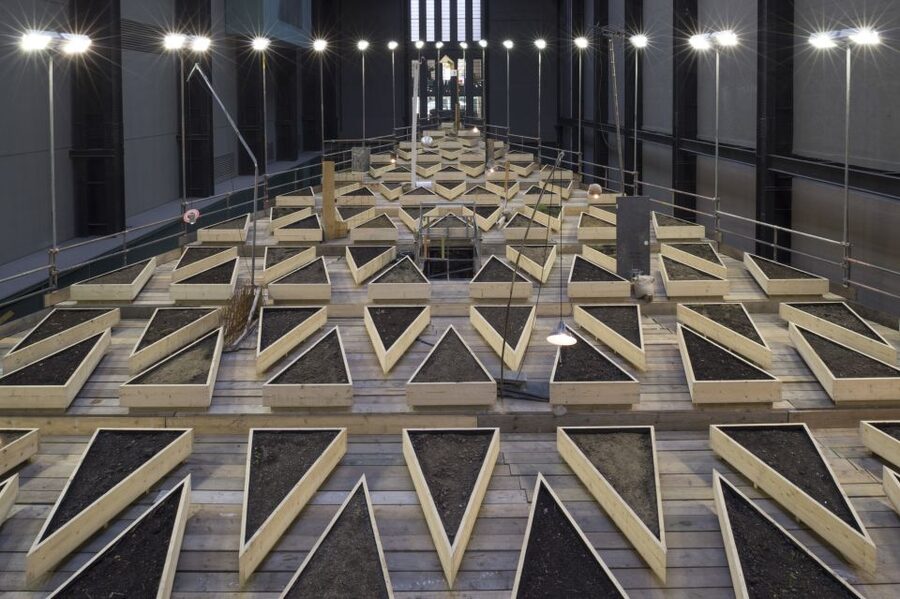
- A guided 19th–20th century route through lots of galleries in just 2.5 hours
- Artist-and-movement explanations tied to works by Mondrian, Picasso, Dalí, Monet, Rothko, Warhol, and Duchamp
- Duchamp’s Fountain moment, plus a real debate about what art is supposed to do
- Small group cap of 8 with private or semi-private options for a calmer pace
- Timed Buckingham Palace entry after the museum so your day stays organized
Still deciding? A handful more London outings we rated
- Magical London: Harry Potter Guided Walking Tour
★ 4.7 · 22,044 reviews - London: Emirates Stadium Entry Ticket and Audio Guide
★ 4.7 · 5,513 reviews - London: Christmas Lights Bus Tour With Live Guide
★ 4.0 · 5,410 reviews - Stonehenge, Windsor Castle and Bath Full Day Guided Tour
★ 4.5 · 5,346 reviews
Why Tate Modern makes more sense with an art historian
Tate Modern can feel like modern art is all code and no context. This tour solves that problem fast by guiding you through the museum’s many galleries with an art historian at the helm. The goal is simple: help you connect the dots between artists, styles, and the ideas behind the works.
I also like the pace. Two and a half hours is long enough to see major works and themes, but short enough that you are not stuck in lecture mode the whole time. You get a guided experience that helps you look better, not just read captions.
The two-and-a-half-hour game plan through Tate Modern
The tour is designed as a moving “story walk.” You start by setting the stage for 19th and 20th century art and then jump across key movements using famous artists as anchor points. That is what makes it efficient: you are not trying to memorize everything on your own.
From there, the route flows through the kinds of themes that modern art is obsessed with: breaking rules, simplifying form, responding to politics, and testing how far a viewer has to think. You’ll keep seeing the same big idea in different costumes—one guide helps you notice the pattern.
Mondrian’s lines and squares: the De Stijl lesson you will remember
One of the most striking parts is how the guide frames Mondrian. You are not just shown lines and grids. You learn why his clean geometry baffled other artists, and what it was trying to achieve with simplicity and exactness.
When you see the work after that explanation, it suddenly feels less like decoration and more like a method. The museum galleries start to feel like a timeline of experiments, not a pile of unrelated paintings.
Still deciding? A handful more London outings we rated
Picasso and Dalí in the Spanish Civil War context
Then the tour shifts to Picasso and Dalí with the Spanish Civil War era in mind. That historical context matters. Modern art often looks like it is “about style,” but politics and crisis are usually hiding right underneath the paint.
If you have ever wondered why an artwork feels intense even when the subject seems straightforward, this is the kind of explanation that clicks. You start noticing that some artists were responding to fear, ideology, and survival—not just aesthetics.
Monet to Impressionists: learning to see light instead of objects
The tour brings you to Impressionists through Claude Monet, and it helps you understand what the Impressionists were chasing. It is not about making everything look perfect. It is about catching how light behaves and how a scene changes from moment to moment.
That matters because modern art can make people swing between two moods: either total confusion or total dismissal. With Impressionism explained clearly, you get a bridge. You see why later artists might want to strip away realism even further.
Mark Rothko and abstract expressionism: making space for your own reaction
Next comes Mark Rothko and the abstract-expressionists. This is where a lot of people get stuck with modern art: they do not know what they are supposed to feel, so they feel nothing (or they fake a “correct” opinion).
A good guide helps you treat the work as a conversation. You stand with the colors and forms long enough to notice how they affect you, then you get context for what abstract expressionism was trying to do beyond the subject matter. You can disagree, but at least you are disagreeing with something concrete in your mind.
Warhol, pop art, and the fun game of spotting Marilyn Monroe
Then the tour turns playful with Andy Warhol and pop art. This section uses familiar pop-culture references so you can catch the irony and the critique inside something that looks instantly recognizable.
You also get a guided scavenger angle: spot celebrity imagery like Marilyn Monroe while you learn how Warhol approached repetition, mass media, and the way famous faces become consumer symbols. It is a clever way to keep the tour from turning into only serious discussion.
Duchamp’s Fountain and the art debate you will actually have
One of the best “wait, what?” moments is when you encounter Duchamp’s Fountain. The guide does not just point and move on. You stand around it long enough to talk, and you end up debating what the work is doing and why people argue about its merits.
This is where the tour earns its keep. Modern art can be polarizing, and many people want to argue about it without feeling stupid. The guide sets you up to ask good questions, not just declare opinions.
What you get for $112: value, limits, and where to watch your expectations
At $112 per person for 2.5 hours, this is not a budget museum deal. The value is that you get an art historian guide and a structured route through major 19th and 20th century highlights. You also get skip-the-ticket-line, which saves time when entry lines get annoying.
But you also need to match your expectations. This tour focuses on the core story of modern art rather than extra extras. Temporary exhibits are not included, and the tour is built to cover famous works and movements, not to follow your personal favorite rabbit hole for hours.
One more thing: if you want lots of custom personalization or a highly emotional, wildly animated storytelling style, you may find the approach a bit standard. The upside is that the structure makes modern art feel more navigable for most people.
Chinatown food after the museum: a smart use of your day
The highlights call out authentic food in Chinatown, and it makes sense as a follow-up plan. After 2.5 hours inside a museum, your brain will crave something simple: good flavors, easy conversation, and a meal that does not require interpretation.
The practical move is to keep your post-tour schedule flexible enough to stroll into Chinatown and pick a place that looks busy. Your timing matters because museums can run late, and your next stop uses timed entry.
Timed Buckingham Palace entry: how to keep the schedule stress-free
The tour pairs museum time with timed Buckingham Palace entry afterward. That is a big deal if you like planning. Instead of hoping you will find tickets later, you get a pre-set slot so your day has an ending.
To make it work smoothly, treat the palace entry as your “hard deadline.” Arrive back near where you are supposed to meet on time, keep your bag situation under control, and don’t plan an extra long detour on your own in the final stretch.
Tickets, bags, and ID: small logistics that prevent big frustration
There is no hotel pickup or drop-off, so plan your own way to the museum. The meeting point can vary by option, so follow your confirmation closely and arrive a few minutes early.
Inside the museum, no luggage or large bags are allowed. Only handbags or small thin bag packs go through security. If you are traveling with more than that, you will want to sort storage plans before you arrive.
You also need a valid photo ID (passport or ID card). It sounds boring, but it is the kind of detail that can ruin your day if you forget it.
Who this tour is best for (and who should pick a different option)
This tour is ideal if you want your modern art questions answered while you are standing in front of the work. You will like it if you feel overwhelmed by modern art and you want a guided map through the big themes.
It also fits you if you enjoy a mix of serious learning and fun moments, like spotting Marilyn Monroe-style pop references or talking about Duchamp’s Fountain without feeling pressured to have the right answer.
If you are a wheelchair user, note that this tour is not listed as suitable, but wheelchair-friendly tours are available on request only. If that matters for you, contact the provider before booking so you do not show up hoping for a last-minute fix.
Should you book this Tate Modern guided tour?
Book it if you want a fast, guided path through major modern artists, and you like the idea of getting context for the works instead of reading captions alone. The small group size, the art historian guide, and the skip-the-line time savings make the price easier to justify.
Skip it (or look at a different format) if you already know the modern art story and you mainly want deep self-directed exploring, including temporary exhibits. Also consider your budget: at $112, it is worth it when you want structure, and less worth it if you were hoping for a more free-form, highly personalized experience.
FAQ
How long is the London Tate Modern guided tour?
It runs for 2.5 hours.
How many guests are in the group?
It is private or small group. Semi-private options have a maximum of 8 guests.
Does this tour include skipping the ticket line?
Yes, it includes skipping the ticket line.
Is hotel pickup or drop-off included?
No, hotel pickup and drop-off are not included.
Are temporary exhibits included in the tour?
No, temporary exhibits are not included.
Are food and drinks included?
No, food and drinks are not included.
What should I bring to the tour?
Bring a passport or an ID card.
Are large bags allowed inside the museum?
No. Luggage or large bags are not allowed. Only handbags or small thin bag packs are allowed through security.
Is it wheelchair accessible?
This tour is not suitable for wheelchair users. Wheelchair-friendly tours are available upon request only.
More Guided in London
- Magical London: Harry Potter Guided Walking Tour
★ 4.7 · 22,044 reviews - London: Emirates Stadium Entry Ticket and Audio Guide
★ 4.7 · 5,513 reviews - London: Christmas Lights Bus Tour With Live Guide
★ 4.0 · 5,410 reviews - Stonehenge, Windsor Castle and Bath Full Day Guided Tour
★ 4.5 · 5,346 reviews - London Jack the Ripper Guided Tour with Ripper-Vision
★ 4.5 · 4,840 reviews
More Tours in London
- From London: Harry Potter Warner Bros Studio Tour
★ 4.7 · 26,588 reviews - Magical London: Harry Potter Guided Walking Tour
★ 4.7 · 22,044 reviews - London: Warner Bros. Studio Harry Potter Tour & Branded Bus
★ 4.7 · 19,194 reviews - London Big Bus Hop-On Hop-Off Tour with Optional River Cruise
★ 3.5 · 10,803 reviews - London Small Group Tour of Historical Pubs
★ 5.0 · 10,422 reviews
More Tour Reviews in London
- From London: Harry Potter Warner Bros Studio Tour
★ 4.7 · 26,588 reviews - London: Westminster to Greenwich River Thames Cruise
★ 4.5 · 22,836 reviews - Magical London: Harry Potter Guided Walking Tour
★ 4.7 · 22,044 reviews - London: Madame Tussauds London
★ 4.6 · 20,915 reviews - London: Warner Bros. Studio Harry Potter Tour & Branded Bus
★ 4.7 · 19,194 reviews
Just reviewed around London





Museums, compared.
 ★ 4.5Tower of London and Crown Jewels Exhibition TicketFrom $496,677 reviews
 ★ 4.8Chelsea Football Club Stadium and Museum TourFrom $434,576 reviews
 ★ 5.0Chelsea FC Stadium Tours and MuseumFrom $441,908 reviews
 ★ 4.3British Museum Guided TourFrom $231,182 reviews
 ★ 4.5Official tickets: Moco Modern & Contemporary Art MuseumFrom $361,157 reviews
 ★ 5.0British Museum London Guided Tour Semi-Private 8ppl MaxFrom $108984 reviews
 ★ 4.2Jack the Ripper Museum TicketsFrom $18894 reviews
 ★ 4.9British Museum Guided Tour with Entrance TicketsFrom $39748 reviews
Browse the lists this tour appears in