
Reviewed · WORKSHOPS
London Street Photo workshop
Street scenes can be taught fast. This London Street Photo workshop turns a casual walk into a practical lesson, with Ed Fil guiding you through the areas around London Bridge, the City of London, and Tate Modern while you learn how to work a busy street environment with more confidence. It also includes a complimentary 16-GB SD card, so you can take what you shoot home right away. street photography and small-group coaching are the big wins here.
I like two things a lot. First, Ed Fil works to your level, from fairly new to more experienced, and he keeps instruction calm while showing you example shots on his iPad. Second, you get a 16-GB SD card included, which makes this feel more complete than a basic walk with a guide. You’re not just paying for “company,” you’re paying for a photo lesson plus a straightforward way to save your results.
One possible drawback: you’ll be on your feet for about 3 hours in an active part of London. If you need lots of downtime or you dislike crowd flow, this may feel like more movement than you want.
In This Review
- Key highlights at a glance
- London Bridge to Tate Modern: a street-photo route that teaches fast
- Meeting at Science Gallery: what you’re really signing up for
- Borough Market and London Bridge: learning to frame real London life
- Tower Bridge and the City: shooting icons without losing the story
- Tate Modern area: building stronger compositions near major sights
- How Ed Fil teaches: clear direction, real examples, and level matching
- Price and value: what you get for $123.45
- Who should book this workshop (and who should not)
- Cancellation and timing: plan like a local
- Should you book this London Street Photo workshop?
- FAQ
- How long is the London Street Photo workshop?
- Where do we meet?
- What is the group size?
- What areas will we photograph?
- Is the workshop offered in English?
- Do I get anything included for my photos?
- What is the cancellation refund window?
Key highlights at a glance
- Max 5 travelers: small group pace, so you get real attention rather than vague tips
- Ed Fil’s calm teaching style: instruction matched to your current level, with examples shown on his iPad
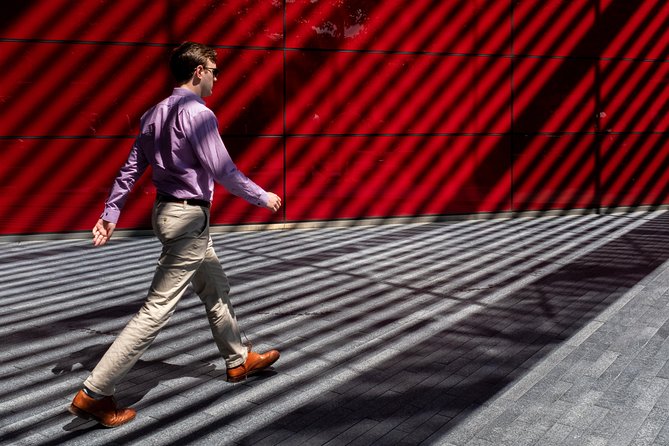
- Landmark + people compositions: you’ll work on images that place an iconic background with interesting foreground people
- Borough Market, London Bridge, Tower Bridge, and the City: photo spots that mix views, textures, and real street life
- Complimentary 16-GB SD card: take your shots home without scrambling for storage
Still deciding? A handful more London outings we rated
- London: Traditional English Scone Making and Tea Workshop
★ 5.0 · 702 reviews - London: East End Street Art Tour and Spray Painting Workshop
★ 4.8 · 297 reviews - London Traditional English Scone Making and Tea Workshop
★ 5.0 · 271 reviews - London: Half-Day Street Art Tour and Workshop
★ 4.9 · 172 reviews
London Bridge to Tate Modern: a street-photo route that teaches fast
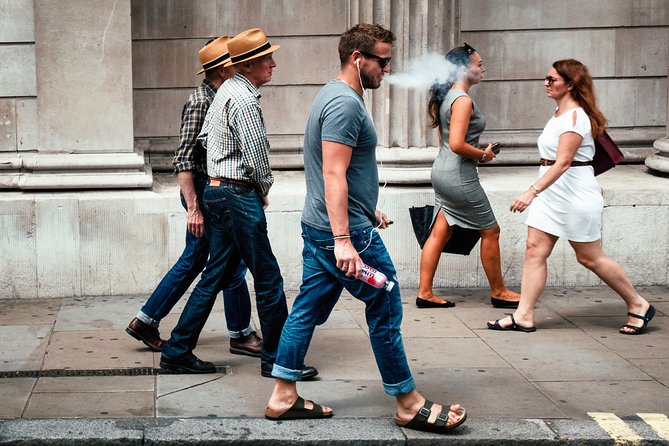
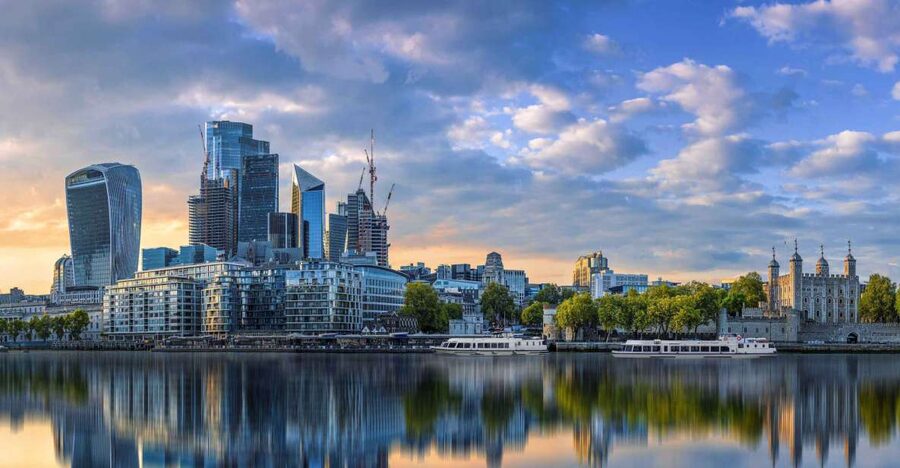
This workshop is built around a simple idea: London street photography gets easier when you focus on a tight set of neighborhoods instead of trying to cover the whole city in one afternoon. The route centers on areas around London Bridge, the City of London, and Tate Modern, which means you get a mix of architectural angles, river-and-bridge sightlines, and street-level scenes.
I like that the locations support the kind of learning street photographers actually need. With London Bridge and the City nearby, you’ll have plenty of “stuff” to frame: pedestrians crossing, storefronts and edges, and changing light as clouds and street traffic shift the mood. Tate Modern adds another layer, with a different feel from the office-and-bridge zones—so you can practice adapting your eye instead of repeating the same shot over and over.
This is also a good length. At around 3 hours, you have time to try approaches, see what clicks, and correct course while you’re still in the same general area. The workshop ends back at the meeting point, which keeps logistics simple and means you can stay mentally focused on shooting instead of constantly plotting your next subway hop.
Meeting at Science Gallery: what you’re really signing up for
You meet at Science Gallery, Great Maze Pond, London SE1 9GU, and the workshop runs on foot from there. That matters, because street photography is about positioning—where you stand, where you wait, and how you react when a scene changes in front of you.
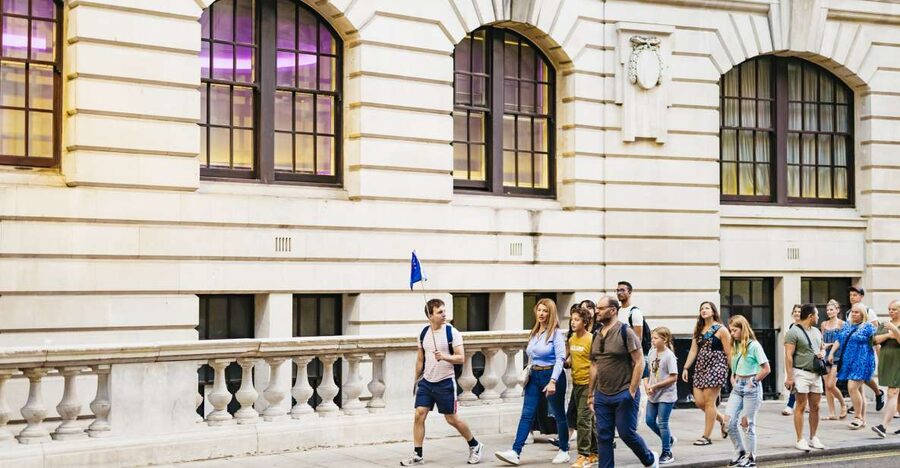
This one has a practical setup: you get a mobile ticket, and confirmation is sent at booking time. The group is limited to up to 5 travelers, so the session doesn’t turn into a lecture where you watch from the back. You’re in the mix, walking, shooting, and getting feedback as you go.
Also, it’s designed for people who already own a camera and want to sharpen what they do. The workshop specifically targets learning how to use a camera in a busy street environment and becoming more assertive as you shoot. That’s a useful promise, because street photography often fails for new shooters for a simple reason: you second-guess yourself. The whole goal here is to help you keep moving forward with your shots instead of freezing when a scene gets complicated.
And yes, service animals are allowed, and the meeting point is near public transportation. So if you’re planning your day around other London stops, it fits pretty easily.
Borough Market and London Bridge: learning to frame real London life
One of the strongest parts of this workshop is the way it leads you into photo spots that feel connected to daily London, not just postcard views. You’ll spend time around Borough Market and London Bridge, which is a smart pairing if your goal is to improve composition and storytelling at street level.
Here’s the value for you: market-and-bridge areas naturally push you to practice faster choices. People move. Light shifts. Backgrounds fill up. That forces you to make a decision instead of overthinking. When a guide shows you where to stand and how to look, it helps you translate street photography from a theory you read into a habit you can use on the next block.
From the instruction style, Ed Fil is clearly focused on showing you options, not just telling you what to do. In the reviews, people mention he calmly explains, then points out strong locations and how to think about light and composition. That combo matters. If you only get locations, you might still leave with lots of images you like but can’t recreate. If you only get theory, you might get stuck when the street gets busy. This workshop tries to bridge both.
Drawback to consider: these areas can be busy. That’s not a flaw in the workshop—it’s the point. But it can mean you spend some time waiting for your angle to open up or for a key moment to line up. If you’re expecting guaranteed empty streets and slow pacing, temper that.

Tower Bridge and the City: shooting icons without losing the story
A major reason people love this workshop is the mix of iconic landmarks with real street foregrounds. Tower Bridge and the City give you huge visual cues, but the technique guidance is what turns it into more than sightseeing photos.
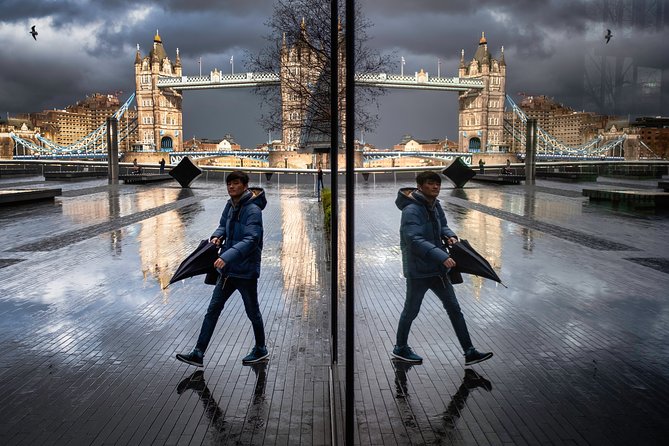
A specific approach that comes up again and again is placing an iconic landmark in the background while using interesting people in the foreground. That idea is powerful because it helps you make the photo about where you are and who’s there, not just about the building. You end up with images that feel like London, with scale and context, not just a single landmark shot.
In practice, that means you’re thinking in layers:
- background: a recognizable structure
- middle: the street space and depth cues
- foreground: people who add motion, character, and a human storyline
Ed Fil’s explanations are described as calm and encouraging, and he also shows example photos on his iPad. That kind of visual back-up helps you understand what “good composition” looks like in actual London scenes, not only in abstract photo lessons.
The City streets also add contrast. Near London Bridge and Tower Bridge, you may find yourself working with wide, bold angles. In the City blocks, you’ll likely shift to tighter frames and more pattern-based compositions, using architectural lines and street activity. Again, it’s not about copying his frames. It’s about learning how to see and choose faster.
Tate Modern area: building stronger compositions near major sights
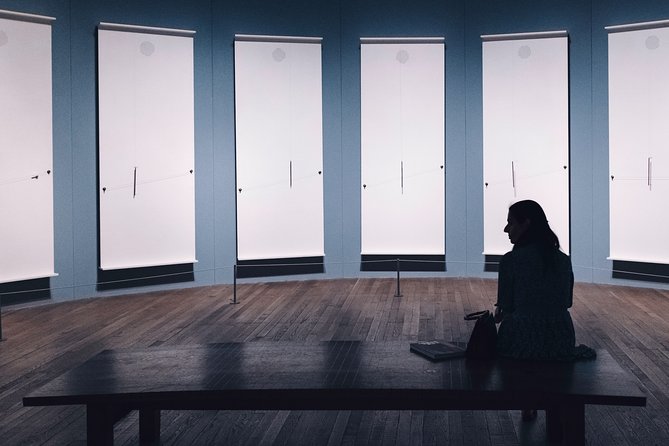
The session includes time around Tate Modern, which is a smart move for street shooters. It gives you a different texture than bridges and market alleys. You’re still in a central London zone, but the visual vibe can encourage a more deliberate style.
Why I think Tate Modern works for learning: when you’re near a big cultural landmark, you get a “magnet” that attracts both visitors and locals. That mix can teach you how to handle two challenges street photographers face:
1) how to avoid obvious, too-perfect souvenir framing
2) how to find off-kilter angles that still feel clear and readable
This workshop’s focus is practical learning. So even if your instincts pull you toward the most obvious viewpoint, you’ll have a guide steering you toward shots that combine composition with lived-in street energy. Reviews also mention off-the-beaten-path photo spots, and Tate Modern fits that kind of objective: you can practice looking beyond the first photo everyone thinks of.
What to watch for: if you’re very focused on photographing only architecture, you might have to work a bit to include people into your frames. The workshop’s whole point is building assertive street skills, so it will nudge you toward people-in-context images, not only clean building shots.
How Ed Fil teaches: clear direction, real examples, and level matching
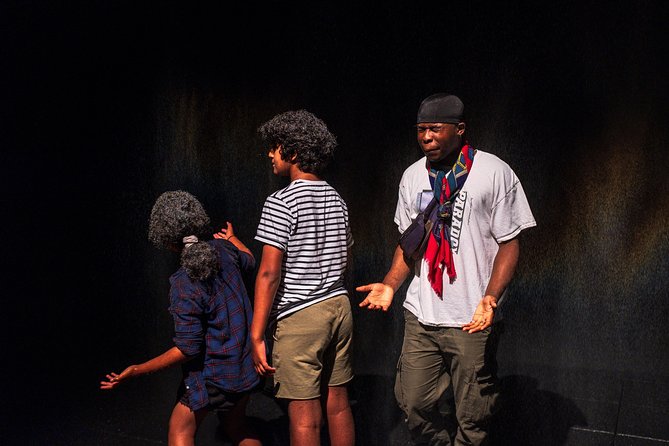
The standout element across feedback is the way Ed Fil teaches. People describe him as calm, knowledgeable in photography, and very accommodating to different skill levels. The practical meaning for you: you’re less likely to feel lost if you’re fairly new, and you’re still likely to learn if you already shoot street photos.
A key detail: he shows photos he shot on his iPad. That’s not just for inspiration. It helps you connect the instruction to real outcomes. When someone demonstrates a strong composition using a screen image, your brain can spot patterns quickly: how the frame was organized, how light fell, what the guide considered the main subject.
This approach also supports a technique people call out directly: combining street photography and travel photography to create images that capture the city’s vibe. That’s more than a trendy phrase. It’s about making your photos travel-worthy in a specific way: you want the image to remind you of the place, not just show you something pretty.
Ed’s teaching pace also matters. Reviews note that the workshop keeps shooting and walking, so time doesn’t feel wasted. That’s worth something, because street photography skills improve through repeated attempts, not long lectures. You learn by trying, getting feedback, then trying again while the scene is still moving.
Price and value: what you get for $123.45

At $123.45 per person for about 3 hours, this is not the cheapest way to spend an afternoon in London. But value isn’t only about price. It’s about what you’re buying: guided photo instruction, a tight route with targeted photo zones, and an included storage item.
Here’s why it tends to feel like good value for the right person:
- Small group size (max 5): more direct attention than a big walking tour
- Hands-on learning: you’re walking with instruction tied to where you’re standing and what you’re seeing
- Example photos shown on iPad: you’re not guessing what “better composition” means
- Complimentary 16-GB SD card: you leave with a practical take-home element tied to the shooting
Also, it’s booked about 24 days in advance on average, which is a hint that the session fills and people find it worth the time. For a 3-hour workshop in central London, that’s often a sign the format is working.
If you already have a very specific plan for the day and want only views with no coaching, you might decide it’s more guided help than you need. But if you want street-photo growth—light, composition, and practical confidence—this price starts to look more fair.
Who should book this workshop (and who should not)
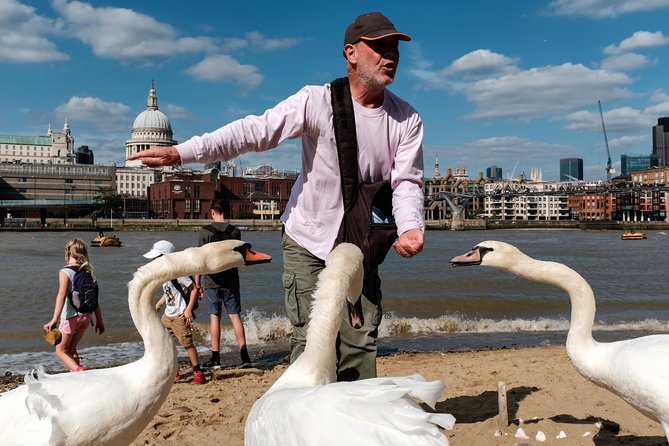
This workshop is a great fit if you want to:
- improve street photos with practical, on-the-ground guidance
- learn how to frame landmarks while also capturing people and street moments
- get tips on light and composition without having to build a custom itinerary
- feel comfortable shooting in busy zones by learning how to stay assertive
It also suits people who are already shooting and want refinement. One review mentions years of experience, yet the workshop still felt helpful, particularly for composition and location choices.
Who might skip it:
- If you hate walking and crowds, a 3-hour on-foot street session may feel stressful.
- If you want heavy, in-depth camera theory with no emphasis on real street scenes, you might find this too hands-on and situational.
For most people who enjoy photography but want a more direct path to better results, this fits nicely.
Cancellation and timing: plan like a local
You can cancel for a full refund up to 24 hours in advance. If you cancel later than that window, the amount you paid won’t be refunded. Changes inside the 24-hour cutoff also won’t be accepted. The good news is that confirmation happens at booking, so you’ll know the start details ahead of time and can plan your London day around a clear meeting point.
Also, because it’s near public transportation, you should be able to slot it into a broader itinerary without a huge detour.
Should you book this London Street Photo workshop?
If you want to stop taking random street photos and start making images with stronger composition and clearer storytelling, I’d say yes. The biggest reason is the combination of small-group pacing and Ed Fil’s teaching style: calm direction, real examples on his iPad, and a route that includes London Bridge, Tower Bridge, Borough Market, the City, and Tate Modern.
Book it if your goal is growth you can feel on the next shoot, not just a fun walk. Consider skipping if your ideal London afternoon is low-footfall, low-crowd, and mostly sightseeing with minimal instruction. Otherwise, this is a solid value way to turn one afternoon into a set of photos that actually say London.
FAQ
How long is the London Street Photo workshop?
It runs for about 3 hours.
Where do we meet?
You start at Science Gallery, Great Maze Pond, London SE1 9GU, UK, and you end back at the same meeting point.
What is the group size?
The workshop has a maximum of 5 travelers.
What areas will we photograph?
You’ll explore areas around London Bridge, the City of London, and Tate Modern, with photo spots that also include Borough Market, London Bridge, and Tower Bridge.
Is the workshop offered in English?
Yes, it is offered in English.
Do I get anything included for my photos?
Yes. The workshop includes a complimentary 16-GB SD card.
What is the cancellation refund window?
You can cancel up to 24 hours in advance for a full refund.
More Workshops in London
- London: Traditional English Scone Making and Tea Workshop
★ 5.0 · 702 reviews - London: East End Street Art Tour and Spray Painting Workshop
★ 4.8 · 297 reviews - London Traditional English Scone Making and Tea Workshop
★ 5.0 · 271 reviews - London: Half-Day Street Art Tour and Workshop
★ 4.9 · 172 reviews - London: Traditional Scone Making Workshop
★ 4.7 · 129 reviews
More Tour Reviews in London
- From London: Harry Potter Warner Bros Studio Tour
★ 4.7 · 26,588 reviews - London: Westminster to Greenwich River Thames Cruise
★ 4.5 · 22,836 reviews - Magical London: Harry Potter Guided Walking Tour
★ 4.7 · 22,044 reviews - London: Madame Tussauds London
★ 4.6 · 20,915 reviews - London: Warner Bros. Studio Harry Potter Tour & Branded Bus
★ 4.7 · 19,194 reviews
Just reviewed around London





Workshops, compared.
 ★ 5.0Traditional English Scone Making and Tea WorkshopFrom $45702 reviews
 ★ 4.8East End Street Art Tour and Spray Painting WorkshopFrom $50297 reviews
★ 5.0London Traditional English Scone Making and Tea WorkshopFrom $48271 reviews
 ★ 4.9Half-Day Street Art Tour and WorkshopFrom $60172 reviews
 ★ 4.7Traditional Scone Making WorkshopFrom $80129 reviews
 ★ 5.0Street Art Tour and Spray Painting Workshop in LondonFrom $5398 reviews
 ★ 5.0Street Art Walking Tour and Workshop in LondonFrom $7258 reviews
3 Hour Chinese Dumpling Cooking Class for 2-6 people in LondonFrom $11744 reviews
Browse the lists this tour appears in