
Reviewed · PRIVATE
London: Private Underground and Tube Tour
The Tube hides stories in plain sight. In this private London Underground and Tube tour, I like how you trace 150 years of rail changes while learning why things like Circle Line direction used to matter. I also love the ghost-station angle, because it turns everyday platforms into instant history lessons.
One thing to plan for: this is a station-heavy route and it’s not wheelchair-friendly, baby carriages aren’t allowed, and you may find restroom breaks limited.
In This Review
- Key things you’ll notice on this Tube history tour
- Paddington to Westminster: where the Tube story really begins
- 165 minutes of London Underground history: how the time adds up
- The oldest stretch of railway line: history you can feel
- Circle Line direction: one lesson that makes the Tube map less of a myth
- Steam to electric: why the trains sound like history
- Ghost stations: the eerie parts you’ll never ignore
- Quirky stops and hidden details: what your guide will point out
- What to bring (and what to skip) for a smoother Underground day
- Price and value: is $84.86 per person worth it?
- Who this London Underground private tour fits best
- Should you book this Underground history tour?
- FAQ
- How long is the London Underground private tour?
- Where does the tour start?
- Where does the tour end?
- Is this a private group tour?
- What’s included in the price?
- What’s not included?
- Do I need an Oyster card or travel card?
- Is the tour available in English?
- Are baby carriages allowed?
- Is the tour wheelchair accessible?
- What cancellation options are available?
Key things you’ll notice on this Tube history tour
- Start under the clock at Paddington Station, Platform 1 for easy, specific meeting-point clarity
- A guided walk across 150 years of Underground change, including the shift from steam to electric
- Circle Line travel-direction history, explained in plain terms so it actually sticks
- Ghost stations, which makes “closed” parts of the system feel eerie and real
- Route flexibility if there’s improvement work on the network
- A private group format, so you can ask questions without waiting your turn
Still deciding? A handful more London outings we rated
- Harry Potter Studios & Private Transfer from Central London
★ 4.5 · 6,134 reviews - The Premier Classic London: Private 4-Hour Tour in a Black Cab
★ 5.0 · 2,737 reviews - Stonehenge Inner Circle Private Tour from London with Bath Visit
★ 5.0 · 1,909 reviews - Private Tour: Black Taxi Tour of London
★ 5.0 · 1,153 reviews
Paddington to Westminster: where the Tube story really begins
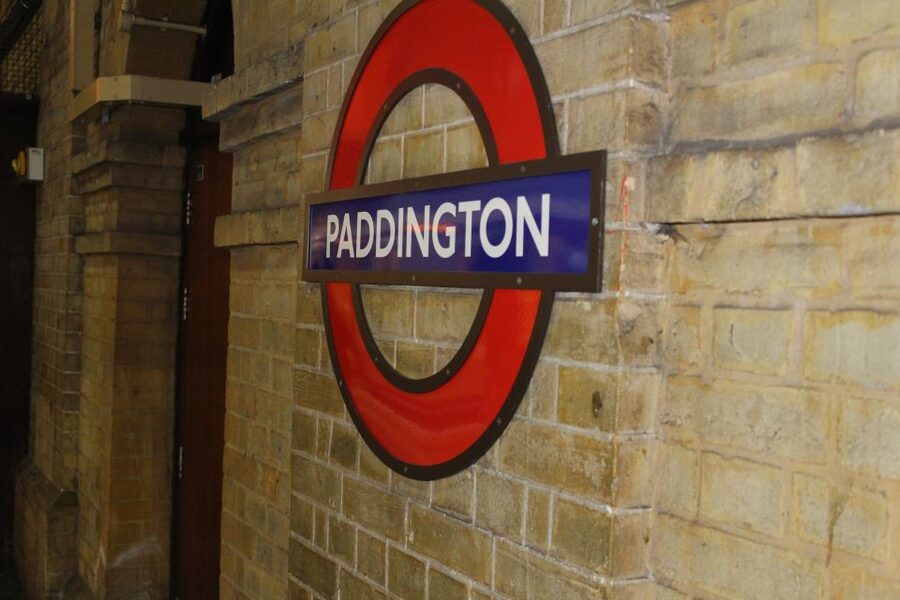
This tour kicks off in a very specific place: underneath the clock on Platform 1 at Paddington Station. That matters more than you’d think. London stations are big, busy, and good at swallowing people. Starting at such a clear spot helps you get oriented fast, and you can spend your energy listening rather than wandering.
From there, you’re in for a guided journey through the Tube’s evolution, from when the Underground first opened in 1863 to the network you use today. The big idea is simple: you’re not just touring stations. You’re learning why London built the Underground the way it did, and how that shaped the day-to-day experience you’ve probably taken for granted for years.
I like tours that connect the dots between “how it works” and “why it exists,” and this one does that repeatedly. You’ll hear about the old rival-company era (different lines used to be owned separately) and why your modern maps and signage don’t always tell the full truth.
One practical point: this is a walking tour with stops in and around stations. It’s also not aimed at people using wheelchairs or parents with prams, because of the nature of the locations.
165 minutes of London Underground history: how the time adds up
The total duration is 165 minutes. That’s about 2 hours and 45 minutes, which is the sweet spot for a Tube-focused tour. Long enough to cover real history and a handful of memorable stops, but not so long that you lose the thread.
Also, the route can shift a little depending on improvement work happening on the network. In a city with active transit infrastructure, that flexibility is a good sign. It means the guide is working around what’s open and safe rather than forcing everyone to hit a rigid script.
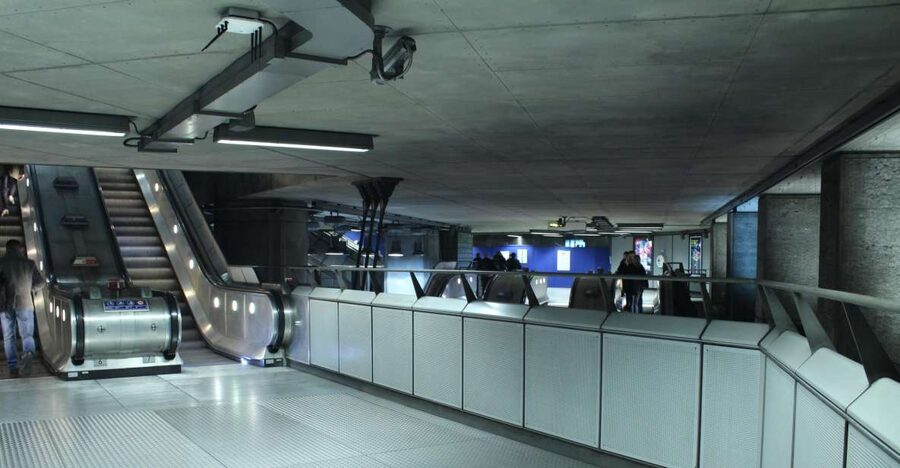
You’ll be moving through some of the Underground’s oldest and deepest stations, and you’ll also get the chance to see why certain places look and feel “peculiar.” That word gets used a lot for stations in London, and here it has a point: architecture, layout, and even signage reflect different eras.
If you’re the type who watches how people move through stations—where they pause, where they line up, how wayfinding works—you’ll enjoy this more. The guide helps you spot details that regular rides usually hide.
The oldest stretch of railway line: history you can feel
One of the highlights is traveling along the oldest stretch of railway line. Even without getting too technical, that kind of segment matters because it anchors the story in something physical. London’s Underground didn’t grow in one clean burst. It expanded, linked up, and changed purpose over time.
And that’s the theme you’ll keep bumping into: change. Rival ownership. Different priorities. New technology. Over time, the system was reshaped until it became the leading metropolitan railway network it is today.
In practice, this means the tour doesn’t feel like trivia on a clipboard. You’ll connect what you see—platform structures, station design quirks, and movement patterns—to the historical reasons behind them.
It’s also a nice change of pace if you’ve already seen London’s big surface attractions. Under London, you get a different kind of city layer.




Circle Line direction: one lesson that makes the Tube map less of a myth
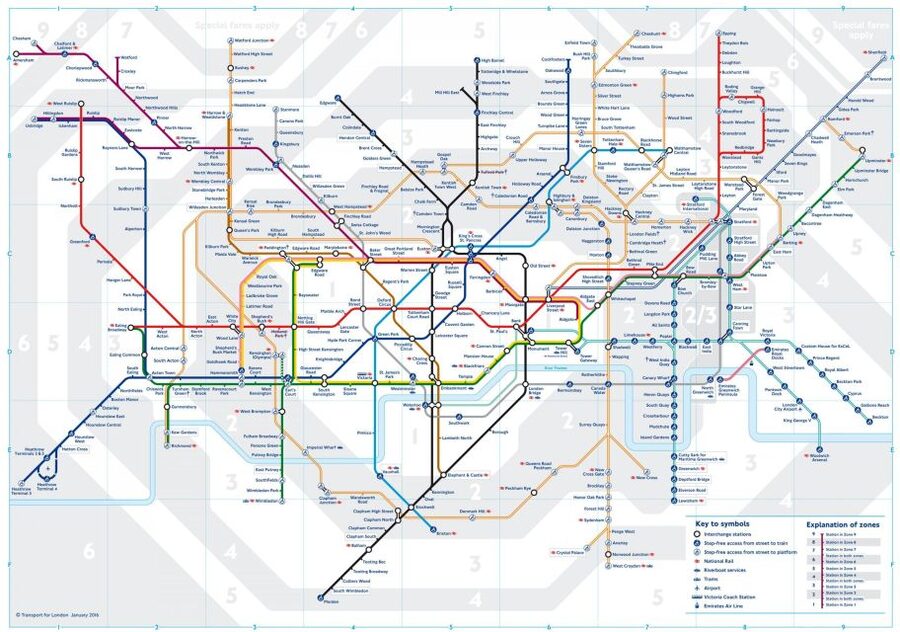
London’s Tube map is famous. But it’s also… a little fictional. The tour tackles that directly: you’ll learn about how accurate the map really is, and why thinking about directions used to be more complicated than passengers today assume.
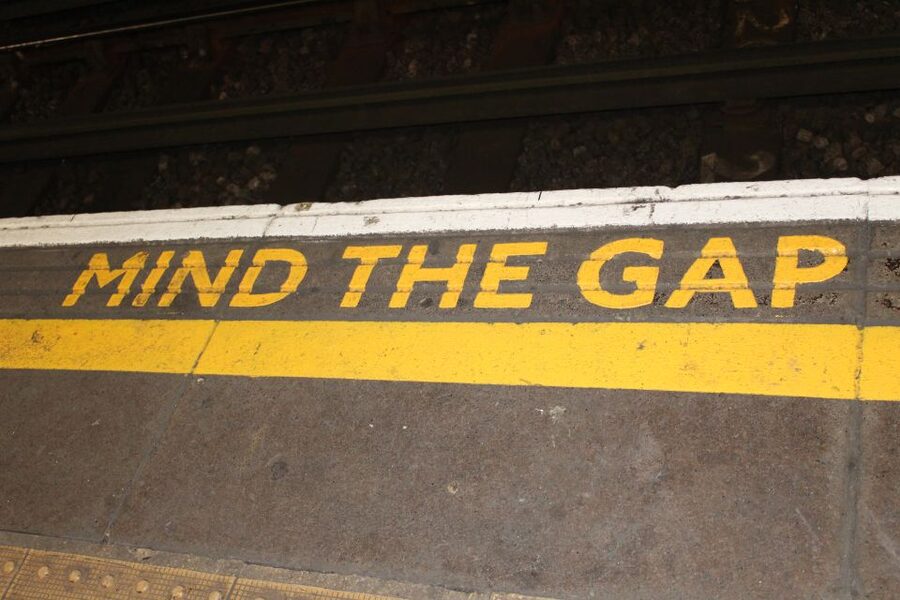
One specific highlight: learning why it was important to know which way to travel on the Circle Line. That’s the kind of detail that would sound minor on paper, but it’s actually useful. It teaches you to notice how loop lines can behave differently depending on travel direction, station order, and how historical operating patterns affected rider experience.
Even if you’re not planning to master station theory, this part gives you a better “mental model” of the network. You’ll walk away feeling more confident about how line behavior works, not just how it looks on the map.
And yes, you’ll also look at the Tube map differently afterward—less like an artistic diagram and more like a tool with limitations.
Steam to electric: why the trains sound like history
Another core piece of the Underground story here is the shift from steam engines to electric trains. You’ll hear why London made that transition and how it reshaped the passenger experience.
This part is especially satisfying if you’re the type who likes connecting tech changes to everyday life. Steam and electric aren’t just different engines. They affect tunnels, infrastructure, maintenance, speed, and how the system runs.
So when your guide explains the “why,” it stops being abstract. You start imagining the Underground in its earlier era: the smell, the operating style, the way lines interacted with older infrastructure. The tour keeps this grounded in what you can see today.
It’s a good reminder that the Tube you rely on is the product of constant engineering decisions, not just a static landmark.
Ghost stations: the eerie parts you’ll never ignore
Now the part that most people remember: ghost stations. The tour includes a lesson on why these exist and what makes them part of London Underground lore.
Even without getting overly spooky, ghost stations are a compelling way to learn history. Closed or unused sections reveal what plans didn’t happen, what routes changed, and how politics and engineering shaped the network. They’re also a great conversation starter after the tour, because you’ll know what you’re actually looking at when you hear references to “phantom” stops.
This is one reason the tour works so well as a “second look” experience. You’re seeing the Tube not as a single system, but as a layered set of decisions over time. Ghost stations are one of the clearest windows into that layering.
Quirky stops and hidden details: what your guide will point out
Beyond the big themes—steam-to-electric, ghost stations, Circle Line direction—the real value is in the small observations your guide helps you notice.
That includes station quirks and details that you’d normally pass without a second thought. You’ll also learn how the Tube got from early development to the integrated network you use now, including the fact that different lines were once run by rival companies.
This is where a strong guide makes or breaks the tour. In the guide lineup, names like Rory, Jericho, Chris, and Fiona have come up in past tours. People praised Rory for being personable and for answering lots of questions without rushing you. They also highlighted Jericho’s enthusiasm and Chris’s energy, while Fiona was described as warm and confidence-building right from the start.
I can’t promise you’ll get any one person, but you can use those names as a clue: the operator seems to put real personality and communication skills into the guide role. That matters when you’re learning underground—your attention span is more challenged than on a museum bench.
What to bring (and what to skip) for a smoother Underground day
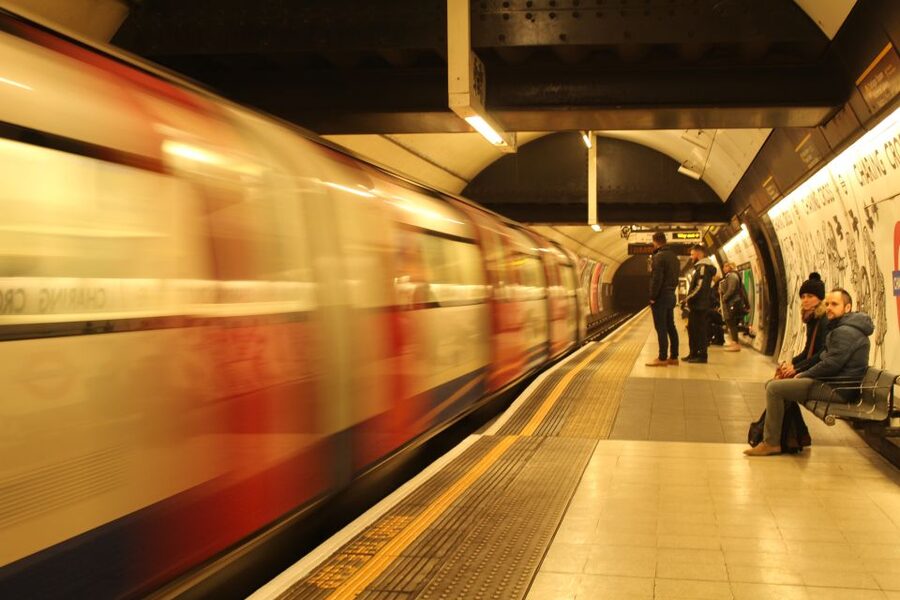
You’ll want to come prepared for a station-heavy experience.
First, bring the right transit access. The tour requires a Zone 1 travel card or an Oyster card topped up with at least £7 pay-as-you-go credit. Since travel costs aren’t included, having that ready keeps you from getting stuck at the wrong moment.
Second, plan around the fact that the tour is not suitable for wheelchair users and baby carriages aren’t allowed. If you’re traveling with kids, this can still work well for older children who can handle station stairs and walking, but you should assume the route is not pram-friendly.
Third, comfort matters. The one practical complaint that comes up is about restroom timing—someone flagged a lack of a loo stop. I wouldn’t treat that as a dealbreaker, but I would plan accordingly: if you need frequent breaks, time them before the tour starts.
Price and value: is $84.86 per person worth it?
At $84.86 per person for about 165 minutes, this tour isn’t “cheap,” but it isn’t trying to be. You’re paying for three things that are hard to replicate on your own:
- A professional guide who can explain why the Underground became what it is
- A curated, station-focused route from Paddington toward Westminster rather than random exploration
- A “story layer” that turns ordinary rides into something you remember
Private tour time adds cost, but it also adds payoff. If you’re the kind of person who wants to ask questions—about the map, the direction logic, the ghost stations, or how old lines were connected—private format means you don’t lose your spot in line for the guide’s attention.
If you’d be happy reading about Tube history at home and then loosely wandering station corridors on your own, this may feel pricey. If you want the guide’s explanations while you’re standing where the history happened, it’s a strong value proposition.
Who this London Underground private tour fits best
This tour is a great choice if you:
- Love practical history that connects to what you see underground
- Like asking questions and getting straight answers from a live guide
- Want a route with a theme (150 years, ghost stations, Circle Line direction) instead of just “station hopping”
- Prefer a private group experience rather than a crowded ride with a headset
It may be a poor fit if you:
- Need wheelchair access or pram access (the tour isn’t set up for that)
- Want frequent, easy restroom stops (one review noted the lack of a loo stop)
- Expect a fully fixed route with no adaptation for station work (the route can change slightly due to network improvements)
Should you book this Underground history tour?
I’d book it if you want your London Underground experience to feel smarter afterward. This isn’t about taking photos of pretty tunnels. It’s about understanding the Tube’s logic—why the network formed, how technology changed, and why the Circle Line and the Tube map don’t tell the whole story.
If you’re someone who rides the Tube often and keeps thinking you’re still missing the point, this tour gives you that missing piece. You’ll come away looking at stations as history sites, not just transit stops.
One last check before you decide: make sure you can meet the requirements (Zone 1/Oyster with £7 pay-as-you-go credit) and that your mobility needs match the route. If those boxes work for you, this private Underground tour is the kind of London experience that stays with you long after you resurface.
FAQ
How long is the London Underground private tour?
The tour runs for 165 minutes. Starting times vary, so you’ll want to check availability.
Where does the tour start?
It starts underneath the clock on Platform 1 at Paddington Station.
Where does the tour end?
It ends back at the meeting point, and the route is described as concluding at Westminster Station. If you want clarity for your exact tour, confirm with the operator when you book.
Is this a private group tour?
Yes. It’s listed as a private group tour.
What’s included in the price?
The price includes a professional guide.
What’s not included?
Travel costs are not included, so you’ll need to cover your transit as required.
Do I need an Oyster card or travel card?
Yes. You need a Zone 1 travel card or an Oyster card topped up with at least £7 pay-as-you-go credit.
Is the tour available in English?
The live tour guide is English.
Are baby carriages allowed?
No. Baby carriages are not allowed.
Is the tour wheelchair accessible?
No. It’s not accessible for wheelchair users and it’s also noted as not suitable for parents with prams due to the nature of the locations visited.
What cancellation options are available?
The tour offers free cancellation up to 24 hours in advance for a full refund.
More Private in London
- Harry Potter Studios & Private Transfer from Central London
★ 4.5 · 6,134 reviews - The Premier Classic London: Private 4-Hour Tour in a Black Cab
★ 5.0 · 2,737 reviews - Stonehenge Inner Circle Private Tour from London with Bath Visit
★ 5.0 · 1,909 reviews - Private Tour: Black Taxi Tour of London
★ 5.0 · 1,153 reviews - Private London Arrival Transfer – Airport to Hotel / Accommodation
★ 3.5 · 1,085 reviews
More Tours in London
- From London: Harry Potter Warner Bros Studio Tour
★ 4.7 · 26,588 reviews - Magical London: Harry Potter Guided Walking Tour
★ 4.7 · 22,044 reviews - London: Warner Bros. Studio Harry Potter Tour & Branded Bus
★ 4.7 · 19,194 reviews - London Big Bus Hop-On Hop-Off Tour with Optional River Cruise
★ 3.5 · 10,803 reviews - London Small Group Tour of Historical Pubs
★ 5.0 · 10,422 reviews
More Tour Reviews in London
- From London: Harry Potter Warner Bros Studio Tour
★ 4.7 · 26,588 reviews - London: Westminster to Greenwich River Thames Cruise
★ 4.5 · 22,836 reviews - Magical London: Harry Potter Guided Walking Tour
★ 4.7 · 22,044 reviews - London: Madame Tussauds London
★ 4.6 · 20,915 reviews - London: Warner Bros. Studio Harry Potter Tour & Branded Bus
★ 4.7 · 19,194 reviews
Just reviewed around London





Private, compared.
 ★ 4.5Harry Potter Studios & Private Transfer from Central LondonFrom $2296,134 reviews
 ★ 5.0The Premier Classic London: Private 4-Hour Tour in a Black CabFrom $5532,737 reviews
 ★ 5.0Stonehenge Inner Circle Private Tour from London with Bath VisitFrom $1881,909 reviews
 ★ 5.0Private Tour: Black Taxi Tour of LondonFrom $3061,153 reviews
 ★ 3.5Private London Arrival Transfer – Airport to Hotel / AccommodationFrom $861,085 reviews
 ★ 5.0British Museum London Guided Tour Semi-Private 8ppl MaxFrom $108984 reviews
 ★ 5.0London Sightseeing Private Black Cab Tour with Hotel Pick UpFrom $441917 reviews
 ★ 4.5VIP Tower of London and Crown Jewels Tour with Private Beefeater Meet & GreetFrom $155849 reviews