
Reviewed · WORKSHOPS
London Photography Masterclass – Private Photography Lesson
London at night is built for photos. This private 3-hour class turns Westminster, St Paul’s, the Shard, and Tower Bridge into a guided shoot with one-on-one instruction and hands-on night photography practice. The catch: you’ll need to bring your own camera and ideally a tripod.
I like that the teaching is not generic. Guides like Derrick, Rose, and Noemi have a track record of adjusting to your level, your interests, and even the weather, then reviewing your shots as you go. If you hate asking questions, this might feel a bit too interactive for you, but for most people it’s the whole point.
In This Review
- Key things you’ll notice (before you book)
- Why London by night is the right classroom
- Price and what you’re really buying in 3 hours
- Starting at St Thomas’ Hospital / County Hall: fast access, clear beginning
- Stop-by-stop: Westminster Bridge to the Thames viewpoints
- Westminster Bridge
- Palace of Westminster
- London Eye
- Household Division
- Waterloo Bridge
- Southbank
- Millennium Bridge
- St Paul’s, the Shard, and Tower Bridge: finishing with your strongest frames
- St Paul’s Cathedral
- The Shard
- Tower Bridge
- The night techniques you’ll actually practice
- One-on-one coaching and photo review (the secret ingredient)
- What to bring: camera, tripod, and practical night gear
- Who this private session suits best
- Should you book the London Photography Masterclass?
- FAQ
- How long is the London Photography Masterclass?
- Is this a private tour?
- Where do we meet, and where does it end?
- What locations are included in the route?
- What photography skills does the lesson focus on?
- What’s included in the price?
- What should I bring?
- What language is the tour offered in?
- Can I cancel for a full refund?
Key things you’ll notice (before you book)
- Private, not crowded: only your group, so you can ask for help without waiting your turn.
- Night-focused techniques: long exposure, light trails, light painting, and high ISO shooting.
- A coached route through the classics and the angles: Westminster Bridge to Tower Bridge, plus St Paul’s and the Shard.
- Photo review built into the session: you don’t just shoot and hope.
- Guides adapt to your interests: some instruction is clearly tailored, not one-size-fits-all.
Still deciding? A handful more London outings we rated
- Harry Potter Studios & Private Transfer from Central London
★ 4.5 · 6,134 reviews - The Premier Classic London: Private 4-Hour Tour in a Black Cab
★ 5.0 · 2,737 reviews - Stonehenge Inner Circle Private Tour from London with Bath Visit
★ 5.0 · 1,909 reviews - Private Tour: Black Taxi Tour of London
★ 5.0 · 1,153 reviews
Why London by night is the right classroom
London turns into a lighting lab after dark. You’ve got reflections in the Thames, bright façades, lit bridges, and dramatic silhouettes that are hard to recreate when you’re traveling solo and rushing between stops. On this kind of night route, even small changes in camera settings make a visible difference fast, which is exactly what you want in a learning session.
This is also one of the easiest ways to build real confidence. The places you’ll photograph are iconic, but the lesson is about control: keeping a steady shot for long exposures, shaping highlights, and getting the timing right for light trails. A guide can help you pick the right spot and the right time within the 3 hours, instead of you spending that time walking around with a half-formed plan.
The route also helps you learn what matters for night photography: where the light is, where shadows fall, how busy areas affect your tripod setup, and how to compose with both landmarks and the glow around them. You’re not just collecting souvenirs. You’re learning a method you can reuse the rest of your trip.
Price and what you’re really buying in 3 hours
At $218.21 per person for about 3 hours, this is not a casual add-on. You’re paying for private time plus tuition and review, not just access to view points.
Here’s the value math that makes it worth considering:
- You’re getting a professional photographer guide and local guide, so you’re not only learning settings—you’re also learning where to stand.
- The session is focused on night skills, including long exposure and ISO adjustments, which take trial-and-error to get right. Having instruction compresses that learning curve.
- You get direct feedback as you shoot, which is usually the part people miss when they try to learn alone.
What to watch for: you must bring your own camera, and a tripod is strongly implied by the type of shots. If you don’t have them, your options shrink and the long-exposure parts become much harder. If you’re traveling light or don’t own a tripod yet, factor that in before you pay for a night shoot that’s designed around stability.
Starting at St Thomas’ Hospital / County Hall: fast access, clear beginning
The session starts at St Thomas’ Hospital / County Hall, Stop D (London SE1 7EP). It’s a good pick because it’s easy to connect to the wider city with public transportation, and you’re placed near the core Thames zone where the lighting is strongest.
Since the tour ends back at the meeting point, you also avoid the common downside of photo walks that scatter you across neighborhoods. You’ll still cover a lot of ground, but you’re not left figuring out how to get back late at night.
One practical note: bring layers. London nights can be chilly, and a tripod also means you’ll be standing still for stretches. The session guidance even suggests packing a scarf for comfort—worth taking seriously if you plan to spend real time setting up exposures.
Still deciding? A handful more London outings we rated

Stop-by-stop: Westminster Bridge to the Thames viewpoints
This part of the route is about building compositions from the river corridor and the major landmarks that light up once the sky darkens.
Westminster Bridge
This is a classic launching point for night photos. You get the bridge structure and the strong contrast between illuminated edges and darker sky. It’s a great place to practice the basics: framing, focusing in low light, and deciding whether you need a long exposure for the water and lights to smooth out.
Palace of Westminster
The illuminated buildings here help you work on highlight control and detail. Long exposures can bring out more of the scene’s glow, but they can also blow out bright edges if your settings are off. A guide’s job is to help you find the balance quickly rather than turning it into a guessing game.
London Eye
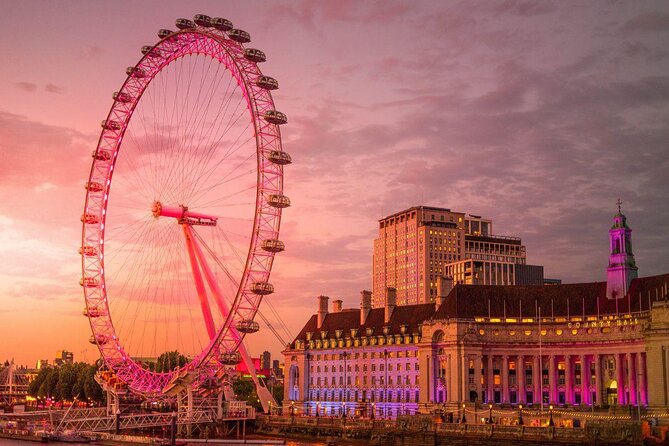
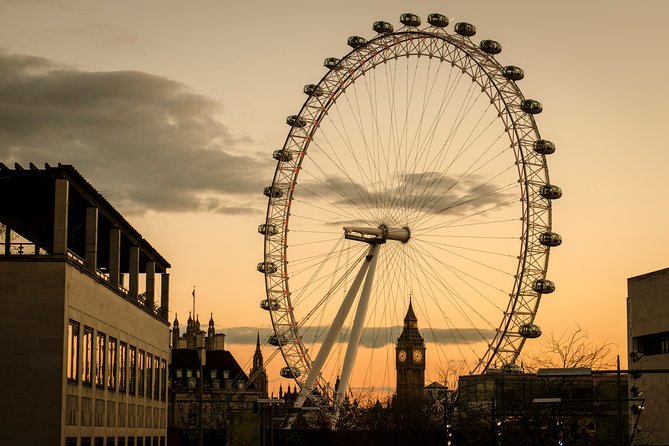
The Eye’s lighting is made for night photography, especially if you experiment with shutter speed. You’ll likely be testing how exposure changes the look of bright light sources and how much motion (if any) shows up in the frame. It’s a useful stop for learning what to prioritize: sharp landmark lines or the soft glow effect.
Household Division
This is one of those stops that can surprise you—in a good way. It helps shift the lesson from pure skyline shots to more grounded compositions with changing perspectives. You also get a chance to practice how to photograph architecture and people-adjacent scenes without losing the mood of the night.
Waterloo Bridge
Waterloo Bridge often makes light trails happen naturally, especially with vehicle motion below and the gleam on nearby surfaces. This is where the “long exposure” learning becomes real. If you’re not used to working with slower shutter speeds, this is a good spot to practice, because the city gives you movement to work with.
Southbank
Southbank is where your photos can start to feel more personal. Instead of only shooting big landmark silhouettes, you can look for layers—near lights, mid-ground structures, and the river reflections behind them. It’s also a practical chance to re-check your camera settings between shots because you’ll likely be moving while you learn.
Millennium Bridge
This stop is great for experimenting with leading lines. Bridges naturally point your viewer toward key subjects, and at night those lines are often extra visible thanks to street lighting and reflections. It’s also a good moment to try different exposure lengths while keeping the composition similar, so you can actually compare results.
St Paul’s, the Shard, and Tower Bridge: finishing with your strongest frames
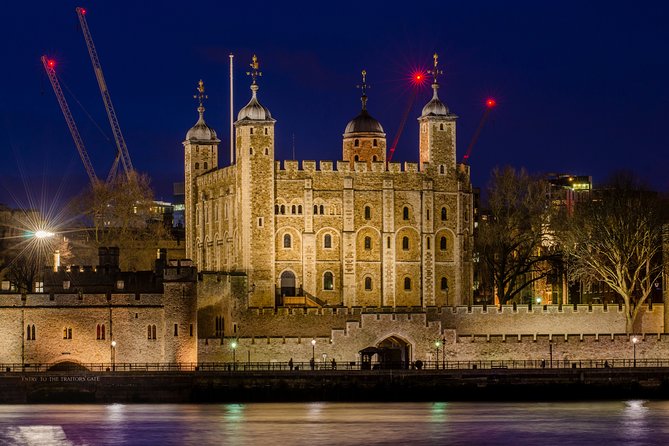
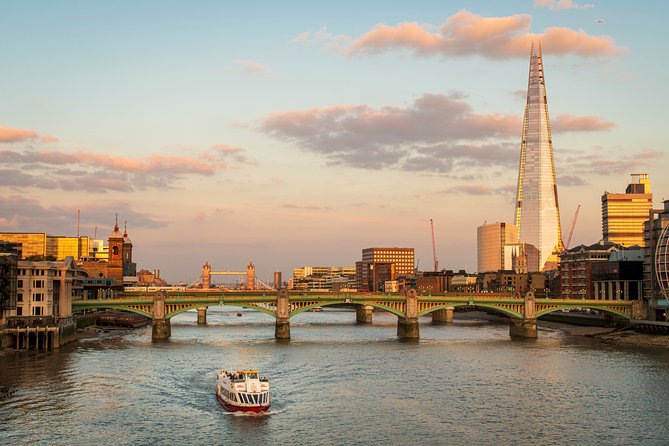
The second half of the route is about power shots. You get the big religious landmark, one of London’s most recognizable modern towers, and the bridge most people associate with London night photos.
St Paul’s Cathedral
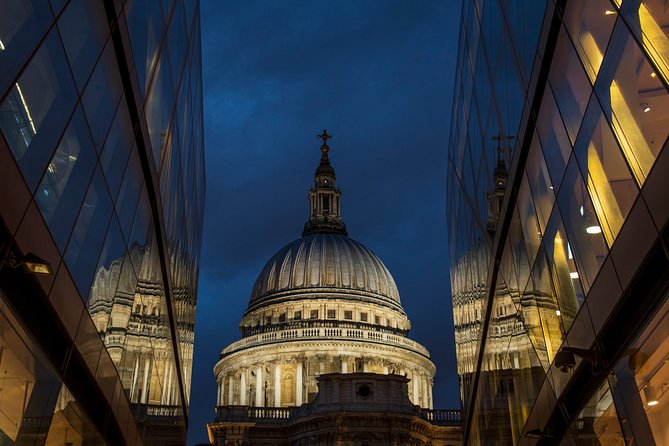
St Paul’s is a night photography magnet because it combines scale, ornament, and strong lighting. You’ll want to watch how your exposure handles bright sections against darker areas. A guided session helps here because it’s not just “take a photo”—it’s learning how to keep the cathedral looking like the cathedral instead of a blown-out mass.
The Shard
With the Shard, you can test how high the ISO needs to go to keep things sharp without turning the image into noise soup. The lesson explicitly includes high ISO shooting, and this kind of scene is a perfect place to practice it: lots of light, lots of detail, and enough depth to reveal whether your settings are working.
Tower Bridge
Tower Bridge at night is the payoff stop. It’s built for long exposures and reflection-heavy compositions, especially if you set up for stability and let the light trails do their thing. It’s also where you can put together everything you’ve learned in the earlier stops: where to place yourself, how to frame, and how to choose settings that match the look you want.
If you’re wondering what people come away with, this is usually the moment. It’s the kind of scene where you can see improvement in minutes, because you can compare your first attempt to your better second attempt right in the same lighting.
The night techniques you’ll actually practice
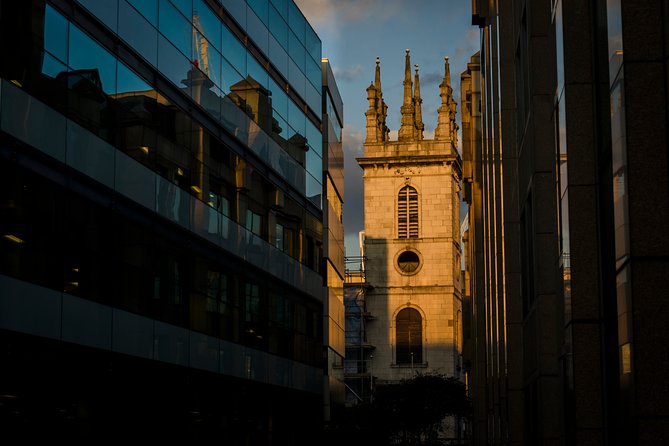
This class is built around mastering the harder parts of night photography. It’s not theory-only.
You’ll work on:
- Long exposure: to smooth water, control light sources, and capture the night’s mood.
- Light trails: using moving vehicles so streaks show up in a controlled way.
- Light painting: learning what it takes to make light appear deliberately in a frame.
- High ISO shooting: understanding how to balance sensitivity with noise and sharpness.
The practical value is that you learn cause and effect. One guide, Noemi, is highlighted for teaching how different ISO settings, f numbers, and exposure times affect the outcome. That’s the kind of lesson that sticks, because it turns settings into a language you can speak—not random numbers you copy.
And because it’s private, you can ask questions as often as you need. If something doesn’t make sense after the first explanation, you get a second try tailored to your camera and your comfort level.
One-on-one coaching and photo review (the secret ingredient)
In a group setting, the biggest limitation is time. In a private lesson, you get to spend your time improving, not waiting. This is where the named guides really shine.
Derrick, for example, is described as taking time to discover what a person is most interested in, then coaching them beyond good-enough images. Rose is described as patient and creative, including helping people get results during rainy, messy weather. Noemi is noted for hands-on guidance that builds confidence in long exposure.
What I like about this style of coaching is that you’re not only learning technical settings. You’re learning judgment: where to stand, what to include or leave out, and how to revise quickly when the lighting shifts or the scene changes.
You also get a local perspective layered in. The local guide component matters because city photography isn’t only about camera settings—it’s about knowing how to move safely at night and how to find workable angles without wasting your limited time.
What to bring: camera, tripod, and practical night gear
You’ll need a camera. That’s not included. You’ll also want a tripod, and the session guidance basically treats it as essential for the long-exposure style learning.
If you bring a tripod, you’ll get more consistent results for:
- long exposures that need steadiness,
- framing that you can refine shot after shot,
- slower shutter experiments where handholding becomes frustrating.
Also plan for comfort. The advice to grab a scarf isn’t just a cute London thing—it’s a practical reminder that you’ll likely be outside and standing around while you set up and adjust.
If you only bring a phone camera, you might still get learning value, but the long exposure and tripod-based parts will be limited. This lesson is clearly built around a real camera workflow.
Who this private session suits best
This experience is labeled as most travelers can participate, and the private format makes it approachable for different skill levels. Here’s where it fits best:
- Beginner photographers who want a real starting point for night settings and composition.
- Enthusiasts who feel like they’ve photographed the main sights already and want better results with less guesswork.
- Intermediate shooters who want instruction targeted at techniques like ISO and long exposure, plus a faster way to iterate.
If you’re the kind of person who enjoys learning by doing—shoot, check, adjust, repeat—you’ll probably have a great time. If you want a casual walk with no pressure to practice, you may find the technical focus too intense.
Should you book the London Photography Masterclass?
Book it if you want night photos that look intentional, not accidental. The private coaching, the photo review, and the specific skills—long exposure, light trails, light painting, and high ISO—make it a strong choice if you want to improve fast without turning your trip into a trial-and-error science project.
Skip it (or reconsider) if you don’t plan to bring a camera and tripod. This lesson is designed around the tools needed to create night images, and the best parts depend on being able to set up and shoot deliberately.
If you’re excited by iconic London at night and you like the idea of learning from guides like Derrick, Rose, or Noemi—guides who focus on tailoring help and getting you past good-enough—this is a pretty smart value for the time you’re spending.
FAQ
How long is the London Photography Masterclass?
It lasts about 3 hours.
Is this a private tour?
Yes. It’s private, so only your group participates.
Where do we meet, and where does it end?
You meet at St Thomas’ Hospital / County Hall (Stop D), London SE1 7EP, UK, and the activity ends back at the meeting point.
What locations are included in the route?
The session includes Westminster Bridge, Palace of Westminster, London Eye, Household Division, Waterloo Bridge, Southbank, Millennium Bridge, St Paul’s Cathedral, The Shard, and Tower Bridge.
What photography skills does the lesson focus on?
You’ll learn night photography techniques including long exposure, light trails, light painting, and high ISO shooting.
What’s included in the price?
A professional photographer guide, a local guide, and photography tuition and review are included.
What should I bring?
You need a camera and a tripod. These are not included.
What language is the tour offered in?
The experience is offered in English.
Can I cancel for a full refund?
Yes, free cancellation is available up to 24 hours in advance for a full refund.
More Photography Sessions in London
- London: Private Photoshoot with Video Clip Option
★ 4.8 · 182 reviews - Professional Photoshoot in London Photographer
★ 5.0 · 102 reviews - Private landmarks photoshoot for families and couples
★ 5.0 · 92 reviews - London: Private Landmark Tour with Professional Photographer
★ 4.7 · 91 reviews - Professional Private Photoshoot in London
★ 5.0 · 63 reviews
More Private in London
- Harry Potter Studios & Private Transfer from Central London
★ 4.5 · 6,134 reviews - The Premier Classic London: Private 4-Hour Tour in a Black Cab
★ 5.0 · 2,737 reviews - Stonehenge Inner Circle Private Tour from London with Bath Visit
★ 5.0 · 1,909 reviews - Private Tour: Black Taxi Tour of London
★ 5.0 · 1,153 reviews - Private London Arrival Transfer – Airport to Hotel / Accommodation
★ 3.5 · 1,085 reviews
More Tour Reviews in London
- From London: Harry Potter Warner Bros Studio Tour
★ 4.7 · 26,588 reviews - London: Westminster to Greenwich River Thames Cruise
★ 4.5 · 22,836 reviews - Magical London: Harry Potter Guided Walking Tour
★ 4.7 · 22,044 reviews - London: Madame Tussauds London
★ 4.6 · 20,915 reviews - London: Warner Bros. Studio Harry Potter Tour & Branded Bus
★ 4.7 · 19,194 reviews
Just reviewed around London





Workshops, compared.
 ★ 5.0Traditional English Scone Making and Tea WorkshopFrom $45702 reviews
 ★ 4.8East End Street Art Tour and Spray Painting WorkshopFrom $50297 reviews
★ 5.0London Traditional English Scone Making and Tea WorkshopFrom $48271 reviews
 ★ 4.9Half-Day Street Art Tour and WorkshopFrom $60172 reviews
 ★ 4.7Traditional Scone Making WorkshopFrom $80129 reviews
 ★ 5.0Street Art Tour and Spray Painting Workshop in LondonFrom $5398 reviews
 ★ 5.0Street Art Walking Tour and Workshop in LondonFrom $7258 reviews
3 Hour Chinese Dumpling Cooking Class for 2-6 people in LondonFrom $11744 reviews
Browse the lists this tour appears in