
Reviewed · HISTORICAL TOURS
London: Official Natural History Museum Tour – Architecture
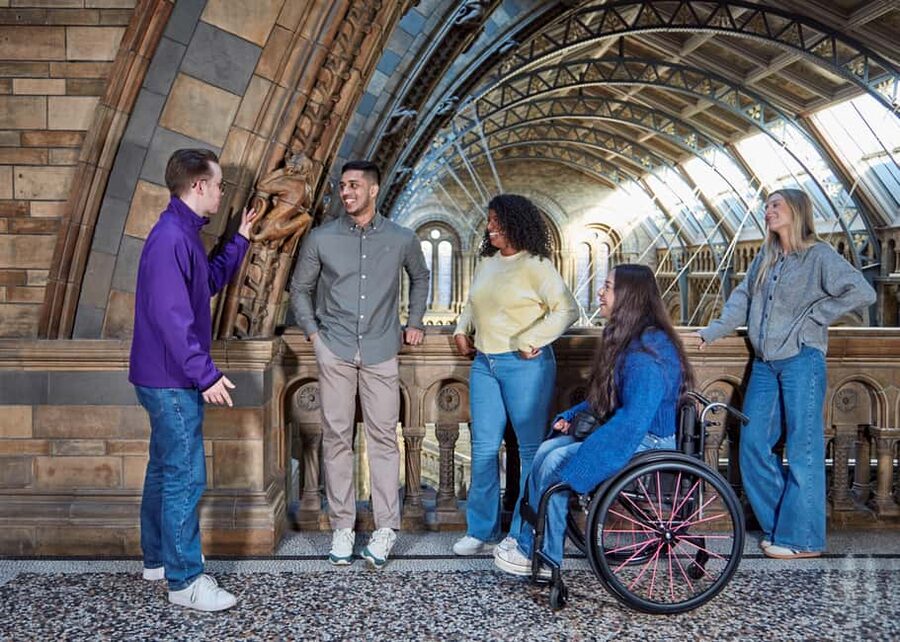
Stone animals hide in plain sight. This one-hour Natural History Museum architecture tour turns the building itself into the main attraction, from gargoyles and carvings to the story behind the stonework. You’ll go in with a small group (up to 7 people), with skip-the-queue entry so you can spend your time looking, not waiting.
I especially like how the tour points you toward the details most people miss, like the menagerie of terracotta animals built into the architecture. The guide also brings in the museum’s design process with digital copies of original sketches and drawings, so you see how the late-1800s vision shaped what you walk through today.
One thing to plan for: this is a tight one-hour format. You’ll get the architecture story and general museum entry, but you won’t get time for everything, and paid temporary exhibitions aren’t included.
In This Review
- Key highlights at a glance
- Why the Natural History Museum building deserves your attention
- Romanesque details you’ll notice once your eyes are trained
- Meeting on Exhibition Road without wandering the wrong entrance
- Your one-hour route: late-1800s plans to the Darwin Centre
- Headsets, noise, and why a small group actually helps
- Skip the queue, but know what isn’t included
- Price and value: what $20 buys you in a big London museum
- Who should book this architecture tour
- Should you book this London Natural History Museum architecture tour?
- FAQ
- How long is the Natural History Museum architecture tour?
- How big is the group?
- Where do I meet for the tour?
- Is the tour in English?
- What’s included in the ticket price?
- What’s not included?
- Is it accessible?
- Is the tour suitable for young children?
Key highlights at a glance
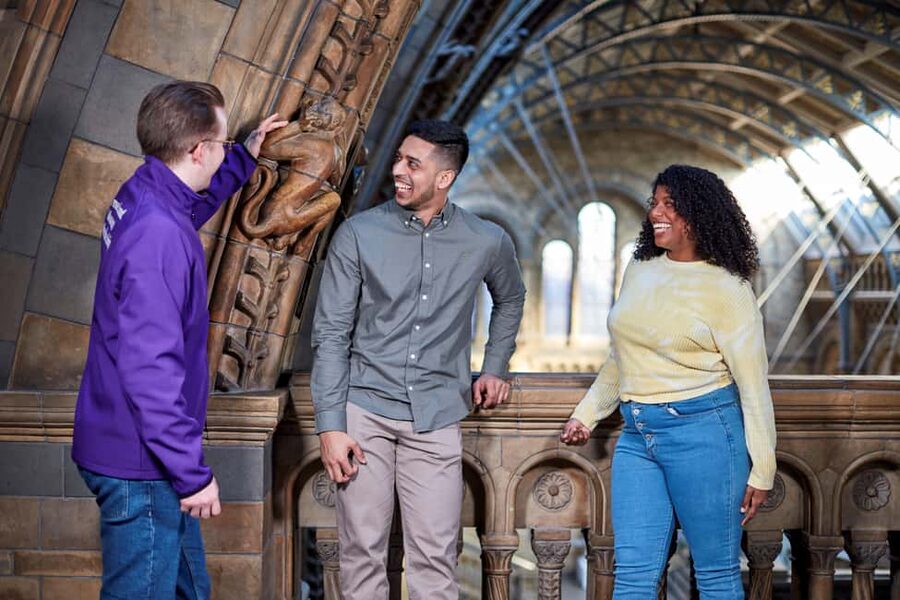
- Romanesque stonework with a built-in bestiary: Gargoyles, carved details, and terracotta animals that connect the building to nature.
- Original design documents, shown digitally: You’ll see copies of sketches, detailed drawings, and plans from the building’s creation.
- The Darwin connection in the stone: A carved monkey with a human face that echoes Darwin-related imagery.
- A smooth finish in the Darwin Centre: The newest part of the museum becomes the final stop, tying old and new together.
- Small-group attention: With a cap of 7, the guide can point out fine details without racing the clock.
- Clear guidance during busy hours: Headsets are provided when it’s peak crowded inside.
Still deciding? A handful more London outings we rated
- London Small Group Tour of Historical Pubs
★ 5.0 · 10,422 reviews - Soho Music & Historic Pubs Tour
★ 5.0 · 1,993 reviews - London: Historic Pubs of Central London Walking Tour
★ 4.9 · 1,065 reviews - London: Soho Music and Historic Pubs Walking Tour
★ 4.9 · 836 reviews
Why the Natural History Museum building deserves your attention
The Natural History Museum looks like it was designed to show off big ideas, not just display collections. Its late-1800s Romanesque style brings heavy stone, dramatic shapes, and high decorative ceilings into the spotlight. Even before you get to the collections, you can see the museum was built with showmanship in mind.
What makes the architecture tour practical is that it gives you a way to read the building. You’re not just admiring the exterior; you learn what to look for: intricate carvings and the “nature everywhere” theme that shows up in stonework. That’s where the tour earns its 1-hour time slot.
One of the most memorable details is the museum’s menagerie of terracotta animals. These aren’t random decorations; they’re part of the design language, turning the building into a kind of companion to the specimens inside. And yes, you’ll hear about a carved monkey with a human face that resembles Charles Darwin—exactly the kind of odd, clever nod that makes architecture fun.
Romanesque details you’ll notice once your eyes are trained
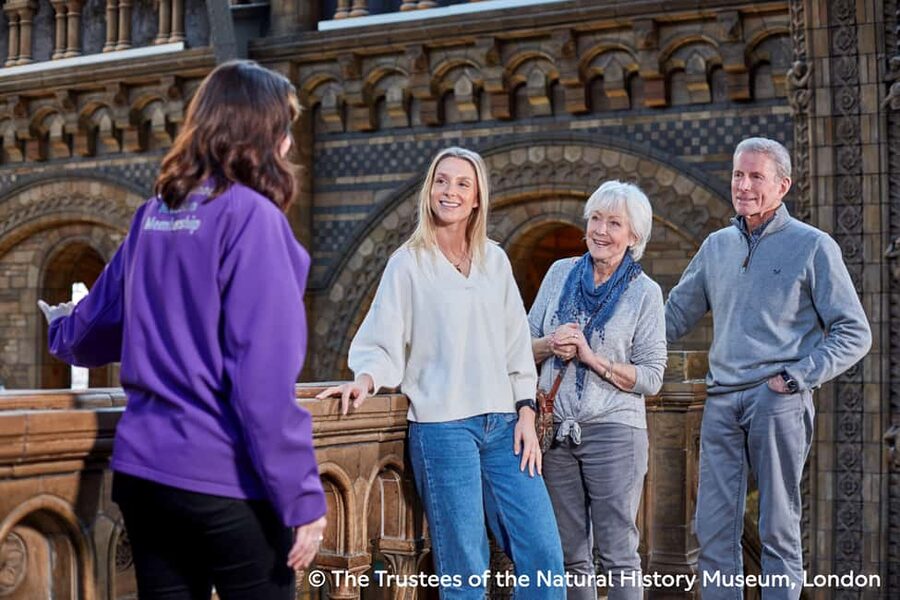
A Romanesque building isn’t subtle. It likes strong outlines, textured surfaces, and sculptural elements you can spot even when the street outside feels busy. On this tour, you’ll get pointed attention on features like gargoyles and ornate stone carvings, which can be easy to overlook on a regular visit.
The goal isn’t to turn you into an architectural expert. It’s to help you slow down enough to notice the stories hiding in the masonry. When you see the terracotta animals as intentional design, the whole museum starts to make sense as a single concept: nature, translated into stone.
Also, if you’ve visited the museum before, this is the kind of tour that changes your relationship to the building. Instead of moving past the decoration, you get to treat the stonework like its own exhibit. That’s great value in a museum where it’s easy to feel like you’ve seen everything but actually noticed very little.
Meeting on Exhibition Road without wandering the wrong entrance
This tour starts on Exhibition Road, outside the museum’s staff/Flett theatre entrance. It’s opposite the Victoria & Albert Museum, and it’s next to the public museum entrance on Exhibition Road. Importantly, it is not the main Cromwell Road entrance you reach through the gardens.
That detail matters because London museums can have multiple doors, and you don’t want to arrive stressed. If you’re using navigation, the tour provides a helpful what3words location: ///bunny.moment.seated. I’d use that to reduce guesswork and give yourself a buffer for lines, signage, and crowd movement.
Once you’re at the right spot, the tour format is built for easy entry. You’ll have skip-the-queue access, plus general museum entry included, so you can focus on the architecture story rather than wrestling with ticket lines.
Still deciding? A handful more London outings we rated


Your one-hour route: late-1800s plans to the Darwin Centre
You’ll start with the museum’s origin story in the late 1800s. The guide’s first job is to help you understand the building as a decision made by real people, not just a finished landmark. Expect to see digital copies of the original sketches, detailed drawings, and plans used in its creation.
Seeing those design materials changes how you look at the museum in real time. It’s one thing to notice carved stone; it’s another thing to understand that the design went through stages and planning, with specific choices made for form and detail. You’ll likely leave with a better sense of how Romanesque elements were translated into something built for a public museum.
After that foundation, the tour moves into the present-day structure, including the museum’s twenty-first-century additions. That matters because buildings like this rarely stay frozen in time. You’ll connect the original late-1800s vision with newer museum needs, so the museum feels like one evolving story rather than two separate eras.
The tour ends inside the newest part of the museum building, the Darwin Centre. Finishing there is smart because it puts contemporary museum space right after you’ve studied the old architecture language. You’re not just walking through rooms; you’re seeing how the museum keeps the nature theme while updating its design approach.
Headsets, noise, and why a small group actually helps
This tour keeps the group size small—limited to 7 participants. In a museum, that’s the difference between hearing your guide and competing with the crowd. You’ll have time to ask questions and to actually notice the details your guide points out, instead of being swept along.
During peak visitor hours, headsets are provided. That feature is quietly useful in a place where foot traffic and background noise can make spoken explanations hard to follow. If you care about the small design clues—like the exact carvings or the design logic behind them—clear audio makes a big difference.
One review highlight that stood out for me was the guide’s ability to keep people engaged and spoken clearly across an international group. The guide named Glenn Harper was described as passionate, and also as someone who points out things you might miss on your own. That combo—energy plus clarity—is exactly what you want from a short architecture tour.
Skip the queue, but know what isn’t included
This experience includes general museum entry, plus skip-the-ticket line. So you’re not paying extra to get access to the museum building while you focus on the architecture story. The guide-led format is also included, and the tour is in English.
Two things are not included. An audio guide is not part of this tour, and paid temporary exhibitions are not included. If temporary exhibitions are the main reason you came to the museum, this tour won’t fully replace that plan.
So here’s the practical way to think about it: this is an architecture-focused route with a clear start and end point. If you use it as your “look closely” hour, you’ll probably enjoy the rest of your museum time more.
Price and value: what $20 buys you in a big London museum
At about $20 per person for a 1-hour guided tour, you’re paying for three core benefits: an expert guide, a structured look at the building, and time saved by skipping the queue. In London’s major museums, time and attention are often the real cost, not just money.
You also get general museum entry included, which makes the price feel more like paying for guidance than paying for access. For people who might otherwise wander quickly and miss details, the guide-led approach can turn a normal visit into something more memorable.
And because it’s small-group capped, the “price per person” is doing real work. A bigger group would flatten the experience into a rushed checklist. A smaller group supports a slower pace, letting you actually register what’s carved, sculpted, and patterned into the building.
If you like museums but don’t want to spend half a day chasing every gallery, this offers a smart compromise. You get architecture context fast, and then you can decide what to do next with the rest of your time.
Who should book this architecture tour
This tour is a good match if you care about buildings, design, and symbolism, not just museum objects. If you want to understand why the Natural History Museum looks the way it does—gargoyles, carvings, decorative ceilings, and the animal-shaped details—this hour is built for you.
It’s also worth it if you’ve already visited the museum. Even if you’ve walked through the galleries, you can still leave feeling like you learned the building’s “hidden layer.” The architecture becomes the main exhibit, and your eyes come away trained.
Wheelchair access is listed, which helps if mobility needs mean you want a guided route and clear pacing. The tour isn’t suitable for children under 4 years, so plan accordingly if you’re traveling with very young kids.
Should you book this London Natural History Museum architecture tour?
I think this is an easy yes if you want a short, focused museum experience that improves how you see the building. The combination of Romanesque architecture, terracotta animal details, digital copies of design documents, and a finish in the Darwin Centre is a strong mix for the time you’re giving up.
Don’t book it if temporary exhibitions are your top priority, since those paid exhibitions are not included. Also, if you’re the type who wants long, self-paced gallery time with no guidance, you might prefer going without a structured hour.
If you can handle a quick route and you like learning how places are designed, booking is a smart way to make your Natural History Museum visit feel intentional.
FAQ
How long is the Natural History Museum architecture tour?
The tour lasts 1 hour.
How big is the group?
The small group is limited to 7 participants.
Where do I meet for the tour?
Meet outside the Natural History Museum staff/Flett theatre entrance on Exhibition Road, opposite the Victoria & Albert Museum. It’s next to the public museum entrance on Exhibition Road, not the main Cromwell Road entrance accessed through the gardens.
Is the tour in English?
Yes, the live guide leads the tour in English.
What’s included in the ticket price?
It includes a guide-led tour in English, general museum entry, skip-the-queue access, and headsets during peak visitor hours.
What’s not included?
The tour does not include an audio guide, and it does not include entry to paid temporary exhibitions.
Is it accessible?
Yes, the tour is wheelchair accessible.
Is the tour suitable for young children?
It is not suitable for children under 4 years.
More Historical Tours in London
- London Small Group Tour of Historical Pubs
★ 5.0 · 10,422 reviews - Soho Music & Historic Pubs Tour
★ 5.0 · 1,993 reviews - London: Historic Pubs of Central London Walking Tour
★ 4.9 · 1,065 reviews - London: Soho Music and Historic Pubs Walking Tour
★ 4.9 · 836 reviews - Royal Historic Pubs Walking Guided Tour in London
★ 5.0 · 803 reviews
More Tours in London
- From London: Harry Potter Warner Bros Studio Tour
★ 4.7 · 26,588 reviews - Magical London: Harry Potter Guided Walking Tour
★ 4.7 · 22,044 reviews - London: Warner Bros. Studio Harry Potter Tour & Branded Bus
★ 4.7 · 19,194 reviews - London Big Bus Hop-On Hop-Off Tour with Optional River Cruise
★ 3.5 · 10,803 reviews - London Small Group Tour of Historical Pubs
★ 5.0 · 10,422 reviews
More Tour Reviews in London
- From London: Harry Potter Warner Bros Studio Tour
★ 4.7 · 26,588 reviews - London: Westminster to Greenwich River Thames Cruise
★ 4.5 · 22,836 reviews - Magical London: Harry Potter Guided Walking Tour
★ 4.7 · 22,044 reviews - London: Madame Tussauds London
★ 4.6 · 20,915 reviews - London: Warner Bros. Studio Harry Potter Tour & Branded Bus
★ 4.7 · 19,194 reviews
Just reviewed around London





Historical Tours, compared.
 ★ 5.0London Small Group Tour of Historical PubsFrom $4010,422 reviews
 ★ 5.0Soho Music & Historic Pubs TourFrom $441,993 reviews
 ★ 4.9Historic Pubs of Central London Walking TourFrom $391,065 reviews
 ★ 4.9Soho Music and Historic Pubs Walking TourFrom $39836 reviews
 ★ 5.0Royal Historic Pubs Walking Guided Tour in LondonFrom $44803 reviews
 ★ 5.0Private Group: Historical Pub Walking Tour of LondonFrom $173660 reviews
 ★ 4.6Rock ‘n’ Roll History TourFrom $74645 reviews
 ★ 4.7Westminster Abbey Tour with a Royal Heritage GuideFrom $93614 reviews
Browse the lists this tour appears in