
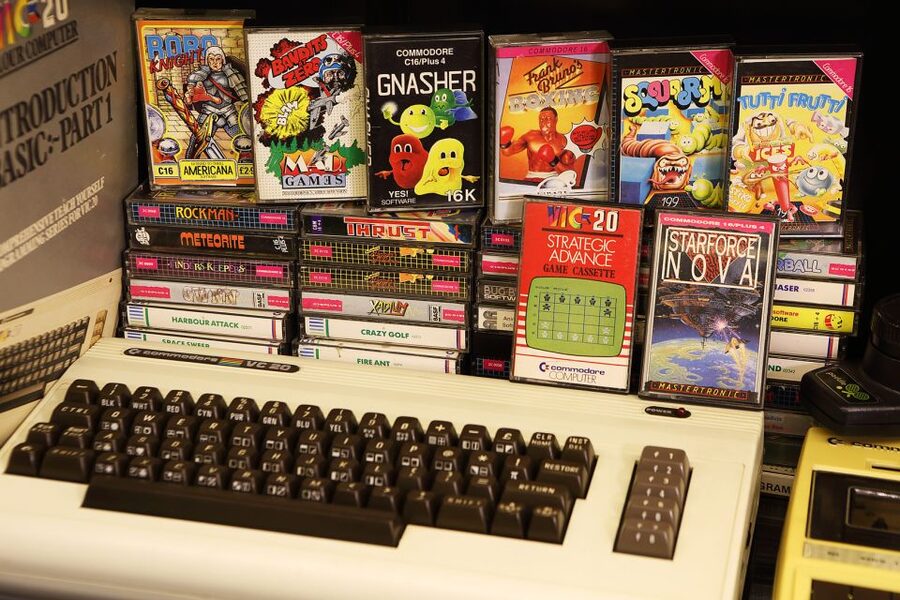
Reviewed · SKIP THE LINE
London: Museum of Brands Skip-the-Line Ticket
Brand nostalgia works like a time machine. The Museum of Brands in Notting Hill uses a Time Tunnel and thousands of objects to explain how consumer life changed from Victorian days to the digital age. I love how the exhibits feel arranged by real-world milestones, not just random labels, and I also like that you get a memorial garden break at the end instead of rushing straight out.
One thing to consider: this museum is display-heavy and brand-focused. If you’re expecting lots of hands-on science or major artwork galleries, you may want to plan for a more thoughtful, reading-and-looking visit.
In This Review
- Key highlights you’ll care about
- A museum about why products feel personal
- Notting Hill location and how to plan your day
- Inside the Time Tunnel: 200 years of consumer life
- The next room: old TV adverts and rotating display themes
- The museum’s real value: seeing society through packaging
- Skip-the-line: when it’s worth it
- The memorial garden ending: a calm pause in the middle of London
- What to look for if you like nostalgia with a purpose
- Price and value: is $18 a smart buy?
- Who should book this experience?
- Should you book the London Museum of Brands skip-the-line ticket?
- FAQ
- Where is the Museum of Brands, and where do I go?
- How much does the London Museum of Brands ticket cost?
- Is the ticket valid for more than one day?
- What are the opening hours?
- Are there any closure dates?
- What is included with the skip-the-line ticket?
- Are food and drinks included?
- What do you see in the Time Tunnel?
- Can I watch old commercials there?
- Is the experience flexible, and is it wheelchair accessible?
Key highlights you’ll care about
- Time Tunnel storyline that moves from Victorian times into the digital era
- 12,000+ items showing how everyday products, packaging, and advertising evolved
- Big historical moments in the mix, from royal coronations to the moon landing
- Entertainment tech chapters covering cinema, radio, and television
- Old TV adverts and temporary themes like 1950s toys and London Punk
- Award-winning memorial garden where you can pause with cake, coffee, or a drink you buy
Still deciding? A handful more London outings we rated
- London: Tower Bridge Entry Ticket
★ 4.7 · 15,560 reviews - London: St Paul’s Cathedral Entry Ticket
★ 4.7 · 9,813 reviews - London: London Eye and Madame Tussauds Combo Ticket
★ 4.7 · 7,428 reviews - Buckingham Palace: The State Rooms Entrance Ticket
★ 4.6 · 7,395 reviews
A museum about why products feel personal
The Museum of Brands is not the usual museum with Roman pots or famous paintings. It treats something familiar as a historical record: the way people sold ideas, and how packaging and advertising shaped what we bought, watched, and wore.
What I like most is the clarity of the concept. You’re not just looking at logos. You’re watching a timeline of social change through the lens of consumer culture, from the early days of mass rail travel to later leaps like motor cars and airplanes. That theme makes the museum easier to follow, especially if you want one day in London that doesn’t rely on huge lines or constant transit.
You also get that pleasant contrast between museum rooms and a calm ending. The award-winning memorial garden is a smart design choice. It gives your brain time to stop scanning text and start digesting what you learned.
Notting Hill location and how to plan your day
The museum sits in the heart of Notting Hill on Lancaster Road, and it’s about a five-minute walk from Portobello Road Market. That matters because you can pair the museum with real neighborhood wandering afterward, without needing a whole second plan.
For your timing, think of it like this:
- You start inside with the main timeline experience.
- You spend time afterward with the additional viewing areas and rotating themes.
- You finish outside in the garden with something to eat or drink (food is extra).
The ticket is designed for a one-day visit, so it’s best when you want a self-paced stop that still feels structured. You can take breaks whenever you want, and you’re not forced into a tight group rhythm.
Inside the Time Tunnel: 200 years of consumer life
The big draw is the Time Tunnel, and the museum frames it as a journey through 200 years of social change. You start with the story of how consumer society evolved, and you move through key inventions and eras that changed daily life.
Here are the topics that shape the route:
- The museum connects big inventions to everyday habits, including the railway, the motor car, and the airplane.
- It ties entertainment changes to technology: cinema, radio, and television.
- It places consumer culture alongside major events in wider history, including royal coronations, two world wars, the moon landing, and the shift toward the digital age.
Even if you don’t read every caption, the timeline approach helps you notice patterns. You start to see how advertising didn’t just sell products. It sold lifestyles. It offered roles for ordinary people: commuters, families, music fans, moviegoers, gadget lovers, and later, online customers.
One smart benefit of this setup is that it turns familiar brands into historical artifacts. When you spot a logo or a packaging style, you’re encouraged to ask a practical question: what did this product represent to the public at the time, and how did that meaning change as technology and society changed?
Still deciding? A handful more London outings we rated


The next room: old TV adverts and rotating display themes
After your Time Tunnel journey, you move into a section where you can watch TV adverts from the past. This is a good chance to slow down and let the museum’s theme land. A static poster can be dated. A short commercial can feel weirdly modern, even when it’s decades old.
Next, keep an eye out for the museum’s temporary displays. The museum has previously featured themes such as:
- 1950s Toys
- the London Punk scene
- chocolate brands
- biscuit tins
Because these are temporary themes, you shouldn’t assume you’ll see the exact same set each day. Still, this is where the museum can turn from “interesting facts” into “oh wow, I remember that.” It’s also where the brand-and-packaging focus feels most playful, since the objects are often tied to real childhood and everyday routines.
Practical tip: if you care about design and messaging, spend a little extra time on the packaging-focused areas. Color choices, typography, and product storytelling are the clues the museum wants you to notice.
The museum’s real value: seeing society through packaging
A lot of museums treat commercial culture as a side note. Here, consumer culture is the main storyline, and that changes how the exhibits feel.
You’ll probably find yourself noticing things like:
- How fast product styles and marketing messages changed once mass media and transport scaled up.
- How entertainment technologies (especially radio and TV) reshaped what brands could say and how they could reach people.
- How global events showed up indirectly through products, leisure trends, and how people were pictured.
In other words, this visit can sharpen your everyday attention. After you’ve spent time with 12,000+ items across roughly 200 years, you’re more likely to look at modern branding and ask what social shift it’s responding to.
That’s also why this museum can work well even on a day when you’re tired of “big sights.” You’re doing cultural history, but it’s grounded in objects you already understand.
Skip-the-line: when it’s worth it
You’re paying for a skip-the-line ticket, which is most valuable when the museum is busy. Even if you’re not traveling during peak summer or holidays, museums near major shopping areas can fill up.
For you, the payoff is simple:
- Less waiting.
- More time inside the Time Tunnel and the follow-on viewing areas.
- A smoother day if you also plan to hit Portobello Road Market afterward.
This is also one of those experiences that rewards time. If you can walk in and start, you’ll have an easier chance to settle in and follow the chronological storyline without feeling rushed.
The memorial garden ending: a calm pause in the middle of London
When your main museum time ends, the memorial garden is where the visit slows down. The garden is described as award-winning, and it’s a smart way to balance the topic. Advertising and consumer history can be mentally intense if you read everything in full detail. The garden gives you space to stop and reflect.
You can also get something to eat or drink here. The museum mentions a piece of cake with coffee, and it notes Prosecco is available at your own expense. Since food and drinks are not listed as included in the ticket, plan on paying for those treats separately.
This ending works especially well if you’re visiting with someone who needs breaks. You can talk about the commercials you saw, the products you recognized, or the timeline moments that surprised you.
What to look for if you like nostalgia with a purpose
The museum can feel nostalgic on the surface, but it’s more satisfying if you look with a theme in mind. Here are a few ways I’d approach it:
- Follow the technology thread. Don’t just read the dates. Watch how transport and media show up in lifestyle changes.
- Spot the packaging decisions. Think about what was easy to read, easy to recognize, and easy to store.
- Connect big events to everyday life. The museum includes major historical moments, but the interest comes from how those events sit beside leisure, entertainment, and consumer products.
- Use the temporary displays as anchors. If a theme hits your personal taste, it can make the timeline feel more human.
One more practical thing: with over 12,000 items in view, you won’t see everything at once. That’s not a failure. It’s a feature. The museum is designed for you to pick what resonates and still come away with a clear sense of the overall story.
Price and value: is $18 a smart buy?
At about $18 per person, this is a straightforward museum ticket price for London. The value is strongest if two things are true:
- You want a structured one-day experience that’s easy to add to another neighborhood plan.
- You like brand design, advertising, or the idea of social history through everyday objects.
You’re also paying for time. Skip-the-line helps, and the museum’s main attractions are the Time Tunnel and the add-on viewing areas, plus the garden. Since the museum’s focus is tightly connected to those features, you’re not paying for a vague “museum admission” that could feel uneven.
If your personal interests are very broad but you don’t care about branding, packaging, or advertising, the $18 may feel less justified. But if you’re curious about how entertainment and transport changed what people consumed, this ticket is a solid use of a day.
Who should book this experience?
This works best for:
- Curious museum-goers who like cultural history tied to daily life
- People who enjoy logos, packaging design, and advertising style changes
- Anyone who wants a calmer alternative to the biggest headline attractions
- Families and friends who want a trip with both nostalgia and facts
It may be less ideal if you want action, physical experiments, or a purely art-focused museum day.
Should you book the London Museum of Brands skip-the-line ticket?
If you want a one-day London stop that’s both easy to fit in and genuinely different, I’d book it. The Time Tunnel gives you a clear storyline across 200 years, and the combination of the timeline, old TV adverts, rotating displays, and the garden makes the day feel complete. At around $18, it’s also a reasonable price for a focused experience that doesn’t require complicated planning.
Book it especially if you enjoy noticing design and marketing details in the real world. You’ll leave thinking about brands less like symbols and more like evidence of how society changed.
FAQ
Where is the Museum of Brands, and where do I go?
The museum is located on Lancaster Road in Notting Hill. It’s also about five minutes from Portobello Road Market.
How much does the London Museum of Brands ticket cost?
The price is $18 per person.
Is the ticket valid for more than one day?
No. It’s valid for 1 day from first activation.
What are the opening hours?
Monday to Saturday are 10:00 AM to 6:00 PM. Sunday and bank holidays are 11:00 AM to 5:00 PM.
Are there any closure dates?
Yes. The museum is closed on August 27, 28, and 29, and on December 24, 25, and 26, and January 1.
What is included with the skip-the-line ticket?
Entrance to the museum, the temporary displays, and the memorial garden.
Are food and drinks included?
No. Food and drinks are not included.
What do you see in the Time Tunnel?
You’ll see a chronological story of how consumer society evolved since Victorian times, including topics like transport changes and the rise of cinema, radio, and television. It also includes major historical moments and continues up to the digital age.
Can I watch old commercials there?
Yes. After the Time Tunnel, you can watch TV adverts from the past, alongside temporary displays.
Is the experience flexible, and is it wheelchair accessible?
You can cancel up to 24 hours in advance for a full refund. You can also reserve now and pay later, and the museum is wheelchair accessible.
More Museums in London
- Tower of London and Crown Jewels Exhibition Ticket
★ 4.5 · 6,677 reviews - London: Chelsea Football Club Stadium and Museum Tour
★ 4.8 · 4,576 reviews - Chelsea FC Stadium Tours and Museum
★ 5.0 · 1,908 reviews - London: British Museum Guided Tour
★ 4.3 · 1,182 reviews - Official tickets: Moco Modern & Contemporary Art Museum
★ 4.5 · 1,157 reviews
More Tickets in London
- London: Tower Bridge Entry Ticket
★ 4.7 · 15,560 reviews - London: St Paul’s Cathedral Entry Ticket
★ 4.7 · 9,813 reviews - London: London Eye and Madame Tussauds Combo Ticket
★ 4.7 · 7,428 reviews - Buckingham Palace: The State Rooms Entrance Ticket
★ 4.6 · 7,395 reviews - Windsor Castle Admission Ticket
★ 4.7 · 7,032 reviews
More Tour Reviews in London
- From London: Harry Potter Warner Bros Studio Tour
★ 4.7 · 26,588 reviews - London: Westminster to Greenwich River Thames Cruise
★ 4.5 · 22,836 reviews - Magical London: Harry Potter Guided Walking Tour
★ 4.7 · 22,044 reviews - London: Madame Tussauds London
★ 4.6 · 20,915 reviews - London: Warner Bros. Studio Harry Potter Tour & Branded Bus
★ 4.7 · 19,194 reviews
Just reviewed around London





Skip the Line, compared.
 ★ 5.0Skip the Line Tower of London & Westminster Tour and River CruiseFrom $165730 reviews
 ★ 4.9Westminster Abbey Skip-the-line Entry & Guided TourFrom $106368 reviews
 ★ 4.5Skip the Line Parliament & Westminster Abbey Fully-Guided TourFrom $193149 reviews
 ★ 4.9Skip-the-Line London Westminster Abbey Guided Tour in GermanFrom $107135 reviews
 ★ 4.0Skip the Line Westminster Abbey & Changing of The Guard TourFrom $12149 reviews
 ★ 5.0Natural History Museum Private Tour & Skip the lineFrom $16842 reviews
 ★ 5.0Private Guided Tour of Natural History Museum – Skip the LineFrom $18537 reviews
 ★ 4.5Skip-the-line Westminster Abbey London Guided TourFrom $35825 reviews
Browse the lists this tour appears in