
Reviewed · LONDON WALKING TOURS
London: Kensington and Chelsea Guided Walking Tour
London’s prettiest corners come with explanations. This walking tour strings together South Kensington’s museum district, Kensington Gardens landmarks, Knightsbridge grand façades, and Chelsea’s quieter mews streets—so you see more than just fancy streets.
I especially like the way the walk frames the whole area as a planned cultural zone, starting from South Kensington Station and moving into the museum story tied to the Great Exhibition of 1851. I also love the park moments: Albert Memorial and the stroll through Kensington Gardens, where royal ambition meets Victorian-era design in a way that’s easy to spot even if you’re not an architecture nerd.
One potential drawback: the style of guiding can vary. On one run, a guest felt the guide shared fewer people-and-buildings details and leaned more on personal neighborhood knowledge than deep history—so if you want heavy, fact-heavy storytelling, you may want to be a bit selective.
In This Review
- Key Points You’ll Actually Care About
- South Kensington Station to Albertopolis: Where the Story Starts
- Victoria & Albert Museum Area: Great Exhibition Legacy, Made Human
- Kensington Gardens, Albert Memorial, and Royal Albert Hall: The Photo Stops That Pay Off
- Knightsbridge: Harrods, Embassies, and the Luxury-Heritage Mix
- Chelsea Mews Streets and Private Garden Squares: Where the Atmosphere Changes
- Ending at Sloane Square: The Good Place to Stretch Your Legs
- Price and Value: Is $26 Fair for a 2-Hour Walk?
- Who This Tour Fits Best (and Who Might Want Something Else)
- Should You Book This Walking Tour?
- FAQ
- How long is the London Kensington and Chelsea guided walking tour?
- Where do I meet the guide?
- Where does the tour end?
- How much does the tour cost and what’s included?
- What isn’t included?
- Is the tour wheelchair accessible?
- What languages are available for the guide?
- What should I bring?
- What’s the cancellation policy?
Key Points You’ll Actually Care About
- Museum-district context in a short time: why this part of London was built to teach art, science, and public learning
- Great Exhibition backstory tied to what you see on the ground
- Royal highlights without rushing: Albert Memorial, Royal Albert Hall, and Kensington Gardens
- Knightsbridge contrasts: Harrods area + embassies + historic architecture
- Chelsea’s mews streets feel different: stables turned residences and quiet lanes with stories behind blue plaques
- Family-friendly pace with photo help if you’re traveling solo or in a group
Other pitchside tours for the football-mad
- London: Chelsea Football Club Stadium and Museum Tour
★ 4.8 · 4,576 reviews - London: Wembley Stadium Guided Tour
★ 4.7 · 3,629 reviews - Chelsea FC Stadium Tours and Museum
★ 5.0 · 1,908 reviews - London: Tottenham Hotspur Stadium Tour
★ 4.8 · 1,593 reviews
South Kensington Station to Albertopolis: Where the Story Starts
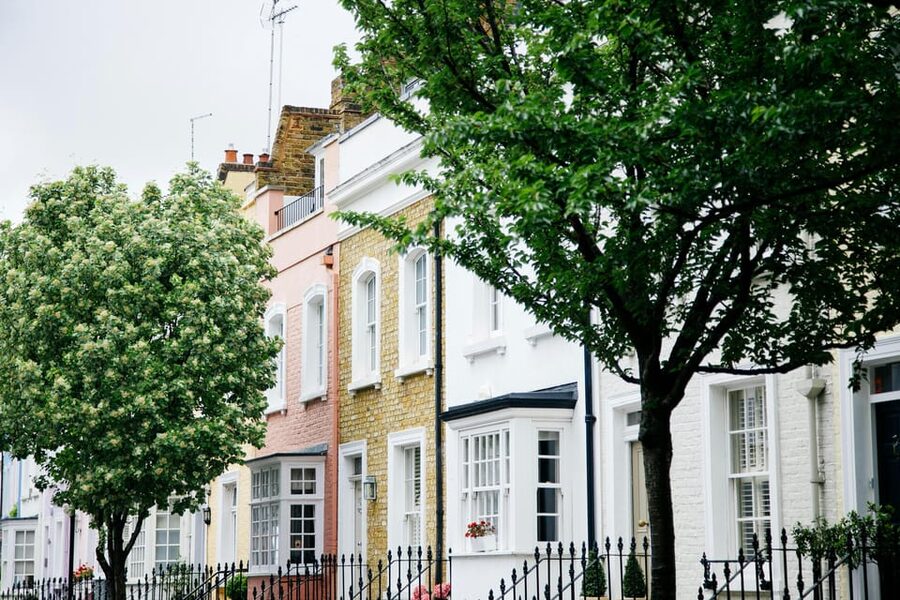
This tour begins outside South Kensington Station, right on Thurloe Street, in front of Viandas. If you’ve been to this area before, it still feels like a proper place to start because South Ken is more than a transit stop. It’s the gateway to a whole Victorian-era idea called Albertopolis—London’s attempt to build a district focused on education, art, and science.
You’ll be walking along Exhibition Road, and the guide sets up the big picture fast: the district’s cultural mission traces back to the success of the Great Exhibition of 1851. It’s a useful framing because, once you hear it, the museums don’t feel random. They feel like the buildings are doing a job.
Practical note: the pace is relaxed, and the route is described as step-free. That matters here, because you’re going to want to stop for photos and to look up at façades without constantly feeling like you’re sprinting.
Victoria & Albert Museum Area: Great Exhibition Legacy, Made Human
Even though the tour is mostly about exteriors and streetscape views, the Victoria & Albert Museum area is treated as a turning point. The guide connects what you’re seeing now to how the area gained momentum after the Great Exhibition. In plain terms, you learn not just what these institutions are, but why they landed here and what they were meant to inspire.
If you like history that actually helps you look at buildings instead of just memorizing dates, this part works. You’ll walk away with a clearer mental map of why South Kensington became the museum district it is today, including the idea that institutions were designed to support public learning and civic pride.
The vibe is also less intimidating than museum planning. You don’t need tickets in your day to understand what you’re passing. That’s a nice fit if you’re juggling limited time or if you’d rather spend money elsewhere.
Kensington Gardens, Albert Memorial, and Royal Albert Hall: The Photo Stops That Pay Off
Next comes one of the easiest parts of London to enjoy on foot: the shift from museum blocks into Kensington Gardens. The tour includes stops at the Albert Memorial and the exterior of Kensington Palace, plus a look around the Royal Albert Hall area.
This section is valuable because it mixes three things travelers often separate into different days:
- grand architecture (you can spot it instantly)
- a royal layer (Kensington Palace is mentioned as the former home of Princess Diana)
- a calmer pace in the middle of a busy city
It’s also where the guide’s storytelling style becomes especially noticeable. Some guides will hammer details; others will keep it conversational. Either way, these landmarks give you something concrete to connect to: you’re not just hearing words, you’re standing in front of the symbols.
You’ll have opportunities to take photos, and if you’re traveling solo, the guide is noted as happy to take pictures for you using your phone. That small service turns a “quick stop” into a satisfying memory.
London on foot, a few more ways
Knightsbridge: Harrods, Embassies, and the Luxury-Heritage Mix
After the gardens, the tour moves into the heart of Knightsbridge. This is where London’s tone shifts. The streets feel more polished. The architecture leans historic. And the landmarks signal global influence—right up to Harrods, one of the neighborhood’s most famous names.
The tour doesn’t just say this area is fancy. It gives you a reason to look closer: red-brick mansions, embassies, and department-store heritage all appear in the same walking bubble. That contrast is the point. You start to see how Knightsbridge acts like a showroom for different eras of London life—wealth, diplomacy, and retail history all sharing the same skyline.
If you’re hoping for hidden access (like stepping inside fancy courtyards), don’t expect that. This walk is built around seeing and understanding. But you’ll still come away with a sharper sense of why Knightsbridge looks the way it does and how it functions in the city.
Chelsea Mews Streets and Private Garden Squares: Where the Atmosphere Changes
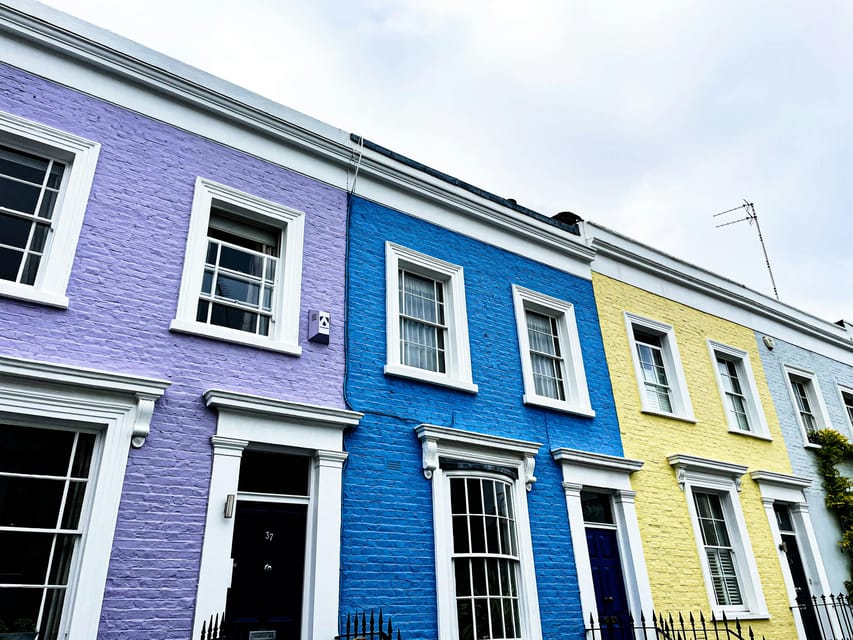
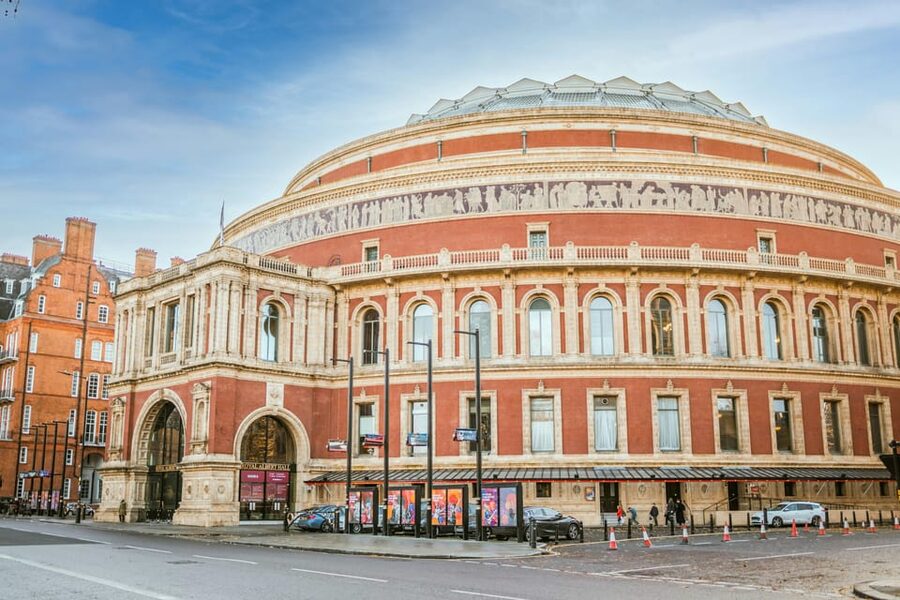
Chelsea is where the tour becomes more intimate. You’ll stroll through mews streets—originally built as stables and now transformed into highly sought-after residences. These lanes can feel like London’s little secret, even when you’re in a central area. And when a guide points out what you’re seeing and why it changed, the street becomes a story instead of scenery.
This part also includes Georgian and Victorian townhouses and stops outside private garden squares. The tour mentions listening to stories behind blue plaques and the elegant architecture tied to the area’s identity.
Here’s what makes Chelsea worth covering on a guided walk: the neighborhood has long attracted artists, writers, designers, and radicals. That creative draw isn’t just a trivia line—it helps you understand why the streets feel a bit different from Knightsbridge. Chelsea feels more like ideas lived here, not just money spent here.
A useful detail from a positive review: a family with two young children said the guide managed to keep them engaged. That’s a good sign for anyone traveling with kids or anyone who doesn’t want a lecture tone.
Ending at Sloane Square: The Good Place to Stretch Your Legs
The tour wraps up at Sloane Square, described as the gateway to King’s Road. This ending spot is practical. You’re not stuck at a random corner with no next move. You’re in an area with easy onward options for shopping, cafés, and wandering.
If you plan to keep moving after the walk, Sloane Square is a smart handoff because it links you to the King’s Road energy—the place once known for fashion and rebellion in the 1960s and still home to independent shops and galleries.
Even if you don’t go far, the ending feels tidy: you’ve covered a coherent loop of neighborhoods with a clear story arc from institutional London to residential Chelsea.
Price and Value: Is $26 Fair for a 2-Hour Walk?
At about $26 per person for 2 hours, this tour sits in the “good value” category for London, where guided experiences can swing wildly in cost. The key is what you’re actually buying:
- a live guide (with English, German, and Italian options)
- a structured route through recognizable areas
- storytelling that gives you context as you walk
- help with photos if you need it
What you’re not paying for: entrance fees, and there’s no included food or hotel pickup/drop-off. That’s normal for a walking tour, and it can actually be a benefit. It keeps the cost down and lets you choose whether you want to spend extra money inside museums based on what you liked most.
If you want museum ticket time, plan to add it after the tour—especially since the walk already explains what makes the museum district meaningful.
Who This Tour Fits Best (and Who Might Want Something Else)
This works well if you want an efficient overview with enough context to make the city feel less like a checklist. It’s a solid choice for:
- first-timers in London who want Kensington, Chelsea, and Knightsbridge in one go
- travelers who care about architecture and design, not just famous names
- families (the tour is described as suitable for all ages, including children)
- solo travelers who value help with photos and a relaxed group pace
You might choose differently if:
- you expect deep, dense historical detail at every stop. One feedback note was that some guests wanted more building-and-people facts and found the guide focus too light or too personal for their taste.
- you dislike guided walks where much of the value comes from interpretation rather than inside access. This is mainly a street-and-exterior experience.
Should You Book This Walking Tour?
I’d book it if your goal is to get oriented quickly and understand why these neighborhoods look and feel the way they do. The combination of South Ken museum legacy, Kensington Gardens royal landmarks, and Chelsea’s mews-to-townhouse transformation is a strong use of two hours.
I’d think twice if you specifically want a highly academic, detail-heavy history lecture throughout. If that’s you, look for a tour format that promises more inside-the-buildings content or more people-and-events depth at each stop.
If you do book: wear comfortable shoes, bring water, and come ready to look up. This walk rewards the habit of noticing.
FAQ
How long is the London Kensington and Chelsea guided walking tour?
The tour lasts about 2 hours.
Where do I meet the guide?
Meet outside South Kensington Station on Thurloe Street, in front of Viandas. The guide will hold a sign with the tour name.
Where does the tour end?
The tour finishes at Sloane Square.
How much does the tour cost and what’s included?
It costs $26 per person. The included items are the walking tour and a live guide.
What isn’t included?
Entrance fees, food, and drinks are not included. There’s also no hotel pickup or drop-off.
Is the tour wheelchair accessible?
Yes. The tour is described as wheelchair accessible and step-free.
What languages are available for the guide?
The guide offers live tours in English, German, and Italian.
What should I bring?
Bring comfortable shoes, a camera, and water.
What’s the cancellation policy?
You can cancel up to 24 hours in advance for a full refund. The listing also notes reserve now & pay later options.
More Tour Reviews in London
- From London: Harry Potter Warner Bros Studio Tour
★ 4.7 · 26,588 reviews - London: Westminster to Greenwich River Thames Cruise
★ 4.5 · 22,836 reviews - Magical London: Harry Potter Guided Walking Tour
★ 4.7 · 22,044 reviews - London: Madame Tussauds London
★ 4.6 · 20,915 reviews - London: Warner Bros. Studio Harry Potter Tour & Branded Bus
★ 4.7 · 19,194 reviews
More London Walks Worth the Shoe Leather
- Magical London: Harry Potter Guided Walking Tour
★ 4.7 · 22,044 reviews - London: The Original Jack the Ripper Walking Tour
★ 4.7 · 7,833 reviews - Tour for Muggles The Ultimate Harry Potter Walking Tour in London
★ 5.0 · 4,684 reviews - London Jack The Ripper Guided Walking Tour
★ 5.0 · 3,131 reviews - London: Harry Potter Movies Walking Tour (Kids Go Free)
★ 4.7 · 3,071 reviews
For the Footballers: More Stadium Tours
- London: Emirates Stadium Entry Ticket and Audio Guide
★ 4.7 · 5,513 reviews - London: Chelsea Football Club Stadium and Museum Tour
★ 4.8 · 4,576 reviews - London: Wembley Stadium Guided Tour
★ 4.7 · 3,629 reviews - Chelsea FC Stadium Tours and Museum
★ 5.0 · 1,908 reviews - London: Tottenham Hotspur Stadium Tour
★ 4.8 · 1,593 reviews
Just reviewed around London





London Walking Tours, compared.
 ★ 4.7Magical London: Harry Potter Guided Walking TourFrom $2022,044 reviews
 ★ 4.7The Original Jack the Ripper Walking TourFrom $257,833 reviews
 ★ 5.0Tour for Muggles The Ultimate Harry Potter Walking Tour in LondonFrom $234,684 reviews
 ★ 5.0London Jack The Ripper Guided Walking TourFrom $03,131 reviews
 ★ 4.7Harry Potter Movies Walking Tour (Kids Go Free)From $203,071 reviews
 ★ 5.0Changing of the Guard Guided Walking Tour in LondonFrom $251,793 reviews
 ★ 4.9The Great British Rock and Roll Music Walking TourFrom $361,783 reviews
 ★ 4.8Harry Potter Walking Tour in GermanFrom $201,505 reviews
Browse the lists this tour appears in