
Reviewed · JACK THE RIPPER TOURS
London: Dr Blood’s Immersive Jack the Ripper Walking Tour
Whitechapel has a way of feeling close. This Dr Blood’s Jack the Ripper Walking Tour uses professional actors in character and up-to-date research to turn 1888’s horrors into a story you can actually follow on foot. You’ll walk the key areas tied to the murders, with enough context about the victims, the police, and the press to make the whole case click.
What I like most is the mix of theatre plus history, with guides like Jack bringing scenes to life through period costume and spoken narration. I also like how the tour is built to be complete for the subject: you’ll cover all six murders attributed to the Ripper and visit five of the actual locations tied to them, not just a handful of famous stops.
The main thing to consider is that this is a walking tour with no shortcuts: it lasts about 2 hours, runs in all weathers, and it’s not suited to everyone’s mobility needs or comfort level. If you’re expecting something quick and light, this one is more focused, darker, and more demanding on your feet.
In This Review
- Key takeaways before you go
- From Durward St to Brushfield St: a route built for the story
- Jack’s costumed character: the theatre that makes research usable
- The 1888 timeline: why chronological order helps you remember
- Six murders covered, five real locations visited
- Police and newspapers: the pressure points you don’t expect
- Ending on Brushfield St: what it feels like when the story stops
- Price and value: is $25 a fair deal for what you get?
- Who this tour fits best (and who should think twice)
- Before you book: quick practical checks
- Should you book Dr Blood’s Jack the Ripper Walking Tour?
- FAQ
- How long is London: Dr Blood’s Immersive Jack the Ripper Walking Tour?
- Where do I meet the guide?
- Where does the tour end?
- What will I see and learn on the tour?
- Does the tour cover all the Ripper murders?
- How many real locations will the tour visit?
- Are the guides actors in costume?
- What’s the group size?
- Does the tour run in bad weather?
- Is it suitable for children?
Key takeaways before you go
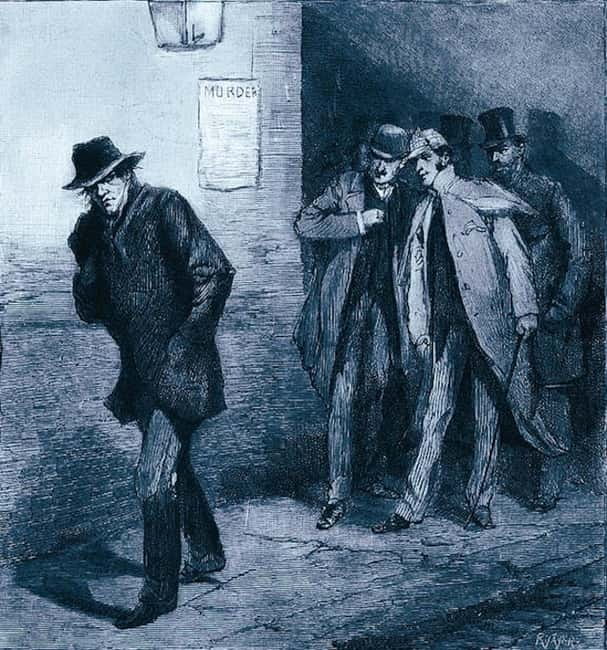
- Costumed, in-character acting with a guide like Jack who turns research into a walkable narrative
- Six murders covered and five real locations visited, with events told in chronological order for clarity
- Small groups (up to 25) help keep the experience interactive, not crowded
- Visual support using an aptly named book of misery helps you track details and names
- Built around the full system: police work, newspapers, society, and the victims, not just the killer
More of the East End after dark
- London: The Original Jack the Ripper Walking Tour
★ 4.7 · 7,833 reviews - London Jack the Ripper Guided Tour with Ripper-Vision
★ 4.5 · 4,840 reviews - London: Jack the Ripper Small Group Tour
★ 4.7 · 3,159 reviews - London Jack The Ripper Guided Walking Tour
★ 5.0 · 3,131 reviews
From Durward St to Brushfield St: a route built for the story
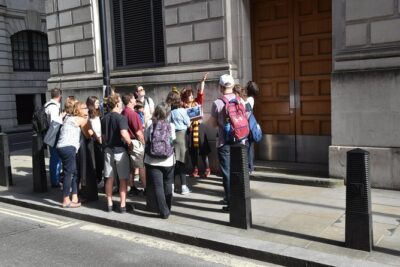
This tour starts right outside the Durward St exit of Whitechapel Station, with the guide facing you across the street. That matters more than it sounds. It gets you moving immediately into the Whitechapel area people associate with 1888, so you don’t waste time trying to orient yourself before the story begins.
The tour finishes on Brushfield St, just off Commercial St, a few minutes’ walk from Aldgate East Tube Station. I like this flow because it keeps the night from feeling like a loop that backtracks too much. You get a clear before-and-after arc: you start at the transport hub of the neighborhood and end near another easy rail connection.
Expect a minimum of 16 different locations during the 2-hour walk. Since you’re moving that often, the pacing feels designed for momentum, not for lingering in one spot for ages. The guide’s acting style also helps you reset your attention as the story shifts from street-level scenes to the wider social and investigative picture.
One practical note: the tour runs in all weathers, so you’ll want to plan like it’s a real outdoor commitment. Comfortable walking boots or shoes are the smart call, especially in a neighborhood where the ground can get slippery. And since bikes and audio recording aren’t allowed, you’ll experience it hands-on—listening, looking at visuals, and watching how the guide frames each stop.
Jack’s costumed character: the theatre that makes research usable
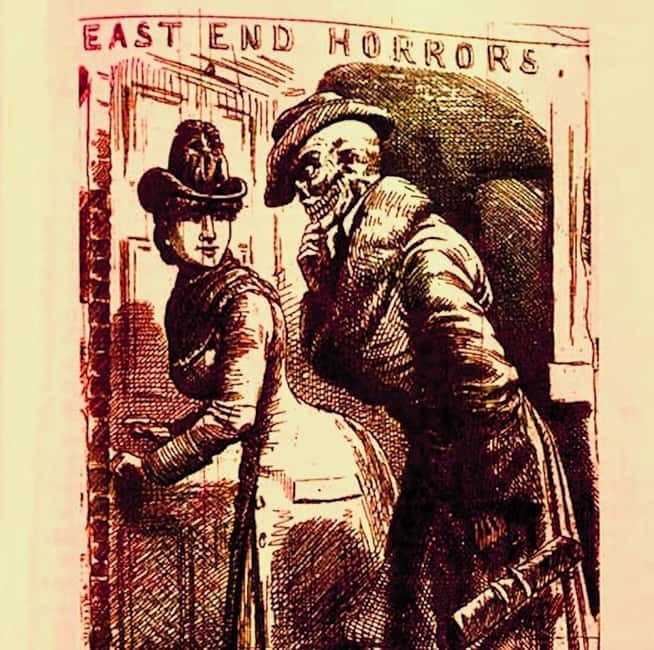
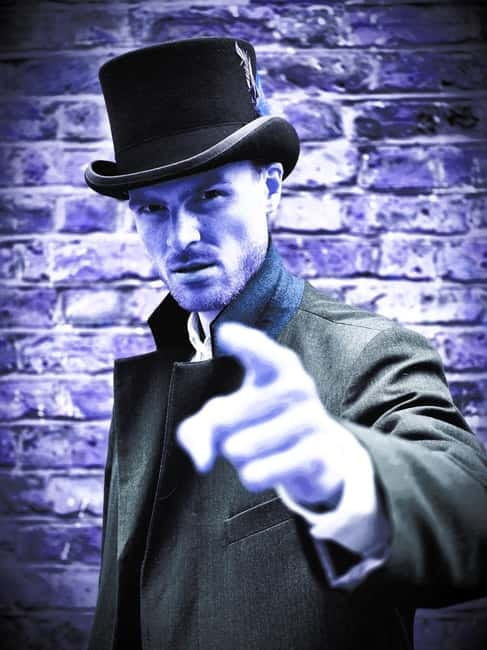
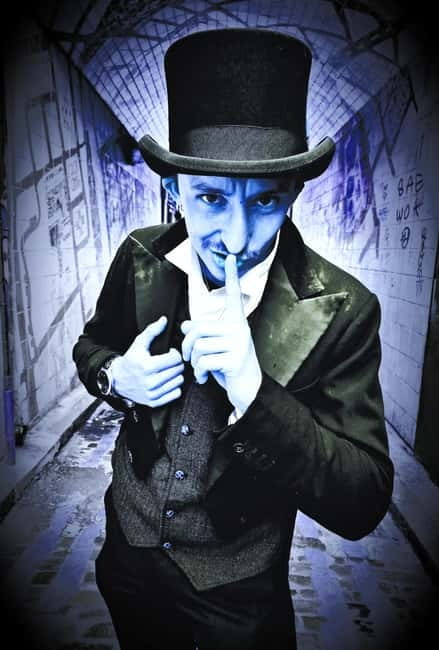
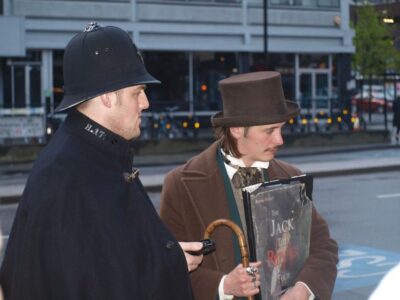
Dr Blood’s big advantage is that you’re not just getting a lecture with a few spooky facts. You’re getting a guided performance led by professional actors in period costume, and the guide stays in character for the evening.
In one review, the guide was literally called Jack, and the costume added to the atmosphere even when weather forced a change. That’s a good sign for you as a reader: the experience doesn’t depend on perfect costumes to land the moment. Even with a weather hiccup, the guide’s delivery and the structure of the story still carried the night.
I also like the way the tour handles scripted-style storytelling without turning stiff. One review notes that none of it felt like it was read off a script, which is exactly what you want for this kind of walking tour. When a guide is comfortable—answering questions, reacting to the group, and shaping transitions—it makes the historical details feel grounded instead of rehearsed.
Another detail that stands out is the use of a visual element described as a book of misery. That’s not just for decoration. Visuals help you keep names, dates, and case links straight as the tour moves across the neighborhood. When the guide references documents or details during stops, the visuals give you something to anchor in your mind.
And if you’re the type who likes more interaction, the small group size can help. The tour caps groups at 25, and on at least one outing the group was as small as five people including the guide. When the group is that small, it’s easier to ask questions during walking breaks instead of saving them all for the end.
The 1888 timeline: why chronological order helps you remember
The tour takes you through the events of 1888 chronologically, and that design choice is a big deal. Jack the Ripper stories can get tangled fast—multiple victims, shifting theories, changing police responses, and newspaper chatter all mixed together. A chronological route keeps the logic clear so the case builds rather than collapses into random names.
You’ll be walking while the guide ties together what’s happening on the street with what’s happening around it. The tour doesn’t treat the murders like isolated incidents. Instead, it shows how events fed into a cycle of fear, investigation pressure, and public attention, which is exactly how these kinds of cases work in real life.
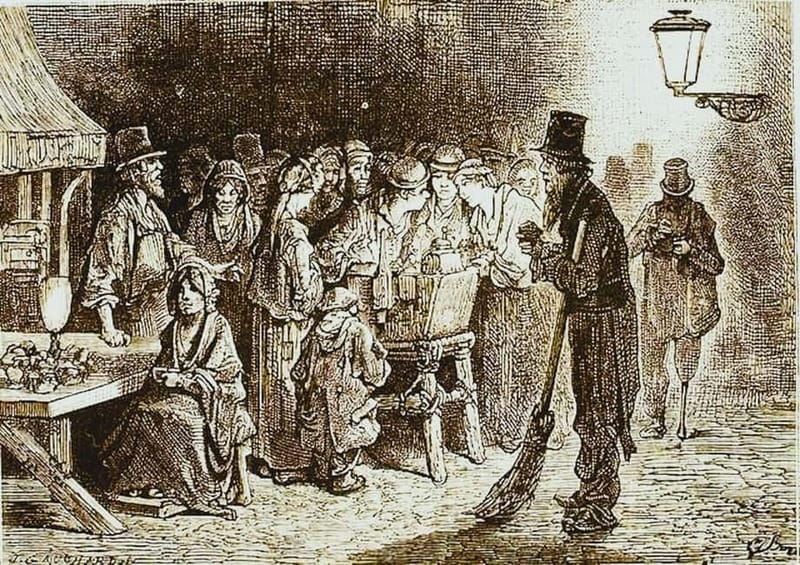
The guide also frames the neighborhood itself as part of the story. You’ll hear about life in Whitechapel during the late 19th century, with attention to the people who lived there and the conditions that shaped everyday choices. That context matters because it changes how you interpret the victims and the reactions of police and society.
Another value point: the tour claims it uses the very latest research on the subject. You can’t assume every Ripper tour is equally up-to-date, so this focus on current findings is part of the value proposition. It’s also why the guide spends time on investigation and media—those are the areas where research can shift emphasis.
As you move through the timeline, you’ll also cover the idea that these crimes led to positive change in society that people can still benefit from today. The tour doesn’t just stop at shock. It makes room for how institutions responded, and what long-term effects those responses had.
London on foot, a few more ways

Six murders covered, five real locations visited
This is where the tour earns its place for a lot of people. Many Ripper walks give you a greatest-hits tour. This one is designed to be complete for what’s currently attributed: all six murders connected to the Ripper, plus visiting five of the actual murder locations.
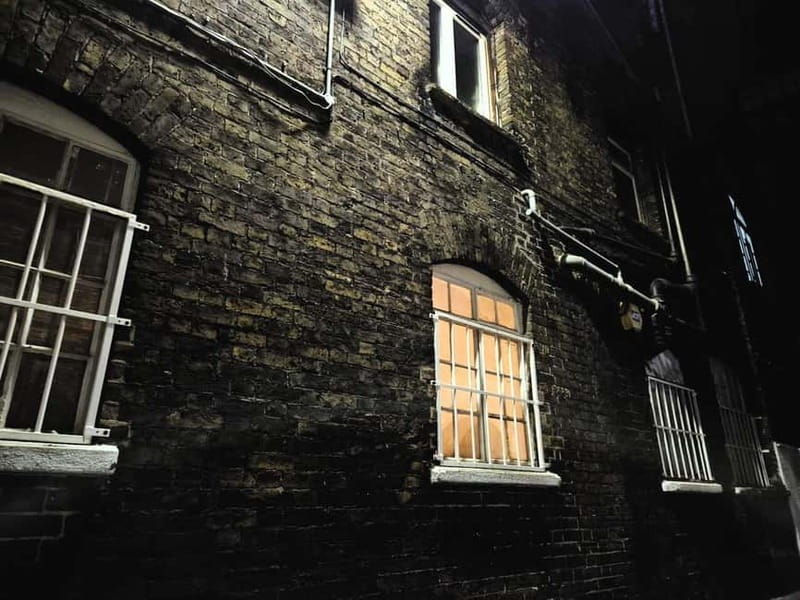
That difference helps you in two ways. First, you get fewer gaps in the storyline. You’re less likely to leave thinking, Wait, why did we skip that case? Second, seeing real locations—even if you’re only at five of them—adds a grounded sense of place. The murders aren’t just names on a plaque; they’re tied to streets and corners you can physically picture.
One caution: the subject matter is grim. The tour is built to shock, inform, and entertain, which tells you the mood is both educational and emotionally heavy. If you’re easily distressed by true-crime content, consider how you handle darker history.
On the ground, the stops aren’t just about where things happened. They’re also about why the locations mattered to people at the time. The guide connects each place to the investigation process—what police could or couldn’t do, and how the public’s attention affected events.
Because you’ll hit at least 16 locations, you also get supporting context beyond the murder sites. Think of it as the case file plus the neighborhood around it: where information spread, where institutions were strained, and where ordinary people were living with very little control over the risks in their daily lives.
Police and newspapers: the pressure points you don’t expect
A lot of Ripper tours focus on the killer’s identity and the gore-adjacent mystery. This tour gives more time to the systems trying to respond: the police and the newspapers, plus wider society and the victims.
That approach is valuable because it turns a legend into a problem-solving story. You’ll hear about the difficulties the police faced when confronted with these crimes. Even without naming specific detective identities, the guide is clear that the environment of 1888 made investigation harder—limited tools, messy information flow, and public panic all feeding the situation.
The newspapers angle also matters. In 1888, print media could amplify fear and rumor quickly. The tour ties journalism and public conversation into the case timeline, showing how what people read and repeated shaped the atmosphere police operated in.
For you, this is the part that helps the tour feel different from a basic walking “greatest hits.” Instead of repeating the same haunting facts, you’re understanding how the investigation unfolded in a real-time information storm. When you grasp that, the murders stop being just a ghost story and become a window into how institutions work under strain.
Ending on Brushfield St: what it feels like when the story stops
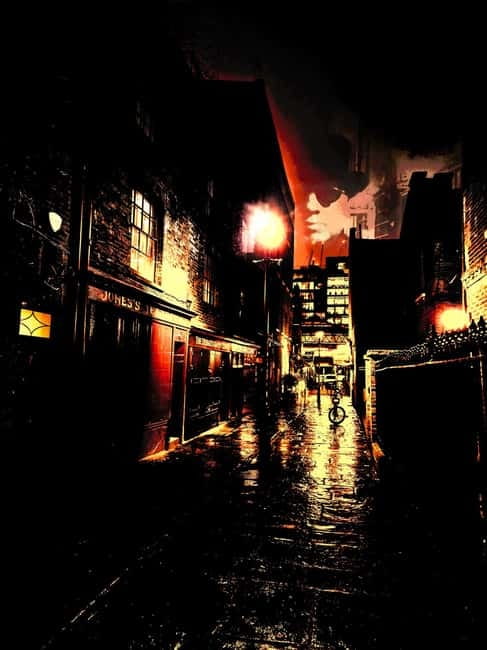
The final stretch matters because it helps you process what you’ve just absorbed. Finishing on Brushfield St also keeps you close to transport, so you can get back out into London without the tour swallowing your whole evening.
At this point, the chronology has carried you from early events through all six attributed murders, with the guide weaving in the larger social and investigative context along the way. That structure makes the ending feel less like a random closing line and more like a resolution to the night’s narrative arc.
If you’re comparing tours, this end point can be a practical plus. It’s near Aldgate East, which gives you options for a tube ride or onward plans. And since the tour starts at Whitechapel Station, you get a sense of having covered a meaningful stretch of the neighborhood rather than bouncing between unrelated stops.
Price and value: is $25 a fair deal for what you get?
At $25 per person, you’re paying for more than narration. You’re paying for a professional actor-led guided walk, small group limits, a structured timeline covering the complete set of six attributed murders, and visual aids included in the experience.
Two hours is a sweet spot for this subject. Long enough to build context and cover multiple locations, but short enough that you’re not stuck in a slow march through history. If the guide is strong—and reviews highlight that they are—you can leave feeling informed without feeling like you endured a grind.
The small-group cap (maximum 25) is part of the value too. You get better chances for questions, and the guide can adjust to the group. On nights when the group is tiny, the tour feels more like an intimate story session with a costumed guide, not a lecture for a big crowd.
So the question isn’t only whether the price is low. It’s whether it’s aligned with what you want. If you want a complete, story-driven Whitechapel walk with acting and visuals, the price makes sense. If you only want a quick overview of the most famous murder locations, you might feel the format is heavier than you need.
Who this tour fits best (and who should think twice)
This is a true walking tour with a clear content focus. You’ll be on your feet for about 2 hours, and the company notes it runs in all weather. Bring comfortable walking shoes, and plan to stay present even when the story turns serious.
The tour is not suitable for children under 14. That’s important, because the topic and the tone are not built for little attention spans or general shock tolerance.
It also has a practical list of restrictions. Mobility scooters, electric wheelchairs, non-folding wheelchairs, bikes, and audio recording are not allowed. Alcohol and drugs aren’t allowed, and bare feet are not allowed either. If you’re planning around accessibility needs, check the situation carefully before you book.
If you’re into true crime but also prefer real context over pure sensationalism, this should fit well. You’ll get the victims’ stories in the frame of daily life in Whitechapel, along with the investigation and the public reaction through police and newspapers.
And if you like guided storytelling, the acting component is a real selling point. One reason this tour earns high ratings is that it doesn’t feel like a stiff script. It feels like a guide in character who can still talk to you and handle questions while walking.
Before you book: quick practical checks
Here are the smart prep steps based on how this tour operates:
- Wear comfortable walking shoes/boots since it involves quite a bit of walking
- Dress for all weather, because the tour runs regardless
- Plan to listen, watch, and use the provided visuals instead of recording
- Skip it if your group needs bikes, scooters, or other restricted items
Should you book Dr Blood’s Jack the Ripper Walking Tour?
Book it if you want a Ripper tour that feels like more than a highlights walk. The combination of professional actors, latest research, a chronological narrative, and coverage of all six attributed murders with five real locations is a strong value package.
Skip it if you want something light, short, or purely scenic. This is focused on a grim slice of history, with walking effort and strict rules that keep the experience controlled.
If you’re deciding between multiple Ripper options, my advice is simple: choose the one that matches your tolerance for walking and dark subject matter, then lean into the structure. A chronological, system-aware tour is usually the one that leaves you feeling you truly understood what happened and why it mattered.
FAQ
How long is London: Dr Blood’s Immersive Jack the Ripper Walking Tour?
The tour lasts 2 hours.
Where do I meet the guide?
Meet at the Durward St exit of Whitechapel Station. The guide will be facing you directly across the street.
Where does the tour end?
The tour finishes on Brushfield St, just off Commercial St, a few minutes walk from Aldgate East Tube Station.
What will I see and learn on the tour?
You’ll learn about life in Whitechapel in the late 19th century, the victims, and the challenges faced by the police, as well as the role of newspapers and wider society. The tour covers events of 1888 in chronological order.
Does the tour cover all the Ripper murders?
Yes. The tour states it includes all 6 of the murders currently attributed to the Ripper.
How many real locations will the tour visit?
The tour says it visits 5 of the actual locations associated with the murders, and you’ll also stop at at least 16 different locations overall.
Are the guides actors in costume?
Yes. You’ll be guided by a professional actor in costume and the guide is in character for the evening.
What’s the group size?
Group size is limited to a maximum of 25 for a more comfortable and immersive experience.
Does the tour run in bad weather?
The tour runs in all weathers, so you should check the forecast and dress appropriately.
Is it suitable for children?
No. The tour is not suitable for children under 14.
More Tour Reviews in London
- From London: Harry Potter Warner Bros Studio Tour
★ 4.7 · 26,588 reviews - London: Westminster to Greenwich River Thames Cruise
★ 4.5 · 22,836 reviews - Magical London: Harry Potter Guided Walking Tour
★ 4.7 · 22,044 reviews - London: Madame Tussauds London
★ 4.6 · 20,915 reviews - London: Warner Bros. Studio Harry Potter Tour & Branded Bus
★ 4.7 · 19,194 reviews
More London Walks Worth the Shoe Leather
- Magical London: Harry Potter Guided Walking Tour
★ 4.7 · 22,044 reviews - London: The Original Jack the Ripper Walking Tour
★ 4.7 · 7,833 reviews - Tour for Muggles The Ultimate Harry Potter Walking Tour in London
★ 5.0 · 4,684 reviews - London Jack The Ripper Guided Walking Tour
★ 5.0 · 3,131 reviews - London: Harry Potter Movies Walking Tour (Kids Go Free)
★ 4.7 · 3,071 reviews
More Ripper Walks After Dark
- London: The Original Jack the Ripper Walking Tour
★ 4.7 · 7,833 reviews - London Jack the Ripper Guided Tour with Ripper-Vision
★ 4.5 · 4,840 reviews - London: Jack the Ripper Small Group Tour
★ 4.7 · 3,159 reviews - London Jack The Ripper Guided Walking Tour
★ 5.0 · 3,131 reviews - London: Jack the Ripper Tour with Immersive Ripper Vision
★ 4.5 · 1,840 reviews
Just reviewed around London





Jack the Ripper Tours, compared.
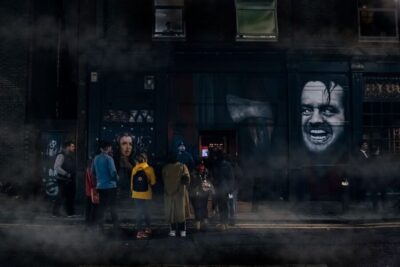 ★ 4.7The Original Jack the Ripper Walking TourFrom $257,833 reviews
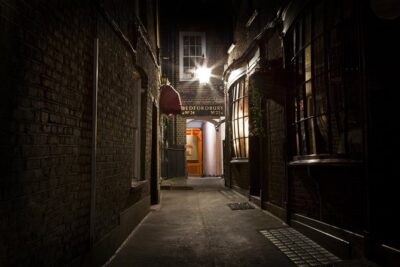 ★ 4.5London Jack the Ripper Guided Tour with Ripper-VisionFrom $274,840 reviews
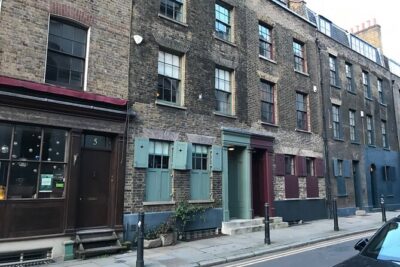 ★ 4.7Jack the Ripper Small Group TourFrom $263,159 reviews
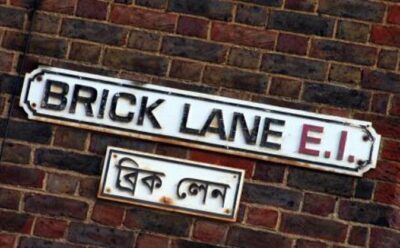 ★ 5.0London Jack The Ripper Guided Walking TourFrom $03,131 reviews
 ★ 4.5Jack the Ripper Tour with Immersive Ripper VisionFrom $241,840 reviews
 ★ 4.6German Language : Original Jack the Ripper TourFrom $241,805 reviews
 ★ 5.0Ultimate Jack the Ripper : Guided Tour of LondonFrom $271,495 reviews
 ★ 4.9Jack the Ripper Evening Walking TourFrom $331,449 reviews
Browse the lists this tour appears in